How often should you service your car for better mileage?

Cars should be serviced every 12 months or 12,000 miles. High-mileage drivers need an interim check every six months. Regular servicing provides fresh oil and clean filters, which can improve your vehicle's fuel efficiency by up to 20 per cent.
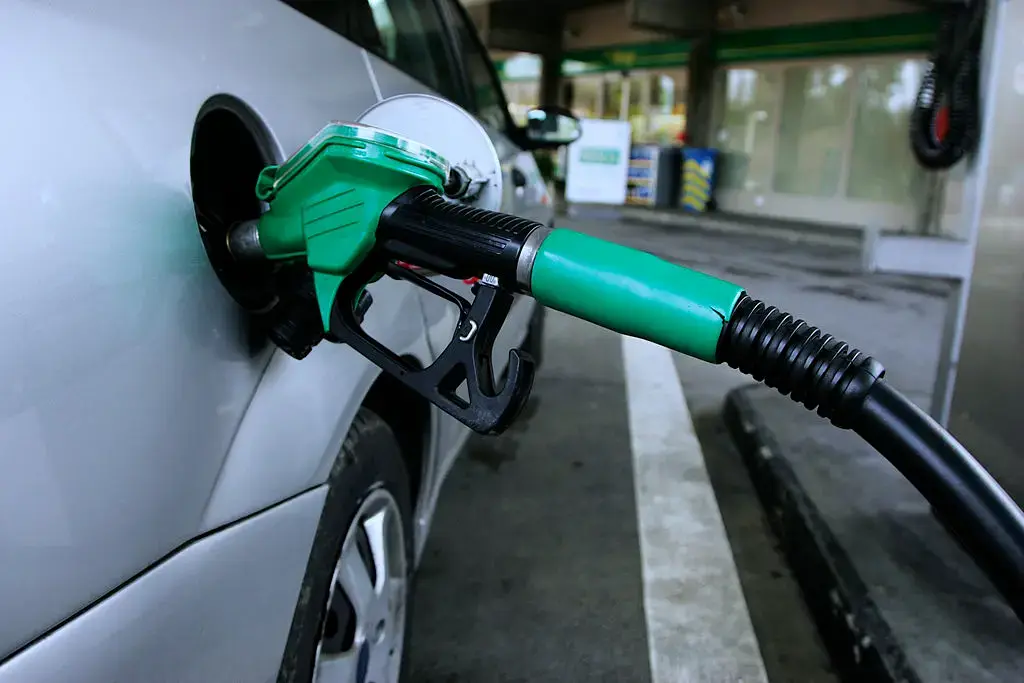
The annual full service
Most manufacturers strongly recommend a full service every 12 months or 12,000 miles, whichever comes first. This comprehensive annual check ensures all critical engine components are functioning efficiently, preventing sudden drops in your fuel economy.
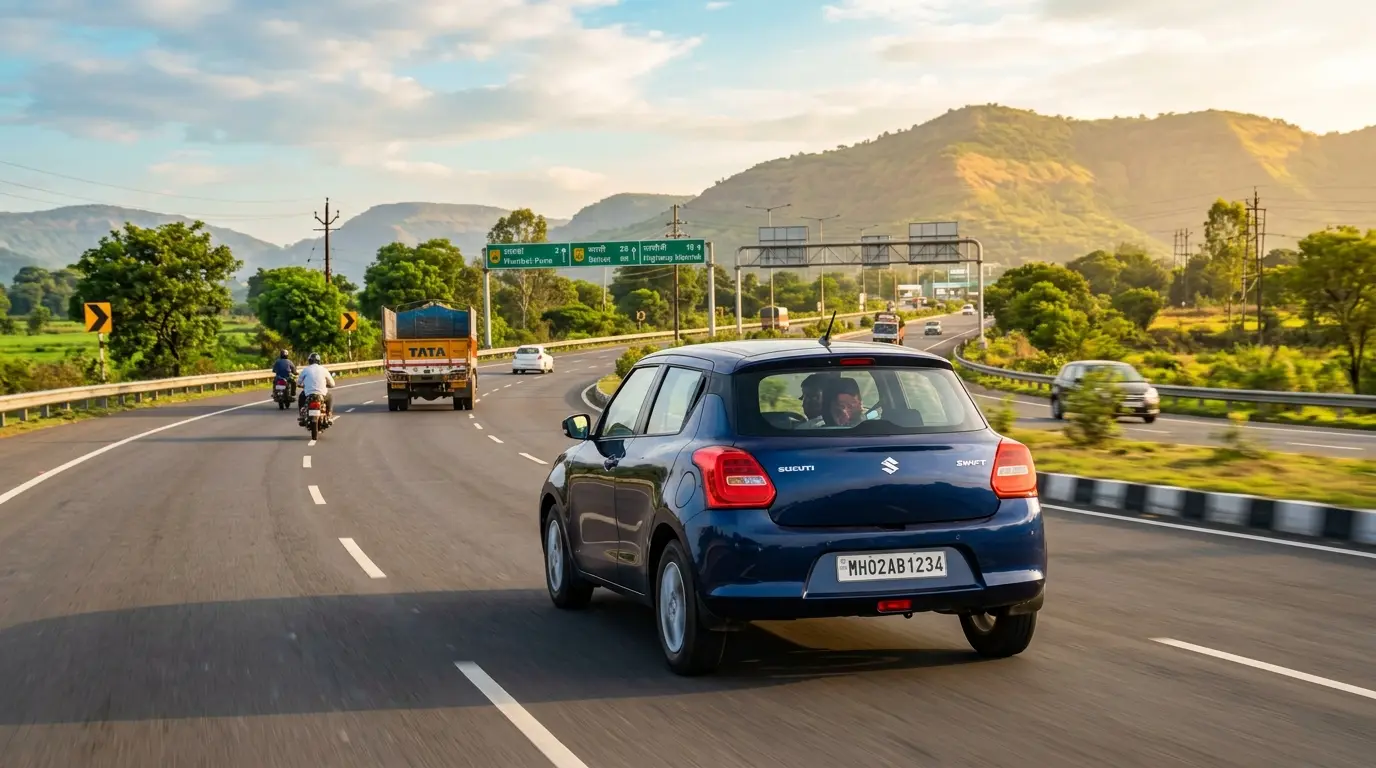
The interim service rule
If you drive heavily, waiting a full year is a costly mistake. The RAC advises high-mileage drivers to book an interim service every six months or 6,000 miles to keep the engine properly lubricated and running efficiently.
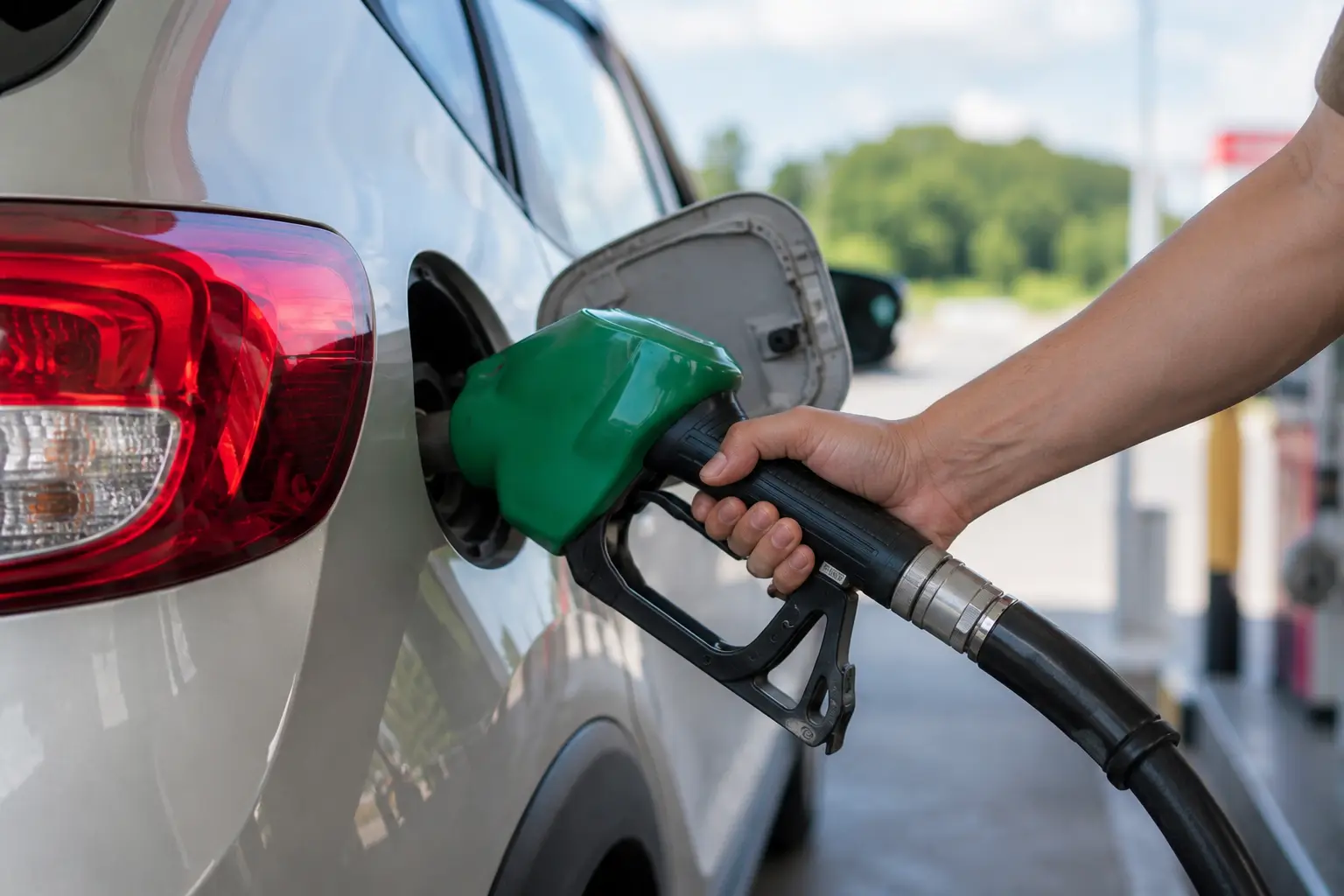
The 20 per cent penalty
Ignoring your service schedule directly hurts your wallet. Motoring experts at the AA state that an inadequately maintained car can consume up to 20 per cent more fuel than a vehicle that strictly follows its service handbook.
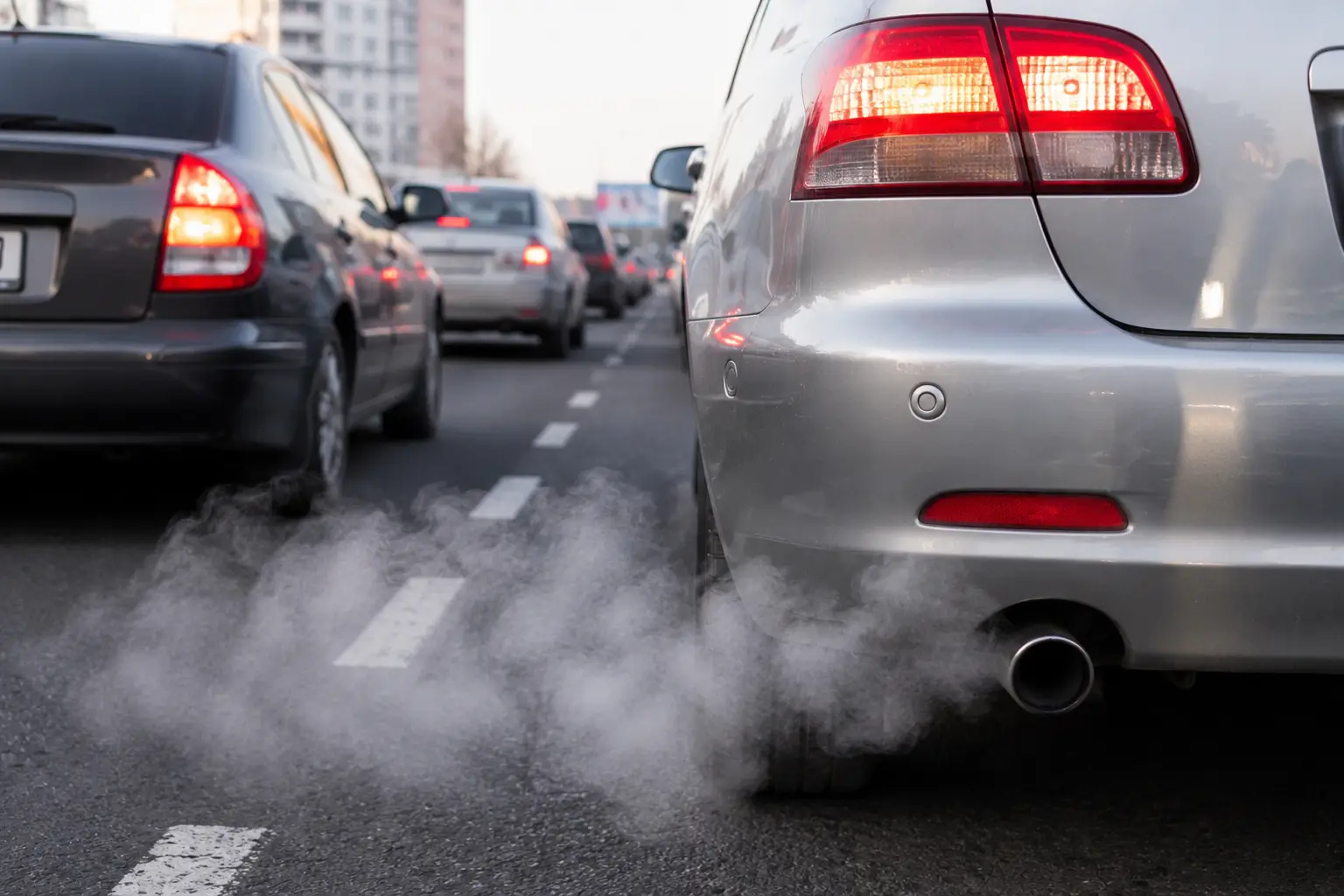
The impact of fresh oil
Clean engine oil is vital for maximising your mileage. During a routine service, mechanics replace degraded, sludgy oil with fresh fluid, drastically reducing internal engine friction and allowing the car to burn less petrol.
Changing clogged air filters
Your engine needs a precise mixture of fuel and oxygen to operate efficiently. Replacing a dirty, clogged air filter during a service ensures optimal airflow, preventing the engine from compensating by burning extra fuel.
Fixing faulty sensors
Modern engines rely on complex sensors to regulate fuel delivery. A full service uses diagnostic tools to catch failing components like oxygen sensors, which can silently destroy your fuel efficiency if left unreplaced.
Routine tyre maintenance
While mechanics check tyre pressure during a service, doing it yourself between visits is crucial. Keeping your tyres inflated to the manufacturer's exact specifications reduces rolling resistance, providing an instant boost to your daily mileage.
)
)
)
)
)