How North Korea's nuclear programme has evolved under Kim Jong Un

Under Kim Jong Un, North Korea expanded from basic atomic tests to thermonuclear weapons and solid-fuel ICBMs. He declared the nation's nuclear status irreversible, developed tactical battlefield weapons, and formed strategic military pacts.
Accelerating the Arsenal
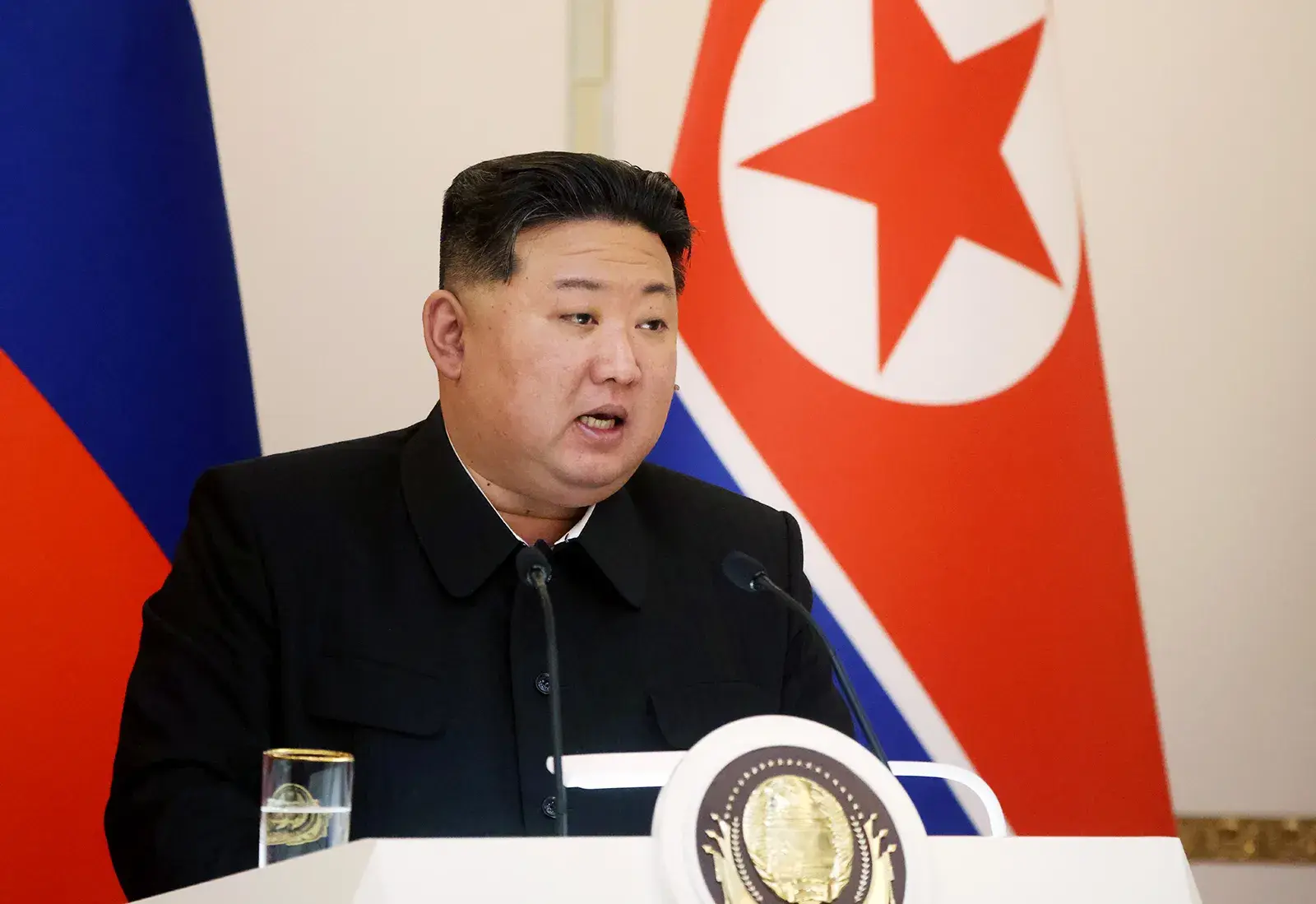
When Kim Jong Un assumed power in 2011, North Korea possessed a rudimentary nuclear capability with only two prior tests. He rapidly transformed the isolated nation into an advanced nuclear state, personally overseeing four massive underground detonations.
The Hydrogen Bomb
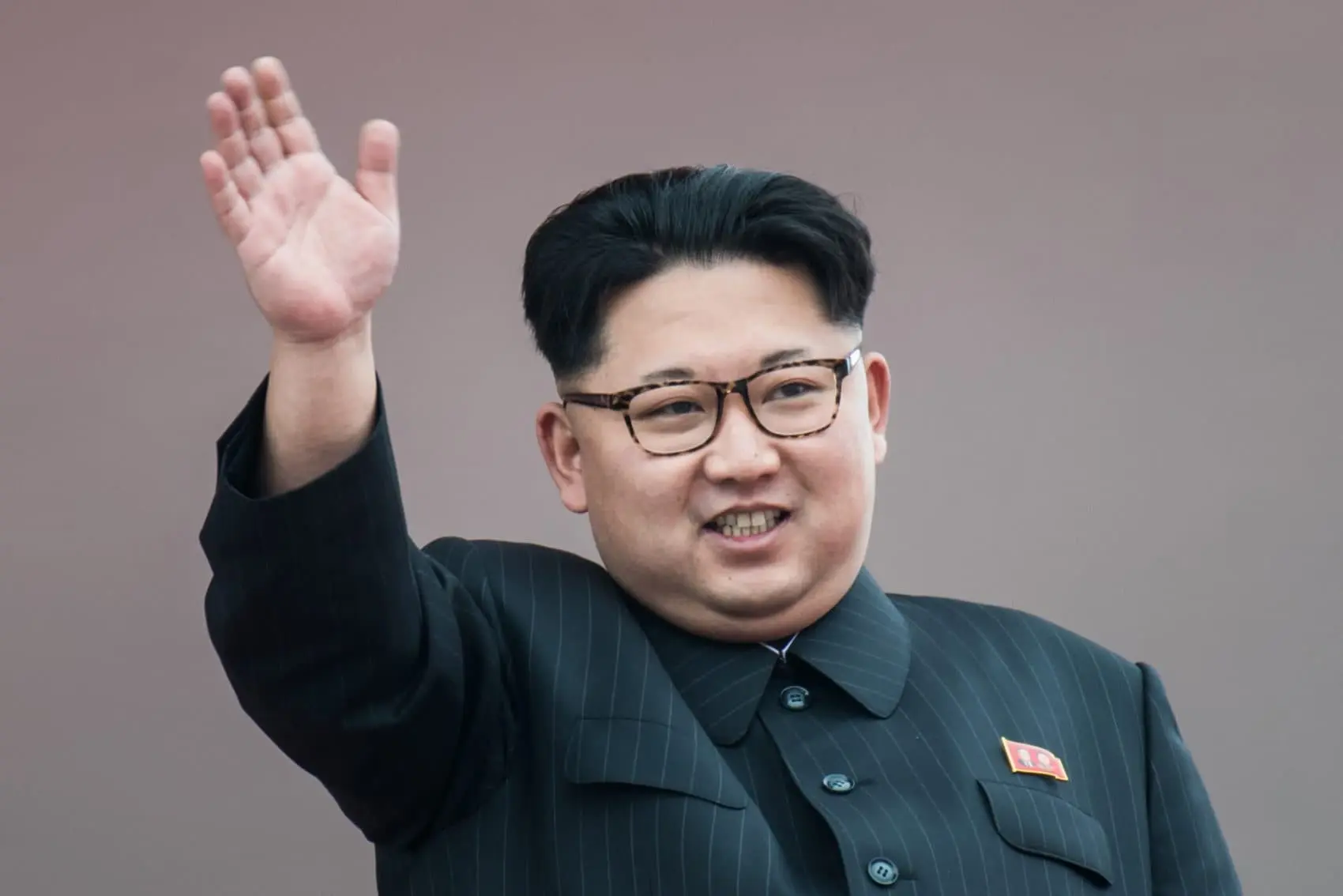
In September 2017, Pyongyang conducted its sixth and most powerful nuclear test, detonating what it claimed was a thermonuclear weapon. The underground blast generated a 6.3-magnitude artificial earthquake, demonstrating a yield significantly larger than early atomic bombs.
Reaching the US Mainland
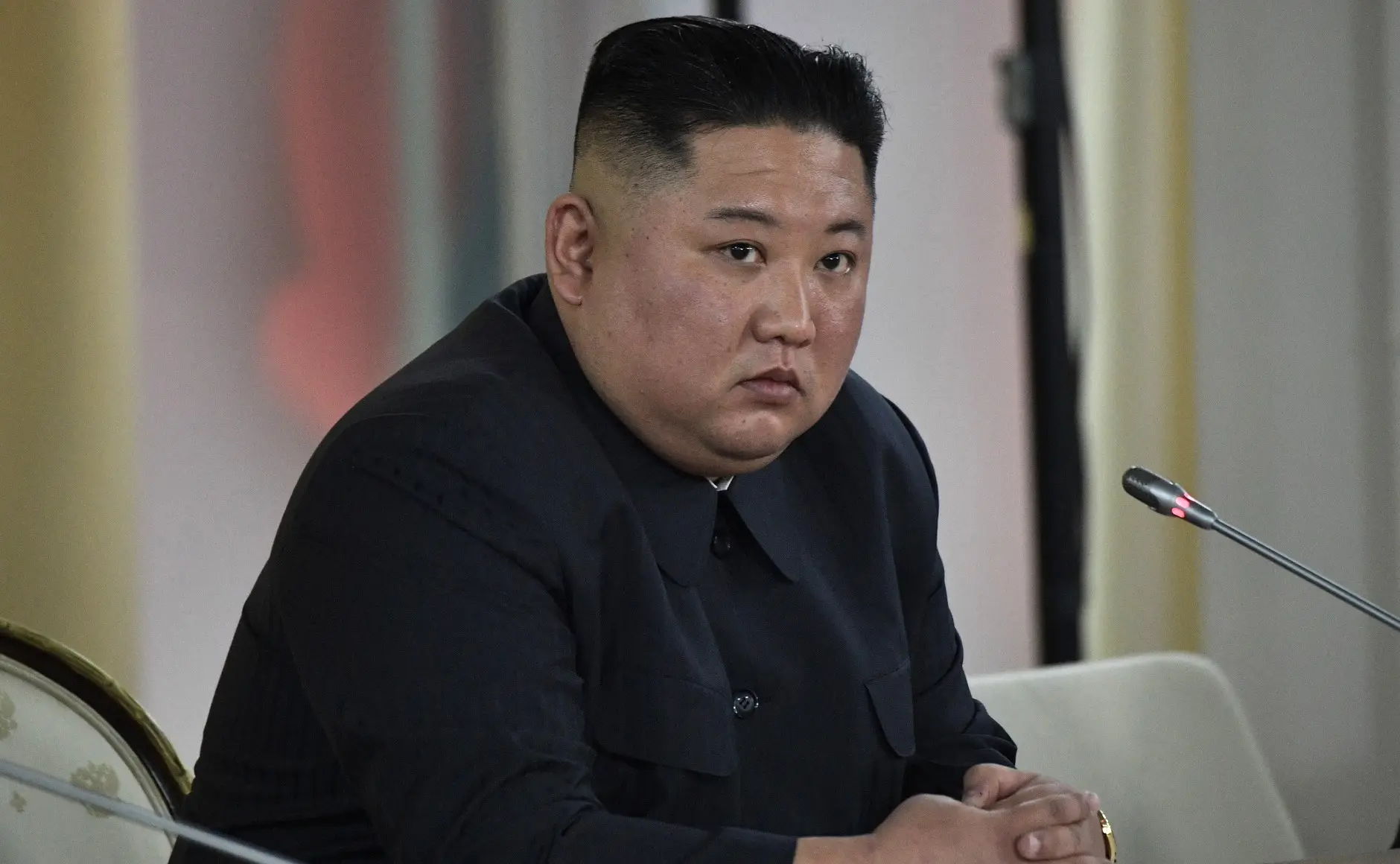
Under Kim's strict command, the Korean People's Army shifted focus to intercontinental delivery systems. The successful deployment of the liquid-fuelled Hwasong-15 and the solid-fuel Hwasong-18 ICBMs definitively proved North Korea could launch strikes against the United States mainland.
Tactical Battlefield Weapons
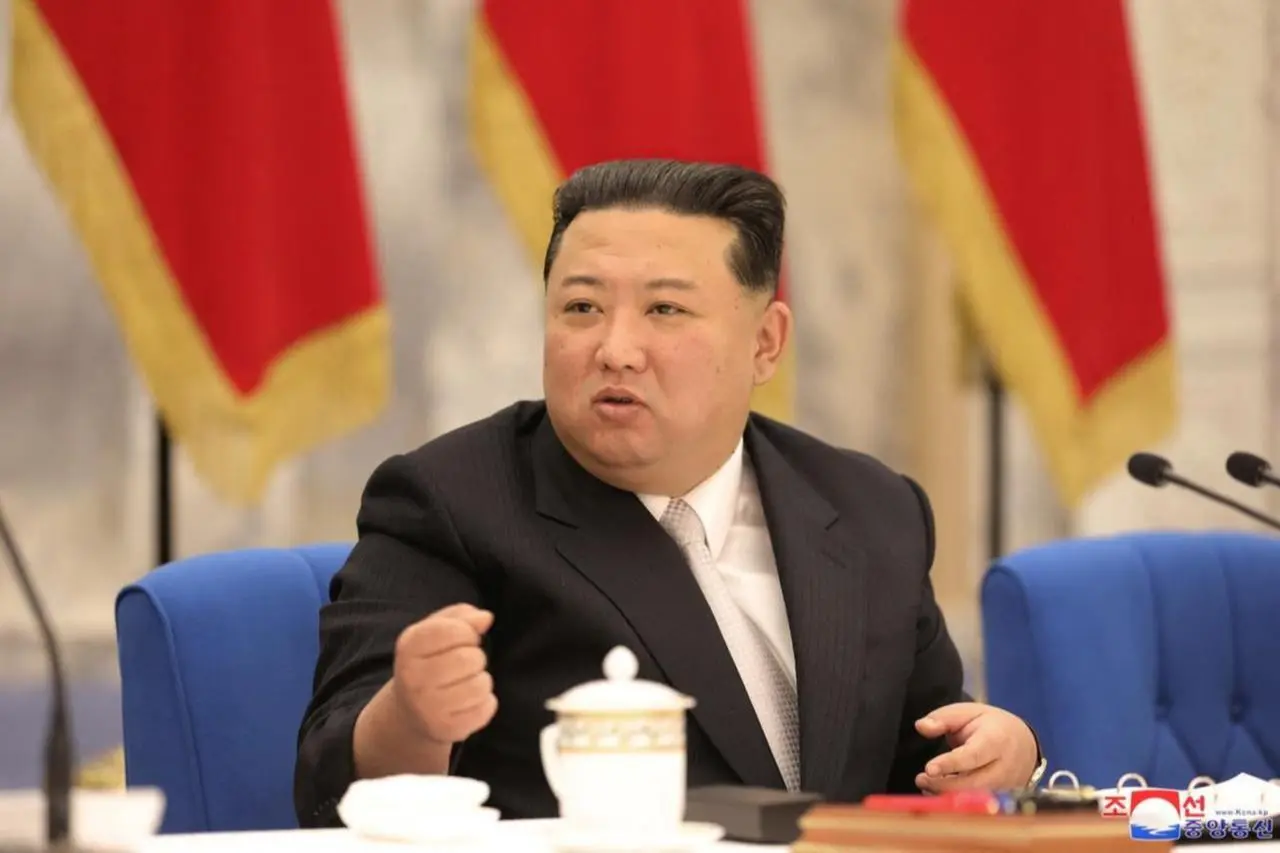
Beyond massive strategic missiles, Kim has recently pivoted towards developing smaller, tactical nuclear weapons intended for regional conflicts. This rapidly expanding arsenal includes nuclear-capable cruise missiles, submarine-launched ballistics, and the ‘Haeil’ underwater radioactive tsunami drone.
An Irreversible Status
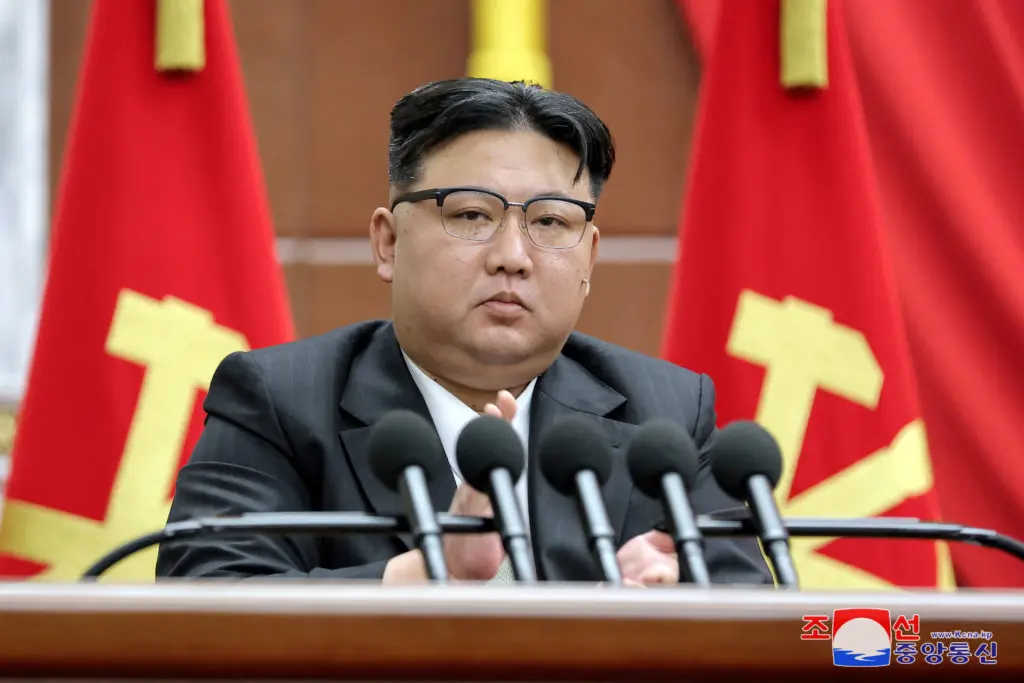
In late 2022, the North Korean parliament passed a sweeping law officially declaring the nation's nuclear status as entirely ‘irreversible’. The aggressive legislation legally authorised the military to launch pre-emptive nuclear strikes if the leadership faces an imminent threat.
Expanding Uranium Enrichment
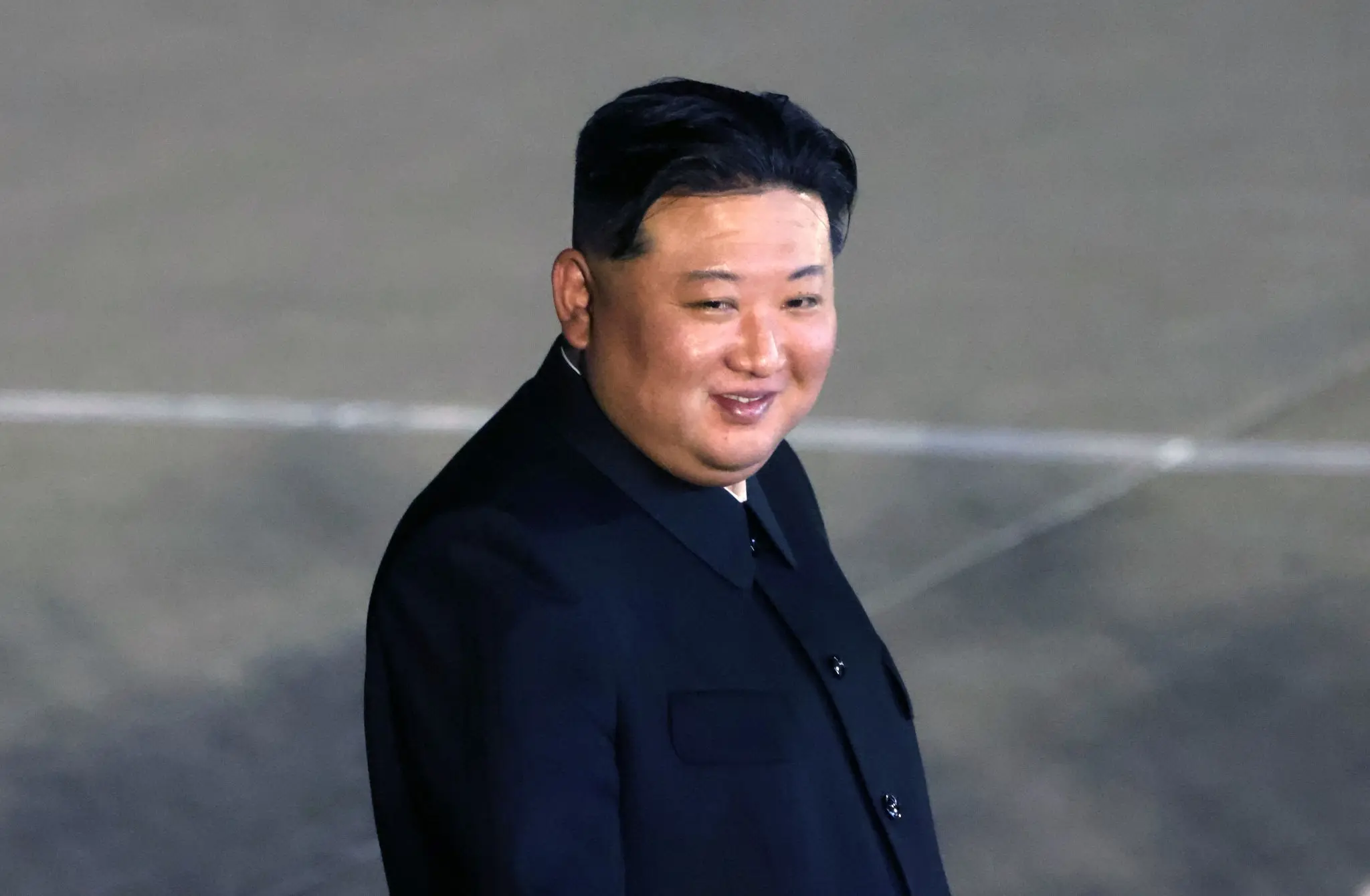
The totalitarian regime continues to heavily expand its weapons-grade fissile material production. State media recently published rare images of Kim Jong Un touring a massive uranium enrichment facility, signalling a continuous and unconstrained growth of the nuclear stockpile.
Forging Military Alliances
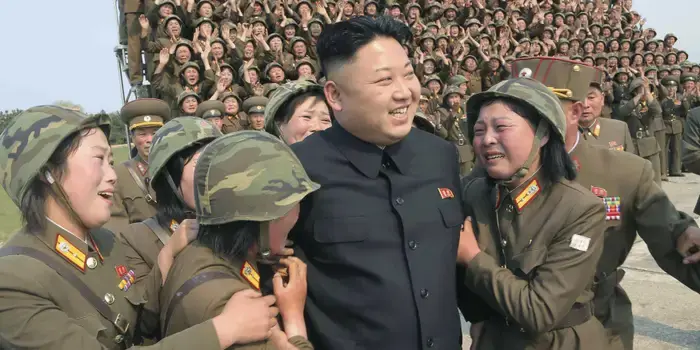
Facing heavy international sanctions, Pyongyang has aggressively leveraged its nuclear status to forge strategic defence pacts. By supplying conventional munitions to Russia, Kim has secured crucial technical assistance to further modernise his nuclear submarine and military satellite programmes.