How Neuralink is letting people control tech with thought

Neuralink now allows those with paralysis to use computers, play games, and write just by thinking. Recent trials are helping people reclaim independence, and it can transform how humans connect with technology. Read more below.
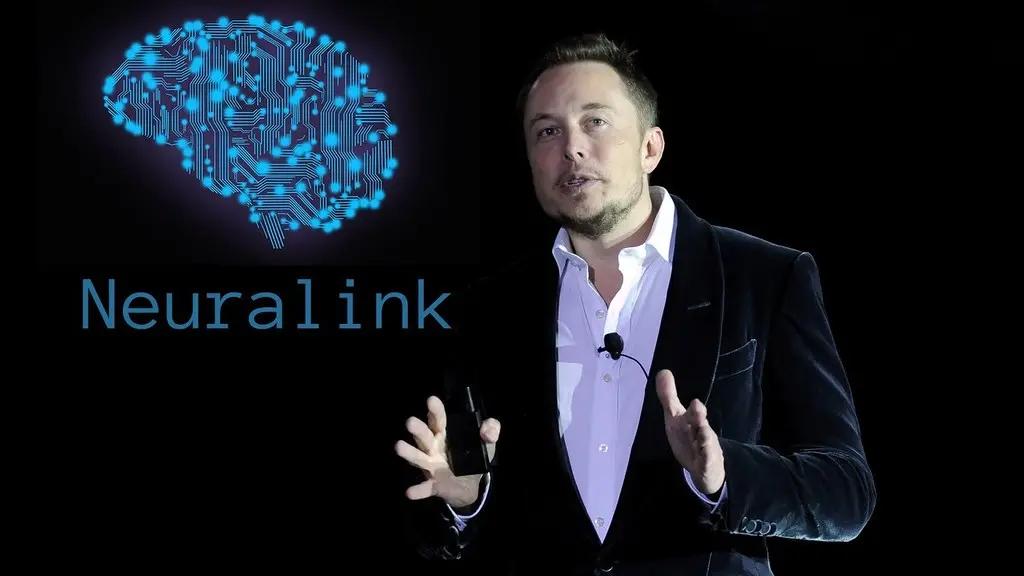
What is Neuralink and how does it work?
Neuralink is a pioneering brain chip technology that helps people control computers and devices just by thinking. Tiny electrodes gets implanted in the brain, it pick up neural signals, which are translated into commands for machines. This makes the connection between the human mind and technology direct and wireless.
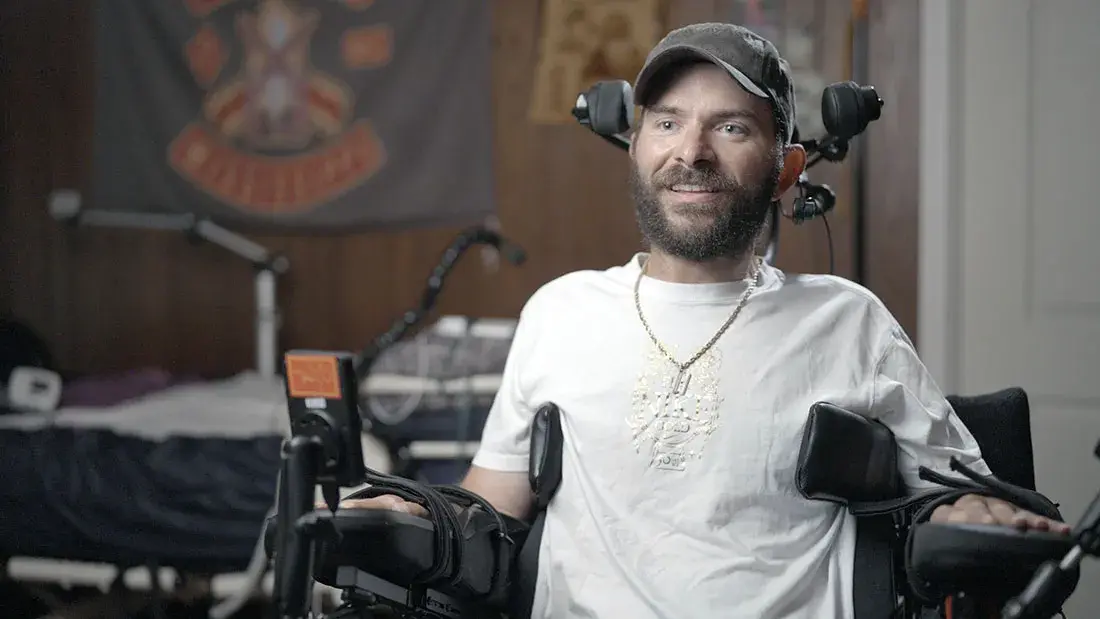
Patients use thought to control tech
Recent human trials have shown that Neuralink has enabled people with paralysis to play games, run computers, and even move robotic limbs, simply by using their thoughts. This is a major step forward in independence and daily life for those with limited mobility.
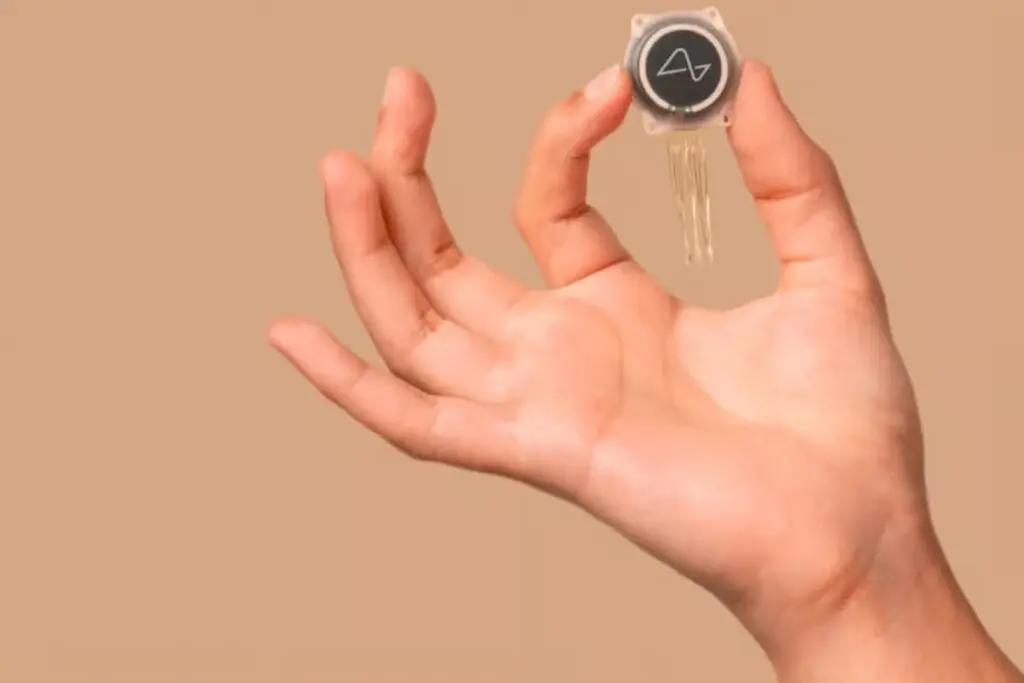
The N1 implant - tiny device, big impact
The main device, called the N1 implant, is wireless with hundreds of thin threads connecting to areas of the brain that control movement. The implant sends signals to computers in real time, making it possible for users to browse, draw, and play without moving their bodies.
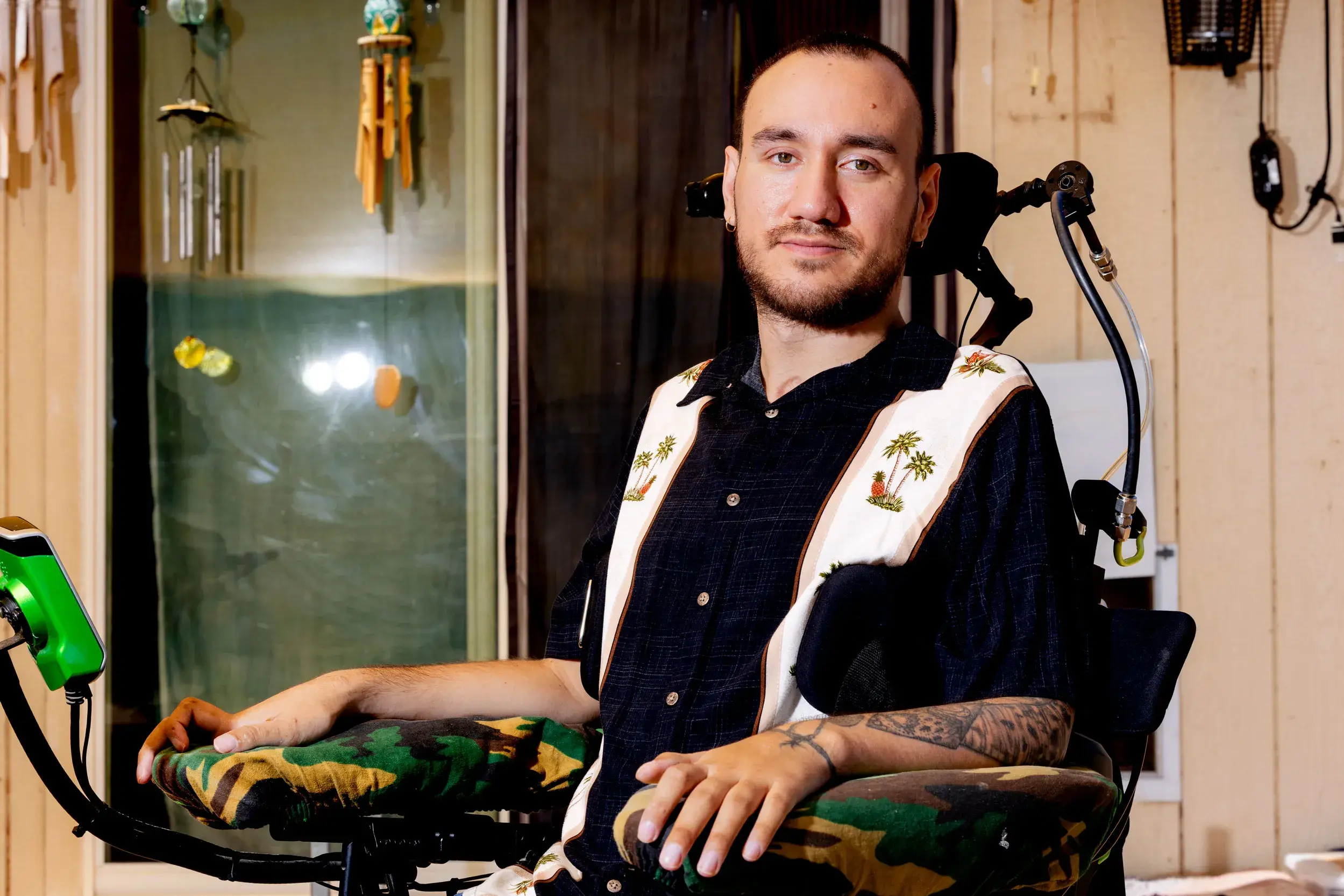
Controlling games and messages
Patients like Noland Arbaugh have shown that Neuralink can let them play chess, browse, or move a cursor purely by thought, with no physical action needed. Audrey Crews, the first woman with a Neuralink implant, can write and draw on her computer after twenty years of paralysis.
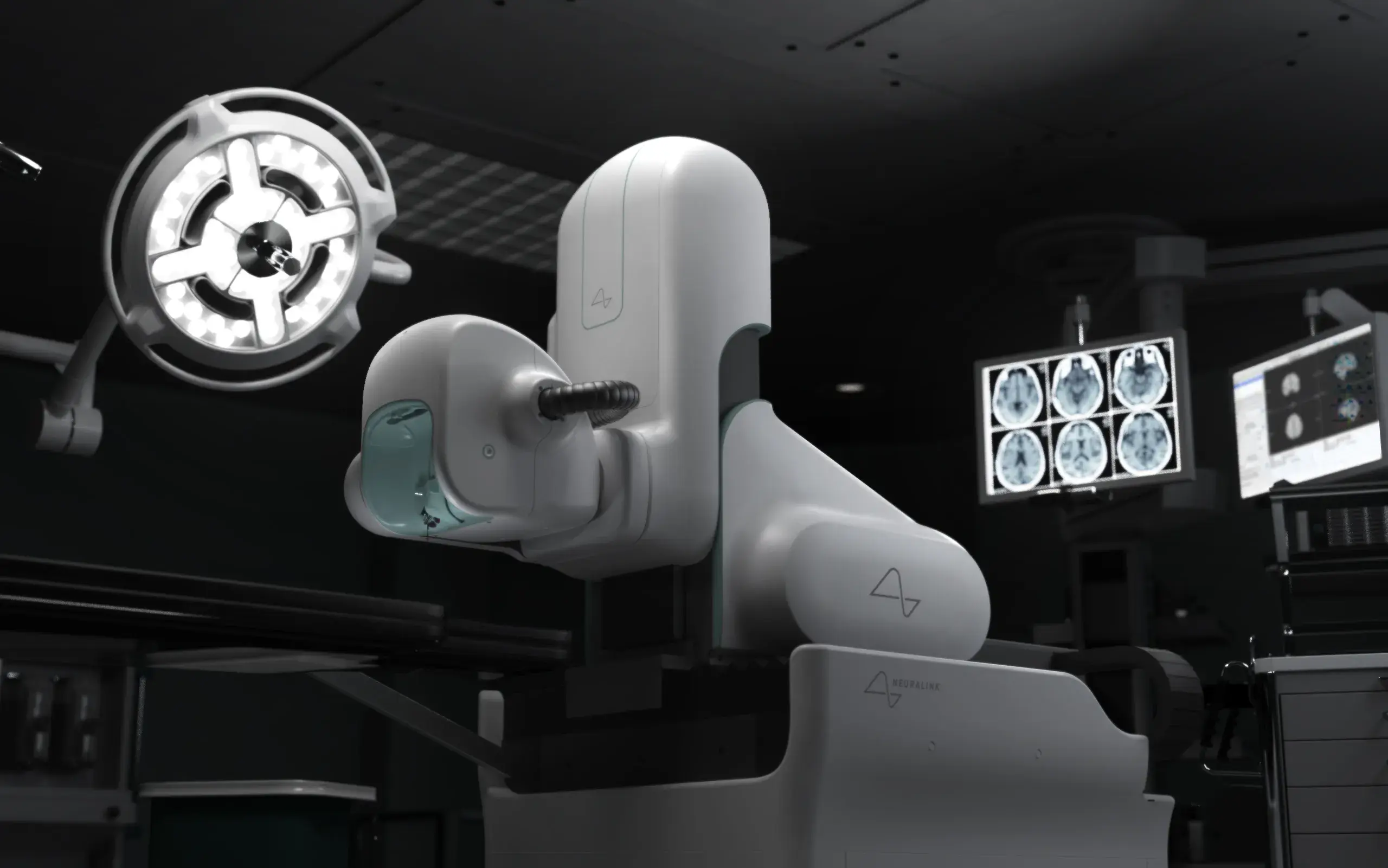
Powerful Upgrades
Neuralink’s new software upgrades use AI to interpret brain signals more clearly and make the device safer. Battery life and signal quality are improved, and the surgical robot makes implanting the device safer and more precise each time.
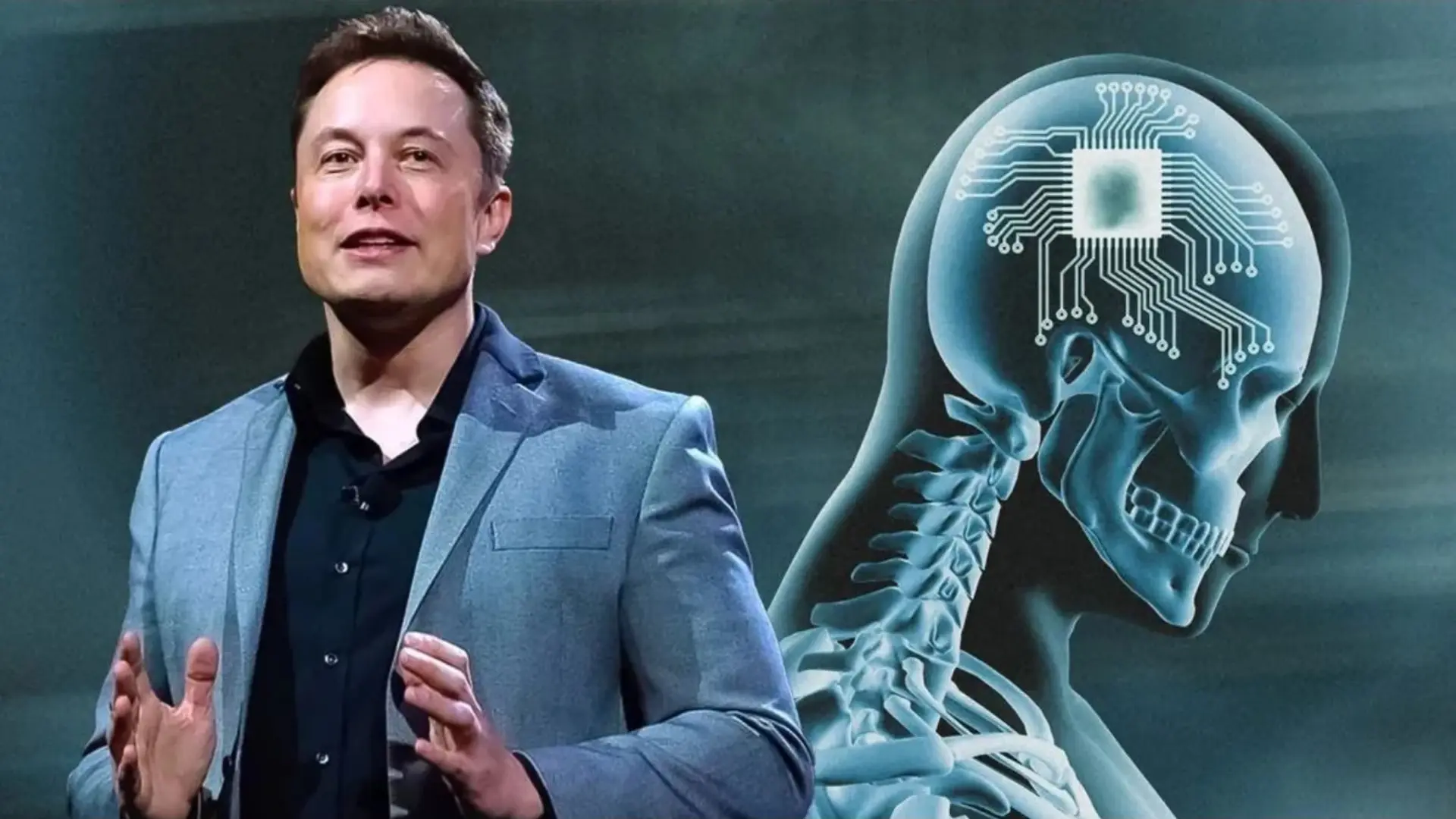
Global trials and new hopes
Neuralink will soon involve more participants across the globe, working on restoring lost speech and vision and developing fully thought-controlled Robotic limbs. Trials in the UK, Canada, and the UAE are expected to start by the end of 2025.
A future of mind-powered living
The Neuralink technology is still new, but rapid progress suggests a future where people with disabilities can work, play, and interact using mind signals alone. Elon Musk calls it a way to “Give people back the ability to live more fully.”
)
)
)
)
)