How NASA's Voyager-2 helped solve Neptune’s great dark spot mystery

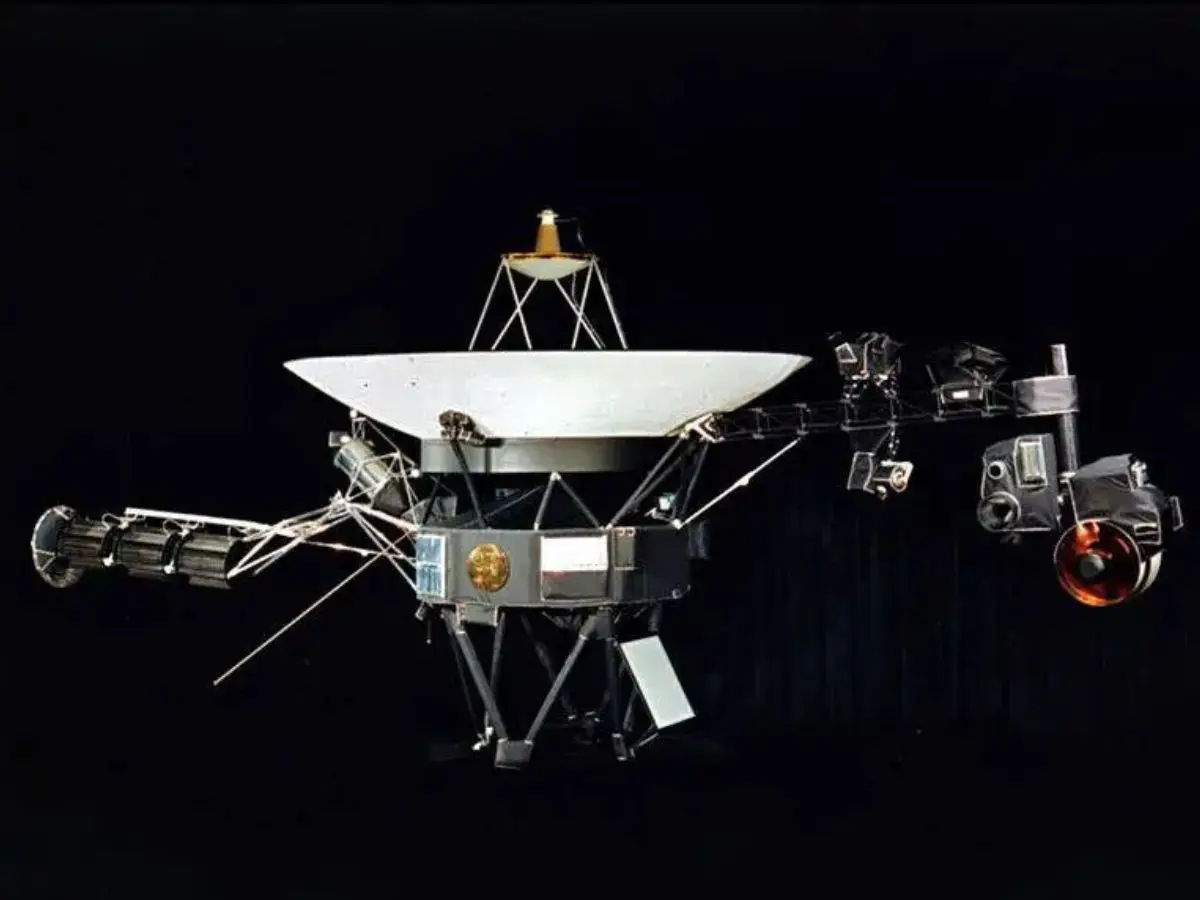
In 1989, NASA’s Voyager 2 became the first and only spacecraft to visit Neptune up close, providing remarkable insights into the planet’s atmosphere and its iconic Great Dark Spot (GDS). Voyager 2’s observations transformed our understanding of this mysterious storm. Here’s what we learned:
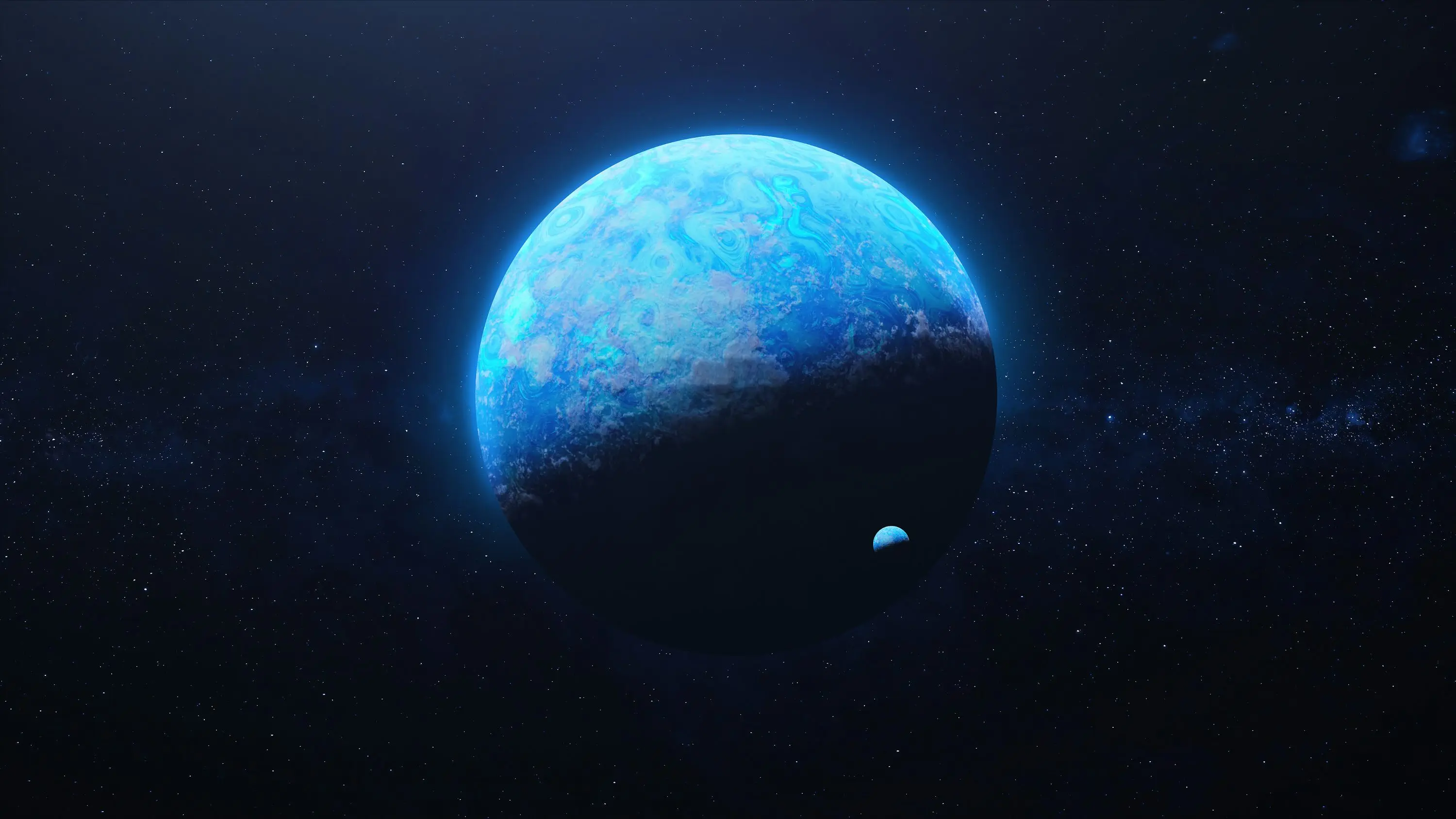
First Close-Up of Neptune
Voyager 2 flew past Neptune on August 25, 1989, coming within 4,950 kilometres of the planet’s cloud tops. For the first time, scientists could study Neptune’s dynamic atmosphere and the massive storm systems that dominated its southern hemisphere.
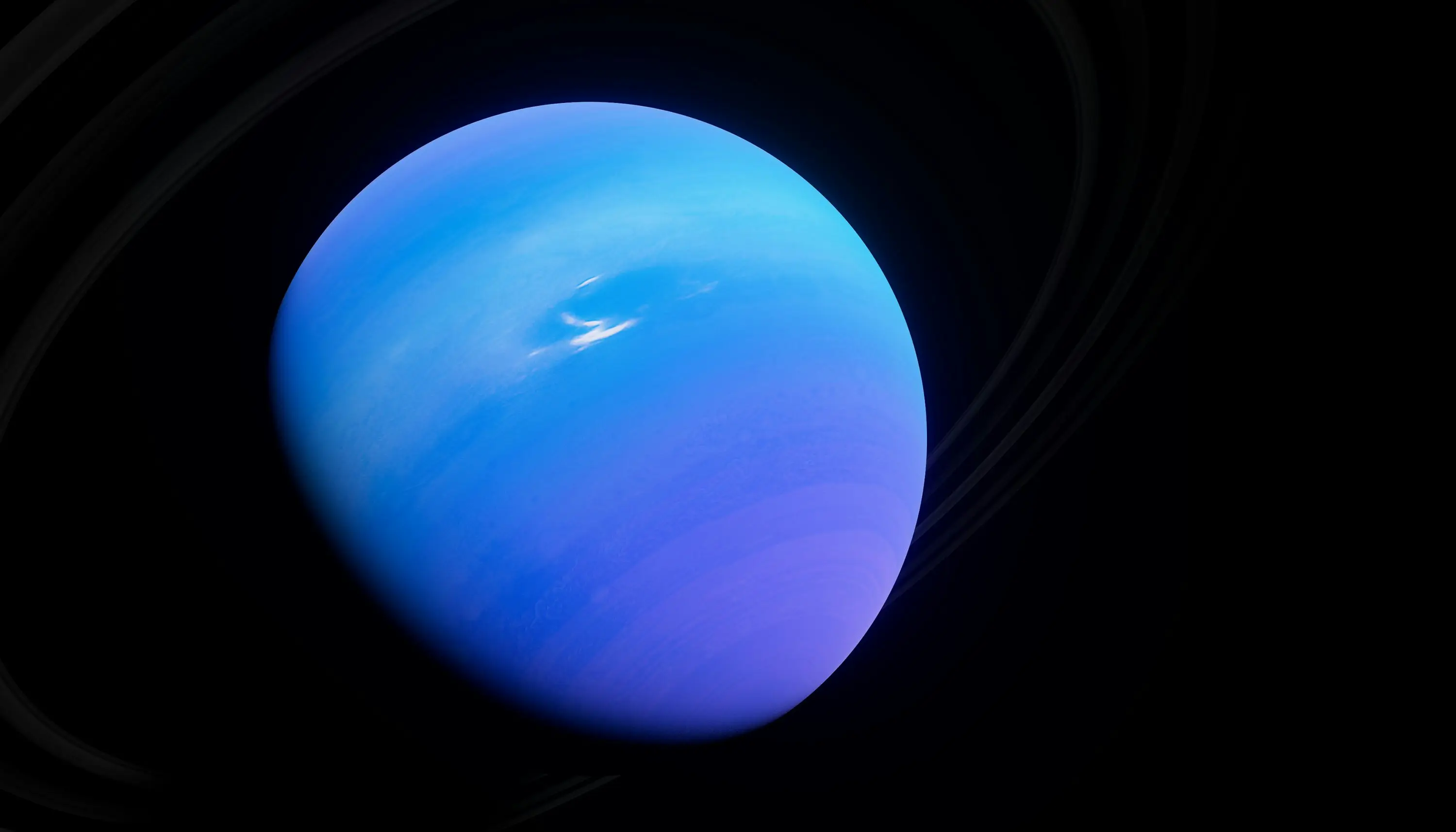
Discovery of the Great Dark Spot
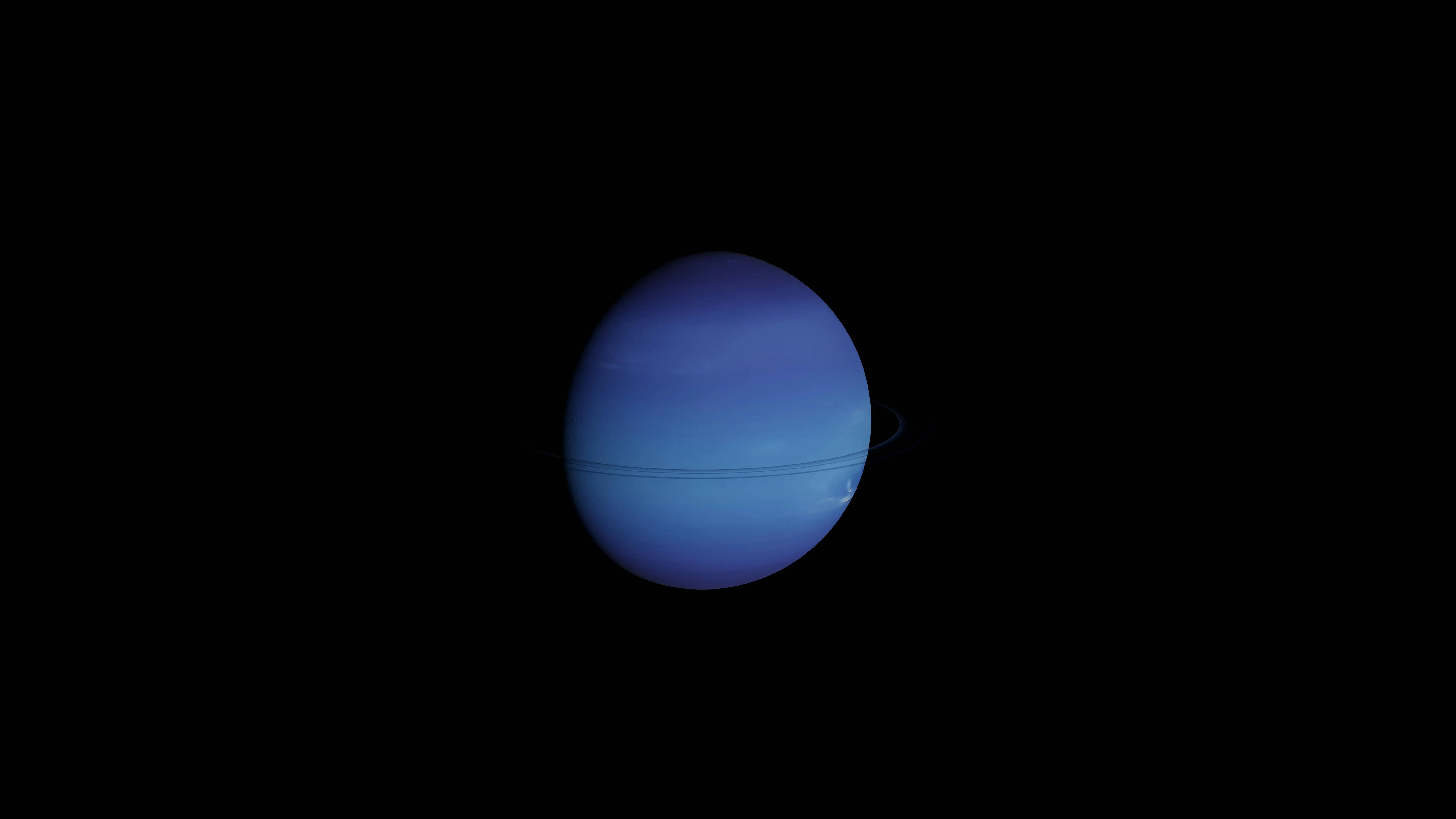
Voyager 2 captured the GDS as a massive, dark, oval-shaped storm roughly the size of Earth. Its swirling clouds and high-speed winds, exceeding 2,100 km/h, stunned scientists and revealed Neptune as the windiest planet in the solar system.
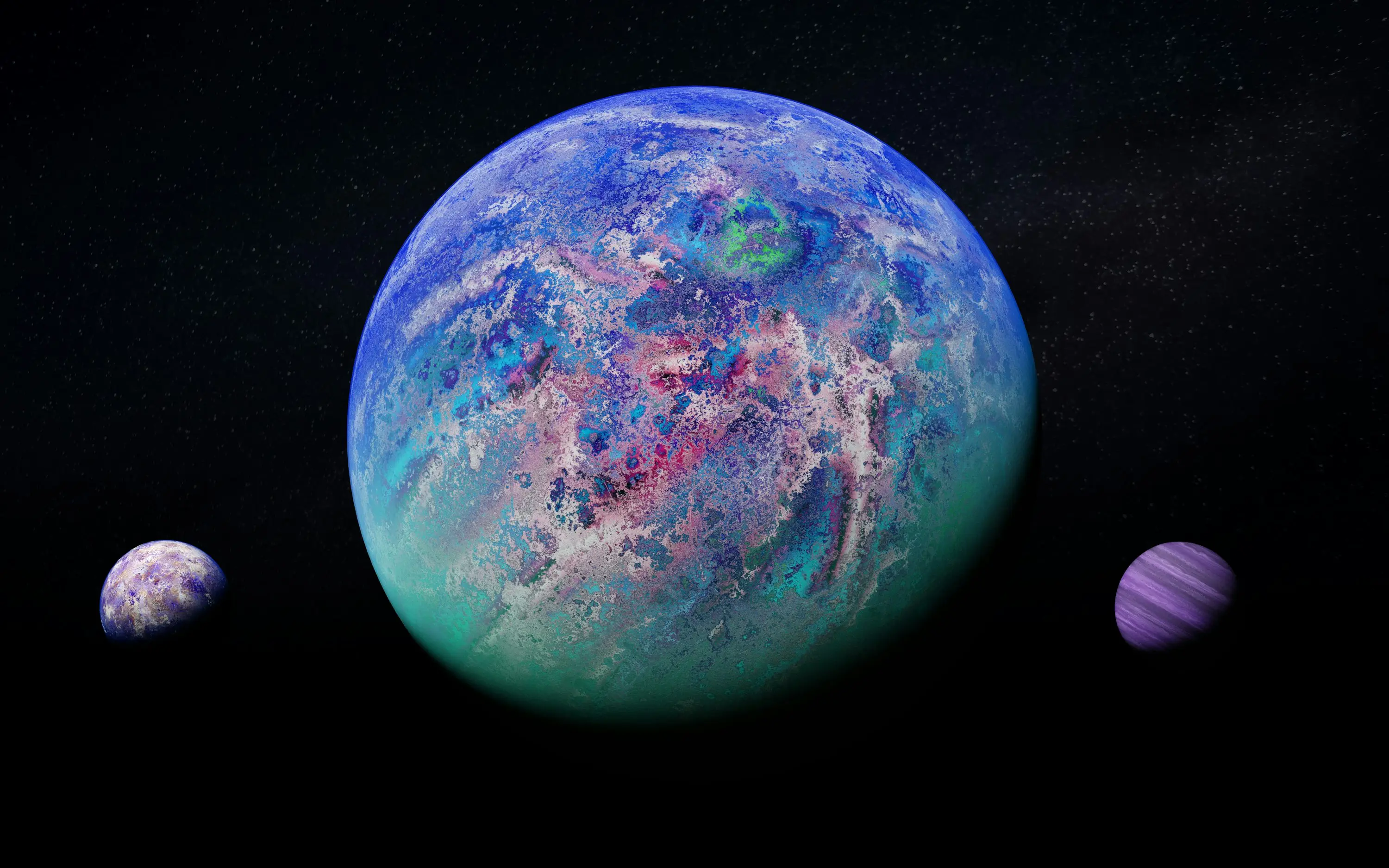
Understanding the Storm’s Composition
Analysis of Voyager 2’s images suggested that the GDS was made up of high-altitude clouds of methane ice. These clouds formed above the darker vortex of the storm, creating the striking contrast that made the Great Dark Spot visible.
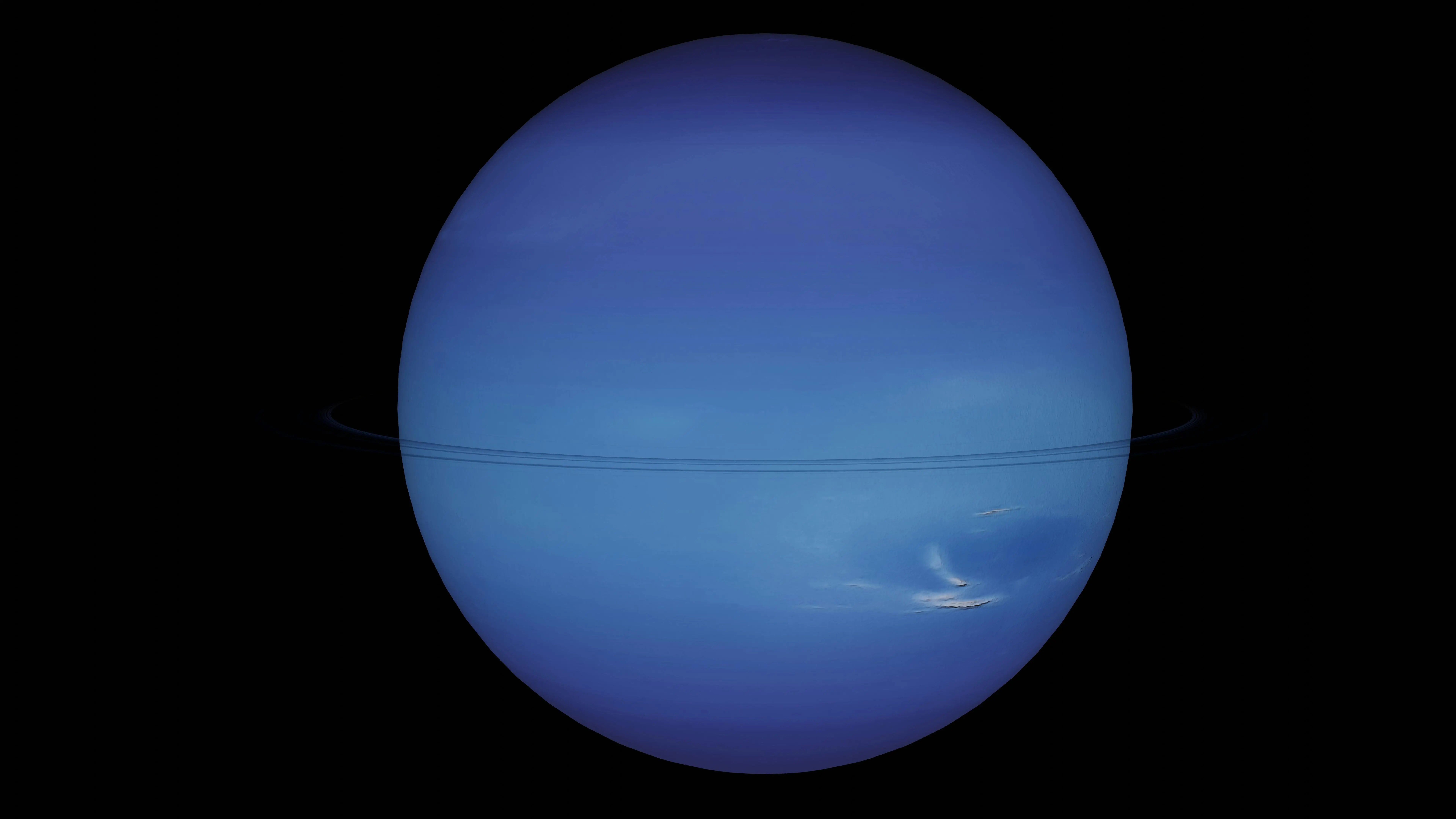
Dynamic and Temporary Nature
Voyager 2 revealed that Neptune’s storms are not permanent. Unlike Jupiter’s Great Red Spot, Neptune’s GDS appeared to be temporary, capable of forming and dissipating over relatively short periods. Hubble observations in the 1990s confirmed that the GDS had disappeared entirely.
Wind Patterns Around the GDS
The spacecraft’s instruments measured Neptune’s extreme winds, revealing that the fastest winds occur around the edges of the Great Dark Spot. These circular jet streams confine the storm and maintain its shape, helping scientists understand atmospheric dynamics on gas giants.
Implications for Planetary Weather Models
Voyager 2’s data challenged previous assumptions about storm formation in outer planets. Scientists realised that even in the cold, distant regions of the solar system, powerful weather systems could form, driven by internal heat and complex atmospheric chemistry.
Legacy for Future Observations
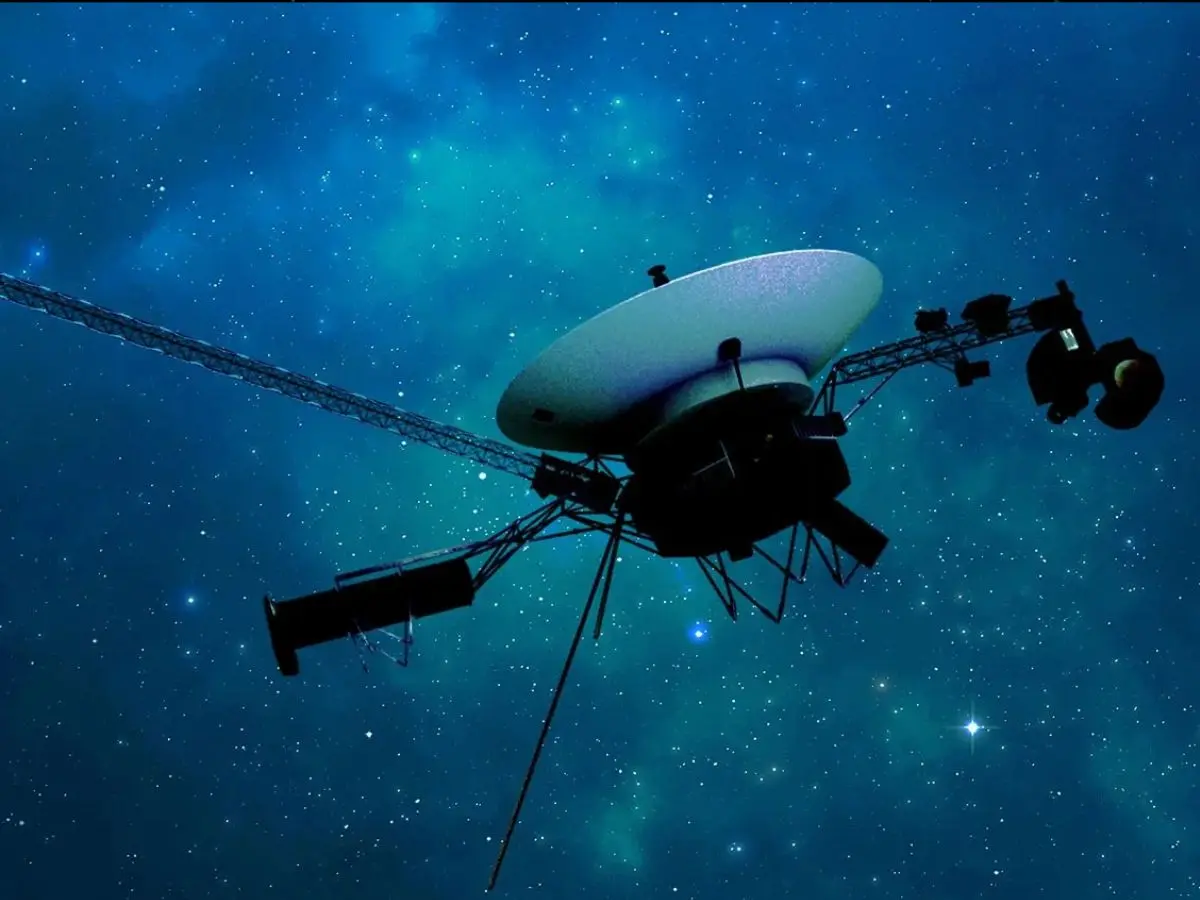
Voyager 2’s flyby provided the only close-up look at Neptune to date. Its images and data continue to guide astronomers, helping them track changing storm patterns and improving models of gas giant atmospheres—knowledge crucial for studying exoplanets as well.
)
)
)
)
)