How NASA’s Voyager 1 could help aliens discover human civilisation on Earth?

For nearly half a century, NASA’s Voyager 1 has been drifting farther and farther from home, but its mission isn’t truly over. In fact, this tiny spacecraft could one day be the first way an alien civilisation learns about Earth… and the humans who live here.
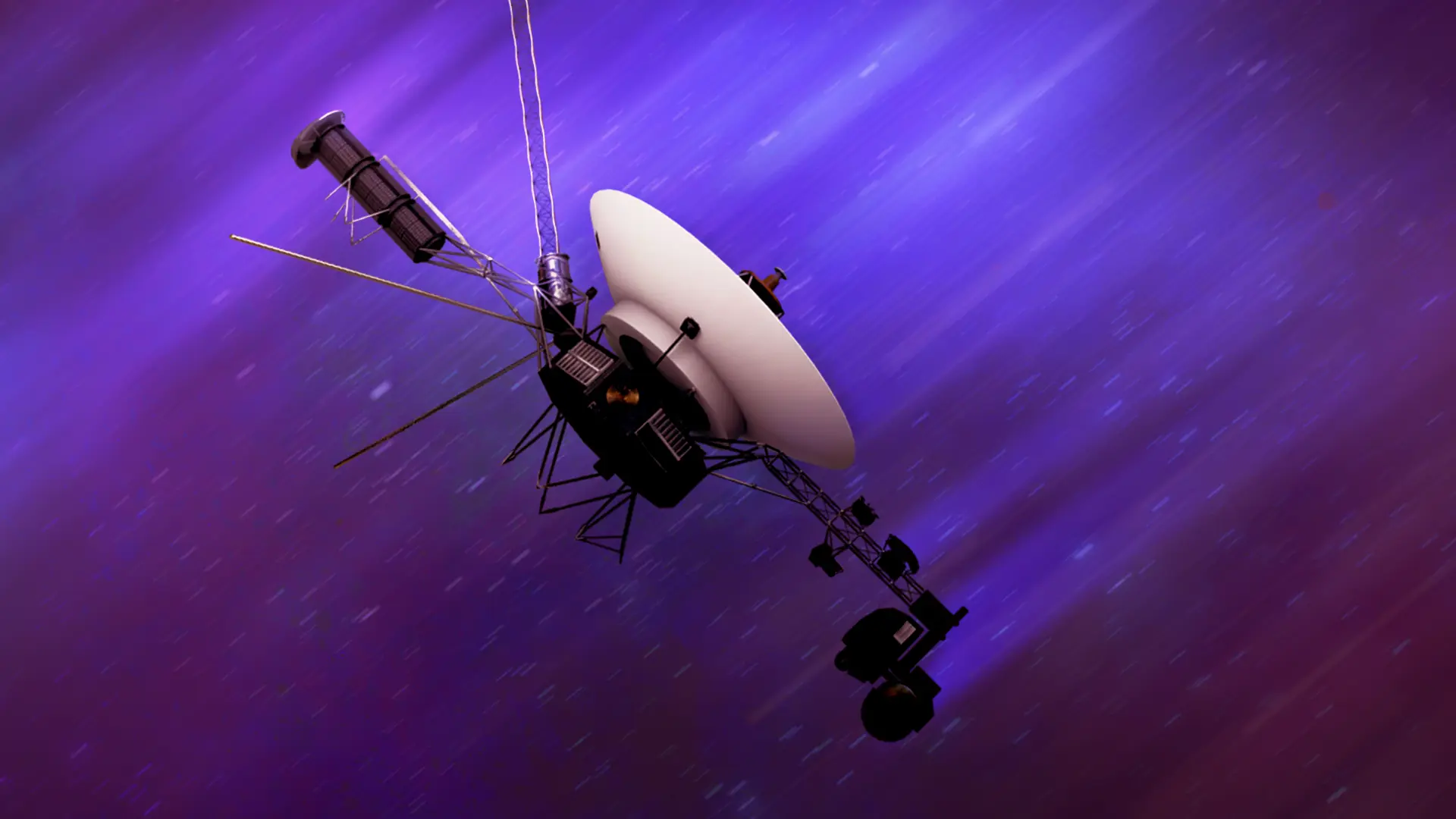
The Farthest Human-Made Object
Voyager 1, launched in 1977, is now more than 15 billion miles from Earth, farther than any spacecraft in history. It’s already in interstellar space, beyond the Sun’s protective bubble.
A Silent Messenger
Though it will lose power and go dark by the mid-2030s, Voyager 1 will keep coasting through the galaxy for millions of years, carrying a piece of human history with it.
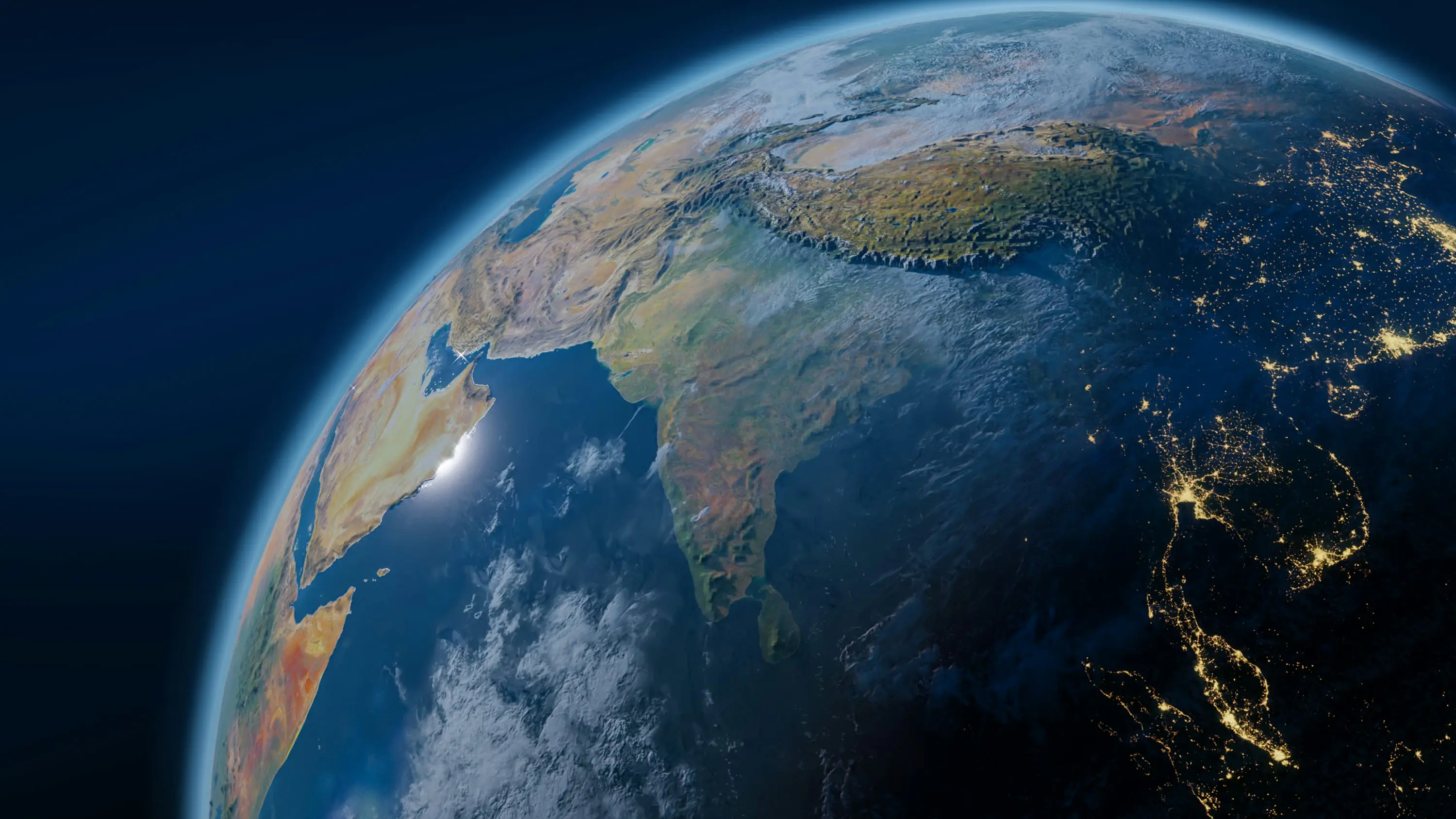
The Golden Record
Inside Voyager 1 is the Golden Record, a time capsule of Earth. It contains greetings in 55 languages, music from around the world, images of our planet, and even the sound of human laughter, all meant for any intelligent life that might find it.
Alien Encounter Possibility
If Voyager 1 ever crosses paths with a technologically advanced alien civilisation, they could study the probe, decode its contents, and learn that Earth is home to intelligent life.
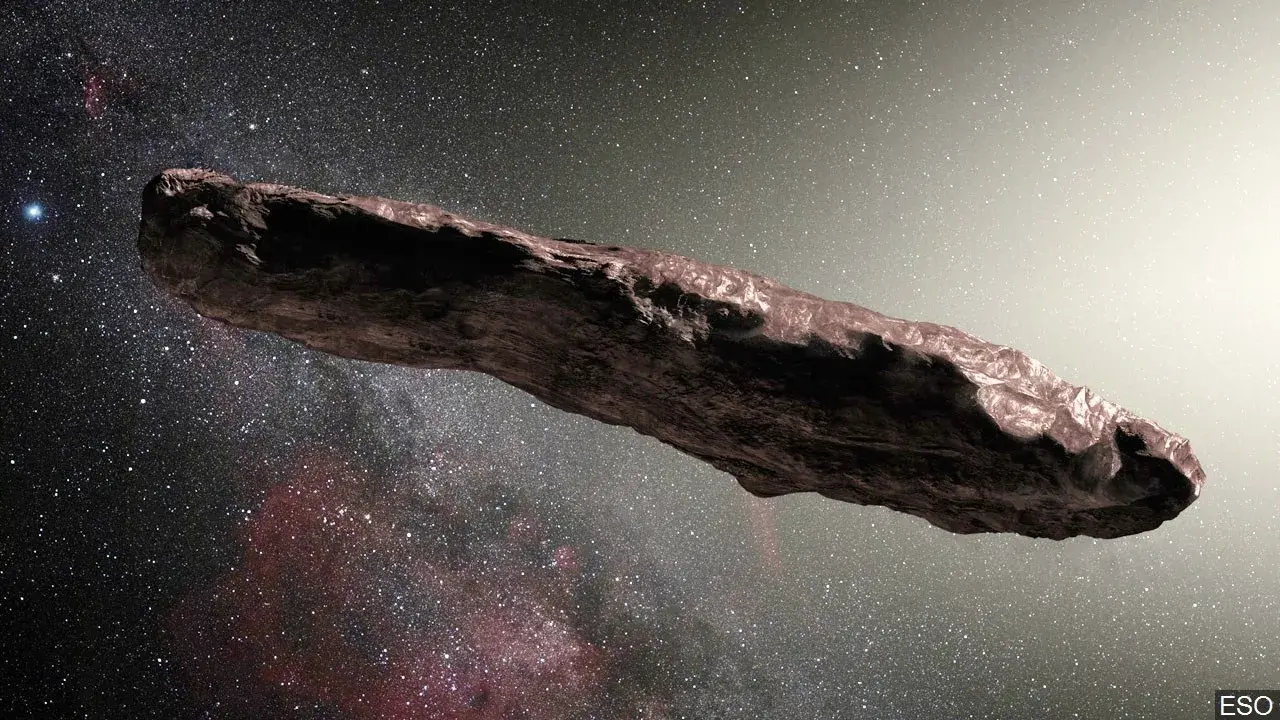
A Future ‘Oumuamua’ Moment
Just as humanity puzzled over the mysterious interstellar object ‘Oumuamua in 2017, aliens might one day wonder where Voyager 1 came from and what it means.
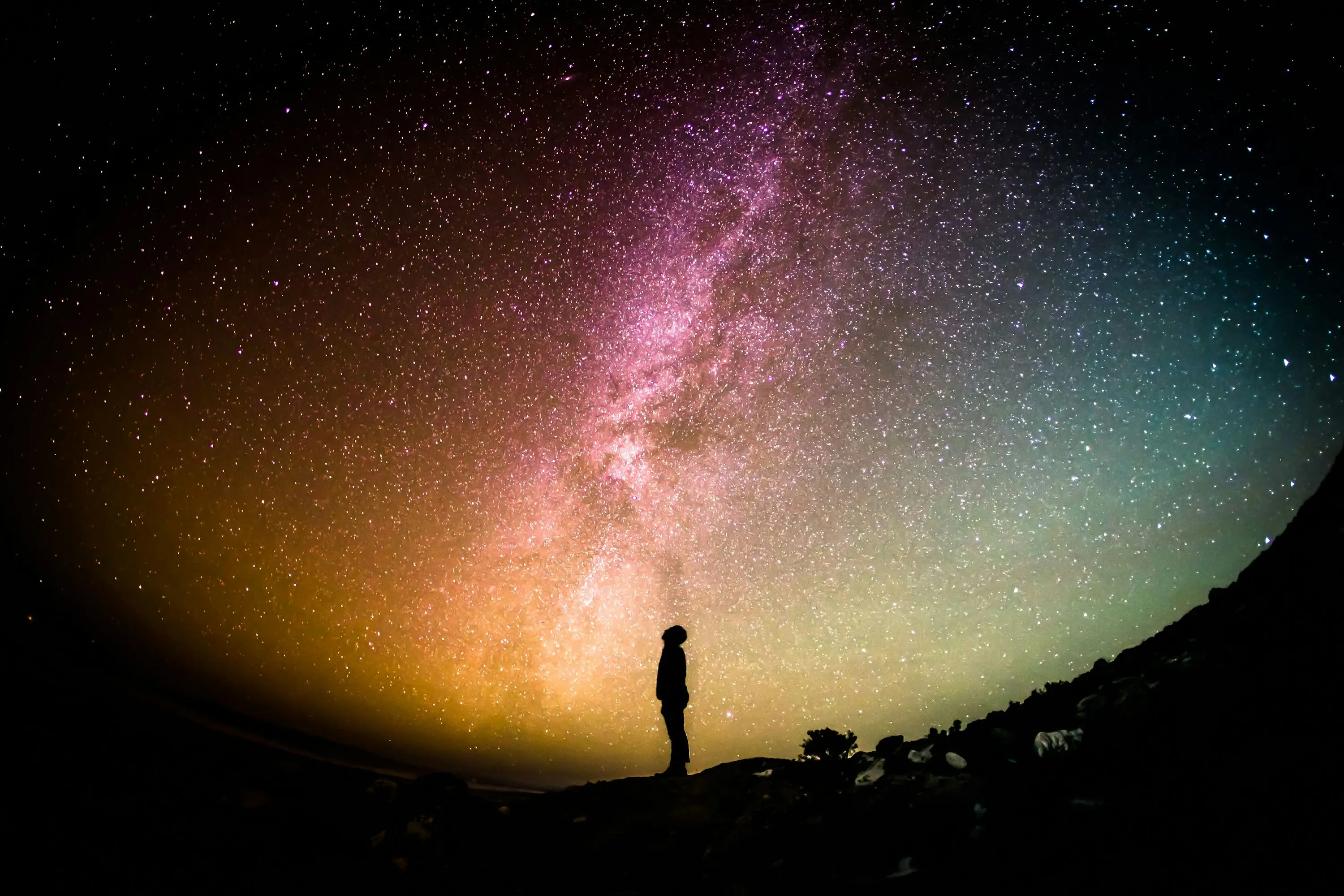
First Contact Without Contact
Even if humans never meet aliens face-to-face, Voyager 1 could become our first ambassador, silently announcing: “We were here. We existed. And we reached for the stars.”
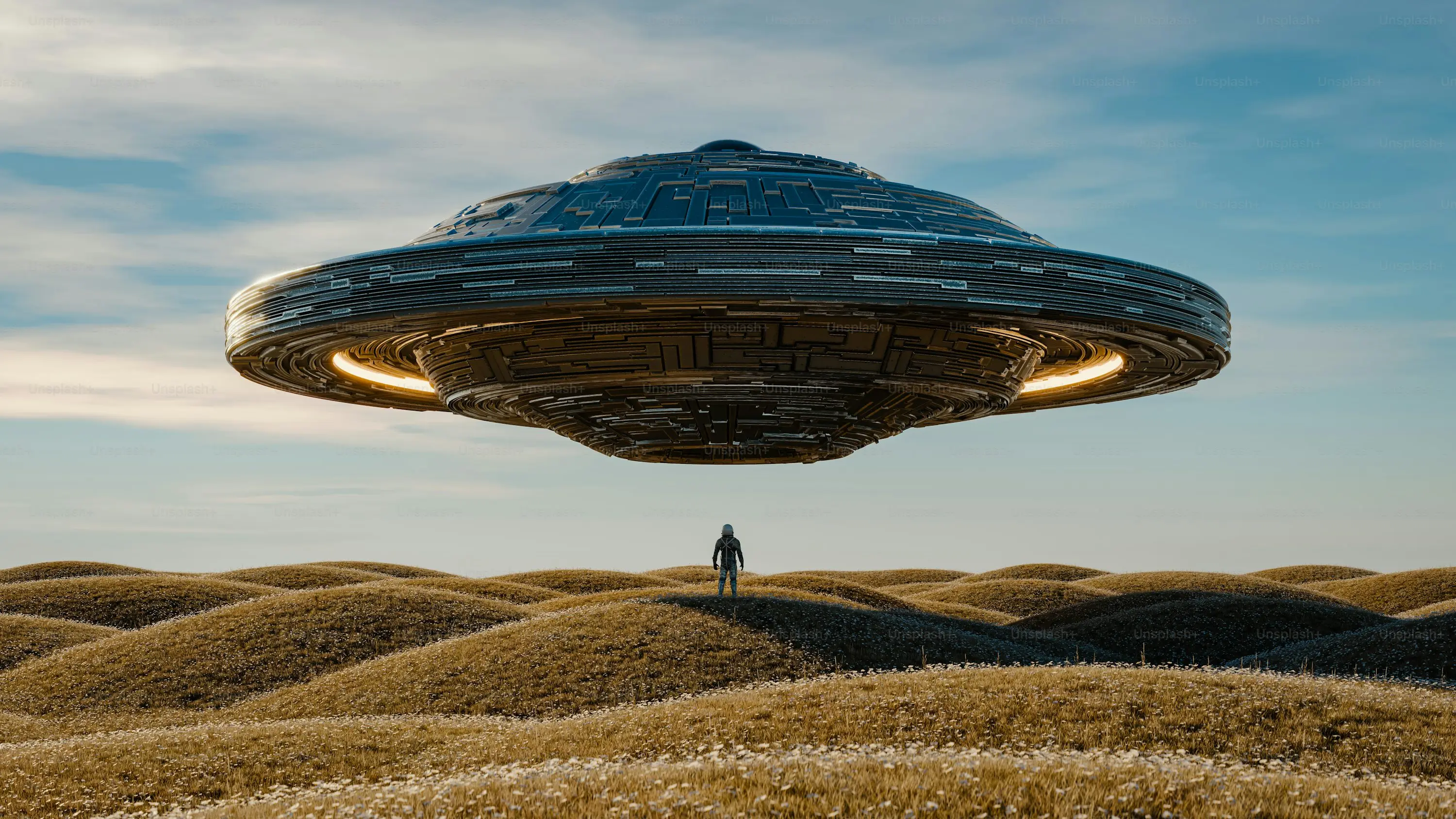
Alien Encounter Possibility
In 40,000 years, Voyager 1 will pass near another star and its journey could continue for billions of years, carrying the story of Earth long after we are gone.
)
)
)
)
)