How NASA and ISRO track comets like 3I/ATLAS to keep Earth safe

To keep Earth safe, a comet is being closely watched by NASA and ISRO. But do you know what kind of visitor 3I/ATLAS really is? This mysterious interstellar traveller speeds through space, never coming close to Earth, yet holds secrets scientists race to uncover.
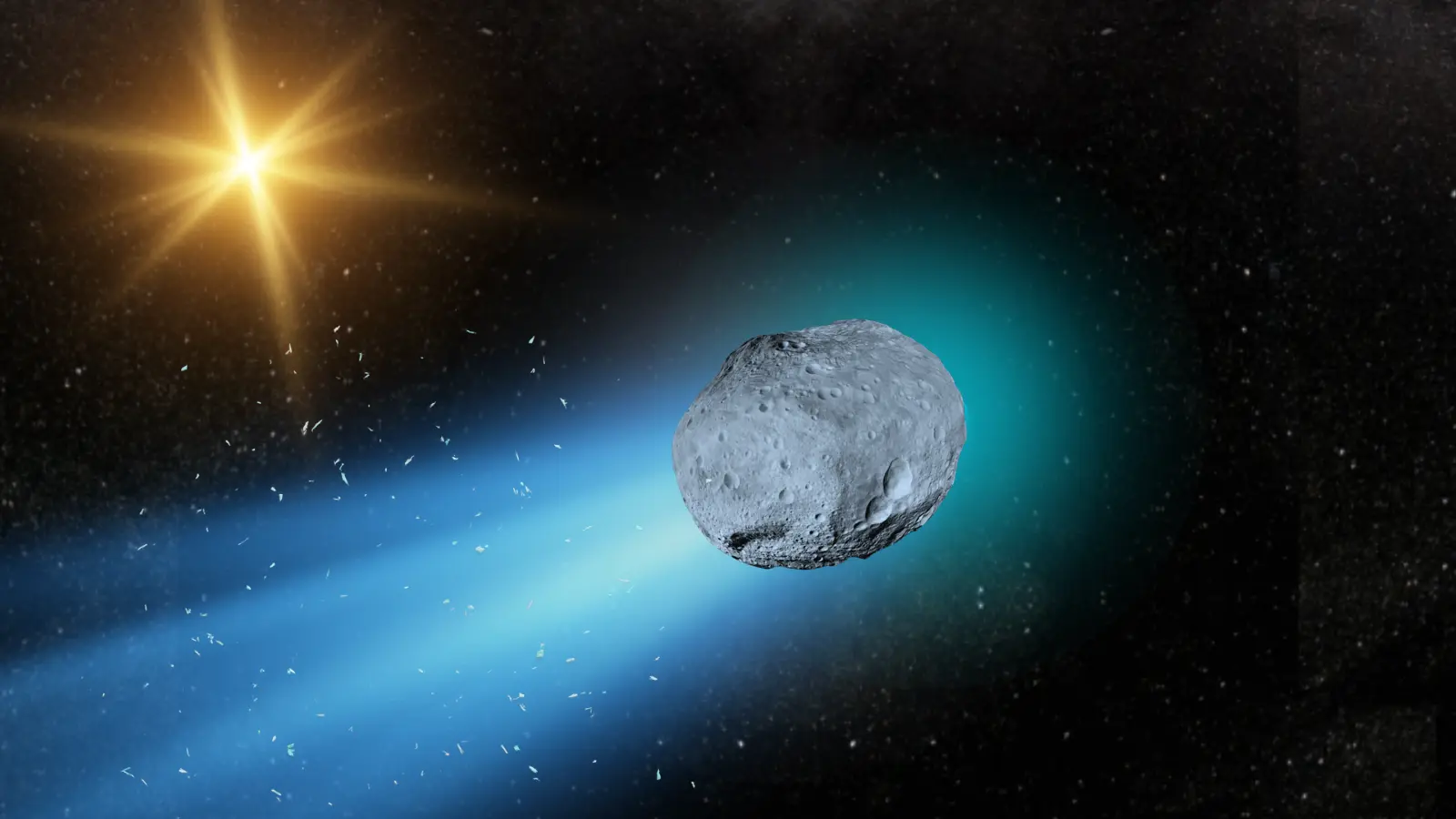
Meet Comet 3I/ATLAS - An Interstellar Visitor
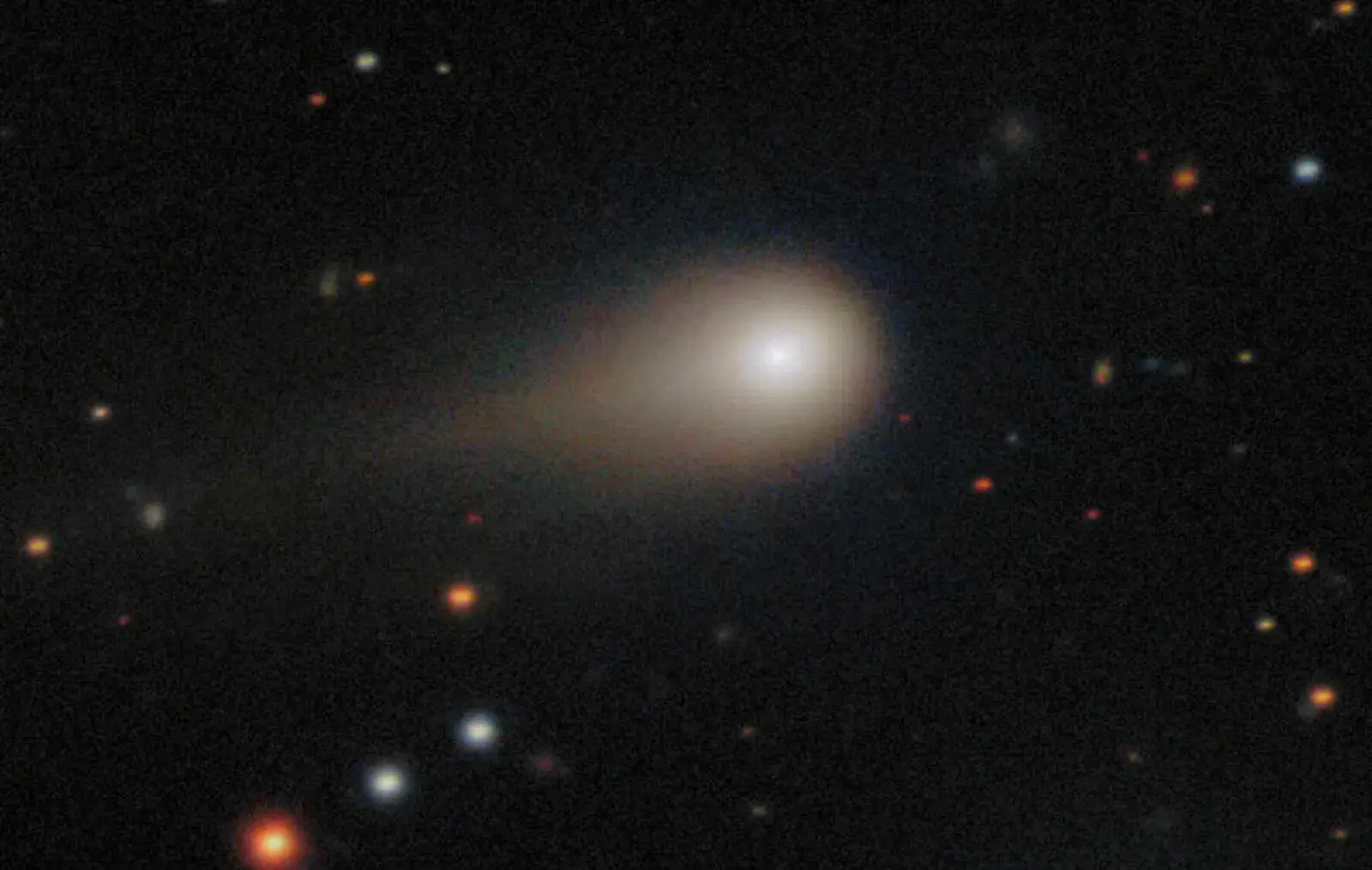
Discovered in July 2025, 3I/ATLAS is a rare comet from outside our solar system. It will not hit Earth but tracking it helps improve methods to observe future unknown objects.
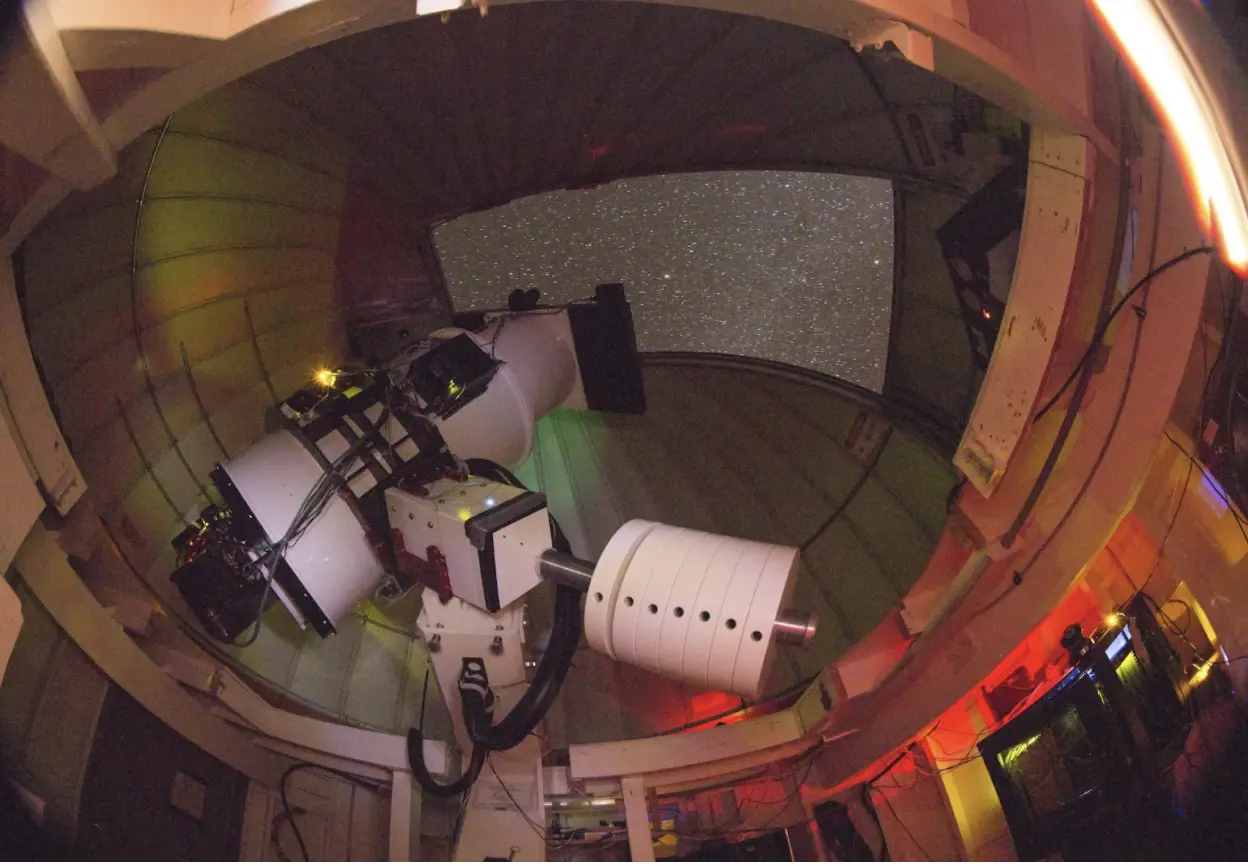
The Role of NASA’s ATLAS Telescope
NASA’s ATLAS (Asteroid Terrestrial-impact Last Alert System) uses wide-field telescopes in Chile and Hawaii to scan the skies nightly. It detects moving objects like comets early, helping scientists track their orbits accurately.
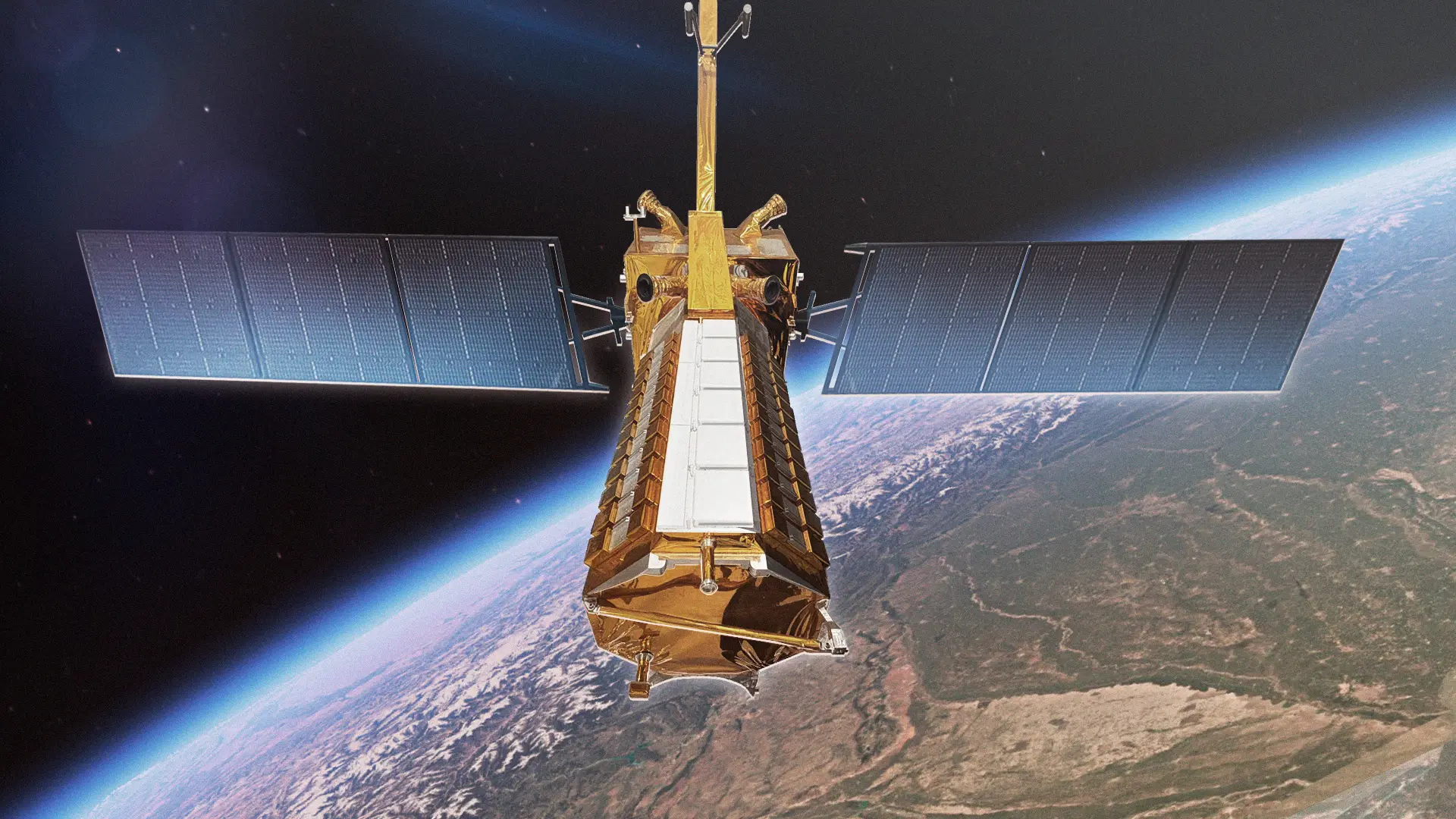
NISAR - The Joint NASA-ISRO Satellite
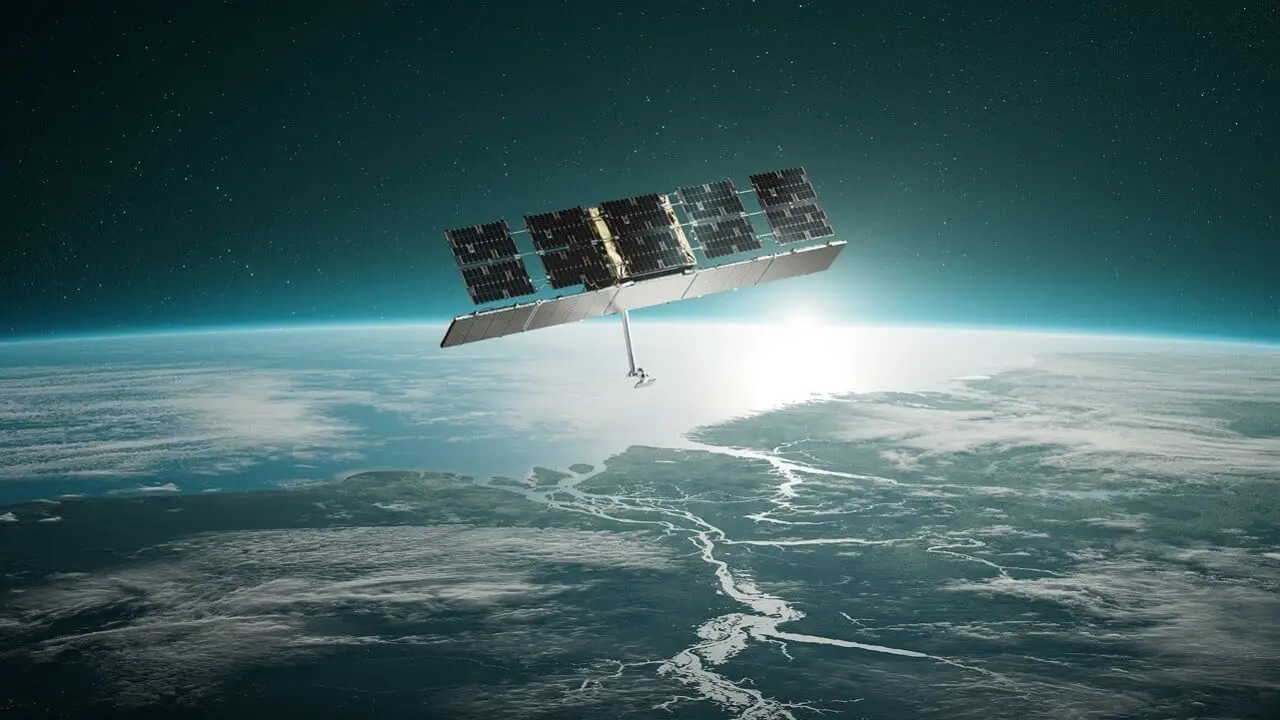
NISAR, launched in July 2025, carries two radar systems that scan Earth’s surface every 12 days. This satellite helps scientists spot changes and monitor objects influencing Earth’s safety from space.
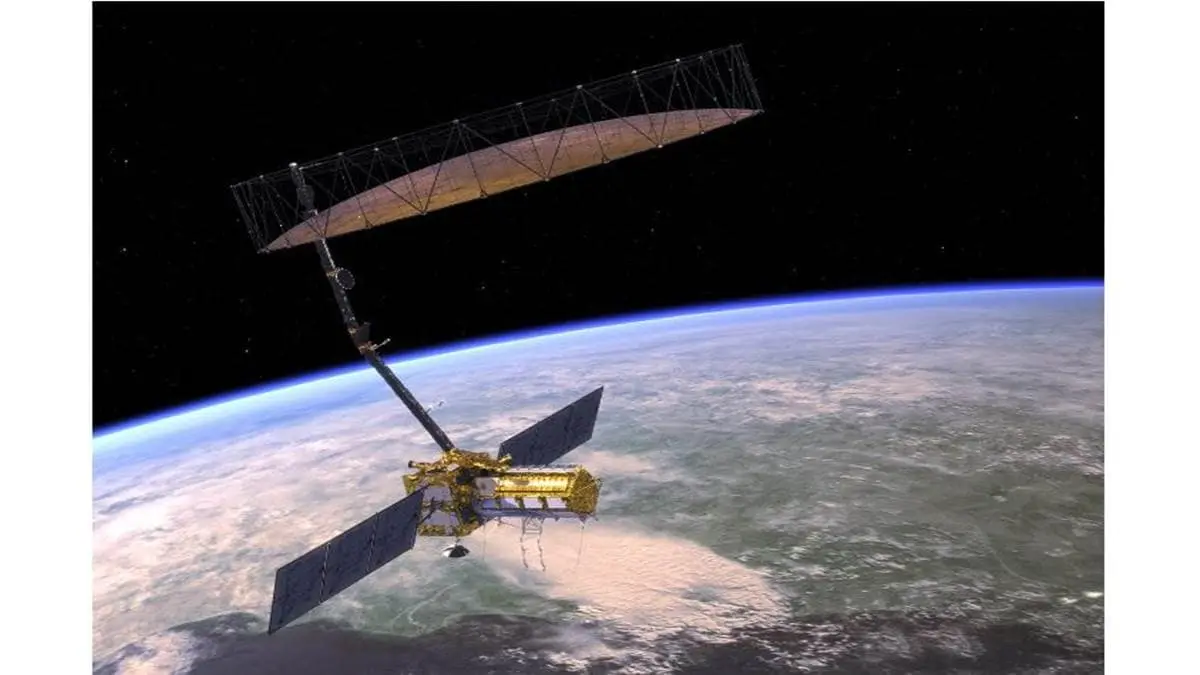
Combined Radar Power - L-Band and S-Band
NISAR’s L-band radar sees through forest canopies and measures land movement, while S-band radar focuses on smaller plants and agricultural areas. Together, they provide detailed Earth surface data anytime, day or night.
Ground Observatories Support Satellite Data
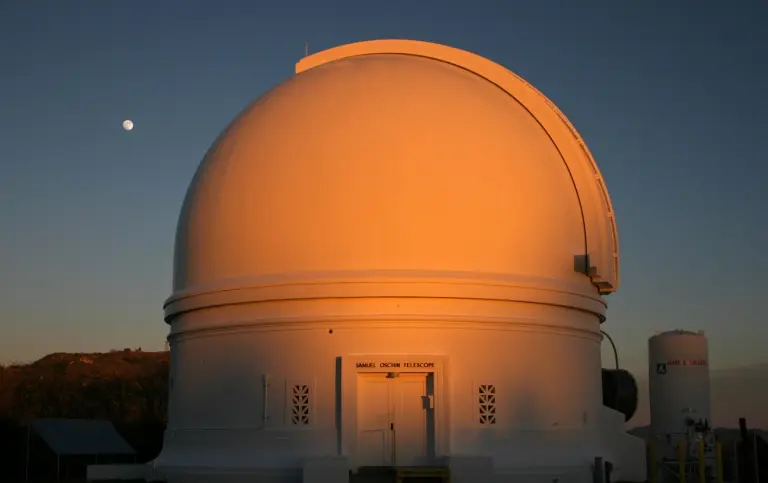
Along with satellites, NASA and ISRO use powerful ground telescopes like Caltech’s Zwicky Transient Facility to track comet paths and predict their closest approach to Earth.
Predicting Comet Paths and Potential Risks
Scientists use data on size, speed, and trajectory to simulate comet orbits. This helps identify if any comet may come dangerously close to Earth in the future, allowing for timely alerts.
The Role of Synthetic Aperture Radar (SAR)
Synthetic Aperture Radar technology, used on NISAR, sends radio waves to Earth's surface, creating high-resolution images for tracking changes. This radar can detect subtle movements or new hazards affecting Earth's environment.
)
)
)
)
)