How nanocoatings on fighter jets turn them into ghosts, making them even more deadly

Stealth nanocoatings help fighters absorb radar, cut detection ranges, and protect pilots with canopy films and anti-icing layers, adding real gains when combined with low observable shaping and smart design.
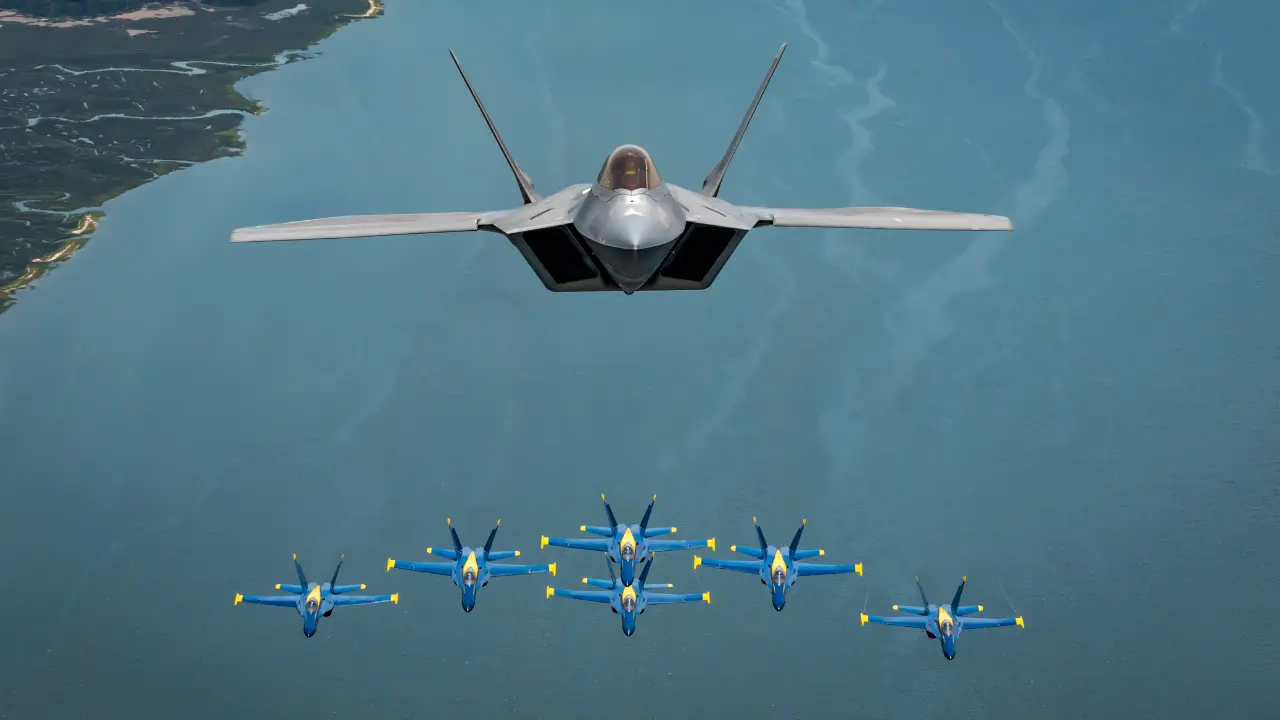
What are nanocoatings on fighter jets?
Nanocoatings are ultra-thin surface layers that absorb or trap radar energy, reduce heat signature, shed ice, and resist wear, helping jets stay hidden and safe in combat.
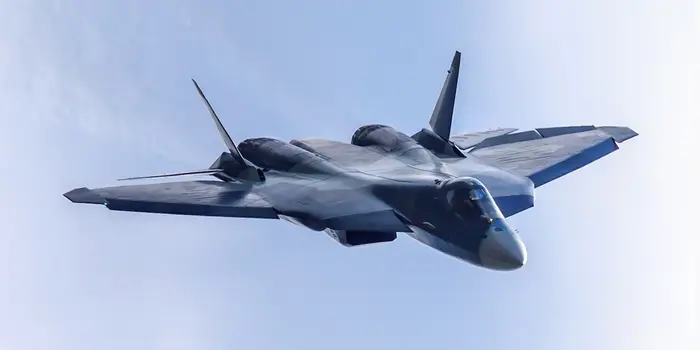
How stealth coatings lower radar returns
Stealth uses shaping first, then coatings called radar absorbing materials that turn part of the radar wave into heat or cancel reflections, cutting the energy sent back to enemy sensors.
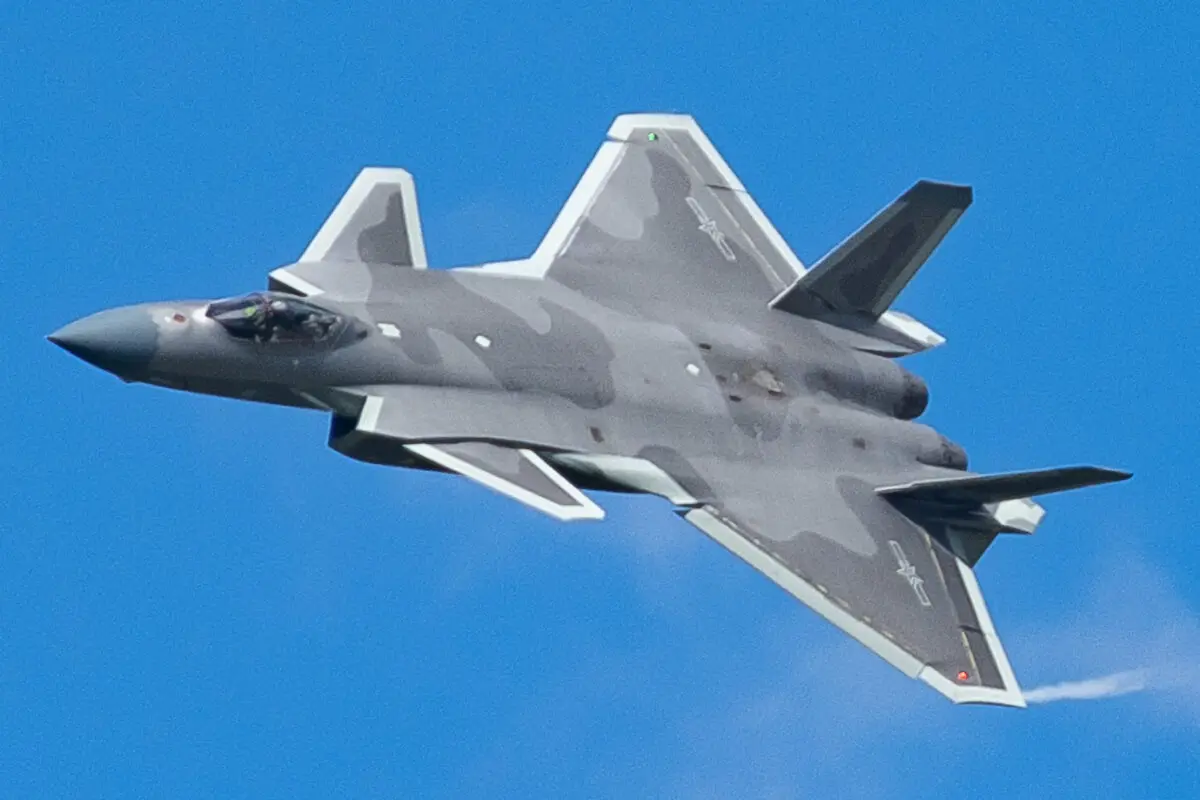
Detection distance
Applying a RAM layer in tests at 11.1 GHz cuts a fighter’s frontal radar cross section enough to shrink radar detection range from about 222km to around 116km in one scenario, a 48 per cent gain in approach distance.
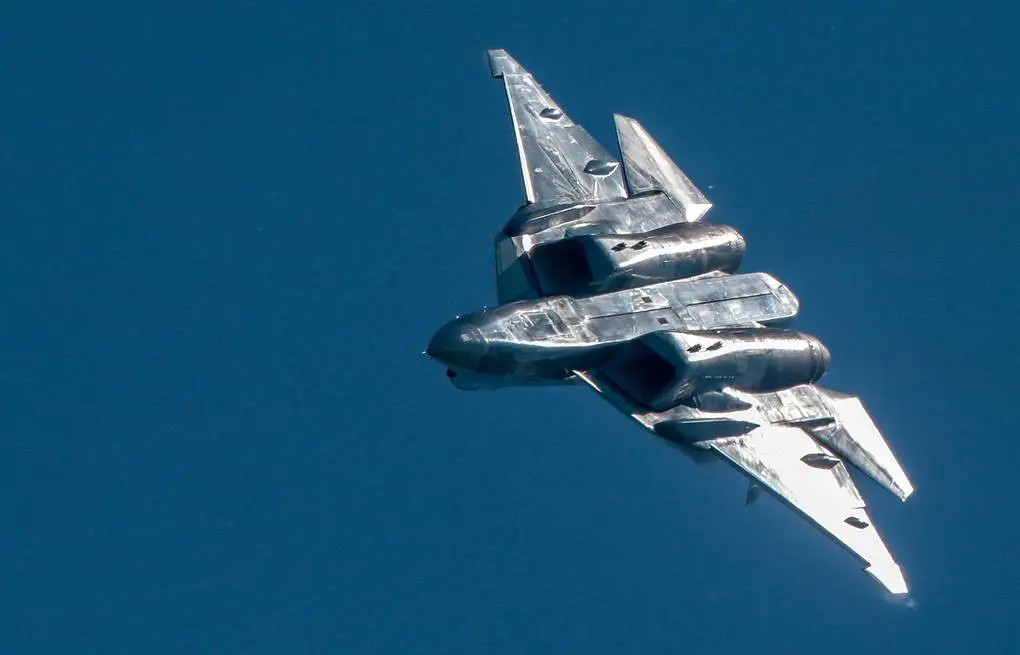
Different RAM types, different roles
There are resonant quarter-wave layers, magnetic RAM with ferrites in epoxy for wider bands, and carbon-based loadings in structures, each balancing bandwidth, weight, and durability for missions.
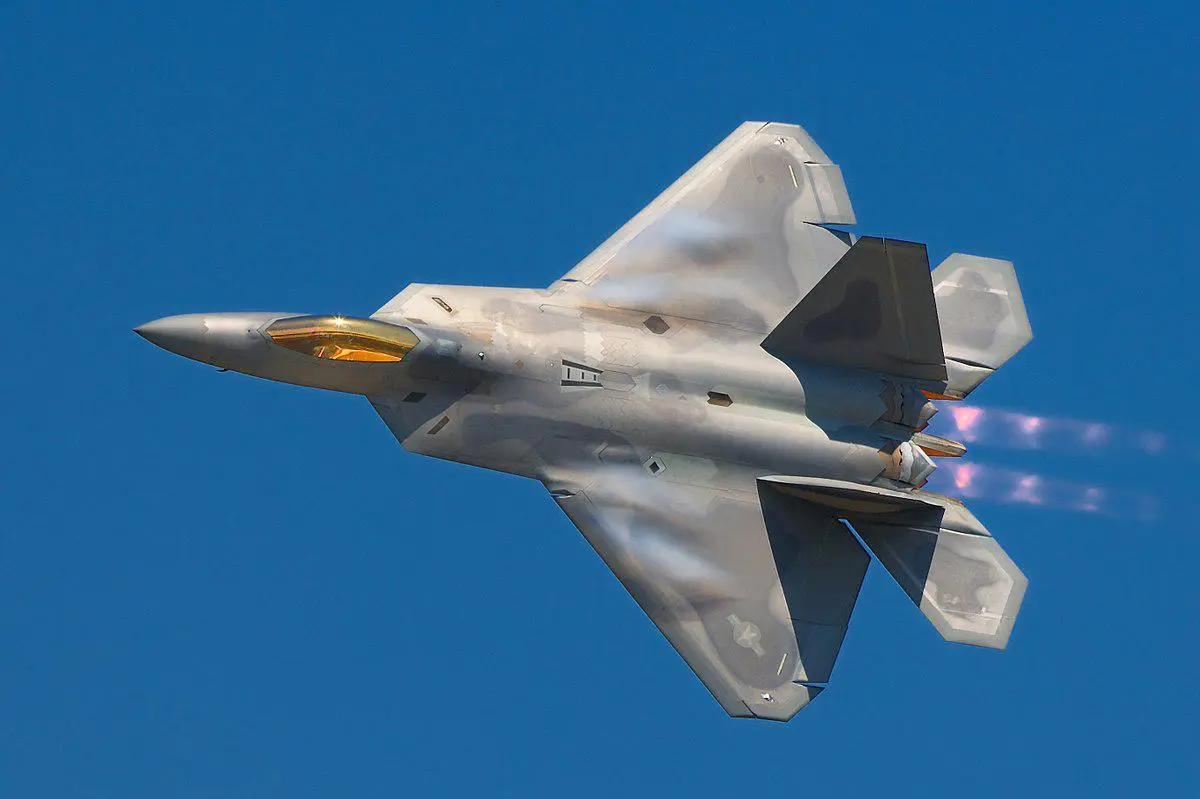
Canopy films also help stealth and safety
A thin transparent conductor on the canopy, such as vapour deposited gold or indium tin oxide, blocks cockpit reflections that raise radar returns while keeping clear pilot view and UV shielding.
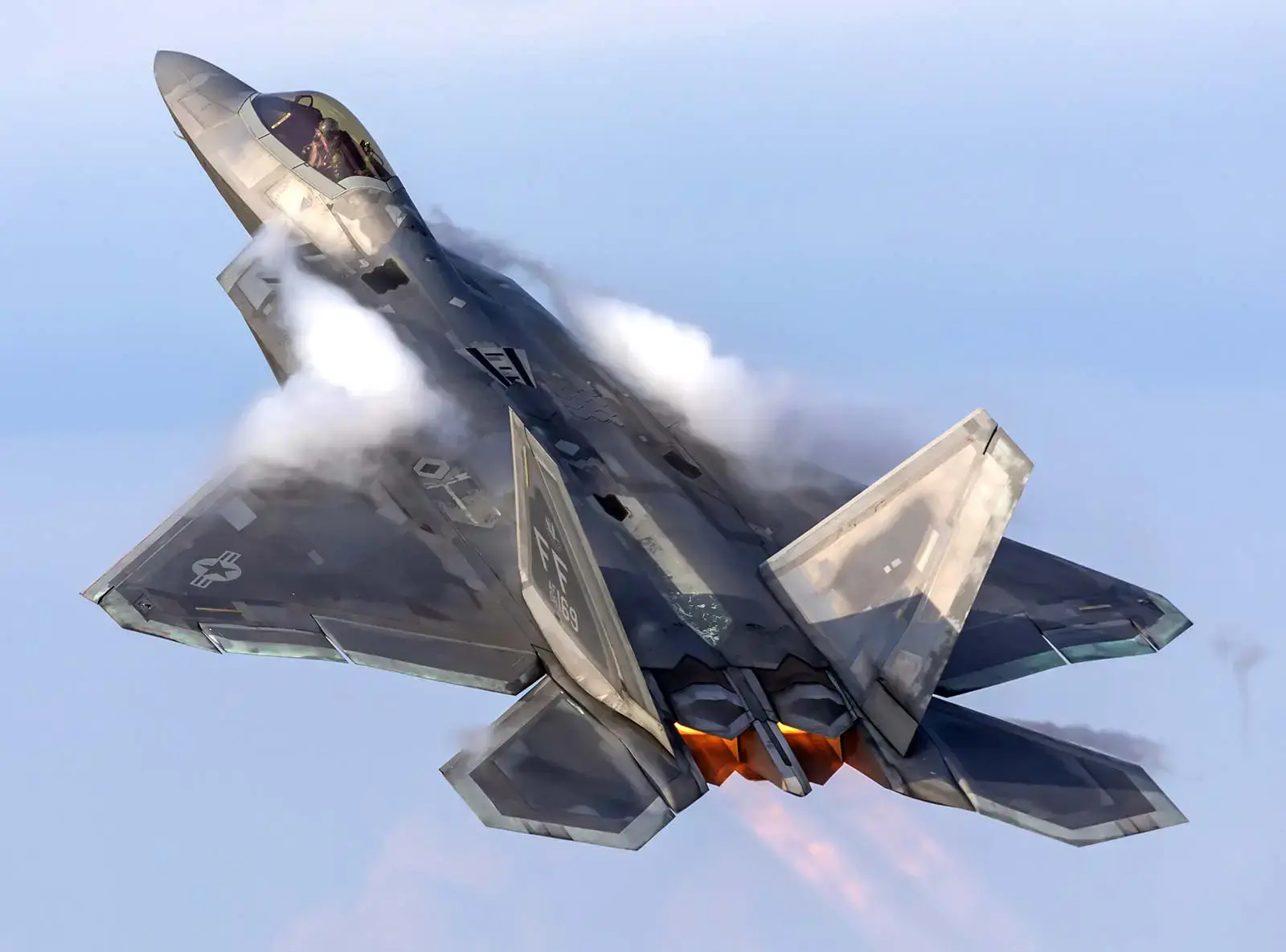
More than radar: thermal and icing control
Advanced coatings at the nanoscale can add thermal insulation and self-healing traits, while ice-phobic layers keep sensors and edges clear, improving pilot safety in harsh weather.
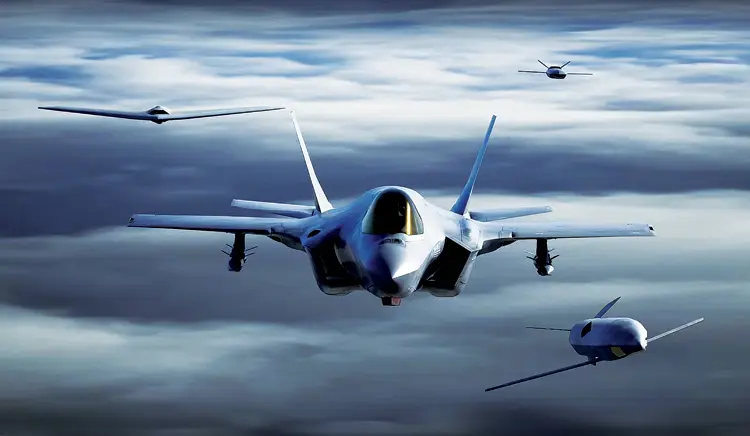
The trade-offs and why it still matters
Coatings add cost and upkeep and cannot fix poor shaping, but paired with internal bays and careful design, they make modern fighters much harder to find and hit in layered air defences.
)
)
)
)
)