How much will it cost to visit space in 2040?

Going in Space is a dream of every space enthusiast. But as of now, it is not allowed for everyone and way to costly. By 2040, prices could drop drastically as reusable rockets and competition grow, opening space travel to more people, though it may stay a luxury experience for years.
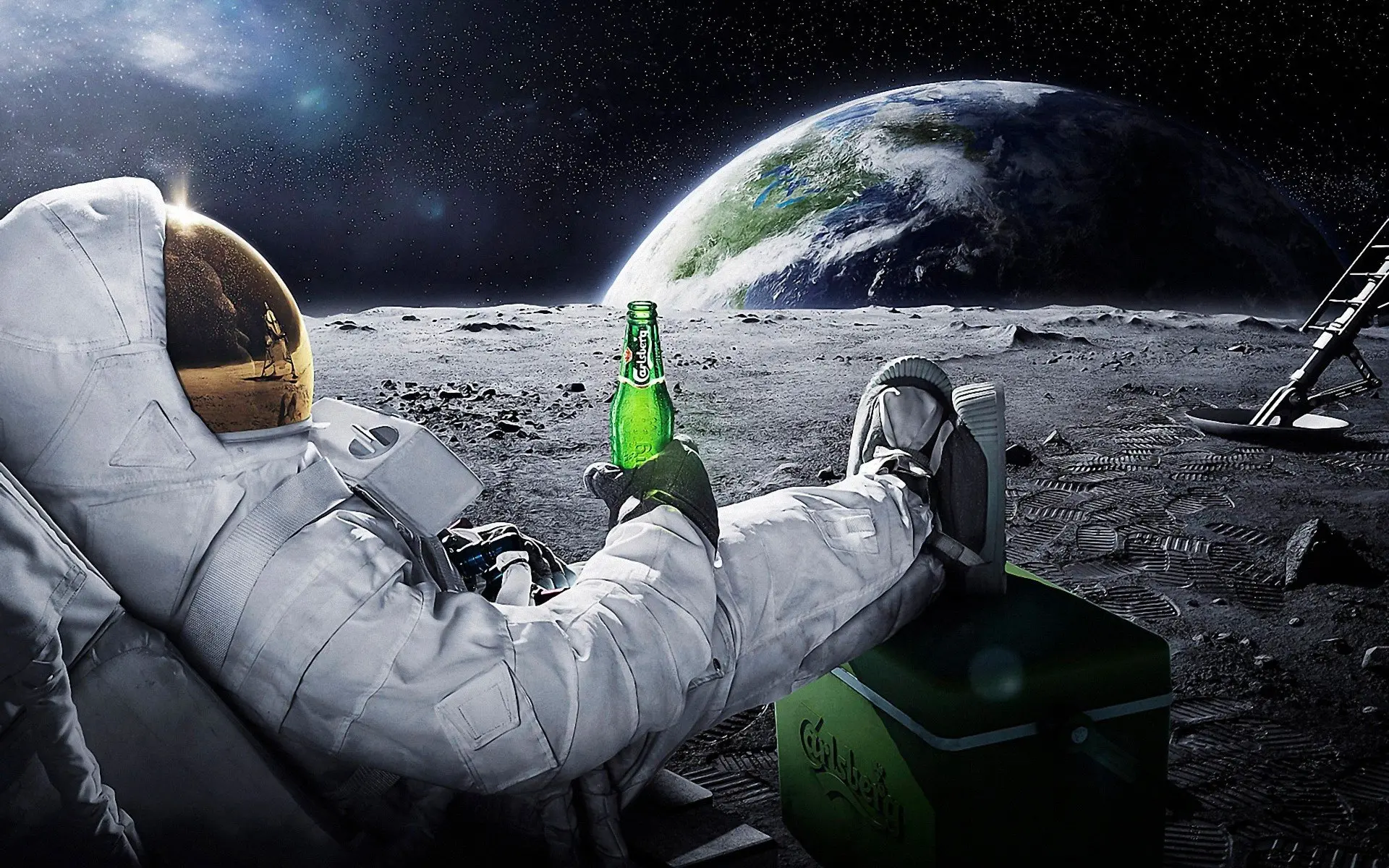
Ticket prices
Currently, suborbital flights ( Which are just touching space) sell for around $450,000. A full orbit (like to the ISS) might cost $50 million or more per seat. Only a few hundred people have gone so far (around 700), with numbers rising each year.
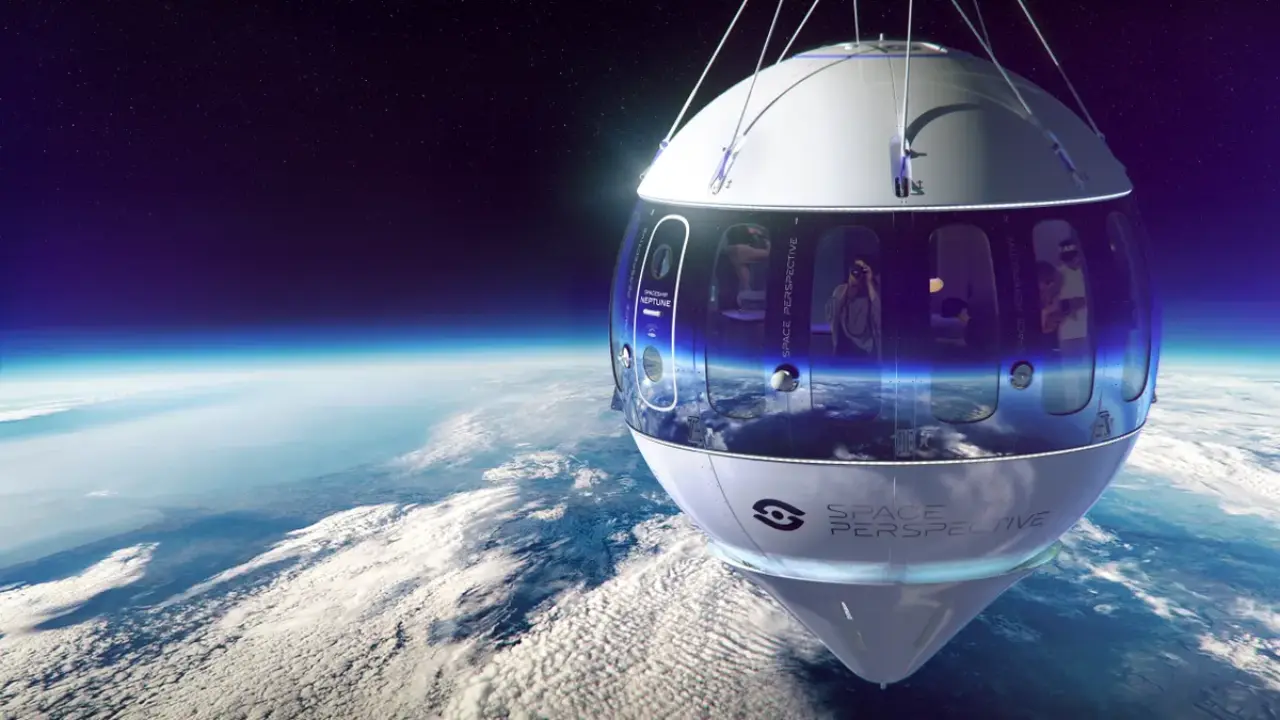
How prices might change
Experts expect that by 2040, suborbital ticket prices could drop to $100,000-$250,000 per passenger. For longer, orbital trips, a ticket may cost a few million to tens of millions, though some hope to see seats under $1 million with advances in reusability and demand.
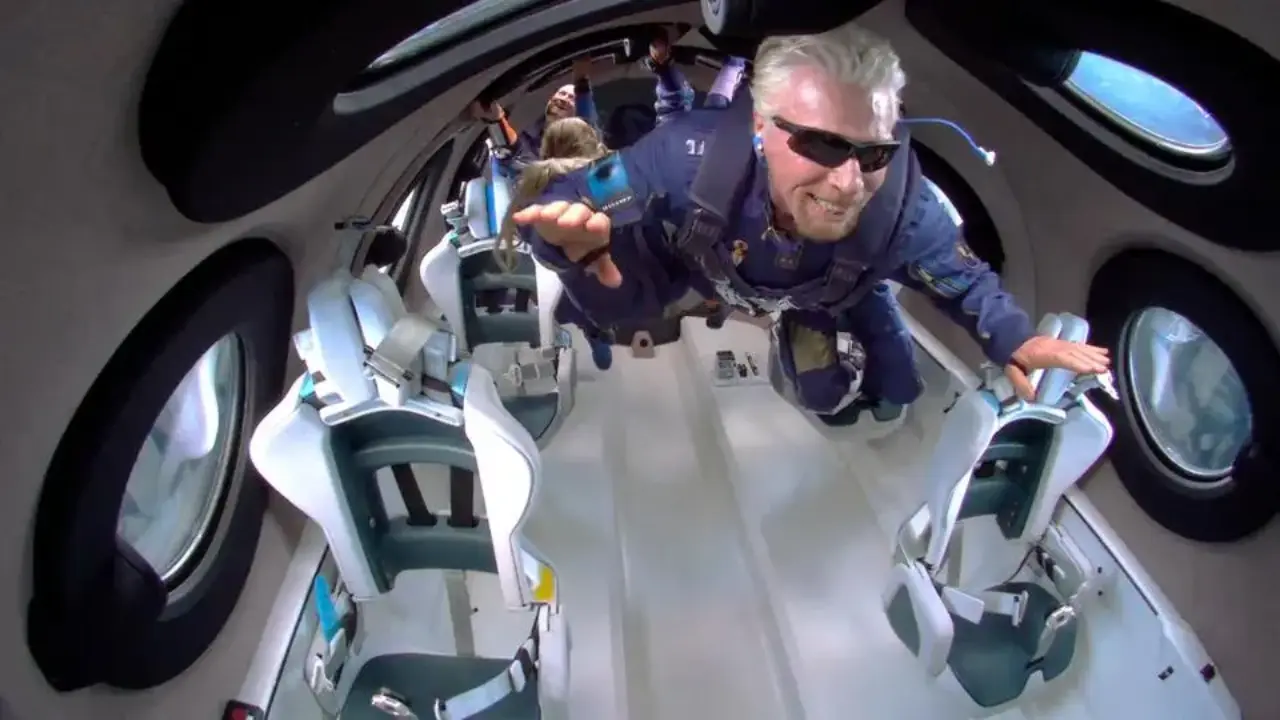
What is driving costs lower?
Advancements like reusable rockets, more spaceports, and commercial stations are making each launch much cheaper over time. The more people fly, the cheaper it gets, with competition also playing a big role.
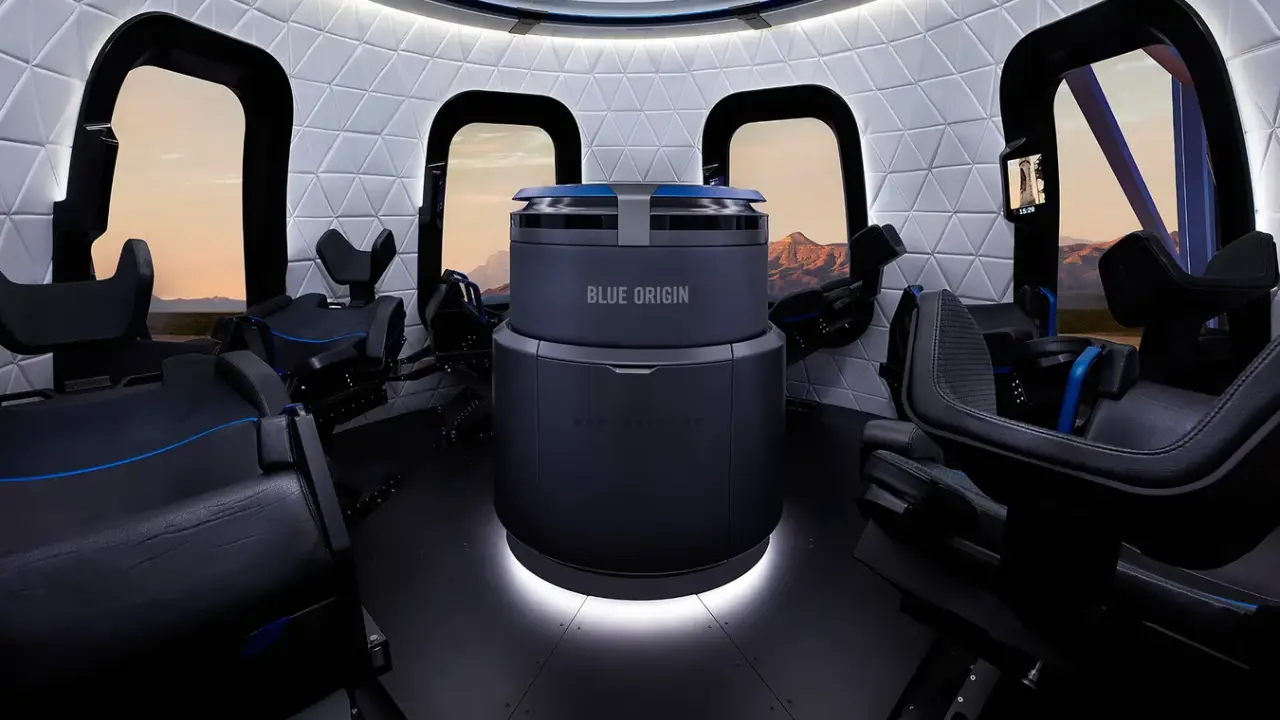
How many will go to space?
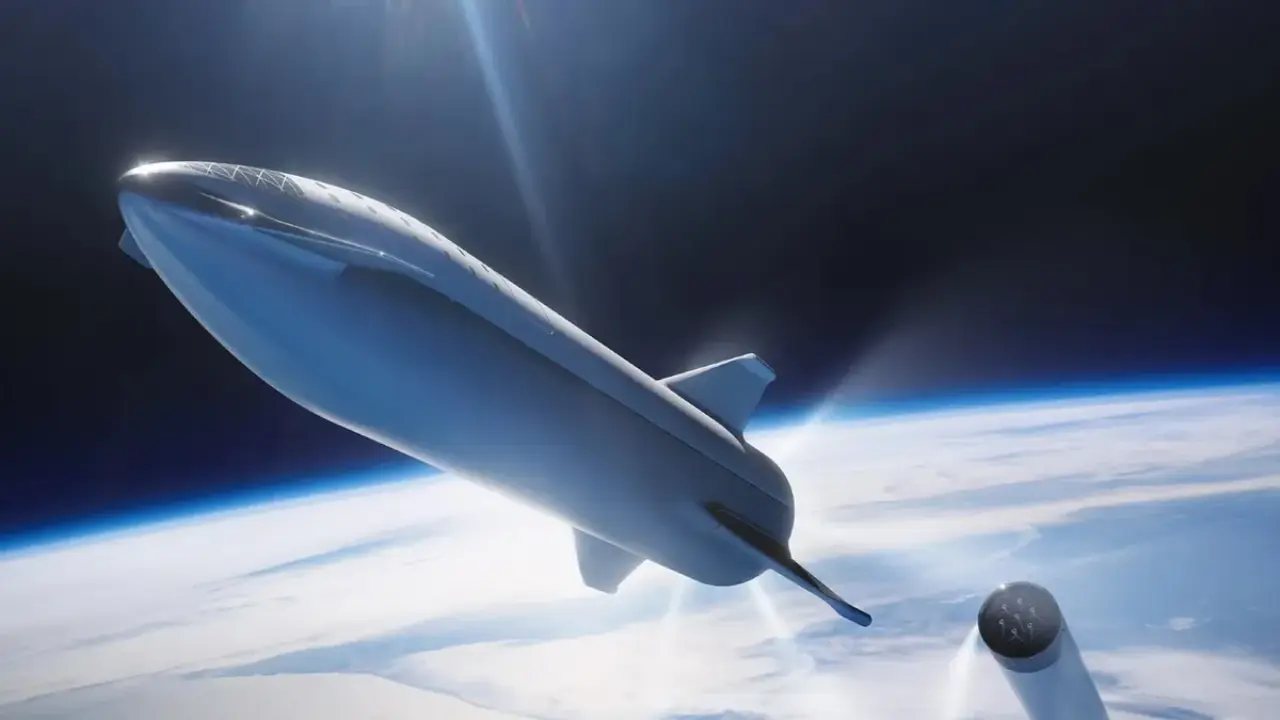
By 2040 experts forecast 20,000-25,000 space tourists each year globally, up from a few hundred today. This includes quick “edge of space” flights, longer space station stays, and even potential hotel stays in orbit.
Space tourism
India’s space tourism market alone is projected to reach $2 billion by 2040, offering flights starting at around $100,000. Asian demand could surge as economic growth lifts more people into the “super wealthy” class of customers.
Trip cost
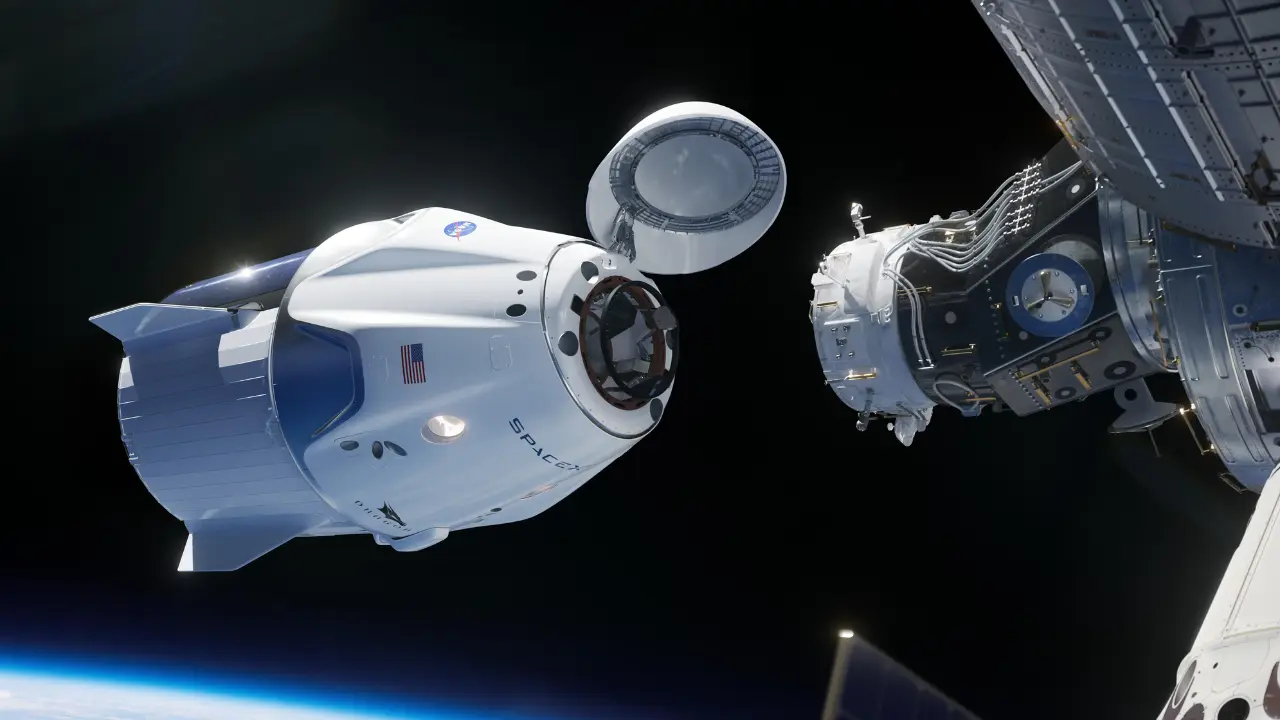
Ticket price is just the start. Space travellers may also pay for pre-flight training, travel insurance, suits, and “optional extras” like private cabins or spacewalks. Reports predicts even in 2040, a trip to space is likely to remain a “luxury” experience.
Will regular people ever go?
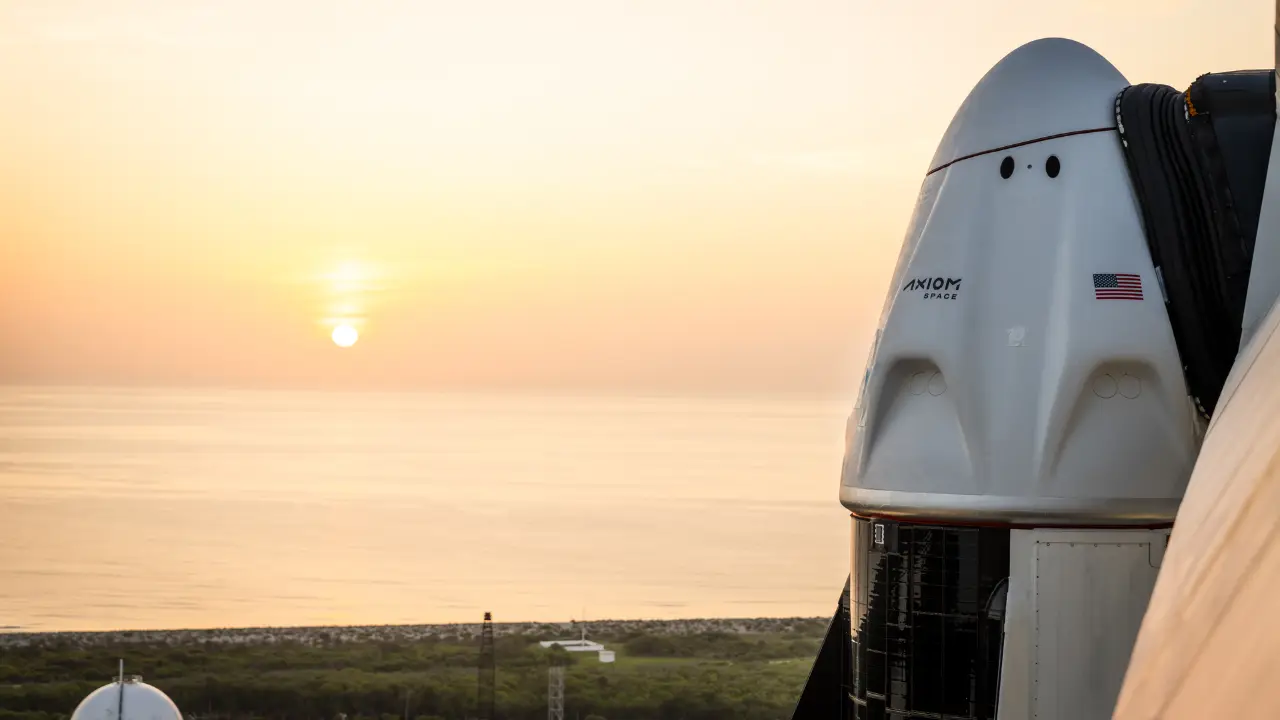
As costs drop and technology advances, more middle-class people may eventually ride on suborbital flights, much like early airline passengers. Until then, most space tourists by 2040 will still be the wealthy, tech investors, or prize winners.
)
)
)
)
)