How much modern air-to-air missiles used by fighter jets cost

Modern air-to-air missiles cost $380,000 to $2.2 million per unit depending on range and guidance system. A fully armed fighter jet carries $4 to $17 million in weaponry, reflecting advanced technology and manufacturing complexity.
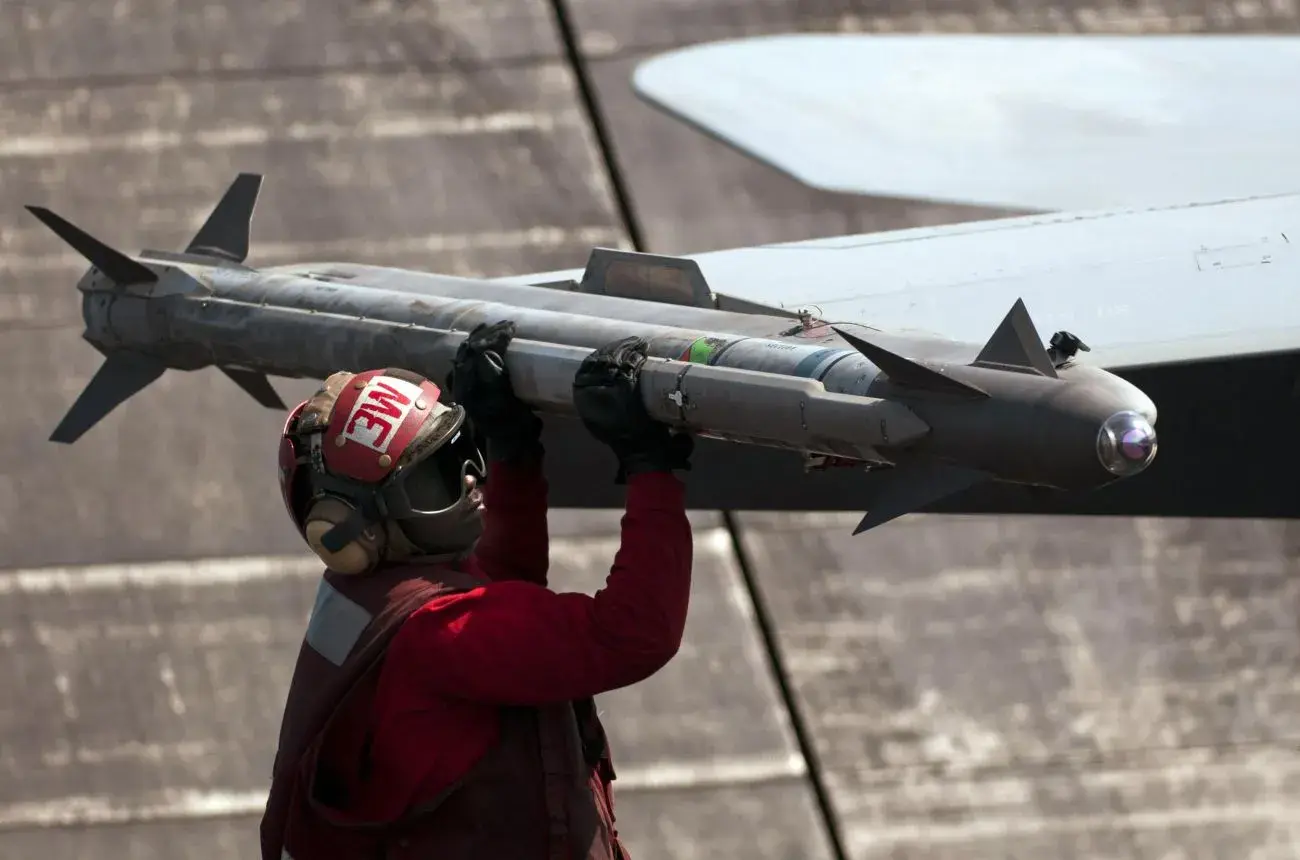
AIM-9X Sidewinder Short-Range Missile Cost
The AIM-9X Sidewinder Block II costs approximately $381,000 to $472,000 depending on service and year of procurement. These short-range heat-seeking missiles provide close-in dogfighting capability for fighter jets. Despite lower costs than long-range weapons, individual Sidewinder missiles still represent significant military expense items.
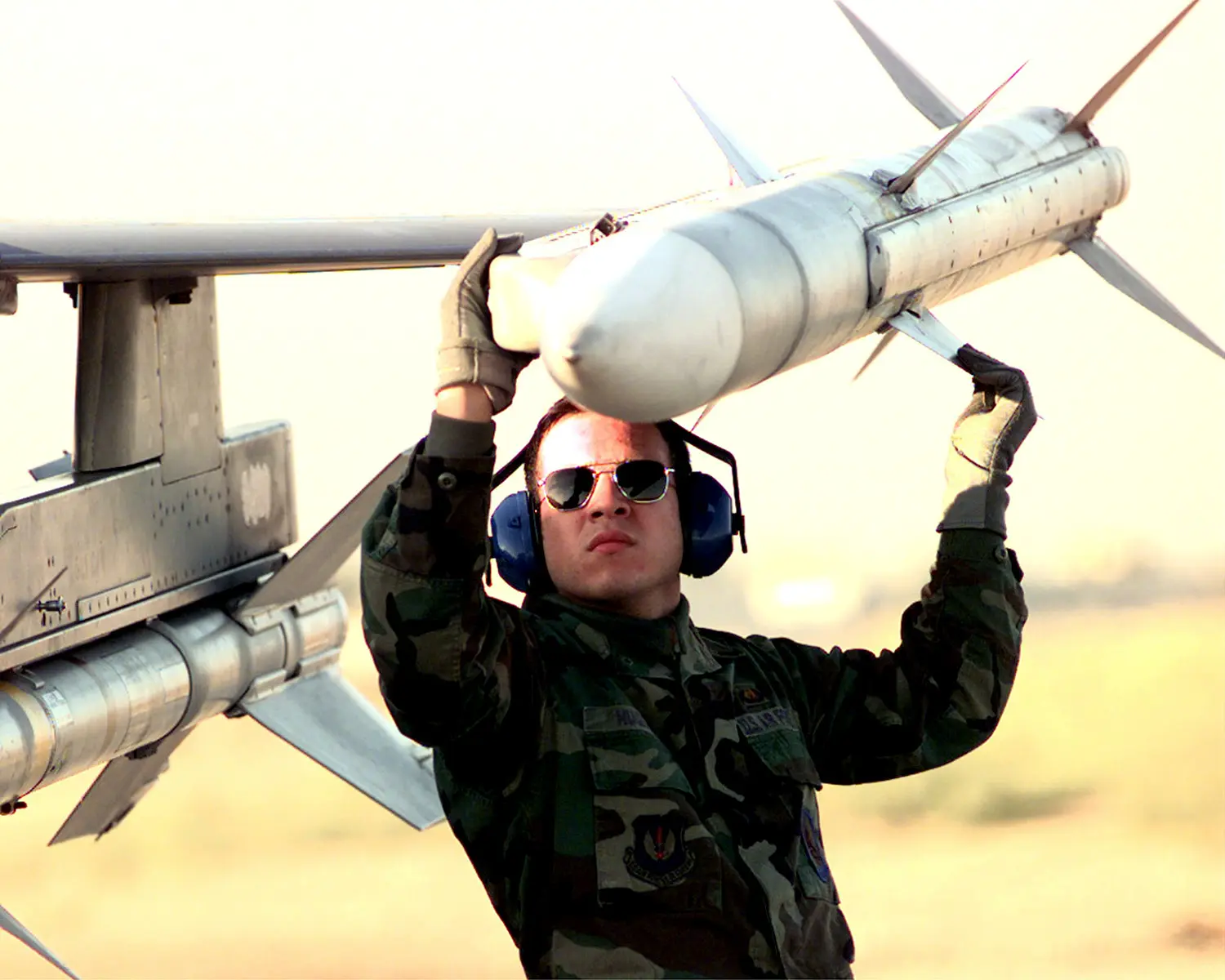
AIM-120 AMRAAM Medium-Range Missile Cost
The AIM-120D AMRAAM costs approximately $1.37 million per unit in recent defence contracts. Export variants command even higher prices reaching $2.42 million per missile. These active radar-guided weapons provide long-range striking capability, justifying premium pricing through advanced guidance and autonomous operation features.
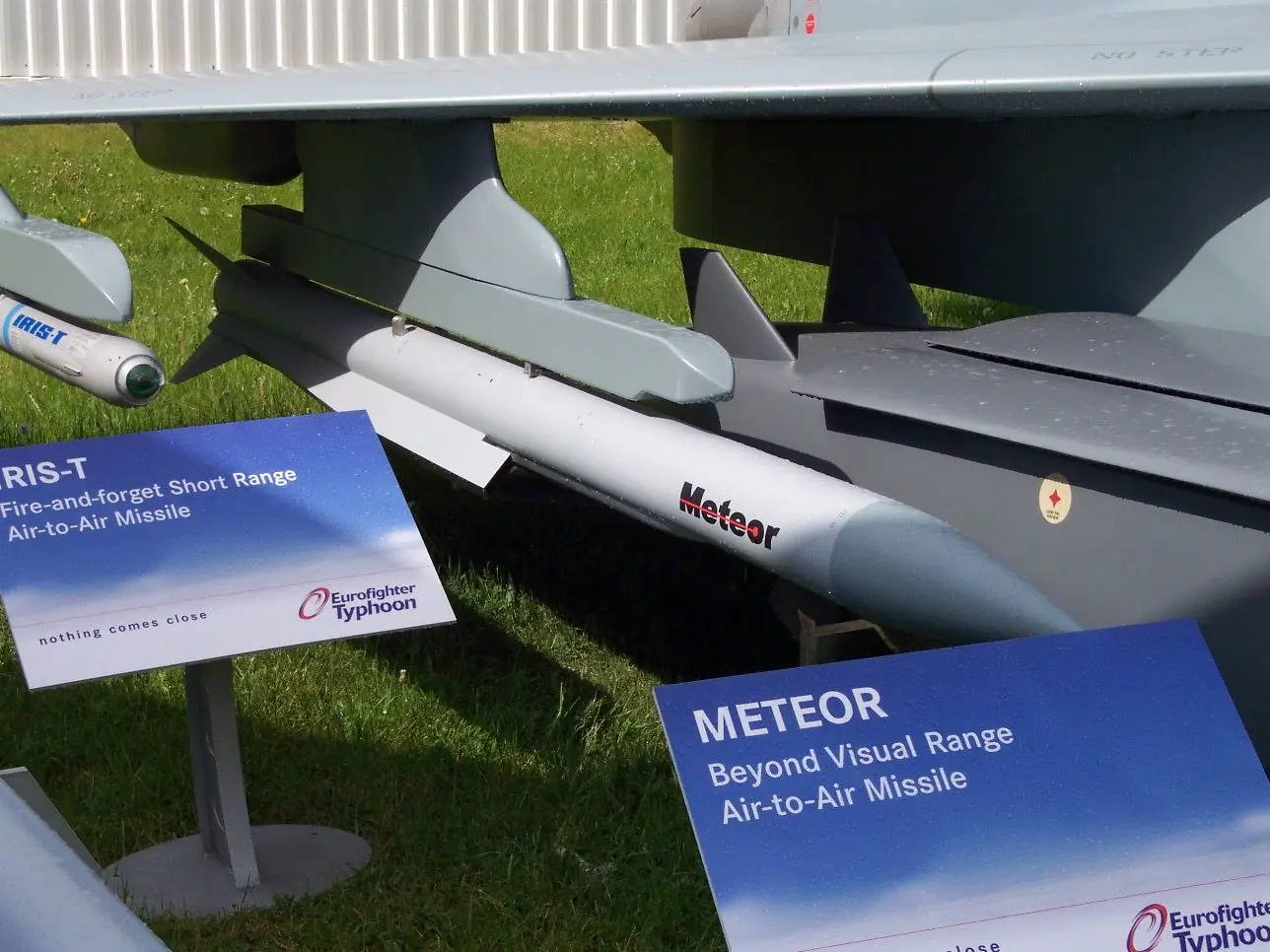
METEOR Long-Range European Missile Cost
The MBDA METEOR beyond-visual-range missile costs approximately €2 million (about $2.2 million) per unit. This European weapon represents the most expensive air-to-air missile currently in service. Higher costs reflect advanced ramjet propulsion enabling superior range and energy retention compared to conventional rocket-powered missiles.
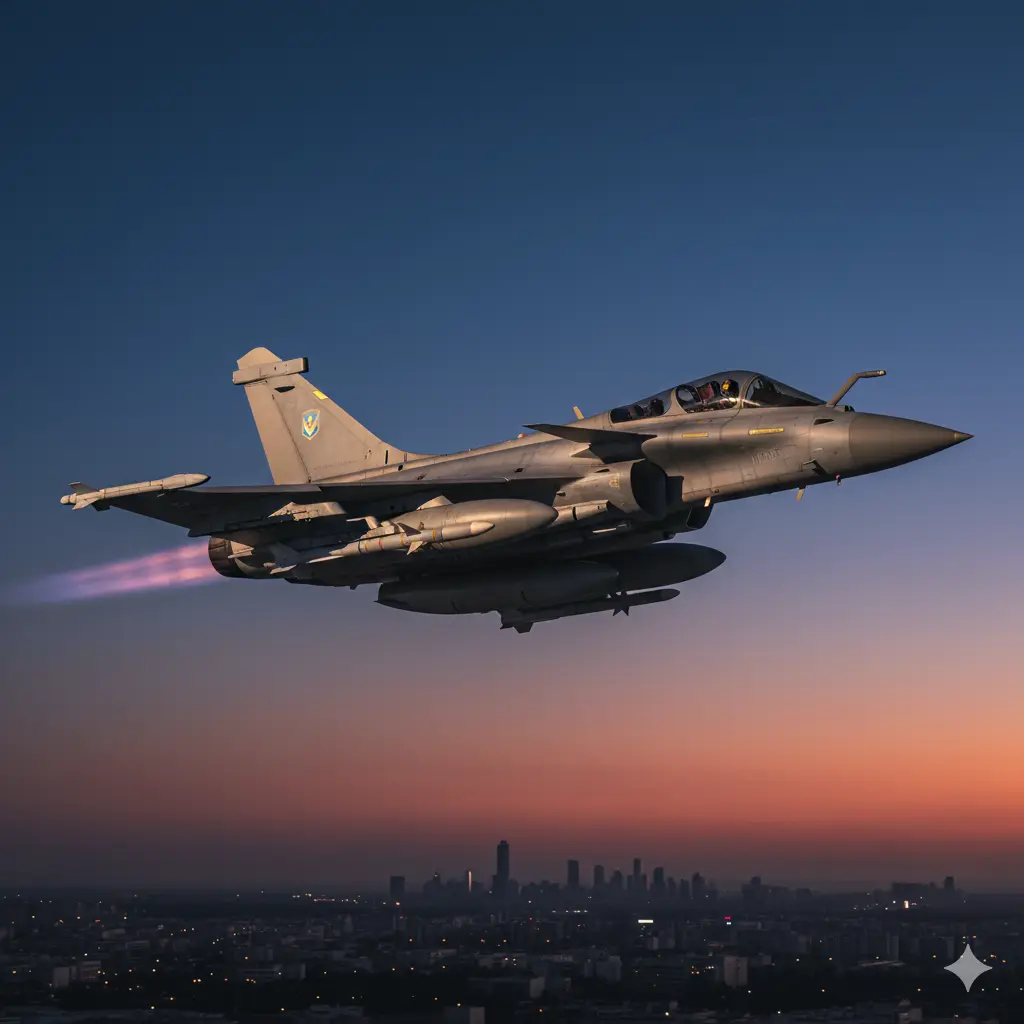
Comparison of Global Missile Prices
Short-range missiles: $380,000 to $470,000. Medium-range AMRAAM variants: $1 to $1.4 million. European long-range METEOR: $2.2 million. Indigenous systems offer lower costs-India's Astra Mk-I costs approximately $1 million per unit. Procurement scale, development maturity and technology sophistication drive pricing differences between missile types.
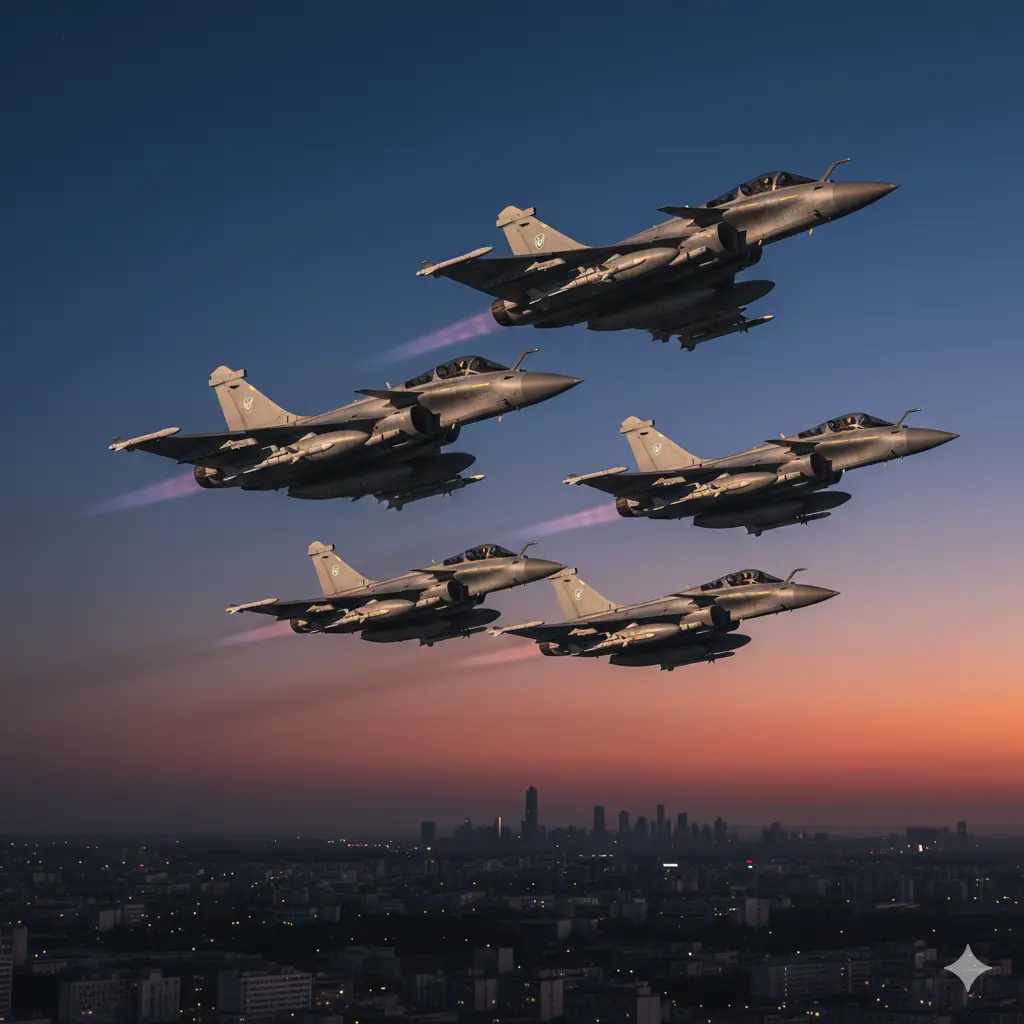
Total Weapon Load Cost Per Fighter Jet
A single fighter jet carrying four short-range and four long-range missiles represents approximately $4 to $5 million in ammunition alone. Typhoon and Rafale jets equipped with eight METEOR missiles exceed $17.6 million in missile cost. These ammunition expenses often exceed the cost of many other military platforms, illustrating modern air power's capital-intensive nature.
Bulk Purchase Contracts and Unit Cost Reductions
Pentagon contracts for AIM-120D missiles valued at $3.5 billion demonstrate bulk purchasing power reducing unit costs. Procurement of 140 missiles through a $192 million contract calculated to approximately $1.37 million per unit. Larger orders enable manufacturing efficiencies and volume discounts unavailable to individual nations or smaller procurement quantities.
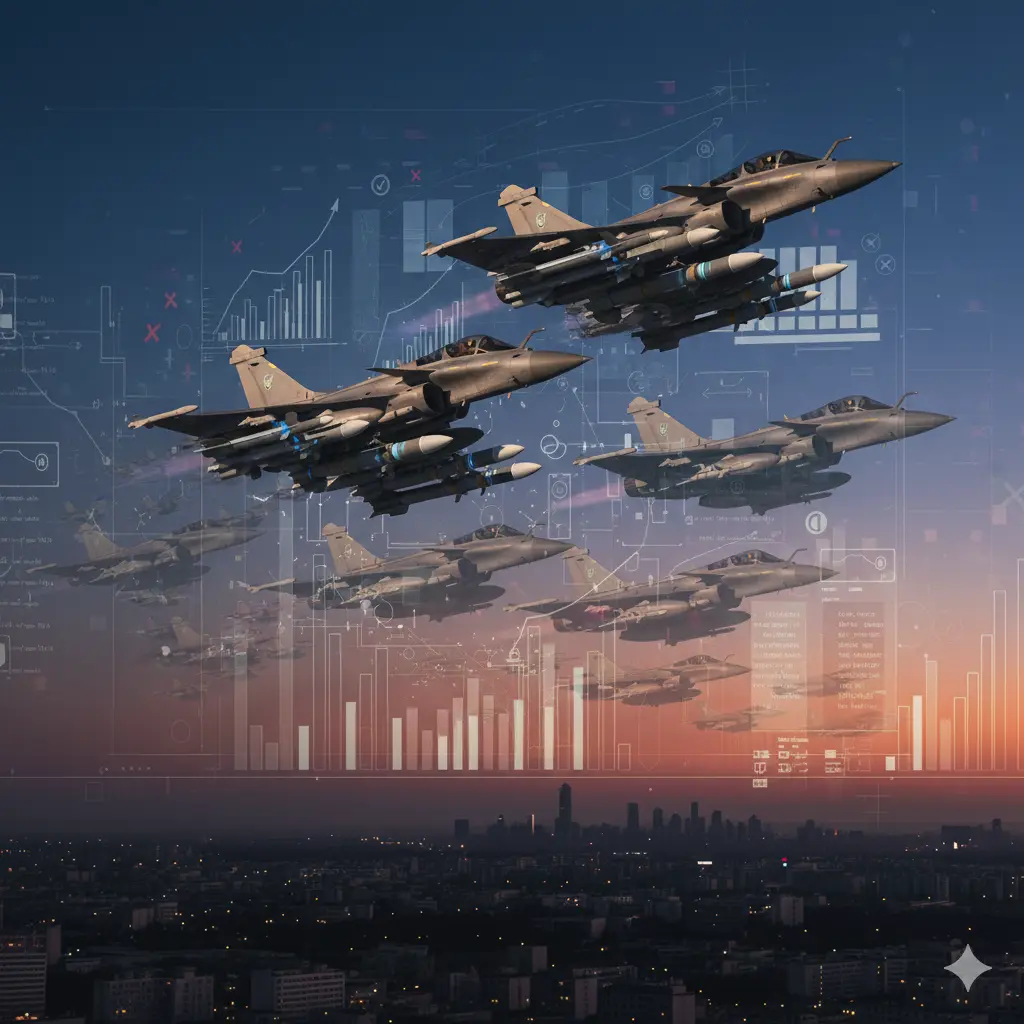
Future Missile Costs and Affordability Challenges
Advancing missile complexity, ramjet propulsion, autonomous guidance and sensor fusion technology continue increasing unit costs. Future beyond-visual-range missiles may exceed $3 million per unit. Air forces balance purchasing expensive advanced missiles against quantity, potentially reducing total missile loadout per fighter jet to contain escalating ammunition costs within defence budgets.
)
)
)
)
)