How much jet fuel does the USS Abraham Lincoln carry?

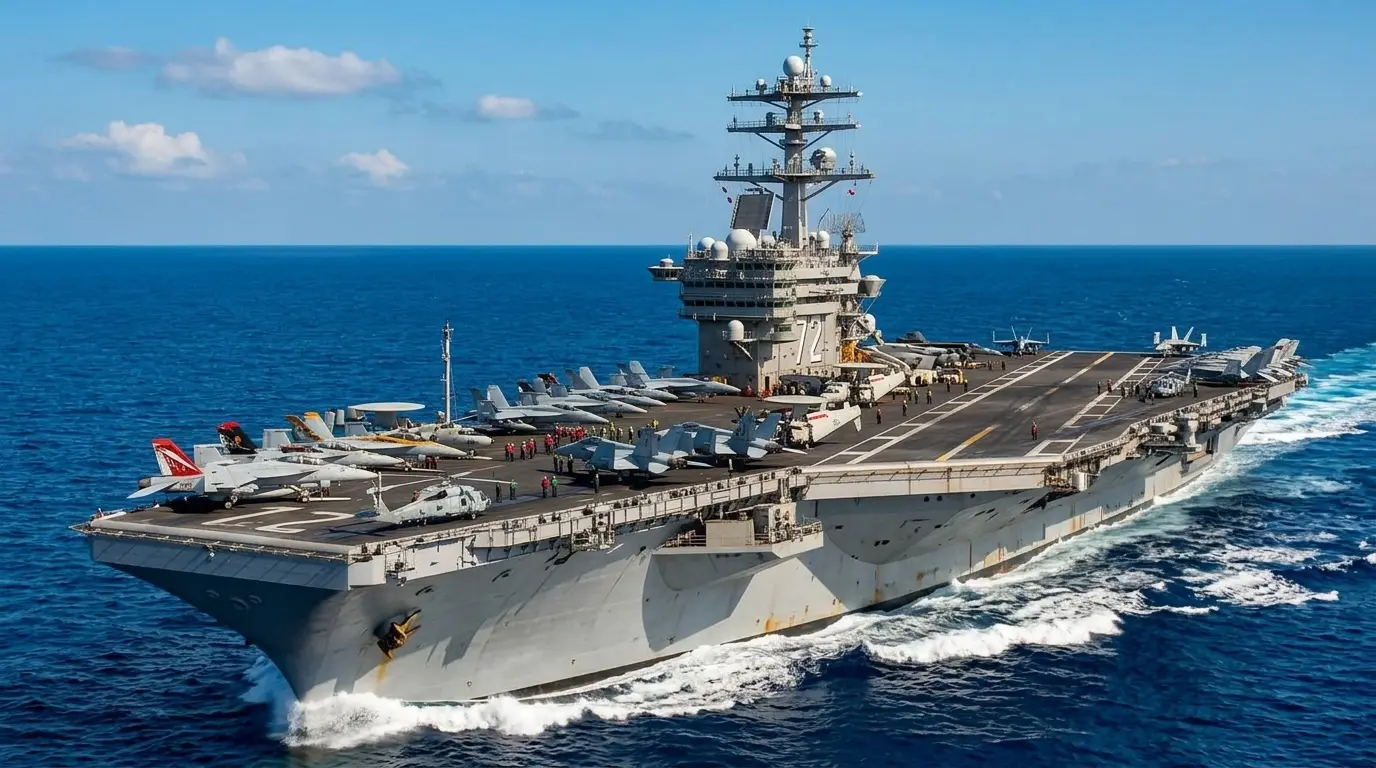
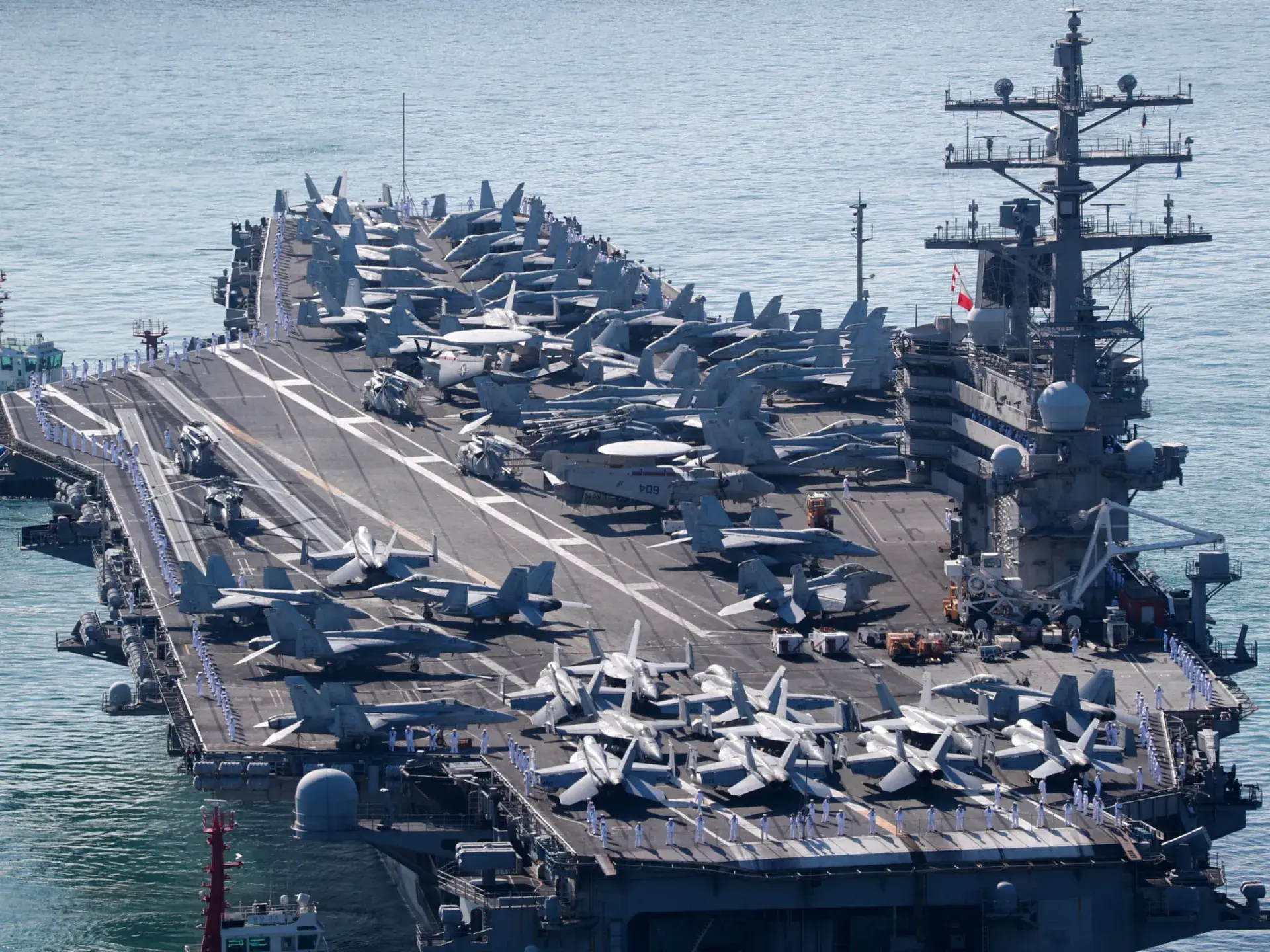
The USS Abraham Lincoln carries roughly three million gallons of JP-5 jet fuel. While twin nuclear reactors propel the ship, this massive aviation reserve is required to sustain continuous combat operations for its 90 embarked fighter jets.
A Three Million-Gallon Tank
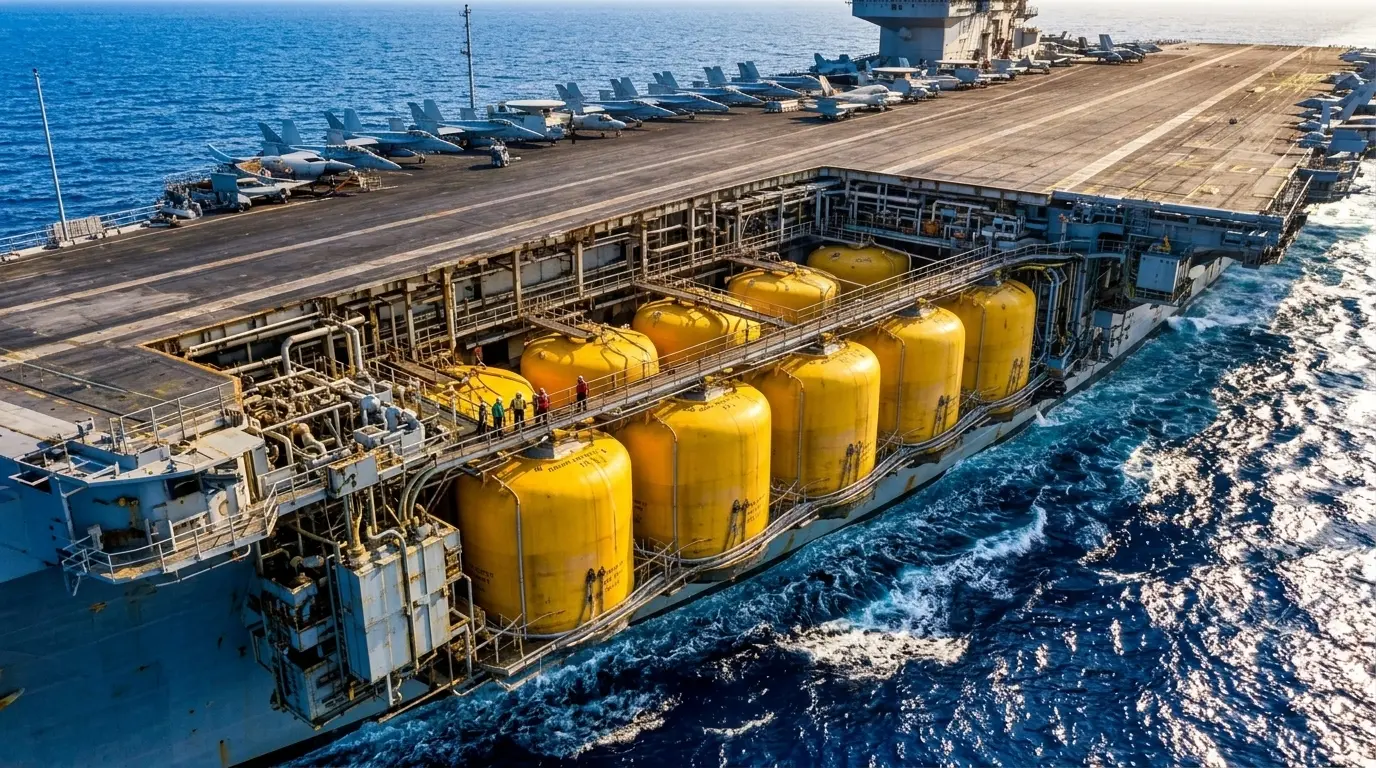
While the USS Abraham Lincoln itself is powered by twin nuclear reactors, its embarked aircraft rely entirely on conventional aviation fuel. To sustain prolonged combat operations, the Nimitz-class supercarrier boasts an internal capacity of approximately three million gallons of JP-5 jet fuel.
Powering 90 Aircraft
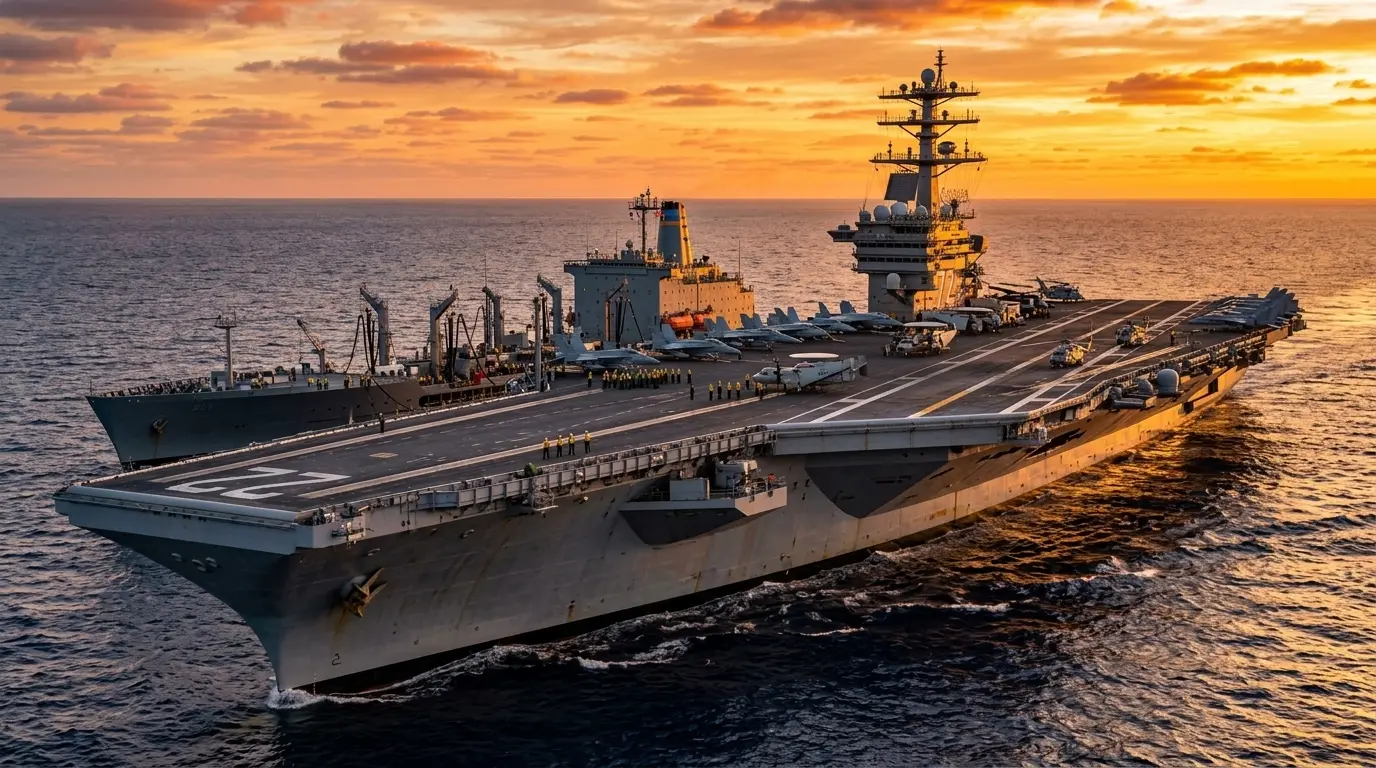
This massive fuel reserve is absolutely essential for the carrier's primary mission. The ship operates as a mobile airbase, projecting global firepower by launching and recovering an air wing that can include up to 90 fighter jets, early warning aircraft, and helicopters.
What is JP-5?
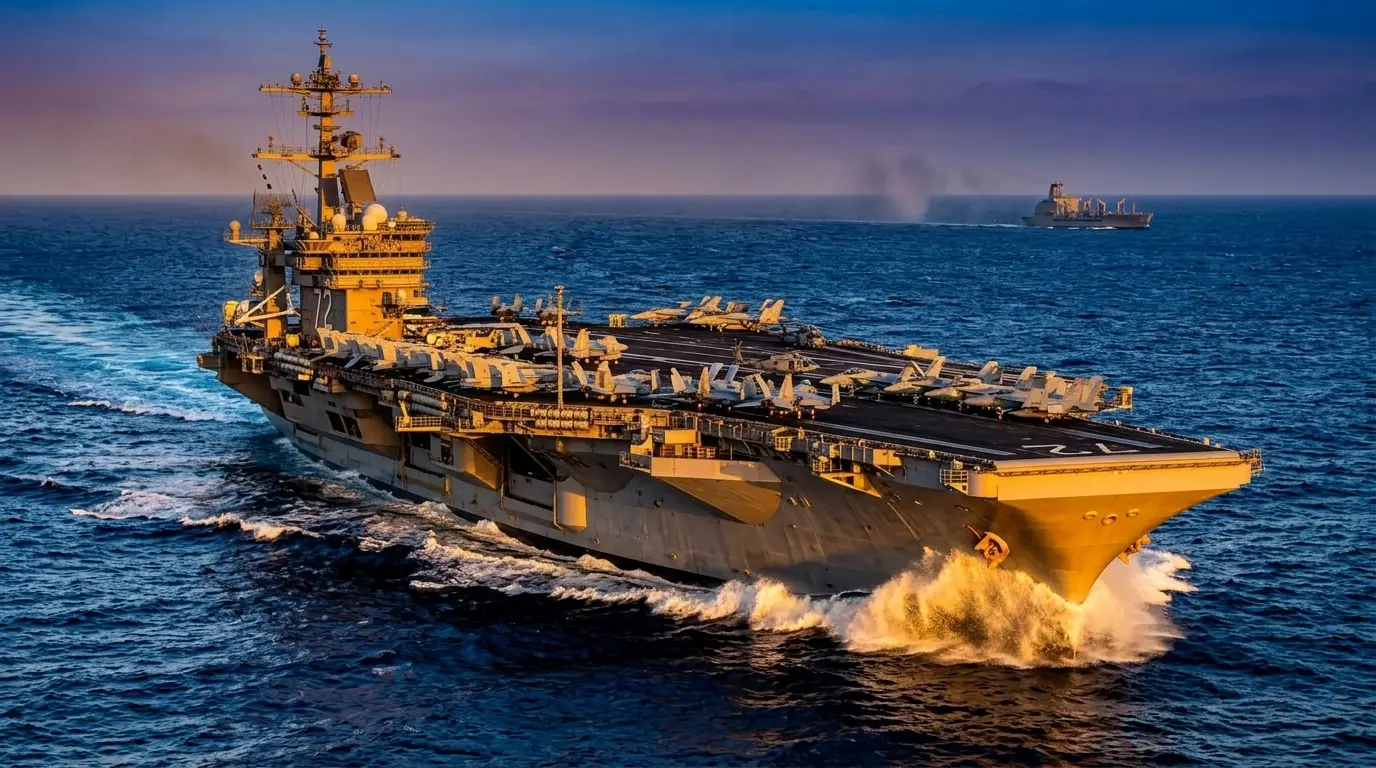
Naval aviation relies exclusively on JP-5, a specialised, military-grade kerosene-based jet fuel. Engineered specifically for the extreme conditions of maritime warfare, JP-5 features a uniquely high flash point of 60 degrees Celsius, dramatically reducing the risk of catastrophic fires aboard the ship.
Pumping Through the Ship
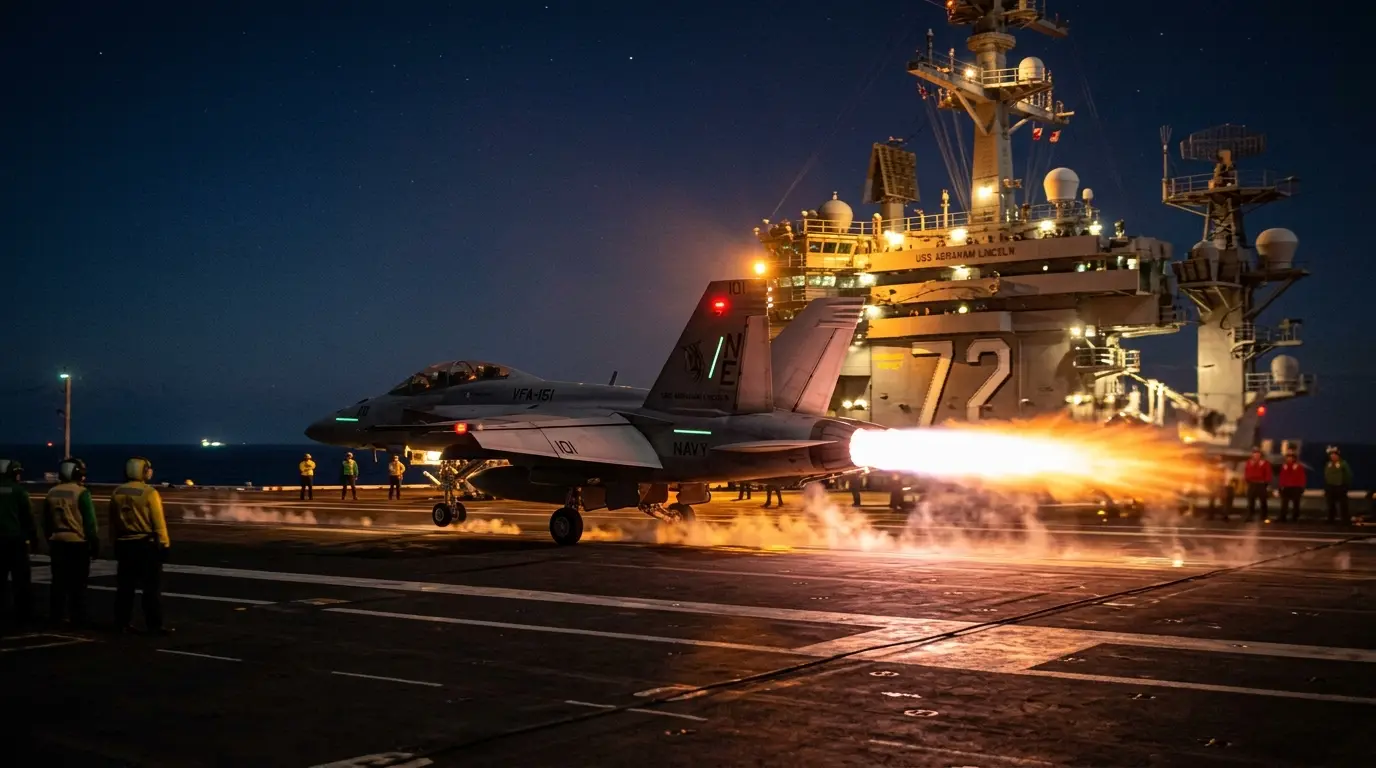
Distributing three million gallons of highly flammable liquid across a 1,092-foot warship requires massive infrastructure. The carrier uses an extensive internal network of pumps, filters, and high-capacity pipes to route the JP-5 directly from deep storage tanks up to the bustling flight deck.
The 'Purple Shirts'
Managing this immense volume of fuel is a highly coordinated, extremely dangerous logistical operation. On the flight deck, specially trained sailors known as Aviation Fuel Handlers, universally identifiable by their purple jerseys, are responsible for safely refuelling the tactical jets before every single mission.
Refuelling at Sea
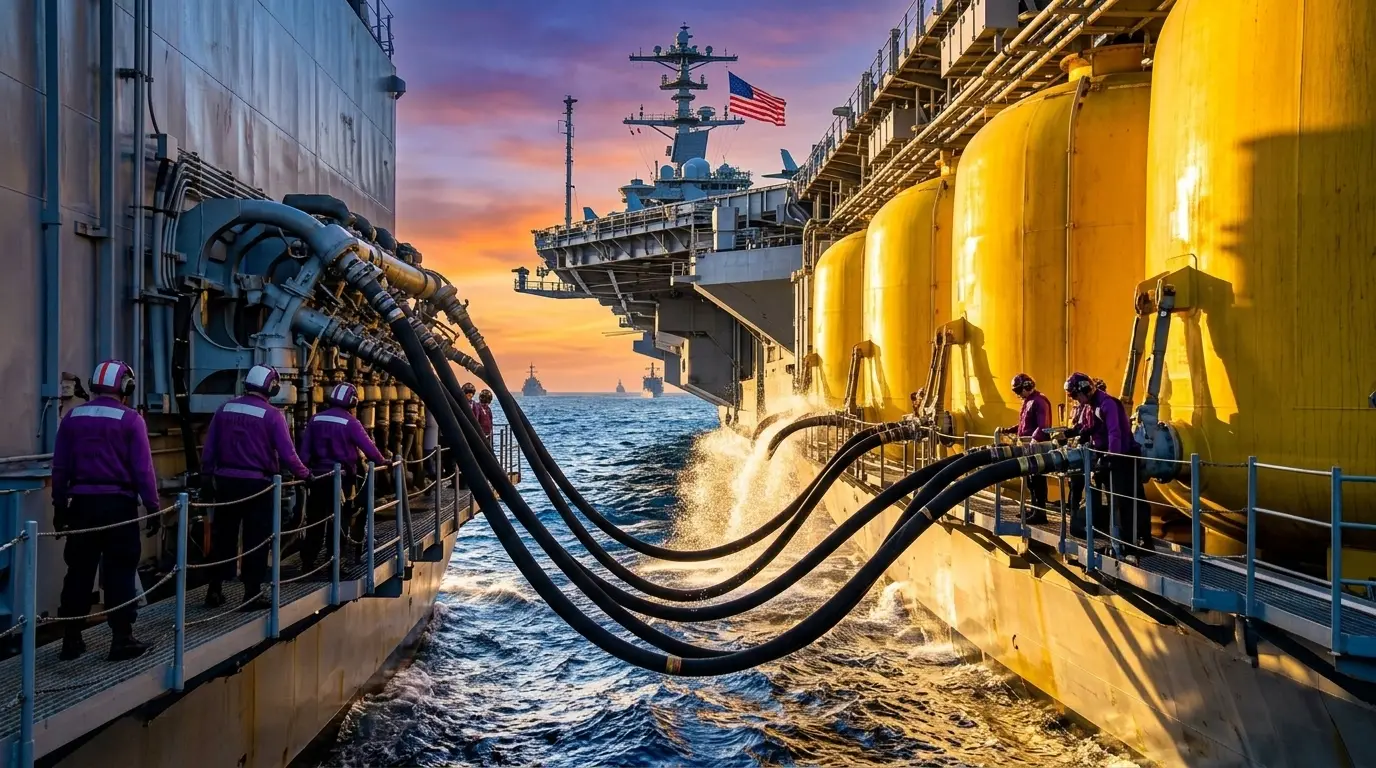
Despite its three million-gallon capacity, intense flight operations can deplete the carrier's reserves rapidly. To avoid returning to port, the warship conducts Underway Replenishments, where massive Military Sealift Command tankers pull alongside to pump fresh JP-5 across the ocean via high-tension hoses.
A $10 Million Gas Bill
Keeping the supercarrier fully stocked is a staggering financial undertaking. At an estimated average cost of $3.50 per gallon for military-grade JP-5, completely filling the USS Abraham Lincoln's aviation fuel tanks costs American taxpayers over $10 million for a single deployment cycle.
)
)
)
)
)