How much fuel does the IAF’s Jaguar fighter jet use per mission?

A standard strike mission, about 1,000 km round trip, requires a mix of internal and external fuel.
The Jaguar
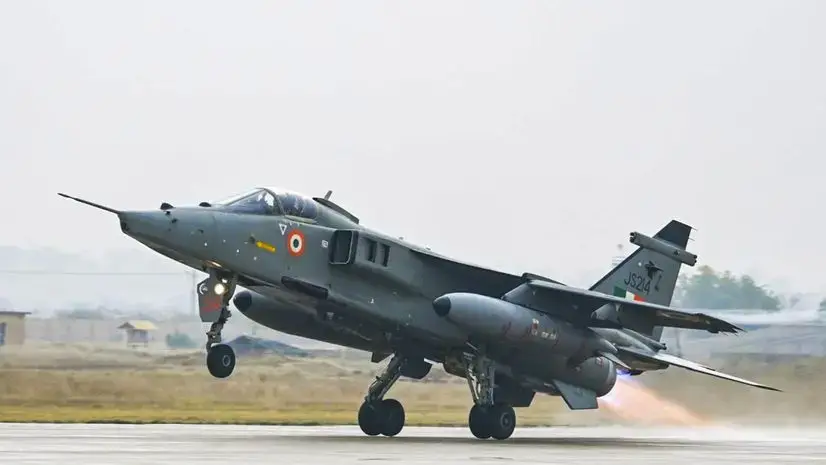
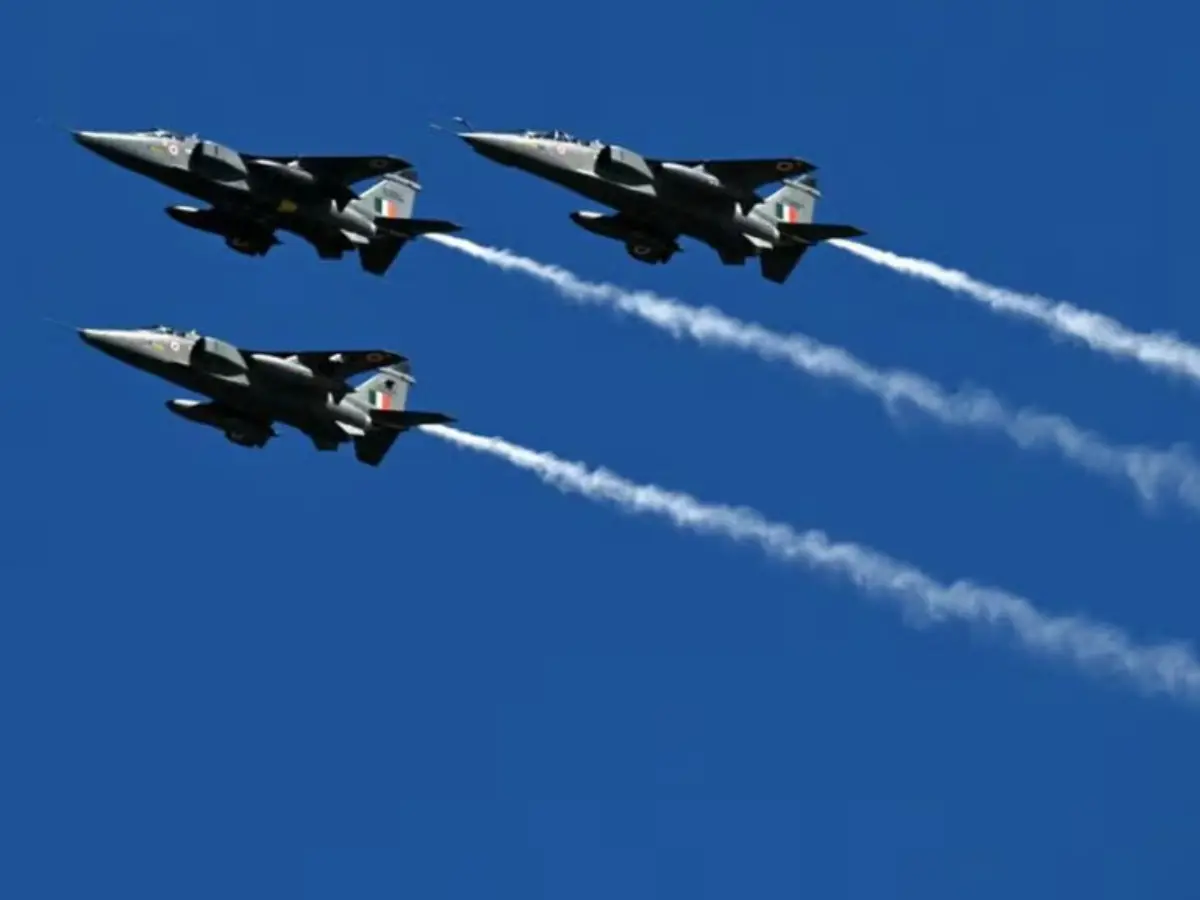
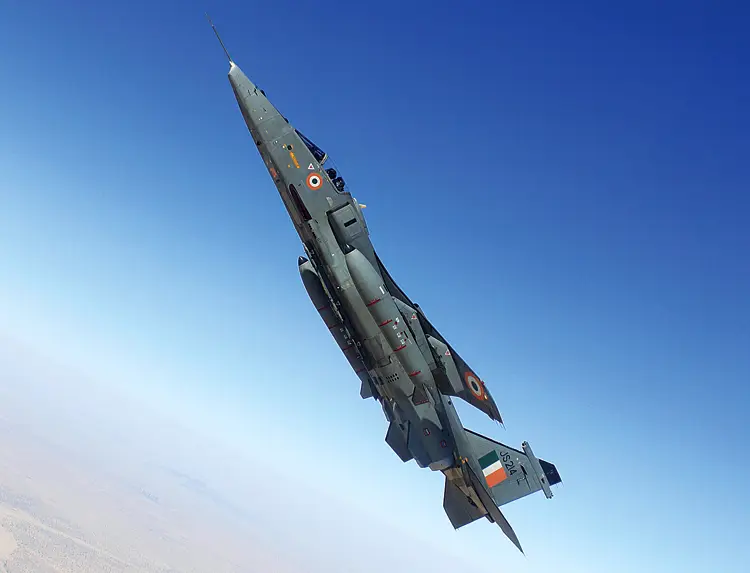
On Wednesday, a twin‑seat Jaguar trainer of the IAF crashed near Bhanoda village in Rajasthan’s Churu district during a routine training mission, killing both pilots. It was the third Jaguar crash this year, following incidents in March and April, prompting fresh scrutiny over the fleet’s safety and ageing systems. This context is critical when examining the Jaguar’s performance, especially its fuel use per mission. The SEPECAT Jaguar is a twin-engine ground-attack aircraft operated by the Indian Air Force since the late 1970s. Used mainly for deep penetration strikes, close air support and maritime attack, the Jaguar remains in frontline service even after four decades.
Fuel Capacity and Consumption
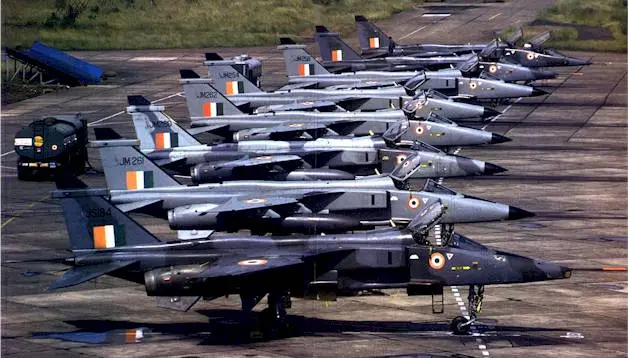
The Jaguar has an internal fuel capacity of around 4,500 litres. It can also carry up to three external drop tanks, each holding roughly 1,200 litres. Typical fuel consumption during flight varies between 60 to 80 litres per minute at cruising speed, increasing during low-level high-speed attack profiles.
Fuel Per Typical Mission
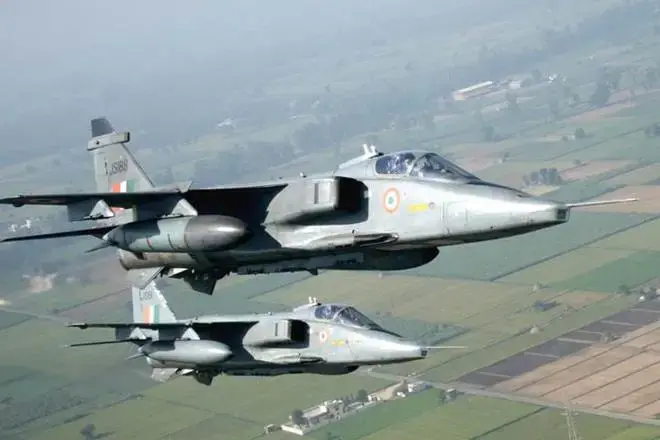
A standard strike mission, about 1,000 km round trip, requires a mix of internal and external fuel. On such missions, a Jaguar may burn around 5,000 to 6,000 litres of jet fuel. Factors such as weapon load, altitude and speed can change this figure, especially if the mission profile demands sustained low-level flight.
Refuelling Options
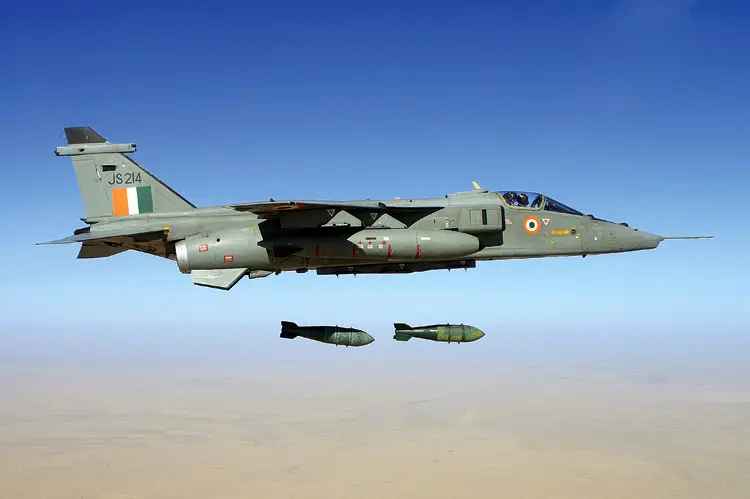
The Indian Air Force operates Ilyushin Il-78 aerial refuelling tankers, allowing Jaguars to extend their range or stay longer over target areas. Mid-air refuelling adds flexibility, especially during deep penetration missions into hostile territory.
Comparison With Other Fighters
Compared to lighter multirole fighters like the Tejas or Mirage 2000, the Jaguar consumes more fuel due to its twin-engine design and older technology. Modern jets like the Rafale achieve longer ranges with similar or even smaller fuel loads, thanks to more efficient engines and advanced aerodynamics.
Why the Jaguar Remains in Service
Despite higher fuel needs, the Jaguar offers low-level stability, strong payload capability and proven reliability in different weather and terrain. These qualities make it valuable for roles that newer aircraft may not yet fully replace, especially for deep strike missions. The IAF’s Jaguar fighter jet typically uses about 5,000 to 6,000 litres of fuel per mission. While it is less fuel-efficient than newer designs, it remains in service for its ability to carry heavy bomb loads and deliver them accurately at low altitude. Fuel remains a significant cost factor for each mission, reflecting the aircraft’s design from an earlier era.
)
)
)
)
)