How much fuel does idling your car really waste?

Idling a car wastes up to two litres of fuel an hour and damages engine parts. Turning the engine off if waiting for over ten seconds saves significantly more petrol than leaving it running, while preventing toxic exhaust emissions.
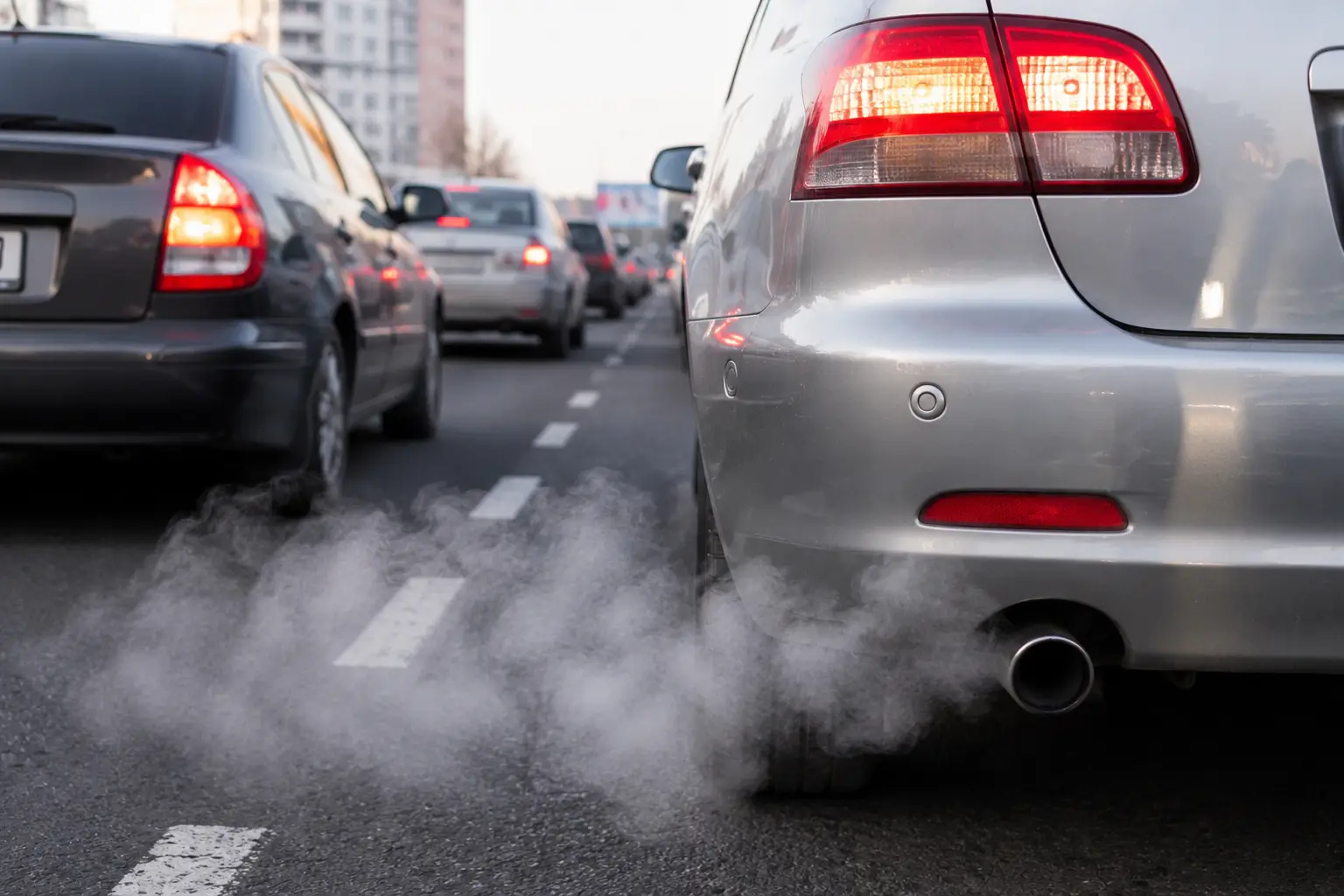
The hourly fuel drain
Depending on engine size and air conditioning use, an idling car wastes between one and two litres of fuel every hour. The RAC notes this creates a steady, unnecessary financial drain for absolutely zero mileage.
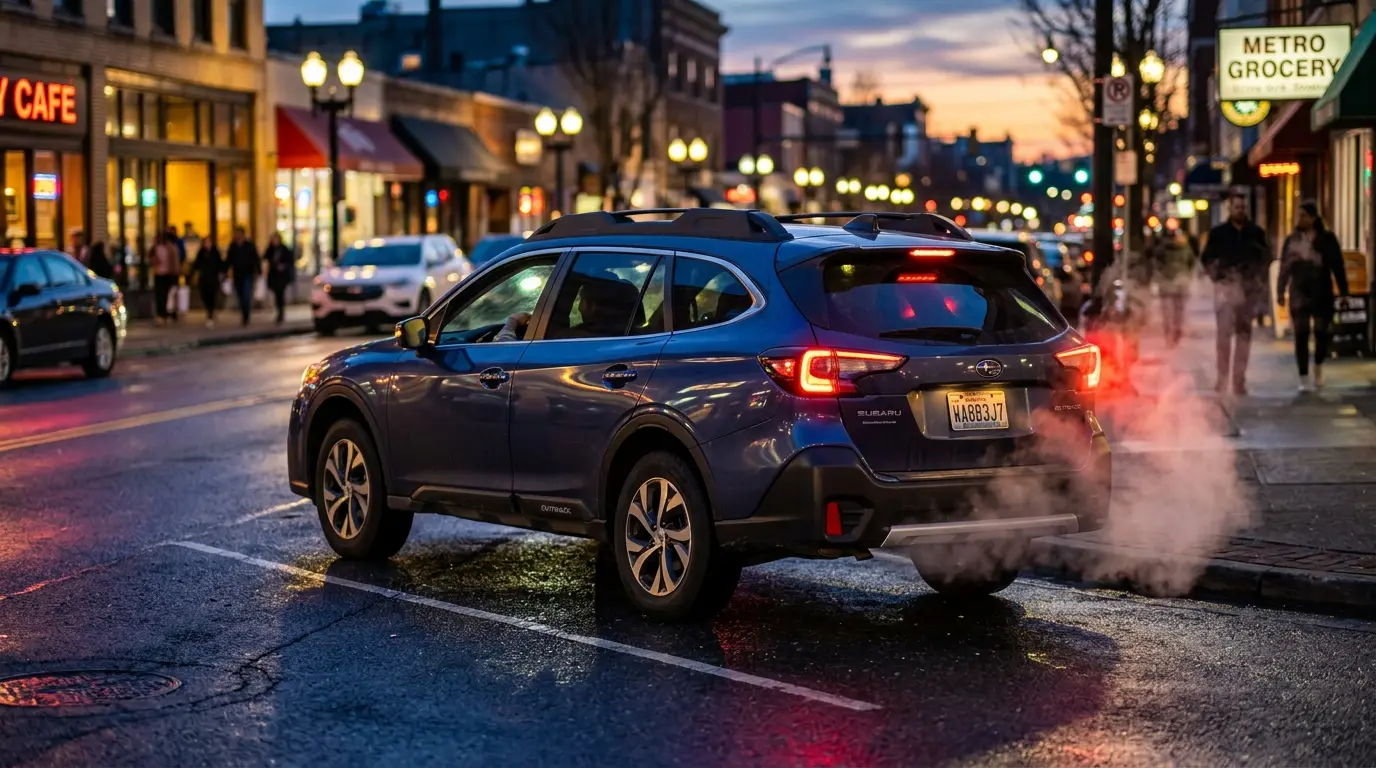
The 10-second rule
Many people incorrectly believe starting the engine consumes a massive amount of fuel. The Energy Saving Trust clarifies that idling for more than 10 seconds actually burns more petrol than simply turning off and restarting the car.
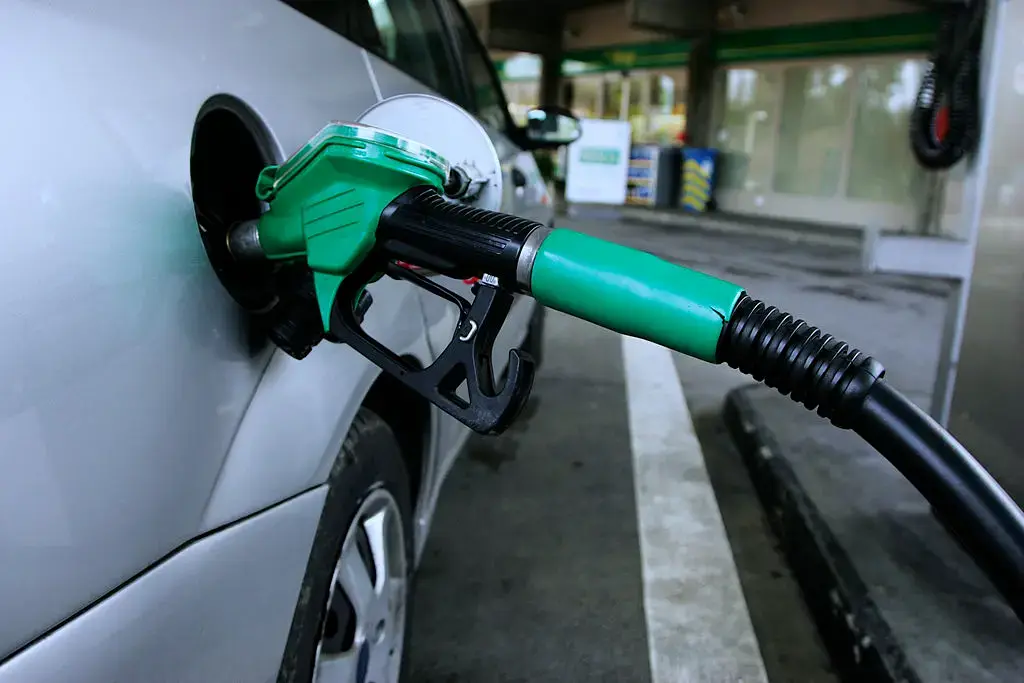
Traffic jam fuel waste
Crawling through heavy urban congestion drastically lowers your overall fuel economy. Transport researchers confirm that leaving your engine running while stuck in stationary traffic accounts for a large portion of wasted daily commuter fuel.
The impact of air conditioning
Running the air conditioning while parked significantly increases the engine's workload. The US Department of Energy warns that idling with the climate control set on maximum can nearly double your rate of fuel consumption.
Engine wear and tear
Idling forces an engine to operate below its peak temperature, preventing fuel from burning completely. Automotive experts from the AA explain this leaves corrosive residues that damage spark plugs and exhaust systems over time.

Modern stop-start technology
Most modern vehicles are equipped with automatic stop-start systems to combat this exact issue. Transport engineers state these systems automatically cut the engine when stationary, saving up to 10 per cent on fuel in heavy traffic.
Environmental and legal costs
Beyond the wasted petrol, leaving an engine running is illegal on public roads in many regions. Local councils often issue immediate fines to stationary drivers who refuse to switch off their engines and reduce toxic emissions.
)
)
)
)
)