How much fuel does HAL Tejas fighter jet consume?

In operational or combat roles (with weapons, external tanks, high power usage), the effective combat radius is significantly lower (hundreds of km) because high fuel-use phases (take-off, climb, manoeuvre) dominate.
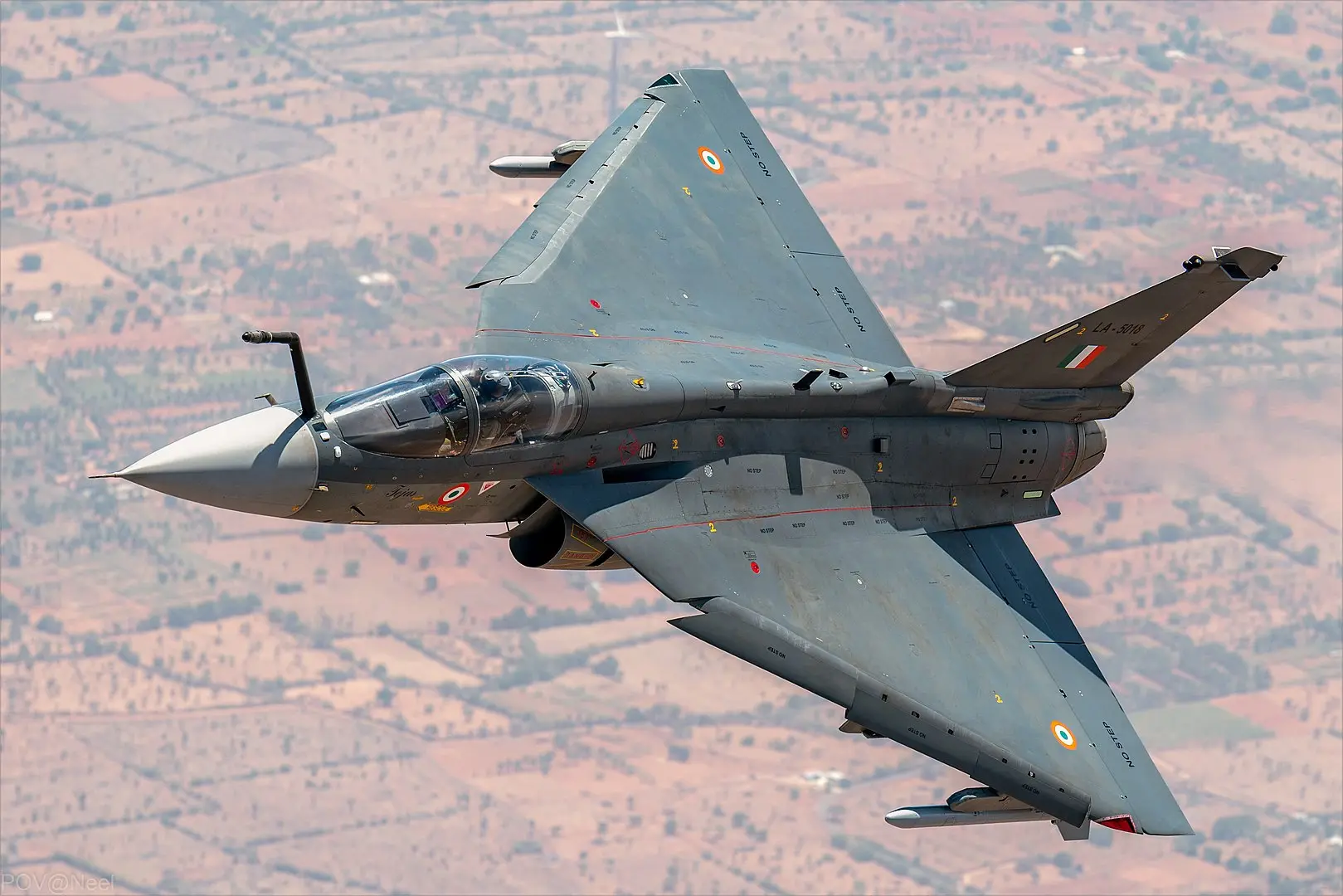
1. Fuel capacity: internal and external
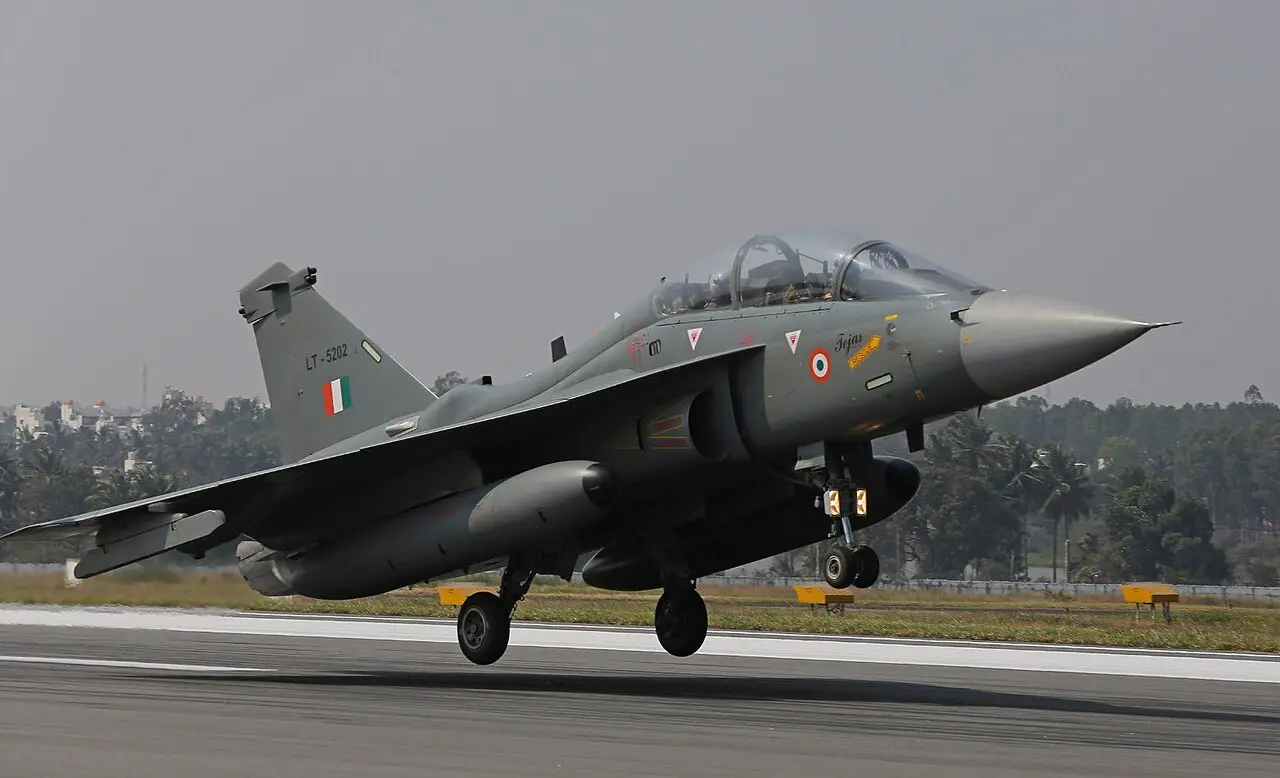
The Tejas Mk 1/Mk 1A has an internal fuel capacity often reported around 3,060 litres for certain configurations. For the forthcoming Mk 2 variant, sources report an internal fuel load of about 3,300 kg plus external drop-tanks bringing the total fuel capacity to around 7,100 kg (7.1 tonnes) when fully tanked. This means the aircraft’s endurance and “time aloft” depend both on how much fuel it carries and how it is utilised (mission profile, payload, manoeuvres).
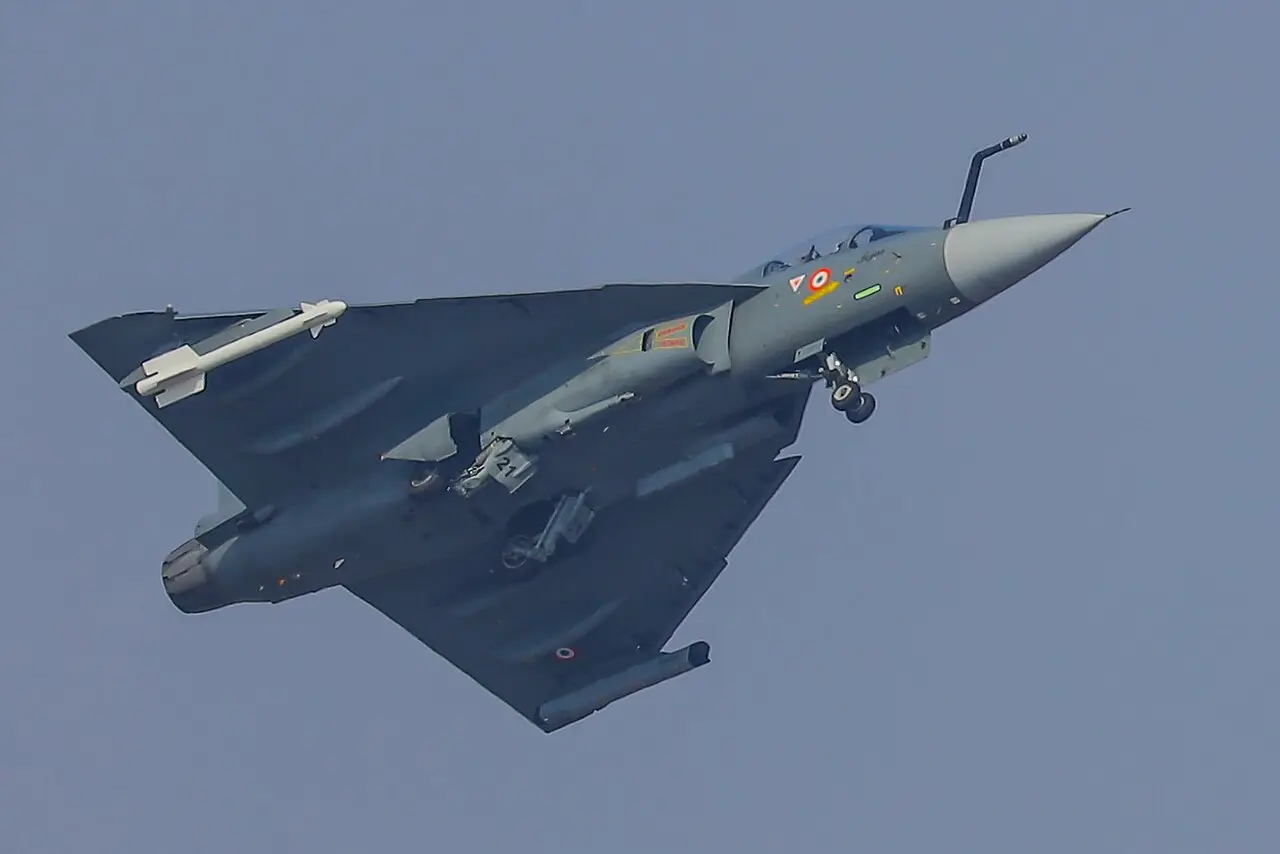
2. Fuel consumption depends on flight profile
Fuel consumption for any combat aircraft varies widely based on power setting (cruise, afterburner, combat manoeuvres), altitude, payload, and external tank drag. For the Tejas, no publicly available detailed figure exists for “litres per hour” at various settings. However, comparison sources suggest that, relative to its contemporaries, Tejas has a shorter endurance. Thus, while we know how much fuel it can carry, the rate at which that fuel is used during an average mission is not clearly published in open-source material.
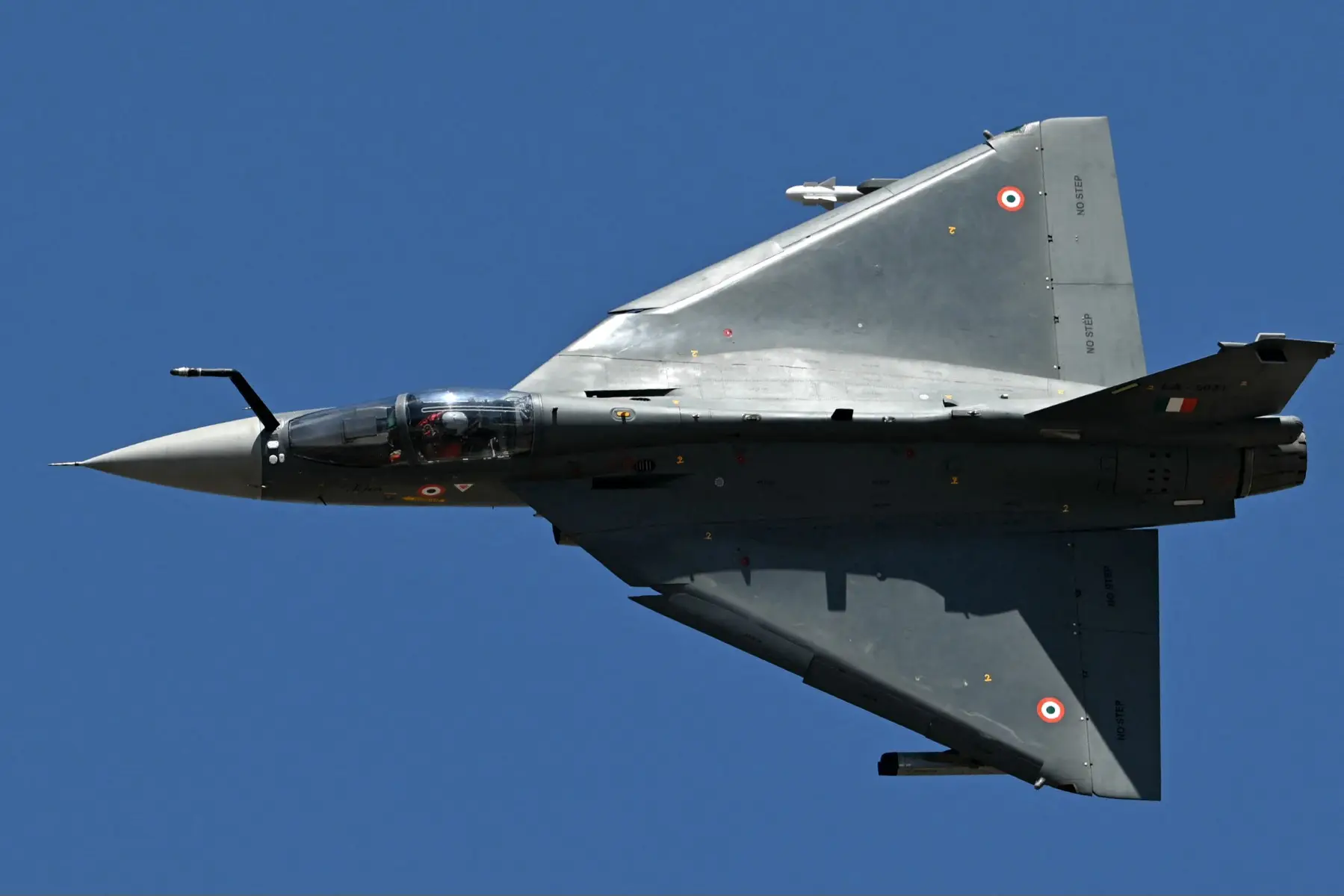
3. Estimated range & endurance implications
With the internal fuel load and mission-typical usage, published data gives the Tejas a “ferry range” or “overall range” around 3,000 km in some sources. In operational or combat roles (with weapons, external tanks, high power usage), the effective combat radius is significantly lower (hundreds of km) because high fuel-use phases (take-off, climb, manoeuvre) dominate. The smaller internal tank (compared to heavier fighters) means shorter endurance and less loiter time.
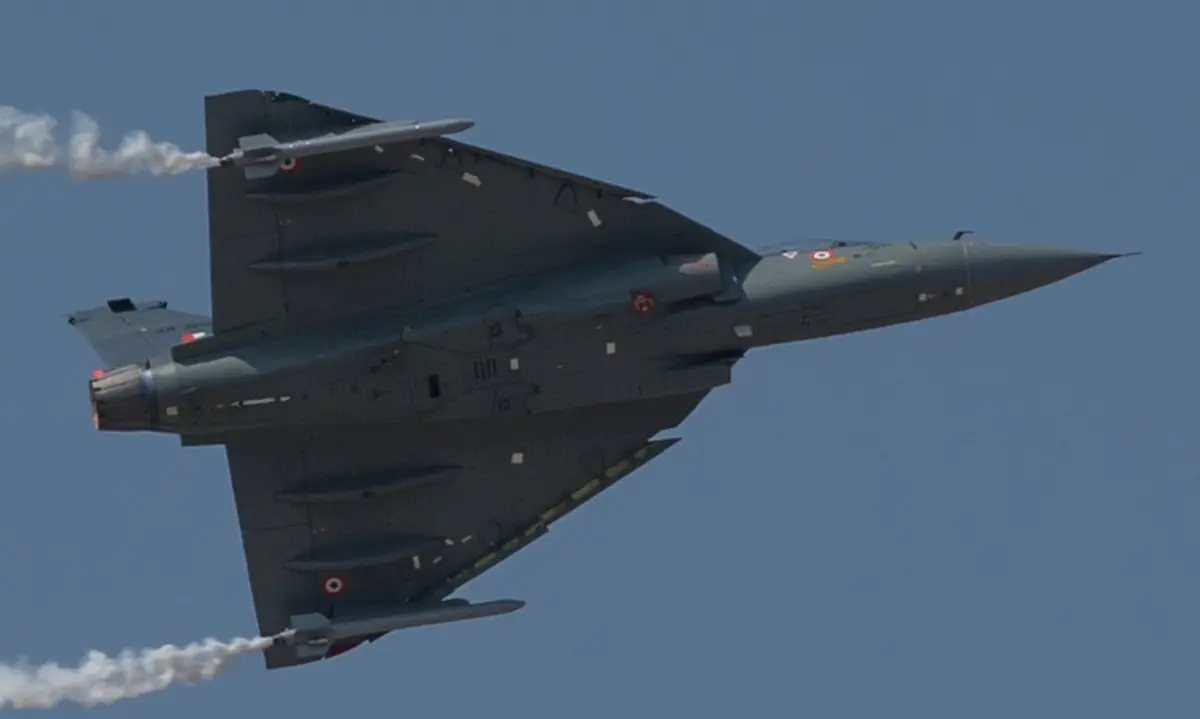
4. Why Tejas Mk 2’s enhanced fuel capacity matters
The Mk 2 version of Tejas is designed with a higher maximum take-off weight (17.5 tonnes) and increased fuel capacity to address the endurance limitation of earlier versions. The additional fuel means longer missions, greater range, and better capability to carry external tanks or weapons without heavily compromising fuel load. This directly improves the “fuel-consumption margin” (ie, more fuel for the same or longer mission) and allows for more flexibility in mission planning.
5. Operational factors affecting fuel usage
Several operational factors drive how much fuel is consumed:
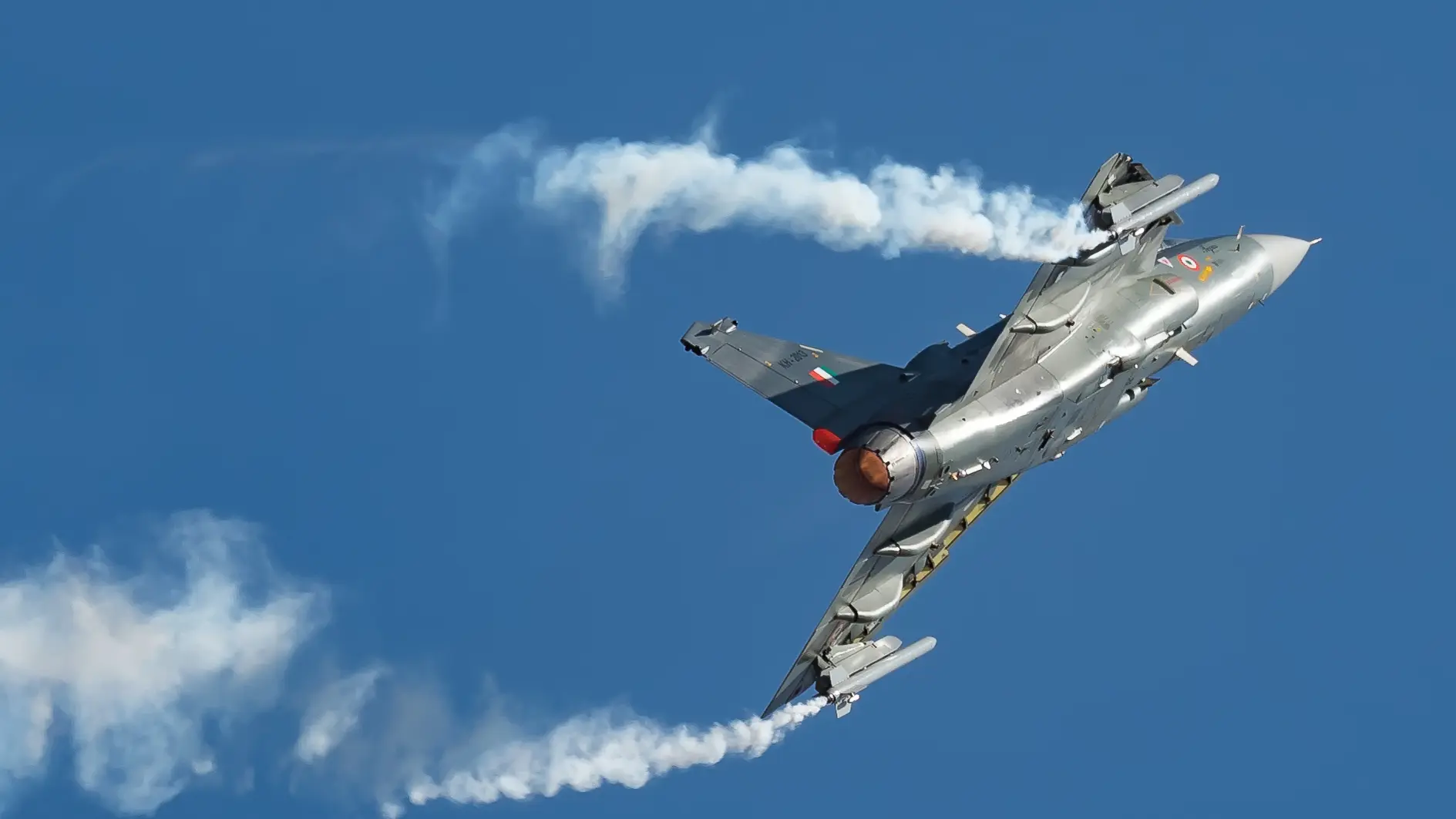
- Power settings: Afterburner use or high-G manoeuvres consume fuel far faster than cruise.
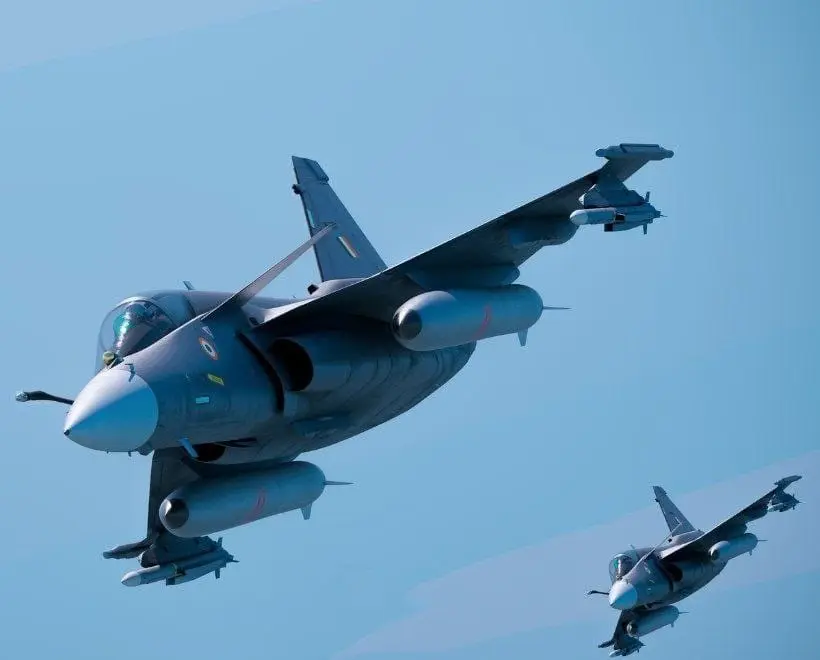
- Payload/drag: Weapons, external stores and tanks increase drag, increasing fuel burn.
- Altitude & speed: High altitude cruise is more fuel-efficient; low-altitude flight uses more fuel per km.
- Aerial refuelling: Tejas is fitted with probe/drogue refuelling capability, which allows mission extension but depends on tanker availability.
- These factors mean that two Tejas jets carrying the same fuel may have very different “time aloft” depending on mission.
6. What is publicly not available
The exact fuel burn rate (litres or kg per hour) for the Tejas Mk 1/Mk 1A during various mission modes (e.g., cruise, combat, high-G turnaround) remains undisclosed in open-source media. While some general specification websites list fuel volumes, detailed consumption charts (as seen for some Western fighters) are not publicly published. Hence anyone quoting a “litres per hour” figure should treat it as an estimate unless it is officially revealed by the manufacturer or air force.
7. Why this matters for India’s air-force & exports
Fuel capacity and consumption are key for operational flexibility. A fighter that burns fuel quickly or has limited internal fuel stays aloft for shorter time, needs more frequent refuelling or external tanks and that impacts mission effectiveness, cost-per-hour, sortie rate and export attractiveness. For the Tejas programme, enhancing fuel capacity (as in Mk 2) directly supports India’s goals of longer reach, deeper strike capability and export competitiveness. Given that fuel consumption also affects operational cost and logistics (tankers, spares, endurance), the publicly known fuel parameters shape how the Tejas is perceived technically and commercially.
)
)
)
)
)