How much fuel does a Russian Su-57 fighter jet consume?

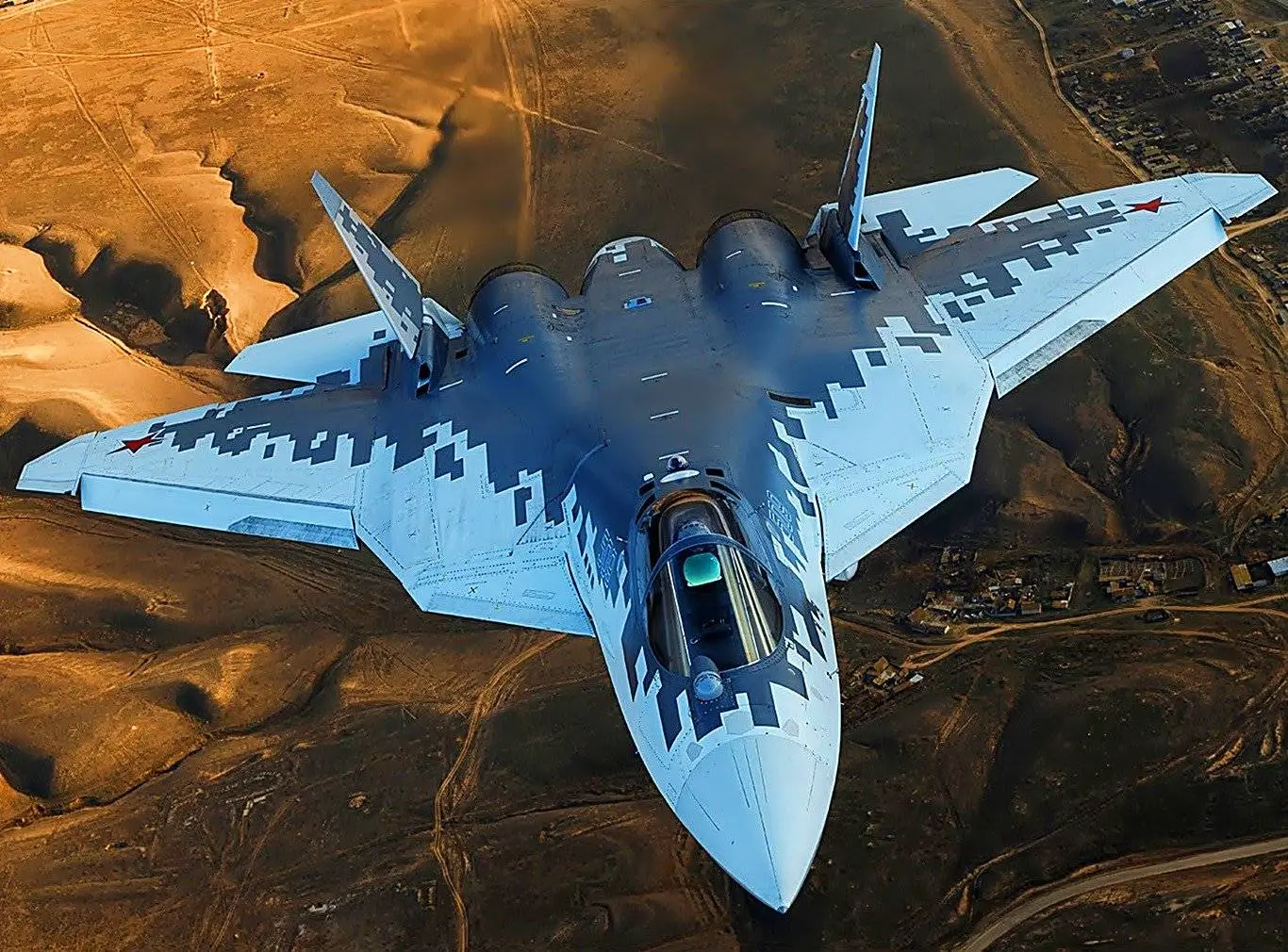
The Su-57 is Russia’s fifth-generation stealth fighter, designed for air superiority, strike missions, and deep penetration operations. Understanding its fuel consumption is important for operational planning, range calculations, and logistics.
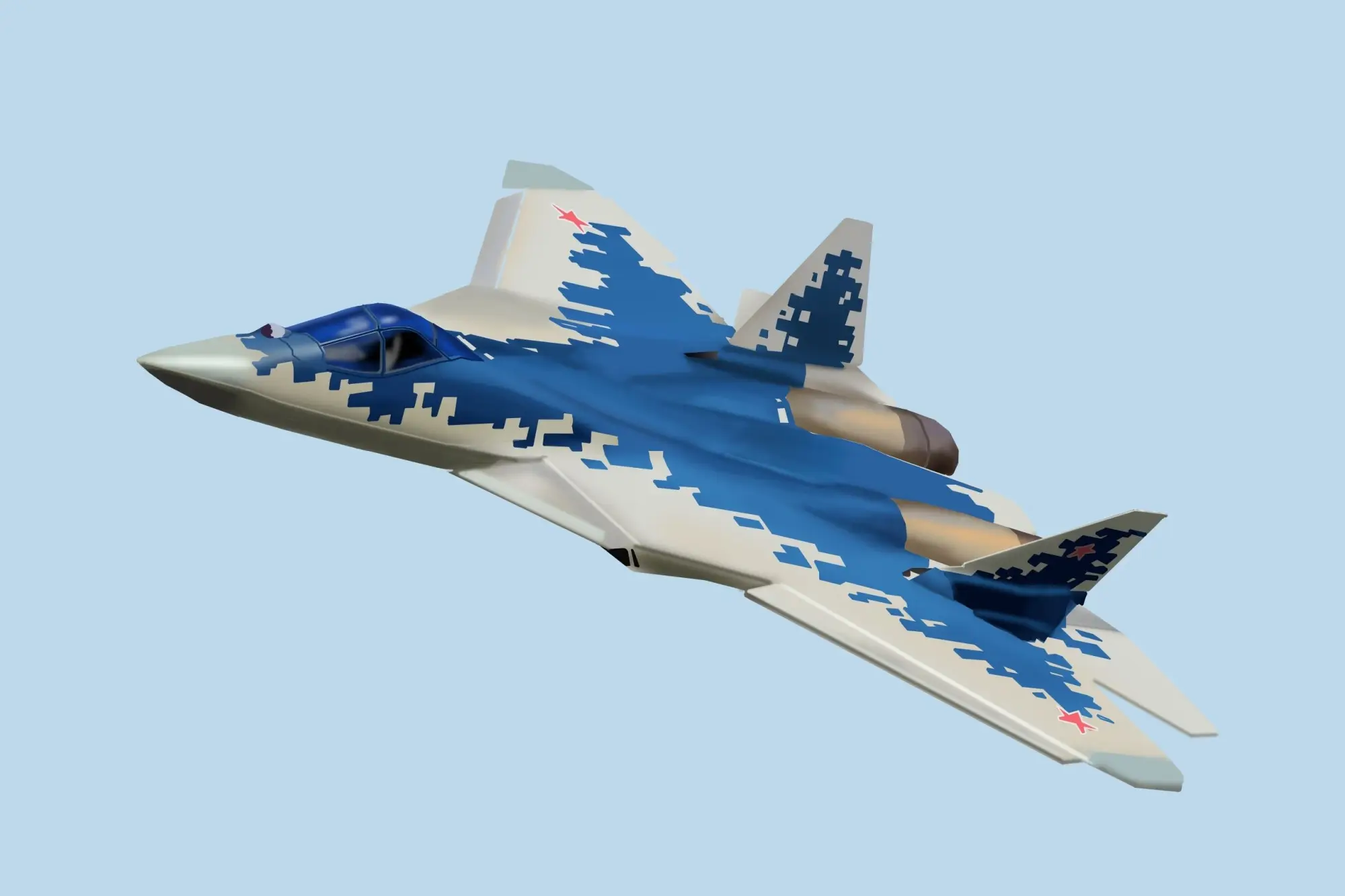
Internal Fuel Capacity
The Su-57 has an internal fuel capacity of approximately 8,000 kg (around 10,000 litres). This allows the aircraft to conduct missions without external fuel tanks, reducing radar signature during stealth operations.
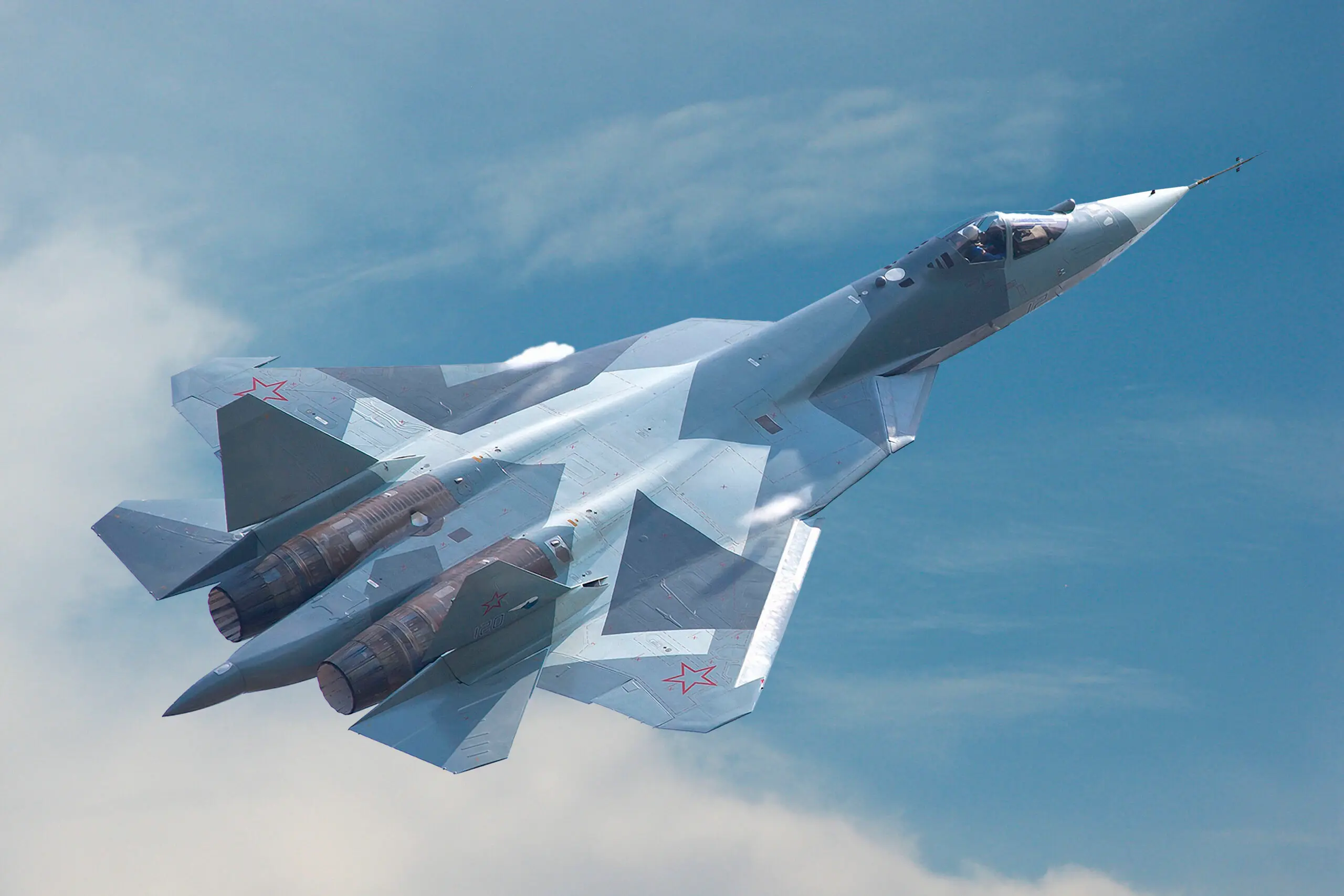
Fuel Consumption per Hour
During cruise, the Su-57 consumes roughly 2,500–3,000 kg of fuel per hour, depending on altitude, speed, and payload. High-speed supersonic flights increase fuel burn significantly.
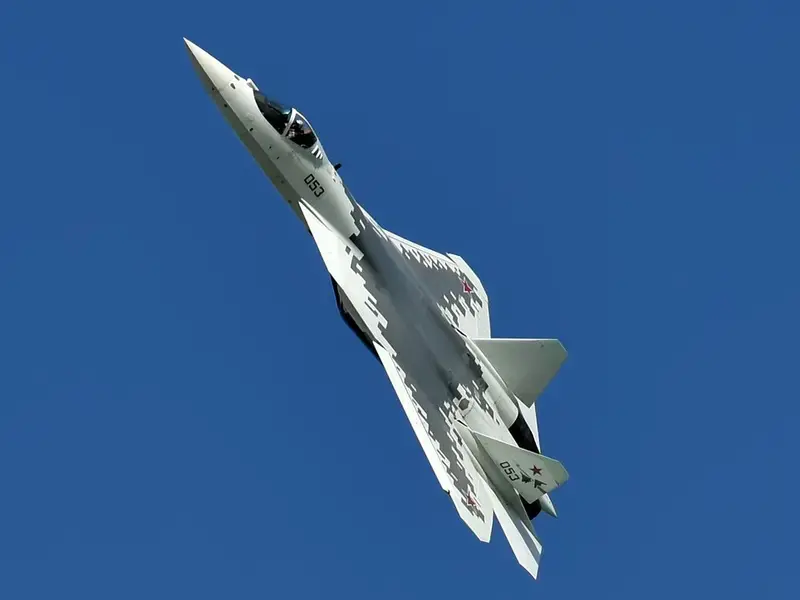
Combat Mission Consumption
In combat scenarios, with afterburners engaged for interception or dogfighting, the fuel consumption can rise to over 6,000 kg per hour, limiting endurance unless refuelled mid-air.
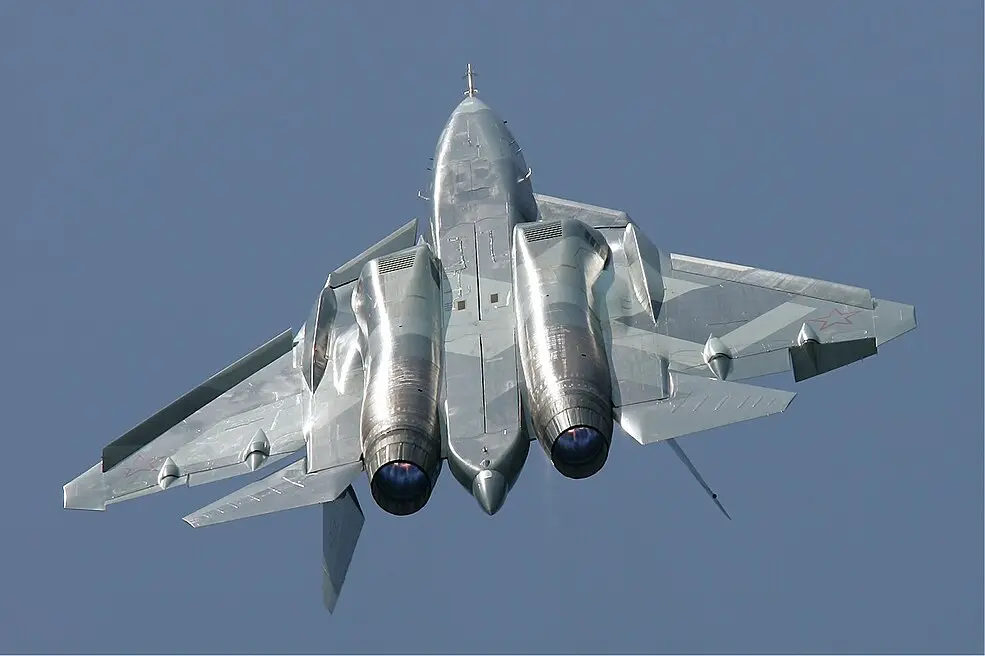
Maximum Take-Off Fuel Load
The Su-57 can carry additional fuel in external drop tanks if needed, increasing total fuel to approximately 12,000–13,000 kg, which extends mission range but reduces stealth efficiency.
Range and Mission Endurance
With internal fuel only, the Su-57 has a ferry range of 3,500 km and a combat radius of roughly 1,500 km. Aerial refuelling can extend operational reach significantly.
Aerial Refuelling Capability
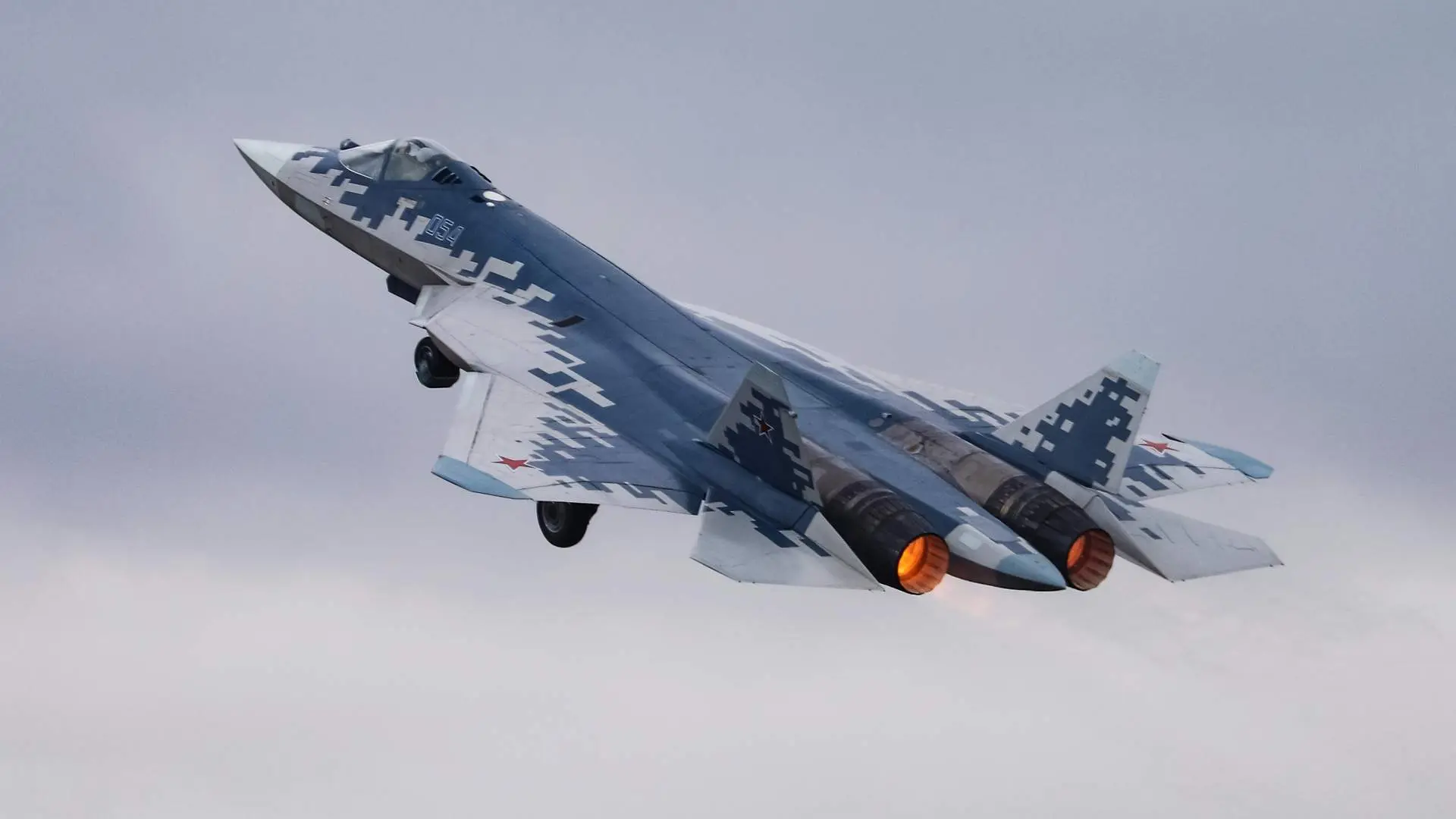
The Su-57 is equipped for mid-air refuelling, allowing it to remain airborne for longer missions or deploy deep into enemy territory without returning to base.
Fuel Efficiency Compared to Other Fighters
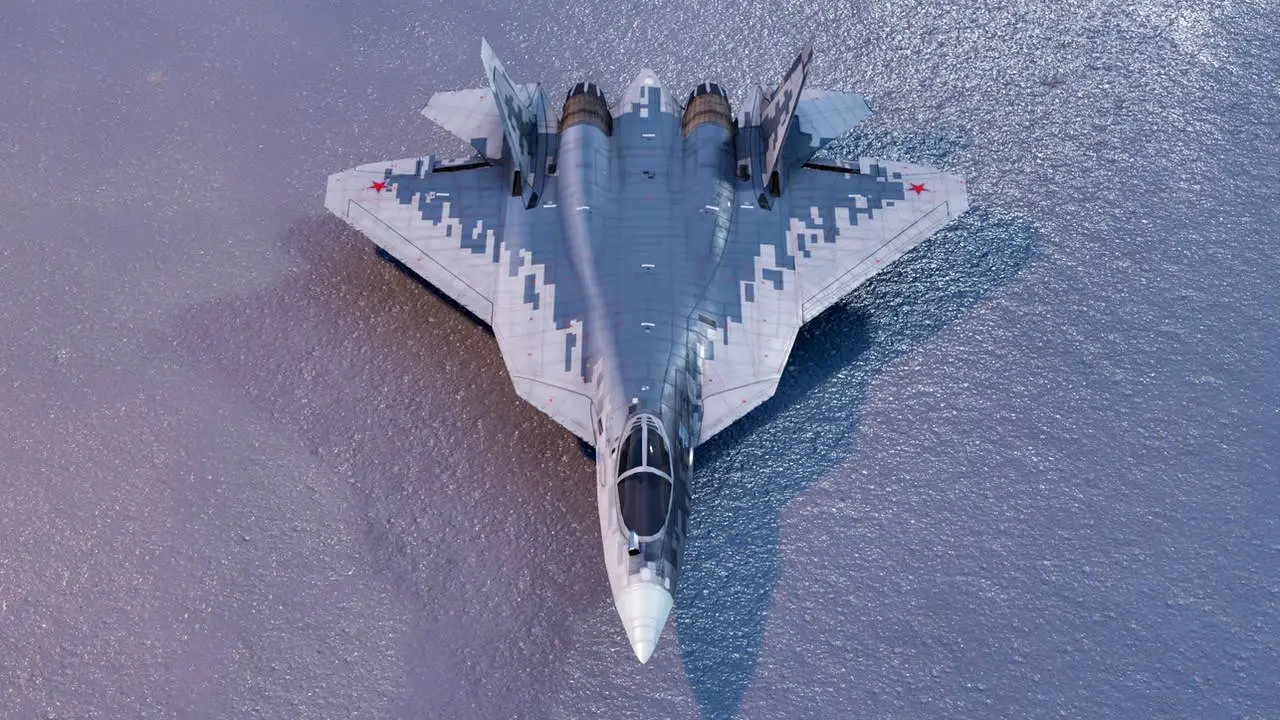
Compared with older fourth-generation fighters like the Su-27 or F-16, the Su-57 is relatively fuel-efficient at subsonic cruise speeds, but supersonic or afterburner operations dramatically increase consumption, making mission planning critical.
)
)
)
)
)