How much fuel does a B-52 bomber drink in comparison to your car?

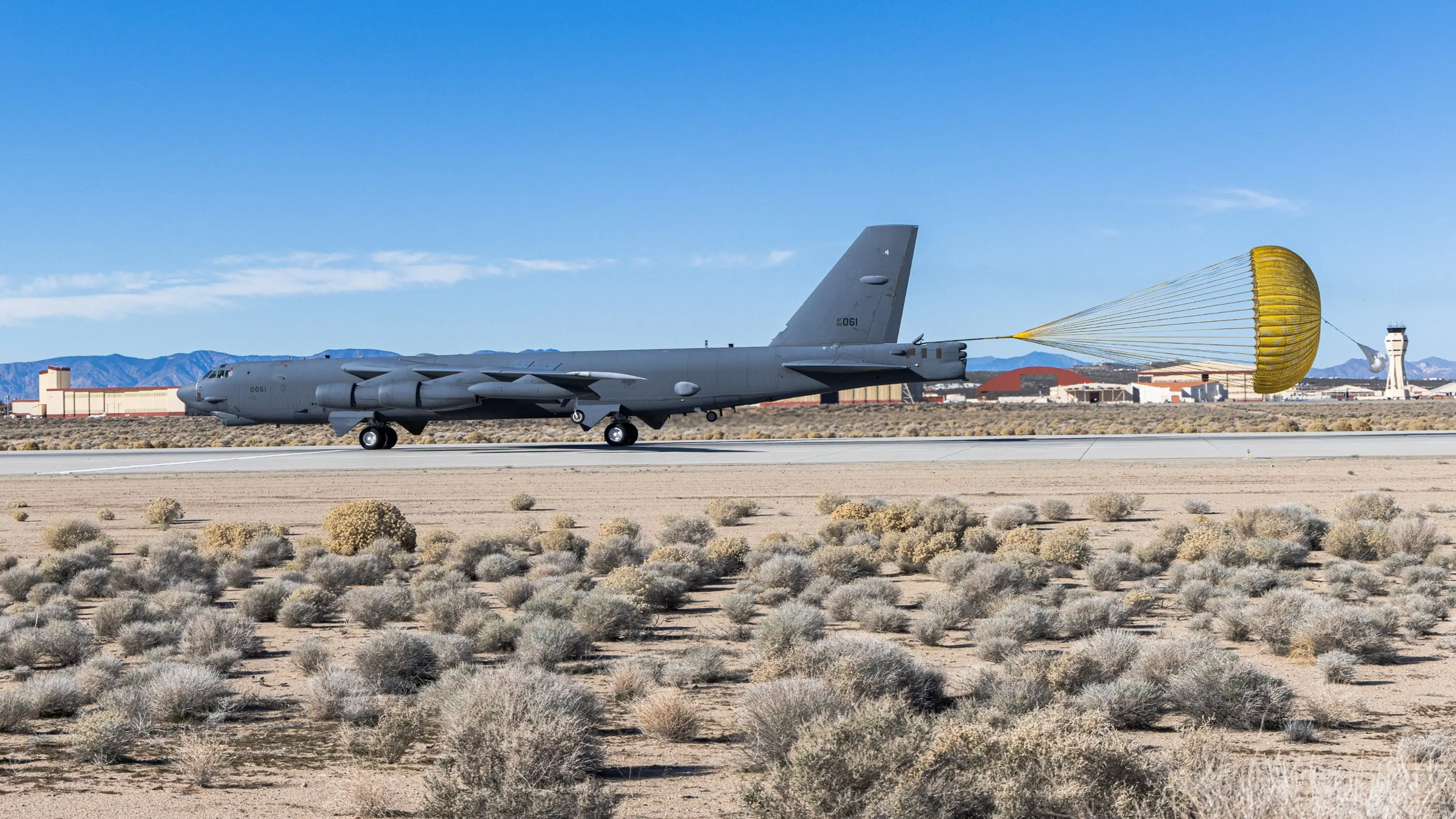
The B-52 Stratofortress burns roughly 3,300 gallons of jet fuel every single hour. That is not a typo. Here is what that number actually means when you compare it to everyday life.
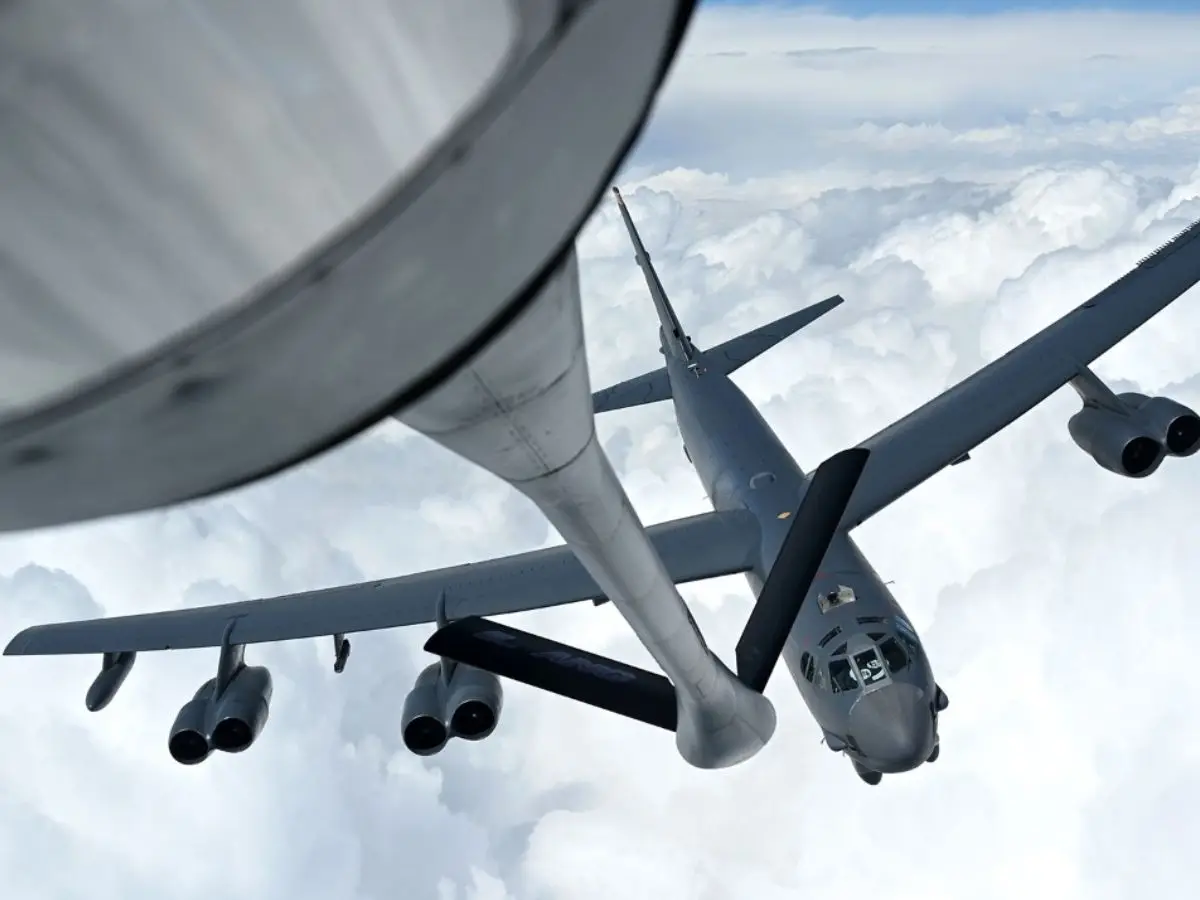
The Tank That Never Fills
The B-52 carries up to 312,197 pounds of fuel — roughly 46,000 gallons — spread across its wings and fuselage. That is the equivalent of filling about 1,540 average car fuel tanks simultaneously before a single mission even begins.
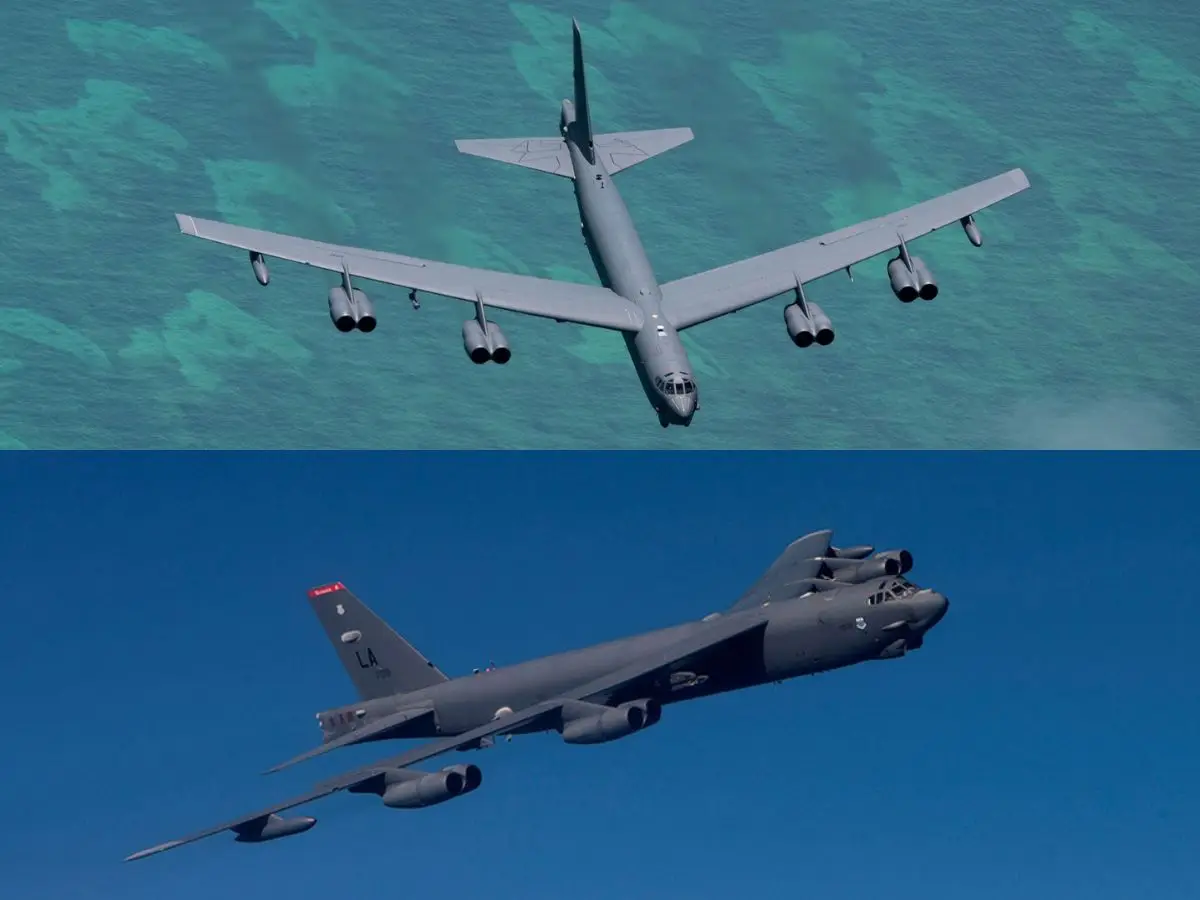
3,300 Gallons Every Hour
At cruise speed, the B-52's eight Pratt & Whitney turbofan engines collectively burn approximately 3,300 gallons of jet fuel per hour. Your average family car uses around 2 gallons per hour of highway driving. The B-52 burns 1,650 times more.
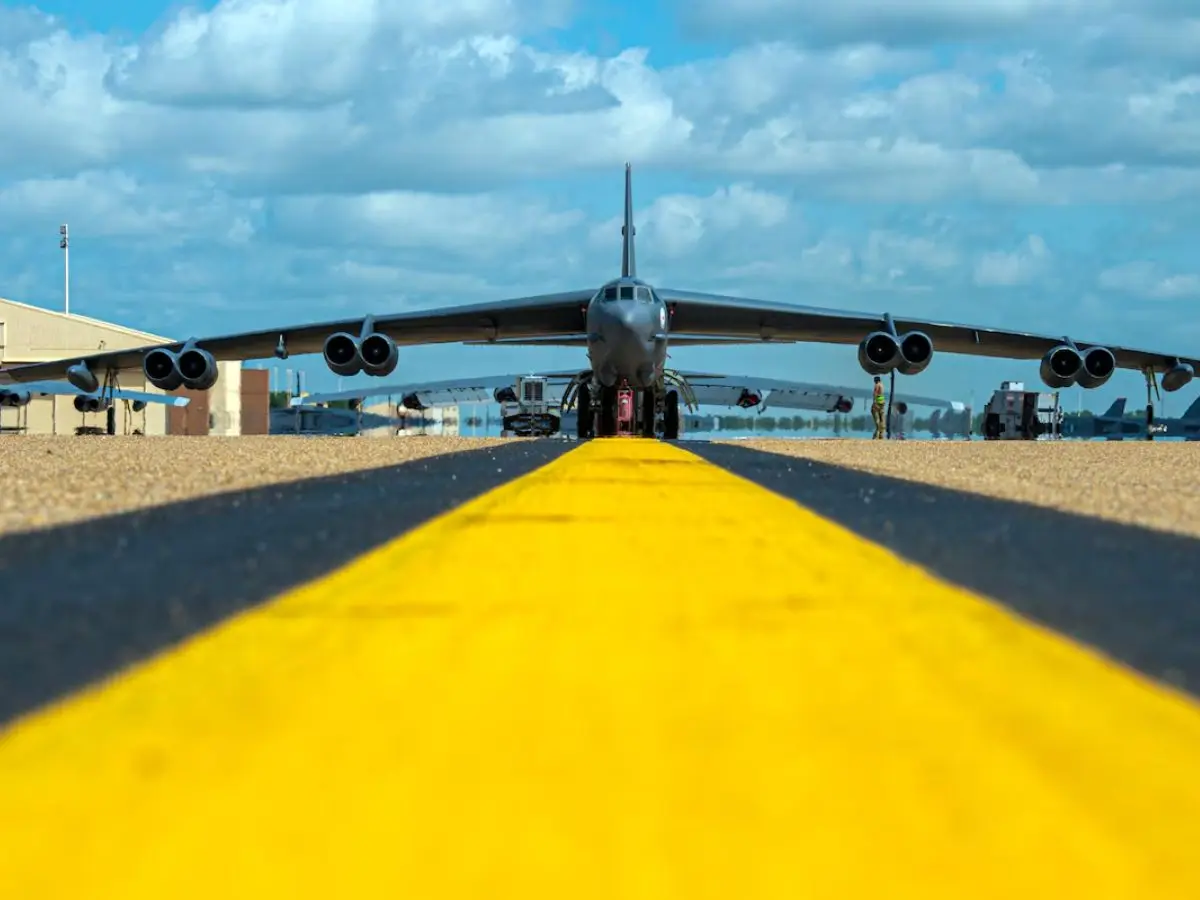
One Mission, One Small Town's Fuel
A typical B-52 mission runs anywhere from 10 to 47 hours. At 3,300 gallons per hour, a 24-hour mission consumes approximately 79,200 gallons — enough to fuel a small Indian town's diesel generators for several weeks.
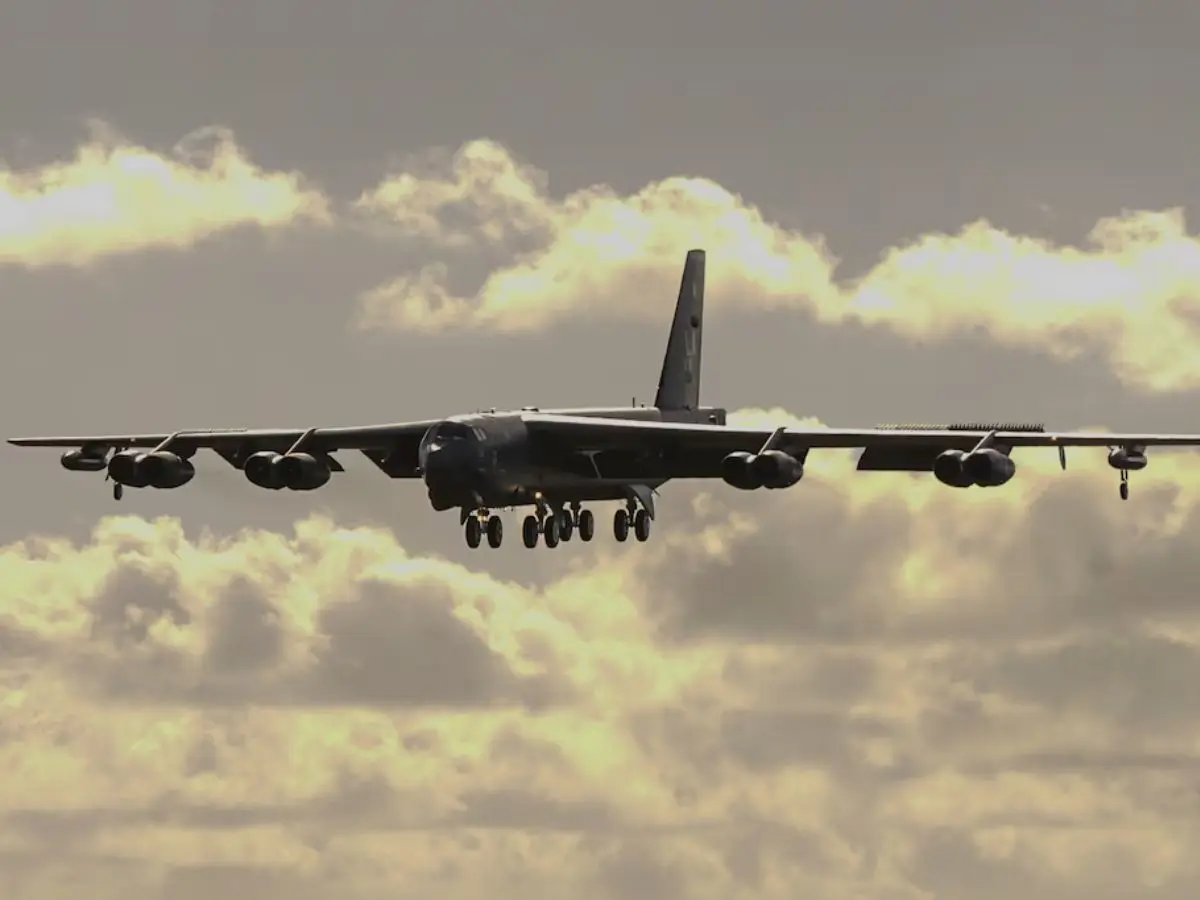
What It Costs Per Hour
Jet fuel for one B-52 flight hour costs around $10,000 at current military fuel prices. Over a 24-hour mission that is $240,000 in fuel alone — before factoring in crew, maintenance, weapons, or ground support.
Your Car Would Take 15 Years
If your car got 30 miles per gallon and you drove the same fuel a B-52 burns in one hour, you would cover roughly 99,000 miles — about four times around the Earth. At normal daily driving, that would take you 15 years.
Why Aerial Refuelling Changed Everything
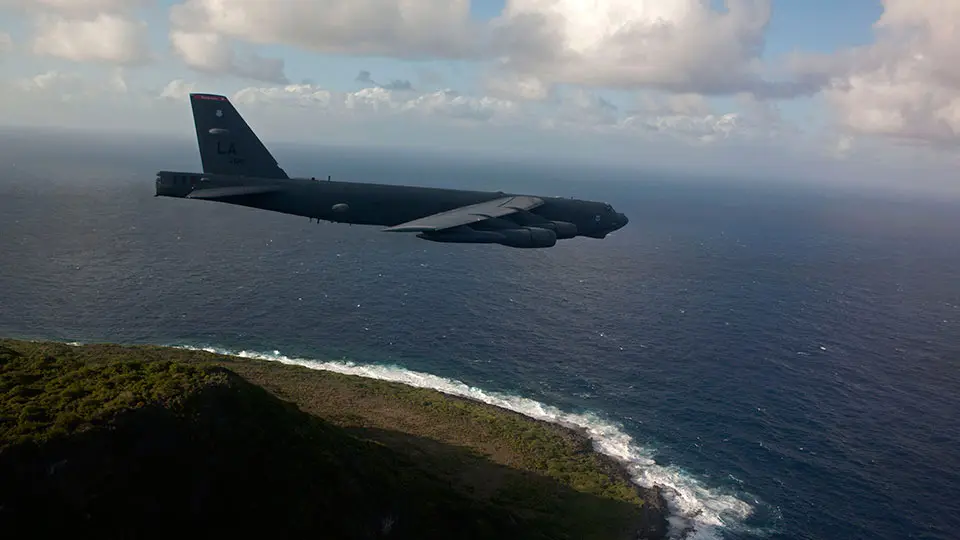
Because full tanks burn out fast at high power, the B-52 depends entirely on aerial refuelling for ultra-long missions. Without KC-135 tankers meeting it mid-air, the longest possible unrefuelled range drops to around 8,800 miles — still enormous, but not global.
The Math That Makes Your Head Spin
The US Air Force operates 76 B-52s. If all flew simultaneously for 24 hours, total fuel consumption would exceed 6 million gallons — roughly what a mid-sized oil refinery produces in a day. The B-52 is not just a bomber. It is a flying fuel economy problem.
)
)
)
)
)