How much fuel does a B-52 bomber consume on a typical mission?

The B-52 Stratofortress carries 312,000 pounds of fuel and burns 3,300 gallons every hour. A standard 12-hour mission consumes 40,000 gallons. Upcoming Rolls-Royce F130 engine upgrades will slash this extreme fuel consumption by 30 per cent.
The 312,000-Pound Tank
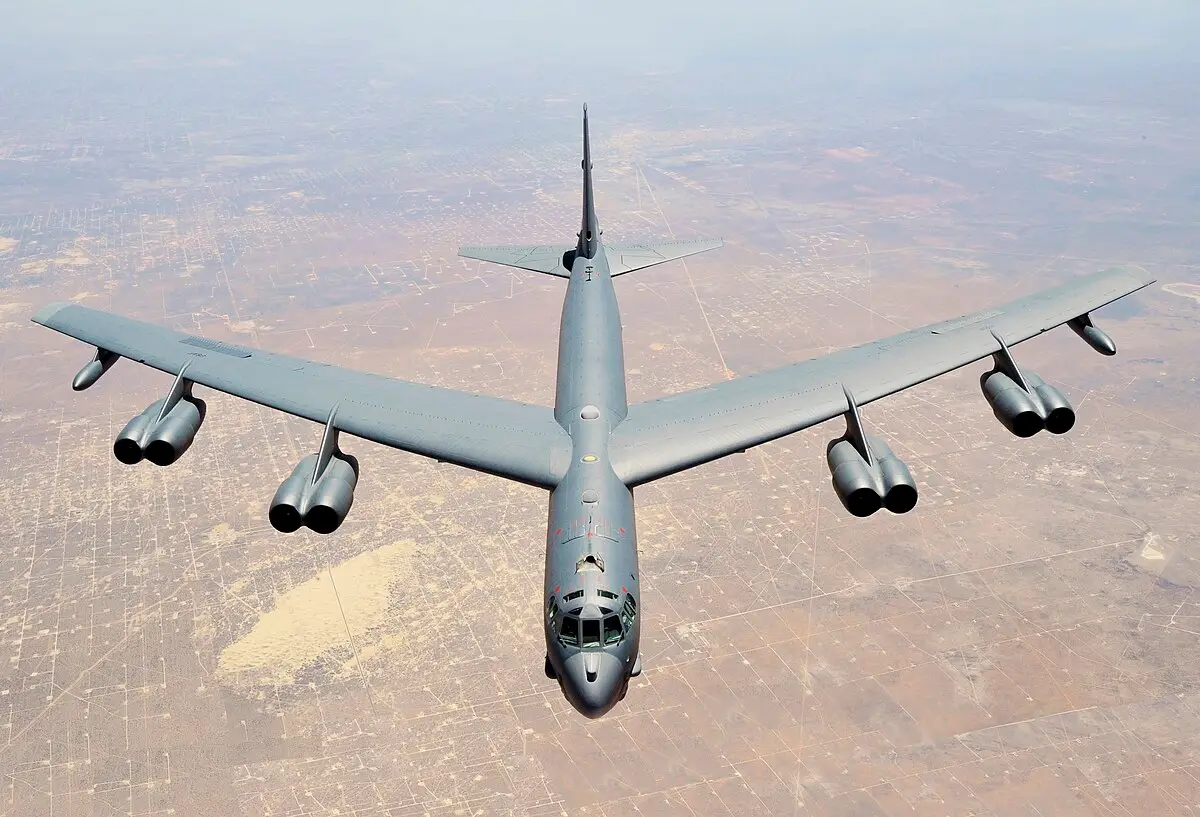
The Boeing B-52 Stratofortress is essentially a massive flying fuel tank, engineered to carry over 312,000 pounds of highly refined aviation fuel. This immense internal capacity allows the heavy bomber to project US military power across the globe without stopping.
A Staggering Hourly Burn
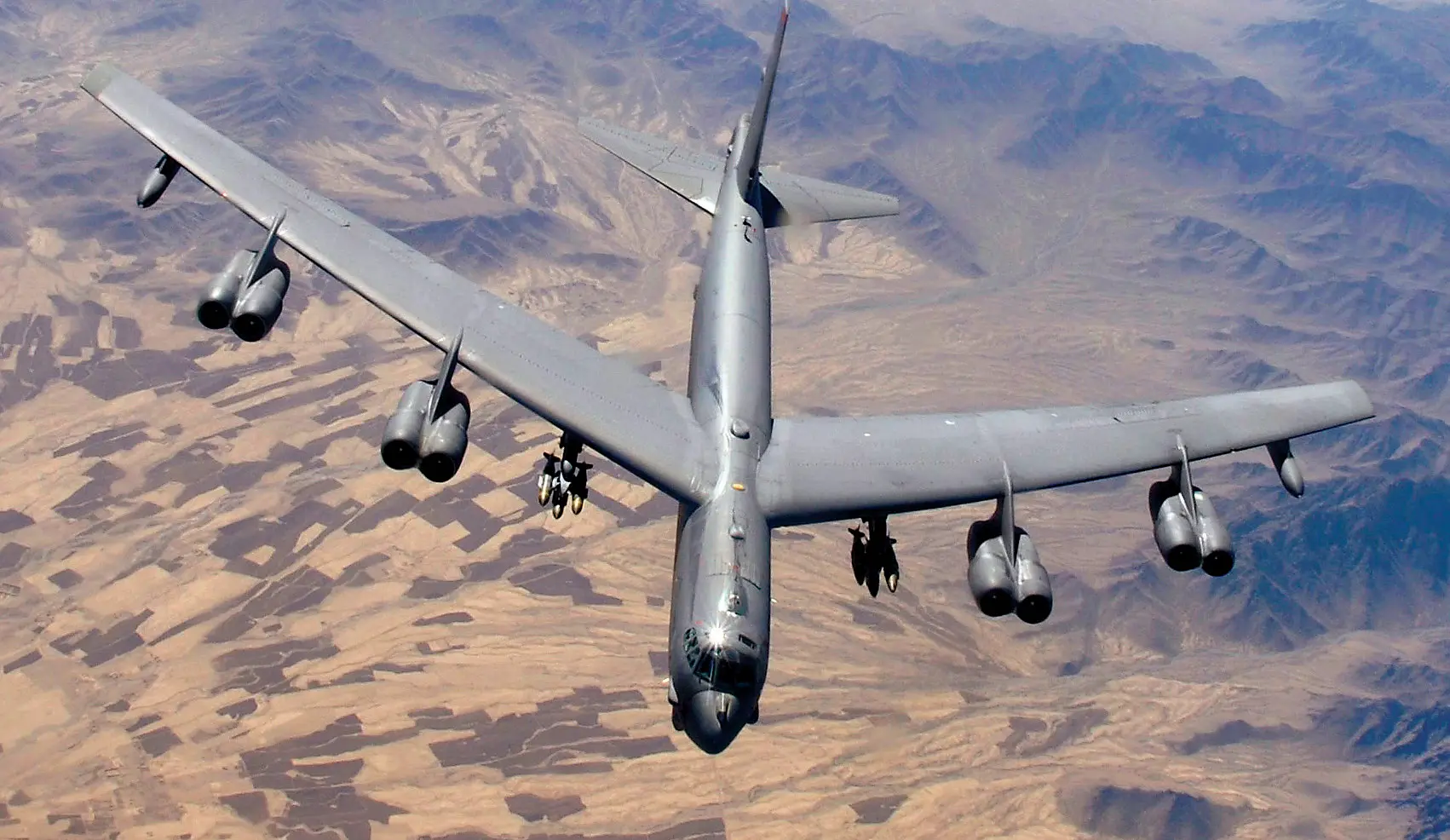
Keeping the 390,000-pound aircraft airborne requires an incredible amount of kinetic energy. Powered by eight Cold War-era TF33 turbofan engines, the bomber consumes an astonishing 3,300 gallons of fuel for every single hour of flight.
The Cost of a Mission
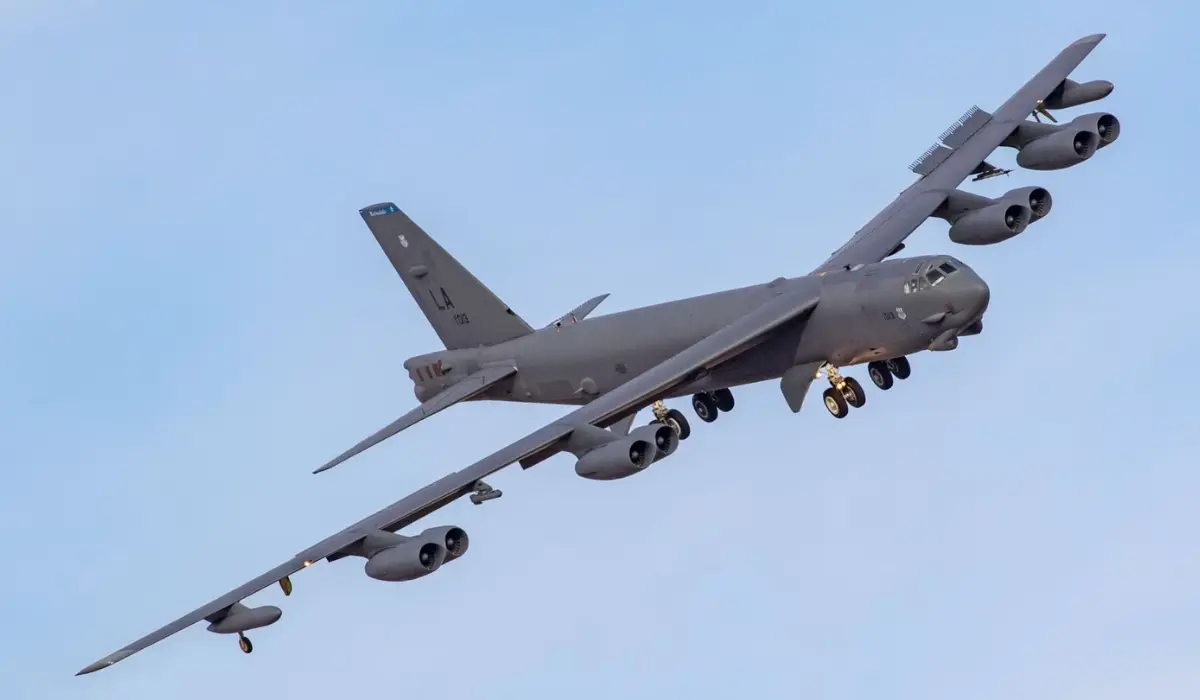
A standard B-52 combat patrol frequently lasts between 10 to 12 hours. At this duration, a single mission easily burns through roughly 40,000 gallons of aviation fuel, costing the US military tens of thousands of dollars per flight.
Thirsty Takeoffs
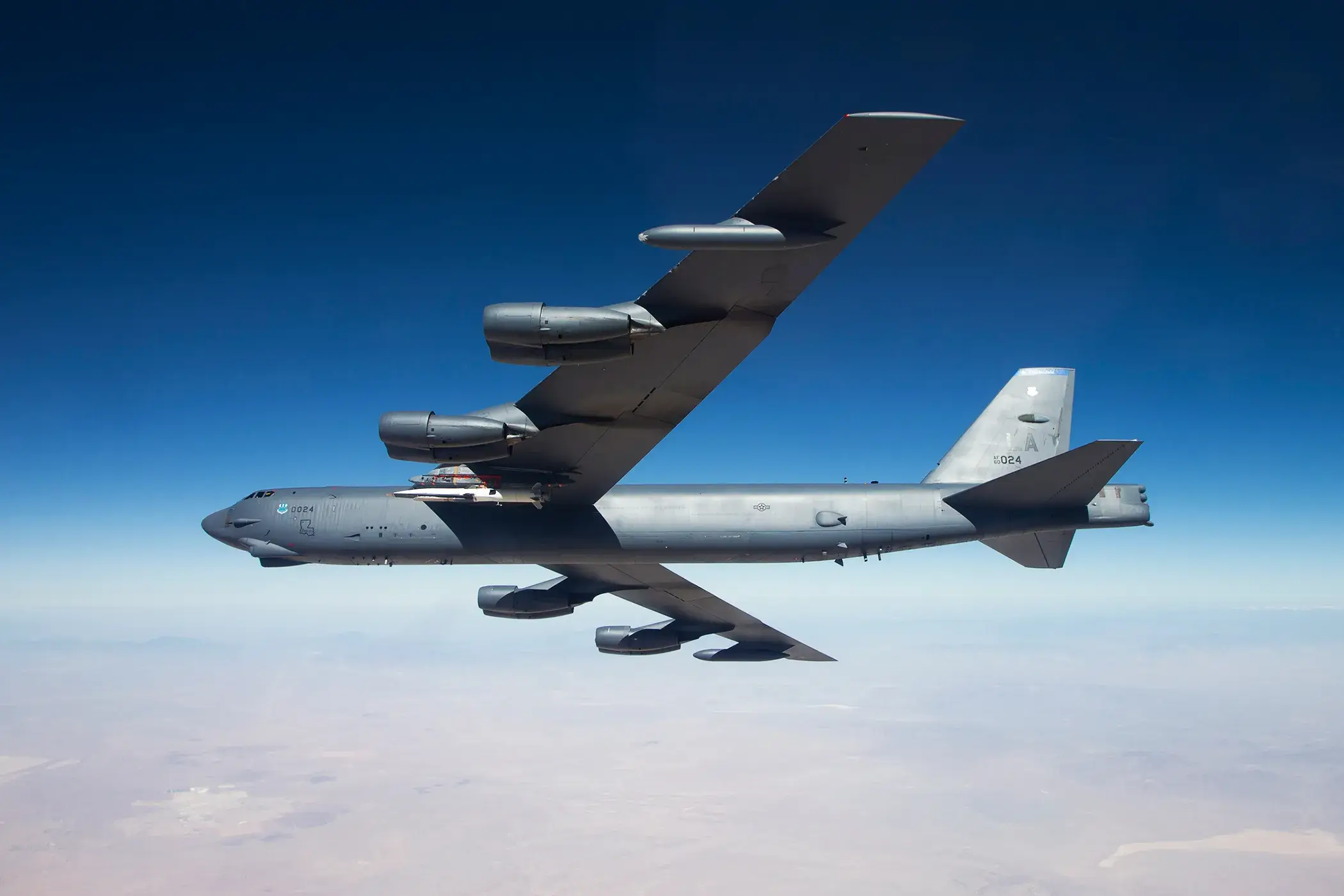
The most fuel-intensive phase of any bomber mission is the initial takeoff and aggressive climb to 50,000 feet. The aircraft's eight engines operate at maximum thrust to lift the 70,000-pound weapons payload, draining fuel reserves at nearly double the standard cruising rate.
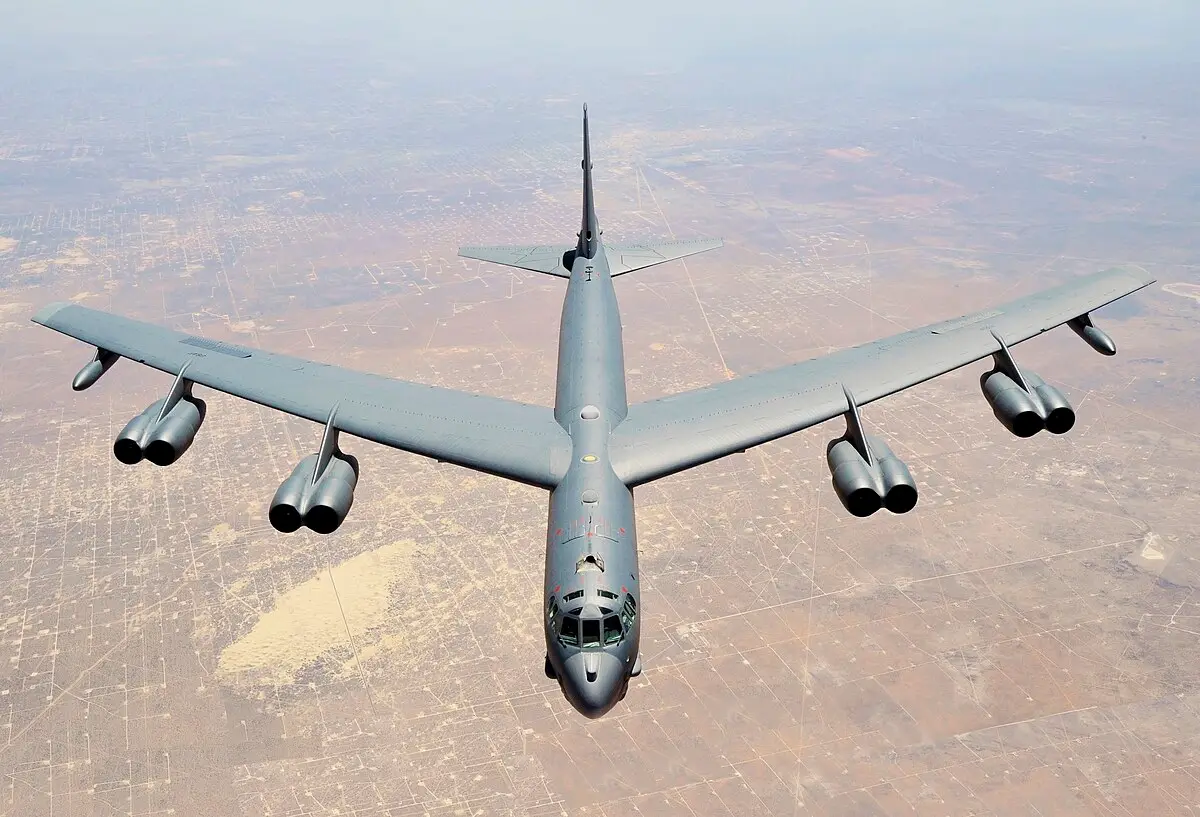
The Mid-Air Top-Up
For ultra-long global strike missions, the B-52 relies heavily on aerial refuelling tankers like the KC-135 Stratotanker. These airborne gas stations securely pump thousands of gallons of fuel into the bomber at 400 miles per hour, extending its reach indefinitely.
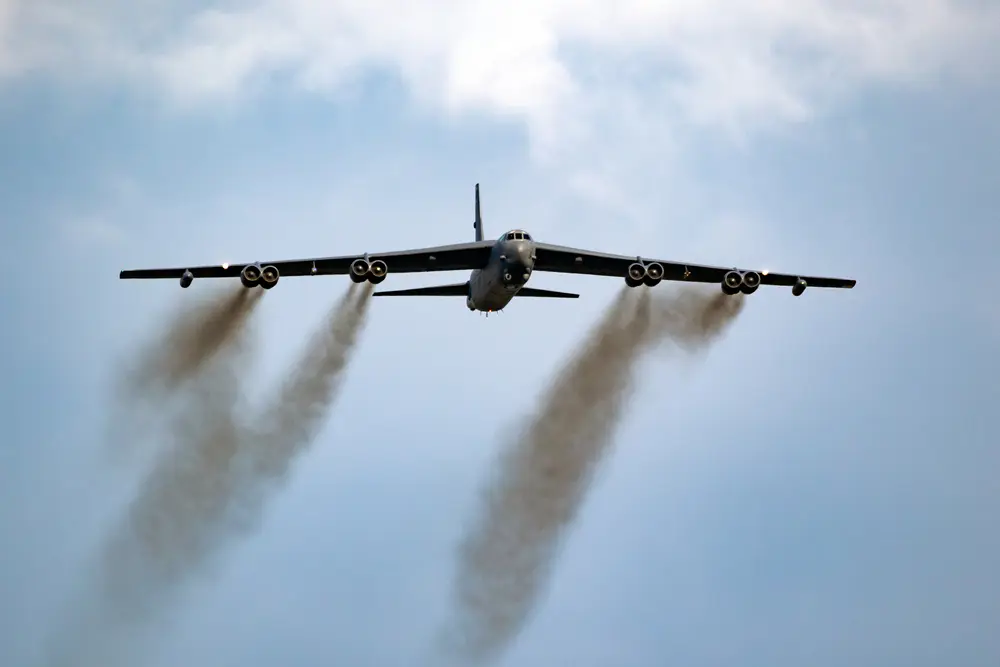
The Weight of Fuel
A fully fuelled B-52 is so incredibly heavy that it requires a specialised landing gear system to distribute the immense weight on the runway. The jet fuel alone accounts for over 60 per cent of the aircraft's maximum takeoff weight.
The Rolls-Royce Upgrade
To combat this extreme consumption, the Pentagon is currently executing a USD 48.6 billion engine replacement programme. By outfitting the bomber with modern Rolls-Royce F130 turbofans, the US Air Force expects to slash the B-52's fuel burn by roughly 30 per cent.
)
)
)
)
)