How much fuel do frequent gear changes really waste?

Driving in a lower gear than necessary can increase fuel consumption by up to 20 per cent. Frequent gear changes and high engine revs waste petrol, while shifting up early and skipping gears helps maintain momentum and maximise fuel efficiency.
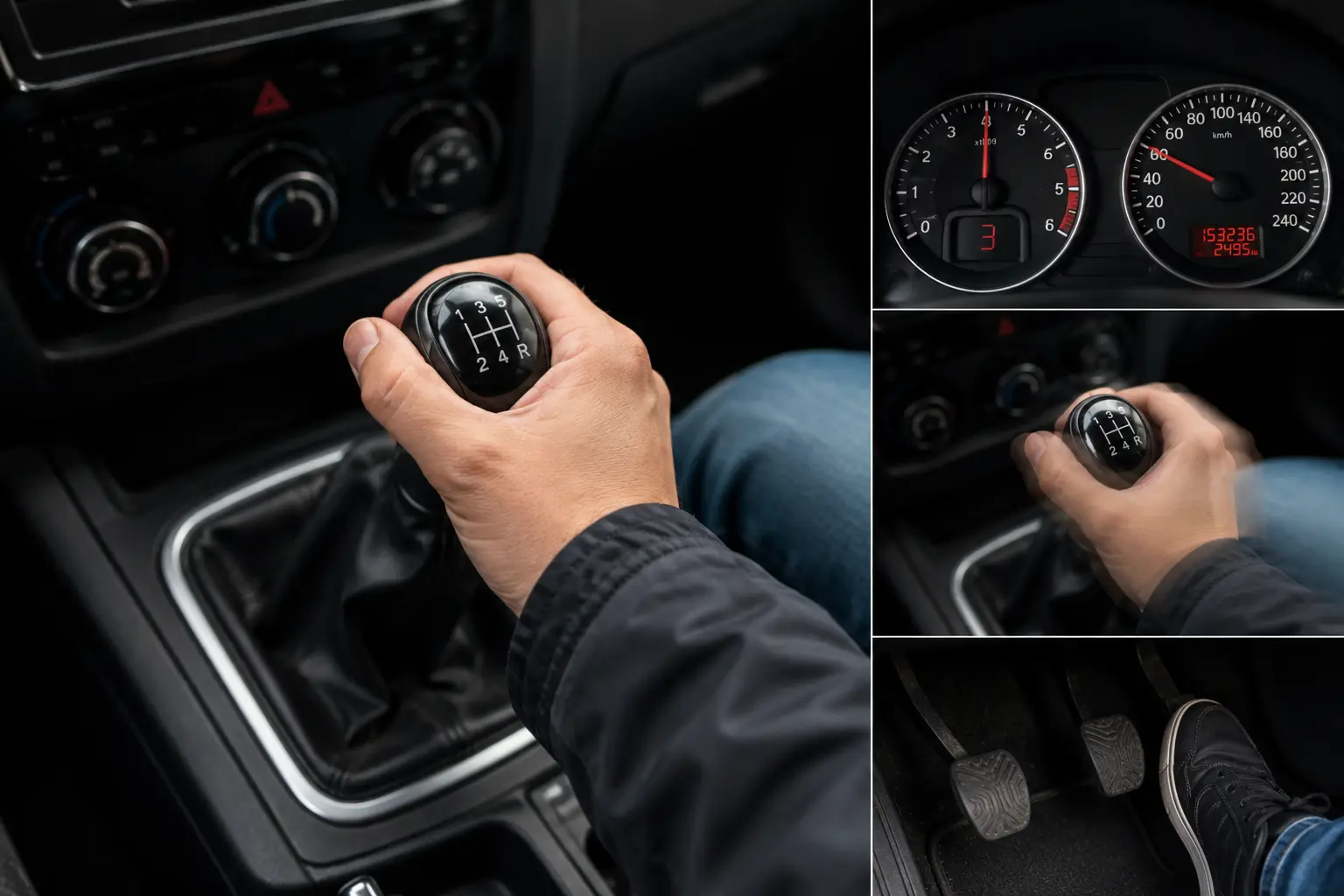
The penalty of low gears
Driving in a lower gear than necessary forces the engine to run at much higher revolutions per minute. The AA notes that this high-revving state causes the engine to rapidly burn through extra petrol.
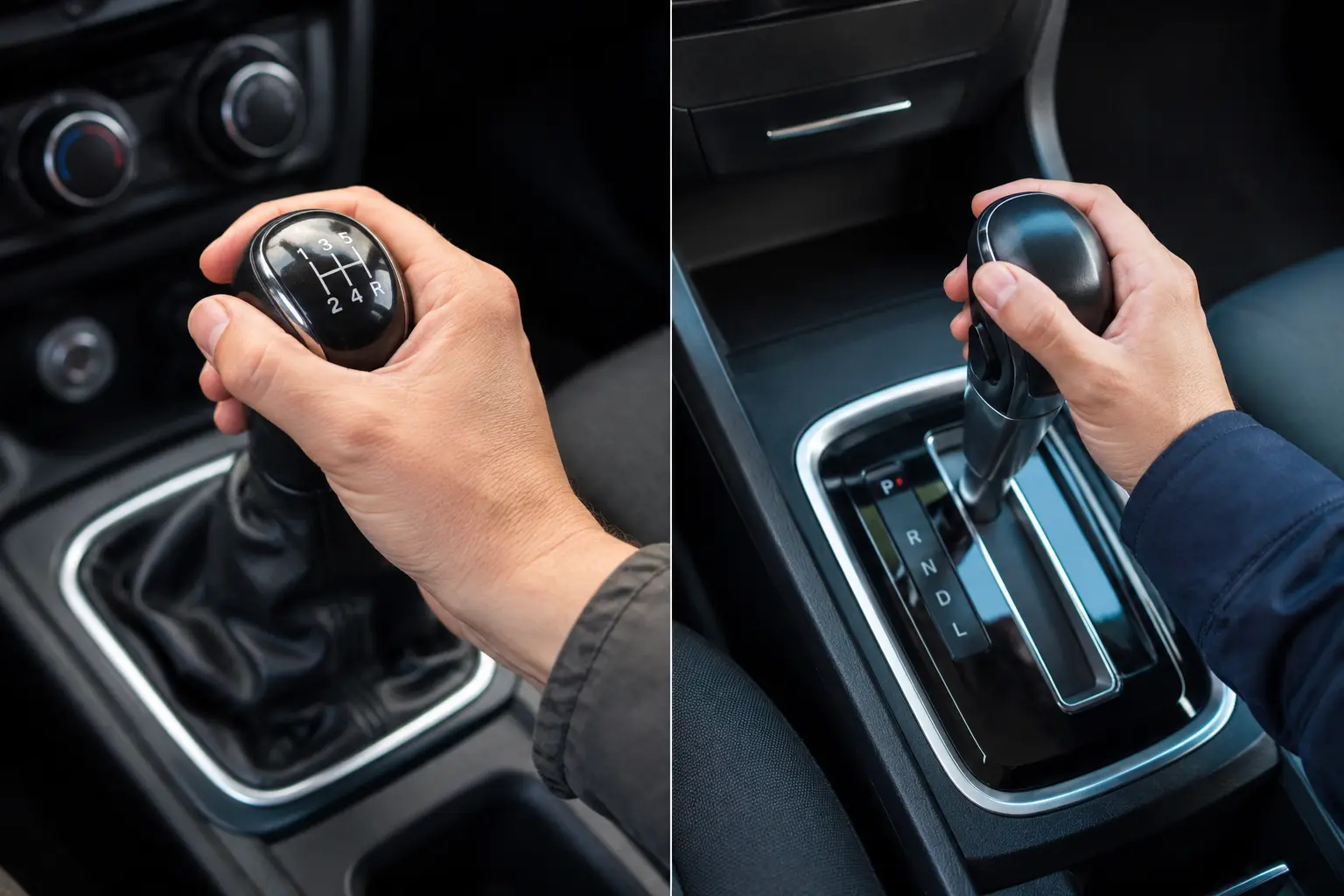
Wasting 20 per cent more fuel
Hanging onto a low gear for too long is an expensive mistake. Automotive engineers confirm that driving at high revs in a low gear can consume up to 20 per cent more fuel than driving the same speed in a higher gear.
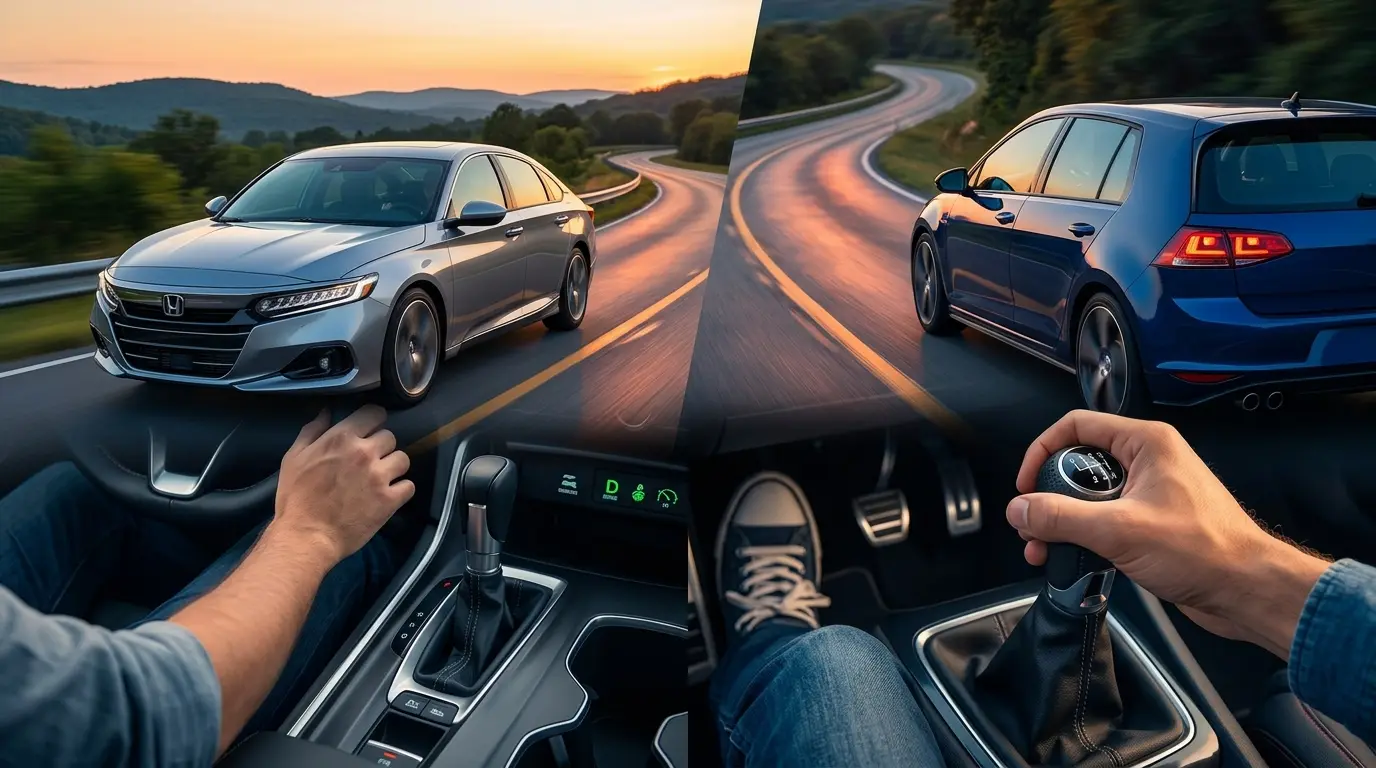
The cost of frequent shifting
Constantly changing gears usually means a driver is aggressively accelerating and braking. The Energy Saving Trust warns that this erratic driving style destroys momentum and burns significantly more diesel and petrol.
Block shifting saves fuel
You do not have to use every single gear when accelerating. Transport authorities recommend 'block shifting' skipping gears like moving directly from third to fifth to reduce acceleration time and save fuel.
The 2,000 RPM rule
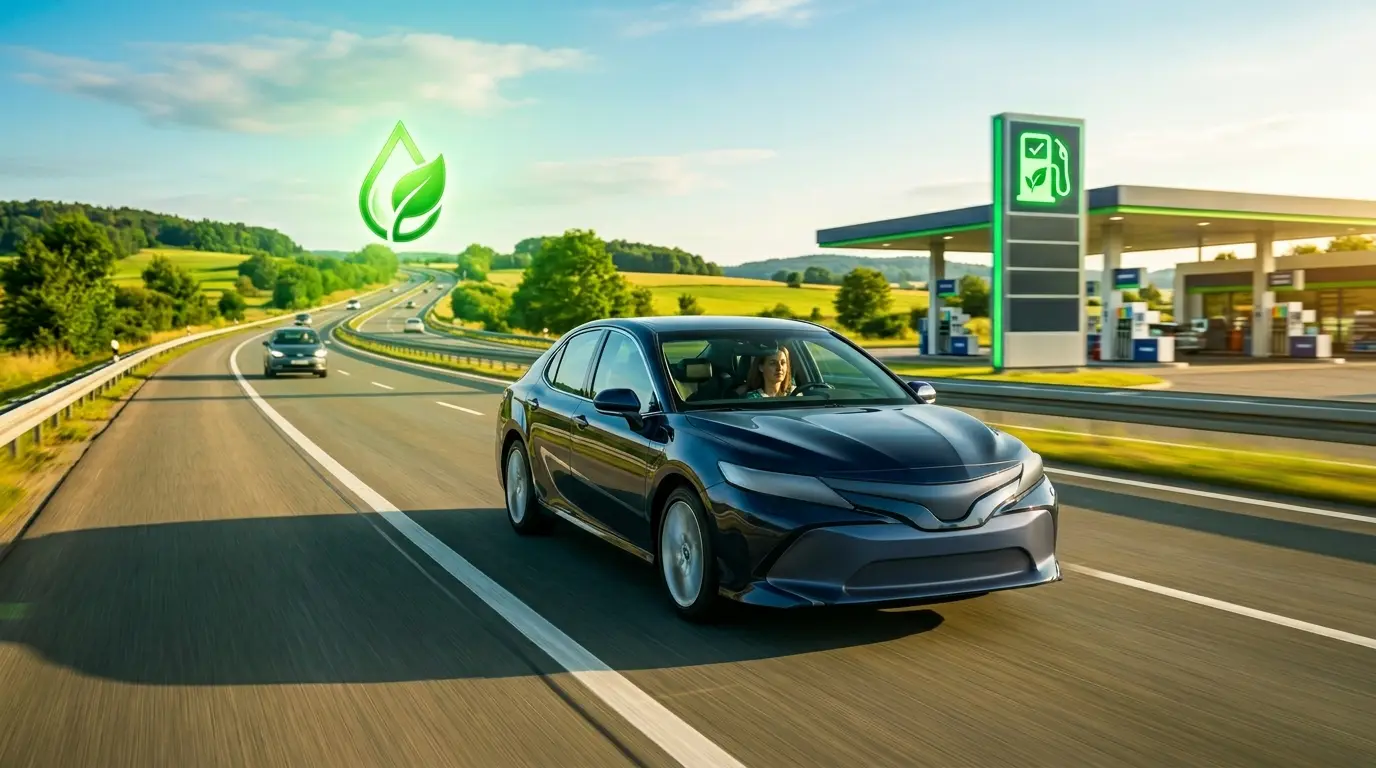
To maximise your vehicle's efficiency, you should shift up early. Mechanics advise shifting up at around 2,000 RPM for diesel engines and 2,500 RPM for petrol cars to prevent wasteful over-revving.
Cruising in top gear
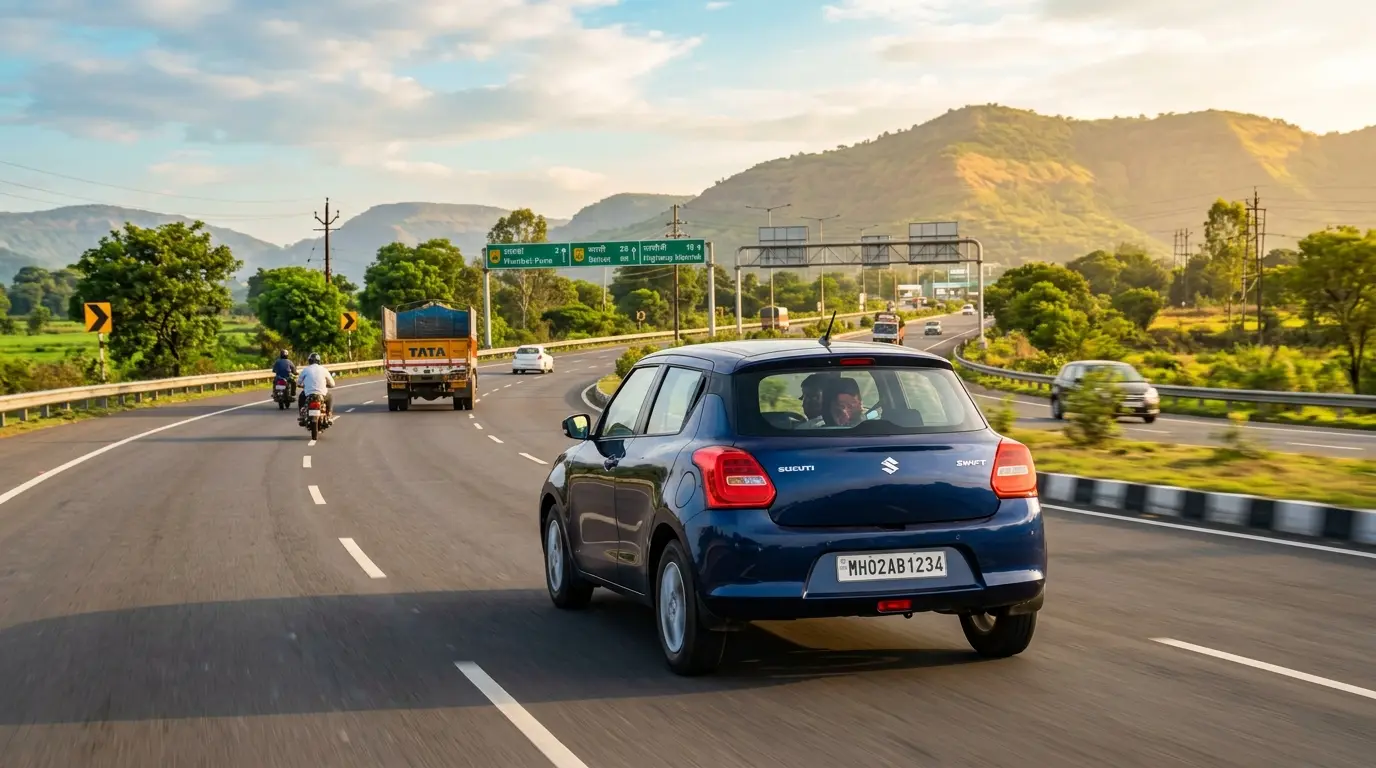
Once you reach your desired speed, shift into the highest gear possible without the engine struggling. Driving at 50 mph in fifth or sixth gear requires far less fuel than maintaining that speed in third gear.
Anticipating the road
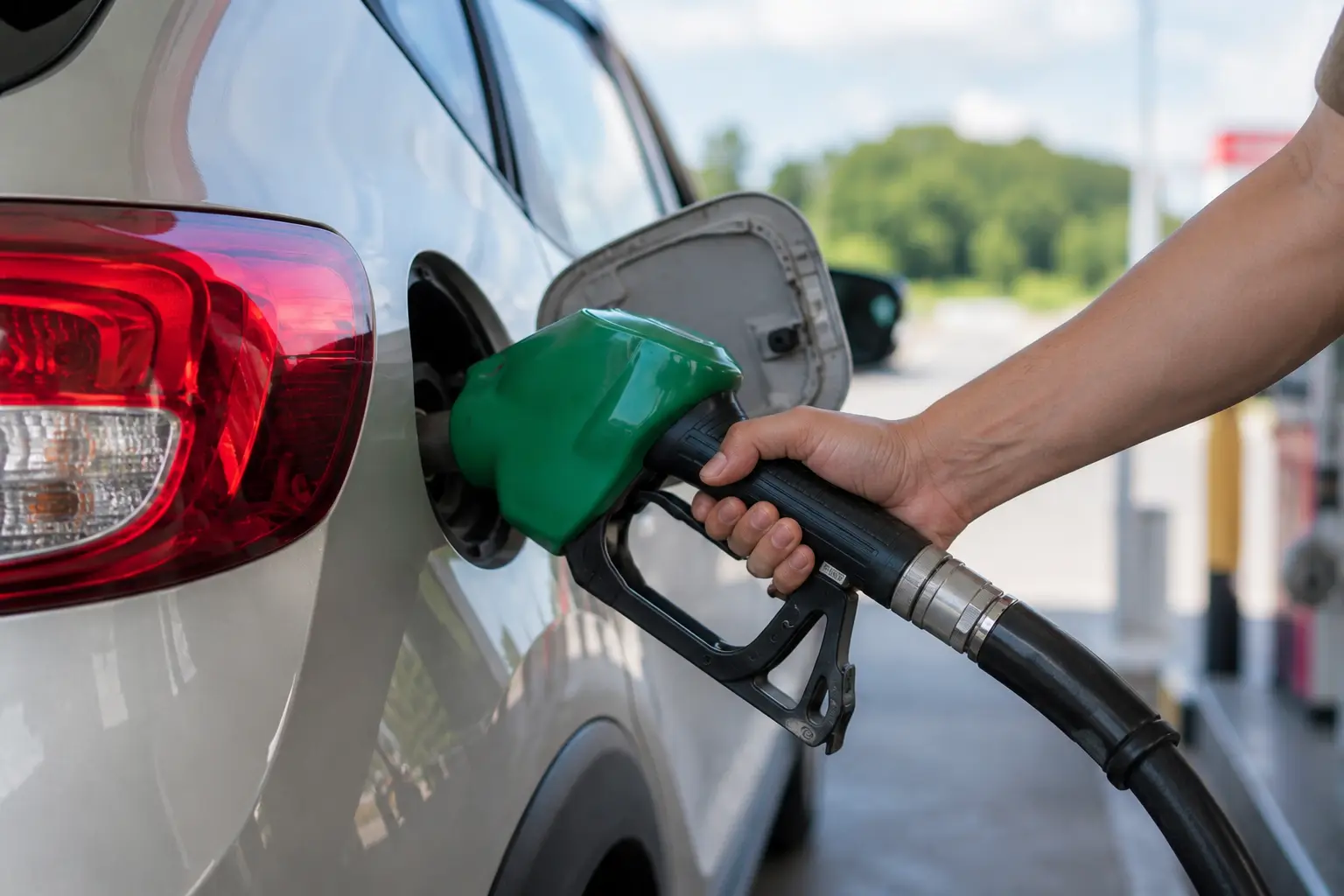
Smooth driving drastically reduces the need to change gears. Traffic analysts state that anticipating the road ahead prevents sudden braking and downshifting, allowing you to stay in high, fuel-efficient gears for much longer.
)
)
)
)
)