How much fuel could have been saved if fighter jets weren’t invented?

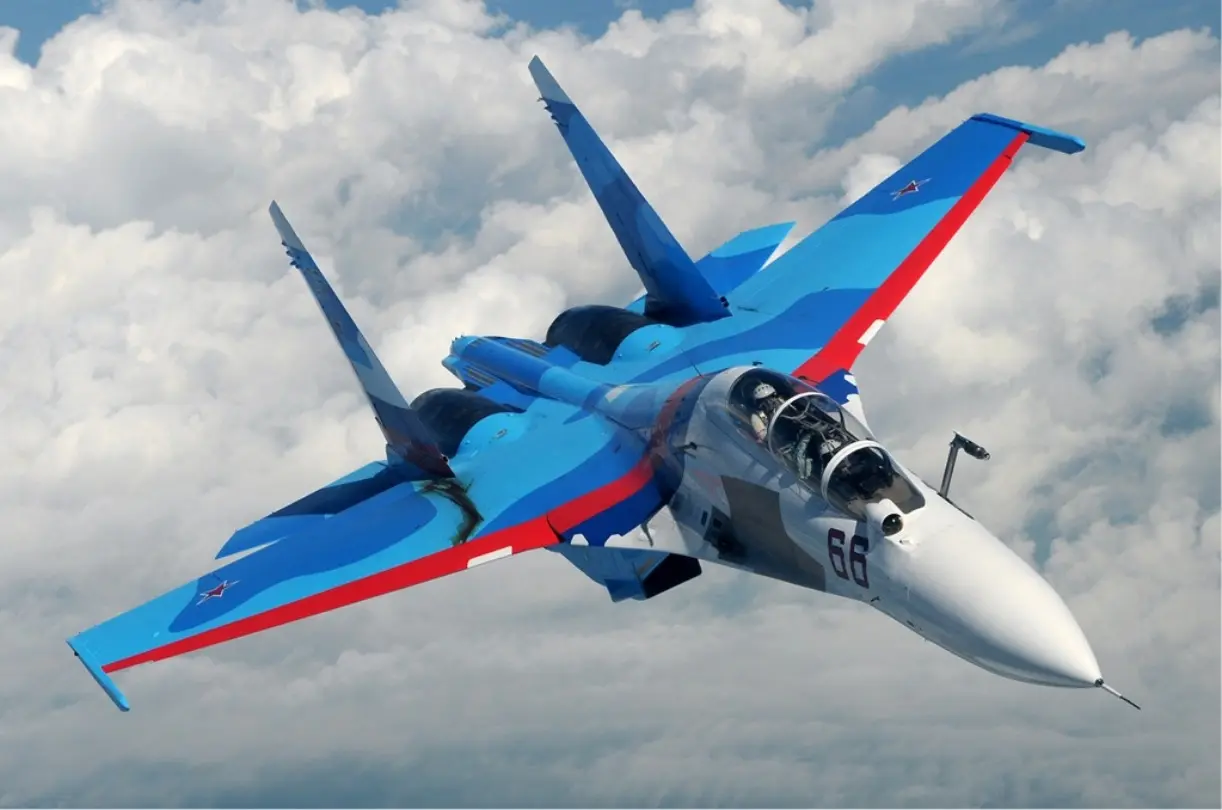
Fighter jets are among the most advanced machines ever built, but they are also some of the least fuel-efficient. This raises an intriguing question: how much fuel could humanity have saved if fighter jets had never been invented?
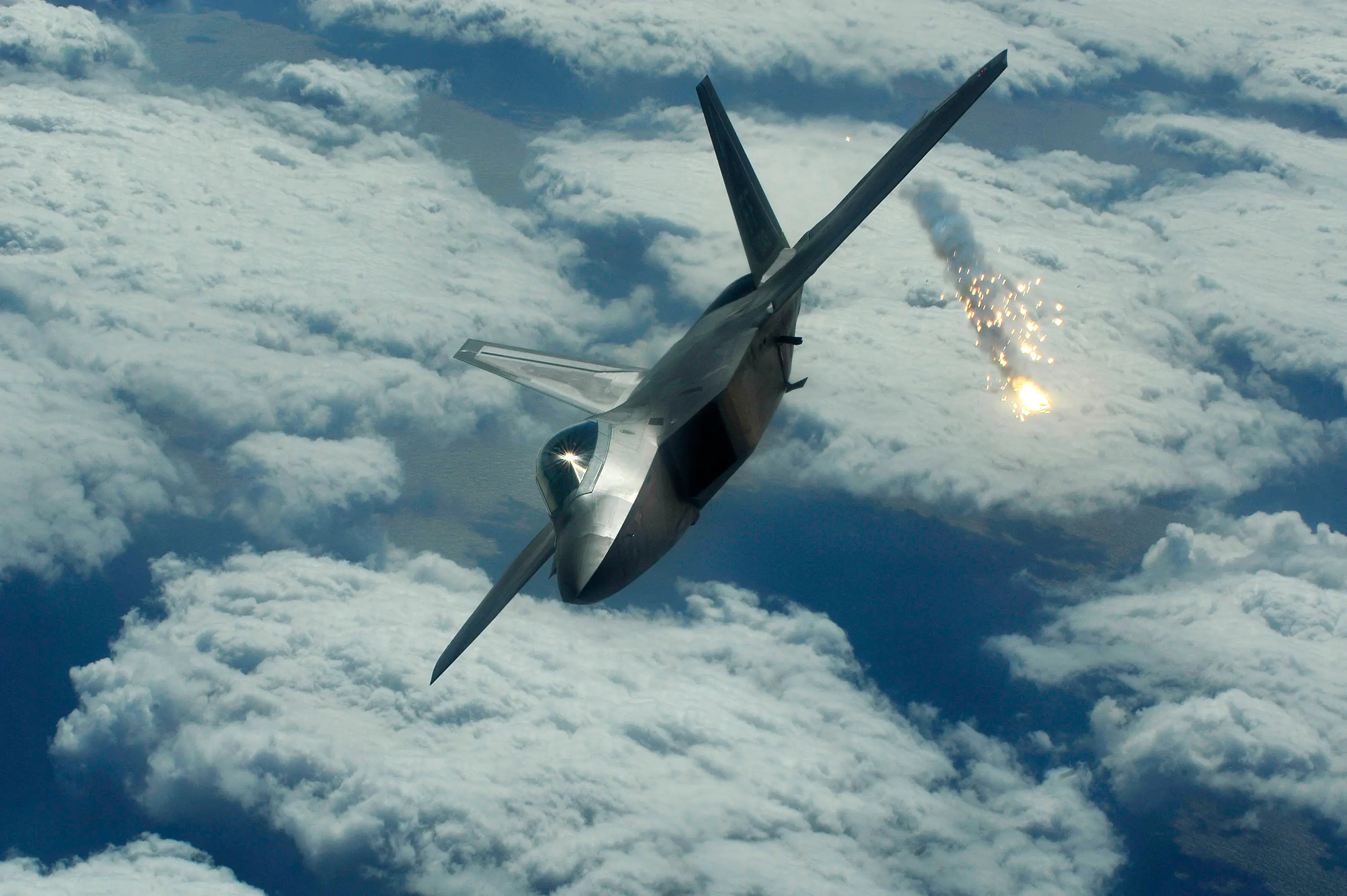
How Much Fuel a Fighter Jet Burns
Modern fighter jets consume extraordinary amounts of fuel. For example, the F-16 Fighting Falcon burns about 3,500 litres per hour, while an F-35 can use over 5,600 litres per hour at maximum thrust. Some twin-engine aircraft like the F-15 can burn nearly 10,000 litres in just one hour of flight.
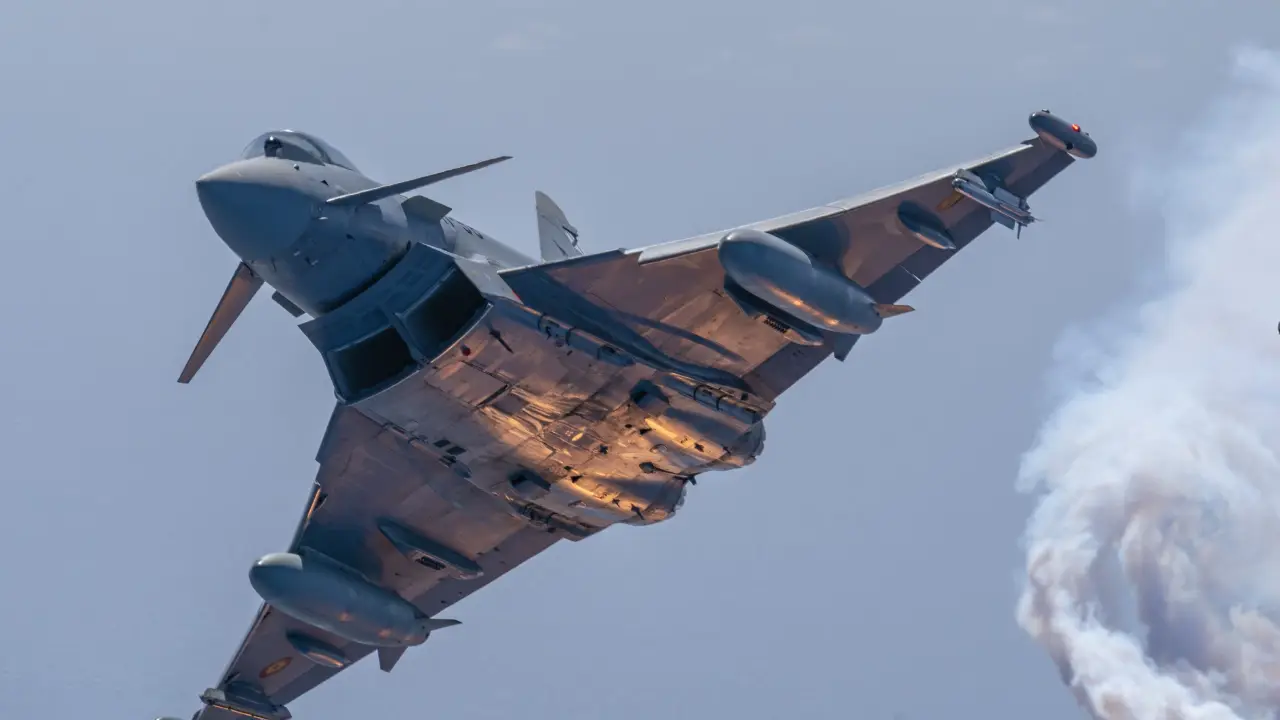
Comparing With Cars
To put this in perspective, the average car uses around 7 litres of fuel per 100 kilometres. That means a fighter jet can burn in one hour what thousands of cars would consume in an entire day. The efficiency gap between military jets and civilian transport is enormous.
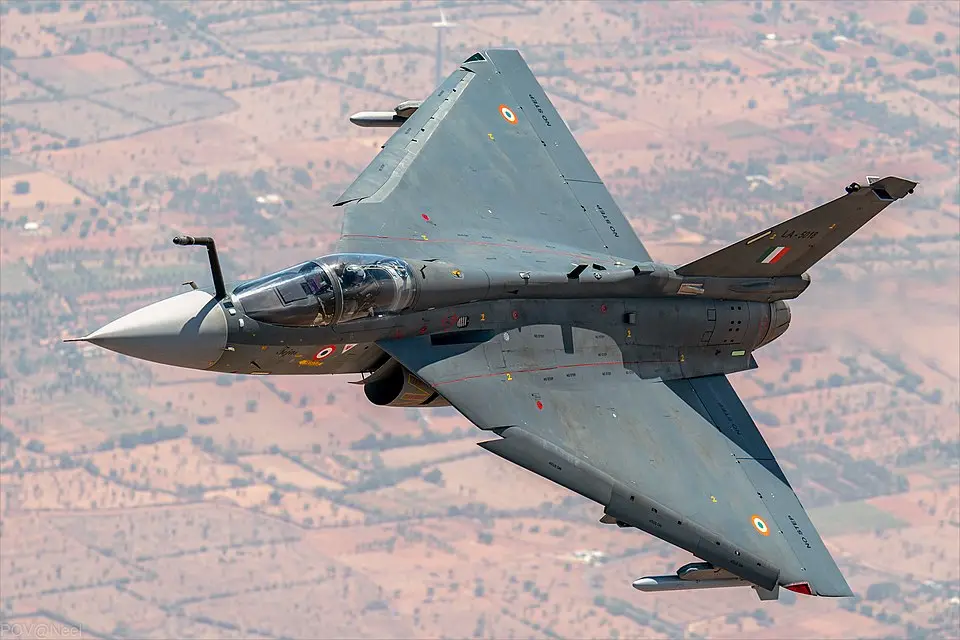
Historical Usage of Fighter Jets
Since World War II, fighter jets have been flown by dozens of nations. It is estimated that tens of millions of flight hours have been logged by different jet fleets worldwide. Each of those hours represents thousands of litres of jet fuel burned, adding up to staggering totals over decades.
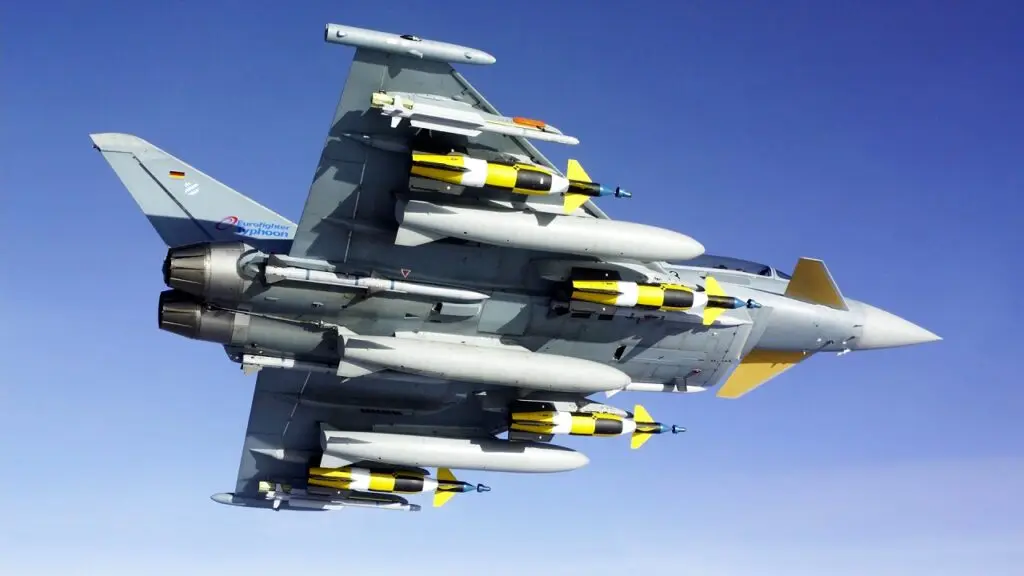
Global Fuel Consumption Estimate
While exact figures are classified, defence analysts suggest that military aviation accounts for 5–10 per cent of total global jet fuel usage. A large portion of this comes from fighters. Without them, the world could have saved billions of litres of aviation fuel since the 1940s.
Environmental Impact
This massive fuel consumption has also had an environmental cost. Fighter jets release carbon dioxide, nitrogen oxides, and water vapour at high altitudes, contributing to greenhouse gas buildup. If fighter jets had not existed, the reduction in military aviation emissions would have been significant.
Strategic Trade-Offs
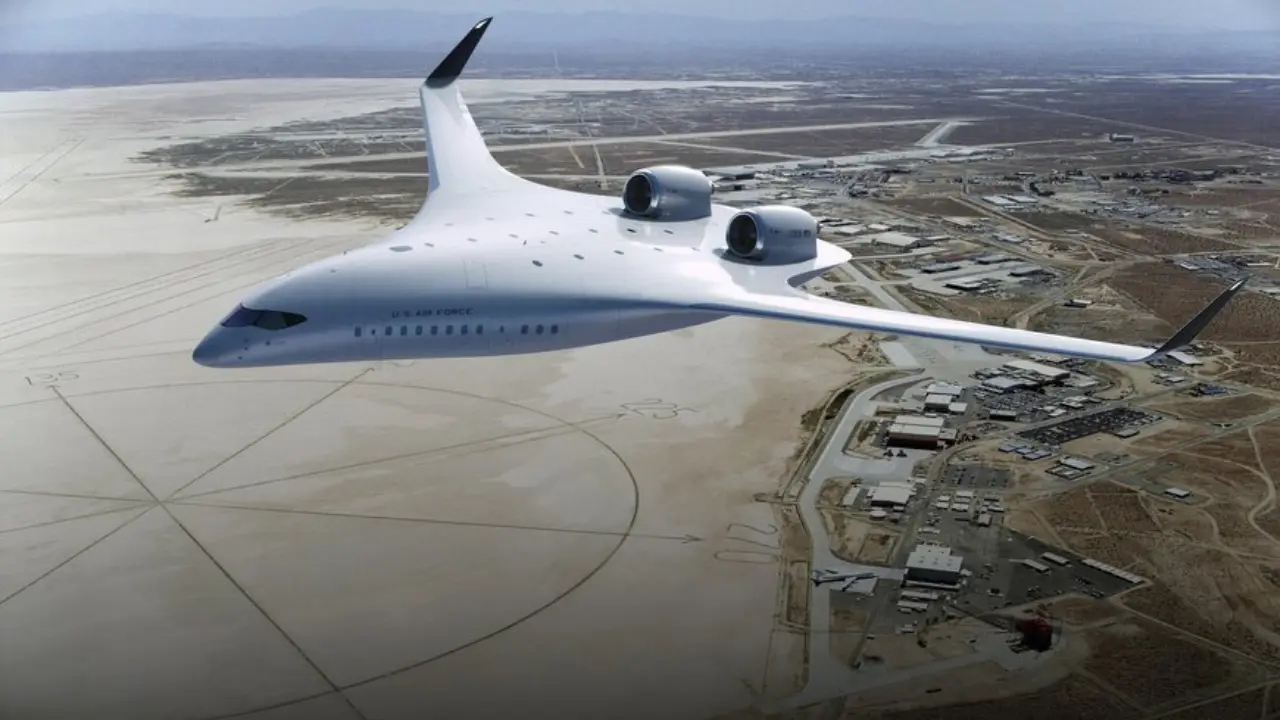
Of course, the absence of fighter jets would have changed history itself. Wars, defence strategies, and global power balances depended on them. While fuel might have been saved, the world would likely look very different politically and militarily without the presence of these aircraft.
Alternative Technologies
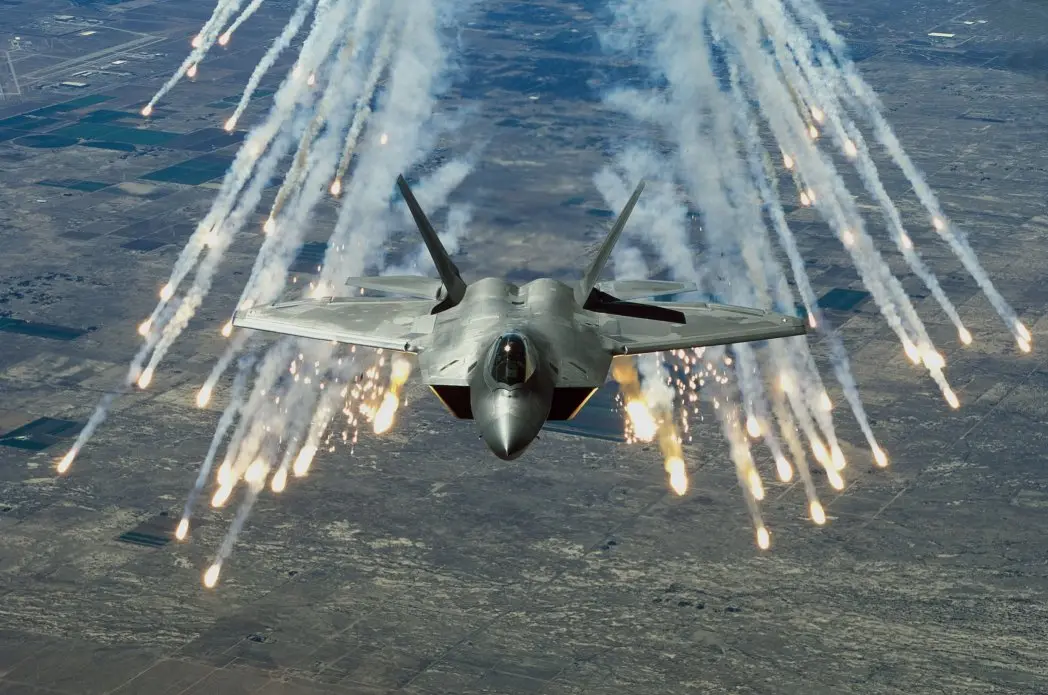
If fighter jets had never been invented, militaries might have invested more heavily in drones, missiles, or advanced propeller-driven aircraft. These alternatives could have consumed less fuel, though none would fully match the speed and capabilities of jets.
The Final Verdict
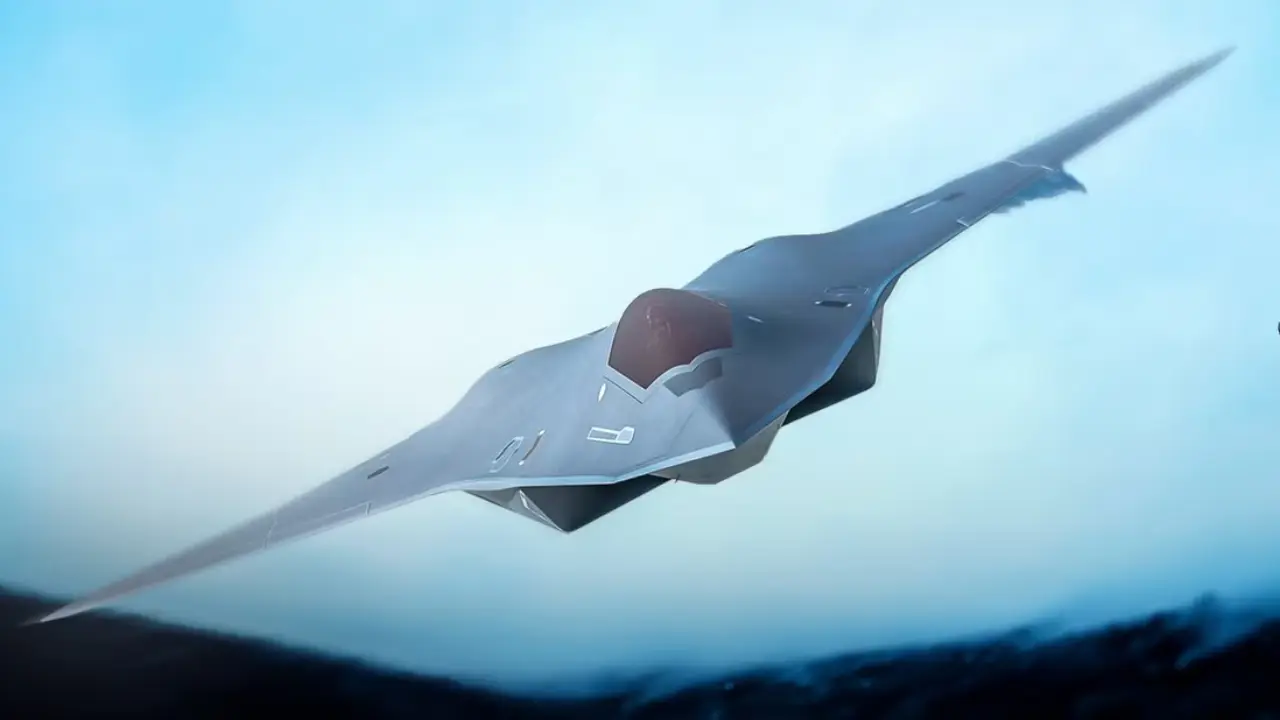
So, how much fuel could have been saved? The answer lies in billions of litres, spread over nearly 80 years of military aviation. But the invention of fighter jets was never about fuel efficiency, it was about survival, dominance, and technological progress. The price of that progress has been high, both in fuel costs and environmental impact.
)
)
)
)
)