How much extra fuel does your car AC really use?

Using your car's AC increases fuel consumption by up to 10 per cent at low speeds. However, at speeds over 50 mph, closing the windows and using the AC is more efficient to avoid massive aerodynamic drag.
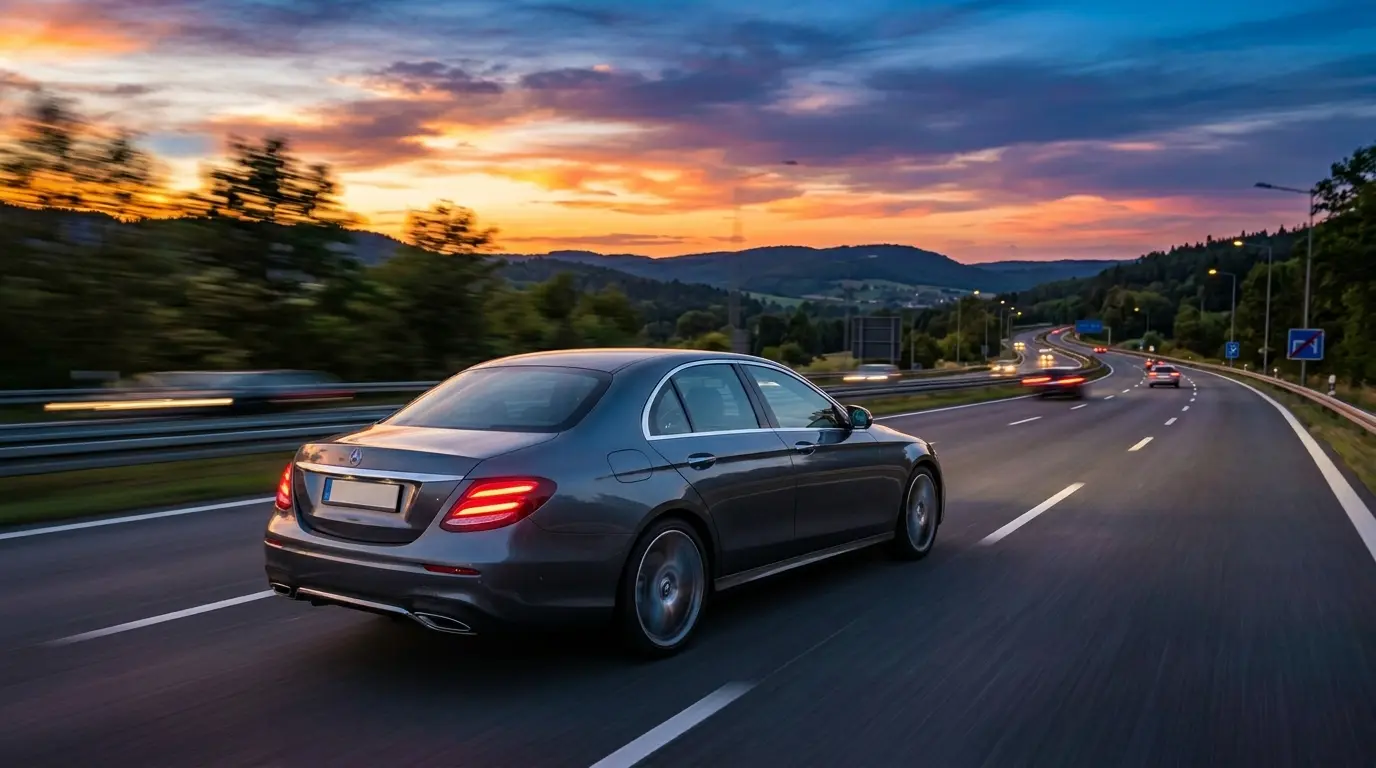
The engine load
The air conditioning compressor requires significant power to operate. The RAC explains that because the system is driven by the engine's serpentine belt, turning it on forces the engine to burn extra fuel.
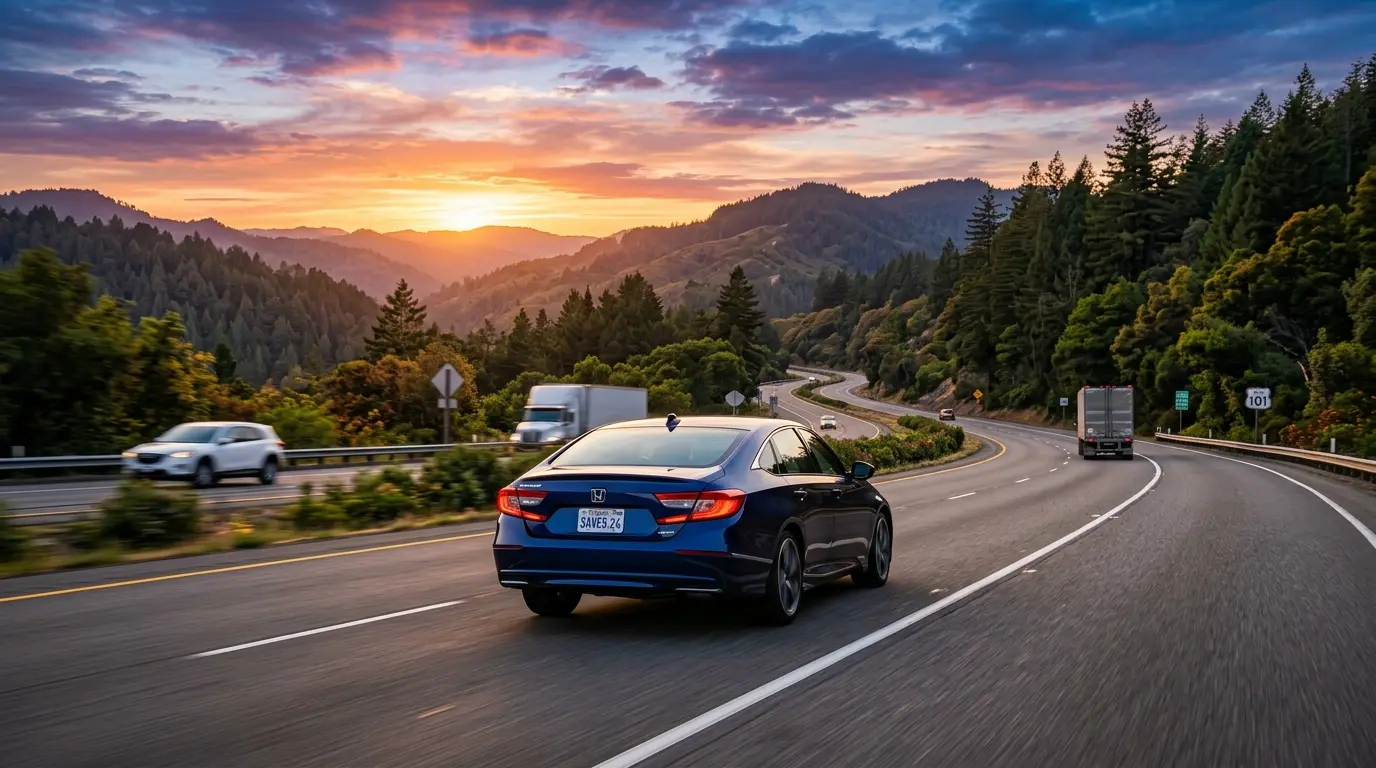
The 10 per cent penalty
Using the AC on its highest setting can increase your vehicle's fuel consumption by 8 to 10 per cent. The US Department of Energy notes this penalty is most severe during short trips in slow-moving traffic.

Windows down vs AC
Many drivers open windows to save fuel, but this creates massive wind drag. The Society of Automotive Engineers warns that this drag forces the engine to work harder than it would with the AC running.

The 50 mph rule
The AA reports that at speeds below 50 mph, opening the windows is more fuel-efficient than running the AC. At low speeds, the aerodynamic drag is minimal compared to the compressor's energy draw.

Motorway speeds
Once you exceed 50 mph, wind drag becomes a major issue. According to the Energy Saving Trust, keeping the windows closed and using the AC on motorways actually uses less fuel than driving with the windows open.

Hybrid and electric cars
Modern electric and hybrid vehicles use electric compressors rather than engine-driven ones. Automotive experts at What Car? note that while they do not burn petrol, heavy AC usage will noticeably reduce overall battery range.
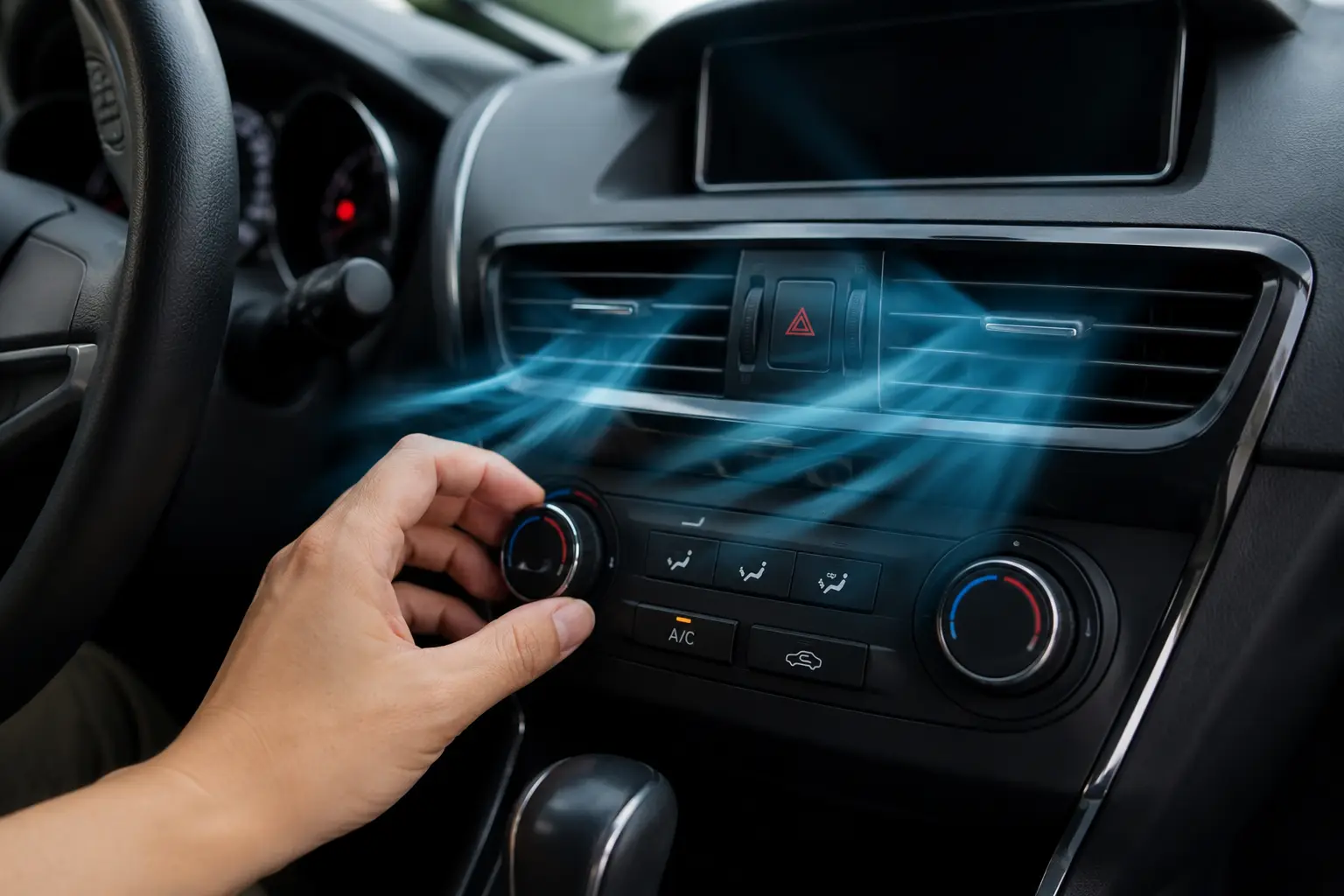
Maintenance matters
A poorly maintained AC system forces the compressor to work overtime. Mechanics at Kwik Fit confirm that regularly replacing cabin filters and checking refrigerant levels ensures the system runs efficiently and saves fuel.
)
)
)
)
)