How much does the US Air Force F-15E Strike Eagle actually cost?

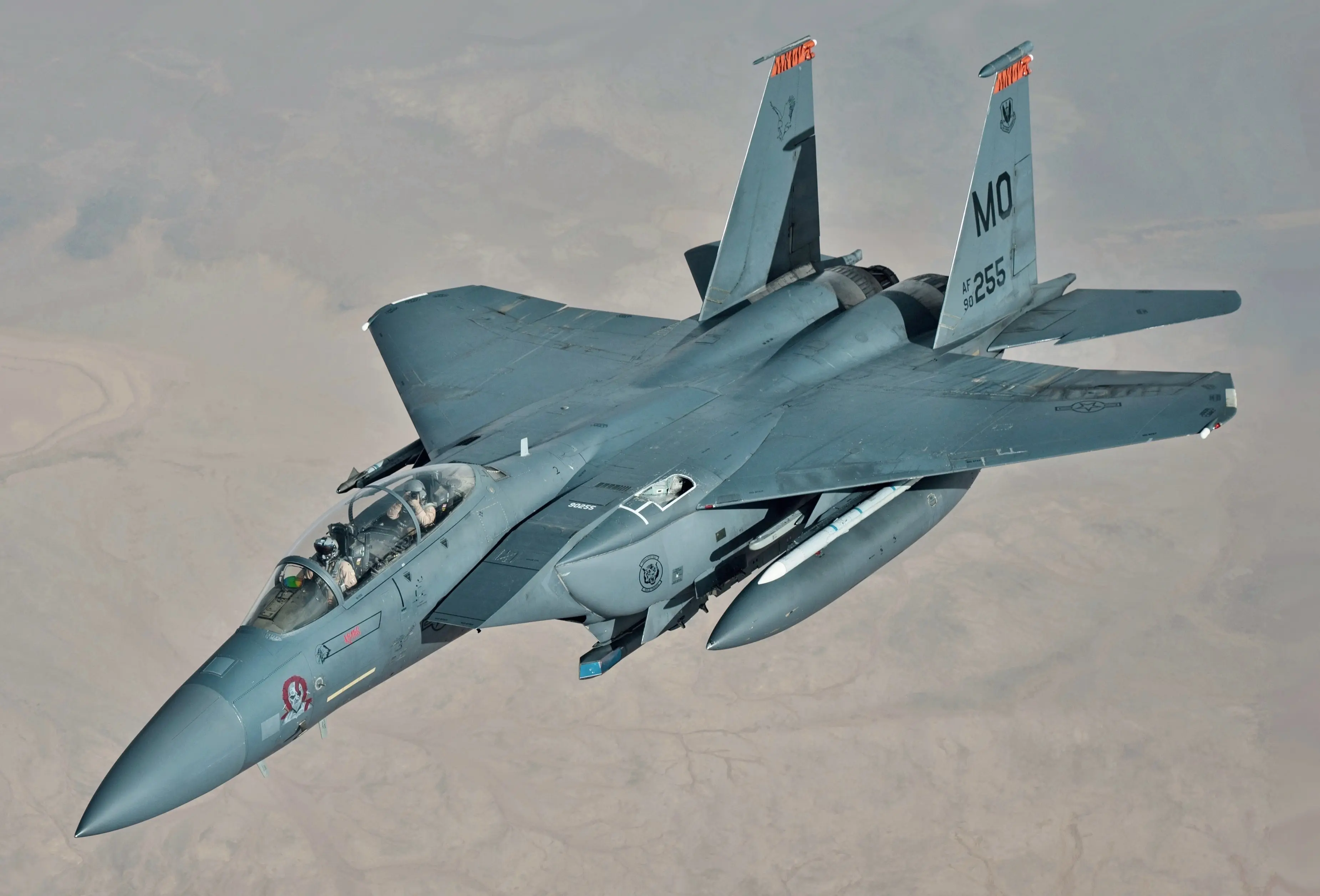
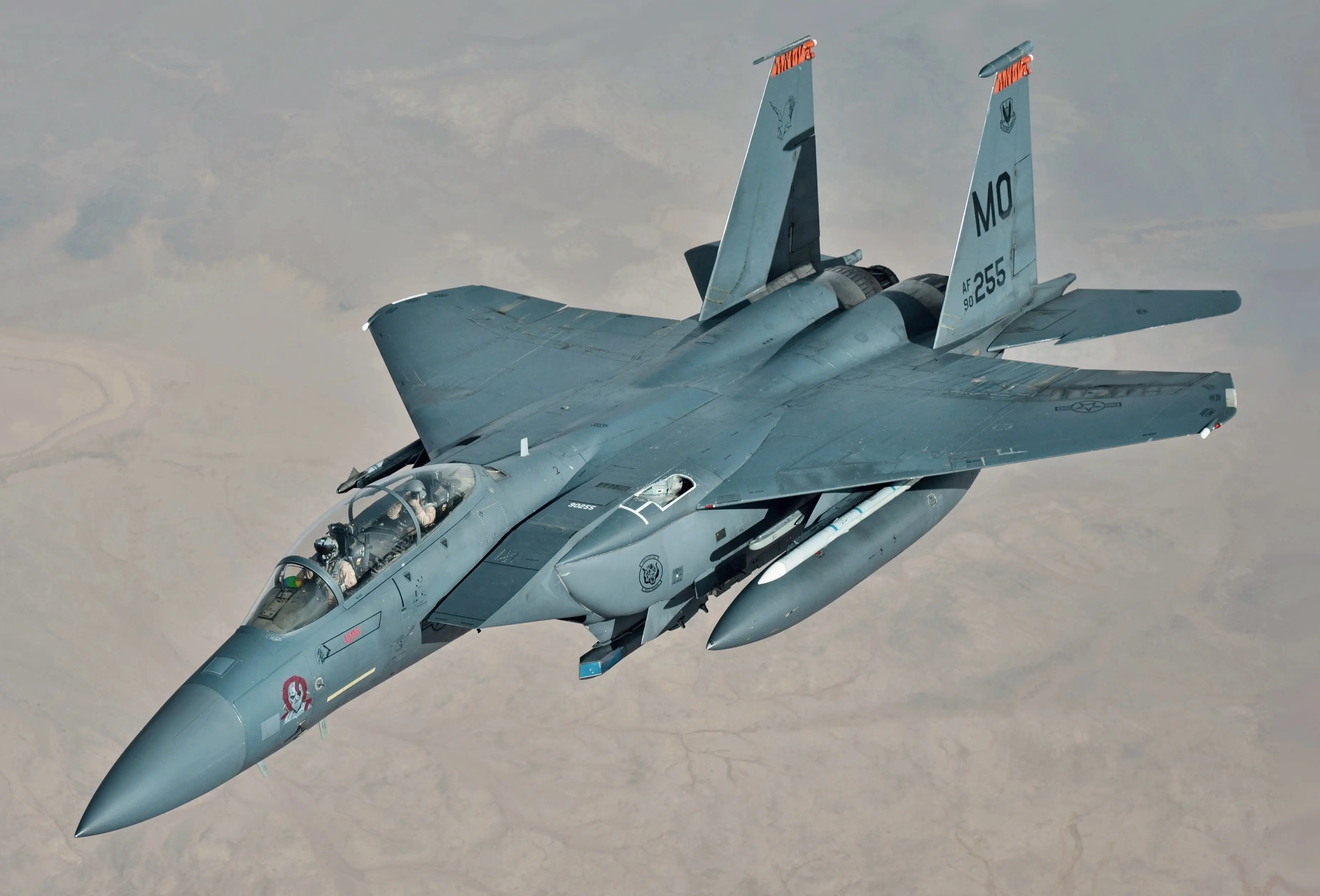
The F-15E Strike Eagle serves as the primary tactical bomber for the US Air Force. The F-15E Strike Eagle historically cost $31.1 million, adjusting to over $65 million today. Costing $19,000 per flight hour, this Mach 2.5 jet carries a massive 10,400-kilogramme payload.
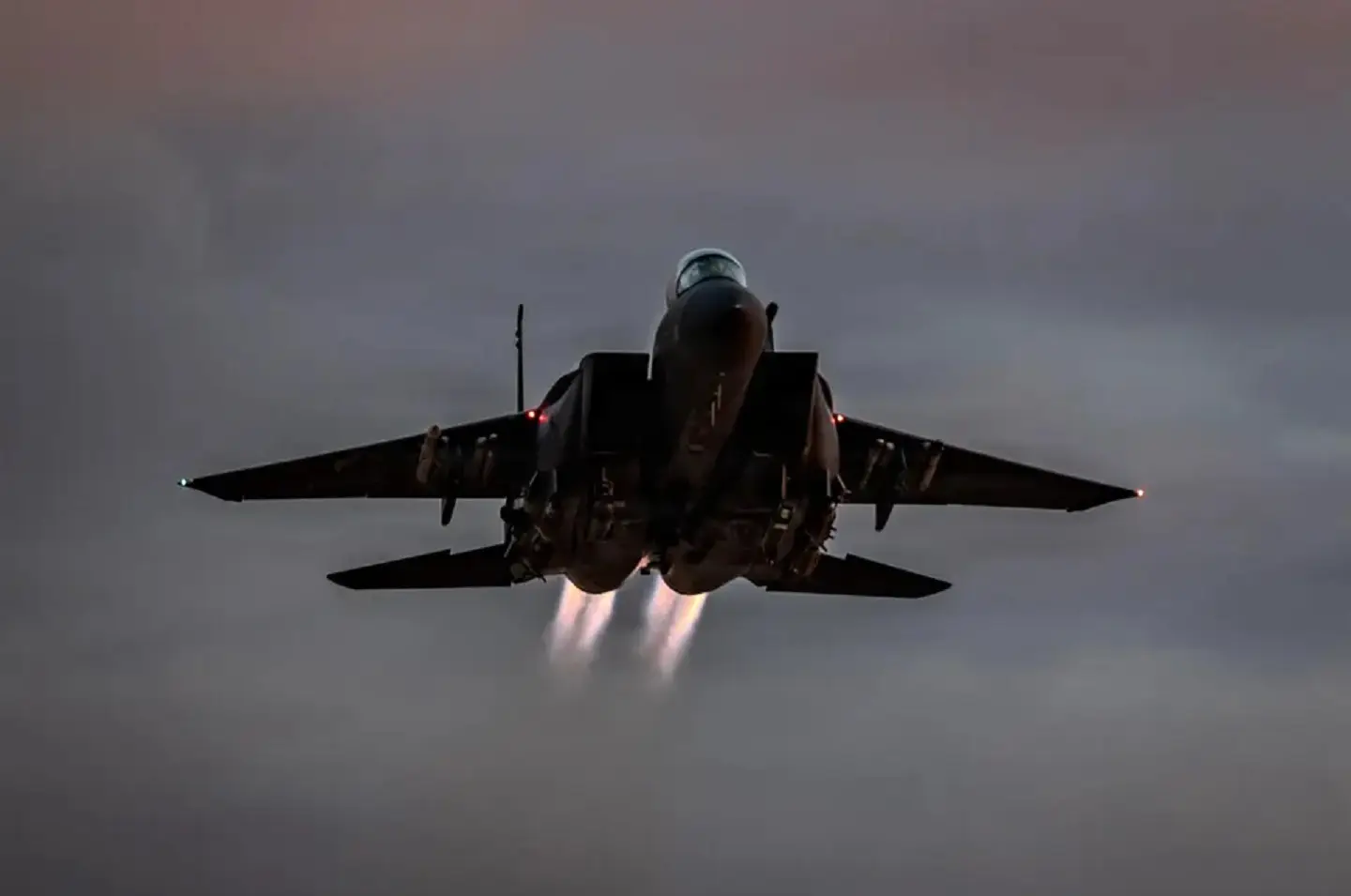
The Initial Price Tag
Produced by McDonnell Douglas, the F-15E Strike Eagle historically cost the US Air Force roughly $31.1 million per unit in the late 1990s. Adjusted for modern inflation, replacing one of these highly capable dual-role fighters costs American taxpayers upwards of $65 million today.
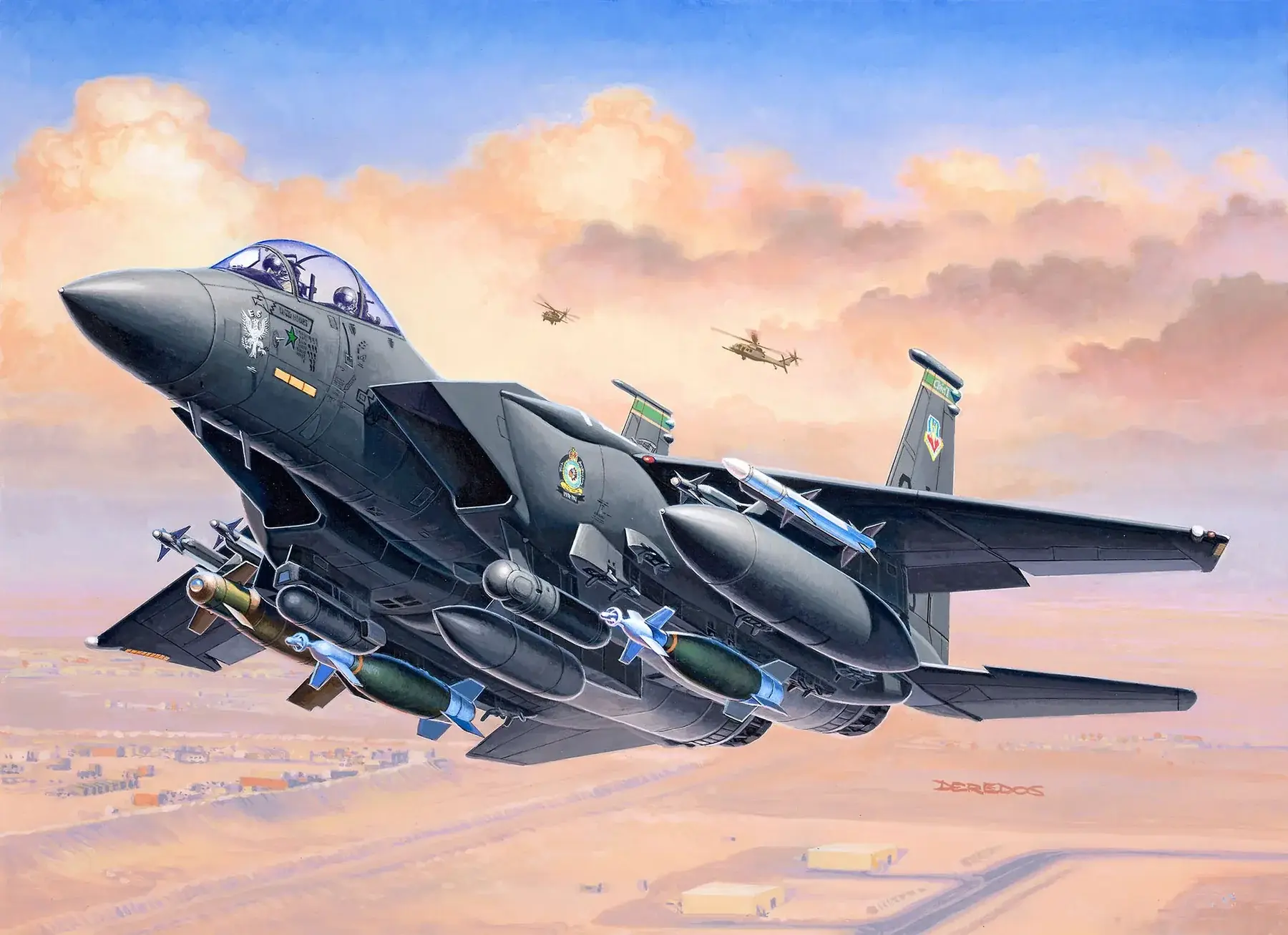
The Hourly Operating Cost
Keeping this massive twin-engine fighter combat-ready and flying costs the US military approximately $19,000 every single flight hour, making it slightly more expensive to operate than the stealth F-35A.
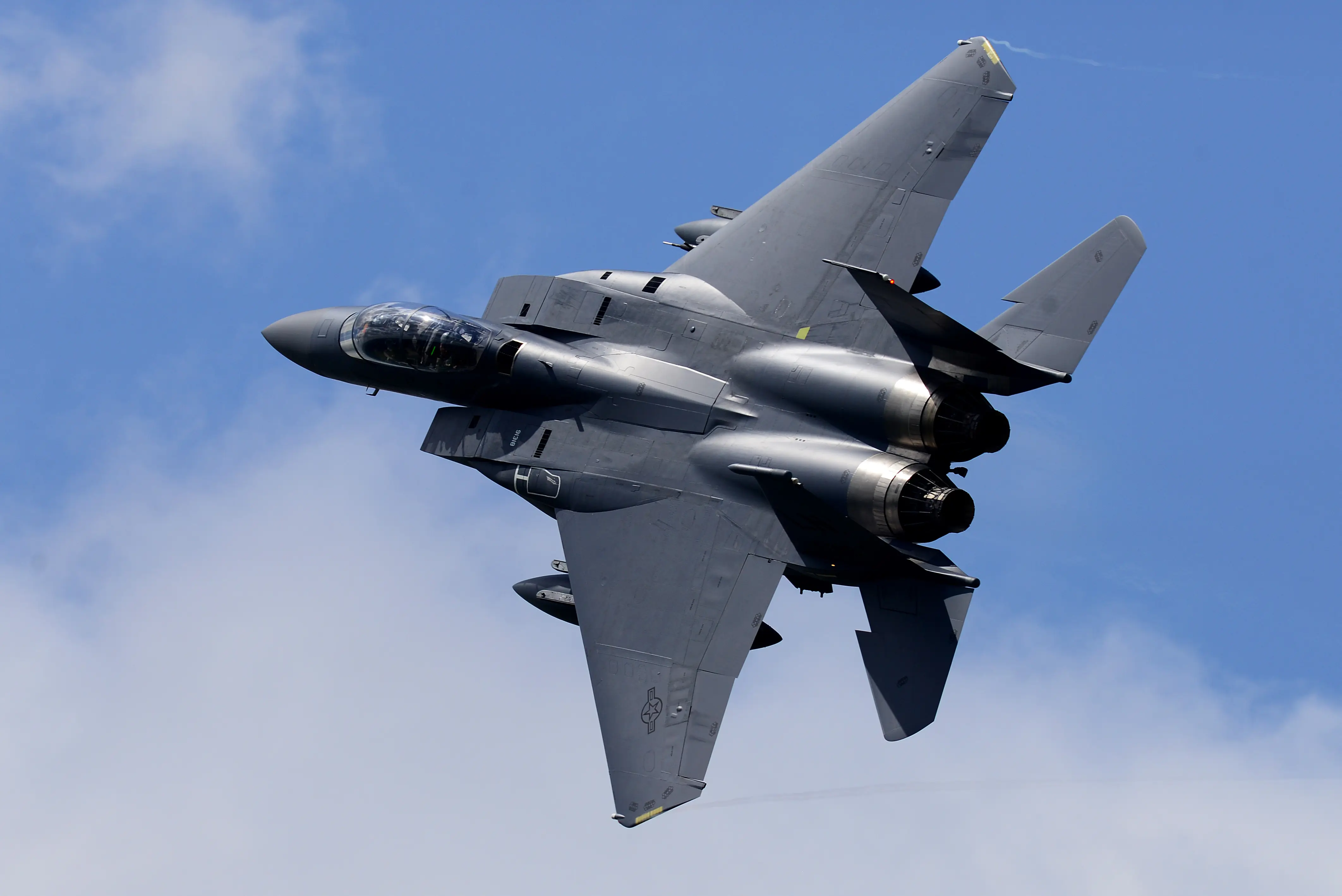
The Lethal Payload Investment
The massive price tag pays for unparalleled striking power without needing an escort. The F-15E can carry an astonishing 10,400 kilogrammes of precision-guided munitions, air-to-air missiles, and external fuel tanks, effectively doing the job of multiple smaller fighter jets in a single run.
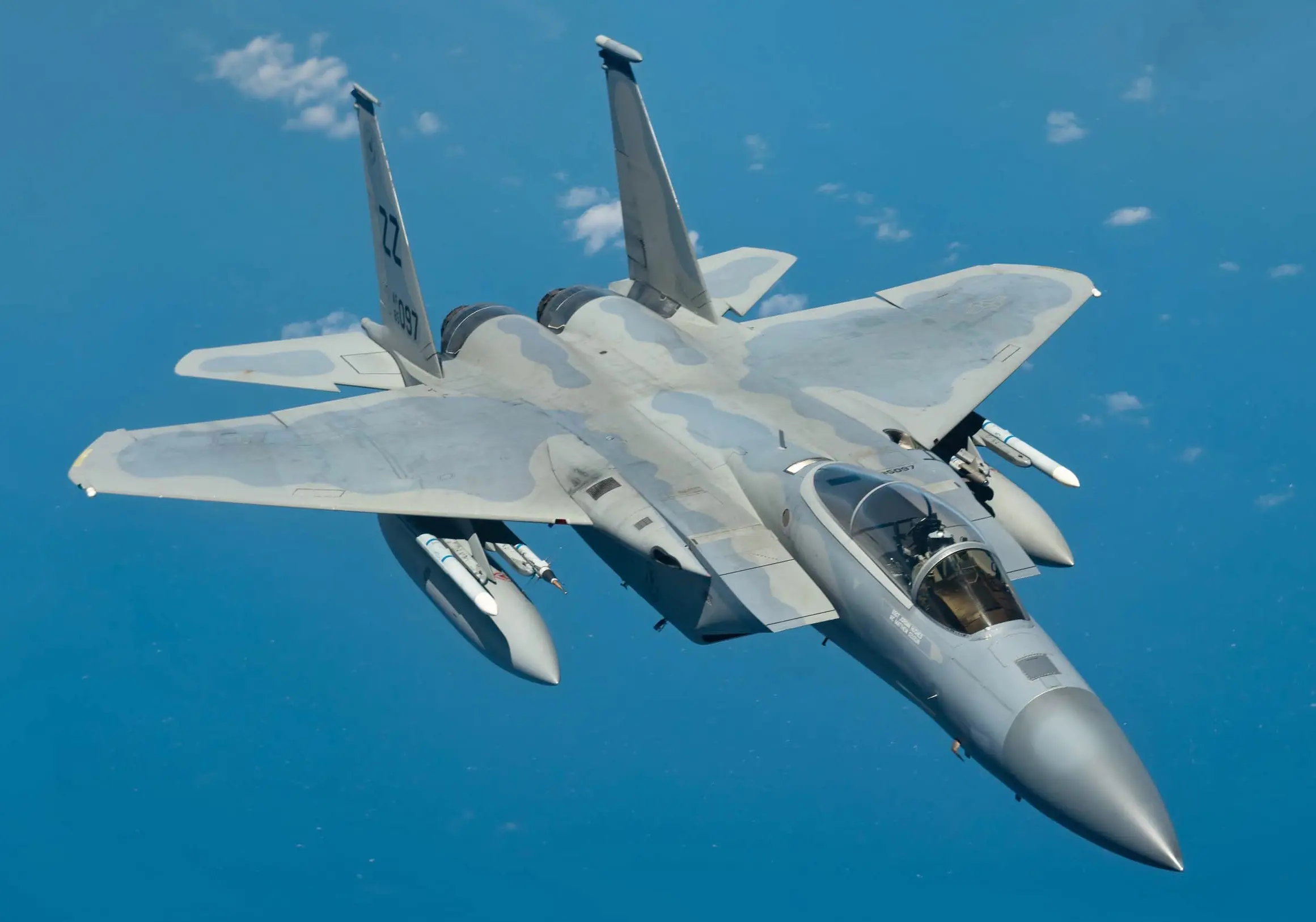
Advanced Electronic Warfare
Because it entirely lacks physical stealth technology, the Strike Eagle relies on highly expensive electronic warfare suites to survive. The Pentagon recently invested heavily in upgrading the fleet with the cutting-edge EPAWSS system, designed to actively jam and confuse advanced enemy radar networks.
The Mach 2.5 Advantage
Powered by two incredibly powerful Pratt & Whitney F100 turbofan engines, the heavy aircraft can reach terminal speeds of Mach 2.5. This raw kinetic energy allows the $31 million jet to conduct deep interdiction strikes and rapidly escape hostile airspace before interceptors can react.
The ACES II Escape System
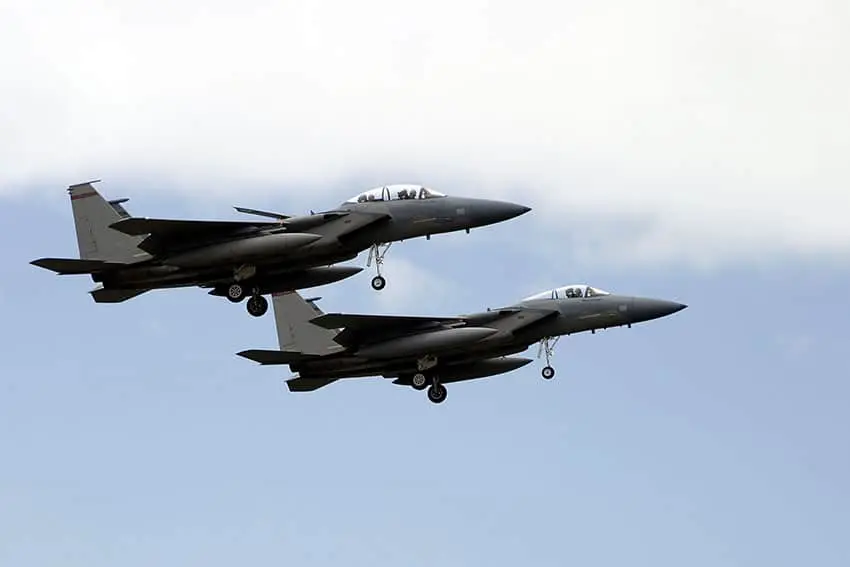
If the multi-million dollar airframe is fatally compromised, the military's top priority shifts to saving the two-person crew. The Strike Eagle is equipped with the automated ACES II rocket ejection system, designed to blast the aviators clear of a crashing jet in just two seconds.
Strike Eagle
The true cost of the F-15E is currently under intense scrutiny after Iranian state media released footage of a destroyed Strike Eagle tail fin. If officially confirmed, this marks a devastating strategic and financial loss for the US Air Force in the highly contested Middle Eastern airspace.
)
)
)
)
)