How much does it cost to operate a military drone per hour

Military drones are far cheaper to operate than aircraft. From the $3,600-per-hour MQ-9 Reaper to high-altitude Global Hawk missions, drones cut costs by removing pilots, reducing fuel use, and relying on simulators.
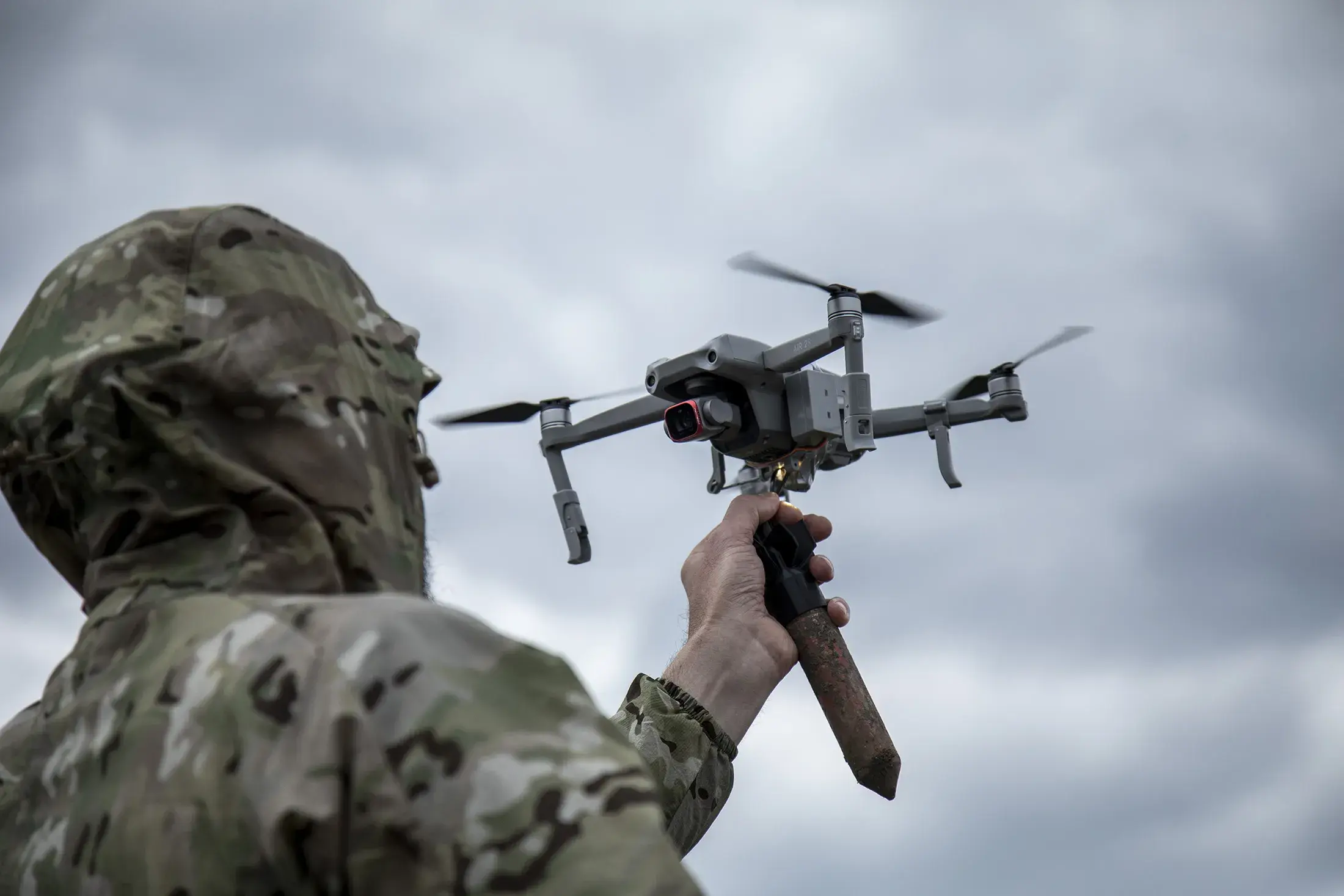
The Cost Gap Drones cost 90 per cent less to fly
Operating a military drone is significantly cheaper than a manned fighter. The Congressional Budget Office reports that while advanced jets burn through budgets, unmanned systems offer a fraction of the cost per flight hour, changing the economics of modern warfare.
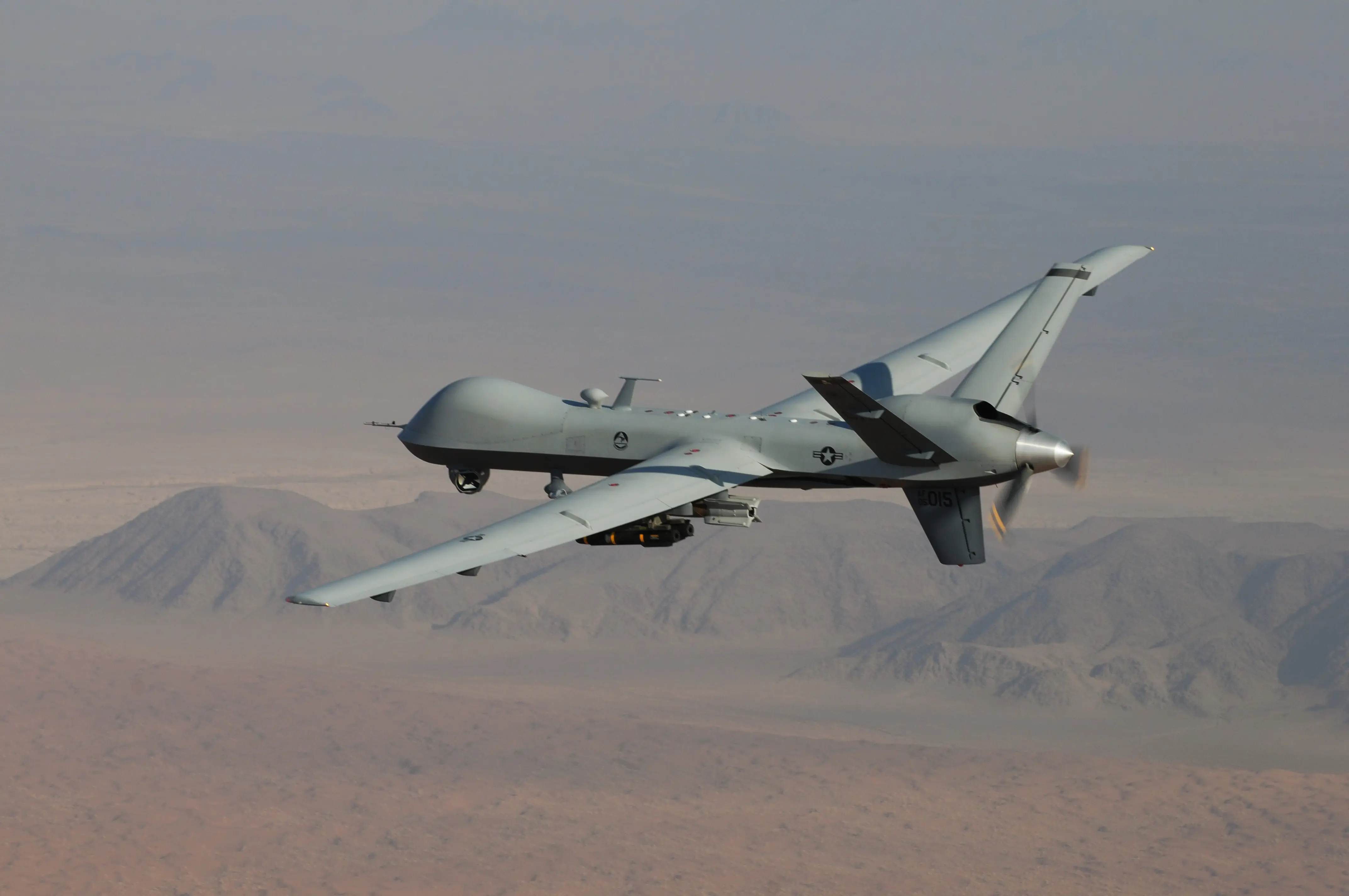
The Workhorse: MQ-9 Reaper Only $3,600 per hour
The backbone of the US drone fleet, the MQ-9 Reaper, is incredibly efficient. Time Magazine data indicates it costs approximately $3,624 per flight hour, a bargain compared to the $20,000+ needed to keep an F-16 Fighting Falcon in the air.
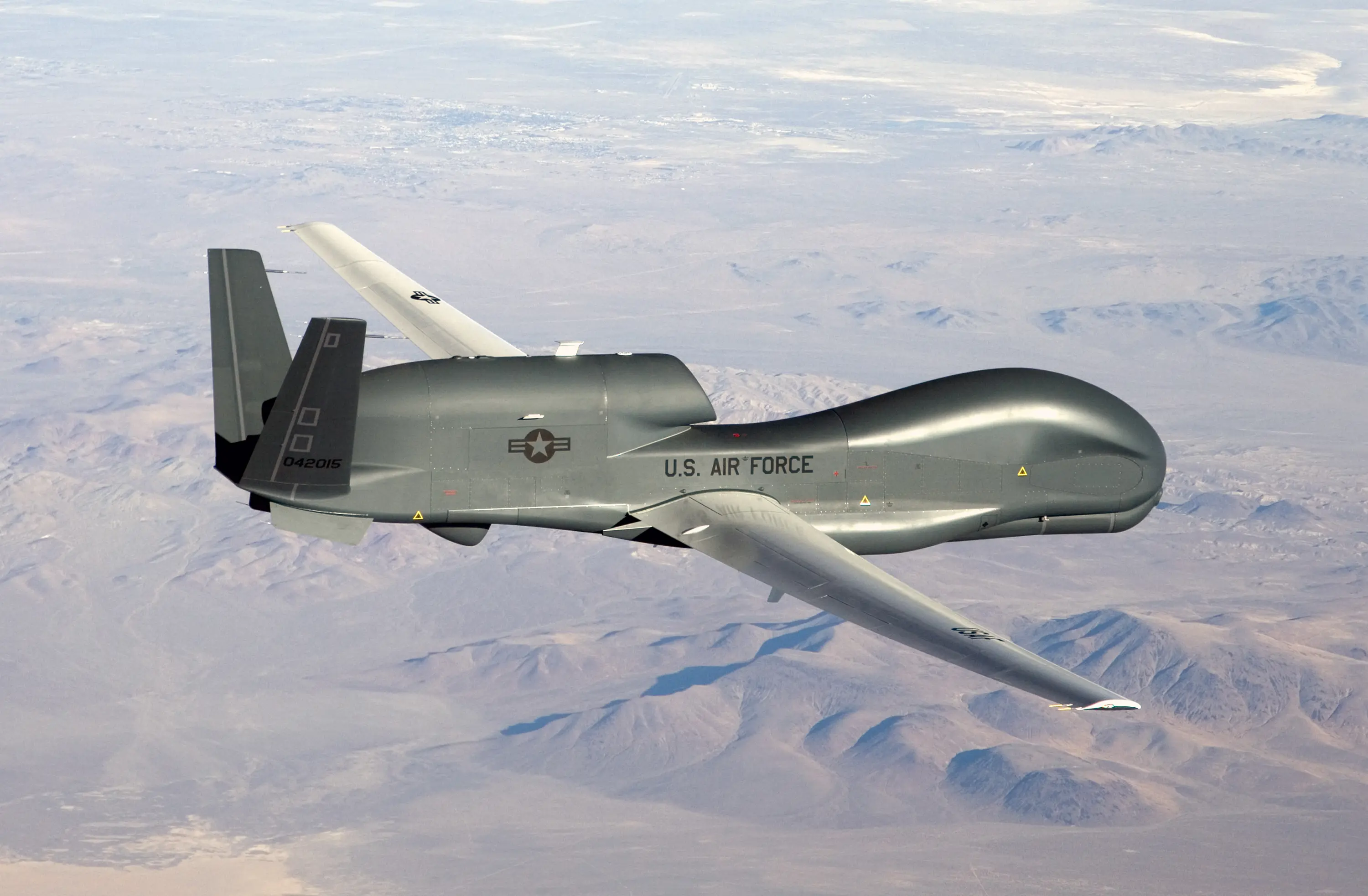
The High-Altitude Spy: Global Hawk $18,500 for strategic surveillance
Larger drones like the RQ-4 Global Hawk are more expensive due to their size and sensors. The Congressional Budget Office estimates their recurring flight cost at around $18,500 per hour, which is still cheaper than the manned P-8 Poseidon's $29,000 hourly rate.
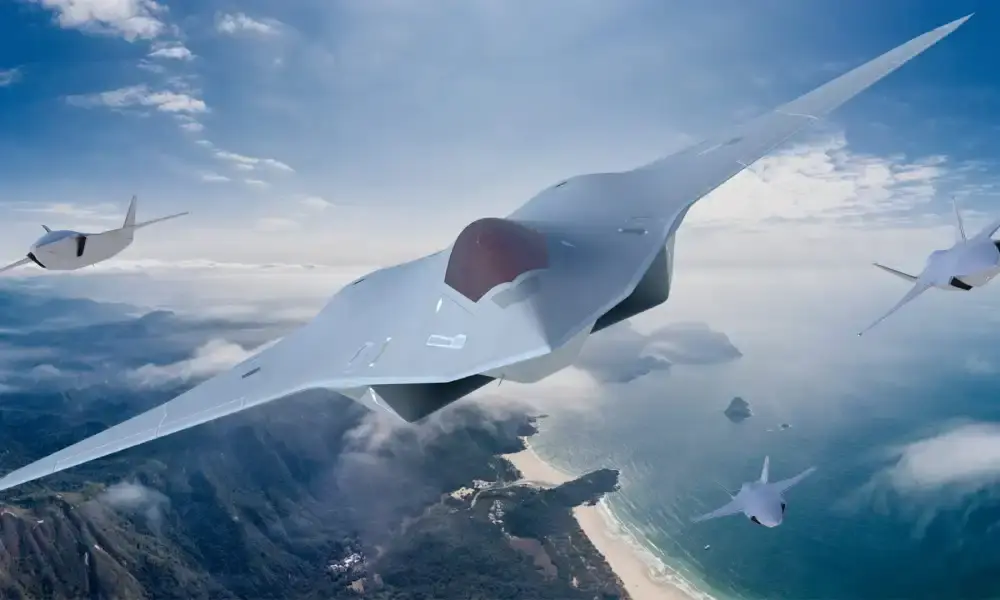
Why They Are Cheaper
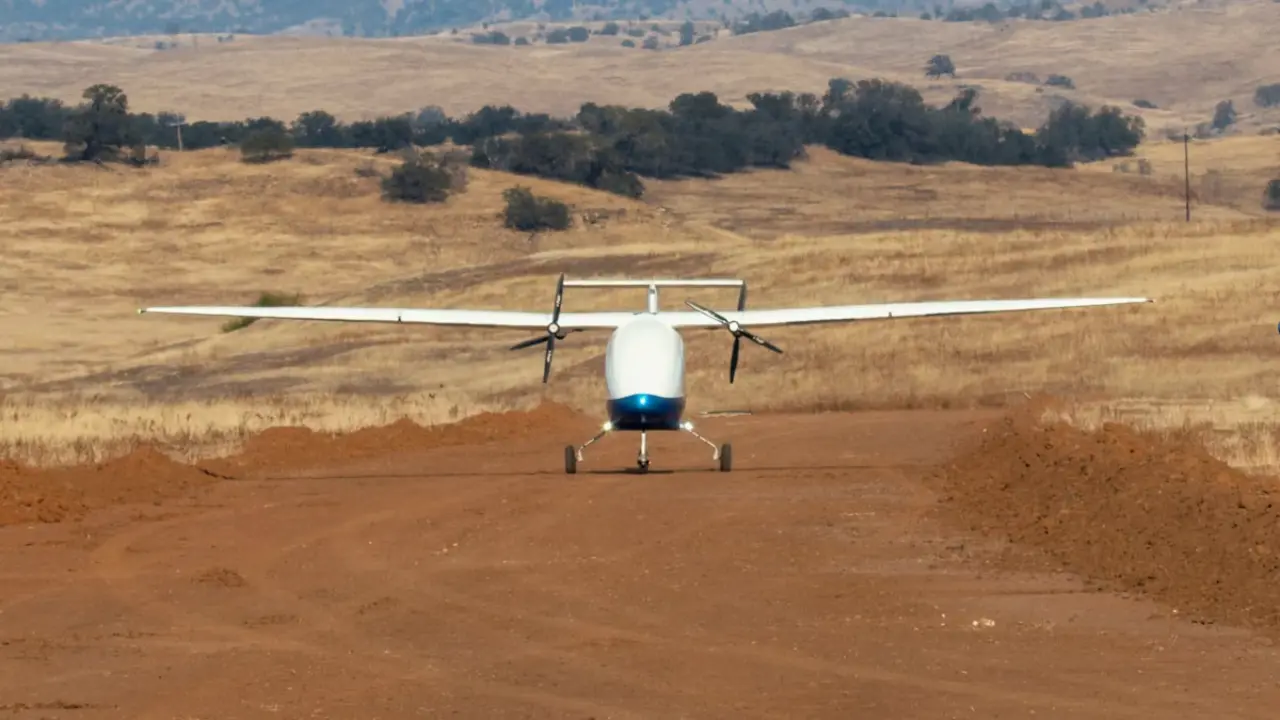
No life support needed Drones save money by removing the human pilot from the cockpit. General Atomics notes that without heavy oxygen systems, ejection seats, and cockpit pressurisation, drones are lighter and consume far less fuel than their manned counterparts.
Training Savings Simulators over sorties
Drone pilots do most of their training in ground-based simulators rather than burning fuel in the sky. The US Air Force highlights that this drastically reduces the "wear and tear" maintenance costs that manned fighter fleets incur during pilot training missions.
Satellites Costs
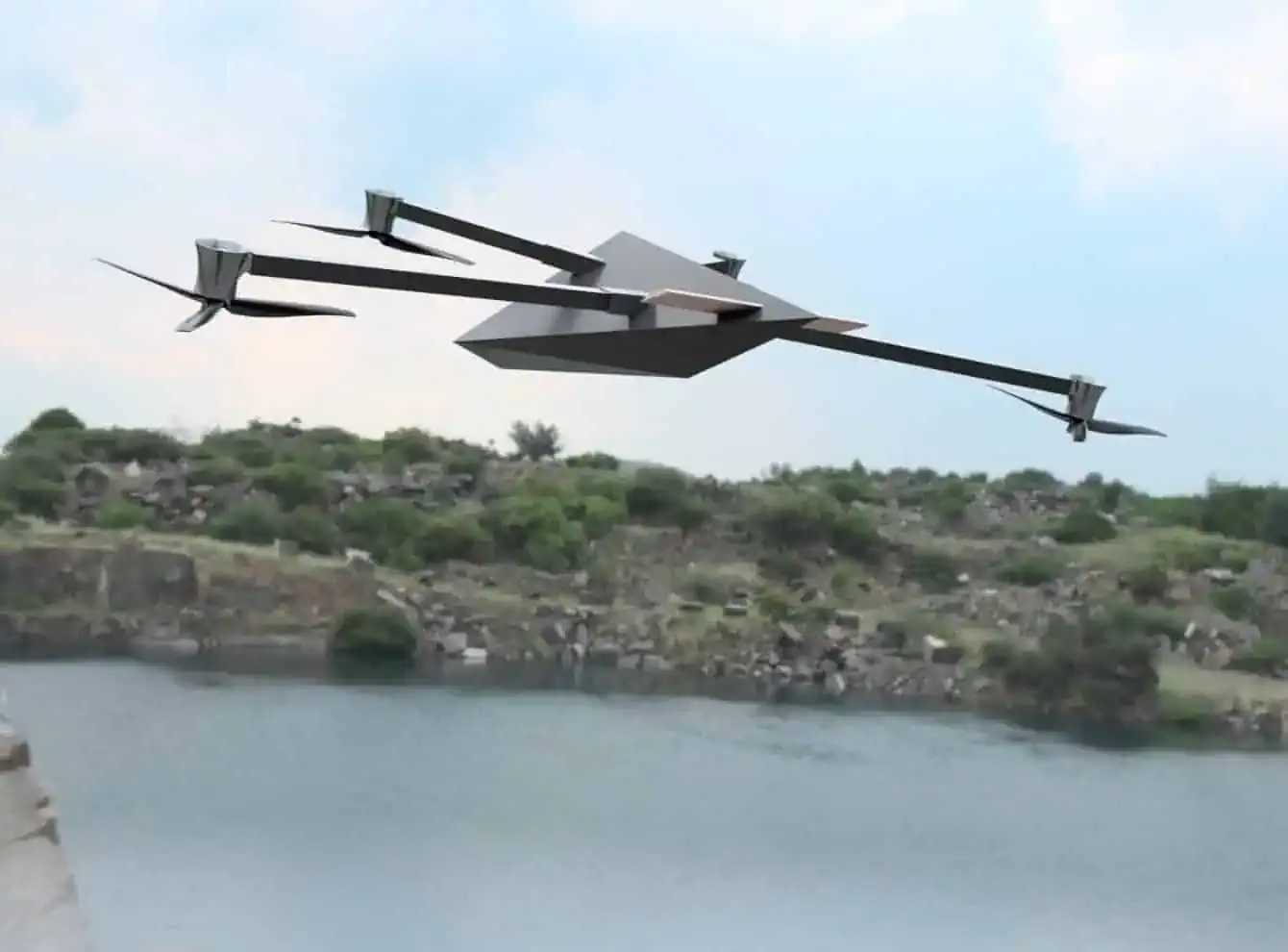
While flight hours are cheap, the infrastructure is not free. The American Security Project explains that a single drone patrol requires extensive satellite bandwidth and a ground crew of nearly 180 people to launch, fly, and analyse the data streams.
Small Tactical Drones
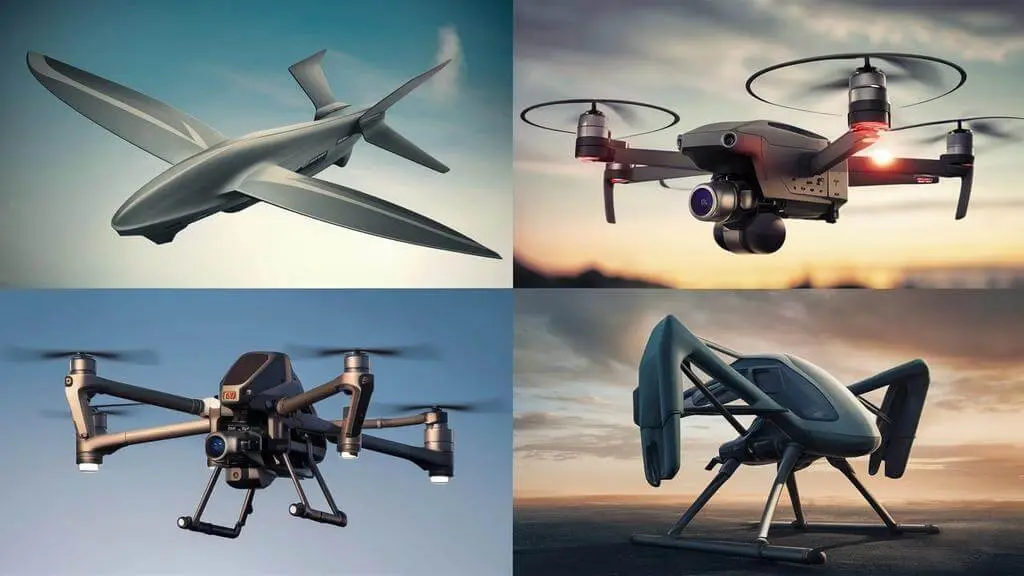
Small, hand-launched drones used by infantry cost pennies to operate. The Royal United Services Institute observes that battery-powered systems like the Raven or commercial quadcopters have negligible hourly costs, making them "expendable" assets in combat.
)
)
)
)
)