How much does a HAL Tejas cost? Inside the price tag of India’s fighter jet that crashed at Dubai Airshow 2025

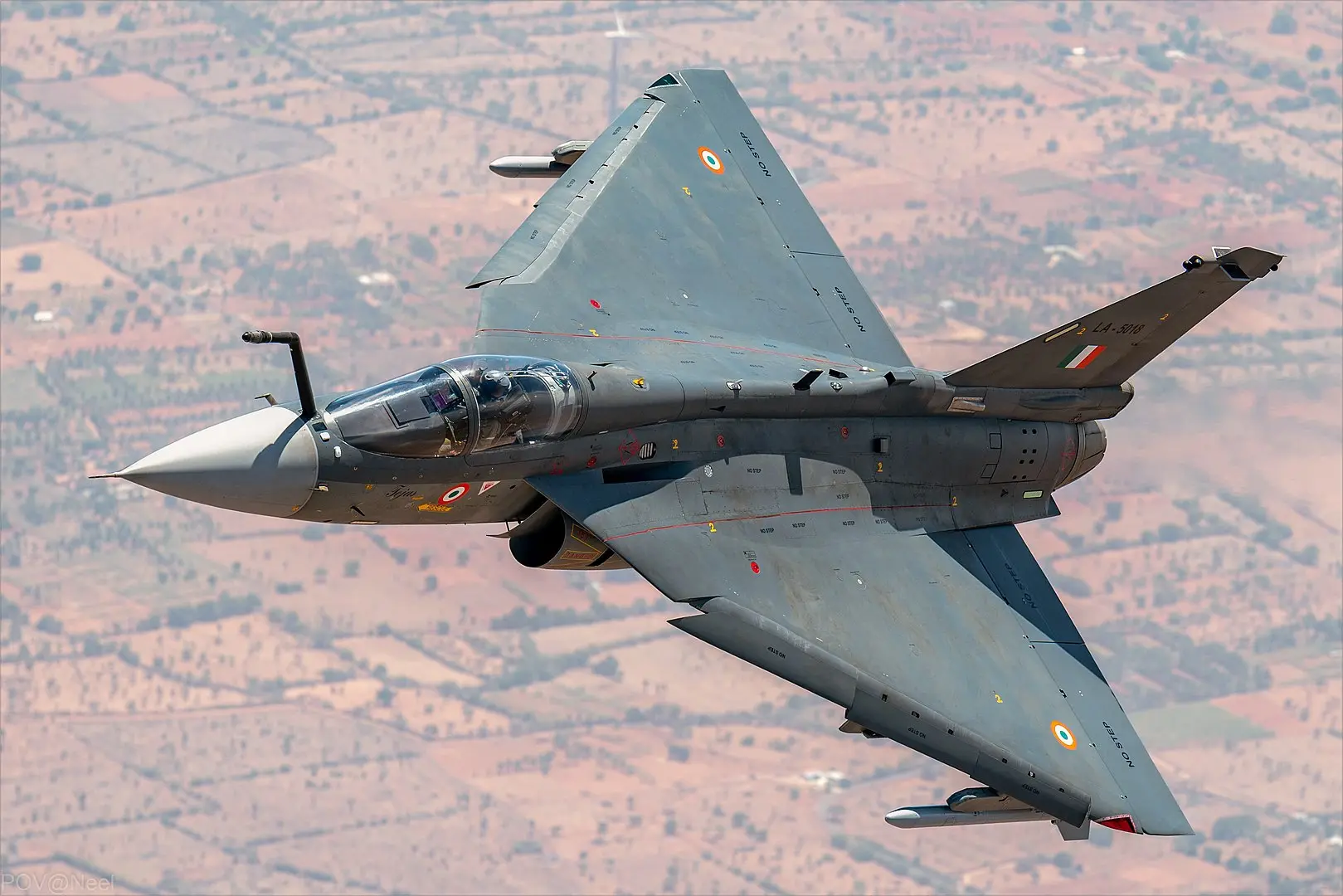
The contract value of Rs 62,370 crore covers 97 aircraft plus associated equipment (radar, self-protection jammer, control-surface actuators, etc) and is under the “Buy (Indian-IDDM)” category of the procedure.
1. The contract value for the latest deal
On 25 September 2025, the Ministry of Defence (India) (MoD) signed a contract with Hindustan Aeronautics Limited (HAL) for the procurement of 97 Tejas Mk-1A aircraft (68 single-seat + 29 twin-seat) at a cost of Rs 62,370 crore (excluding taxes). This implies an average unit cost of roughly Rs 640–650 crore per aircraft, before factoring associated equipment and support.
2. Export/competition & older cost estimates
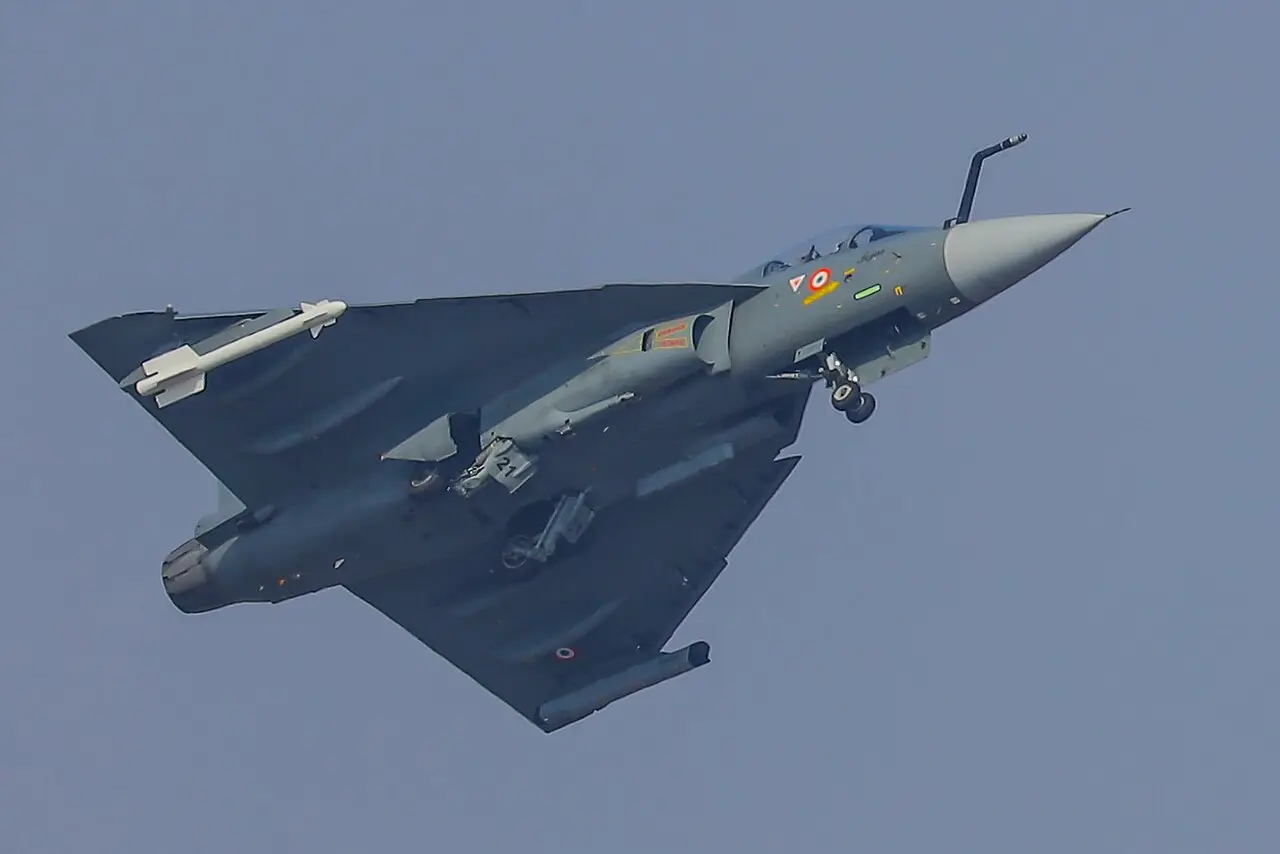
Earlier estimates place the Tejas unit cost much lower when marketed for ex port. For example, some sources cite a figure of about US$43 million per aircraft for export. Another estimate from Indian defence commentary puts the Mk 1A variant at about Rs 550 crore ($66 million) each. These variations reflect differences in configuration (single vs twin-seat, weapons & radar fit, indigenous content) and whether support/spares/ground equipment are included.
3. Comparative cost advantage
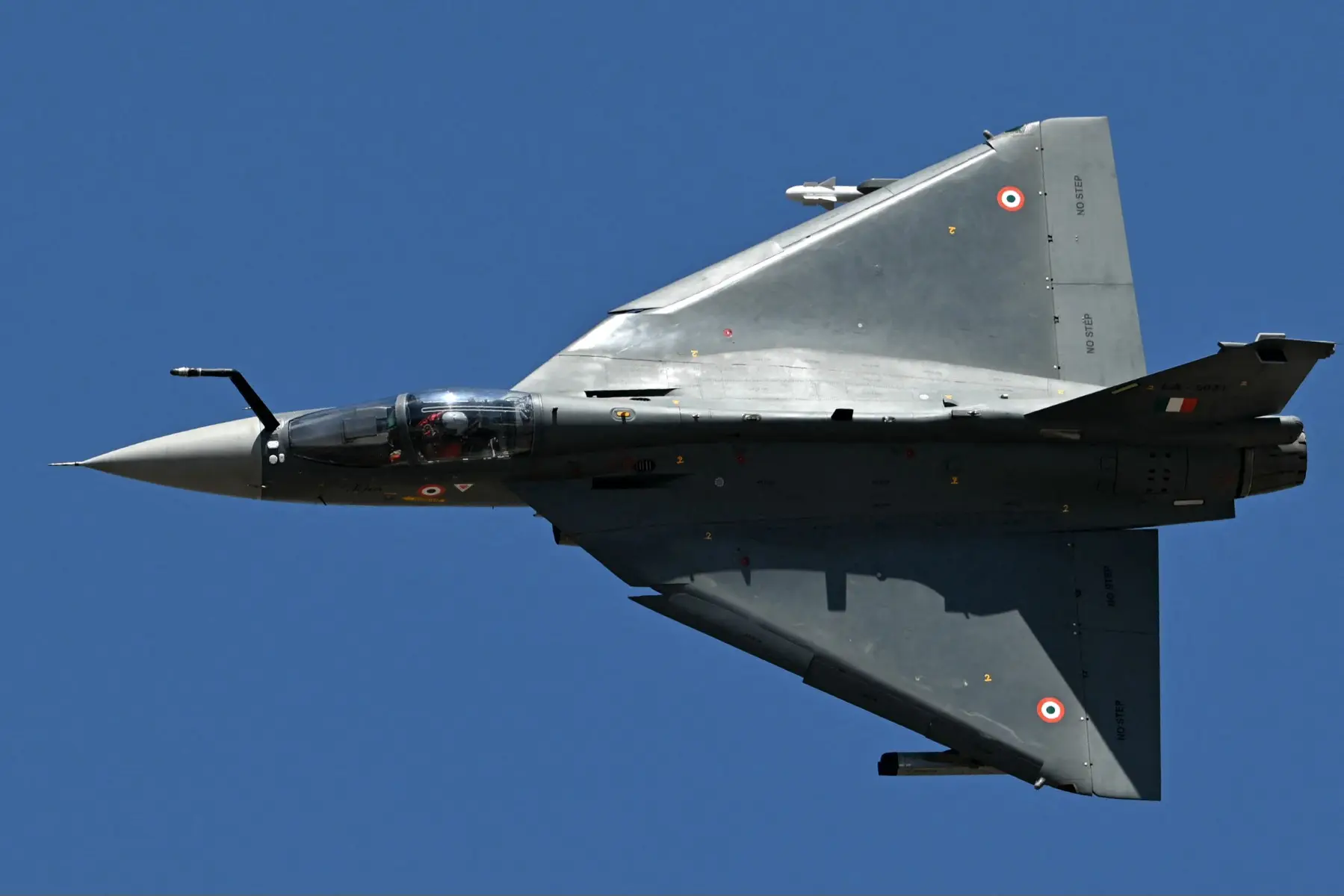
An article from the The Economic Times (ET) says the Tejas is among the most affordable modern combat aircraft globally, and costs less than half of aircraft such as the Dassault Rafale, F‑16 Fighting Falcon, Eurofighter Typhoon or China’s Chengdu J‑20. This cost-advantage is a key selling point for India’s “Make in India” defence push and for Tejas exports.
4. What the cost covers
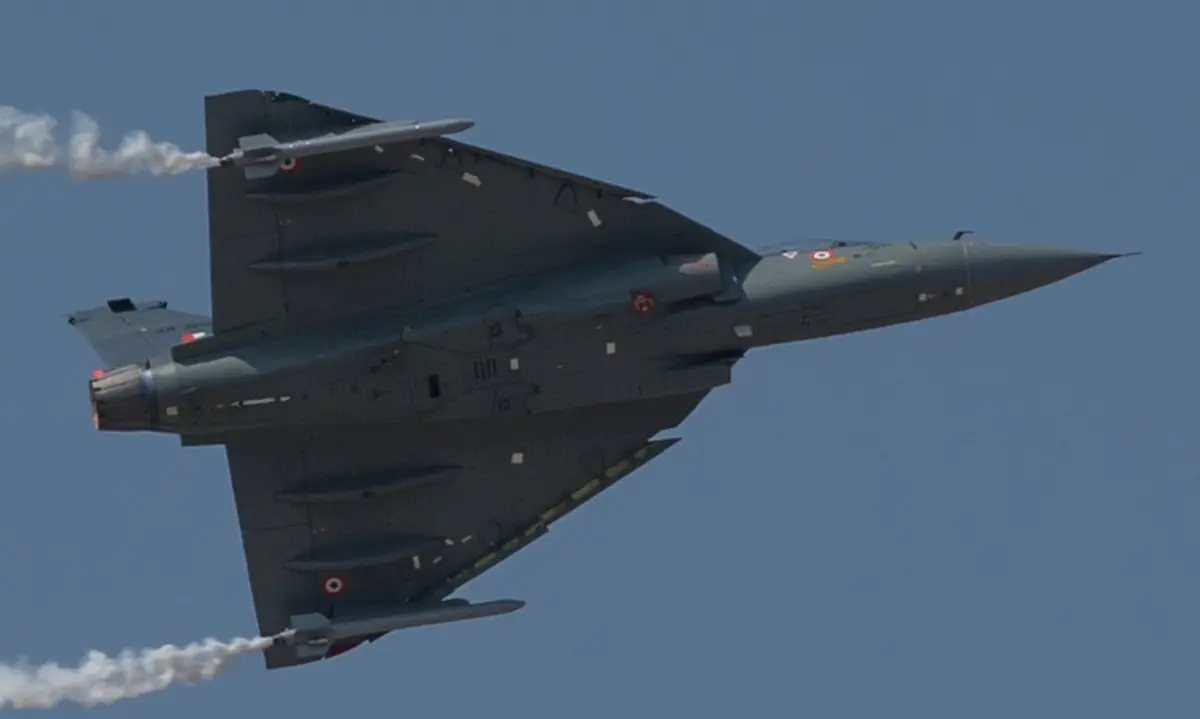
The contract value of Rs 62,370 crore covers 97 aircraft plus associated equipment (radar, self-protection jammer, control-surface actuators, etc) and is under the “Buy (Indian-IDDM)” category of the procedure. Hence the per-unit cost is not simply the airframe alone, it includes avionics, sensors, weapons-capability, and infrastructure/spares.
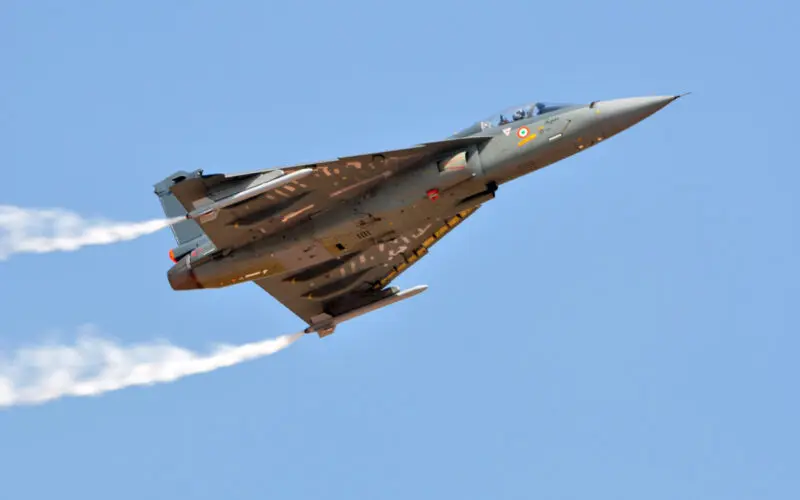
5. Configuration difference matters
The cost per unit depends significantly on variant and fit-out. For example:
- The export reference of US$43 million (Rs 360–400 crore) is for a more basic fit-out.
- The 2025 contract deals with the Mk 1A variant which has higher indigenous content (64 per cent), improved radar (UTTAM AESA), enhanced weapons-capability, and twin-seat trainers included.
These differences drive up cost per unit.
6. Why cost has risen / scale of programme
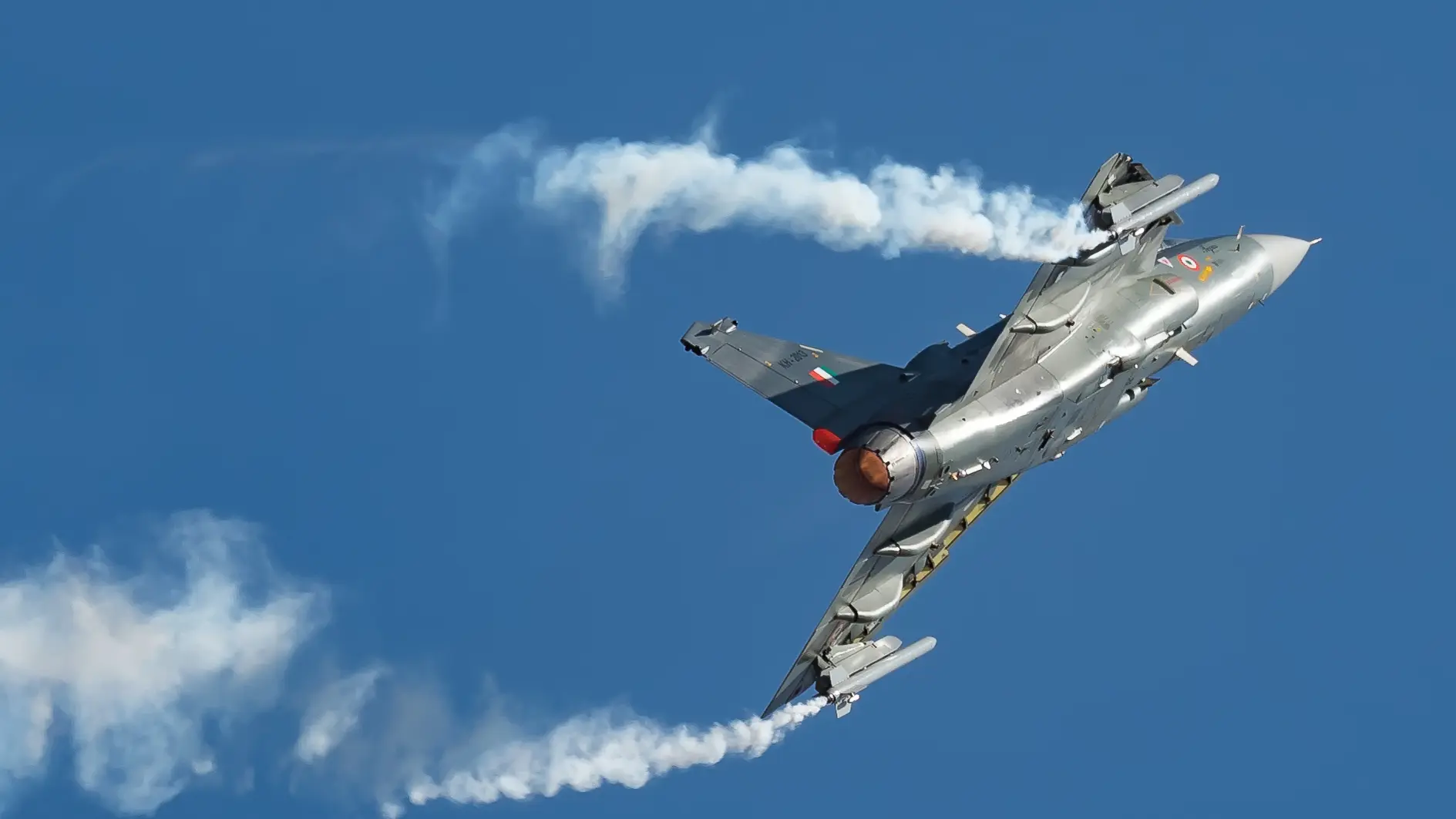
Some factors that drive cost: development expenditure, inflation, increased indigenous-content demands, higher performance avionics/weapons. The Wikipedia summary notes the development cost of the LCA/“Tejas” programme (up to March 2020) at Rs 11,096 crore. Moreover, orders are large scale: by 2025 the IAF order for Tejas Mk 1A is 97 jets plus previous orders, meaning production ramp-up and amortisation matter.
7. What the cost means for India’s defence manufacturing
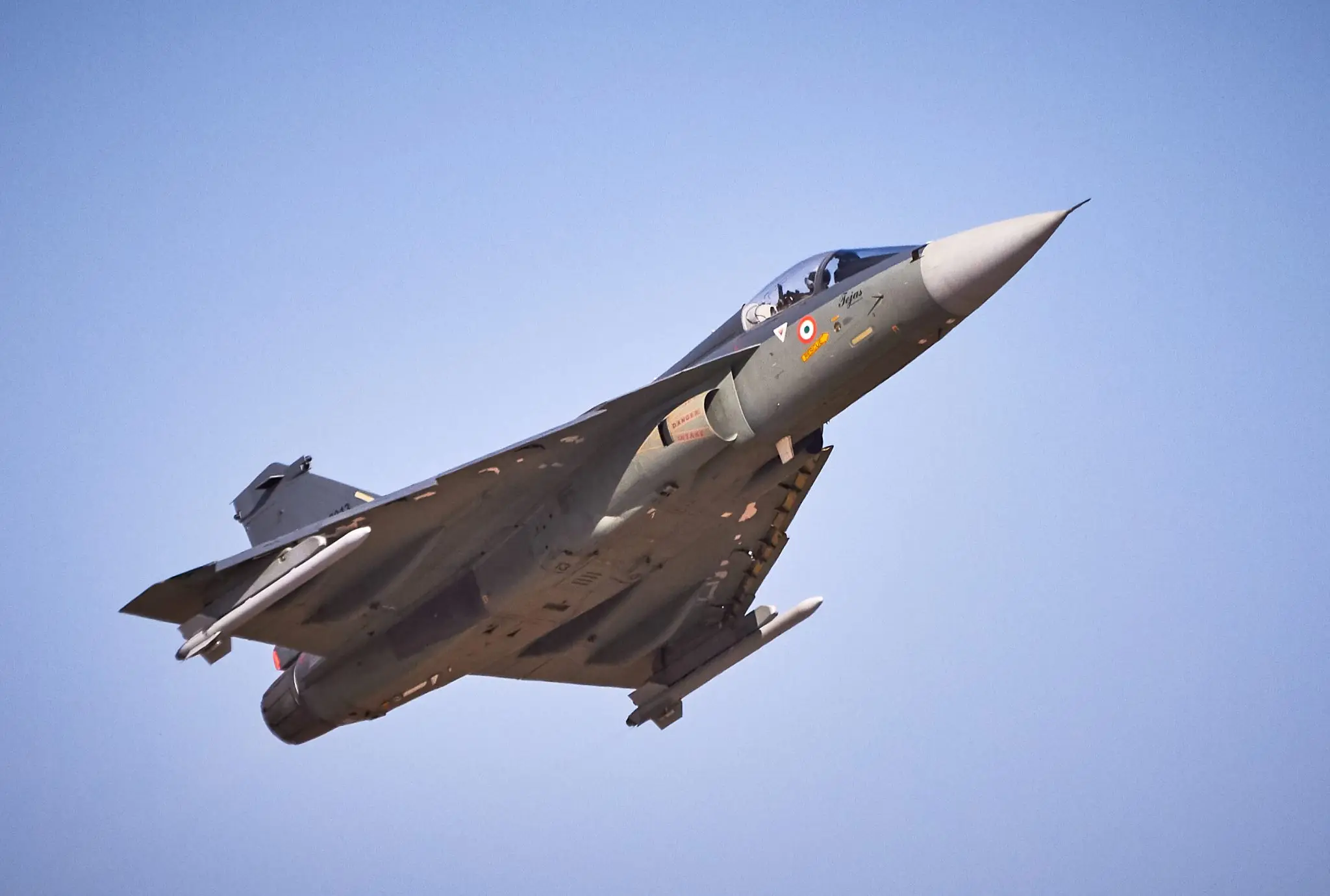
The relatively lower unit cost helps India's case for exporting the Tejas jet. The contract shows the government’s focus on self-reliance with over 64 per cent indigenous content for the new batch. From a value-for-money perspective, a jet costing, half of comparable Western fighters, while being indigenous, is a strong narrative for both domestic budget and export prospects.
Summary
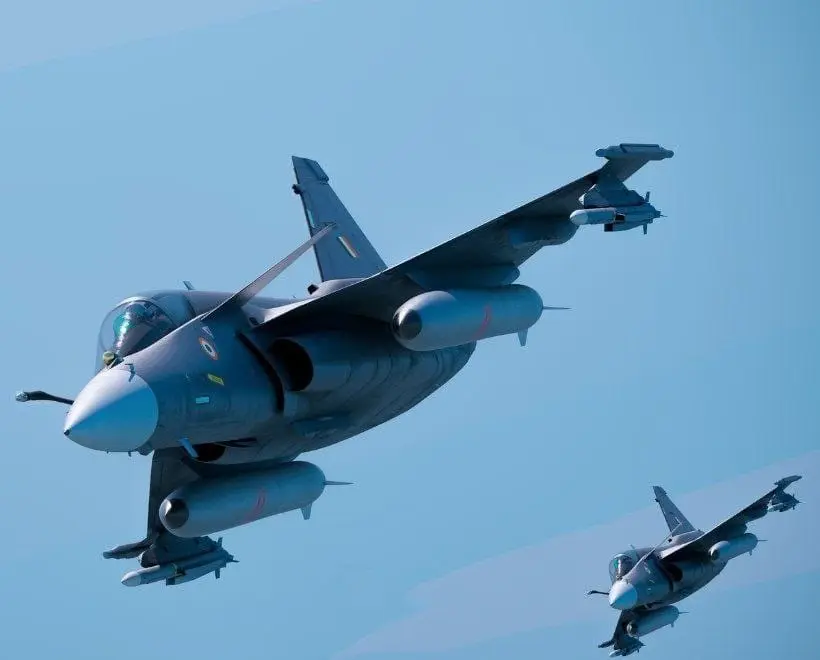
- Latest contract: Rs 62,370 crore for 97 Tejas Mk 1A → Rs 640-650 crore per unit average.
- Earlier export estimate: US$43 million (Rs 360-400 crore) per unit for simpler fit-out.
- Cost is significantly lower than many Western combat aircraft.
- Higher cost for the latest batch reflects advanced variant, indigenous content, support equipment and large-scale procurement.
)
)
)
)
)