How much could Trump’s war in Iran cost the United States?

The US military operation in Iran is costing nearly $900 million a day. From surging oil prices to $50 billion emergency funding, the financial toll on the American economy is massive and growing.
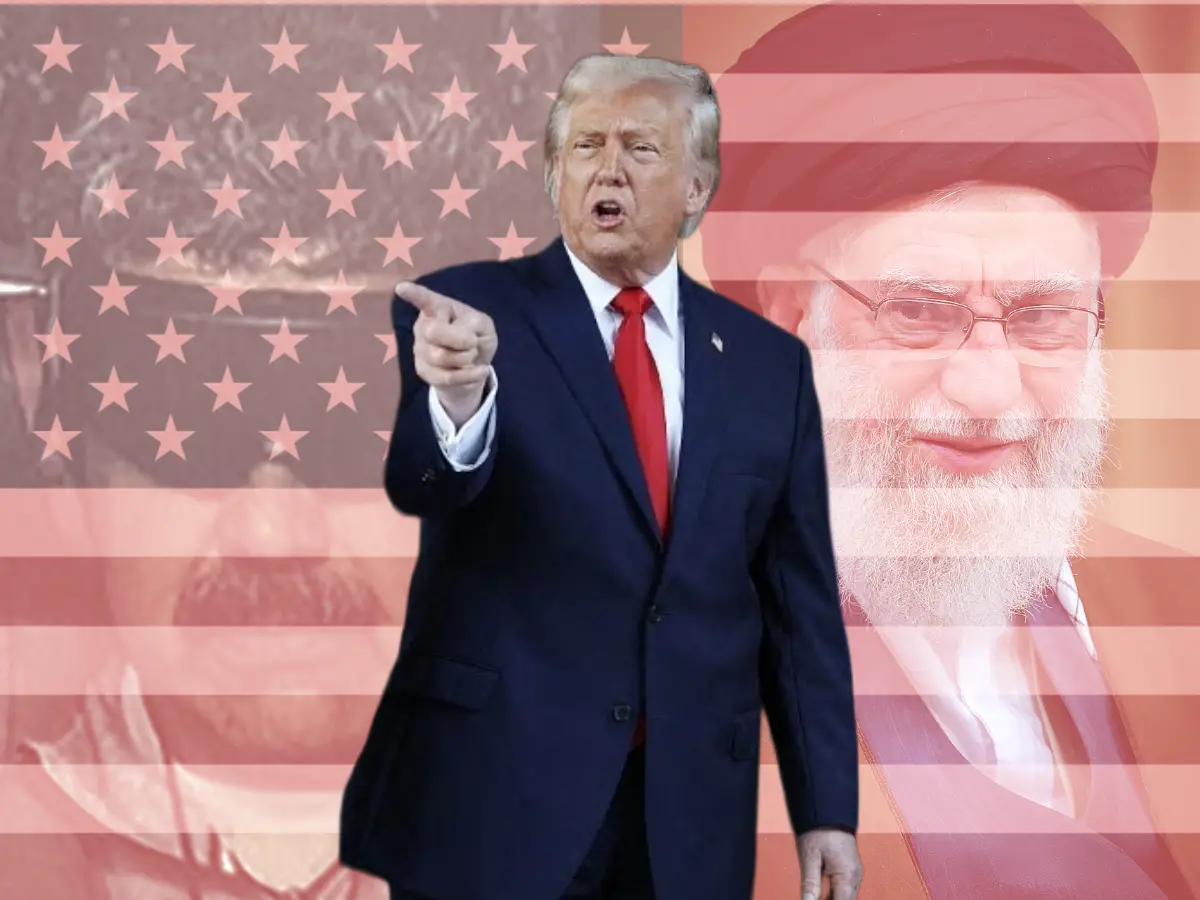
$3.7 Billion Initial Cost
The initial phase of the military conflict has been incredibly expensive. Estimates show the first 100 hours of airstrikes cost American taxpayers approximately $3.7 billion. This averages out to nearly $900 million per day.
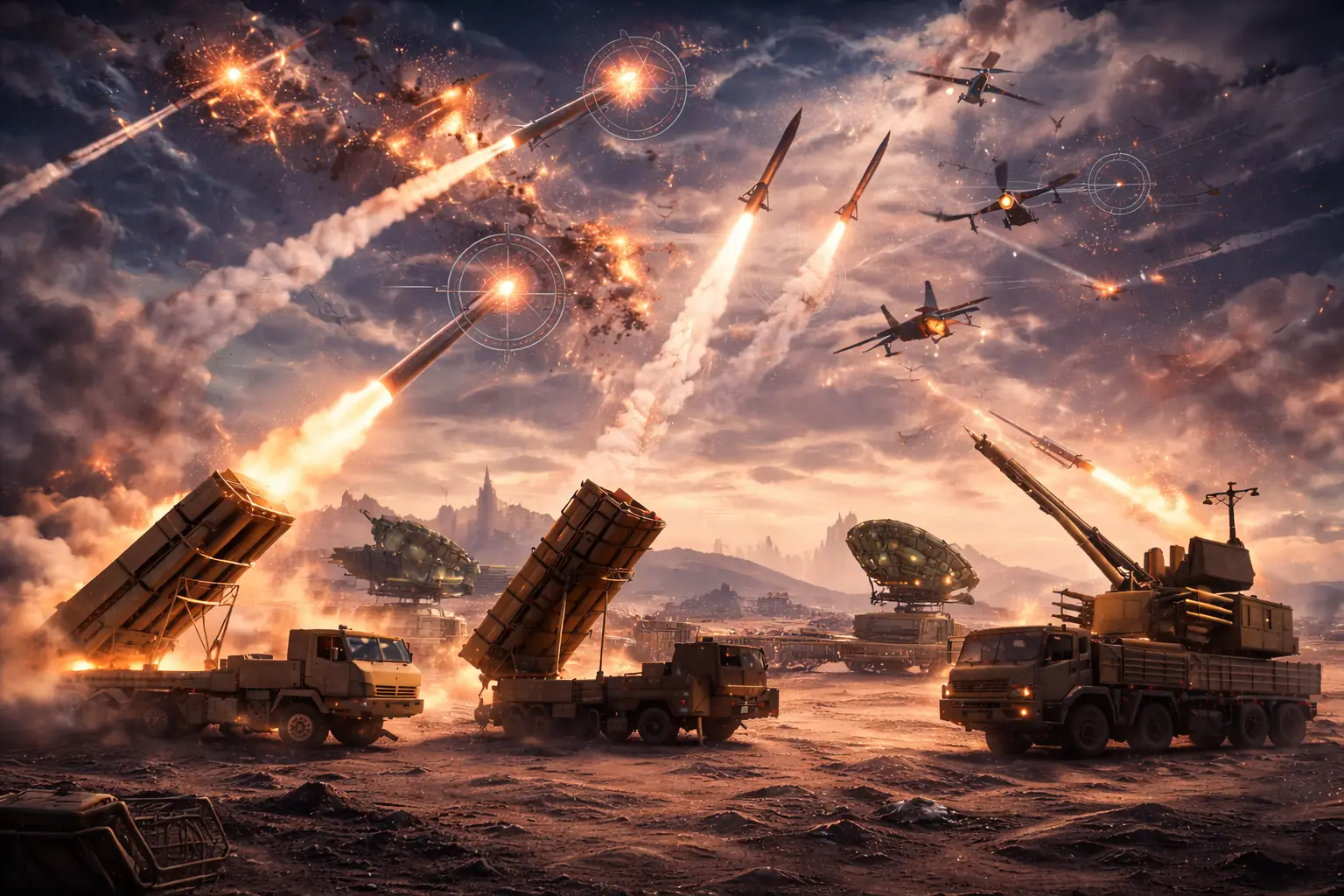
$50 Billion Funding Request
The massive use of weapons has drained existing defence budgets rapidly. The government is expected to submit a $50 billion emergency funding request to replace lost equipment and depleted munitions, adding heavily to the national debt.
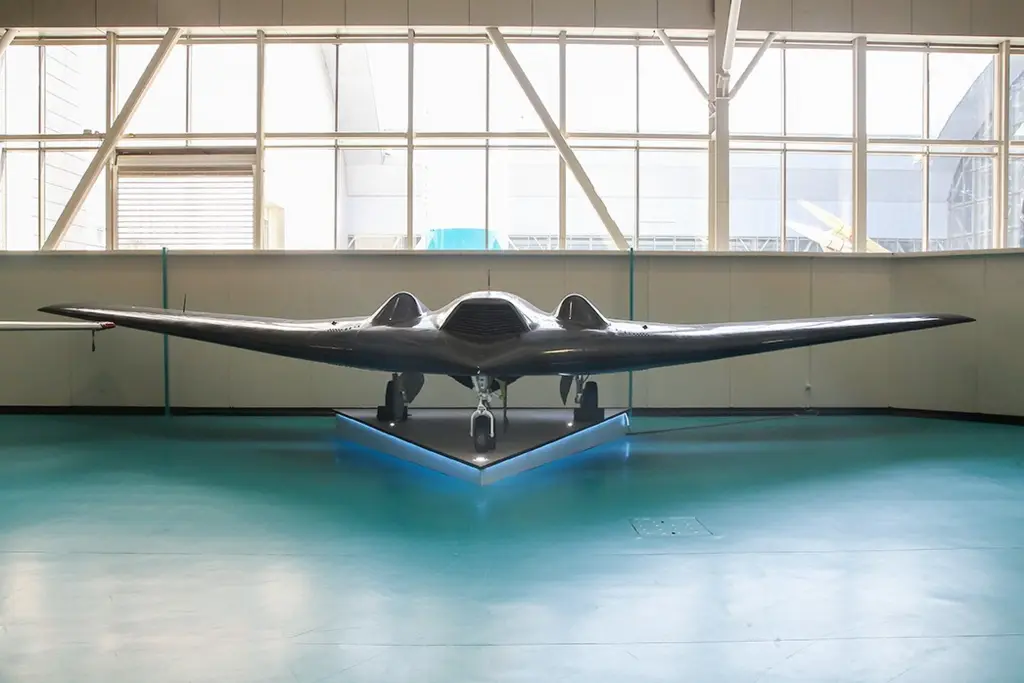
200 Fighter Jets Deployed
Aerial operations account for a massive chunk of the expenses. Over 200 stealth and non-stealth fighter jets are currently conducting missions. Operating these aircraft costs roughly $125 million, with daily expenses increasing rapidly.
$2.2 Million Per Missile
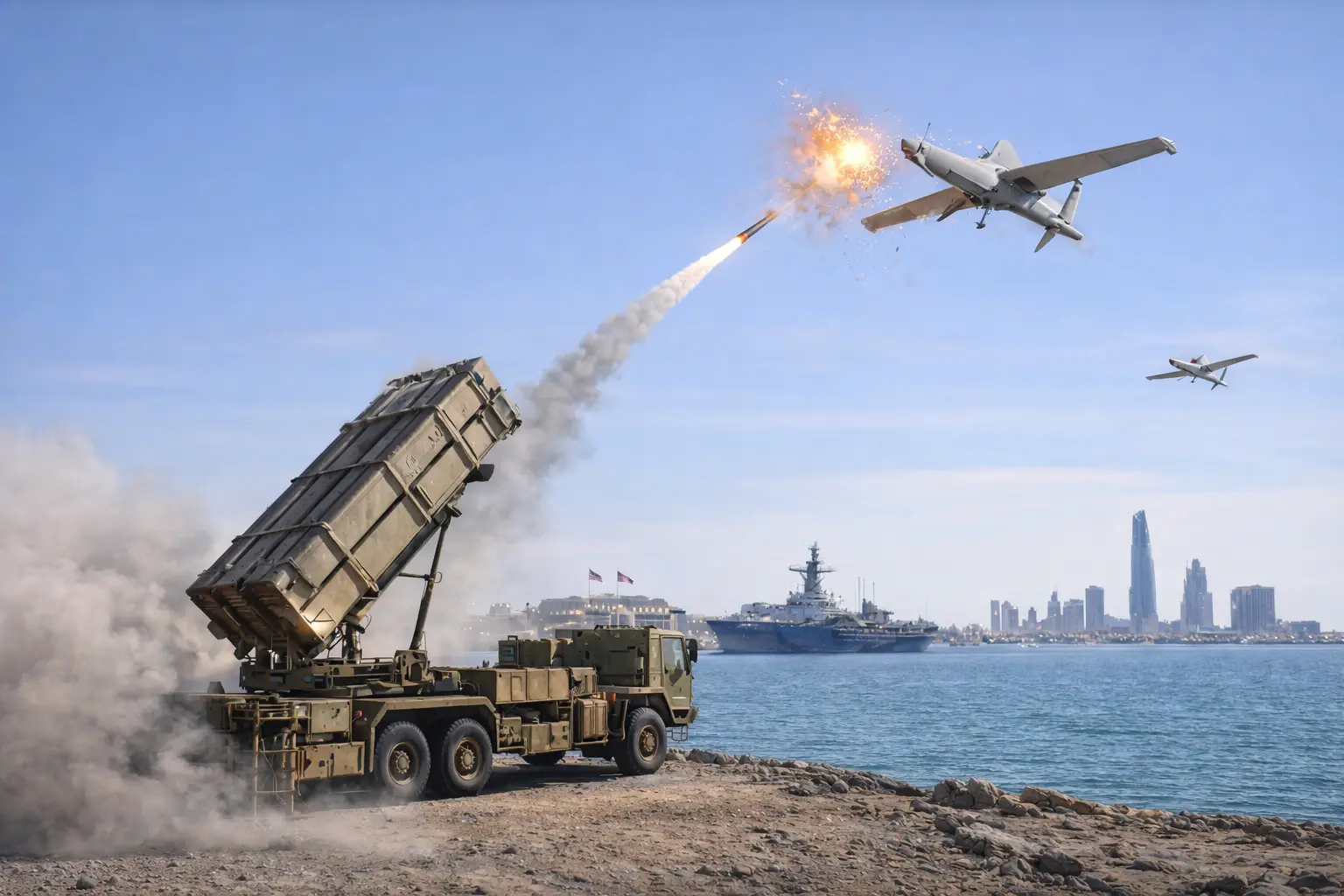
Precision-guided munitions and air defence interceptors are extremely costly. A single cruise missile used in these strikes costs around $2.2 million. Millions more are spent intercepting incoming drones and ballistic missiles every single day.
Oil Nears $100 Mark
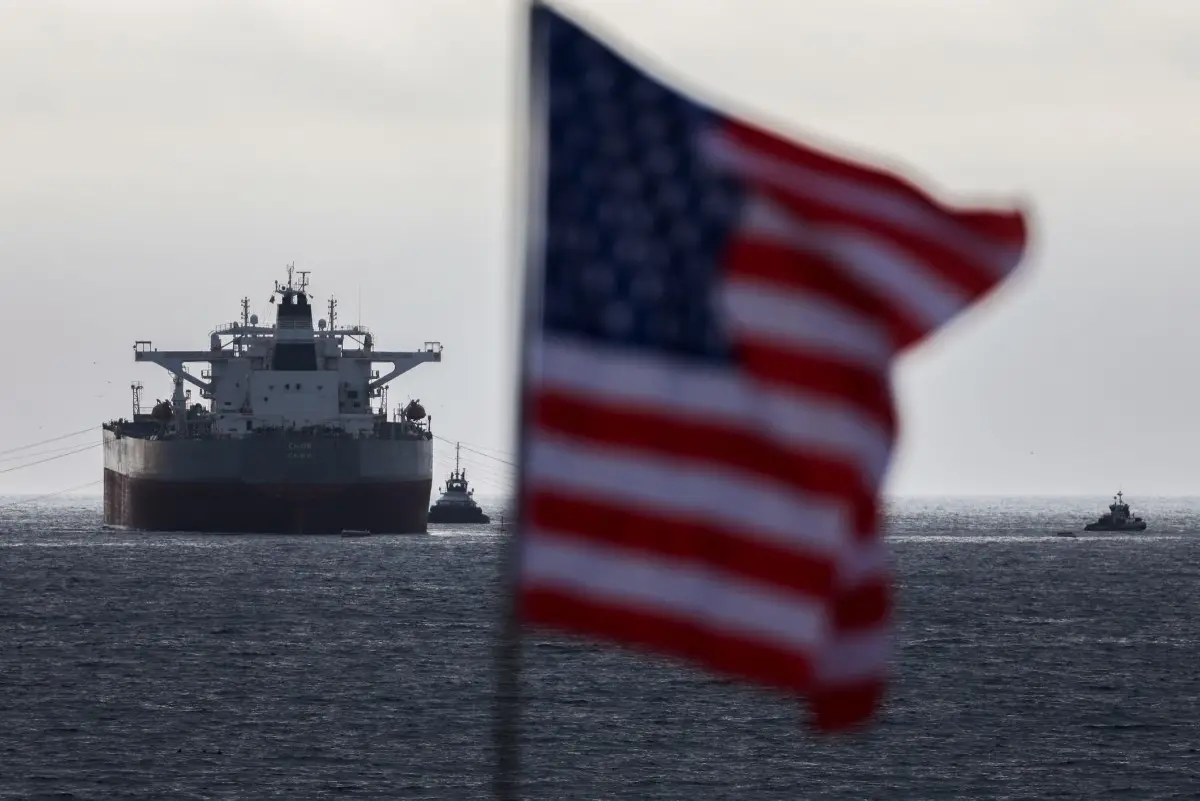
The conflict has severely disrupted global energy markets and shipping routes. About 20 per cent of global oil flows through the Strait of Hormuz. Crude oil prices have surged, with analysts warning they could soon cross $100 per barrel.
Gas Up 30 Cents
American consumers are already feeling the financial pinch at home. Domestic petrol prices have spiked by more than 30 cents a gallon since the strikes began. A prolonged conflict will likely trigger higher inflation across the board.
Millions Daily For Fleets
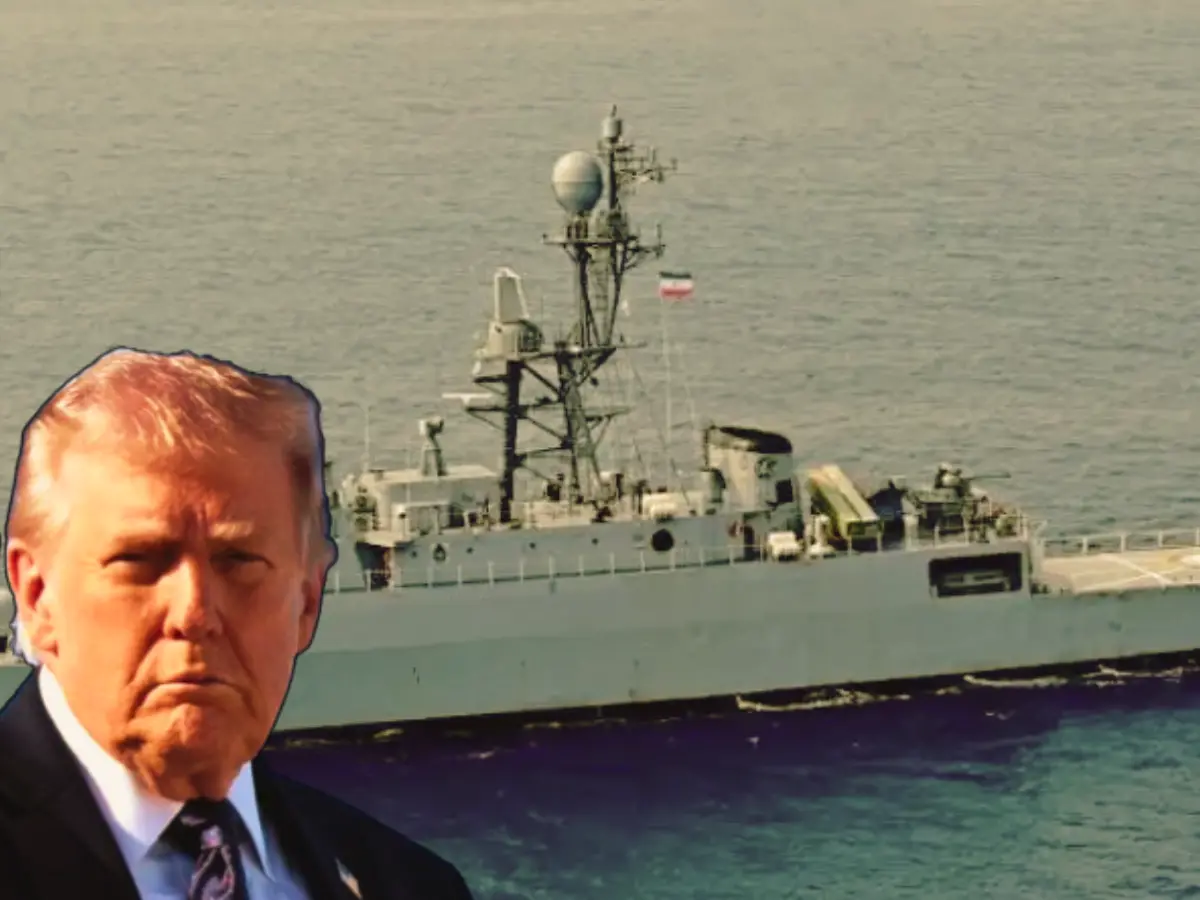
Maintaining a heavy naval presence in the region requires massive and continuous funding. Operating two carrier strike groups and related support ships costs tens of millions of dollars every day, even without active combat taking place.
)
)

)
)