How modern fighter jets use AI to control takeoff stability

Modern fighter jets use AI for takeoff stability because intentional instability designs require constant computer correction. Gripen E, X-62A, and X-BAT demonstrate fully autonomous flight operations with AI augmentation systems.
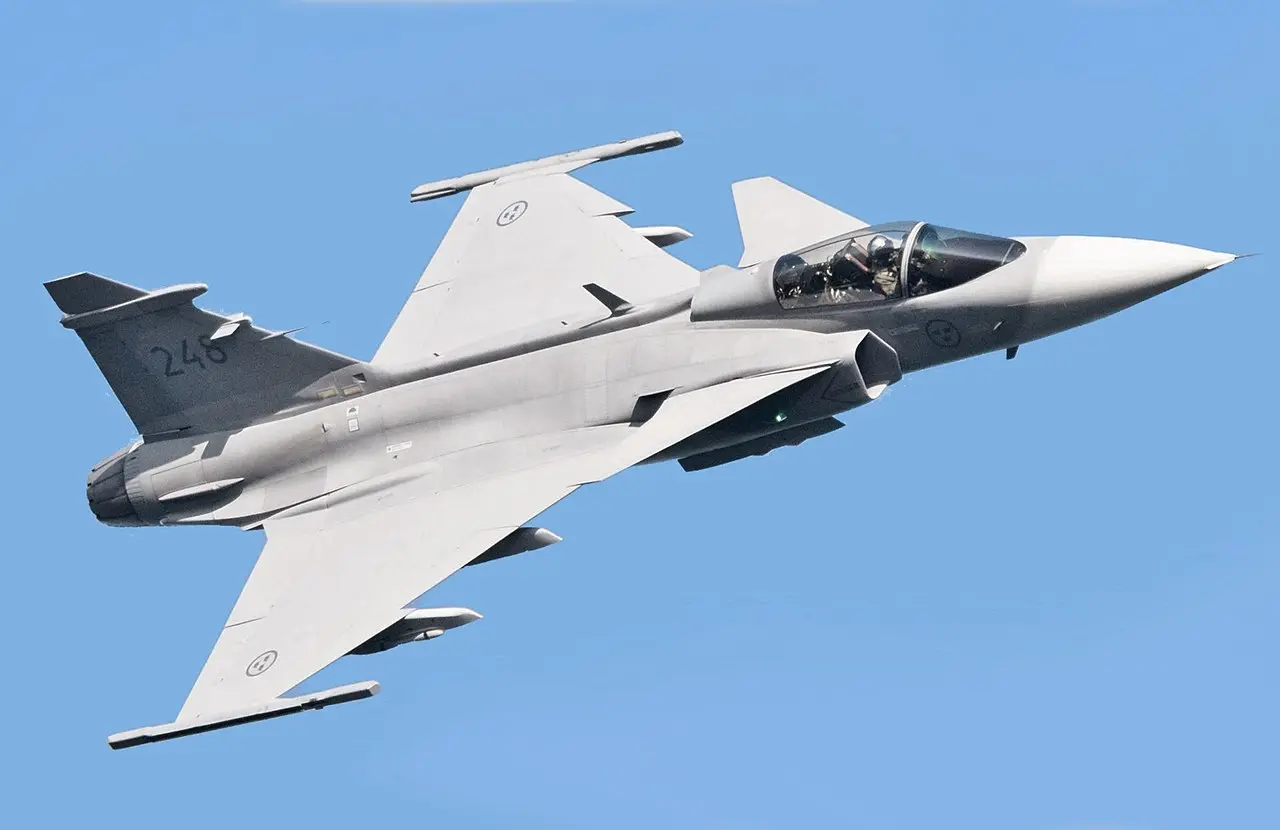
Intentional Instability Requires Constant Correction
Modern fighter jets deliberately use relaxed stability designs for better manoeuvrability. This means pilots cannot control the aircraft manually computers must make thousands of corrections per second to keep it stable.
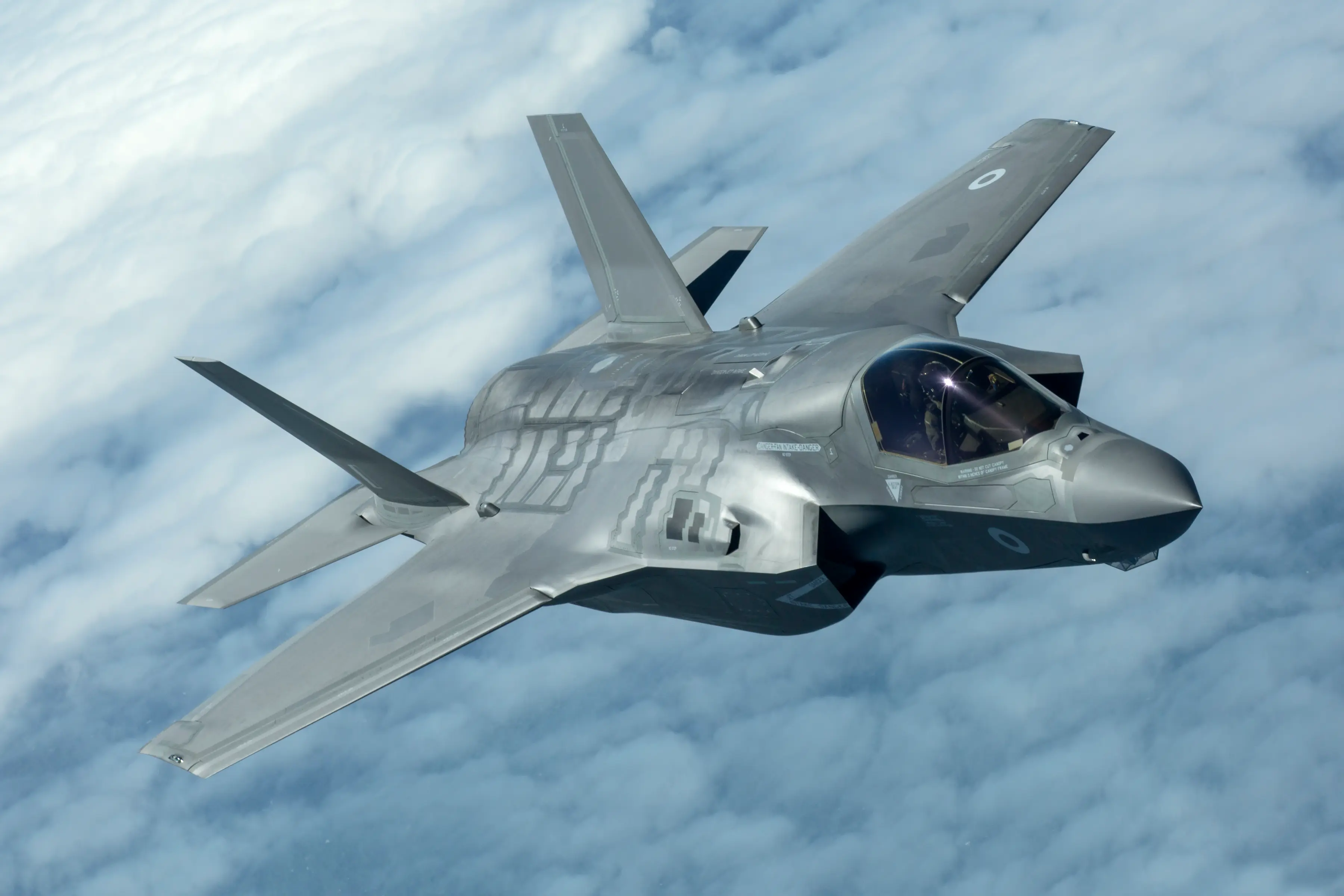
Stability Augmentation Systems Are Essential
Fly-by-wire systems with AI continuously evaluate aircraft state using GPS, airspeed sensors, and inertial measurement units, adjusting control surfaces millisecond by millisecond. Without this, takeoff becomes impossible.
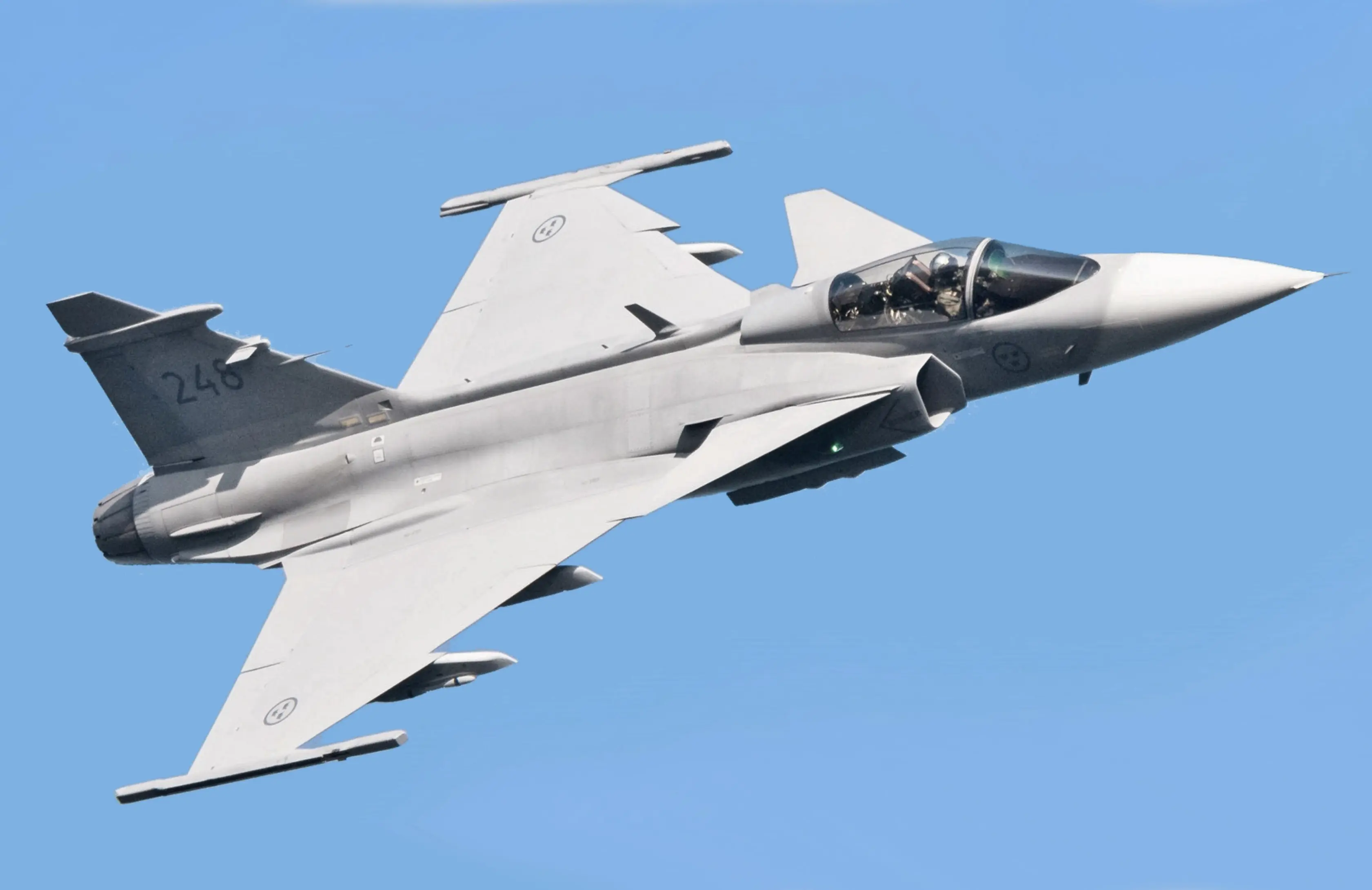
Gripen E's AI Integration - First Combat Flight
In May 2025, Saab's Gripen E completed its first flight with Helsing's "Centaur" AI agent integrated into the fighter. The AI software handled stabilisation during takeoff and landing without pilot intervention.
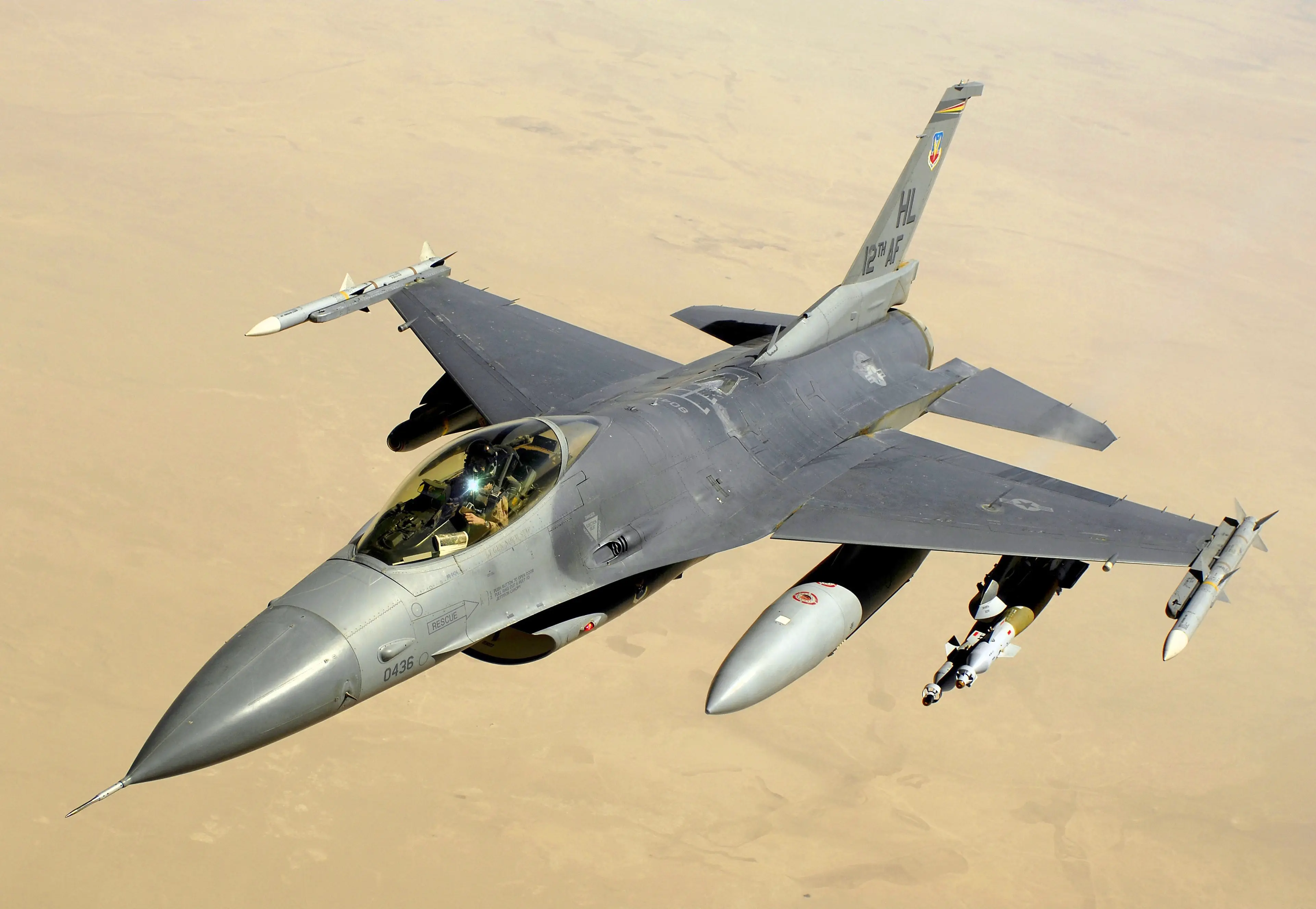
X-62A VISTA - Autonomous F-16 Dogfighting
The U.S. Air Force's X-62A modified F-16 flies itself autonomously using Hivemind software. It executed automatic takeoffs, landings, and even dogfights without human pilot input in 2024 trials.
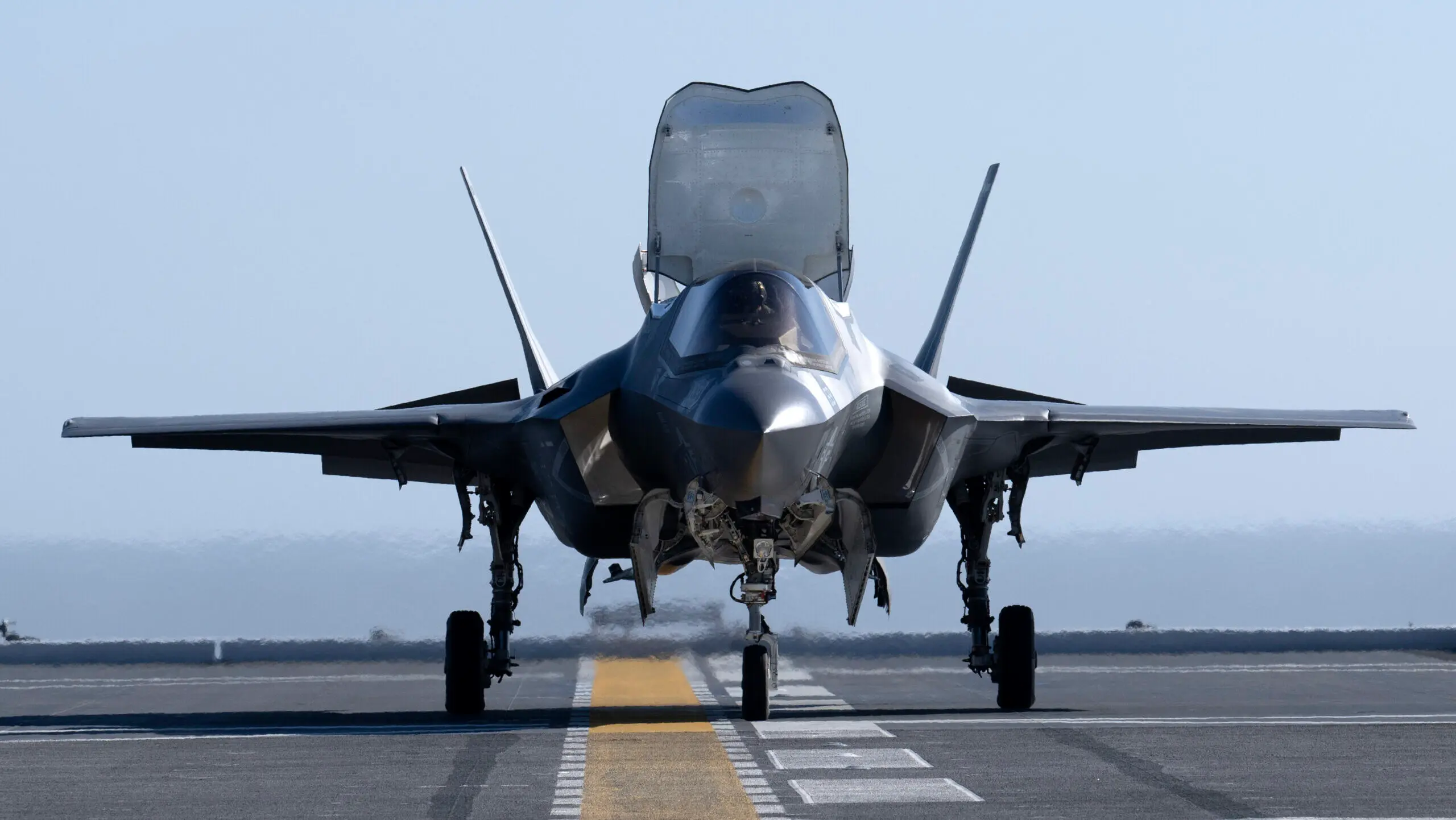
Shield AI's X-BAT - VTOL Autonomous Fighter
Shield AI unveiled the X-BAT in October 2025, an AI-piloted VTOL fighter reaching 50,000 feet with a 2,000-nautical-mile range. The aircraft uses Hivemind autonomous core for stabilisation and control.
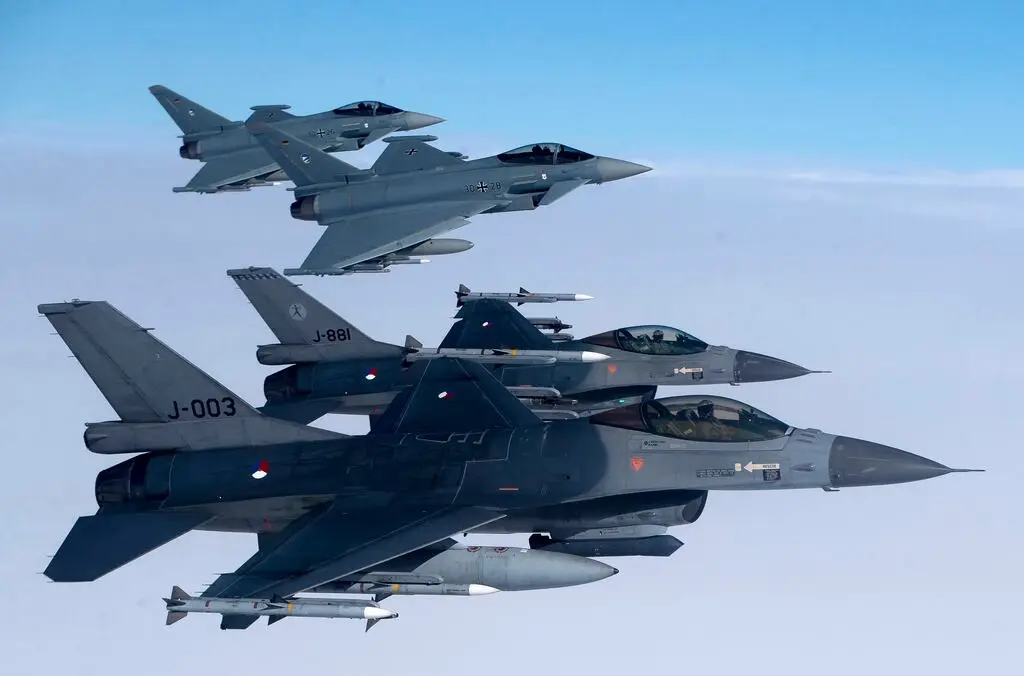
Autopilot Reduces Human Error During Critical Phases
AI autopilot systems handle takeoff and landing the most accident-prone phases of flight. AI responds in milliseconds compared to human reaction times of 300+ milliseconds.
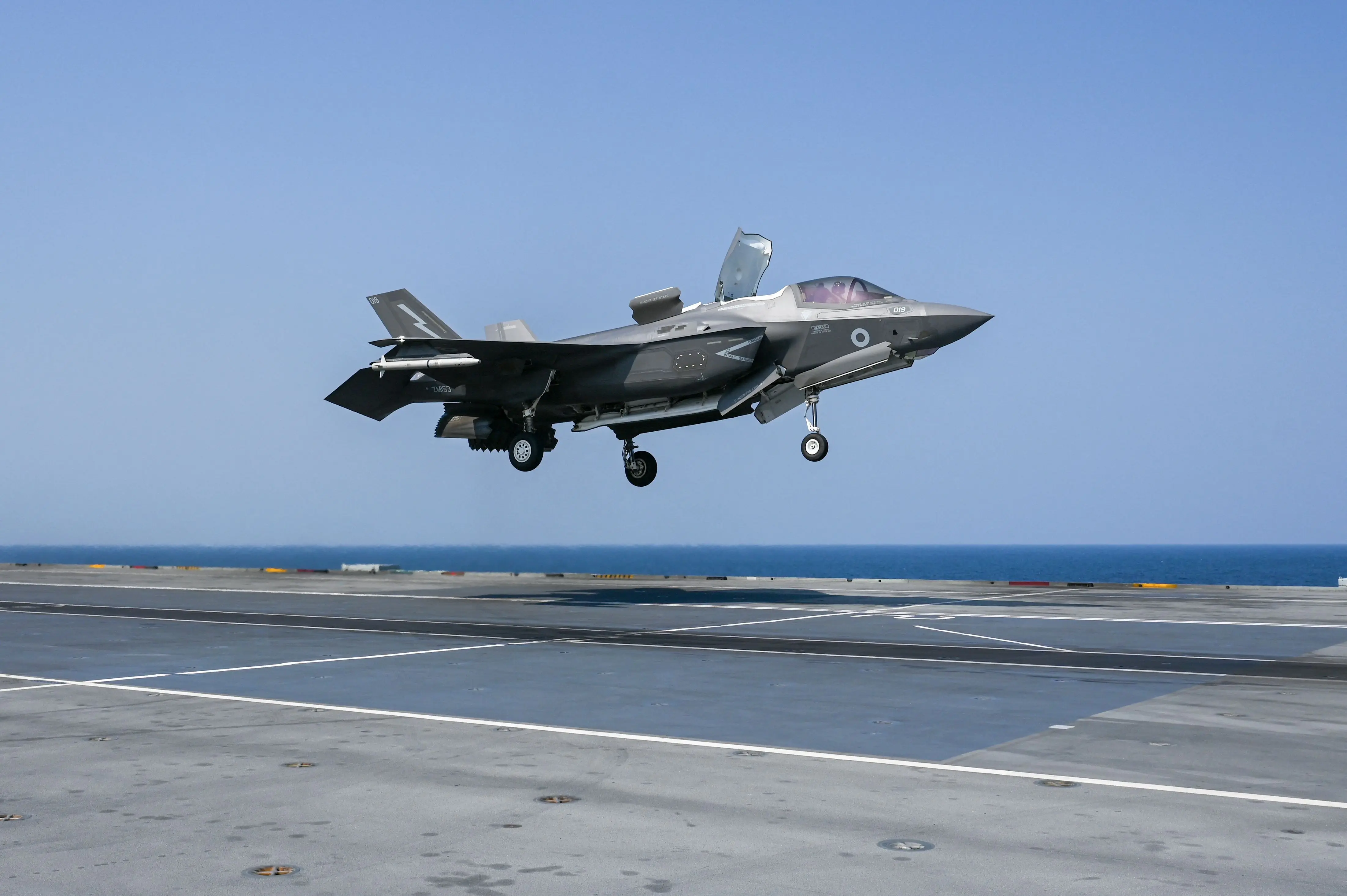
Real-Time Environmental Adaptation
AI systems combine weather, terrain, and traffic data to predict turbulence and adjust flight paths automatically. This reduces pilot workload and improves safety during challenging weather takeoffs.
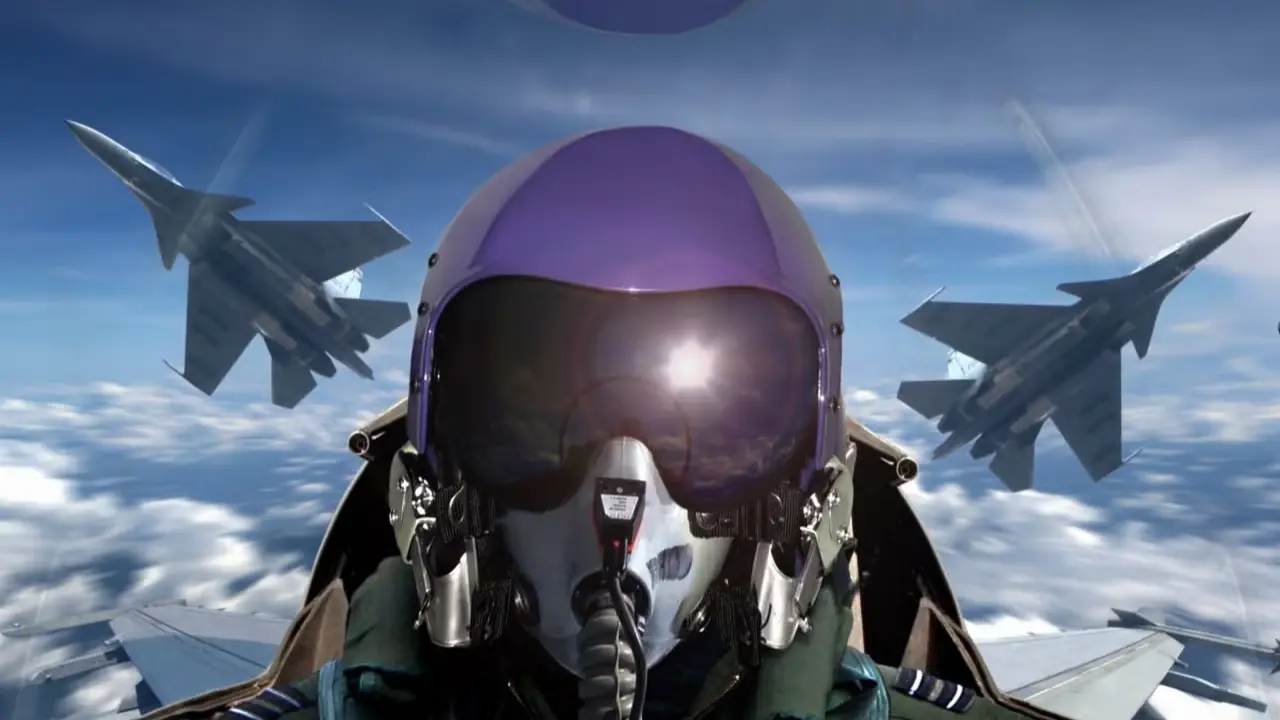
Relaxed Stability Advantages - Faster Response
Less stable aircraft respond faster to control inputs, requiring smaller deflections and reduced drag. This increases speed and agility, giving fighters tactical advantage in combat.
Computer Vision for Autonomous Landing
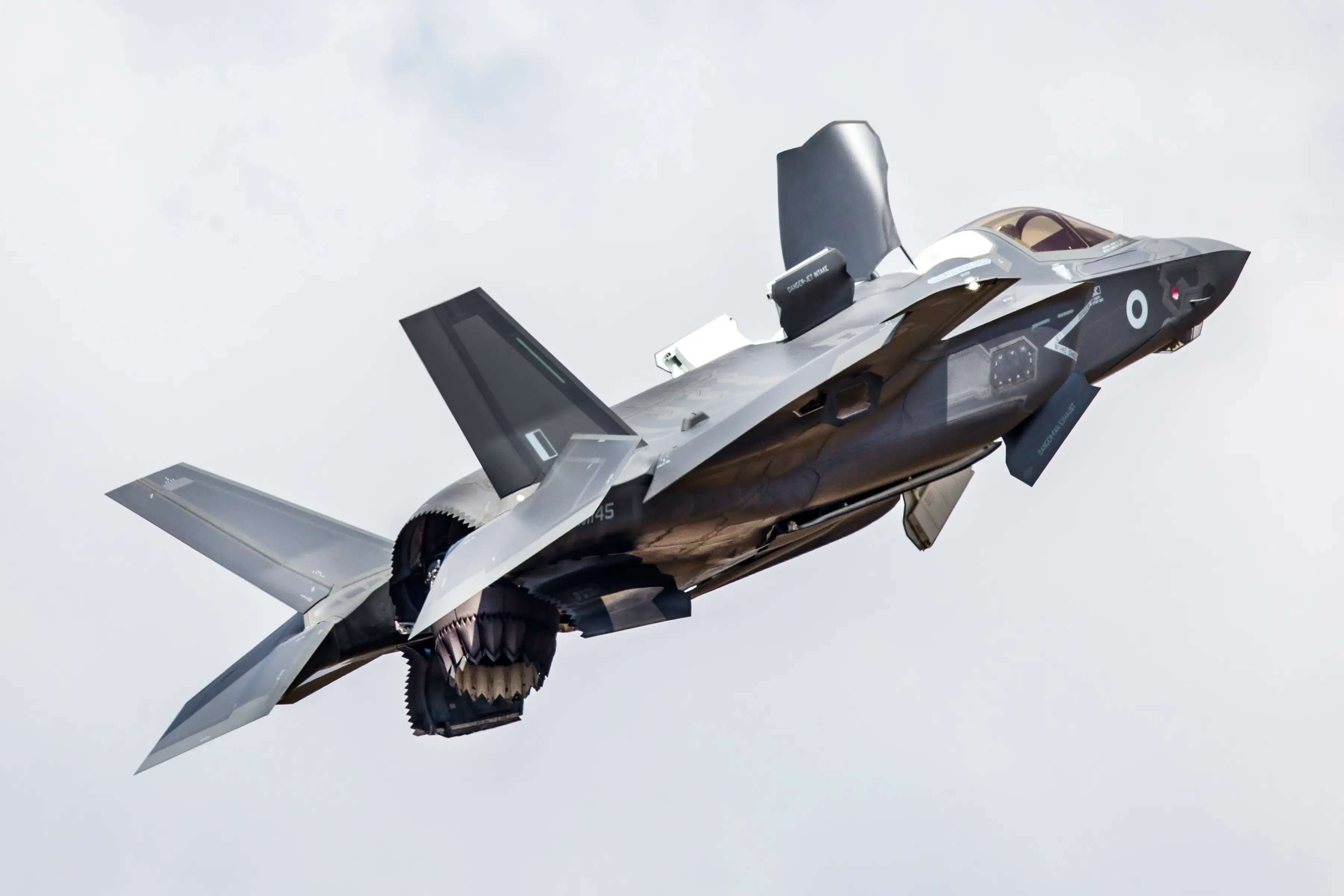
AI uses camera systems to identify runways, obstacles, and visual cues for precision landing guidance. Computer vision eliminates pilot dependence on traditional navigation aids.
Multi-Agent Swarm Coordination
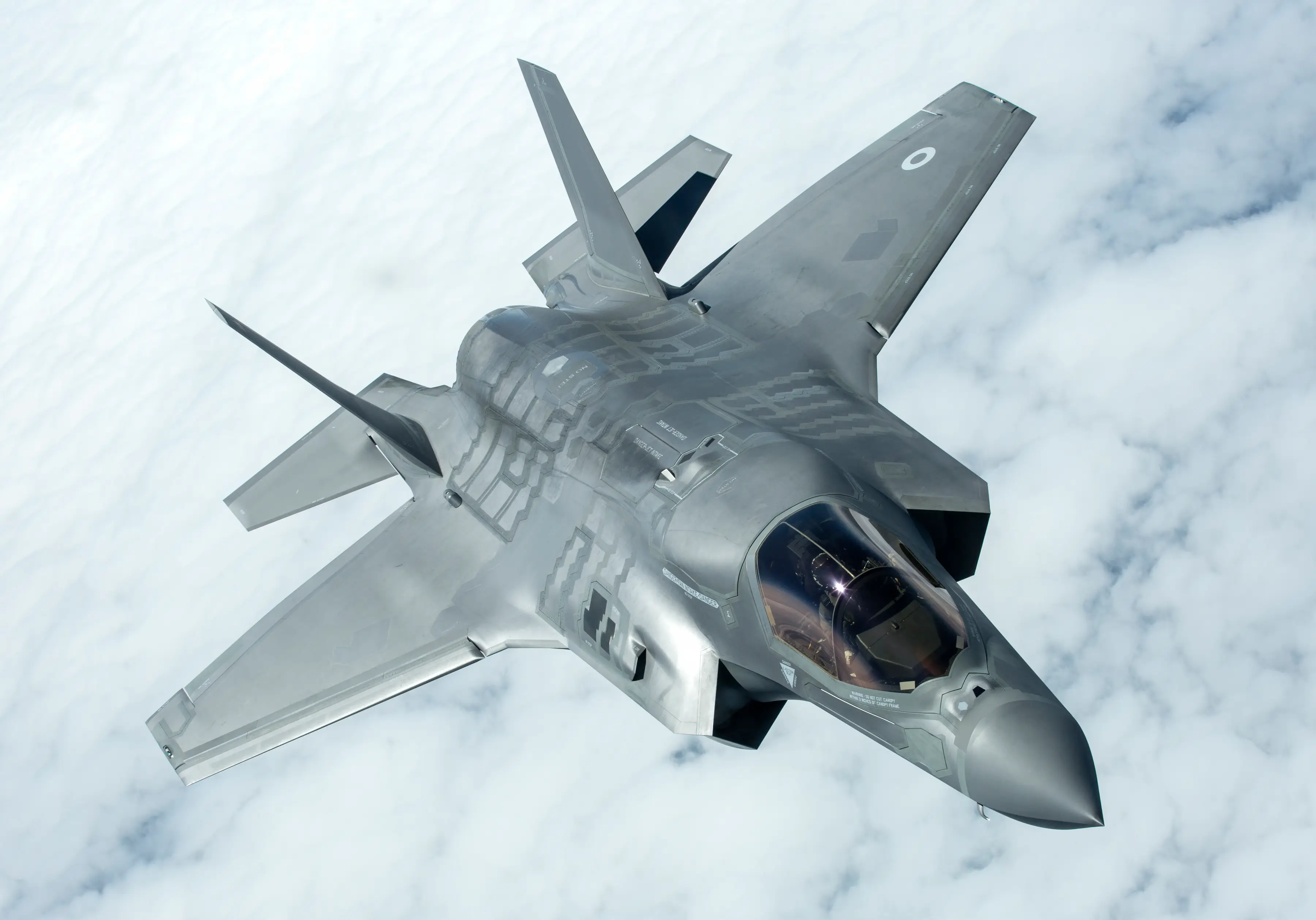
AI-controlled fighters can operate in autonomous swarms, executing complex coordinated takeoffs and formation manoeuvres without pilot-to-pilot communication or ground control stations.
)
)
)
)
)