How many wars has US fought in the middle east since 2000? A look at the 7 major conflicts

Driven primarily by the Global War on Terror following the attacks of 11 September 2001, these engagements have ranged from full-scale invasions to targeted kinetic strikes.
Two decades of sustained engagement
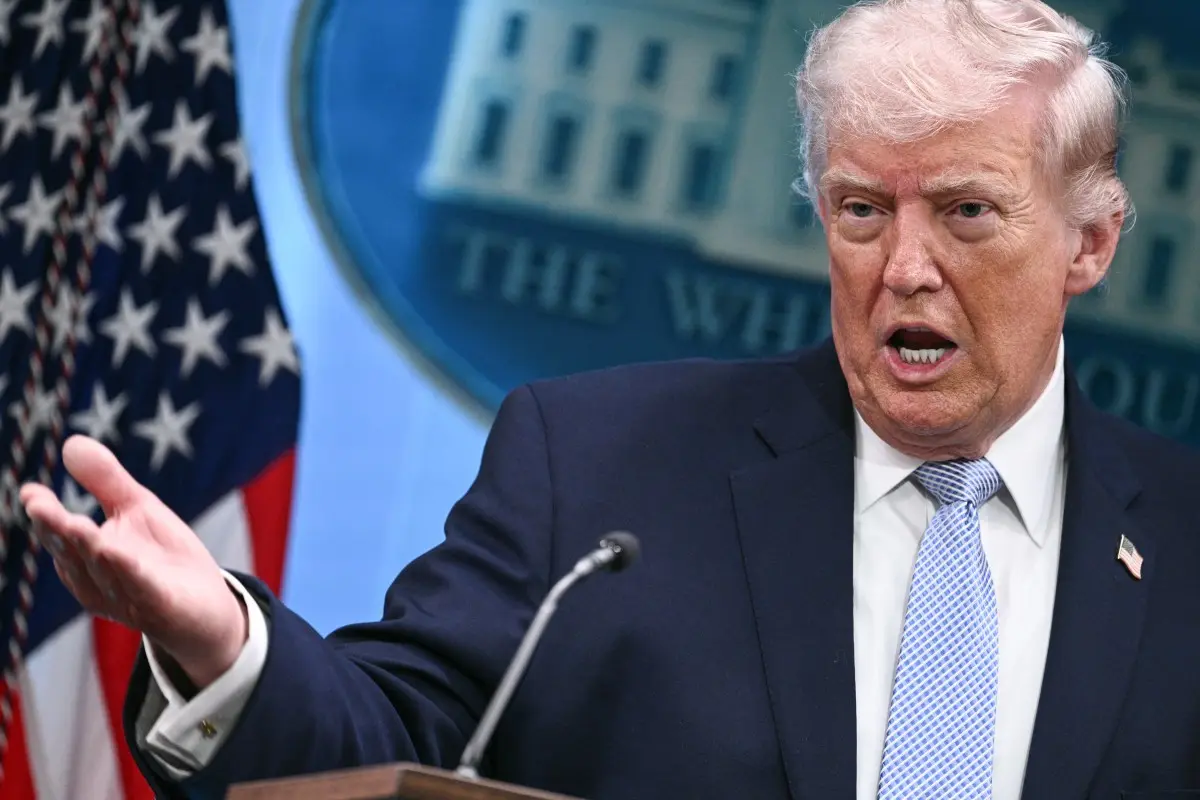
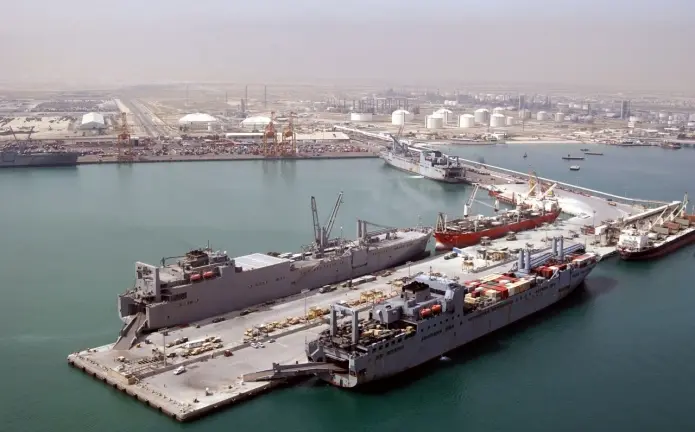
Since the dawn of the 21st century, the United States has maintained a persistent and complex military presence across the Middle East and surrounding regions. Driven primarily by the Global War on Terror following the attacks of 11 September 2001, these engagements have ranged from full-scale invasions to targeted kinetic strikes. According to the Naval History and Heritage Command, American maritime and ground superiority has been "the first line of defence" in a region where geopolitical stability is frequently contested.
Operation Enduring Freedom: Afghanistan (2001–2021)
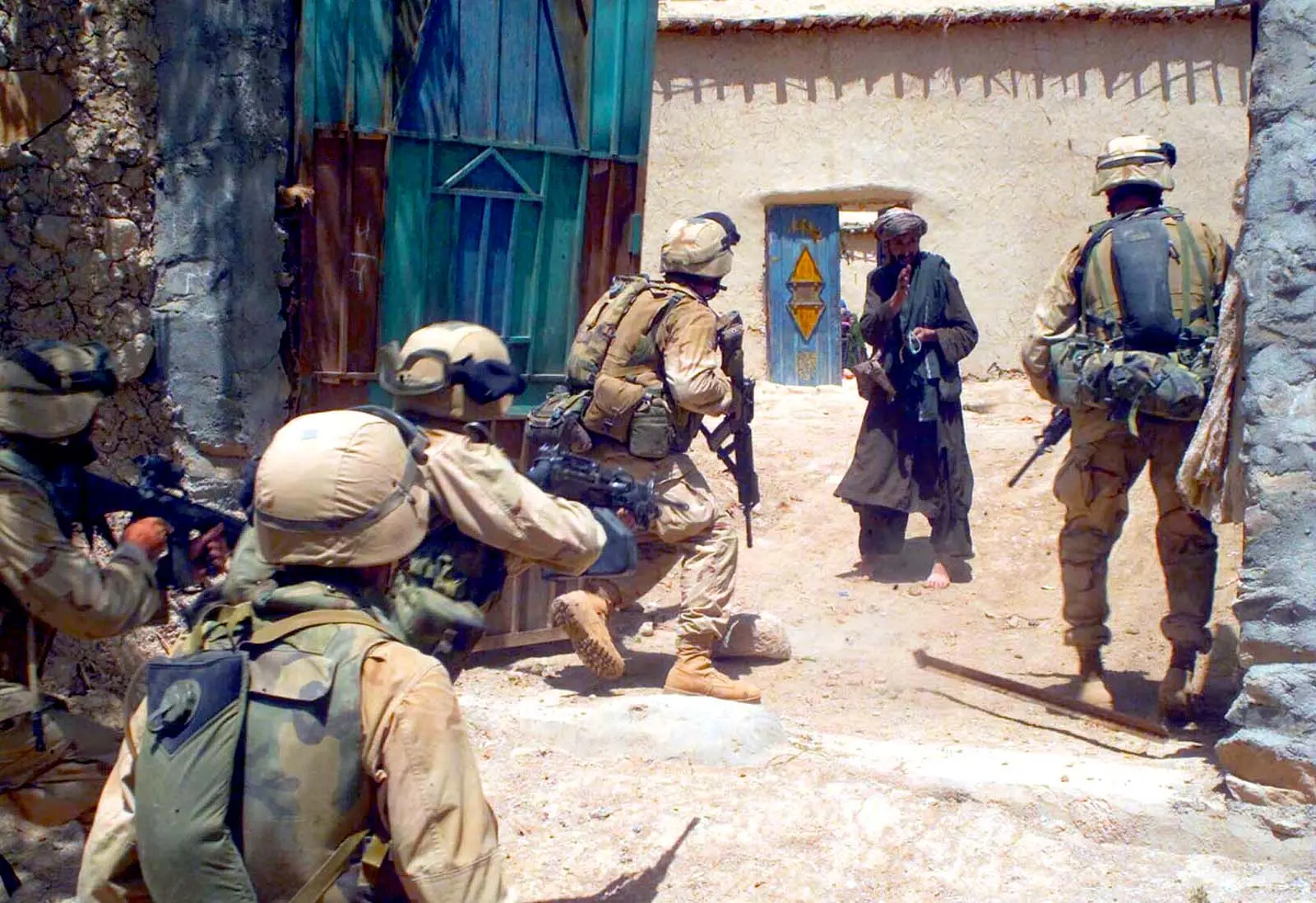
Launched on October 2001, this conflict was the direct response to the September 11 attacks that killed nearly 3,000 people. The primary objective was to "destroy al-Qaeda, the Taliban, and other terrorist groups," as stated by the Defense Casualty Analysis System. While Afghanistan is technically in South Asia, it is centrally linked to Middle Eastern security dynamics. On May 2, 2011, US Navy SEALs carried out Operation Neptune Spear, a raid on Osama bin Laden’s compound in Abbottabad, Pakistan, killing the al-Qaeda leader behind the September 11 attacks. The war became the longest in American history, involving a decade of widespread insurgency before the final withdrawal in August 2021.
Operation Iraqi Freedom and New Dawn (2003–2011)
The 2003 invasion of Iraq was initiated to "remove Saddam Hussein from power to forestall threats from his presumed possession of weapons of mass destruction." Combat operations officially transitioned to Operation New Dawn on September 1, 2010, focusing on "advising and assisting Iraqi security forces." This engagement concluded on December 18, 2011, though it fundamentally altered the sectarian landscape of the region, leading to years of subsequent instability.
Military Intervention in Libya (2011)
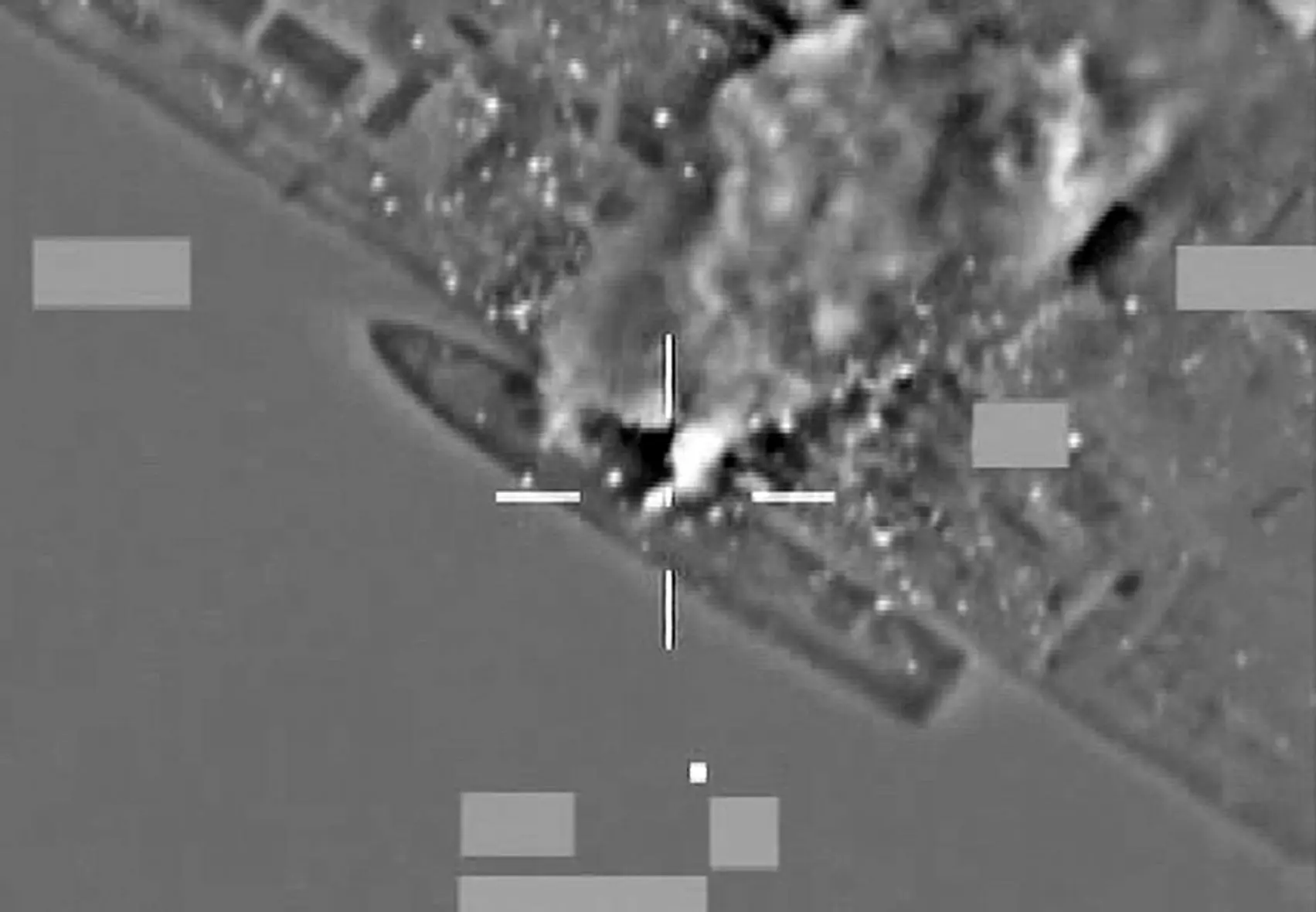
Although geographically located in North Africa rather than the Middle East, Libya forms part of the Maghreb region along the Mediterranean and became a significant theatre of US-led military intervention. Under Operation Unified Protector, a US-led NATO coalition intervened in Libya to enforce UN Security Council Resolution 1973 after the Qadhafi regime targeted civilians in early 2011. Beginning in March, allied forces imposed an arms embargo, enforced a no-fly zone and carried out strikes to protect civilian areas. On 19 March alone, US and British forces launched over 110 Tomahawk cruise missiles to establish control of Libyan airspace. The operation concluded in October 2011 following the fall of Muammar Qadhafi, though it left a prolonged power vacuum in the country.
Operation Inherent Resolve: Syria and Iraq (2014-2025)
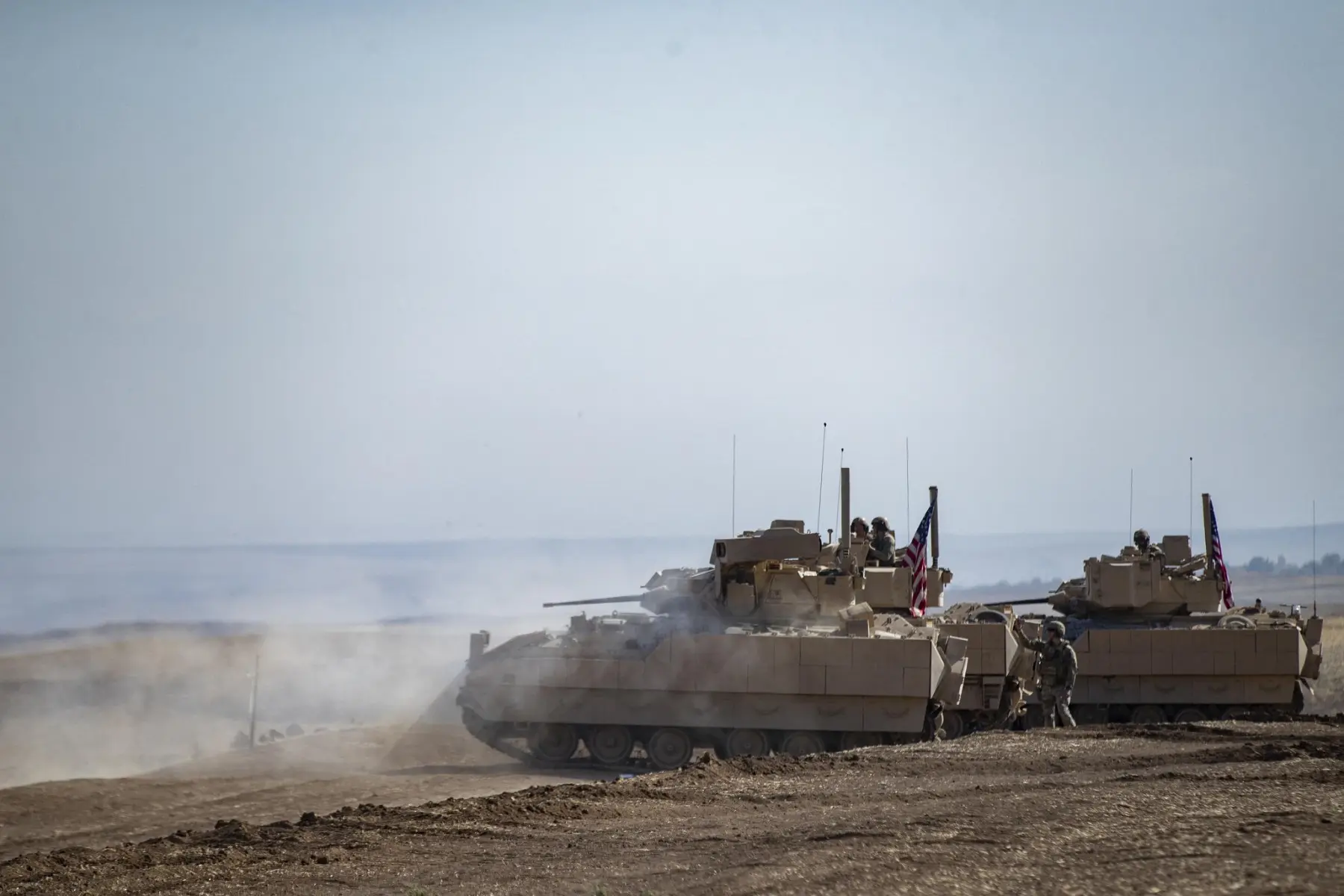
According to the US military’s official website: ‘After US forces withdrew from Iraq, the Islamic State of Iraq and Syria (ISIS) invaded areas of Syria and Iraq, causing widespread causalities, destruction of the country’s infrastructure, and barbaric practices against citizens.’ In September 2014, the US officially intervened in the Syrian Civil War with the aim of "fighting the Islamic State (ISIS) militant organization." This conflict involved a coalition of multiple nations and resulted in the decisive defeat of the ISIS "caliphate" in 2019. American forces maintained a presence in Syria for over a decade to counter Iranian influence and prevent a resurgence of extremism, with the final troops evacuating in April 2026.
Counterterrorism Operations in Yemen (2002–Present)
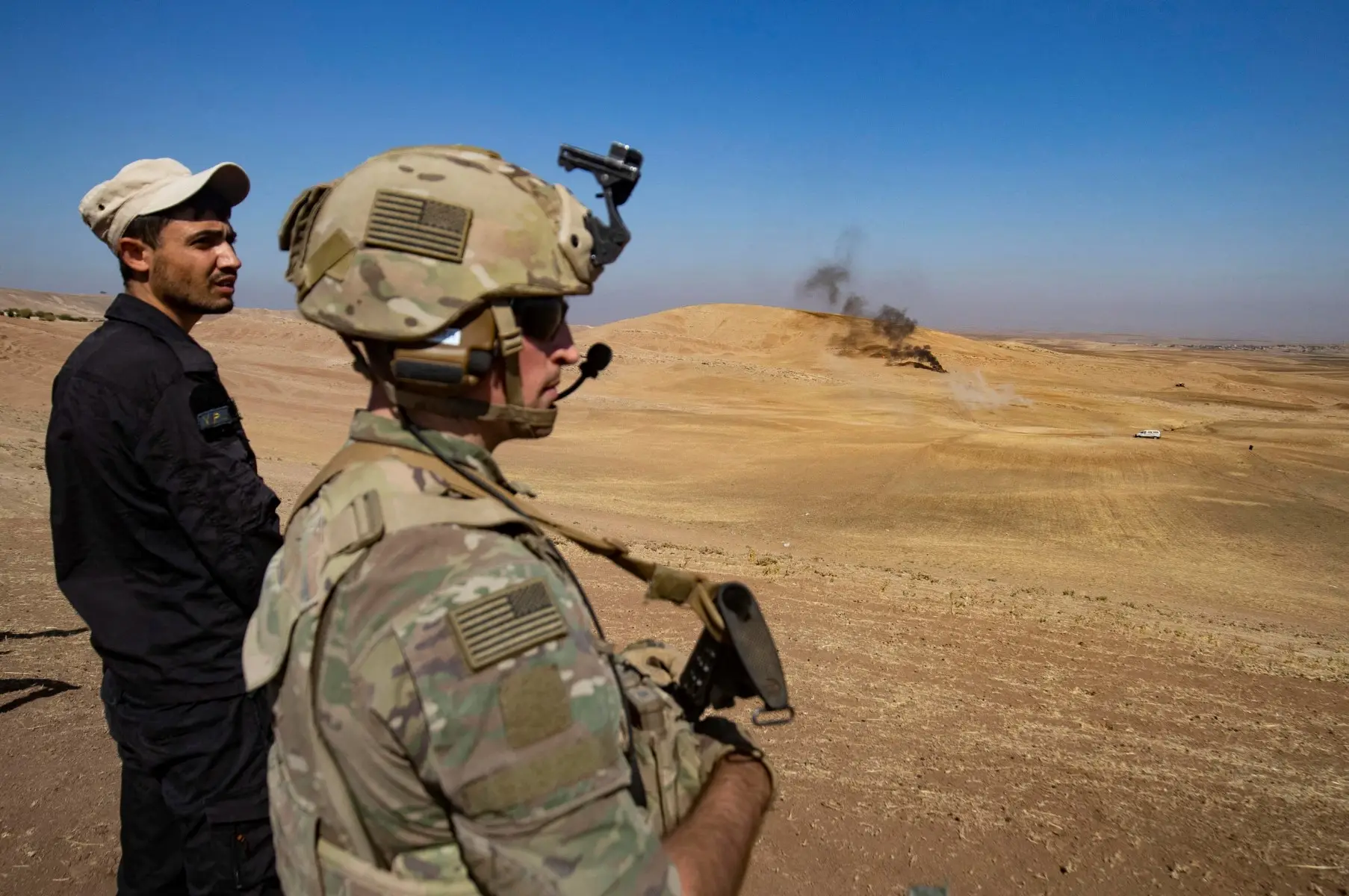
Since the early 2000s, the US has conducted a sustained campaign of drone strikes and special operations in Yemen against al-Qaeda in the Arabian Peninsula (AQAP). While not a traditional ground war, the conflict involves significant intelligence and kinetic support. In 2024, the US has engaged in direct military strikes against Houthi rebels to protect international shipping lanes in the Red Sea.
Operation Midnight Hammer (2025)
In June 2025, the Trump administration authorised an air strike on Iran’s nuclear facilities, marking a significant escalation and one of the rare instances in decades of direct US strikes inside Iranian territory beyond proxy conflicts. The 12 day operation, known as Operation Midnight Hammer, involved B-2 bombers deploying bunker-buster munitions to target key nuclear sites, with the objective of degrading Iran’s nuclear enrichment capabilities.
Operation Epic fury (2026)
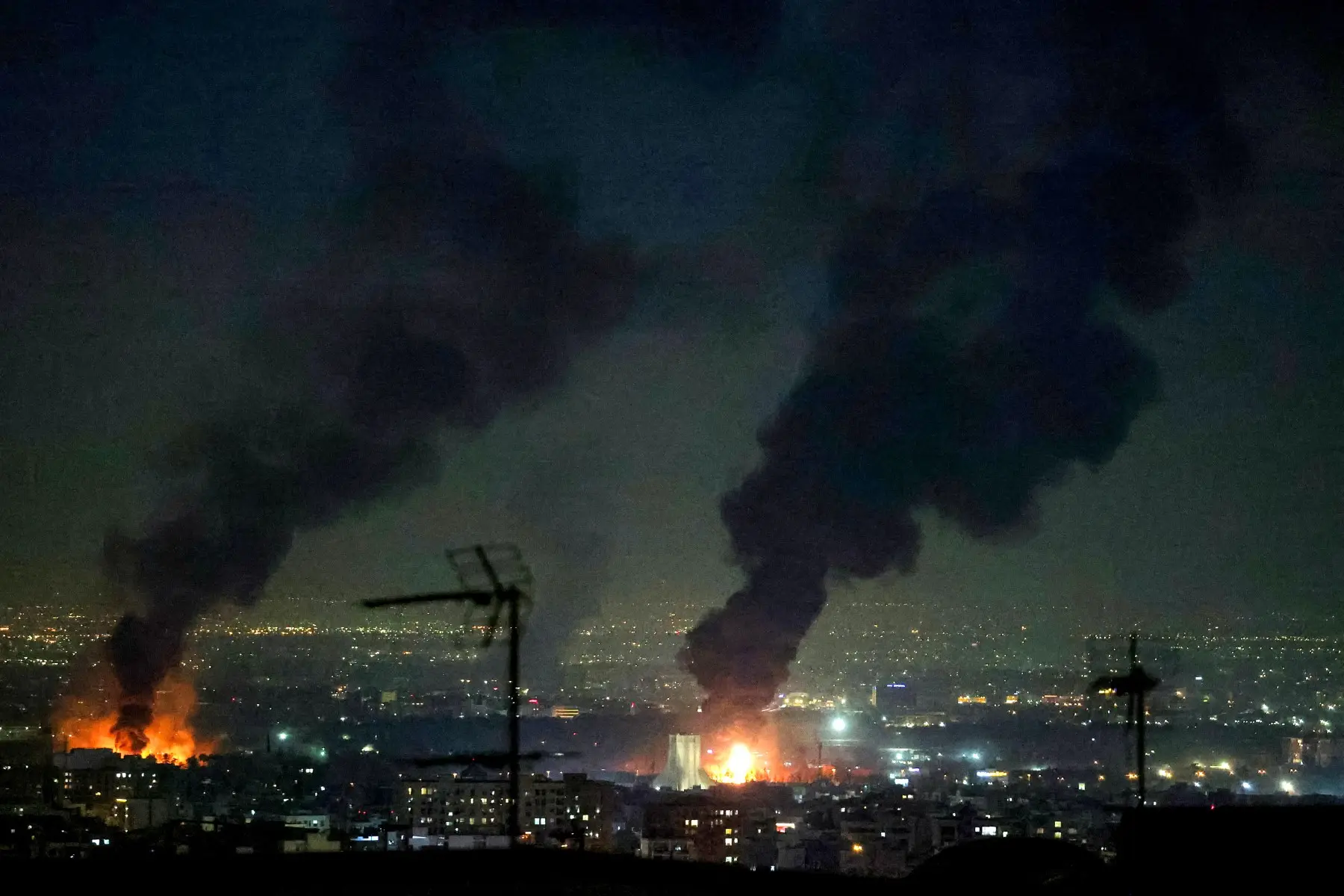
Following weeks of military build-up and rising tensions, the United States and Israel launched coordinated strikes on Iranian military targets on February 28, 2026, marking a major escalation in the region. The stated aim was to curb Iran’s nuclear ambitions and weaken its military capabilities. Iran responded with retaliatory strikes on US positions and regional infrastructure, while allied groups such as Hezbollah in Lebanon and Houthi forces in Yemen intensified attacks on Israel, widening the conflict. In response to which, Israel targeted Hezbollah terror networks and infrastructures in Lebanon. The escalation followed a shorter clash in June 2025, often referred to as the “Twelve-Day War”. The crisis resulted in Iran closing the Strait of Hormuz, raising concerns over oil supplies and food security. A temporary two-week ceasefire was announced on April 2026, however, it shifted into a tense naval blockade. After the Islamabad talks failed on 12 April, the US blocked Iranian ports. Tensions and military deployments remain high as Iran declared on Friday that the Strait of Hormuz is 100 per cent operational for all commercial vessels again.
)
)
)
)
)