How many wars has the B-52 bomber fought in?

The Boeing B-52 Stratofortress has fought in six major conflicts, including Vietnam, the Gulf War, Kosovo, Afghanistan, Iraq, and the fight against ISIS. Armed with a massive payload, it remains the most combat-proven bomber in US military history.
The Vietnam Debut
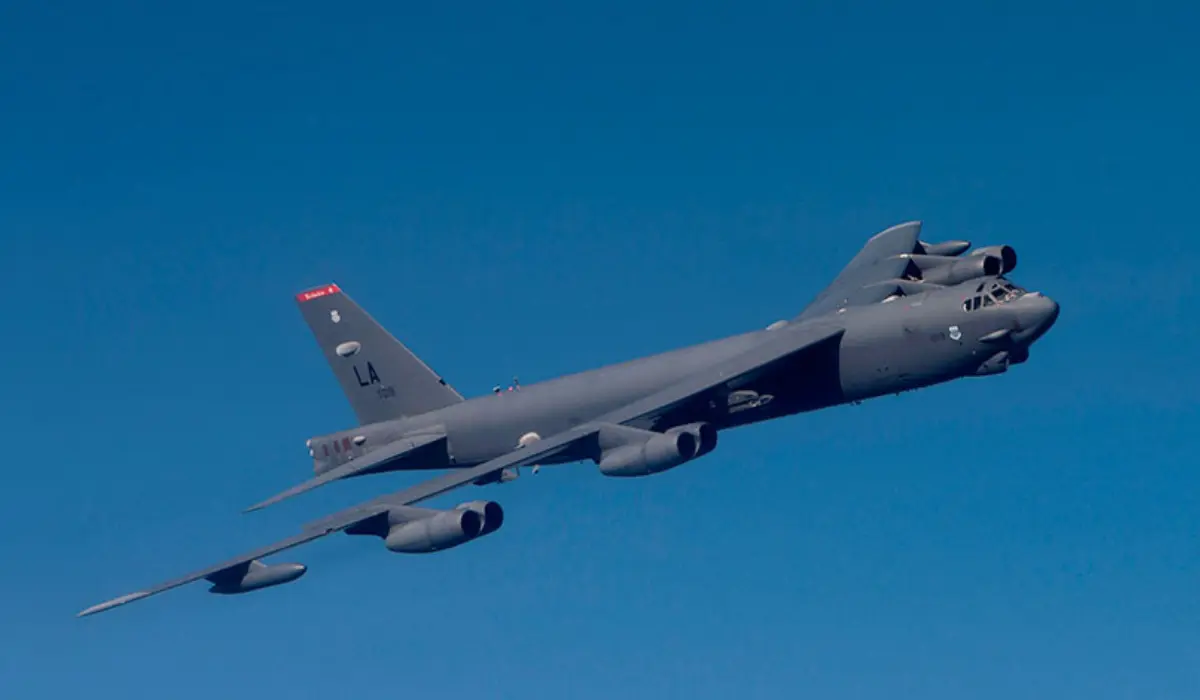
The Boeing B-52 Stratofortress first saw active combat during the Vietnam War under Operation Arc Light in 1965. Modified to carry an immense conventional payload, the massive bombers executed devastating high-altitude strikes against enemy supply lines.
Desert Storm Dominance
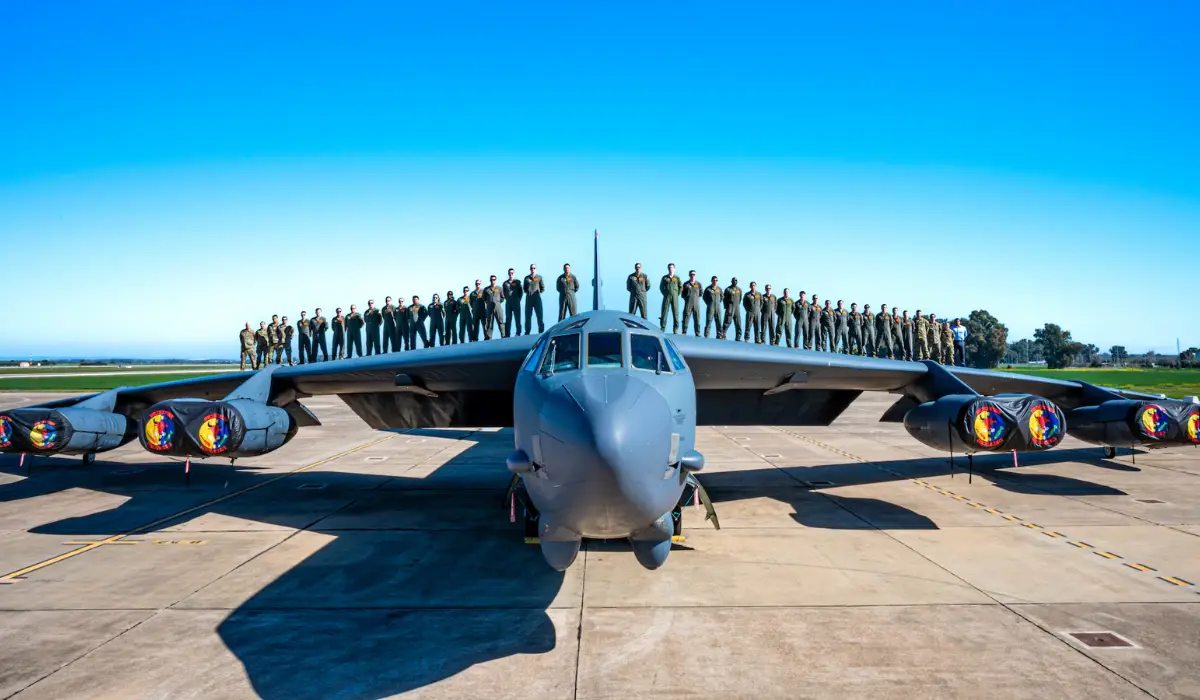
During the 1991 Gulf War, the B-52 fleet delivered 40 per cent of all weapons dropped by coalition forces. Seven bombers also executed Operation Secret Squirrel, flying a record-breaking 35-hour, 14,000-mile round trip from Louisiana to launch cruise missiles at Iraqi targets.
Striking Yugoslavia
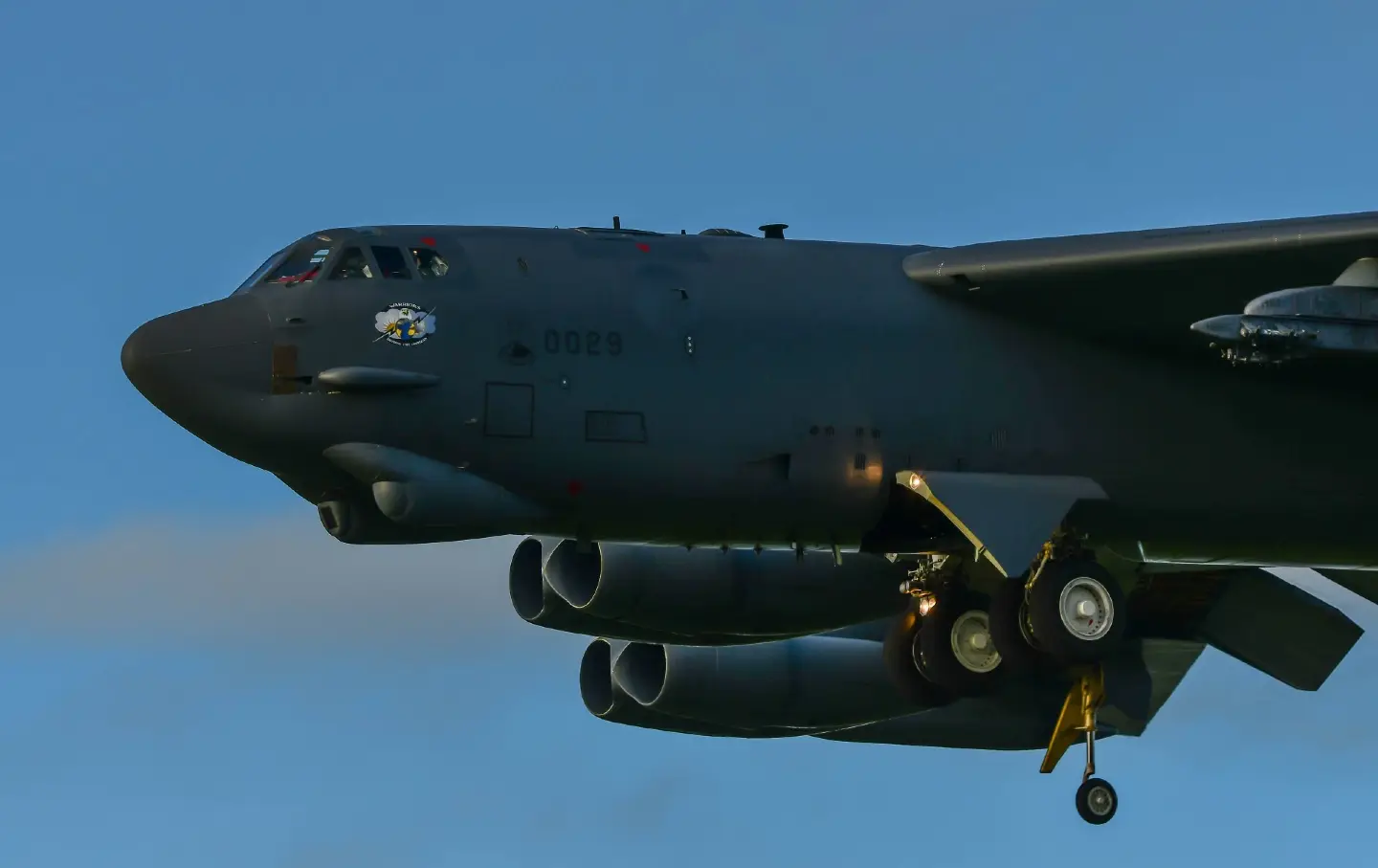
In 1999, the B-52 returned to combat during the NATO bombing of Yugoslavia in Operation Allied Force. Operating from bases in the UK, the heavy bombers launched conventional cruise missiles to cripple Serbian military infrastructure and air defences.
Decades over Afghanistan
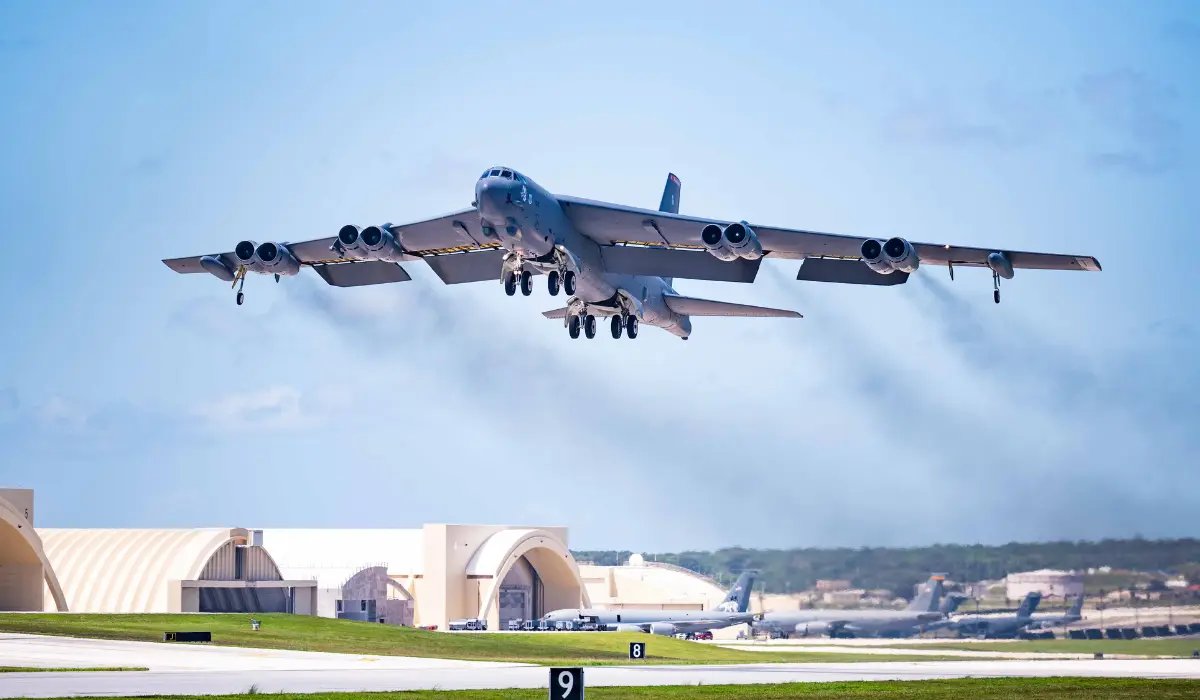
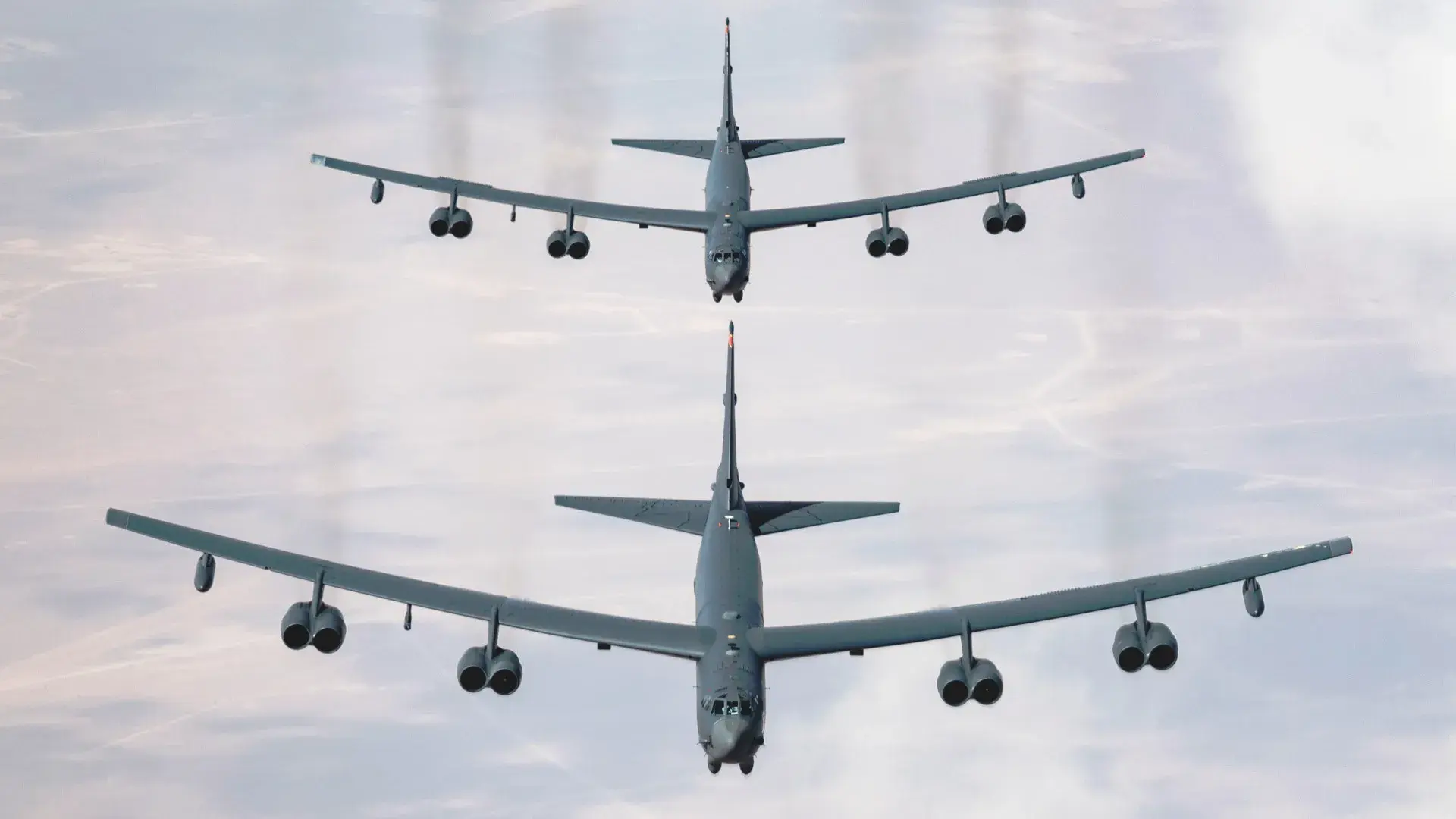
Following the 9/11 attacks, B-52s rapidly deployed over Afghanistan during Operation Enduring Freedom in 2001. Using advanced targeting pods, they dropped precision-guided Joint Direct Attack Munitions (JDAMs) to eliminate Taliban frontlines and mountain bunker complexes.
The Return to Iraq
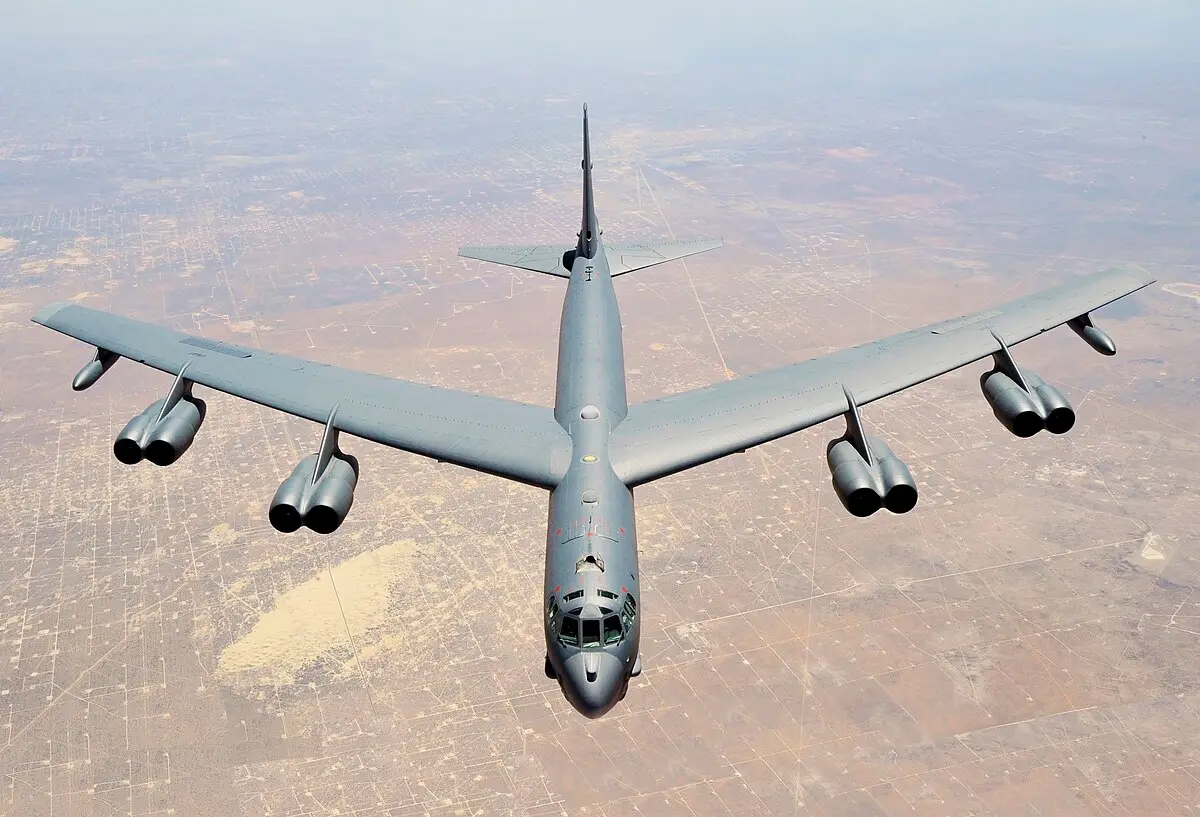
The heavy bombers returned to the Middle East in 2003 for Operation Iraqi Freedom, launching long-range standoff weapons on the first night of the conflict. B-52s flew thousands of sorties, dropping both unguided gravity bombs and precision munitions in close air support missions.
Crushing the Caliphate
In 2016, the B-52 deployed to Qatar to spearhead Operation Inherent Resolve against ISIS forces in Iraq and Syria. The USD 84 million aircraft executed relentless precision strikes, destroying militant command centres, weapon caches, and heavily fortified urban strongholds.
Ready for the Next Conflict
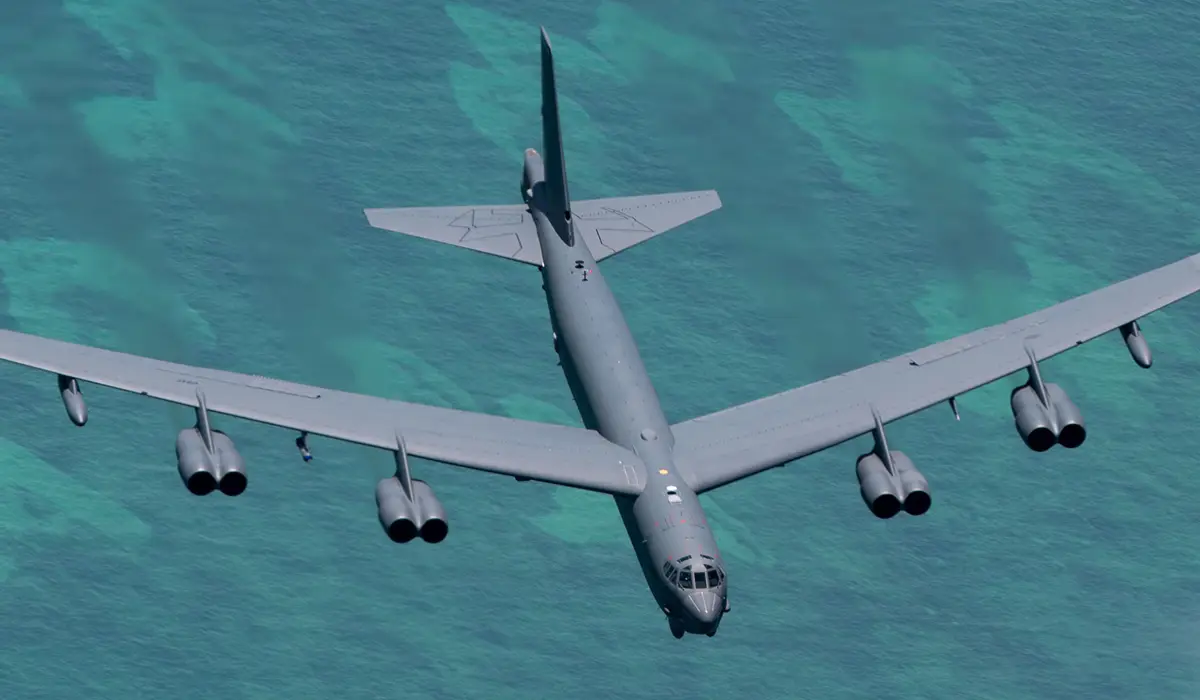
Having fought in six major global conflicts over seven decades, the B-52 remains the most combat-proven bomber in history. With the upcoming USD 48.6 billion B-52J modernisation programme, the US Air Force ensures this lethal platform will remain war-ready into the 2050s.
)
)
)
)
)