How many upgrades has the B-52 bomber received since its first flight?

Since its 1952 maiden flight, the B-52 has received continuous major upgrades across eight variants. Key modifications include the Big Belly upgrade, CONECT rewiring, AESA radar, and the upcoming B-52J Rolls-Royce engine swap.Untitled Summary
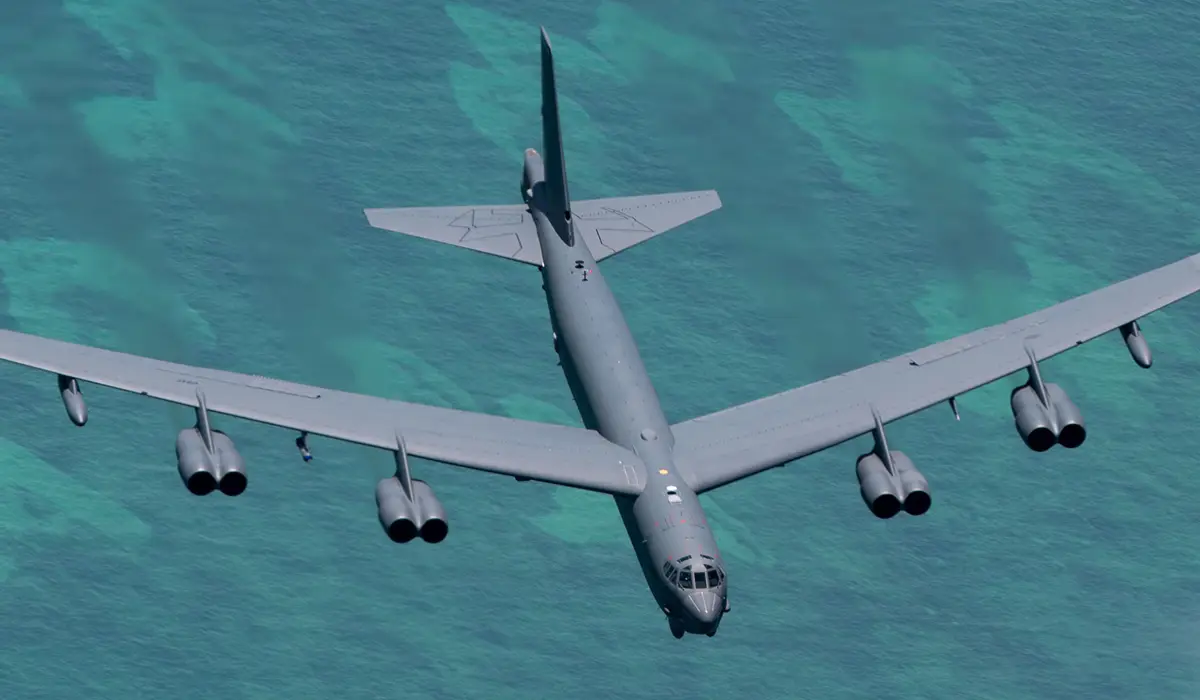
70 Years of Upgrades
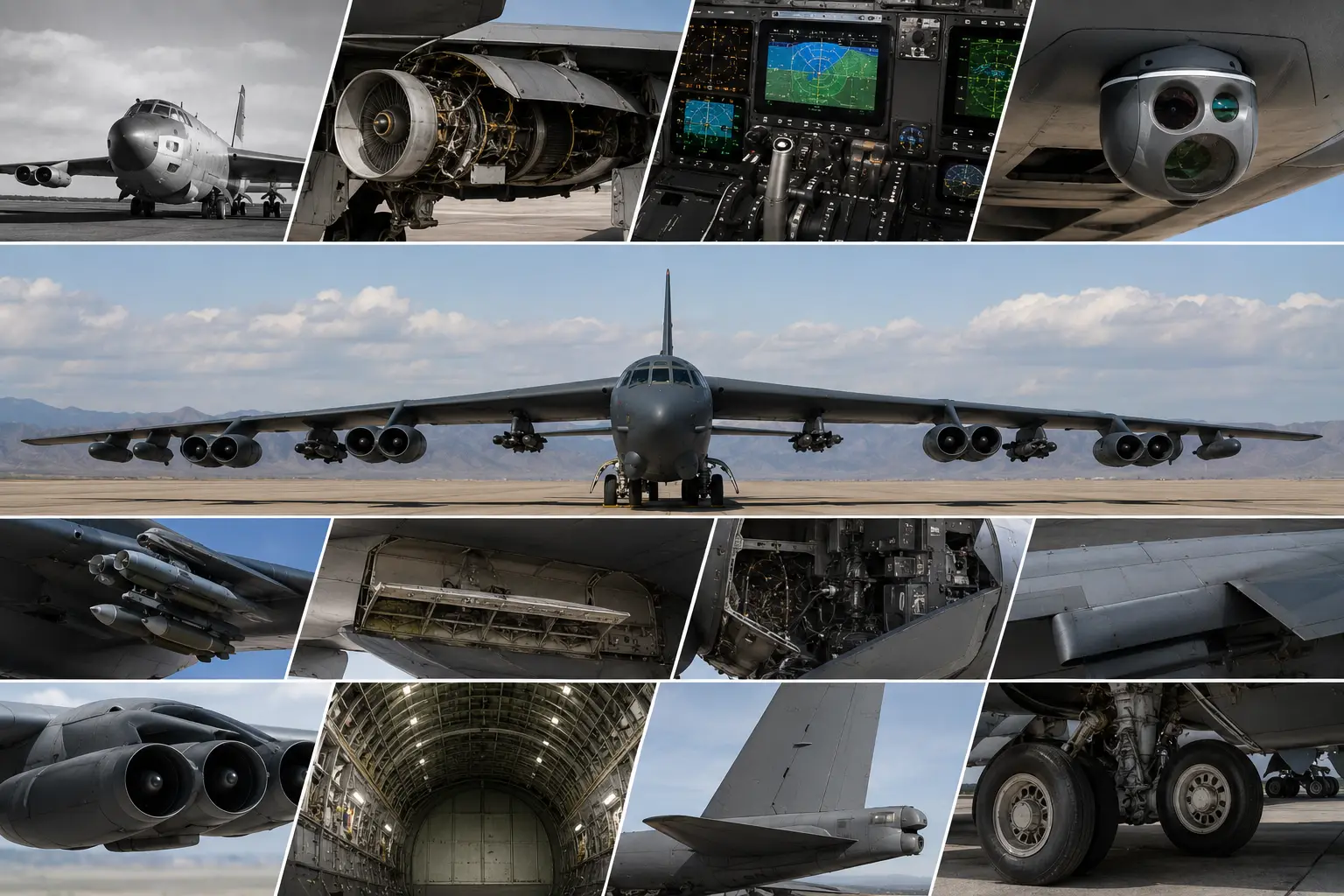
The Boeing B-52 Stratofortress has experienced continuous technological evolution since its maiden flight in April 1952. Rather than being retired, the US Air Force has systematically modified the airframe across eight major variants, from the initial B-52A to the current B-52H.
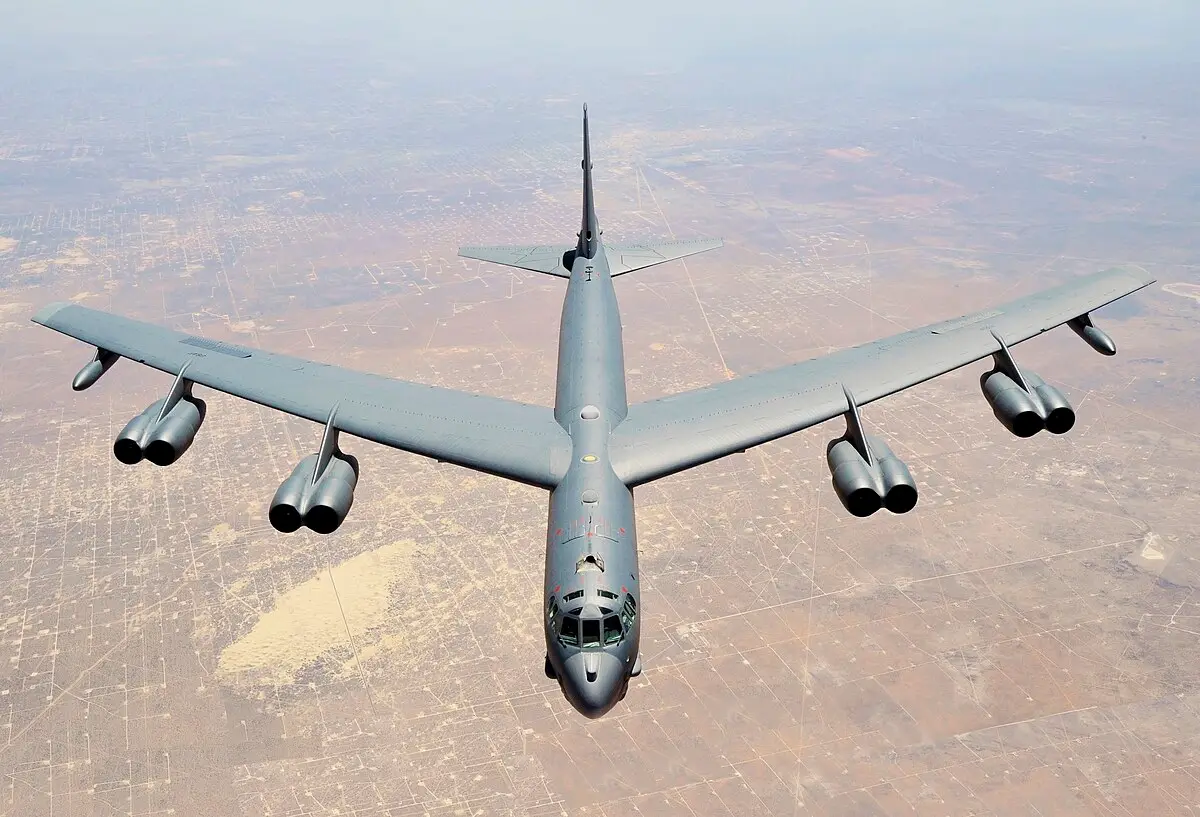
The Big Belly Modification
During the Vietnam War, the US military initiated the massive ‘Big Belly’ modification programme for its B-52D fleet. This crucial upgrade expanded the internal bomb bay capacity from 27 to 84 500-pound bombs, giving the aircraft a staggering 60,000-pound maximum bomb load.
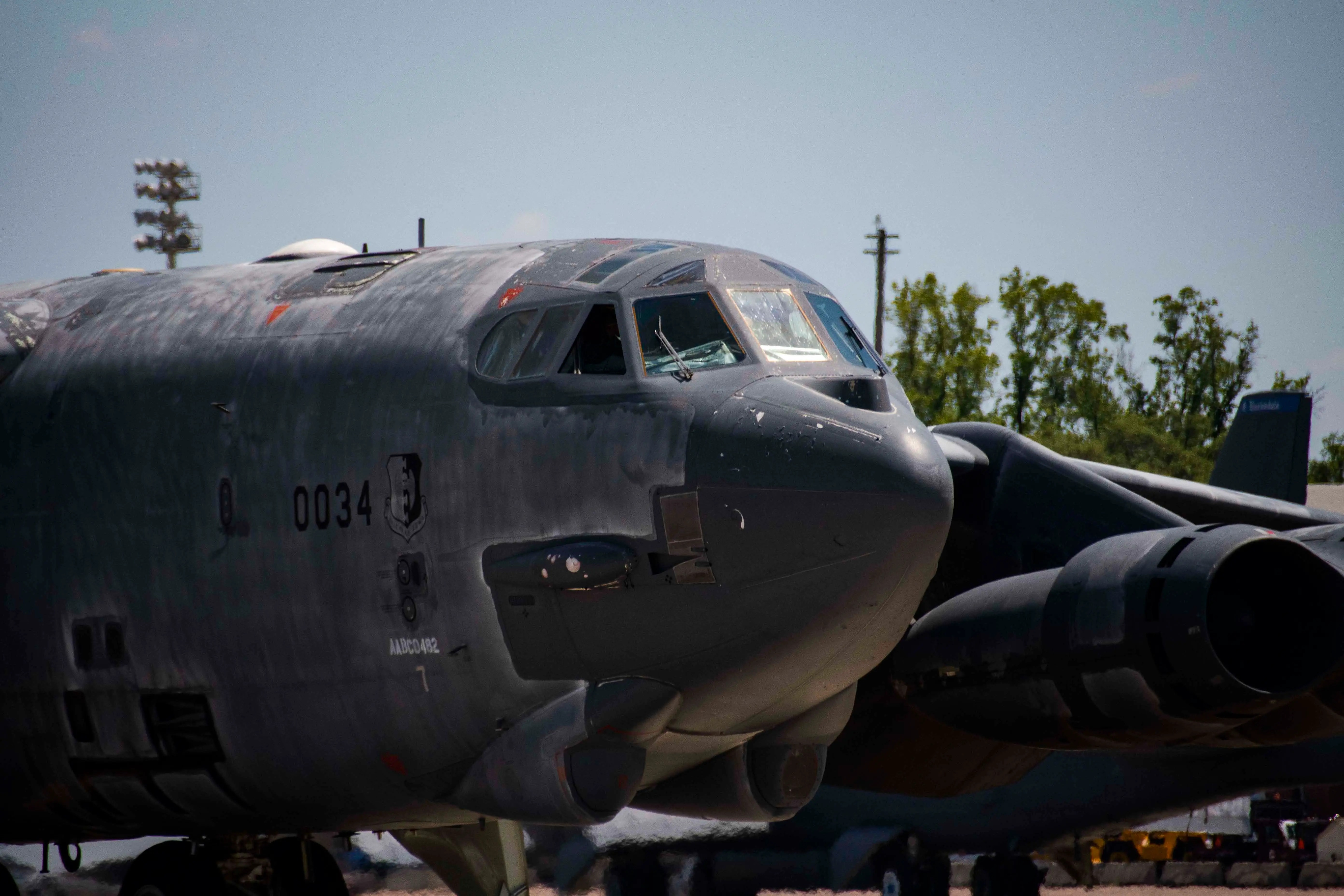
The Pacer Plank Programme
To ensure the heavy bombers could withstand extreme flight stress, the military executed the Pacer Plank life extension programme between 1972 and 1977. Engineers replaced vast sections of the aircraft's skin panels, making the vintage airframes significantly more aerodynamic and resistant to fatigue cracks.
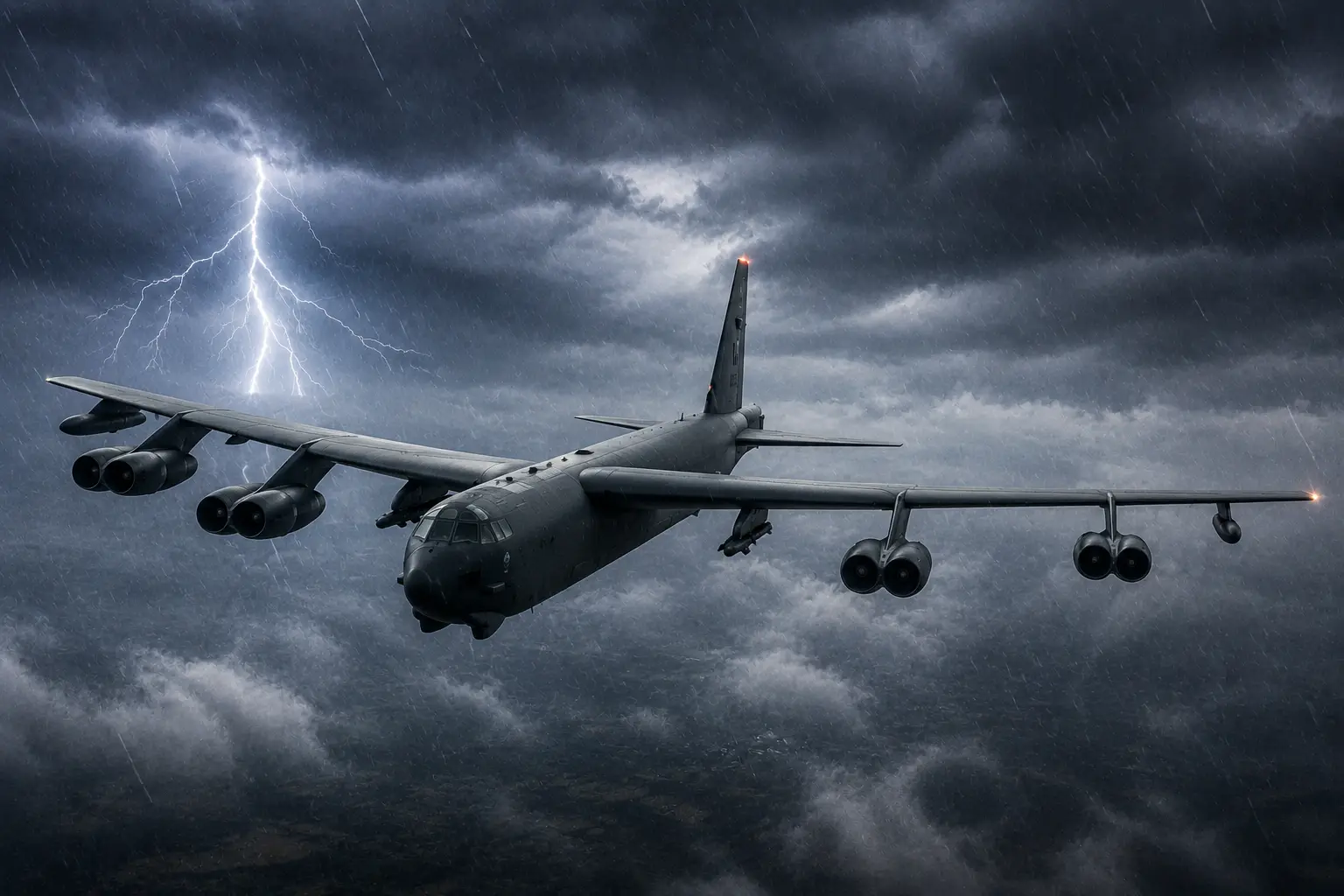
The Standoff Evolution
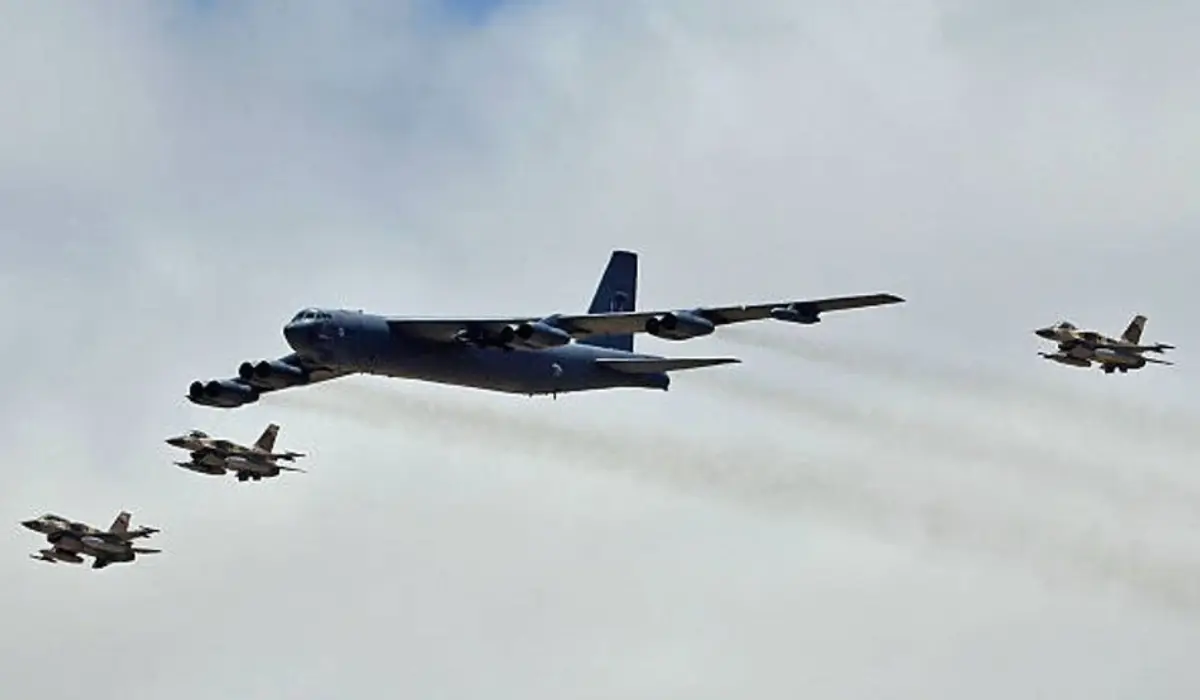
As Soviet surface-to-air missiles grew increasingly lethal, engineers upgraded the B-52 to carry precision standoff weapons. The G and H models were heavily modified to launch AGM-86B Air-Launched Cruise Missiles, and later the conventional AGM-86C variants famously used during the 1991 Gulf War.
The CONECT Rewiring
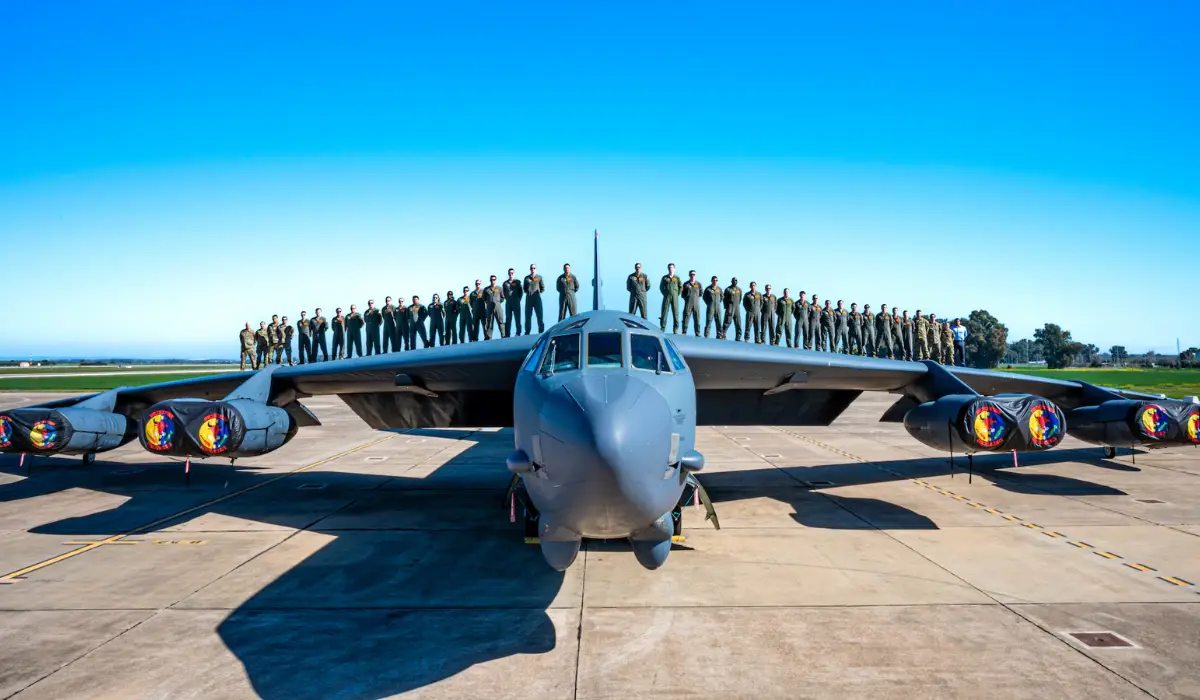
To integrate the Cold War bomber into the modern digital battlespace, the fleet underwent the Combat Network Communications Technology (CONECT) upgrade beginning in 2011. This complex digital rewiring allowed crews to receive secure, real-time satellite communication and targeting data while flying long-duration missions.
Fighter-Grade Radar
The military is currently executing the B-52 Radar Modernisation Programme to strip out the aircraft's antiquated mechanical sensors. The bomber is receiving a highly advanced Active Electronically Scanned Array (AESA) radar, granting it high-resolution, all-weather navigation and targeting capabilities.
The Upcoming B-52J
The most significant upgrade in decades is the ongoing Commercial Engine Replacement Programme (CERP). By replacing the original 1960s-era Pratt & Whitney TF33 turbofans with modern Rolls-Royce F130 engines, the fleet will officially transition into the B-52J variant.
)
)
)
)
)