How many space stations orbit Earth today? 5 most famous stations that defined space exploration

As of 2025, two space stations are actively orbiting Earth with fully operational life support systems. The International Space Station (ISS) has been continuously inhabited since November 2000, serving as a hub for international scientific research and collaboration.
The Current Landscape of Space Stations
As of 2025, two space stations are actively orbiting Earth with fully operational life support systems. The International Space Station (ISS) has been continuously inhabited since November 2000, serving as a hub for international scientific research and collaboration. The Tiangong space station, operated by China, has been fully operational since 2022, marking a significant milestone in China's space exploration efforts.
The International Space Station (ISS)
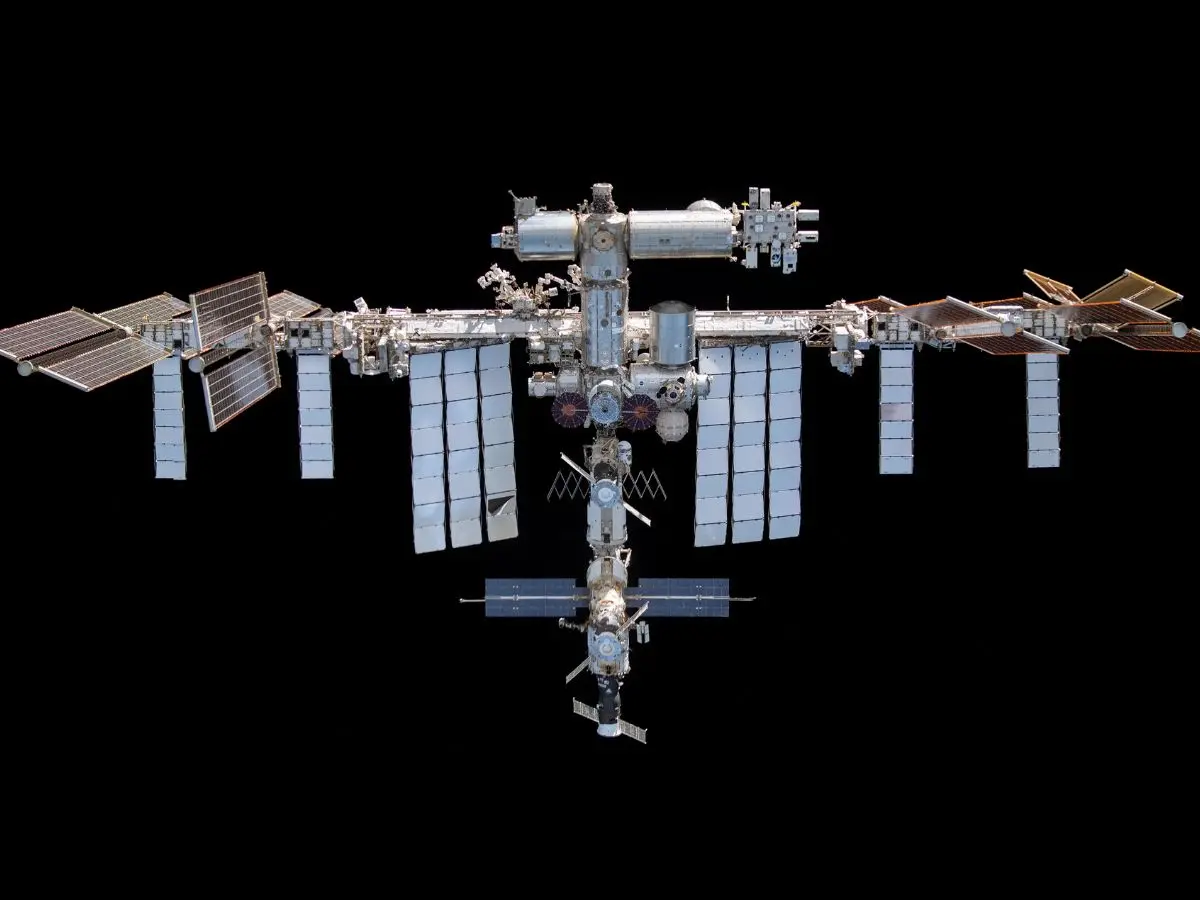
The ISS is a joint project involving five participating space agencies: NASA (United States), Roscosmos (Russia), JAXA (Japan), ESA (Europe), and CSA (Canada). It orbits Earth at an average altitude of approximately 400 km and travels at a speed of 28,000 km/h, completing an orbit every 90 minutes. The station has hosted astronauts from 19 different countries and has been instrumental in advancing understanding of microgravity's effects on the human body, material science, and biological research.
China's Tiangong Space Station
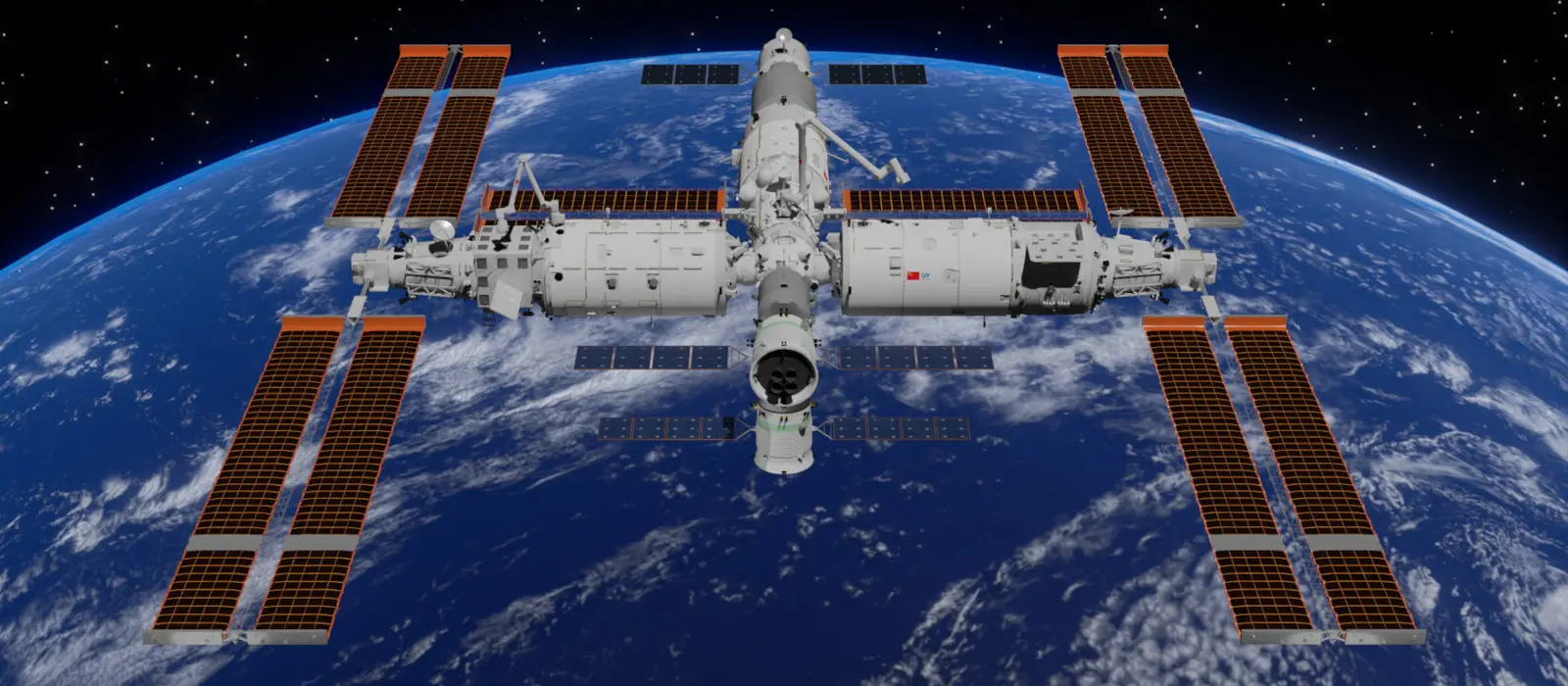
China's Tiangong space station, completed in 2022, is the nation's first modular space station. It consists of a core module, Tianhe, and two laboratory modules, Wentian and Mengtian. The station is designed to support long-term human operations and scientific experiments in orbit. With a capacity to house six astronauts, Tiangong represents China's growing capabilities in space exploration and its commitment to maintaining an independent presence in low Earth orbit.
Russia's Mir Space Station
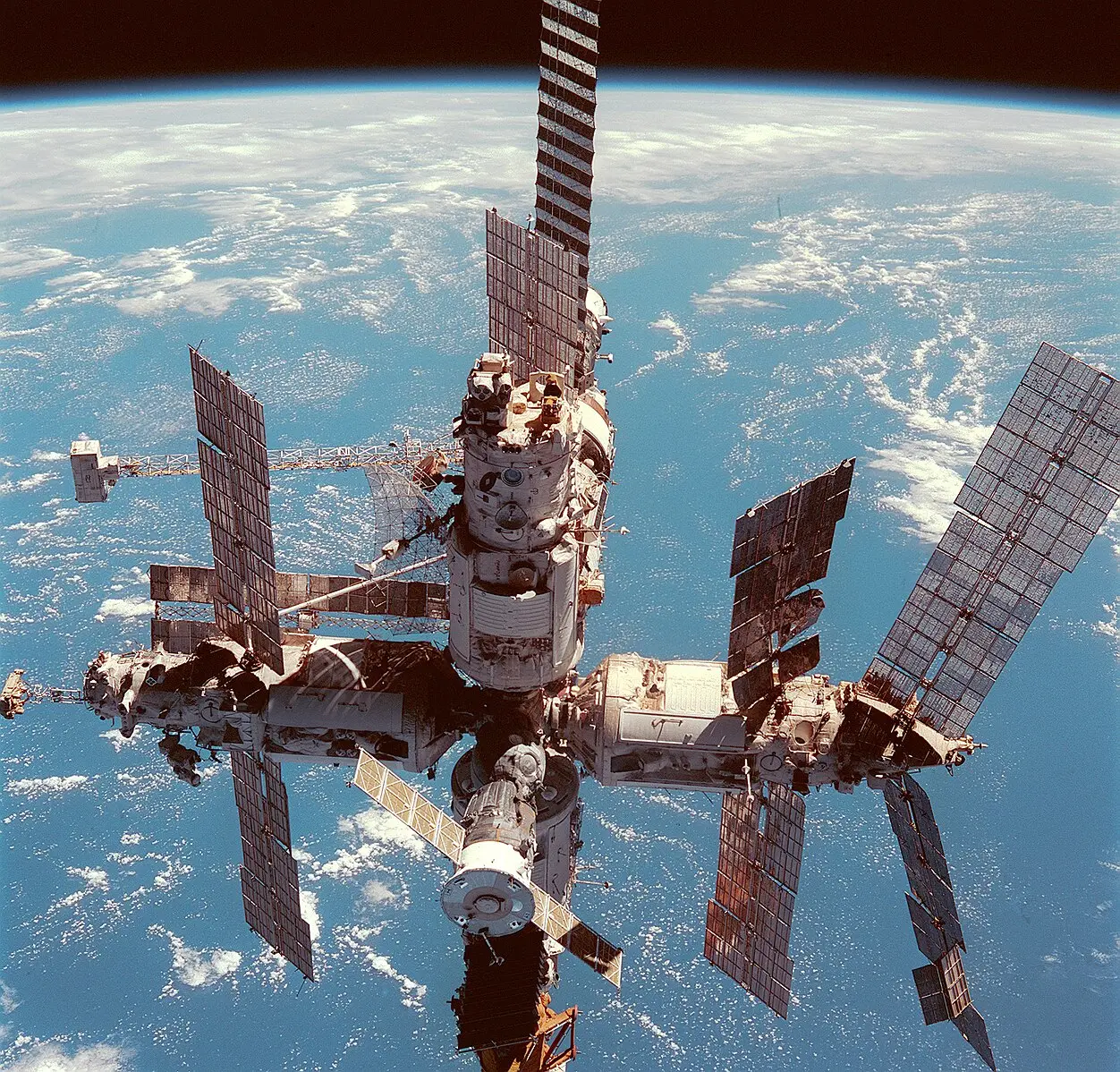
The Mir space station was launched by the Soviet Union in 1986 and operated until 2001. It was the first modular space station and served as a testbed for long-duration human habitation in space. Mir hosted numerous international missions and was a precursor to the collaborative efforts that led to the ISS. Its legacy continues to influence space station design and operations today.
The Salyut Program
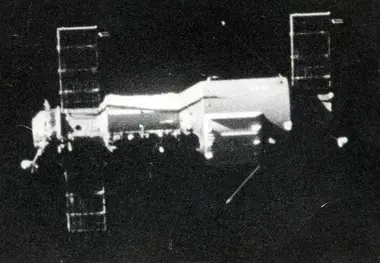
The Soviet Union's Salyut program consisted of nine space stations launched between 1971 and 1986. These stations were initially used for military reconnaissance but later supported scientific research and international cooperation. Salyut 7, the final station in the series, was deorbited in 1991. The program laid the groundwork for future space station endeavors, including Mir and the ISS.
Skylab: America's First Space Station
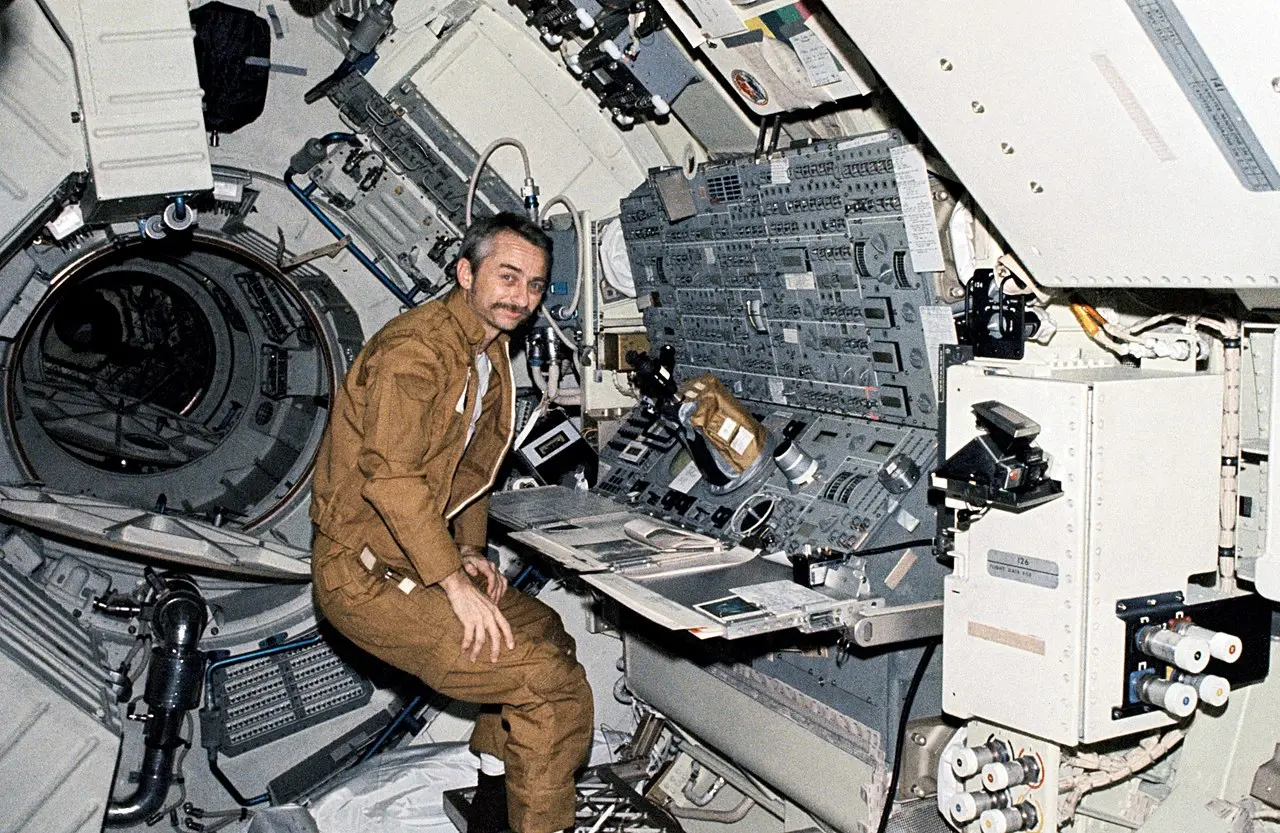
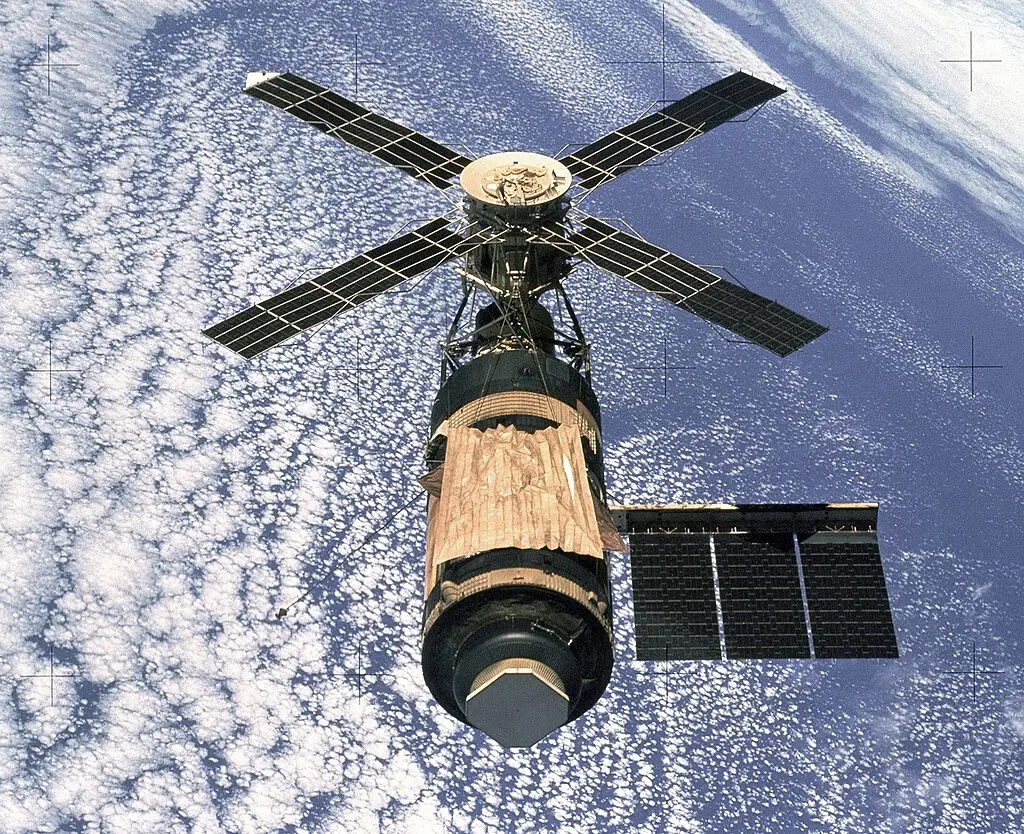
Skylab was the United States' first space station, launched in 1973. It hosted three crewed missions and conducted a variety of scientific experiments, including studies on the Sun and human adaptation to microgravity. Skylab was deorbited in 1979, but its contributions to space science and technology paved the way for future American space station projects, including the ISS.
The Future of Space Stations
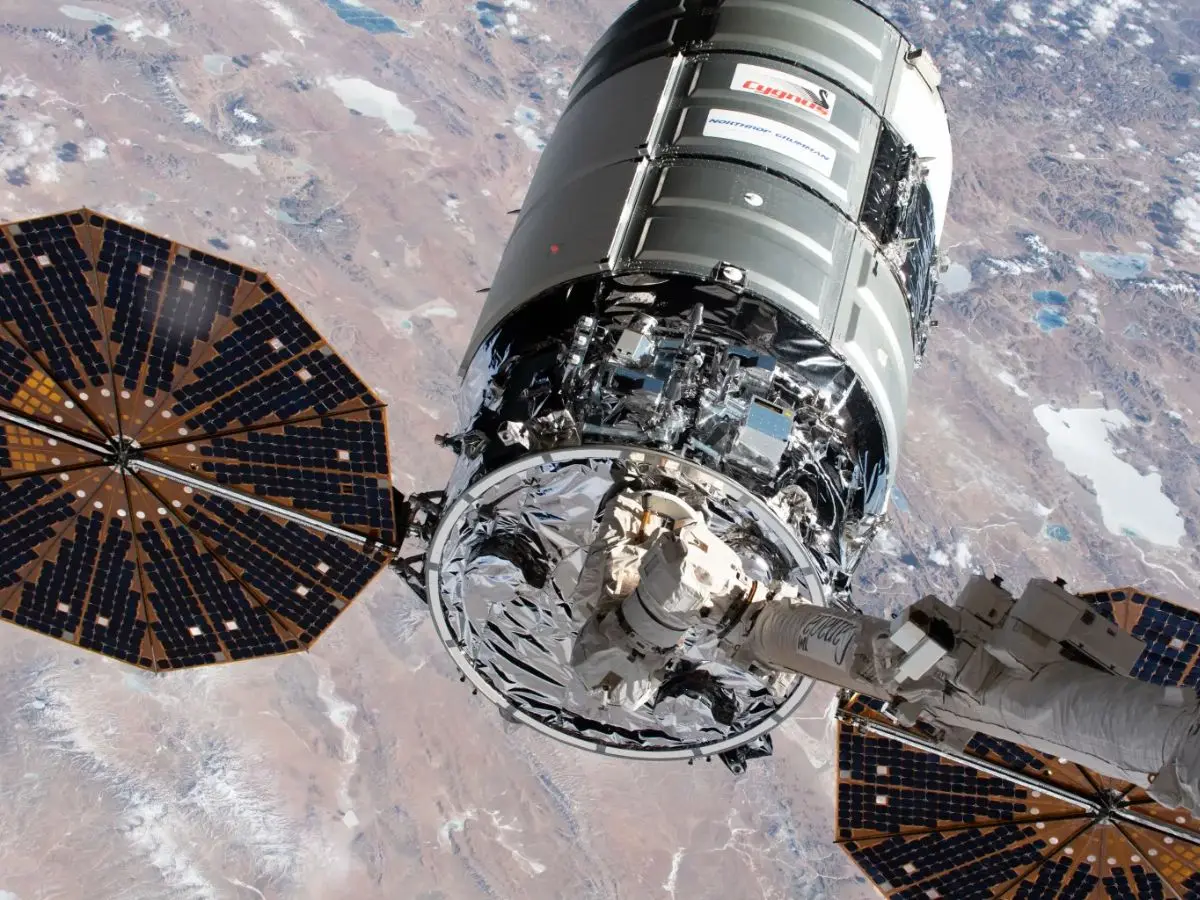
Several nations and private entities are planning to establish their own space stations. Russia aims to launch its new orbital station by 2027, while private companies such as Axiom Space and Blue Origin are developing commercial stations with planned launches in the coming years. These initiatives reflect a growing interest in maintaining a human presence in orbit and advancing scientific research beyond the capabilities of the ISS.
)
)
)
)
)