How many people live on Iran’s Qeshm Island?

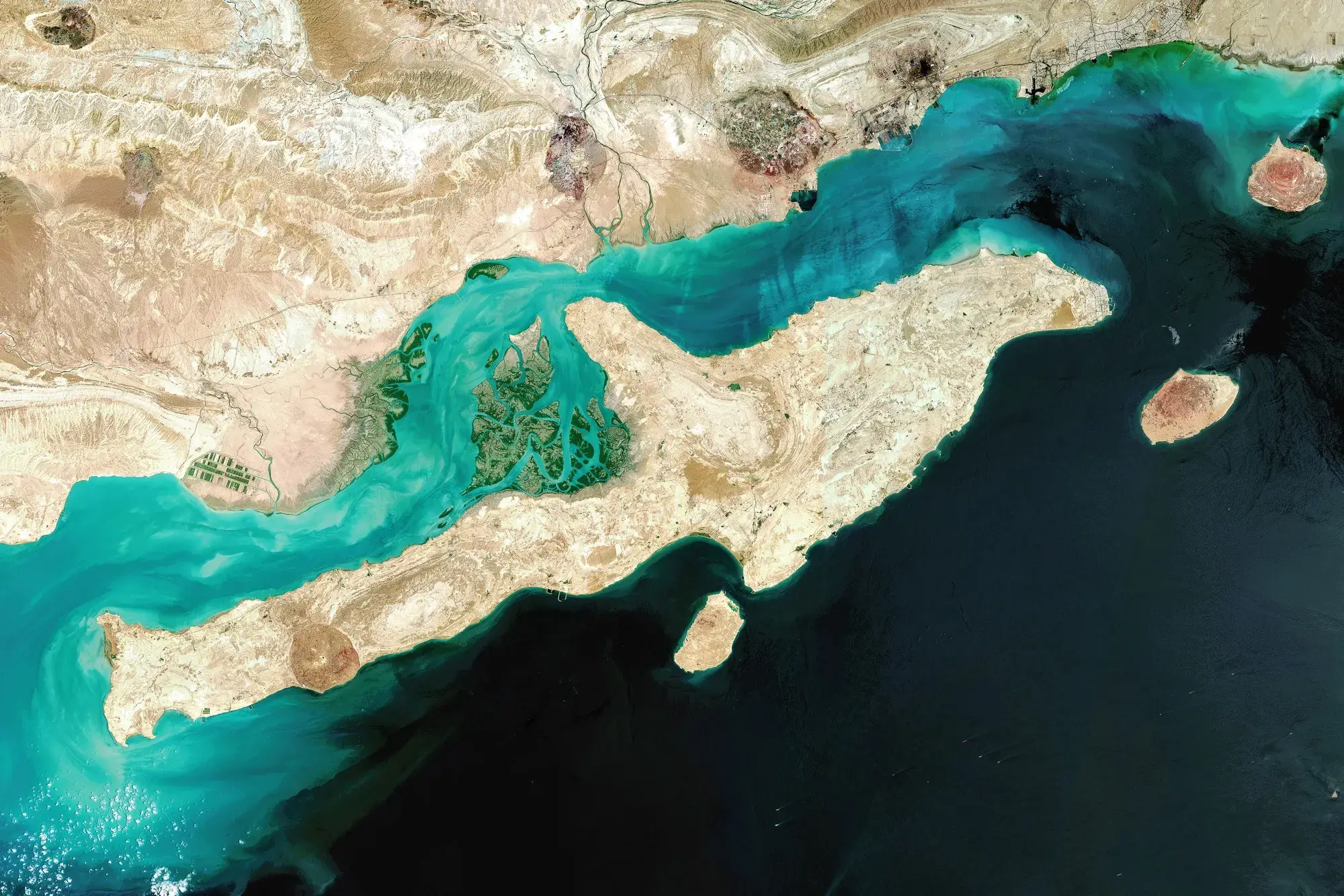
Qeshm Island is home to 150,000 people and serves as a strategic sentinel in the Strait of Hormuz. As Iran’s largest island, it blends military naval bases with a thriving free trade zone and unique UNESCO-protected landscapes.
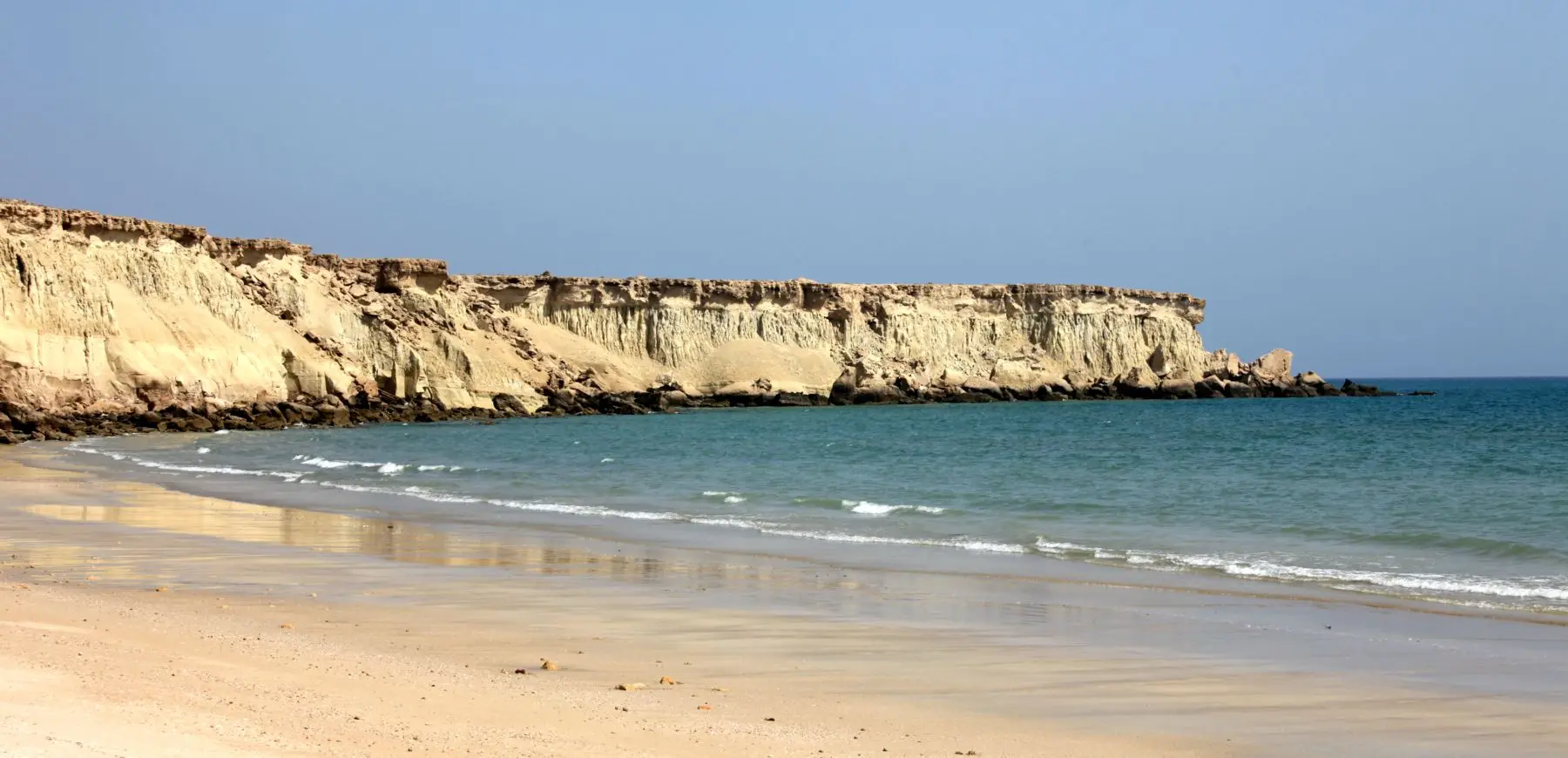
The Persian Gulf Giant
Qeshm Island is home to an estimated 150,000 residents, according to the latest 2024 demographic data. Spanning 1,491 square kilometres, it is nearly double the size of Singapore and serves as Iran’s largest offshore population hub.
A Strategic Outpost
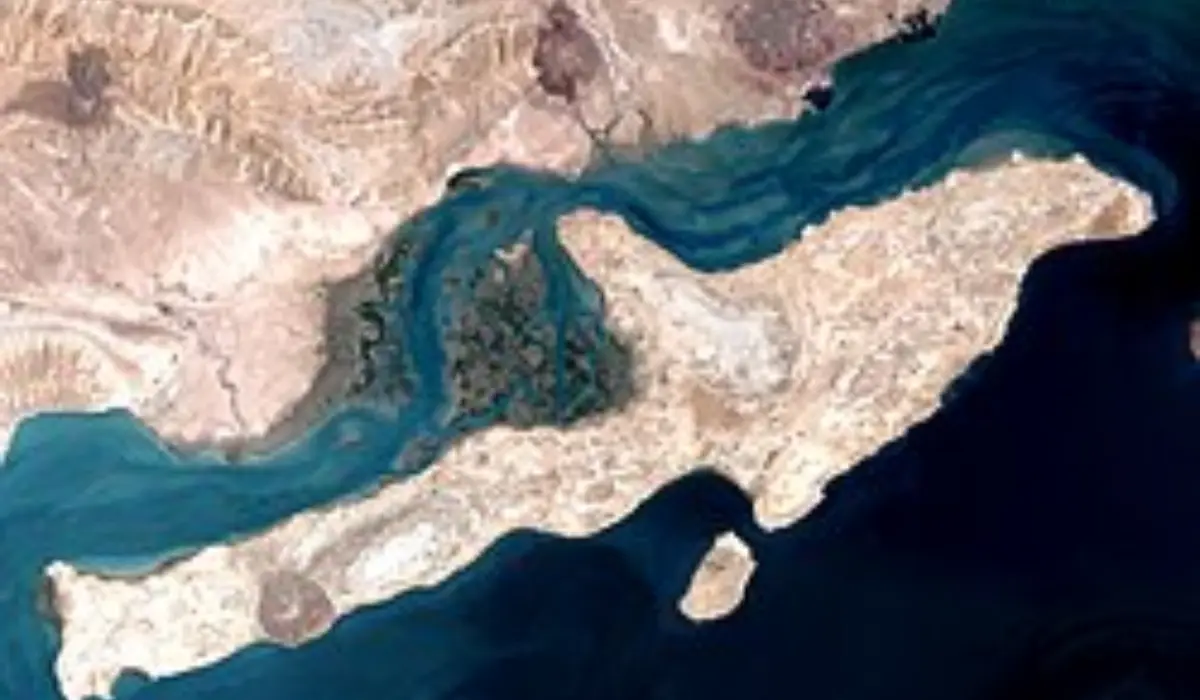
The island sits at the mouth of the Strait of Hormuz, where roughly 20 per cent of the world's oil passes. Its population is concentrated in Qeshm City and dozens of coastal villages that double as lookout points for regional maritime traffic.
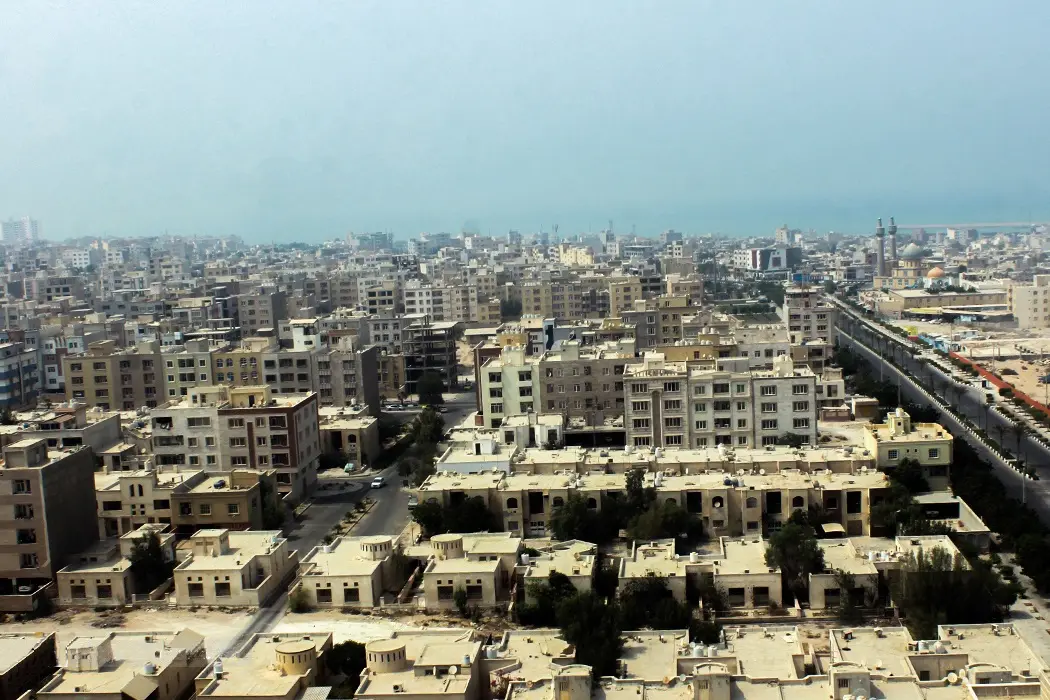
The Free Trade Boom
Qeshm has operated as a Free Trade Zone since the 1990s, attracting thousands of traders and industrial workers. The government has invested billions of dollars into infrastructure, aiming to turn the island into a transshipment hub rivaling Dubai.
Military and Civil Blend
A significant portion of the island’s residents are linked to the Islamic Revolutionary Guard Corps (IRGC) naval bases. These facilities house advanced anti-ship missiles and fast-attack boats, blending civilian life with high-readiness military operations.
Indigenous Maritime Culture
The local population consists largely of ethnic Bandaris, who have maintained a distinct seafaring culture for centuries. Their traditional shipbuilding and fishing industries continue to thrive alongside the modern industrial expansion of the island.
UNESCO Global Geopark
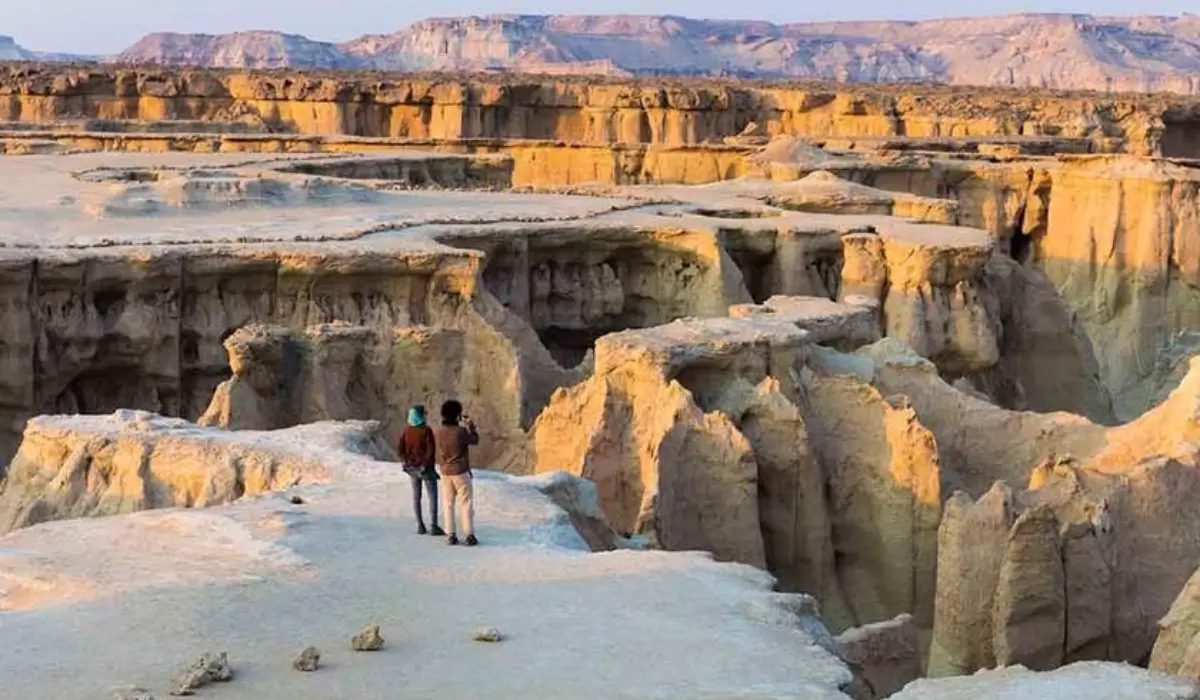
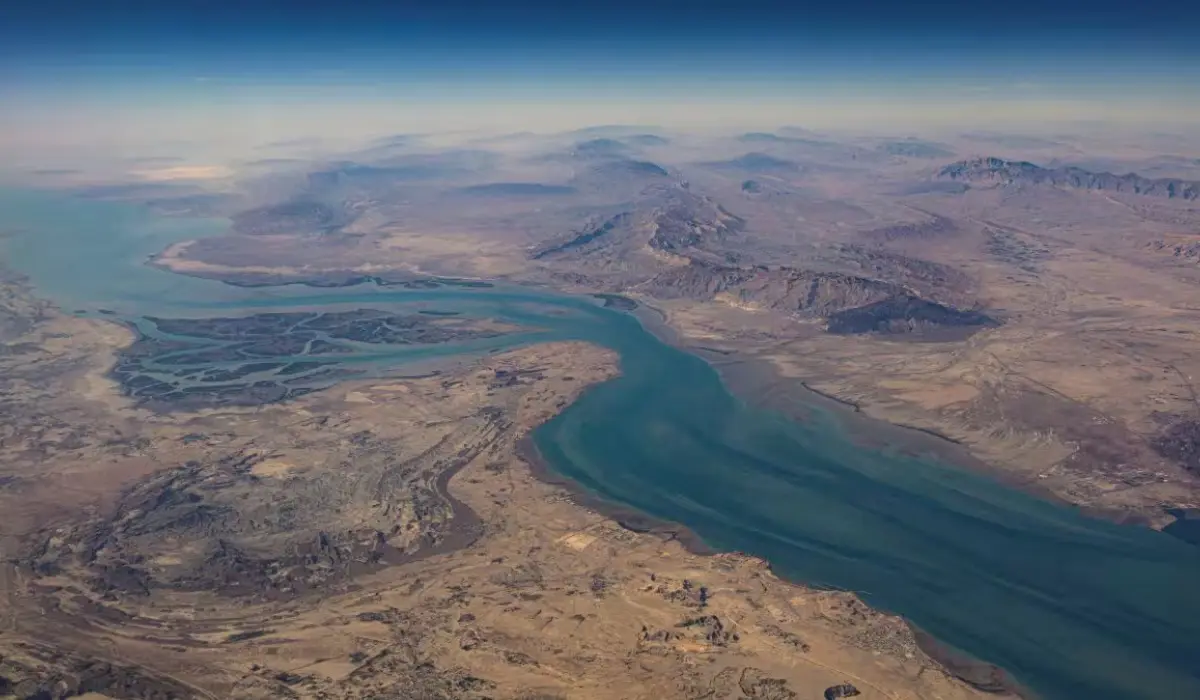
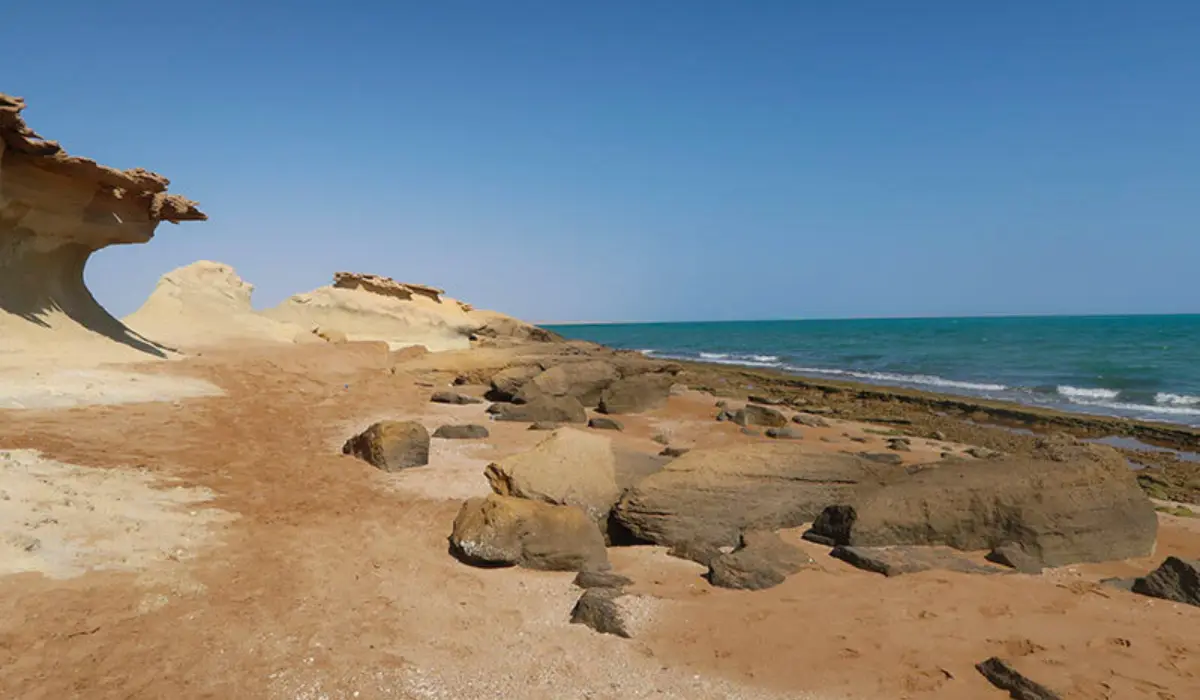
Beyond strategic value, the island supports a growing tourism sector centred on its status as a UNESCO Global Geopark. This unique landscape, featuring the Hara Forest and Stars Valley, attracts thousands of visitors annually, boosting the local economy and permanent residency numbers.
Future Population Growth
Iran plans to increase the island’s population significantly by 2030 through massive residential and energy projects. The proposed 'Great Persian Gulf Bridge' will link Qeshm to the mainland, potentially doubling the number of permanent inhabitants.
)
)
)
)
)