How many people does it take to operate a B-52 bomber?

The current B-52H bomber requires a five-person crew, including pilots, navigators, and an electronic warfare officer. However, upcoming B-52J radar upgrades will reduce this to a four-person team to operate the USD 84 million aircraft.
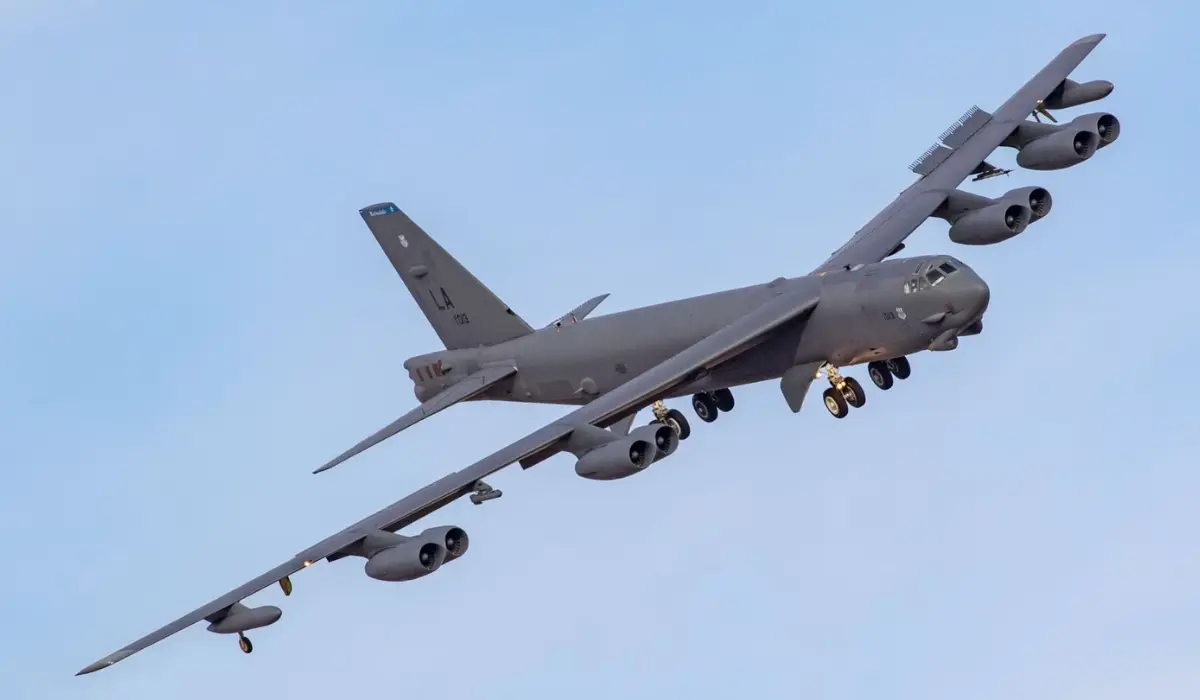
The Five-Person Crew
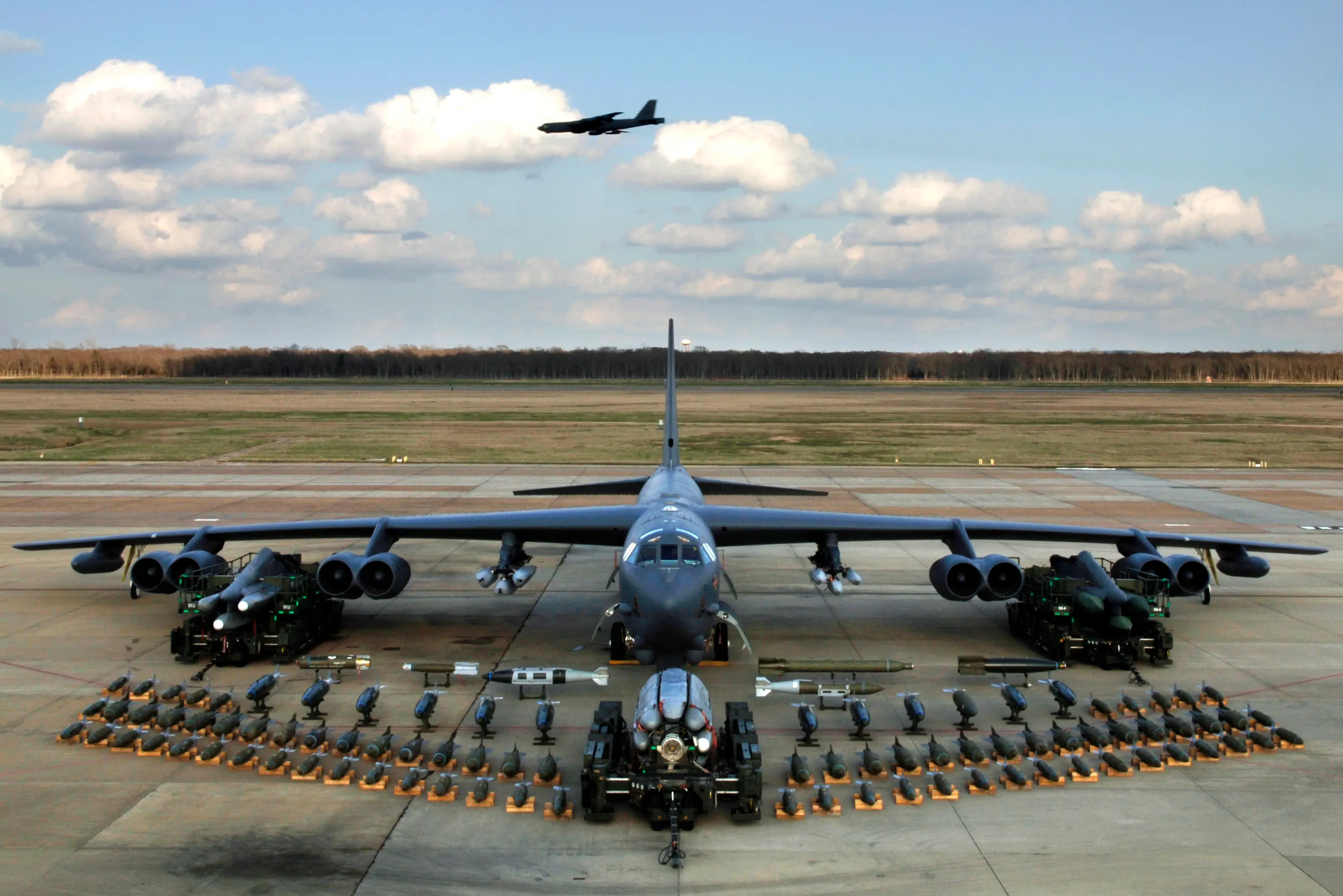
The current B-52H Stratofortress requires a highly trained five-person crew to manage its 390,000-pound bulk and massive weapons payload. This team consists of an aircraft commander, a pilot, a radar navigator, a navigator, and an electronic warfare officer.
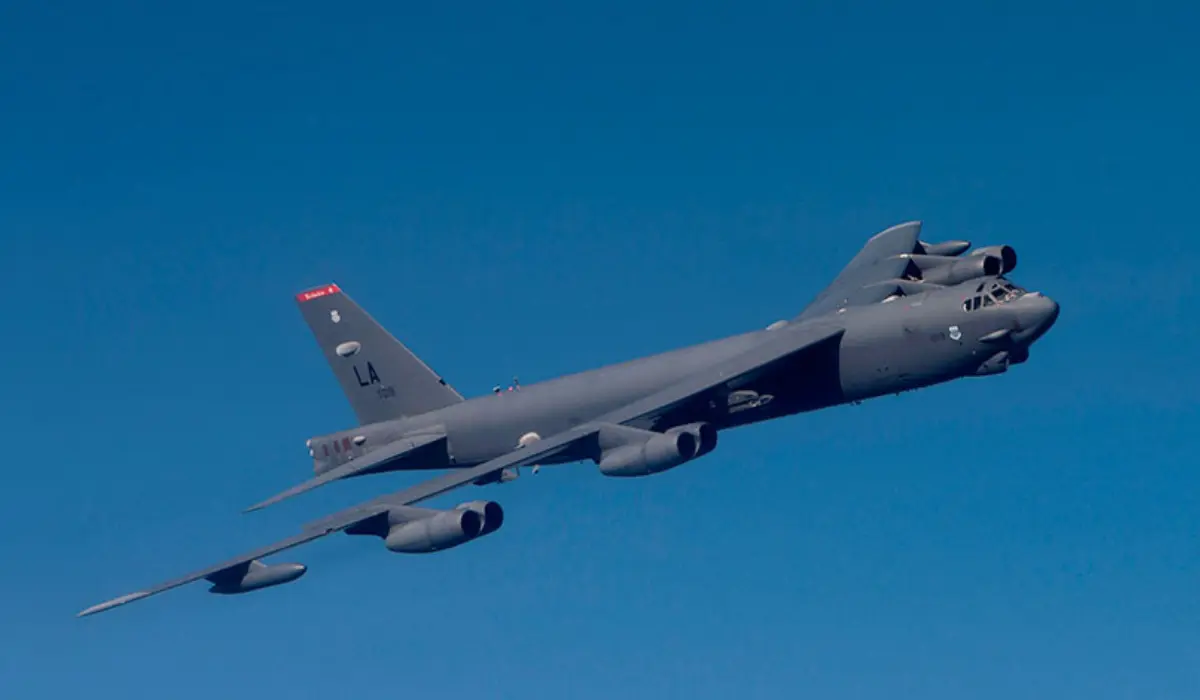
The Upper Deck Command
The aircraft commander and the co-pilot sit side-by-side on the bomber's upper flight deck. From here, they control the eight turbofan engines and manually fly the massive USD 84 million aircraft during global strike missions.
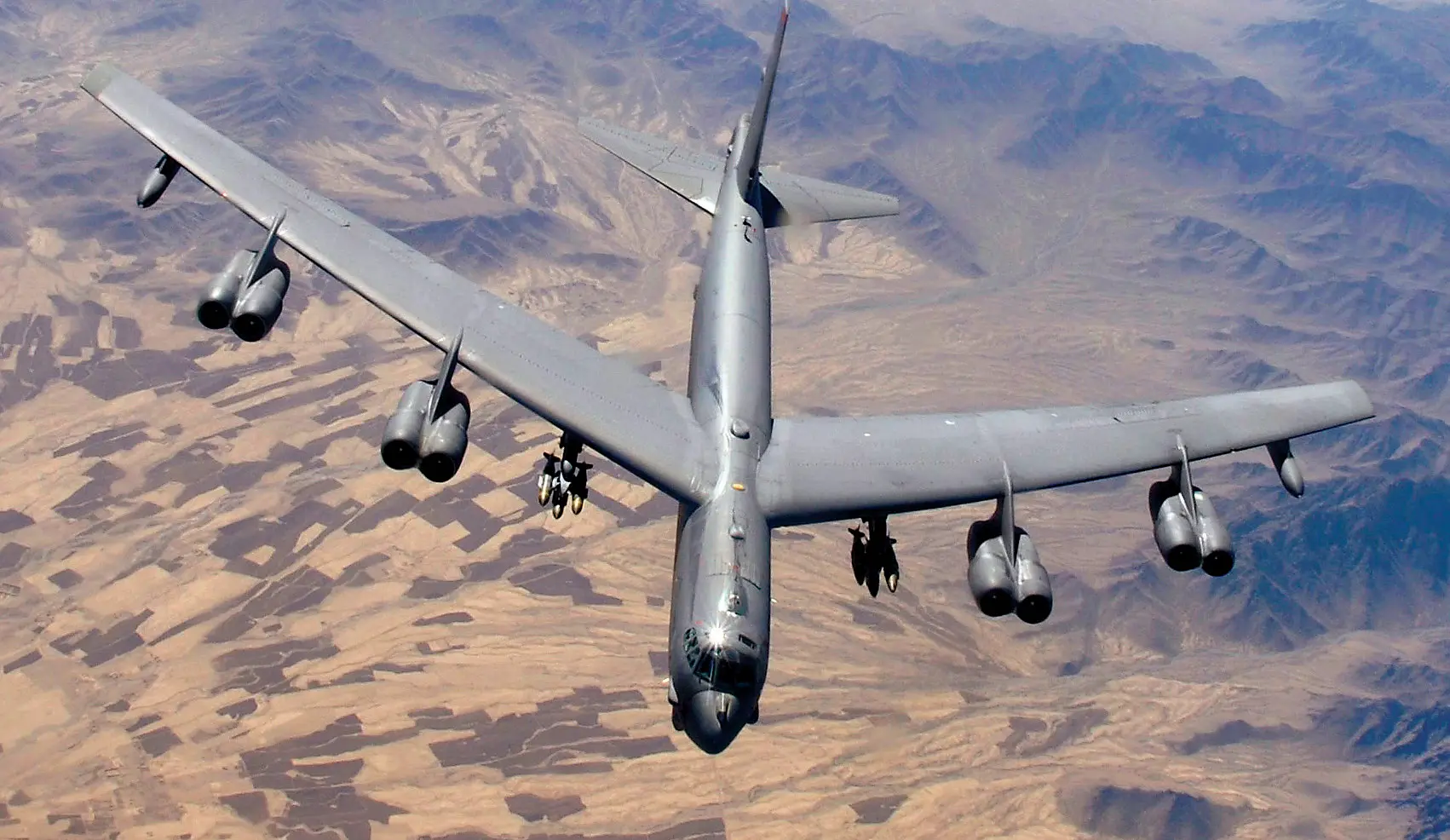
The Electronic Warfare Officer
Also seated on the upper deck, facing backwards, is the Electronic Warfare Officer (EWO). The EWO operates the aircraft's classified defensive countermeasures, deploying radar jamming and flares to protect the bomber from incoming surface-to-air missiles.
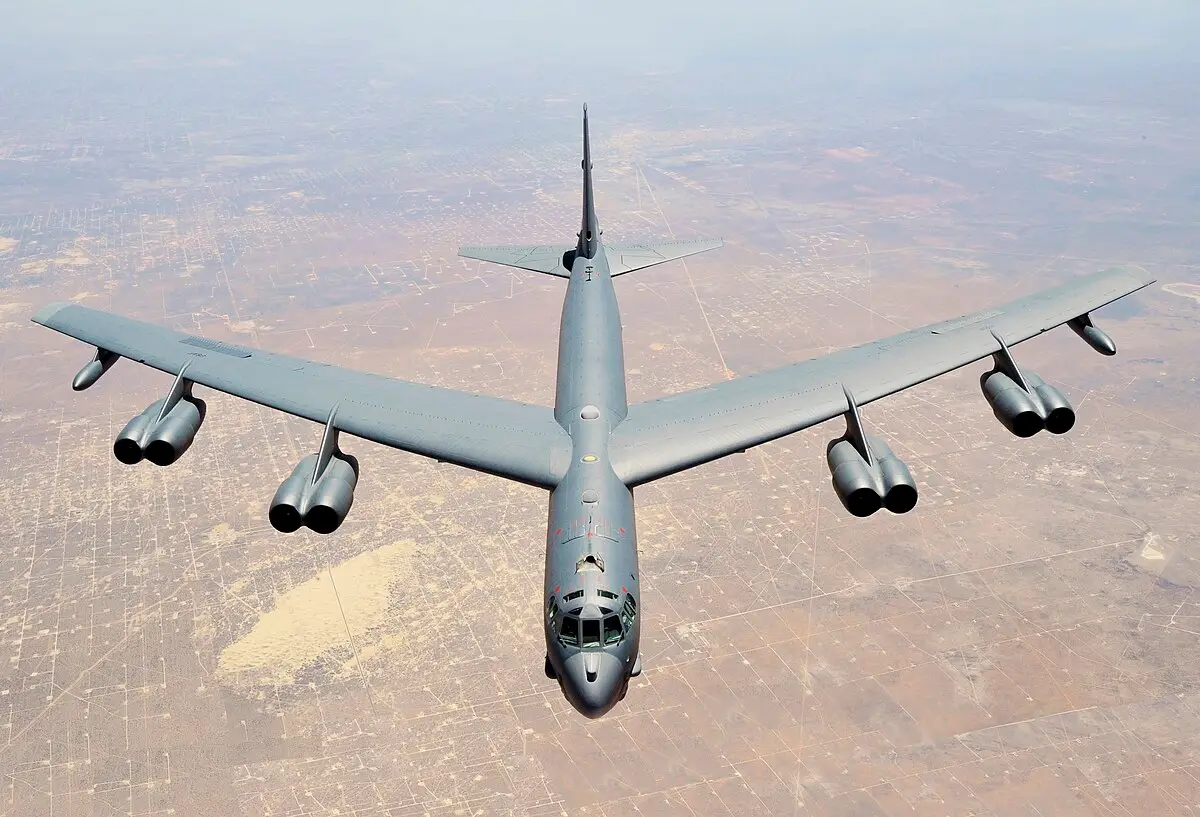
The Lower Deck Navigators
The radar navigator and the navigator sit on the windowless lower deck of the aircraft. They are directly responsible for guiding the bomber to precise combat coordinates and managing the deployment of its 70,000-pound payload, including nuclear cruise missiles.
The Ejection Danger
The B-52 is equipped with explosive ejection seats for all five crew members in case of a catastrophic emergency. While the upper deck crew ejects upwards, the two navigators on the lower deck must eject downwards, meaning they cannot safely bail out at extremely low altitudes.
The Ghost of the Gunner
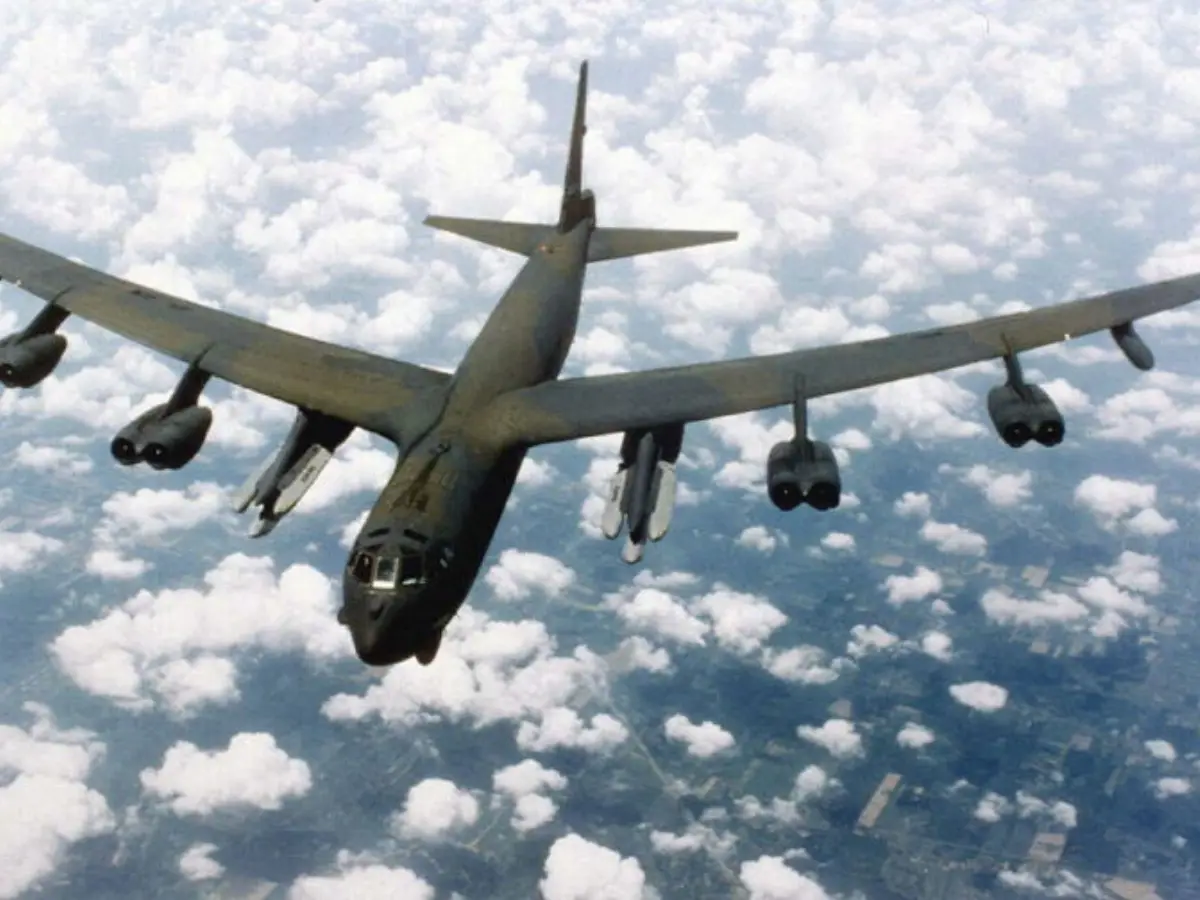
During the Cold War, the B-52 required a six-person crew, which included an enlisted tail gunner operating a 20mm radar-guided cannon. The US Air Force permanently eliminated this defensive position in 1991, leaving the tail compartment completely empty.
Shrinking to Four
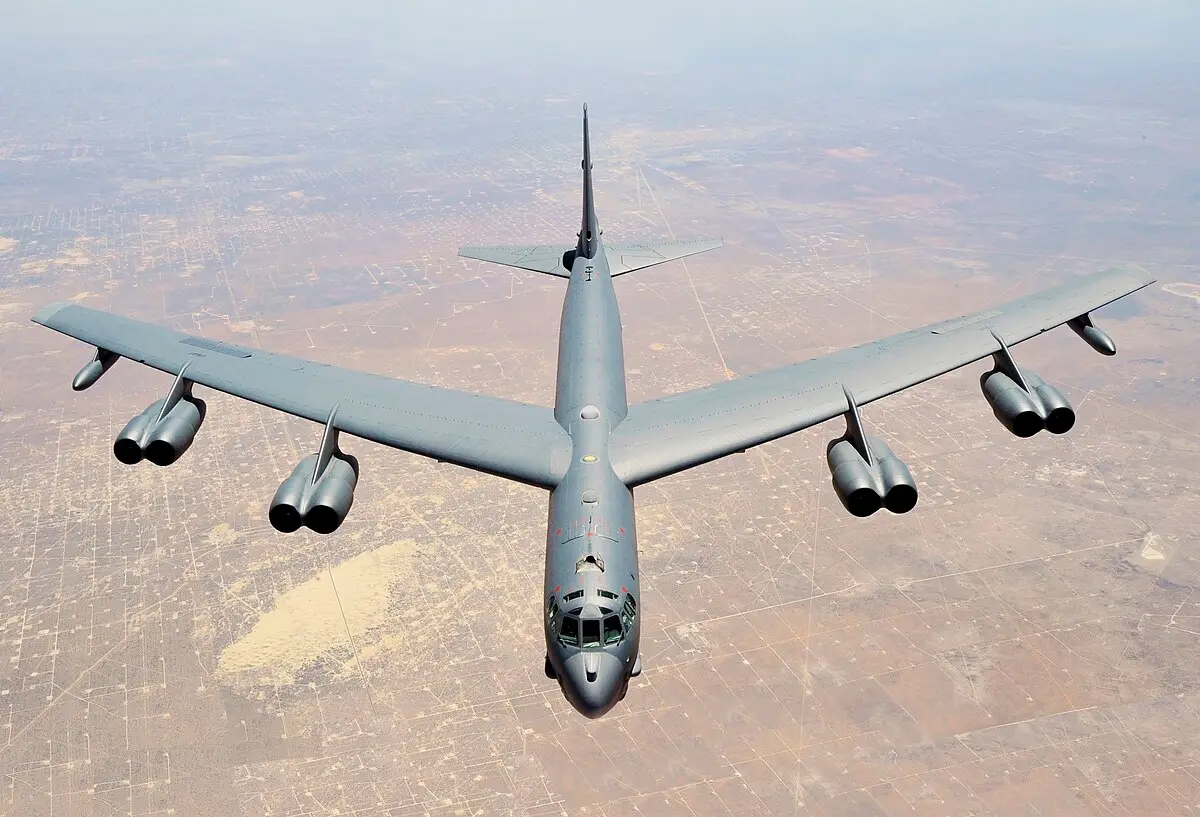
The upcoming USD 48.6 billion B-52J upgrade will permanently reduce the heavy bomber's crew size from five to four. Advanced touchscreens and the new AN/APQ-188 radar will allow a single weapons officer to handle both navigation and targeting simultaneously.
)
)
)
)
)