How many fuel tanks are inside the F-22?

The F-22 Raptor operates a sealed 18,000-pound internal fuel system to protect its radar signature. It distributes propellant across six hidden airframe cells.
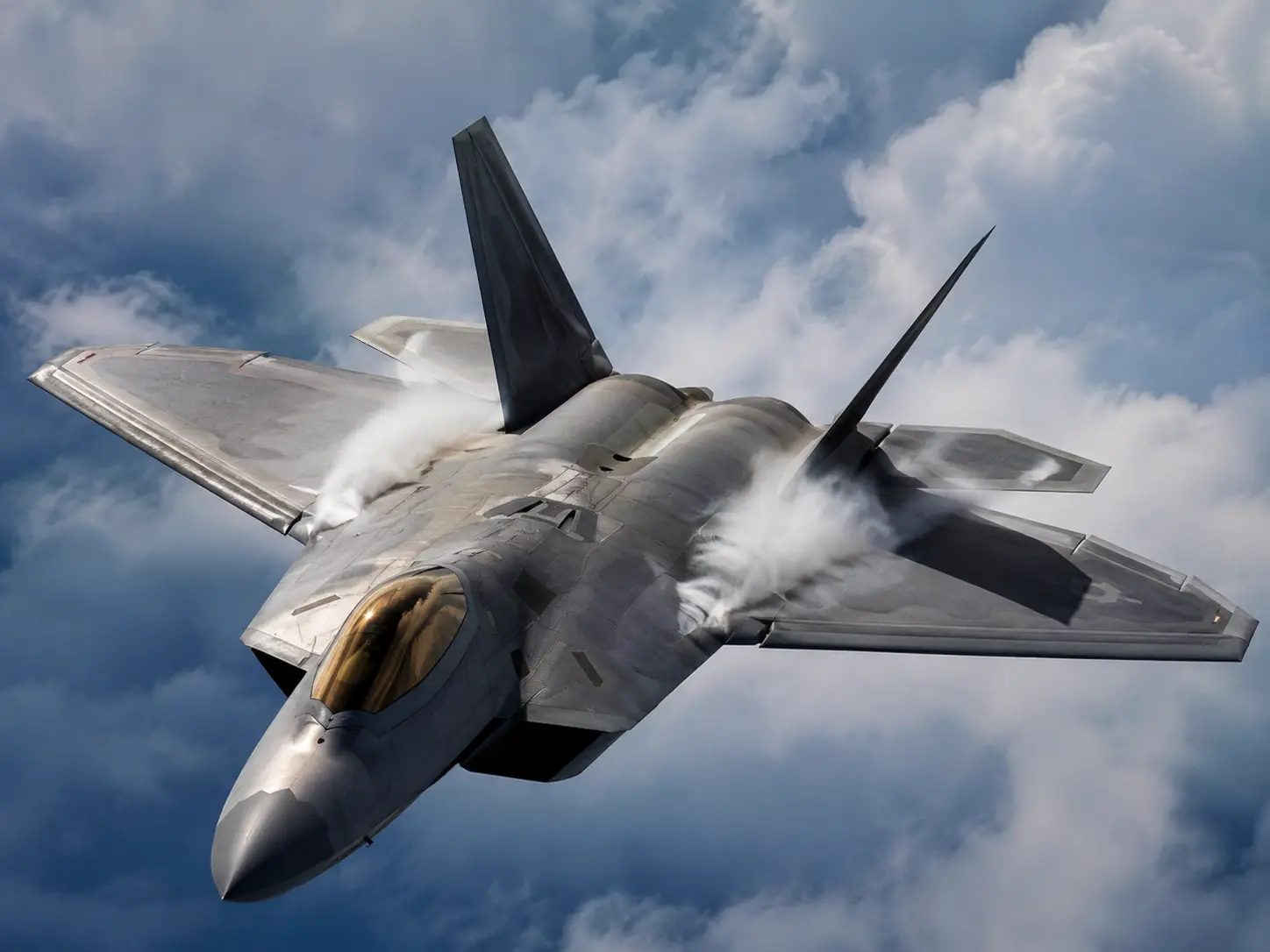
18,000 pounds internal capacity
The F-22 Raptor stores its primary propellant inside six internal fuel bladders located deep within its airframe. Keeping this entire supply enclosed behind sealed skins allows the fifth-generation fighter to maintain a near-zero radar cross-section during high-speed combat missions.
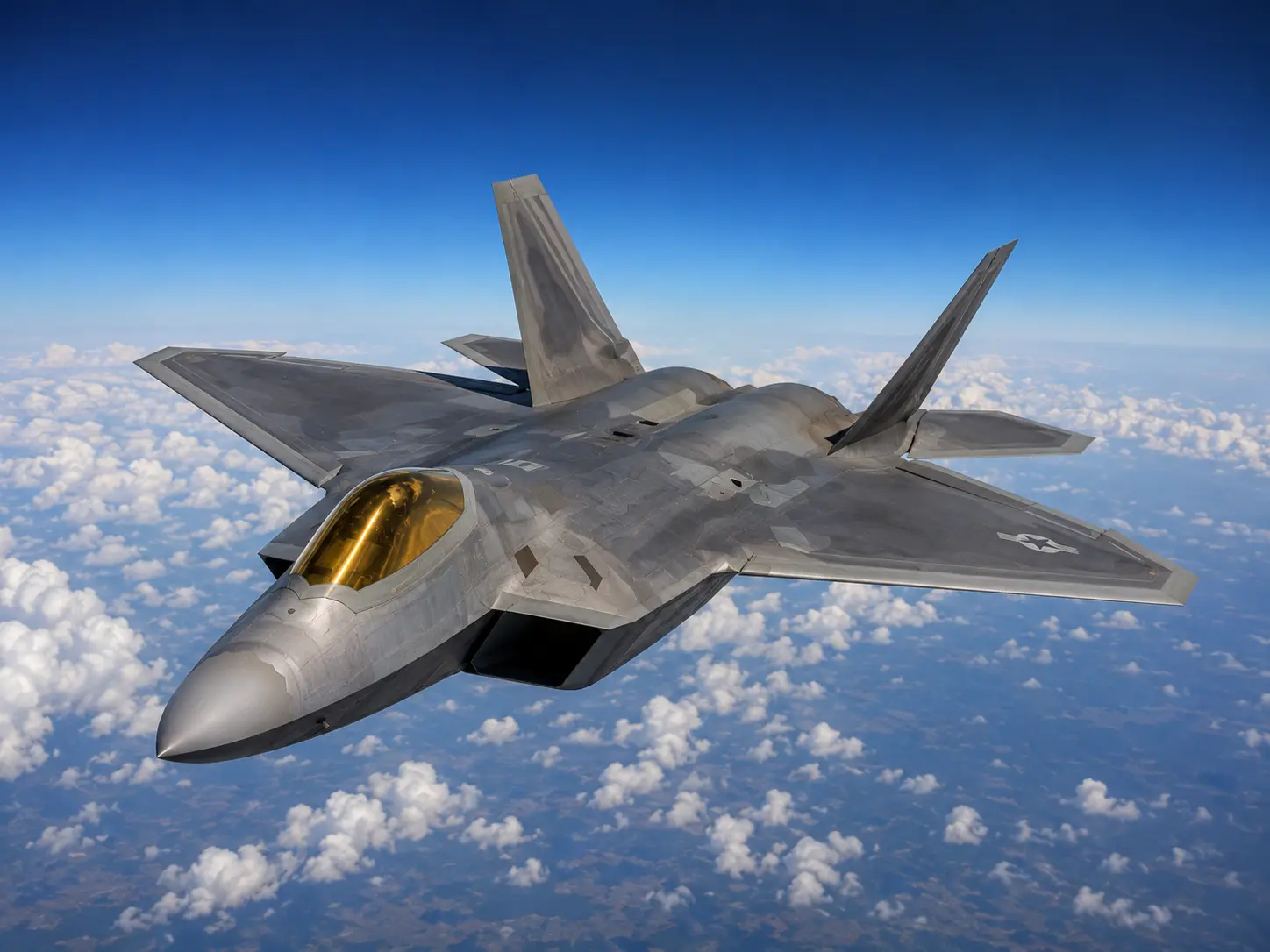
Four central fuselage bladders
The central titanium airframe houses four main bladder tanks, comprising three high-capacity mid-fuselage bladders alongside a dedicated aft balancing cell. These heavily shielded compartments sit adjacent to the internal weapons bays, feeding the twin turbofan engines with a steady propellant flow.

Two sealed wing compartments
Flanking the main airframe, the large clipped-delta wings function as two sealed wet-wing storage compartments. Operating under strictly monitored pressure systems, these internal cavities constantly pump propellant inward to balance the fighter's centre of gravity during high-G aerial manoeuvres.
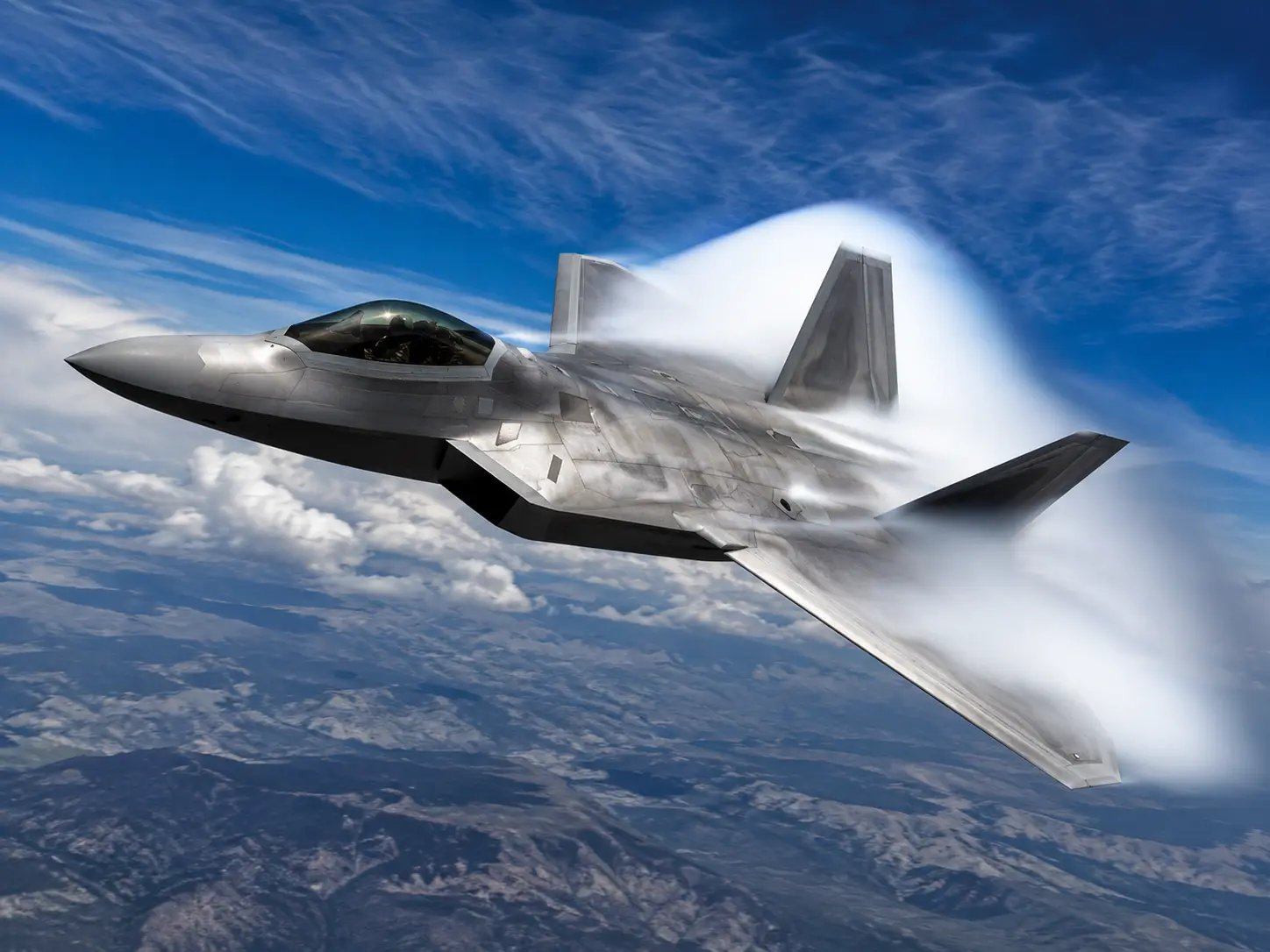
8,200 kilogrammes clean weight
When fully loaded in a clean combat setup, these six internal cells hold 8,200 kilogrammes of aviation fuel. This protected supply yields an unrefuelled operational radius of roughly 800 kilometres while enabling sustained Mach 1.5 supercruise speeds.
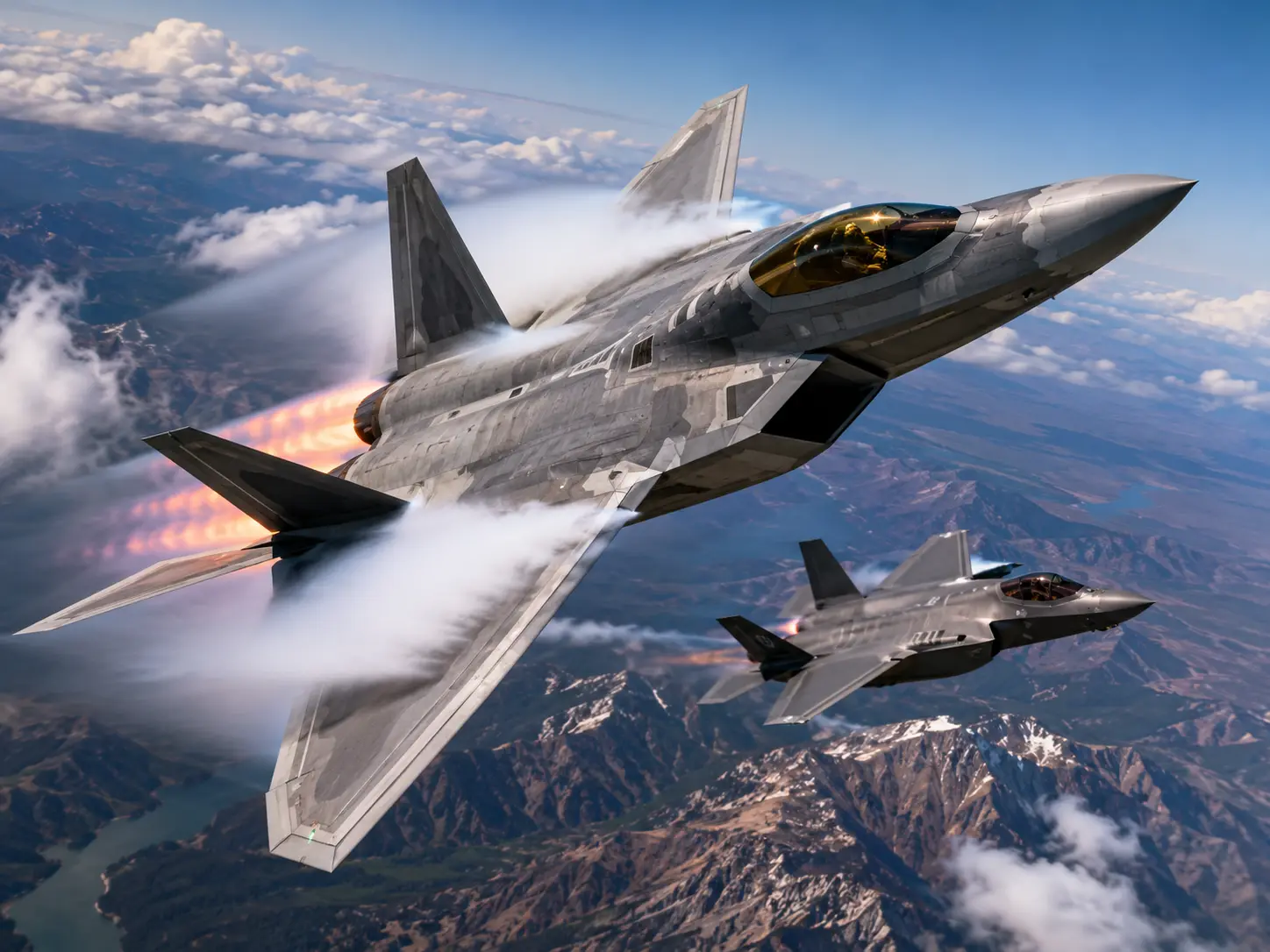
Four 600-gallon drop tanks
Ground crews can extend the jet's ferry range by attaching up to four 600-gallon external drop tanks to under-wing hardpoints. Adding 16,000 pounds of auxiliary propellant, both these non-stealthy bladders and their mounting pylons can be fully jettisoned in flight.
)
)
)
)
)