How many fighter jets can a single aircraft carrier hold?

How many fighter jets fit on an aircraft carrier? Modern aircraft carriers can hold up to 90 jets, but rarely operate at full capacity. Here's how navies balance firepower, safety, and space aboard these massive floating airbases.
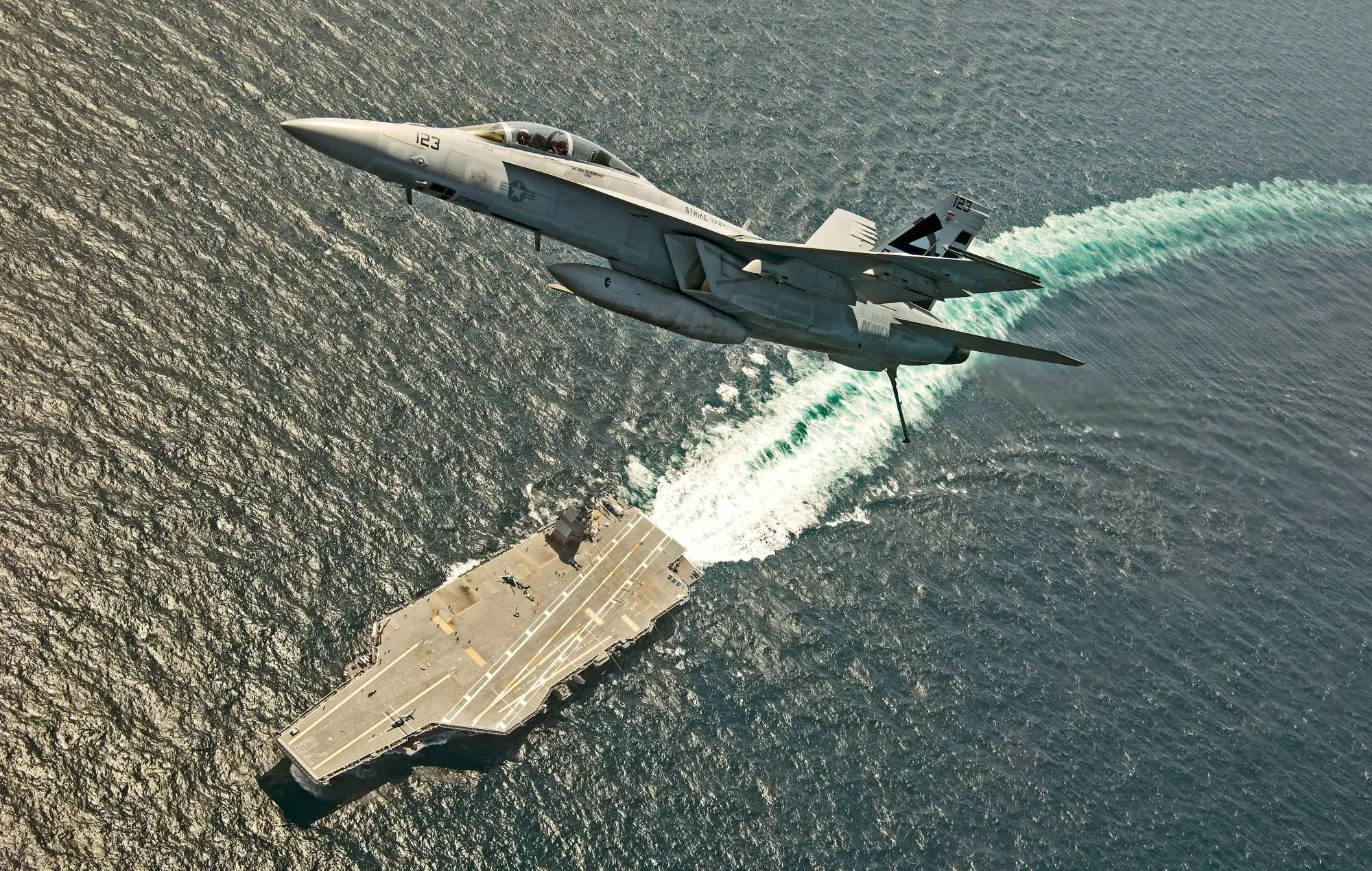
World’s biggest carriers set the standard
The biggest aircraft carrier today is the USS Gerald R. Ford (USA), which can carry more than 75 aircraft a mix of fighters, helicopters, and support planes. Its flight deck is 78 metres wide and almost as long as three football pitches. Actual numbers depend on mission and configuration.
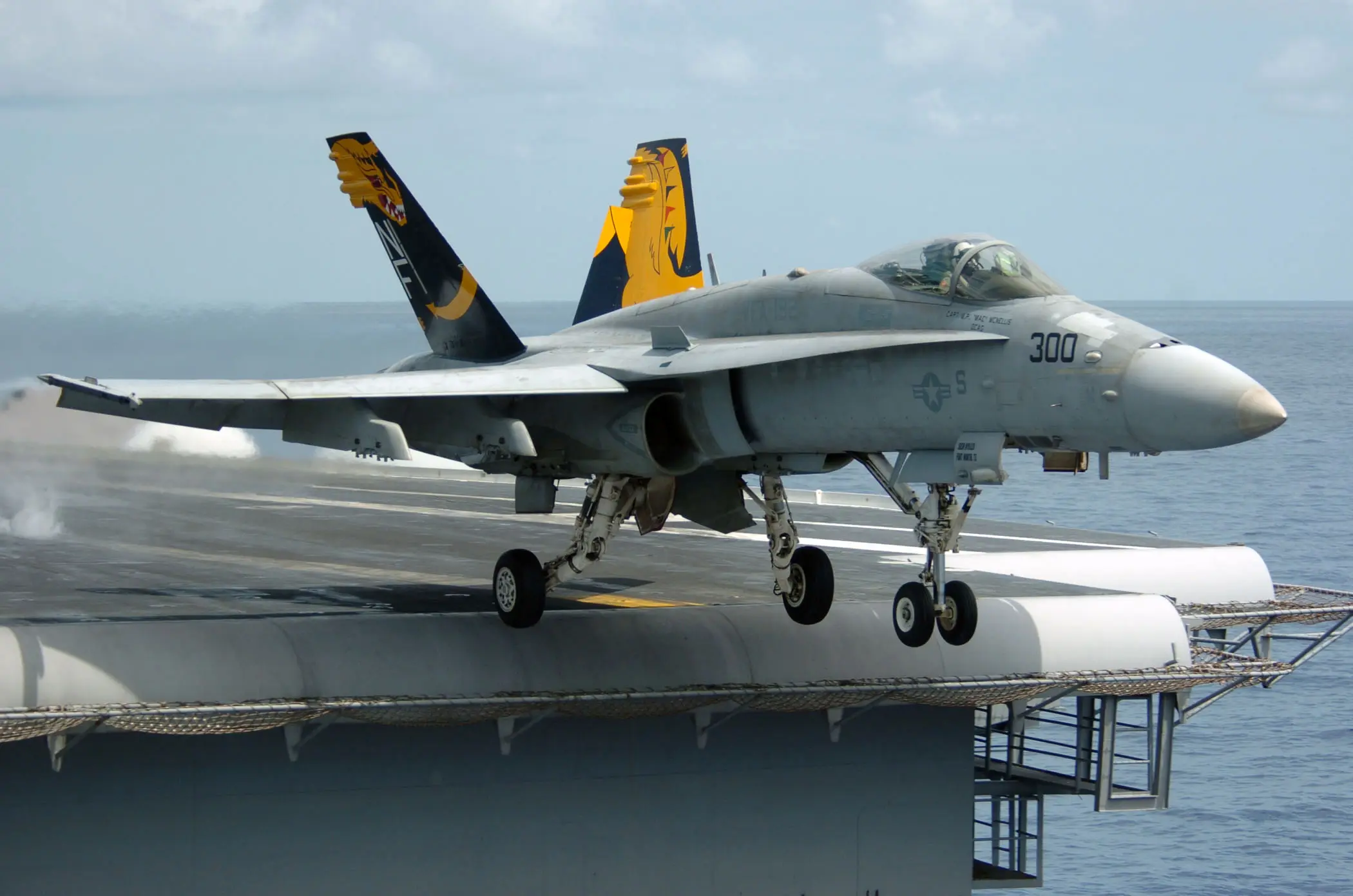
Hangar and flight deck space
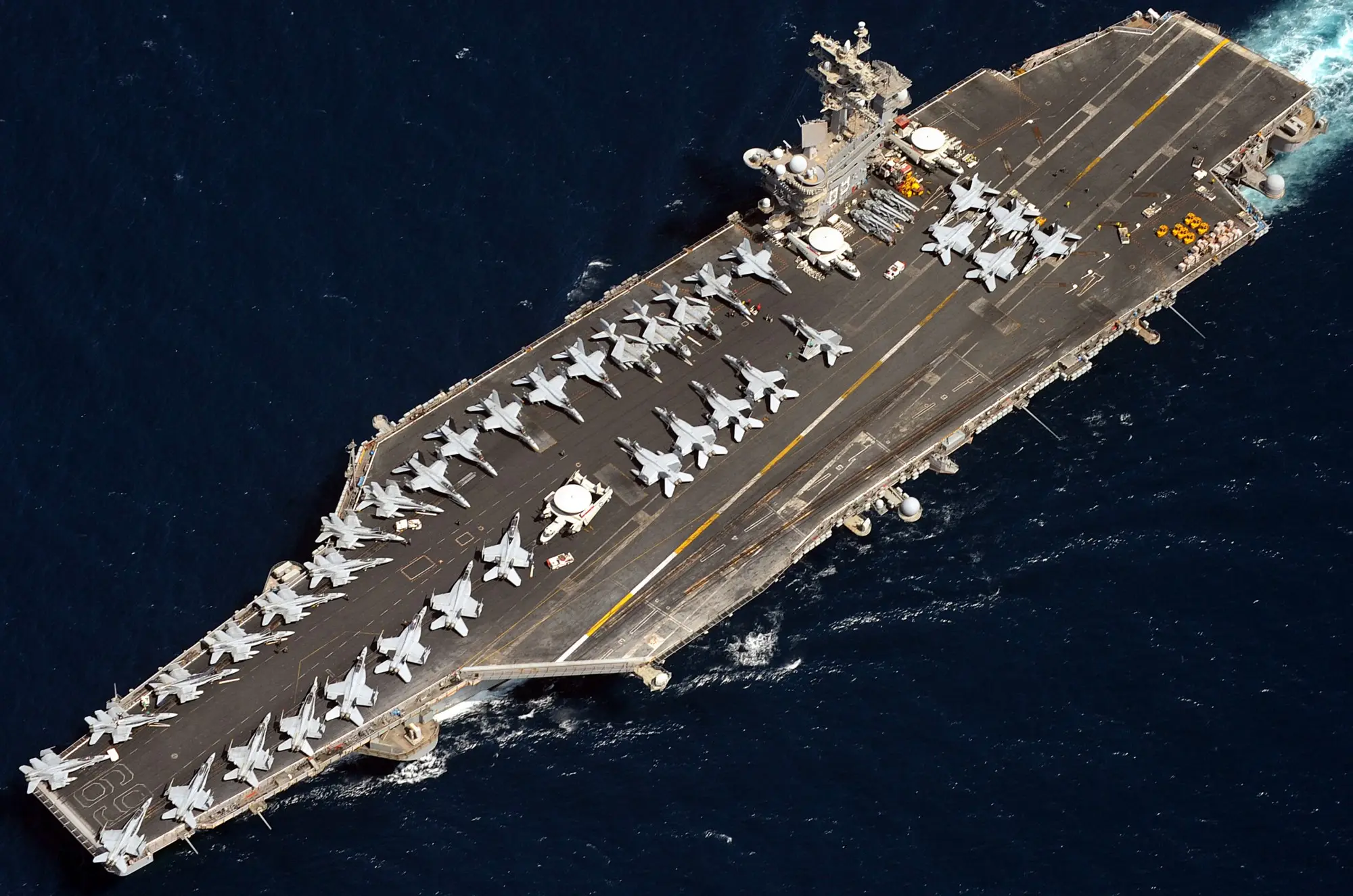
Carriers store jets both on the open flight deck and below in large hangar bays. Typically, only 20 or so jets fit on the top deck ready for flying. Most are kept below and moved up using giant lifts (elevators) for operations or maintenance. This mix keeps the deck clear for launches.
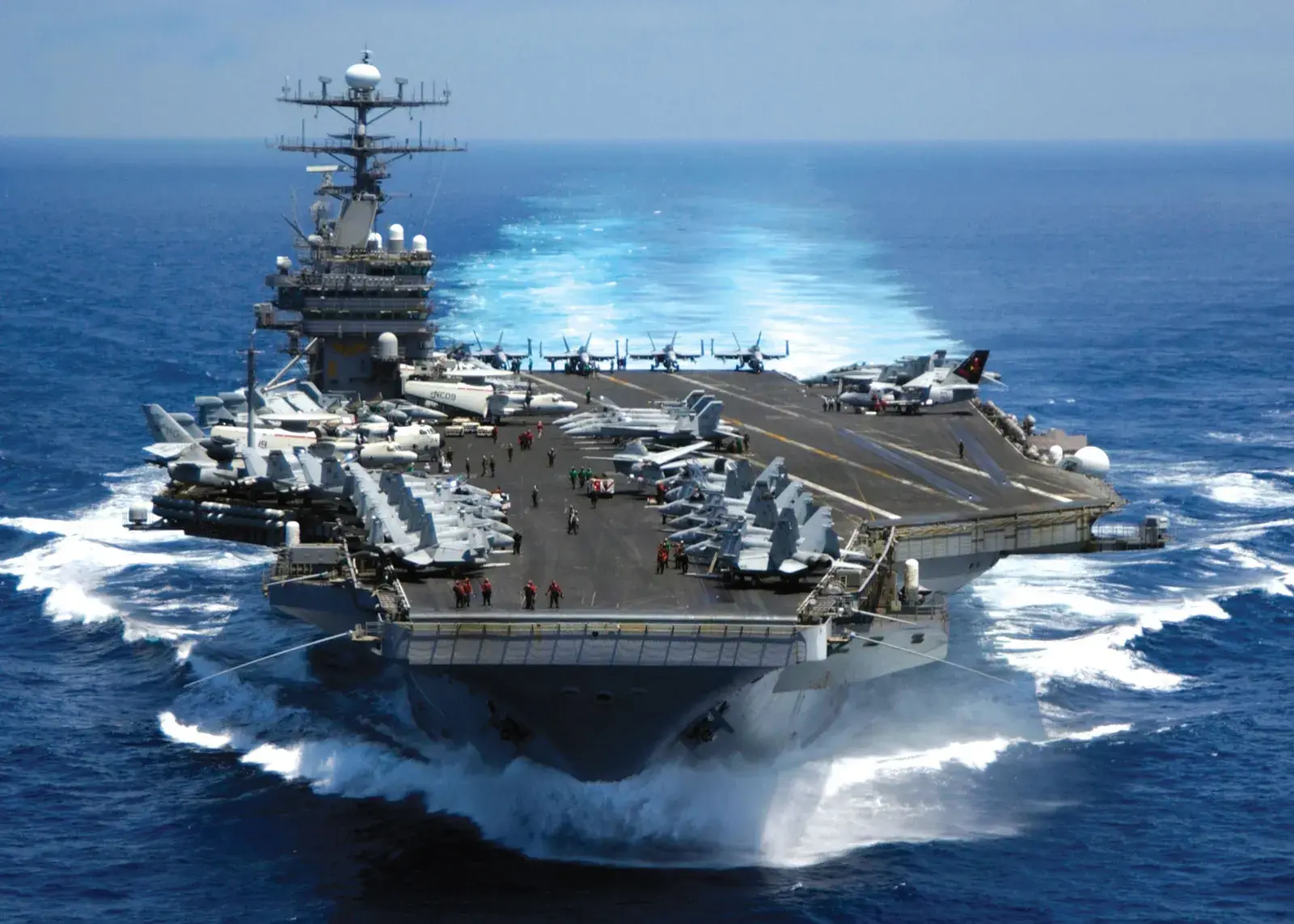
Famous US supercarriers: Nimitz and Ford class
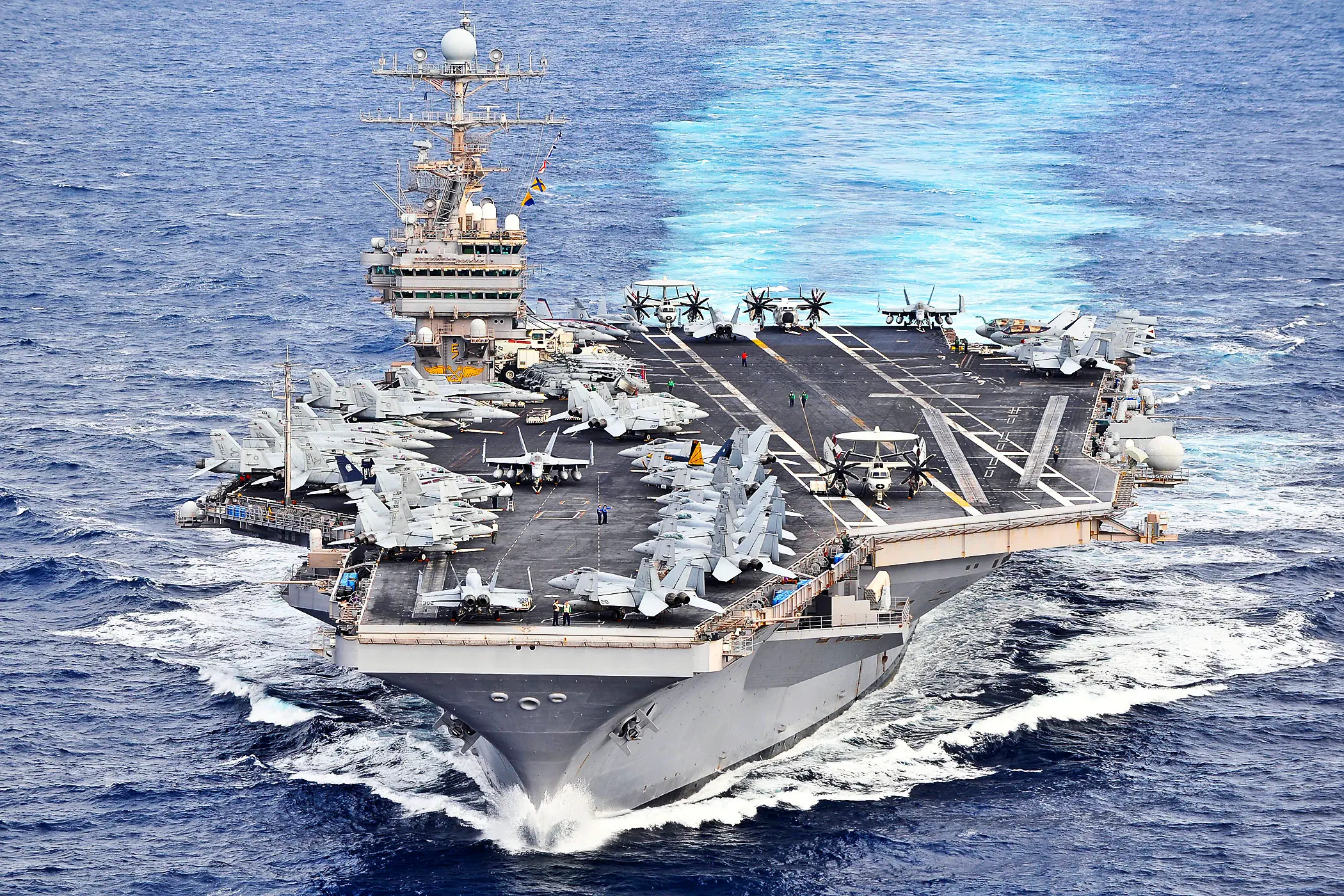
A Nimitz-class carrier (like USS George H.W. Bush) can take up to 90 aircraft, but usually operates with around 56 fighter jets in practice. The Ford-class can hold up to 90 as well but commonly supports 75-80 due to operational needs and support craft.
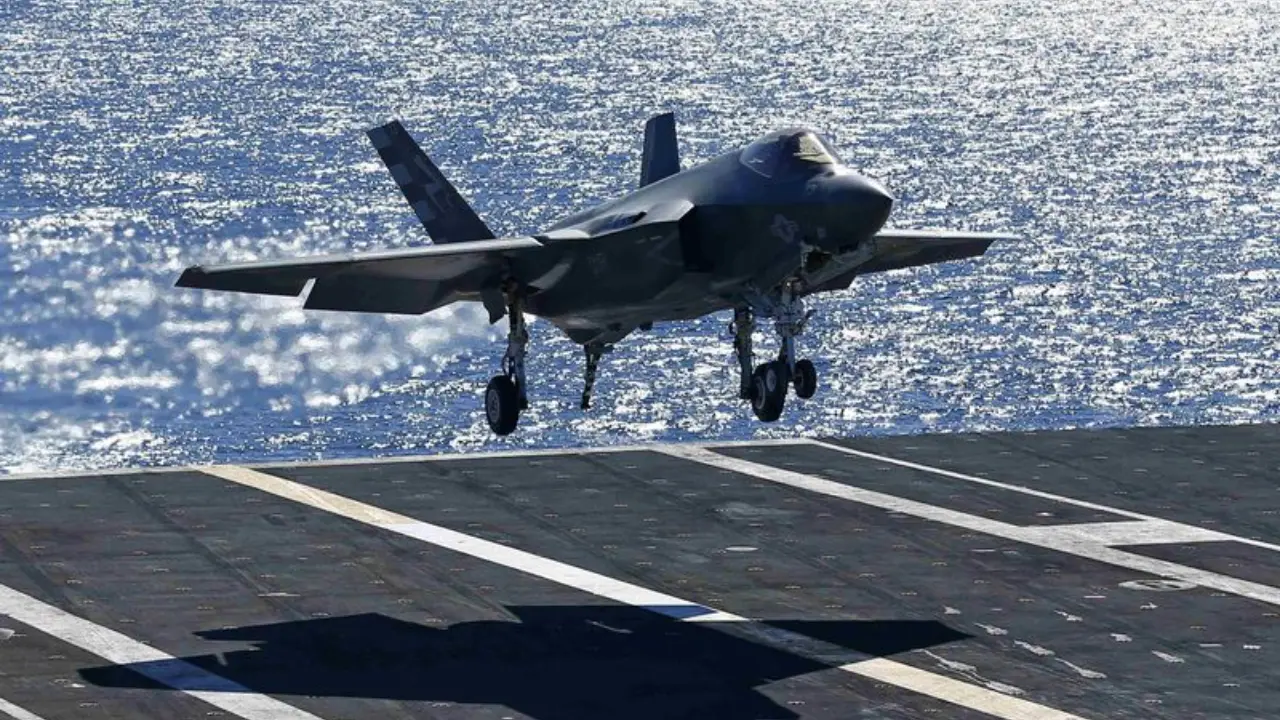
How do carriers fit so many?
Space is maximised by folding jet wings, stacking aircraft nose-to-tail in hangars, and using computerised inventory. Crews often move planes every few hours for efficiency and safe access. Still, keeping more jets on board can slow launch and recovery.
Other navy carriers worldwide
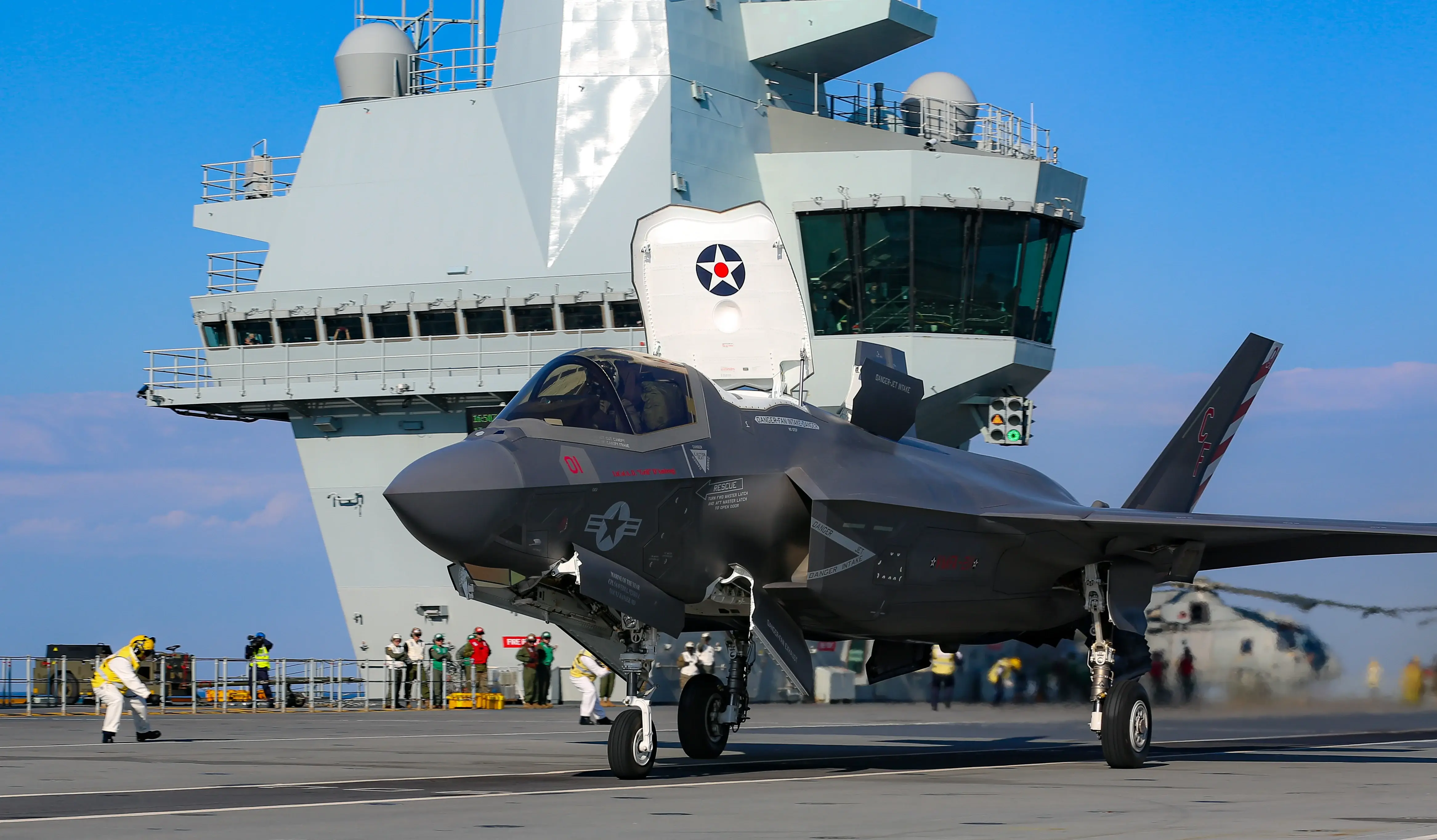
Britain’s HMS Queen Elizabeth typically operates up to 36 F-35 jets, with room for more helicopters if needed. India’s INS Vikrant holds up to 30 fighters and helicopters. Most light carriers range from 15-40 aircraft depending on their design.
The real limiting factors
Carrier jet numbers are restricted by hangar volume, deck area, the need for maintenance zones, fuel and ammo storage, and safety regulations. For every extra fighter, support space, spare parts, and crew must be available, making the “best” number less than the physical maximum.
Why bigger isn’t always better
Carriers rarely operate at full theoretical capacity. Too many jets mean crowded decks, risky refuelling, and slower sortie rates. Navies choose jet numbers for balance enough firepower, but keeping every landing and launch as safe and quick as possible.
)
)
)
)
)