How many 1960s fighter jets are still in service and which nations are operating them?

From economic limitations to tactical advantages, the reasons nations cling to these ageing warplanes offer a unique insight into military planning, resilience, and the enduring relevance of designs once considered cutting-edge.
Introduction
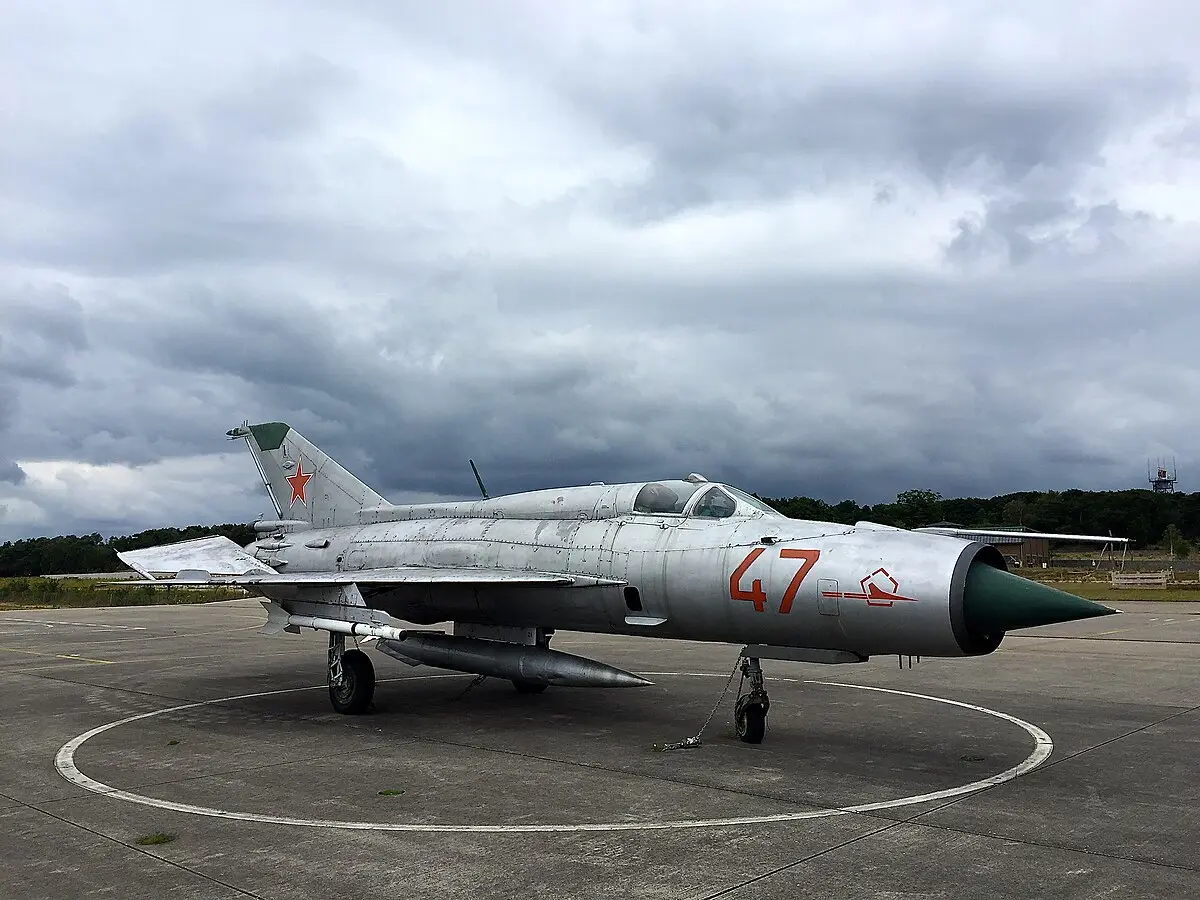
Several nations continue to operate second-generation fighter jets from the 1960s, testament to the enduring legacy and adaptability of these aircraft. Despite advancements in aviation technology, these vintage fighters remain integral to the air forces of various countries, often due to economic constraints, strategic considerations, or the unavailability of modern replacements. This article explores the countries that still fly these classic jets, examining their operational roles and the reasons behind their continued service.
1. Mikoyan-Gurevich MiG-21
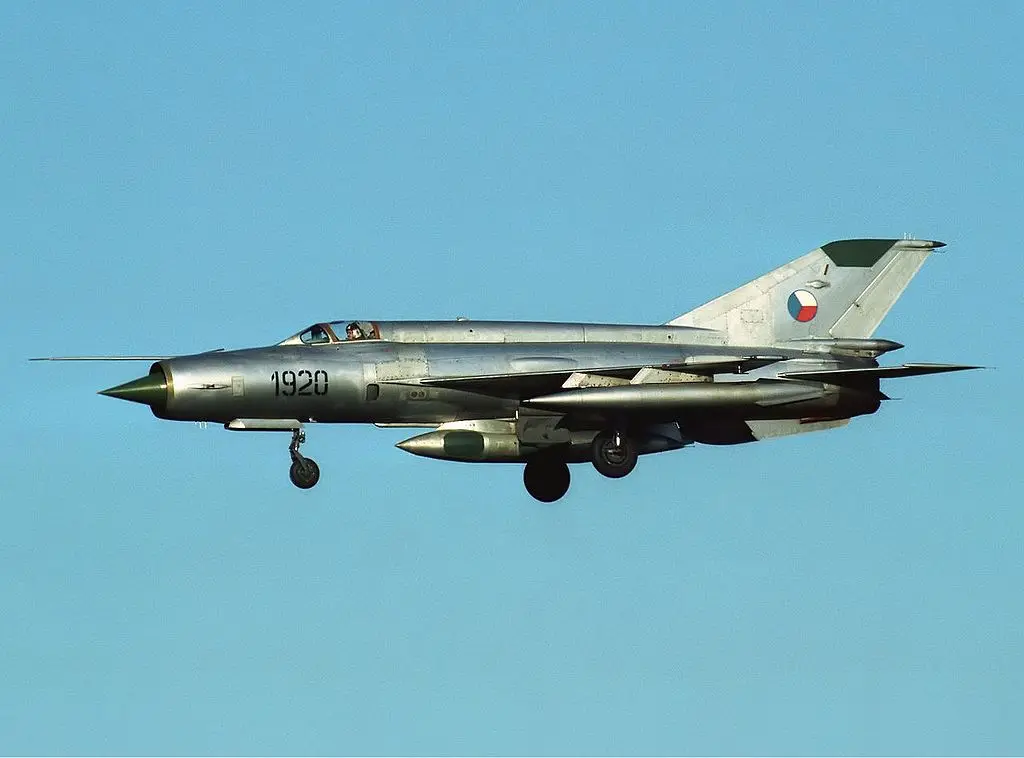
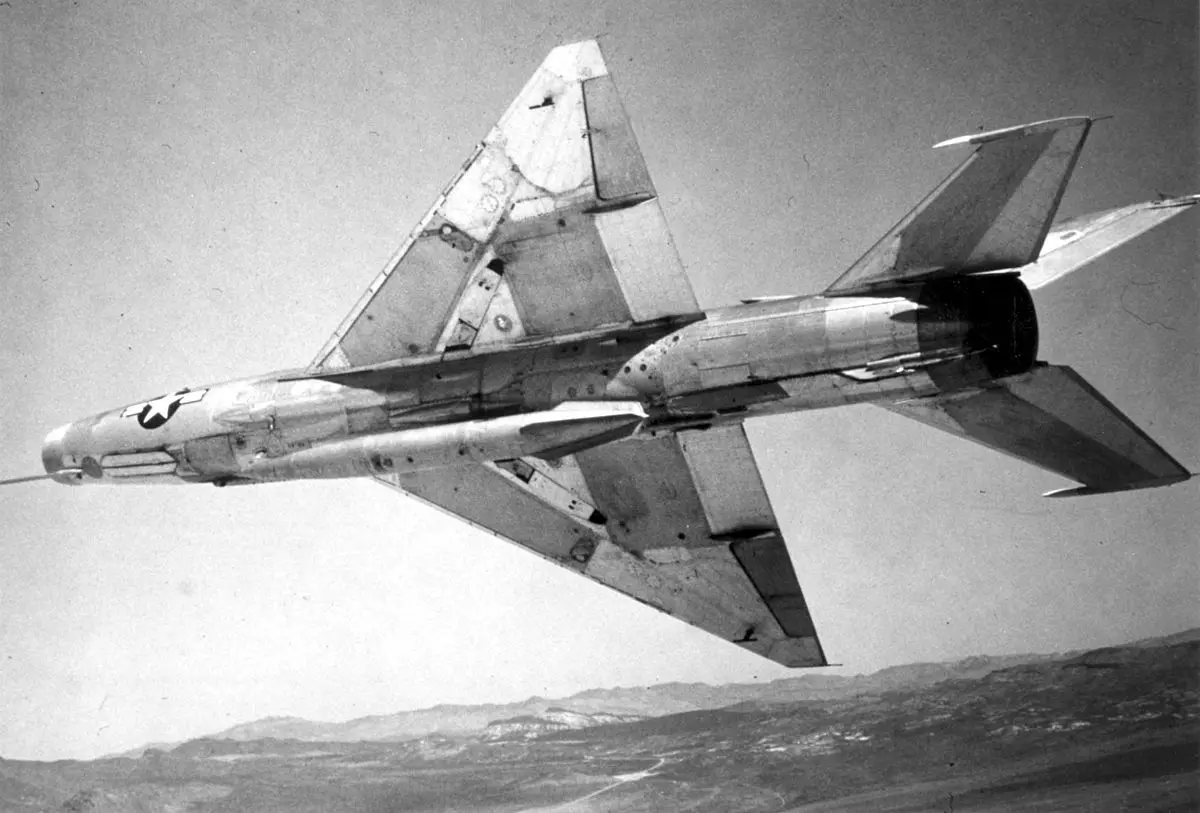
The MiG-21, a Soviet-designed supersonic jet fighter, was first introduced in the late 1950s and became one of the most widely produced supersonic aircraft in history. As of 2025, several countries continue to operate variants of the MiG-21, including Angola, Azerbaijan, Bangladesh, and China. These aircraft are often utilised for air policing, training, and regional defence roles. In India, the MiG-21 served for over six decades before its retirement in September 2025, marking the end of an era for the Indian Air Force.
2. Northrop F-5
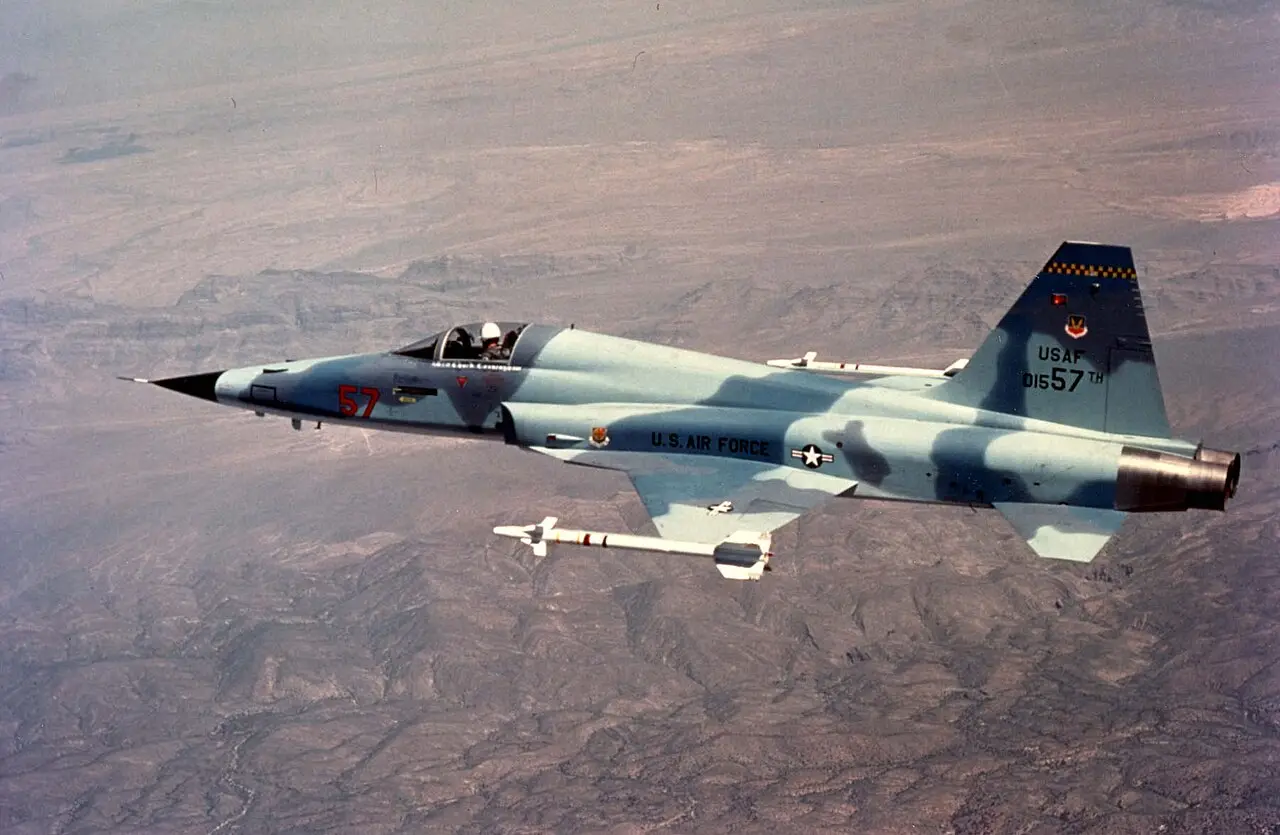
The Northrop F-5, introduced in the early 1960s, was designed as a lightweight, supersonic fighter. Despite its age, the F-5 remains in service with 26 air forces worldwide. Countries such as Bahrain, Botswana, Brazil, Chile, Honduras, and Iran continue to operate F-5 variants, often in upgraded configurations for training and light combat roles. The aircraft’s simplicity, agility, and cost-effectiveness contribute to its prolonged service life.
3. McDonnell Douglas F-4 Phantom II
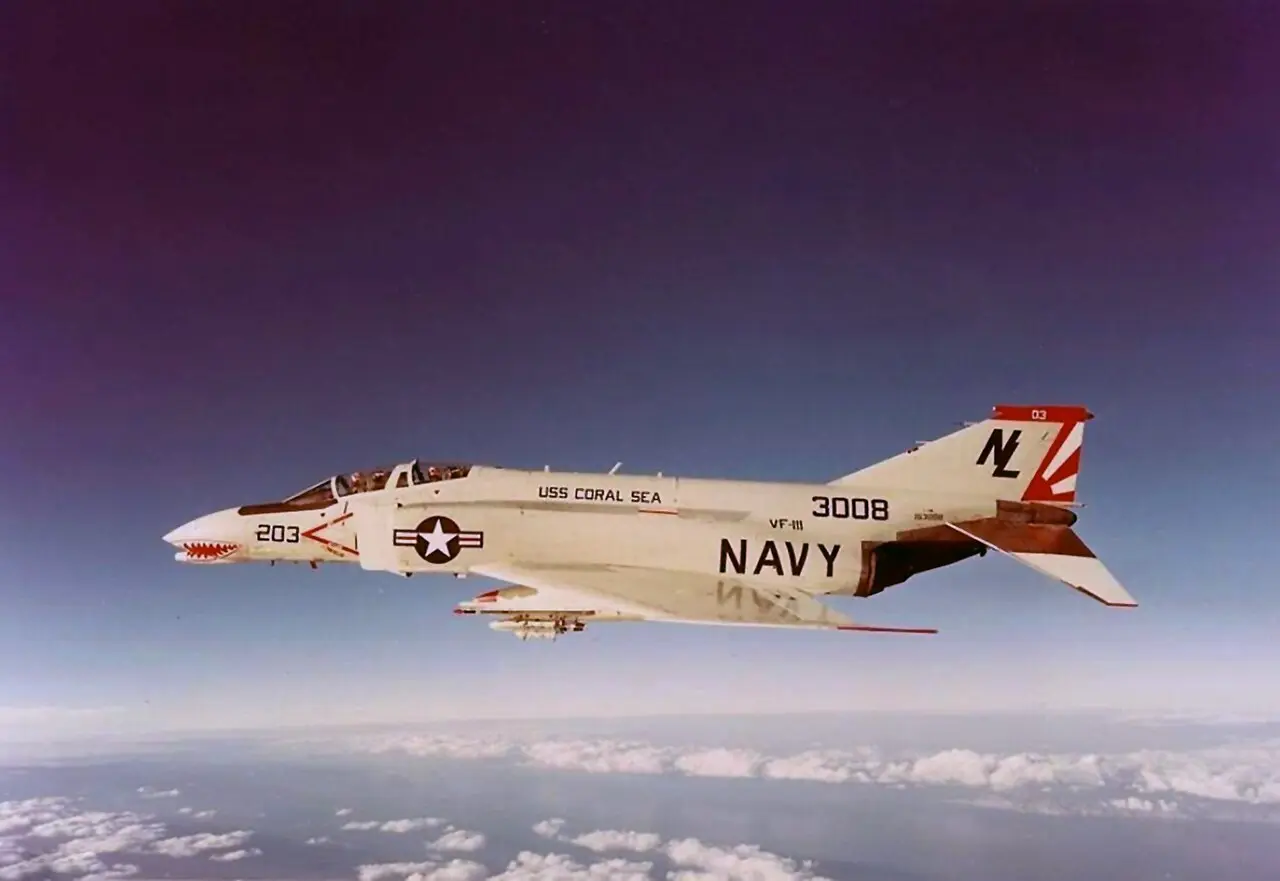
The F-4 Phantom II, introduced in the 1960s, was a tandem two-seat, twin-engine, all-weather, long-range supersonic jet interceptor and fighter-bomber originally developed for the United States Navy. As of 2025, the F-4 remains in service with the air forces of Iran, Turkey, and Greece. Iran operates over 60 F-4s, making it the largest Phantom operator globally. These aircraft are employed in roles including air superiority, ground attack, and reconnaissance missions.
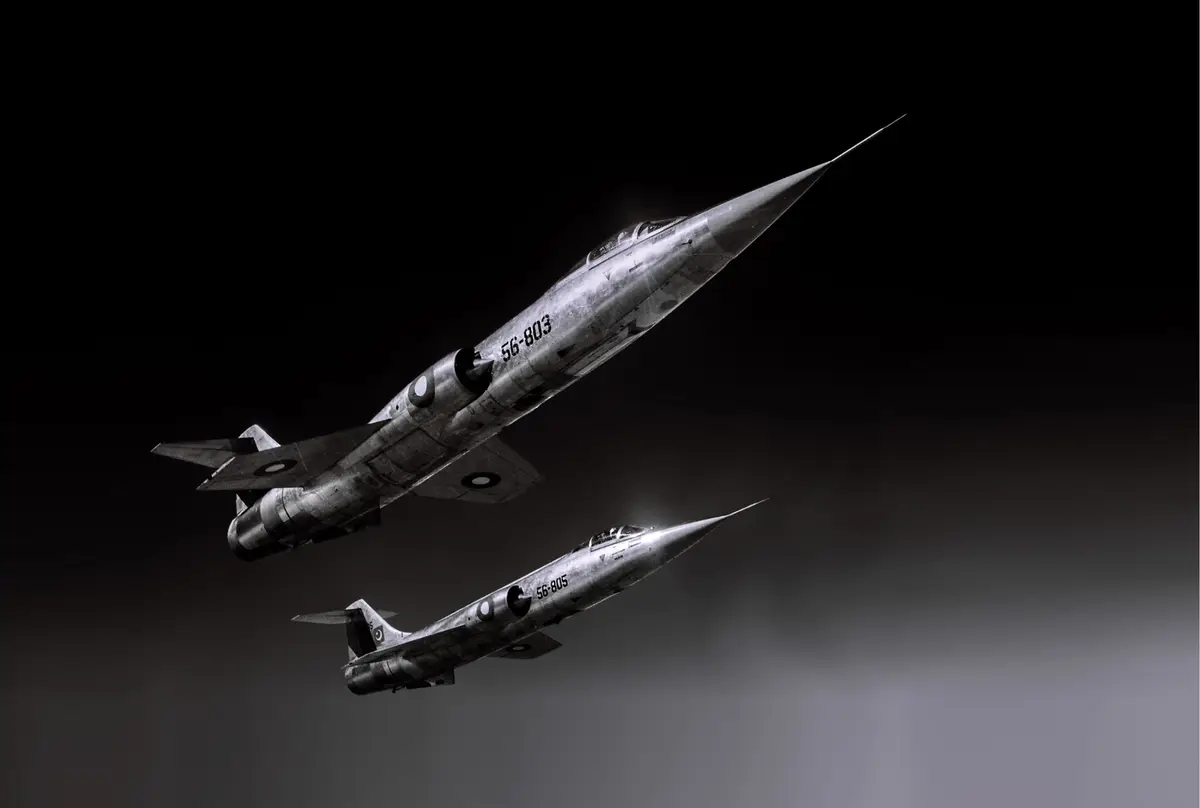
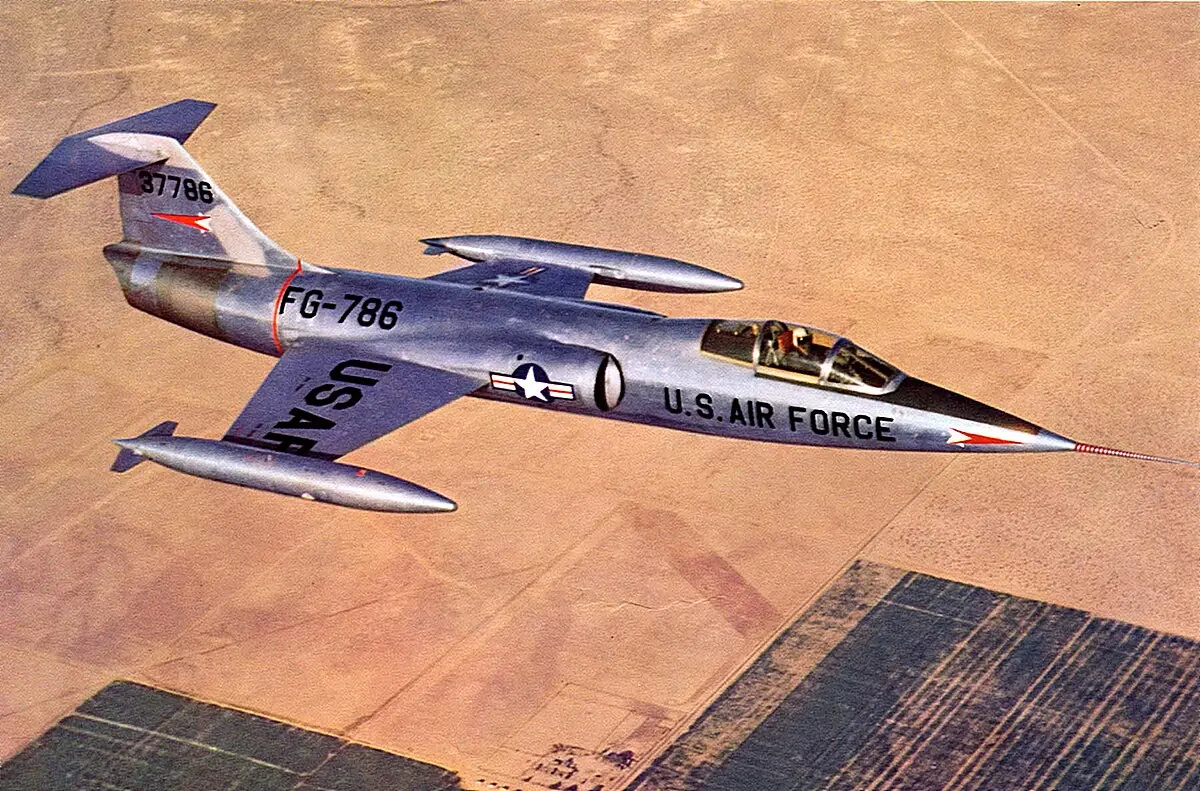
4. Lockheed F-104 Starfighter
The F-104 Starfighter, known for its sleek design and high-speed capabilities, was introduced in the late 1950s. While most military operators have retired the F-104, a few civilian entities continue to operate the aircraft. In these contexts, the Starfighter is used for specialised missions, including experimental aviation and commercial spaceflight operations, highlighting its enduring performance capabilities.
Reasons for Continued Service
The continued operation of 1960s-era fighter jets can be attributed to several factors. For many countries, economic constraints make the procurement of modern aircraft challenging. Additionally, the simplicity and reliability of these older jets, coupled with the availability of spare parts and maintenance expertise, make them viable options for nations seeking to maintain a capable air force without significant financial investment.
The Future of Vintage Fighters
While advancements in stealth technology, avionics, and weaponry continue to shape modern air combat, the future of 1960s-era fighters, obviously is uncertain. Some countries are investing in upgrades to extend the service life of these aircraft, incorporating modern avionics and weapons systems to enhance their capabilities. However, the trend is shifting towards the acquisition of newer platforms that offer superior performance and interoperability with allied forces.
)
)
)
)
)