How long can India survive US-Iran war oil shock? A look at our strategic reserves

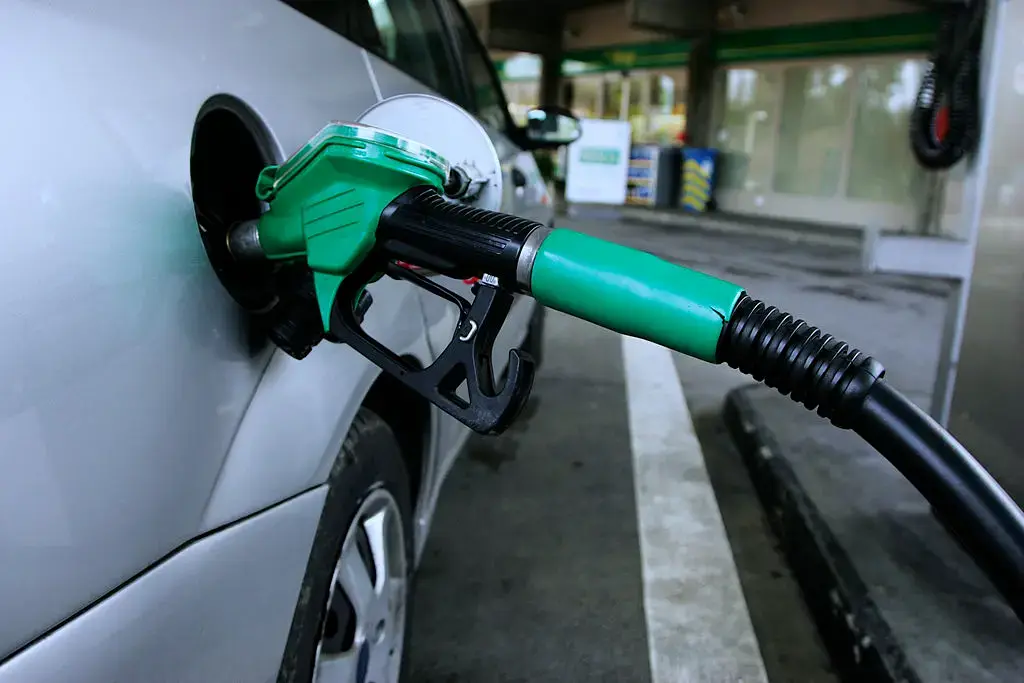
As the US-Iran war blocks the Strait of Hormuz, PM Modi has urged citizens to cut back on petrol consumption. But if the crisis worsens, exactly how much emergency oil does India have stored in its Strategic Petroleum Reserves to survive?
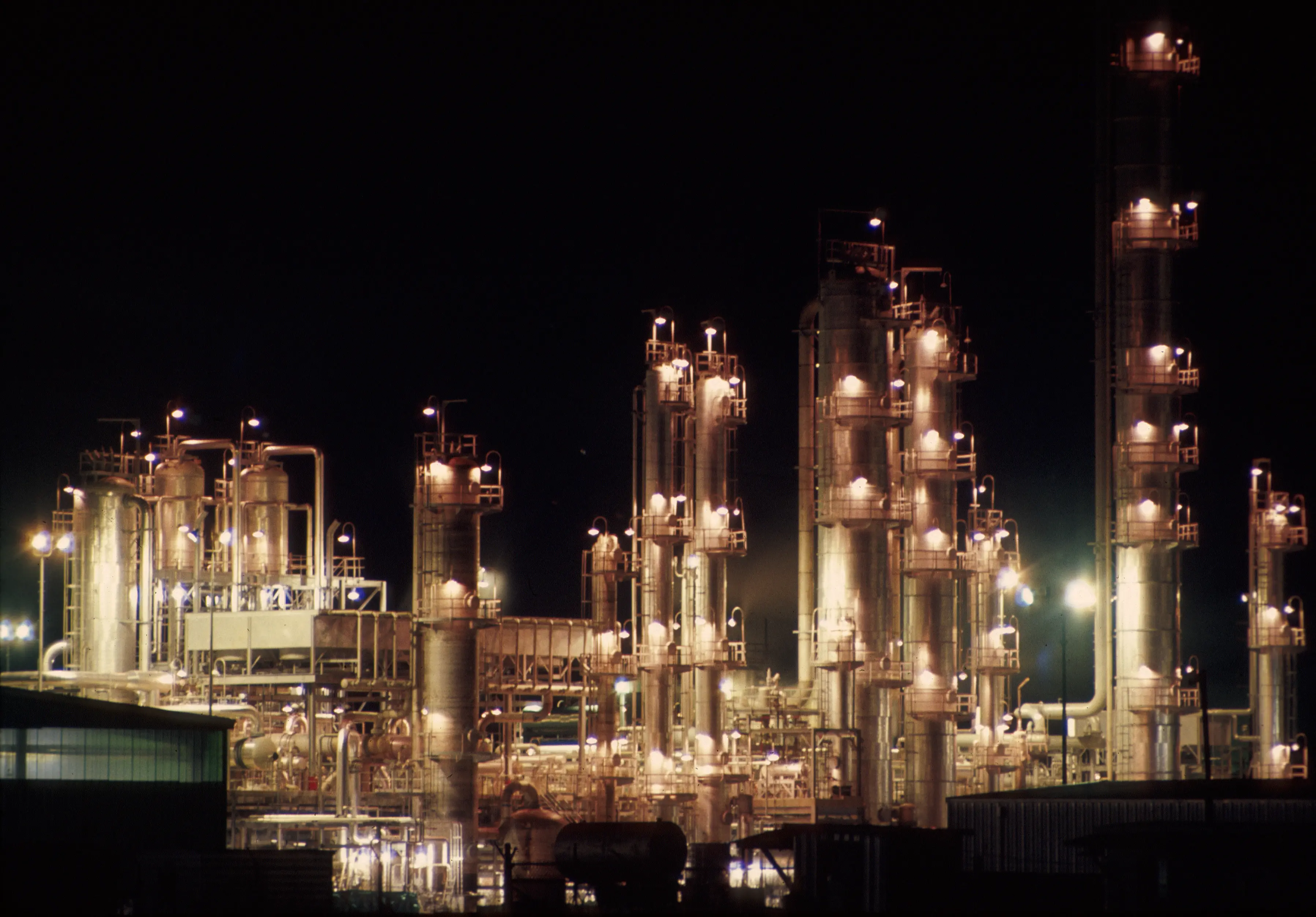
The US-Iran Oil Shock Hits India
The ongoing war in West Asia has effectively closed off the Strait of Hormuz, a critical chokepoint for global oil shipments. With international prices skyrocketing, India is facing one of the most severe energy security threats in its modern history.
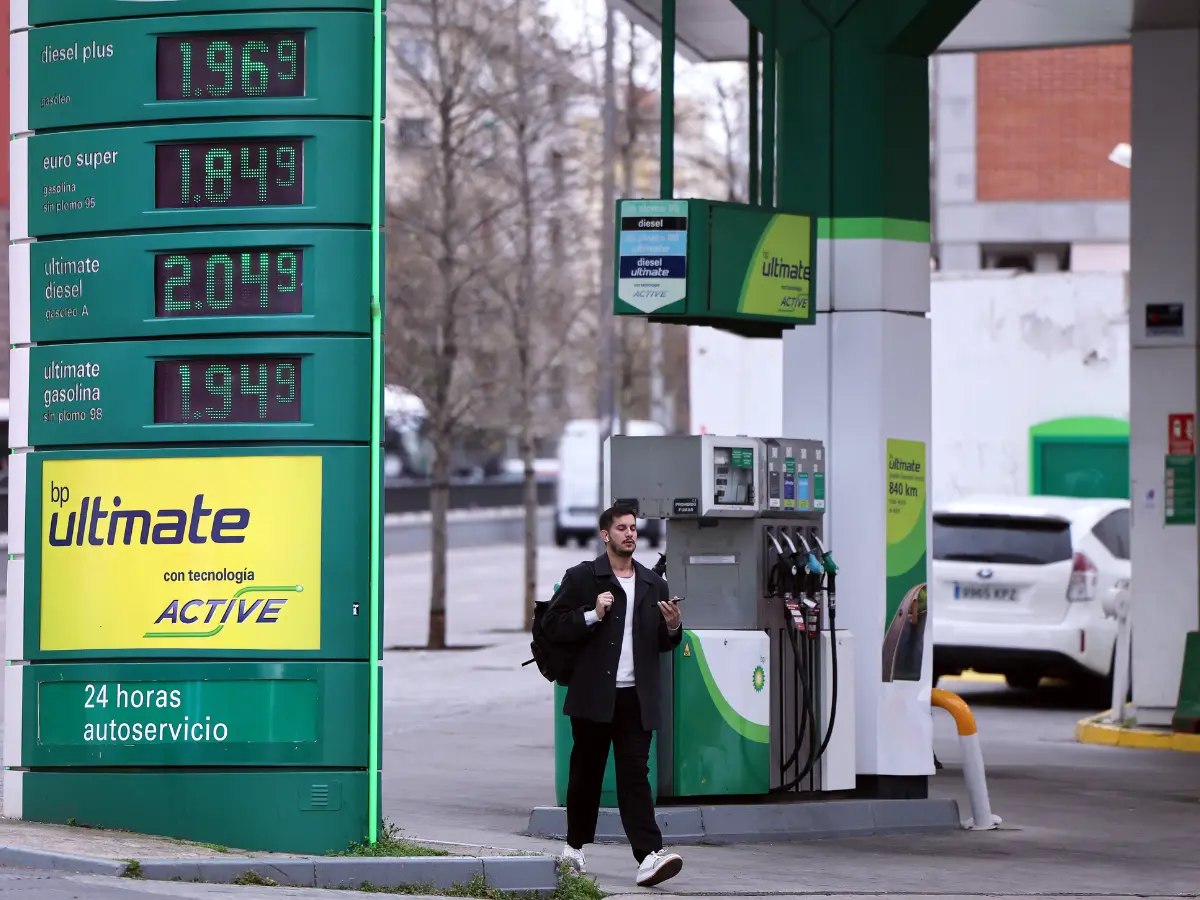
PM Modi's Urgent Appeal
The situation is so dire that Prime Minister Narendra Modi recently addressed the nation, urging citizens to drastically reduce petrol and diesel consumption. His appeal for restraint is a clear signal that the government cannot endlessly absorb the rising costs of imported oil.
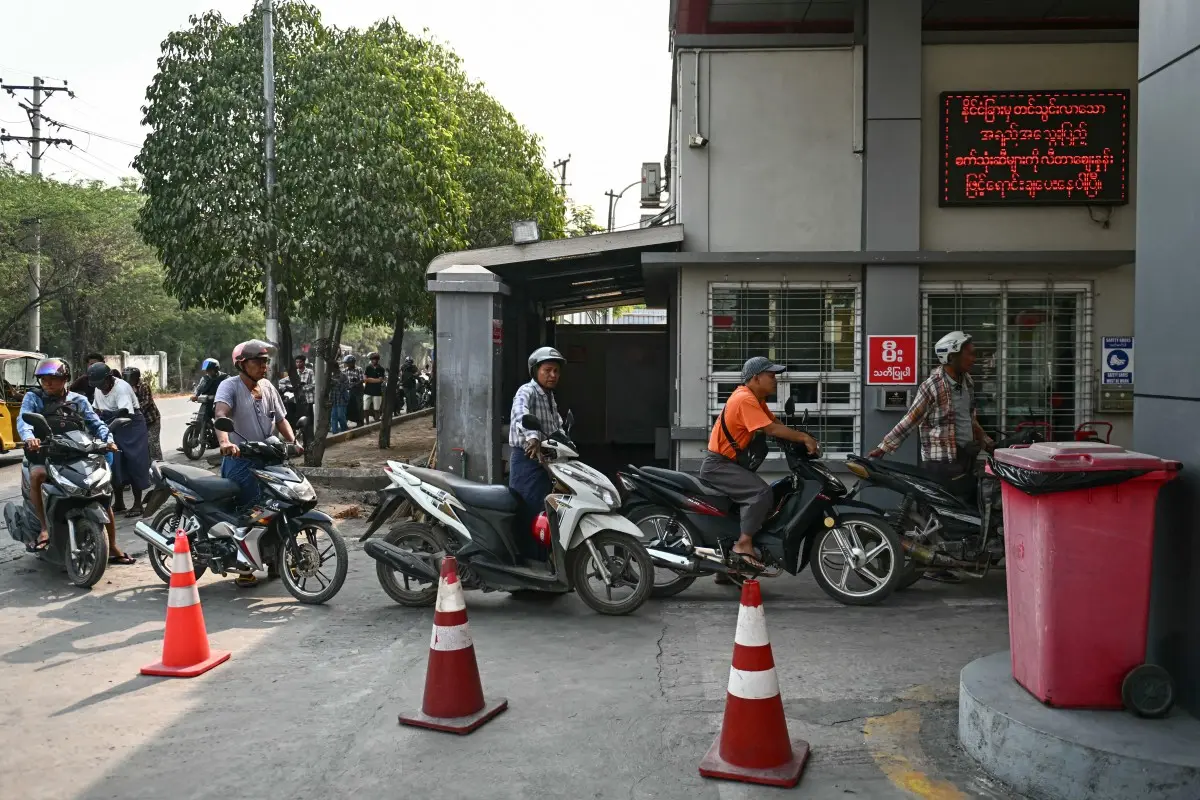
What is the Strategic Petroleum Reserve?
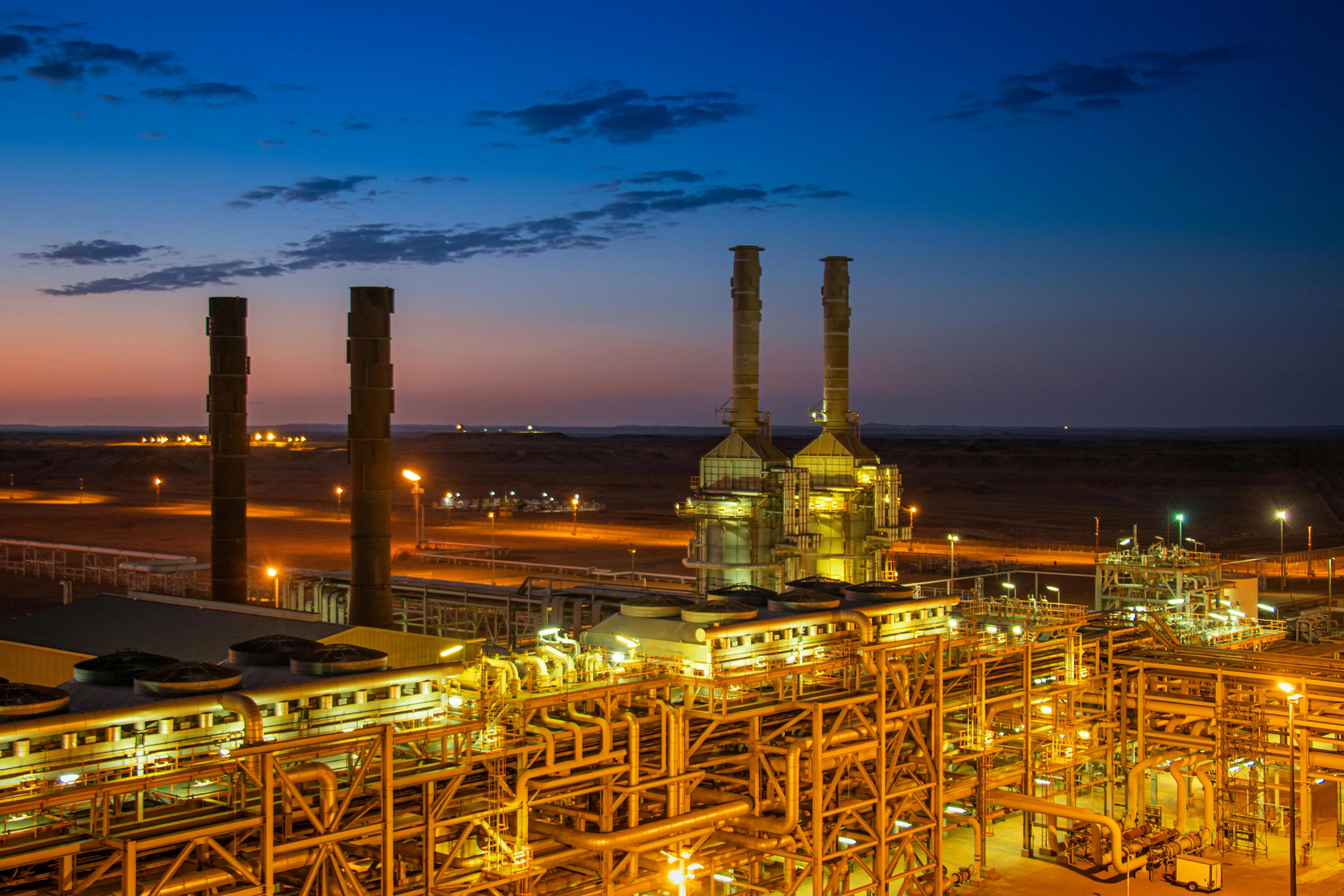
If citizens don't cut back, the country must rely on its emergency backup: the Strategic Petroleum Reserve (SPR). The SPR is a massive network of underground rock caverns designed to hold millions of tonnes of crude oil strictly for national emergencies.
Where is India's Emergency Oil Stored?
India has strategically located these massive underground oil vaults across the country. Phase I of the SPR program established storage facilities in Visakhapatnam (Andhra Pradesh), Mangaluru (Karnataka), and Padur (Karnataka).

How Many Days of Fuel Are Left?
The critical question is capacity. The Phase I SPR facilities have a combined capacity of 5.33 million metric tonnes (MMT). In the event of a total supply blockade, this reserve can meet India's massive fuel requirements for approximately 9.5 days.
The Commercial Reserves Backup
While 9.5 days sounds alarmingly short, it's not the only backup. In addition to the government SPR, Indian Oil Marketing Companies (OMCs) hold commercial reserves. Combined with the SPR, India's total emergency storage can theoretically sustain the nation for roughly 74 days.
The Worst-Case Scenario
If the US-Iran war drags on and the 74-day buffer begins to deplete, the government will be forced into drastic measures. This could include severe petrol rationing, skyrocketing domestic pump prices, and a massive drain on foreign exchange reserves—which is exactly what PM Modi is trying to prevent today.
)
)
)
)
)