How long can black boxes survive underwater? Discover more about depth, pressure resistance, and battery life.

Black boxes store flight audio recordings. It is built to survive crashes, deep-sea pressure, and heat. With locator beacons and tough data protection, it helps investigators learn what happened in plane accidents.
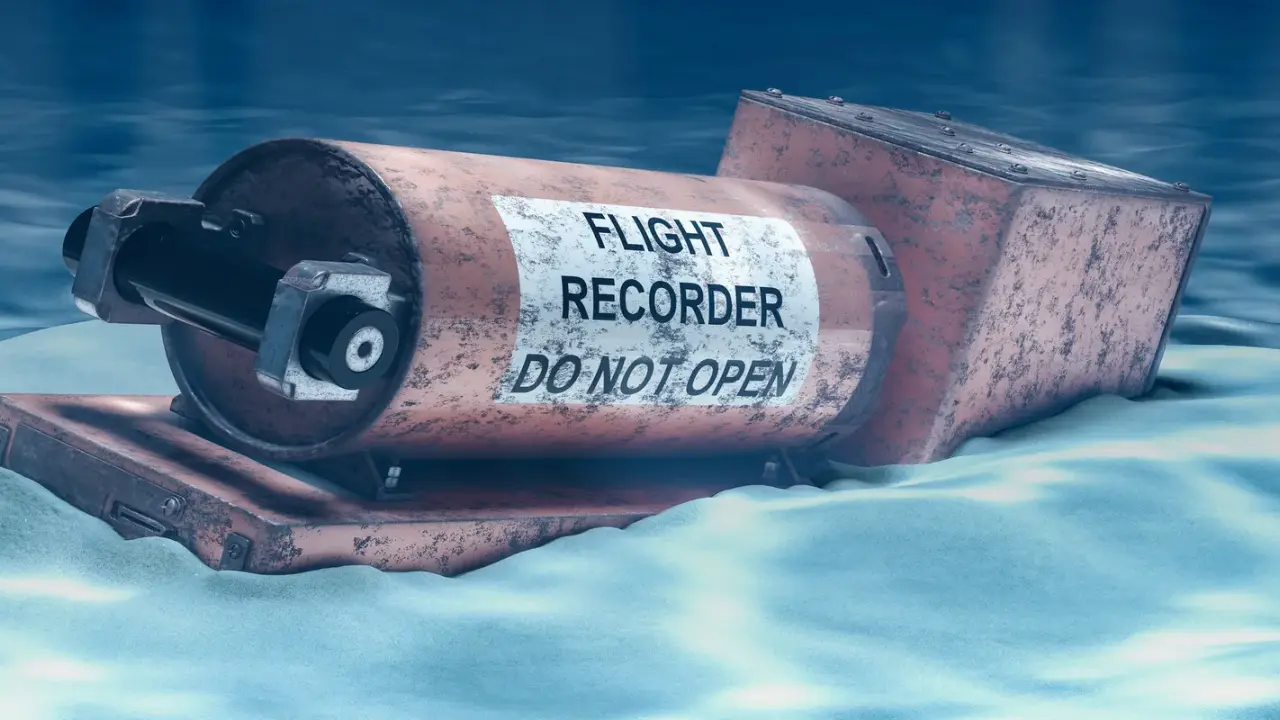
What Are Black Boxes?
Black boxes are flight recorders that store flight data and cockpit audio. It is built to survive crashes and help investigators find out what happened.
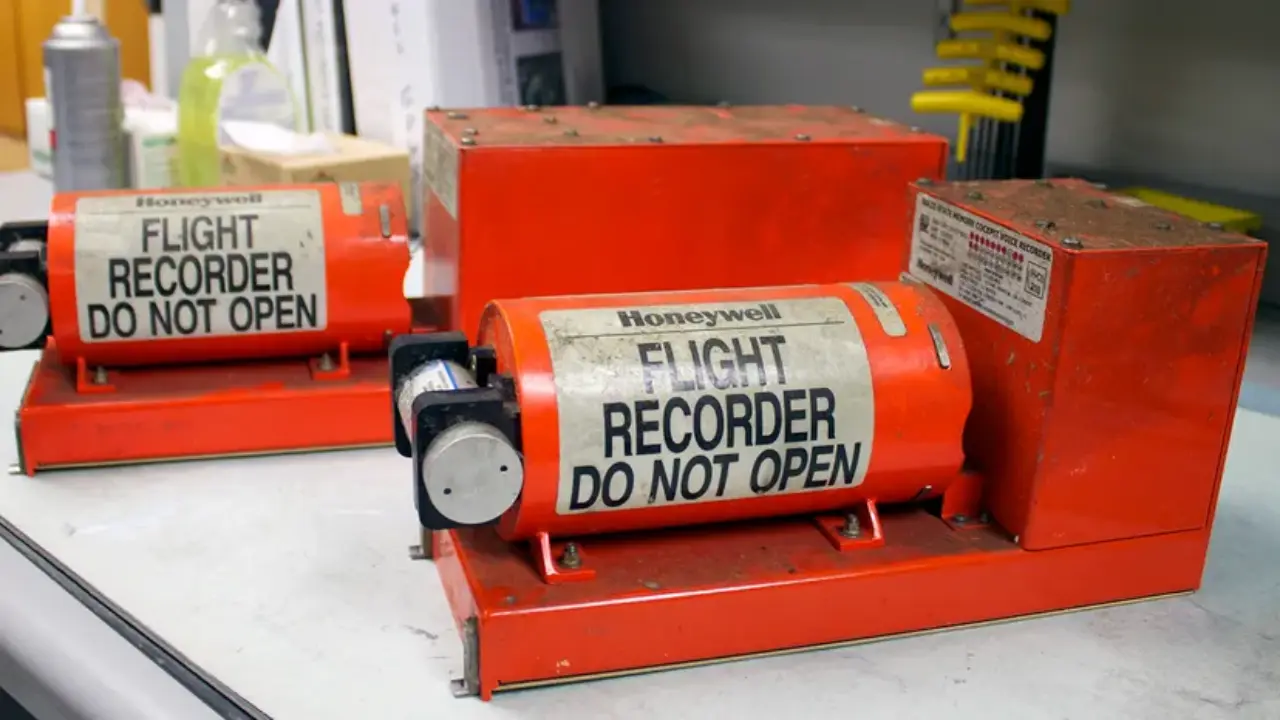
Underwater Locator Beacon
Each black box has an underwater locator beacon (ULB). When in water, it sends out a “ping” sound to help search teams find it.
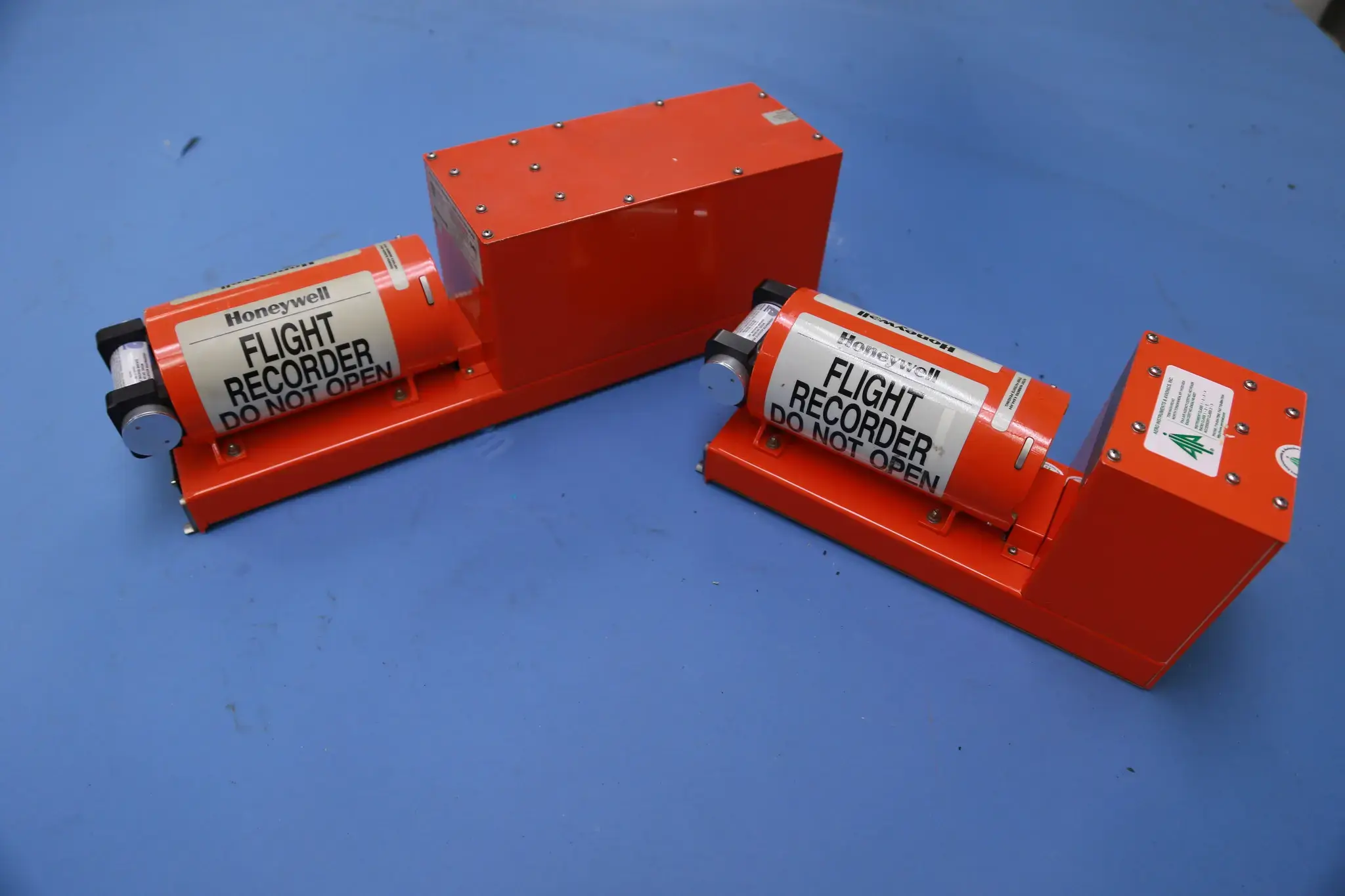
How Long Does the Beacon Last?
The beacon’s battery lasts at least 30 days underwater. It emits a signal once every second, helping search teams locate the black box.
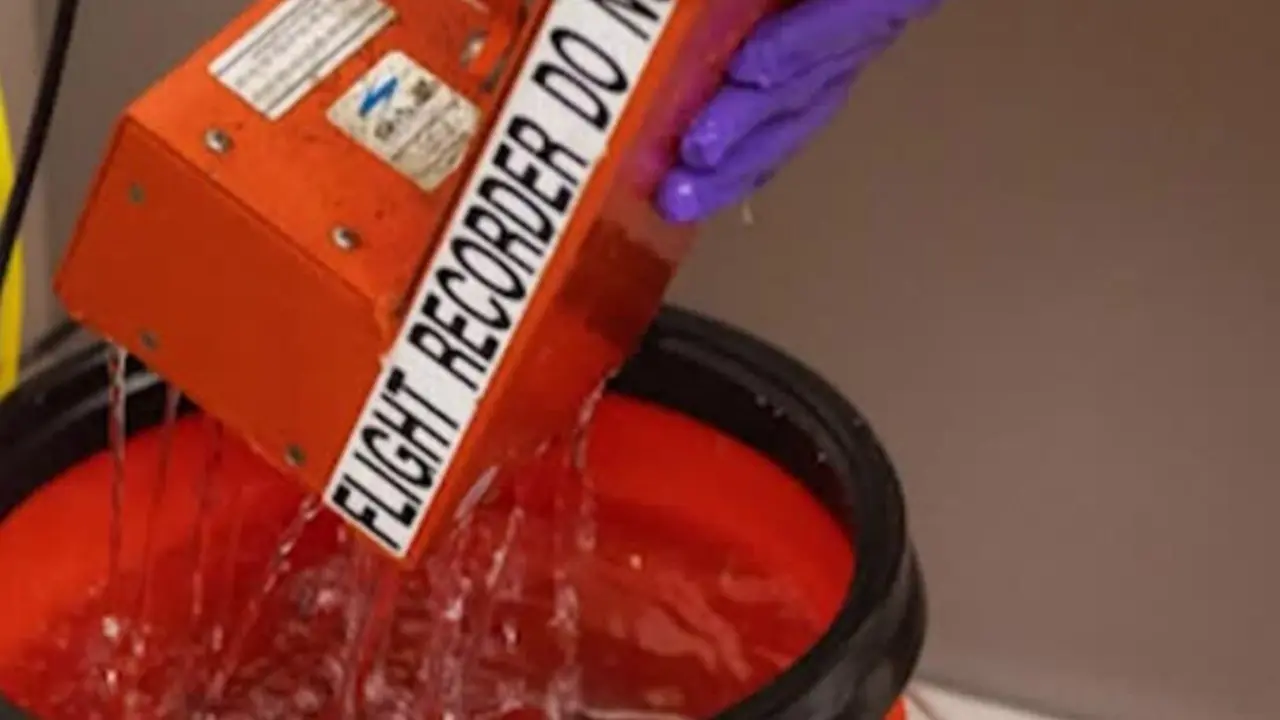
Depth and pressure tolerance
Black boxes are designed to stay watertight and intact at depths of up to 20,000 feet (about 6,000 metres) for at least 30 days, even if it is in saltwater.
Data Protection
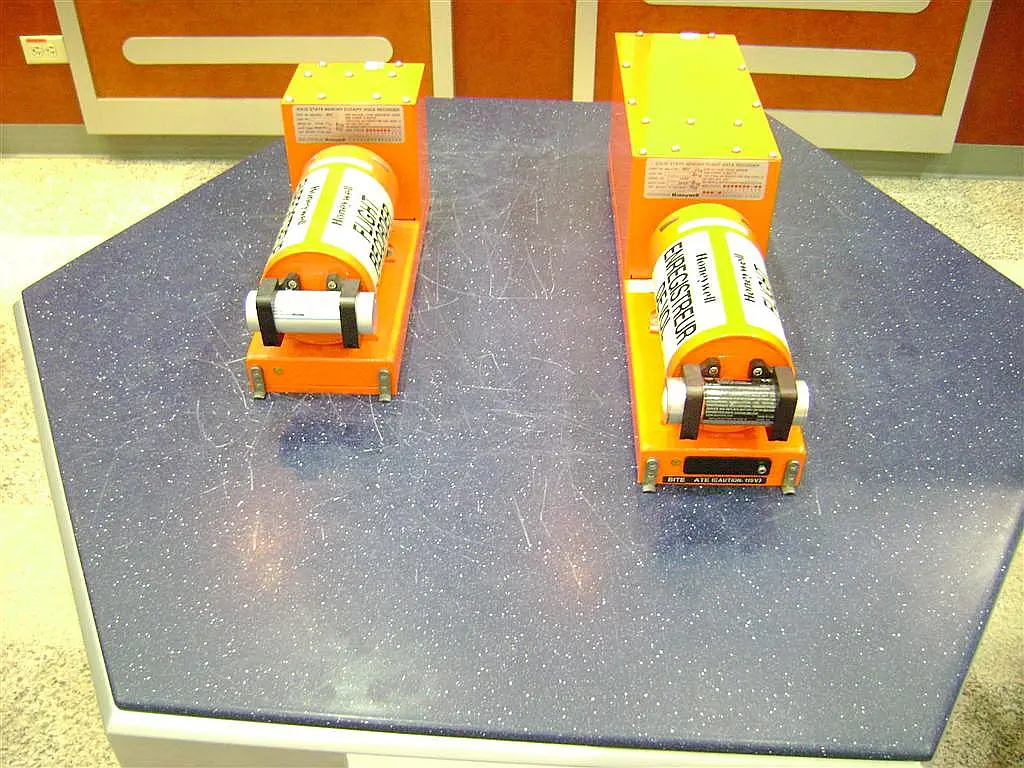
The robust, rust-resistant materials are designed to protect the memory units within the black boxes. This keeps the data safe, even after weeks or months underwater.
Example of Recovery Underwater
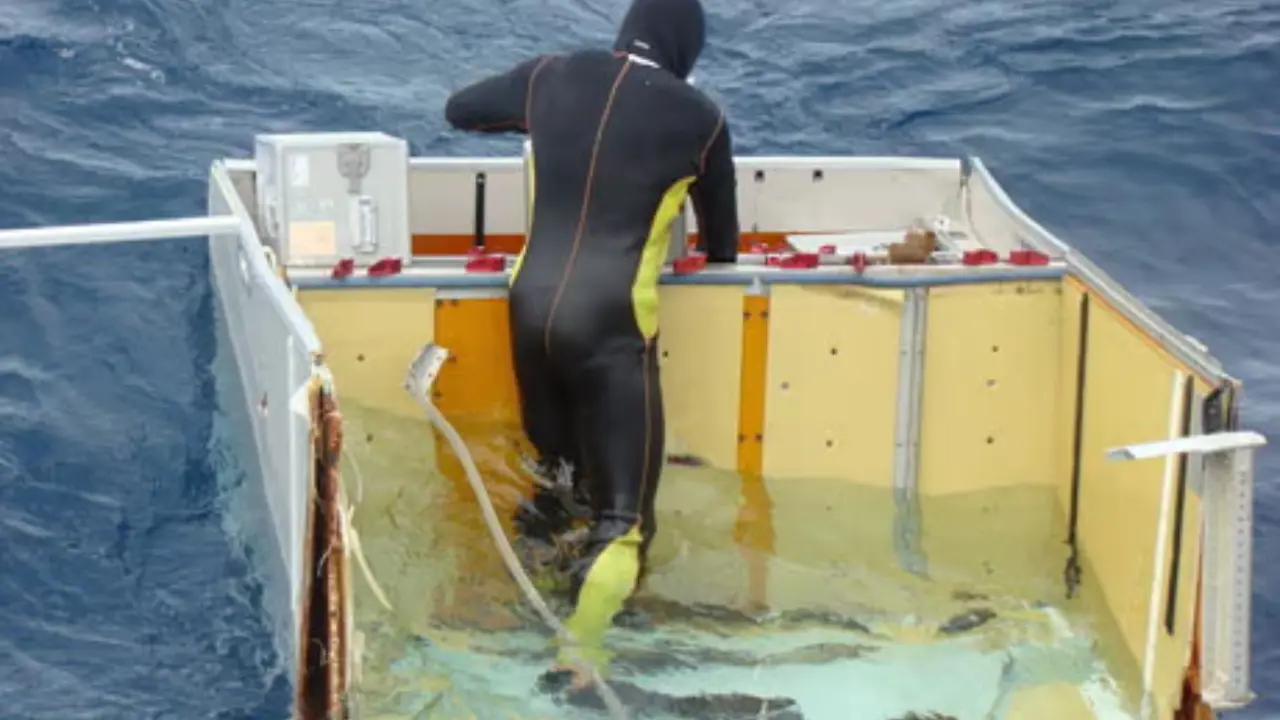
Black boxes have been recovered after long periods underwater. For example, Air France Flight 447’s black boxes were found almost two years later, with most data intact.
Black Boxes: Surviving High Pressure
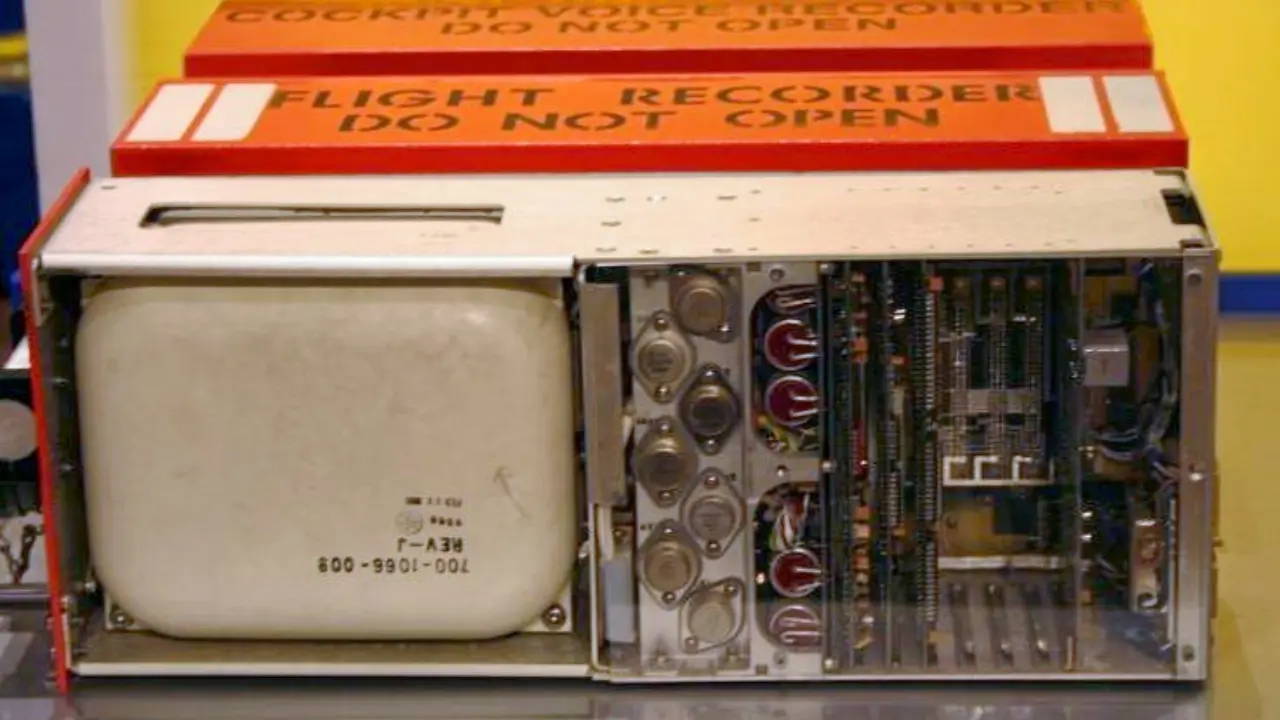
Black Boxes are built to survive high pressure, heat, and impact. This ensures that vital flight data can be recovered, helping make air travel safer for everyone.
)
)
)
)
)