How long can an F-35 fighter jet fly without refuelling?

F-35 fighter jets can fly over 1,000 nautical miles on internal fuel, but combat operations require mid-air refuelling to extend range and mission time. The F-35C has the longest range, while the F-35B has the shortest due to its vertical landing design.
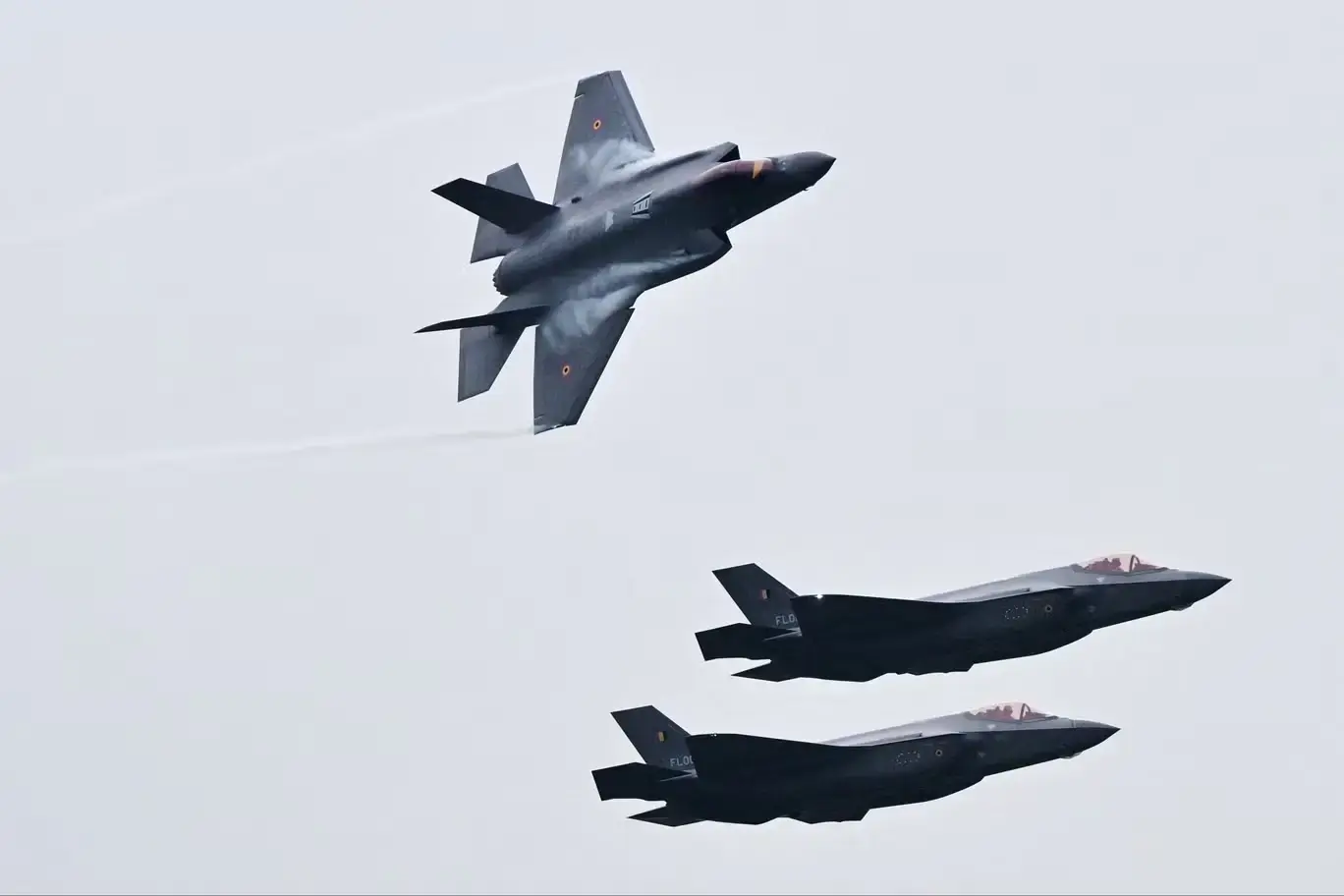
F-35 Flight Range Basics
The F-35 fighter jet family can travel significant distances on internal fuel alone. The maximum range varies by variant, but all share the ability to fly over 1,000 nautical miles before needing refuelling. Flight duration depends on speed, payload, and mission type.
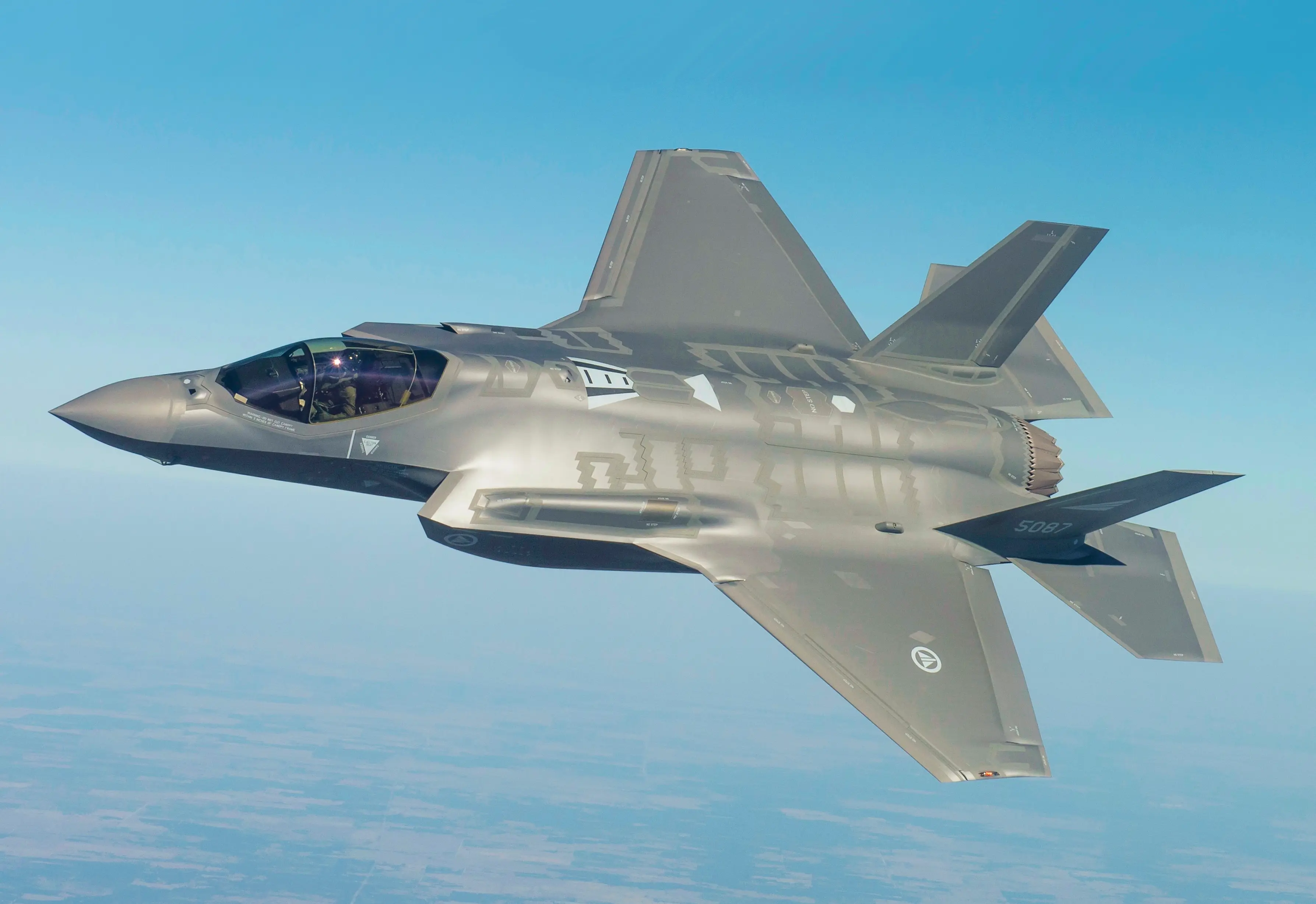
F-35A Endurance
The F-35A has the highest internal fuel capacity, about 8,278 kg, enabling a maximum range of around 2,200 km (1,200 nautical miles). It can stay airborne for over an hour, flying up to Mach 1.6 (about 1,200 mph).
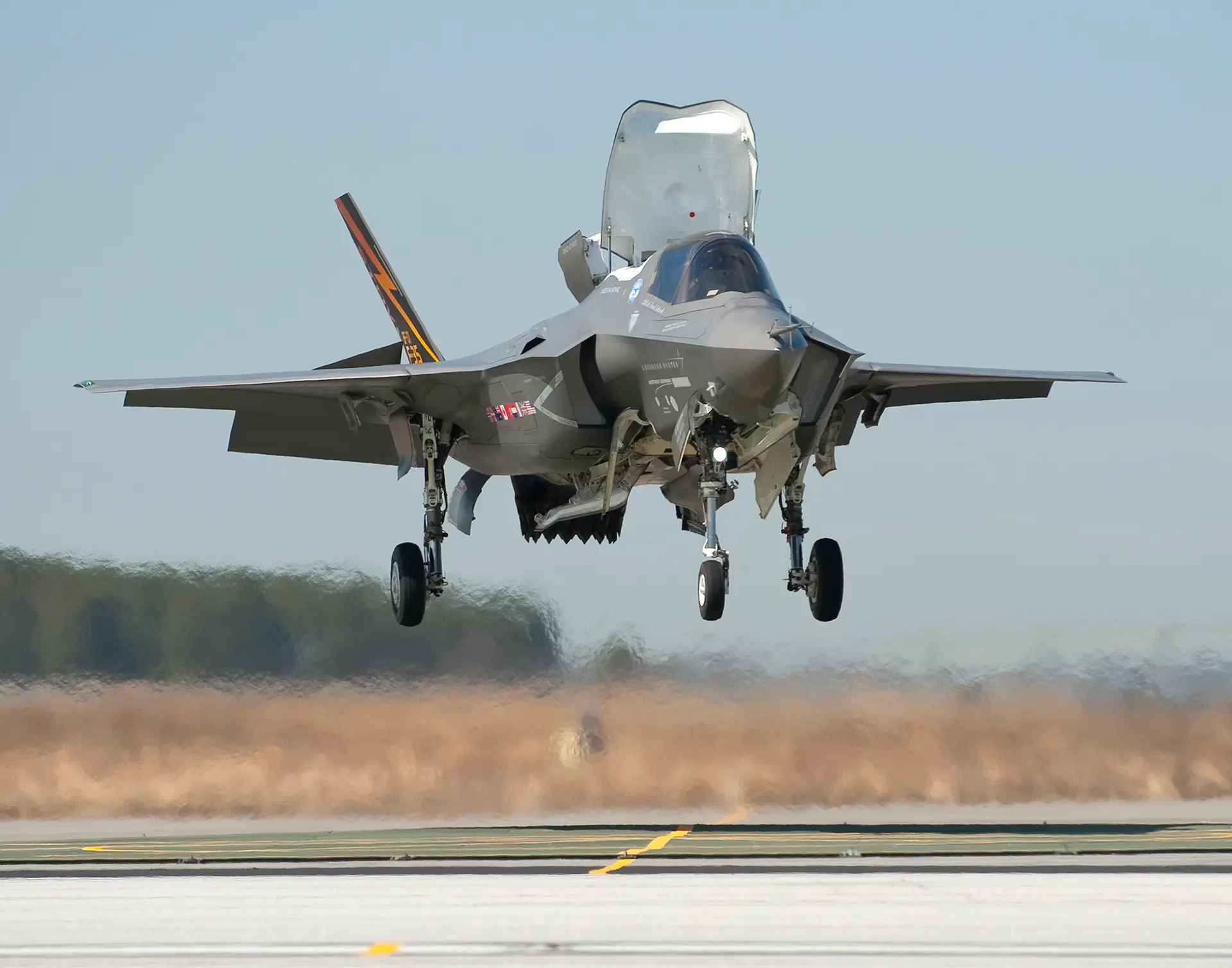
F-35B Flight Limits
The F-35B, designed for short takeoff and vertical landing, carries less internal fuel - about 6,125 kg. Its range is roughly 1,667 km (900 nautical miles). Due to its lift fan system, it has a shorter flight time, around 25 to 30 minutes of combat radius.
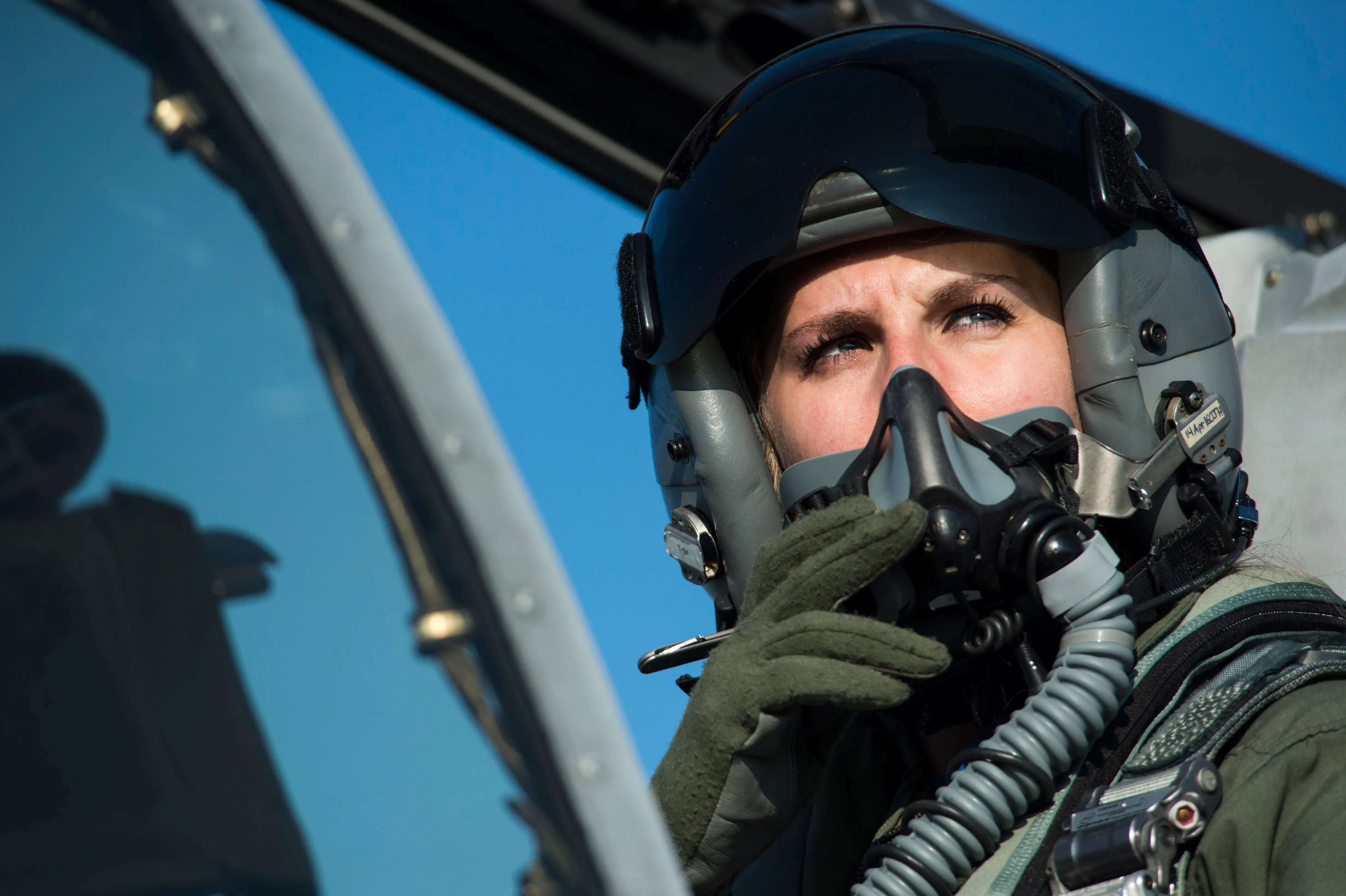
F-35C Longest Range
The F-35C variant, intended for aircraft carriers, holds more fuel than the B version, with a range around 2,200 km (1,200 nautical miles). It has the longest endurance and the largest wings, supporting longer missions from carriers.
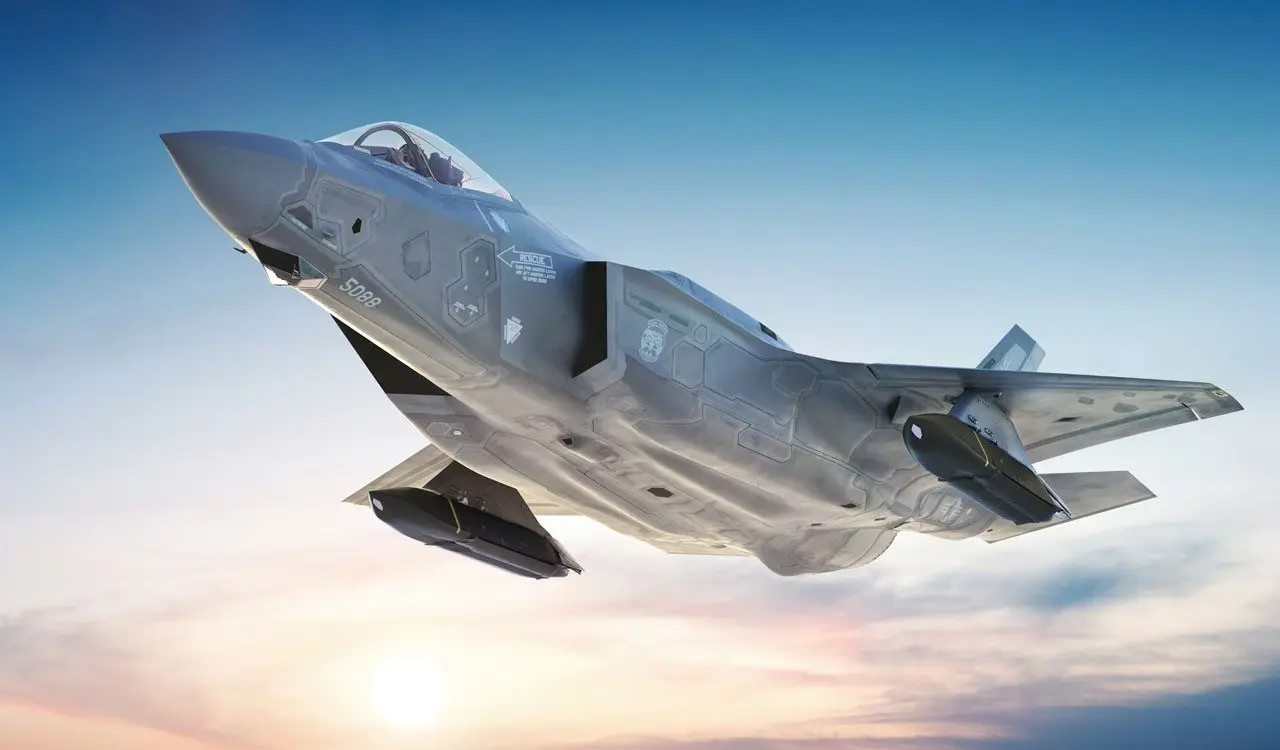
Combat Radius vs. Maximum Range
Combat radius is smaller than maximum range because jets must fly out and back safely and have fuel reserved for combat and emergencies. The F-35A’s combat radius is about 590 nautical miles, F-35B's is about 450, and F-35C’s is about 600 nautical miles.
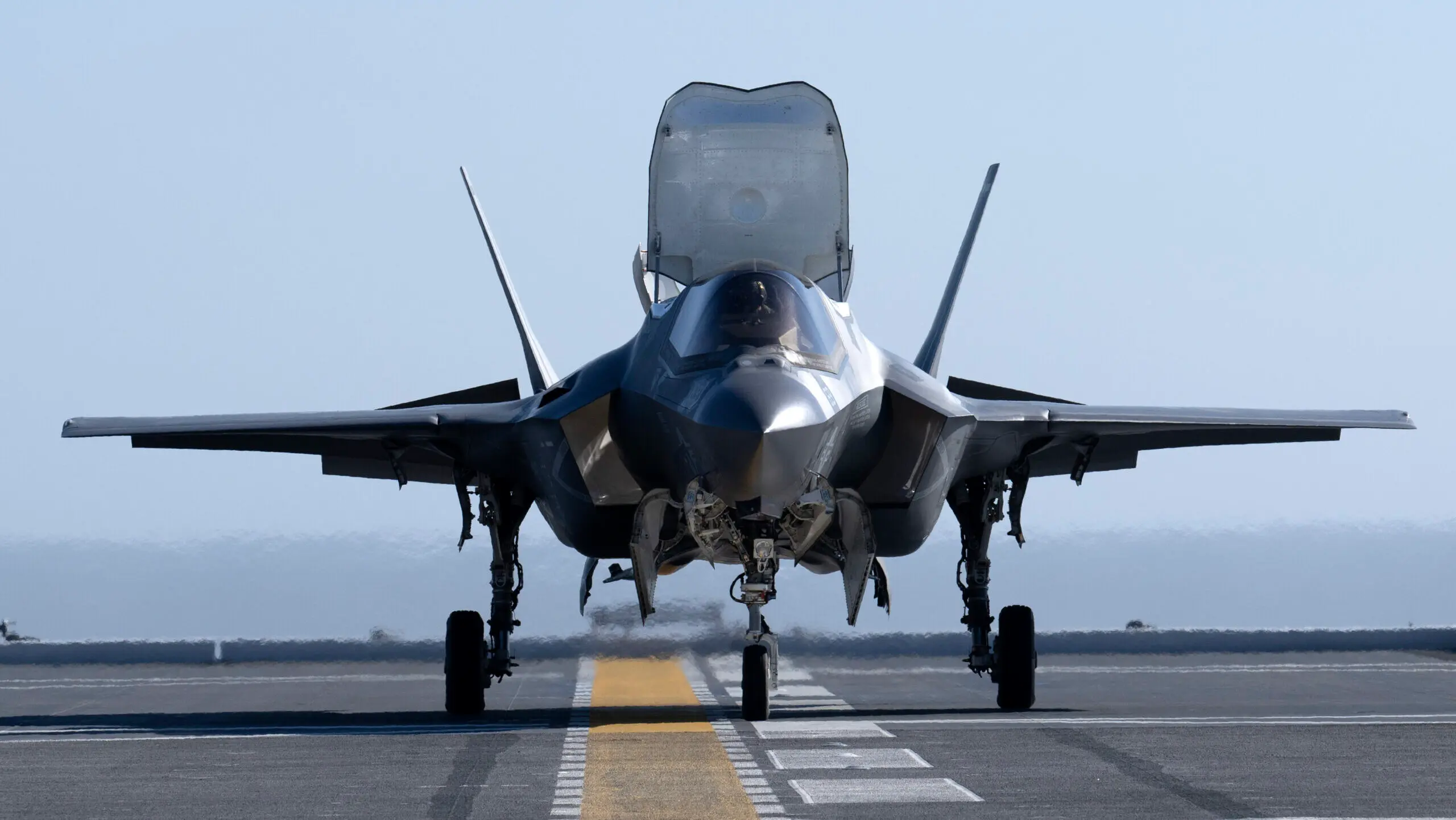
Role of Mid-Air Refuelling
Without aerial refuelling, the F-35’s operational reach is limited. Mid-air refuelling allows these jets to stay longer on missions, extend their combat time, and fly farther from bases or carriers, making it essential for sustained operations.
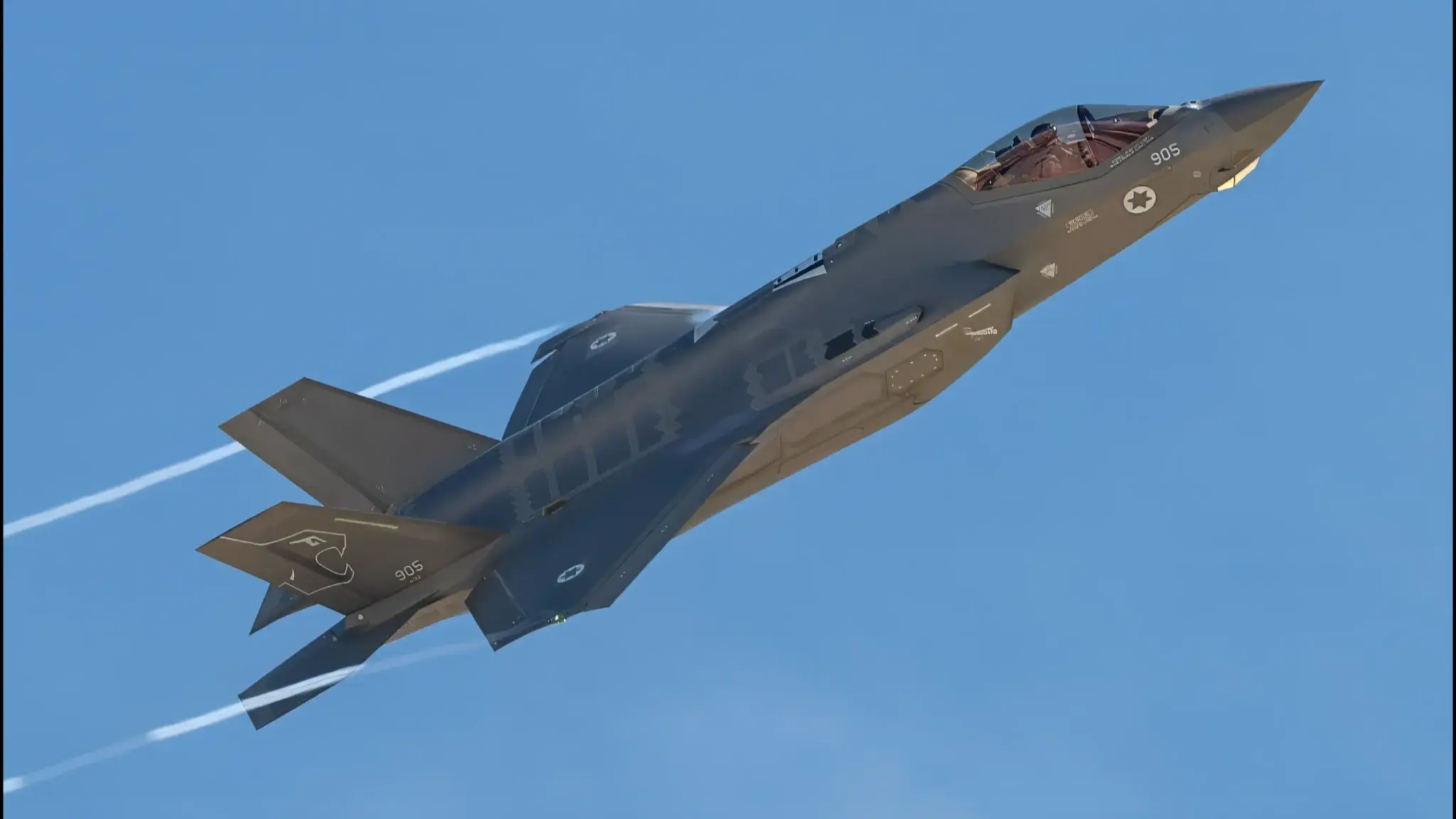
Real-World Flight Practice
In actual combat or patrol situations, F-35s often need multiple mid-air refuellings. This helps maintain mission readiness, especially when flying far from friendly airfields or during extended operations requiring loitering, dogfighting, or diversions.
)
)
)
)
)