How long does a 14.2 kg LPG cylinder last in an Indian household?

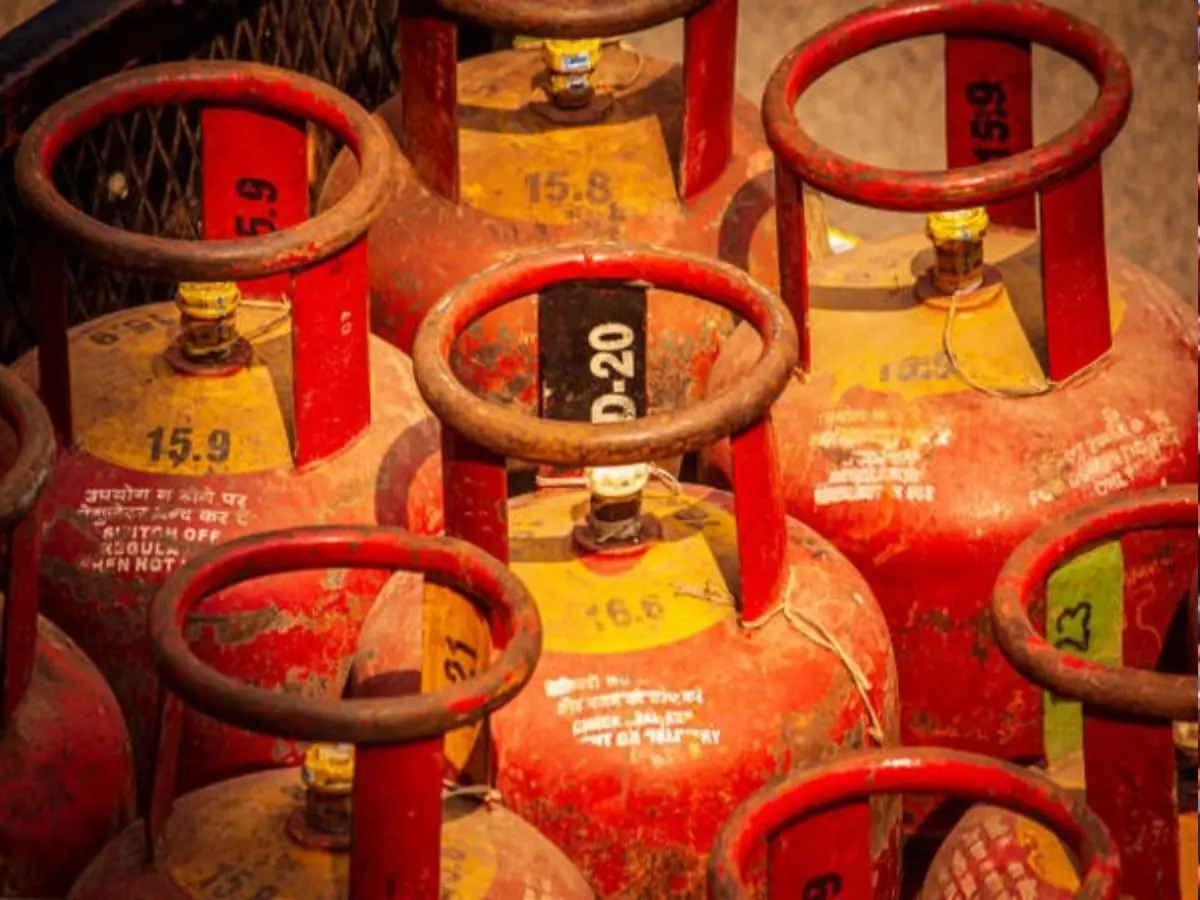
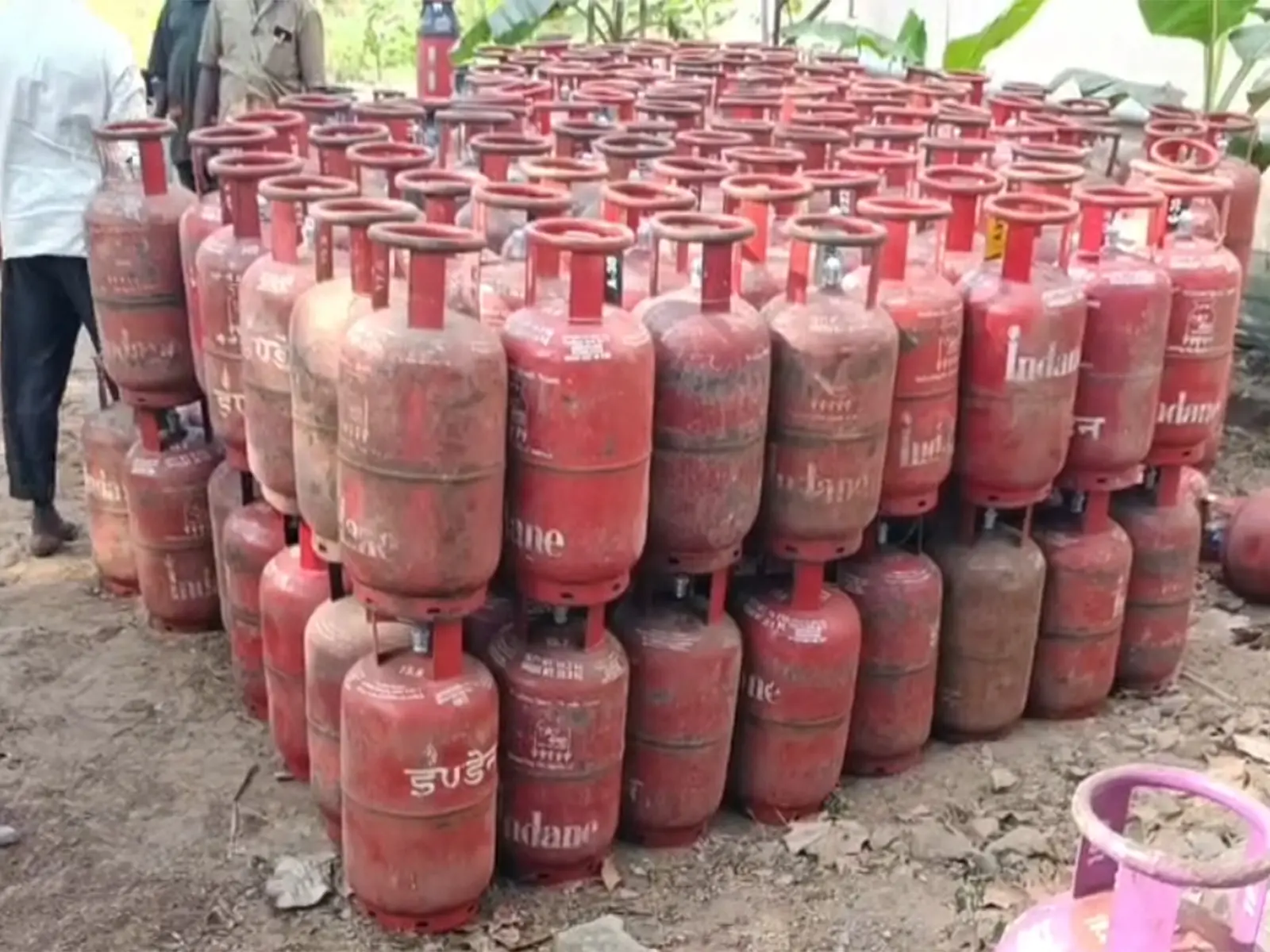
The standard domestic cylinder, supplied by Indane, Bharat Gas, and HP Gas, contains 14.2 kg of LPG, intended to meet the daily cooking needs of a typical household.
The Standard Domestic Cylinder
Recent tensions in the Middle East have heightened concerns over global crude supply, prompting the Indian government to emphasise secure domestic LPG distribution. India currently has 32.68 crore active domestic LPG consumers and over 50 crore cylinders in circulation as of July 2024. The standard domestic cylinder, supplied by Indane, Bharat Gas, and HP Gas, contains 14.2 kg of LPG, intended to meet the daily cooking needs of a typical household. With supply pressures and recent booking adjustments, 25-day minimum booking intervals in urban areas and 45 days in some rural regions, ensuring cylinders are safe, full, and properly certified has become even more critical for consumers.
Typical Consumption Patterns
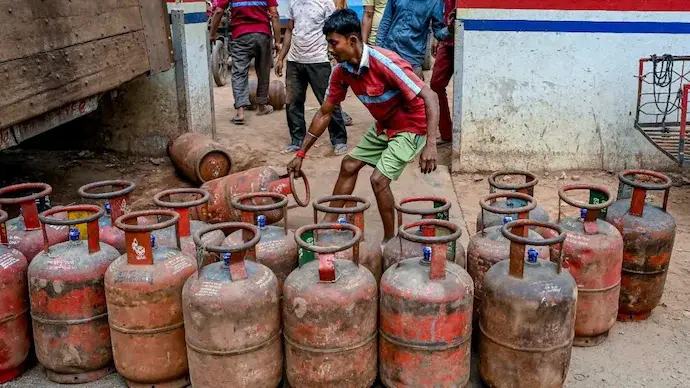
Under normal conditions, a cylinder lasts around 25–35 days, depending on household size, cooking frequency, and stove efficiency. For a family of four to five people cooking two or three meals each day, consumption usually falls towards the middle of this range, around 30–35 days .
Factors Affecting Cylinder Longevity
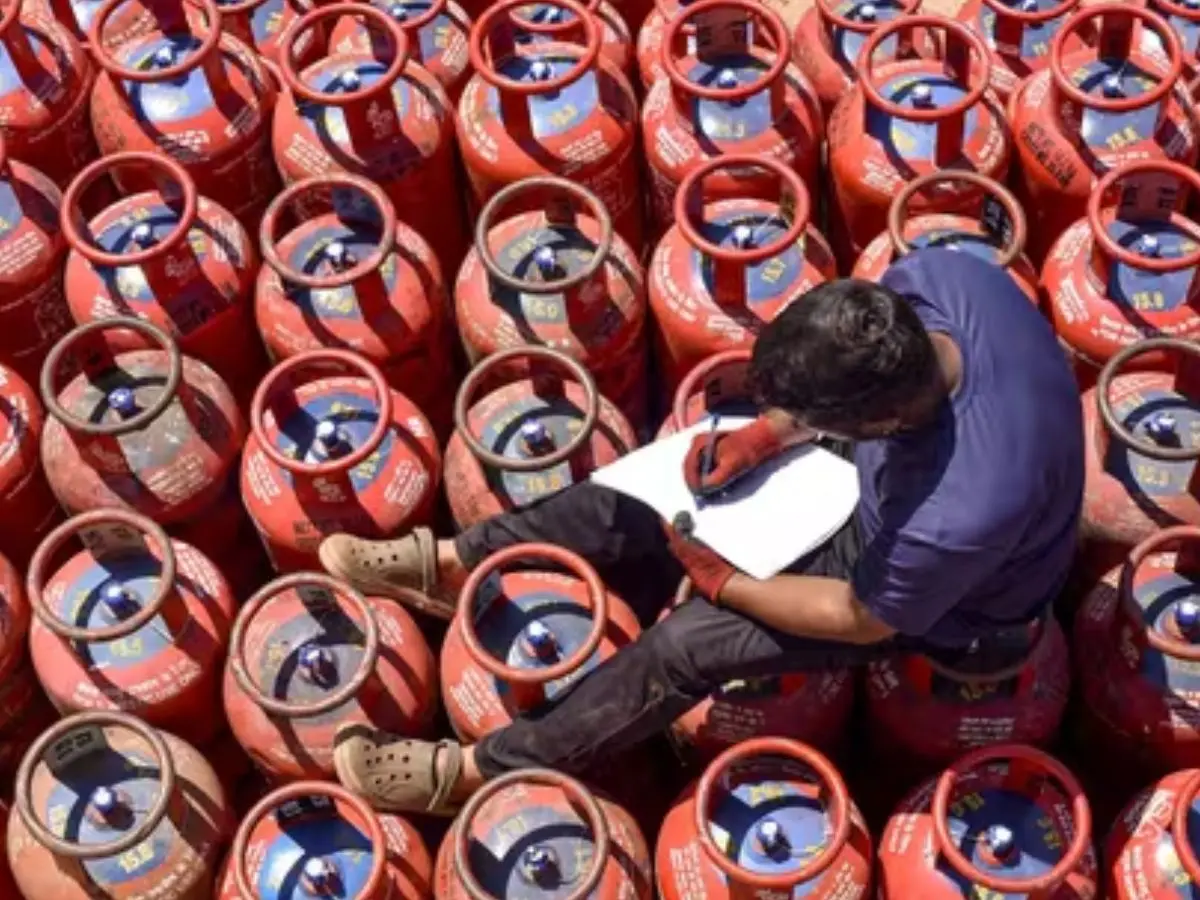
Several practical factors influence how quickly a cylinder is used. Household size and eating habits are critical; a larger family or frequent cooking will increase usage. The type of cuisine and cooking technique also matters, as pressure cooking is more efficient than prolonged frying. The efficiency and condition of the stove affect consumption rates too. Consumption can vary by region and individual behaviour. Households that still use solid fuels alongside LPG (a phenomenon known as “fuel stacking”) may consume fewer cylinders annually than those relying exclusively on LPG.
LPG Expansion and Refills
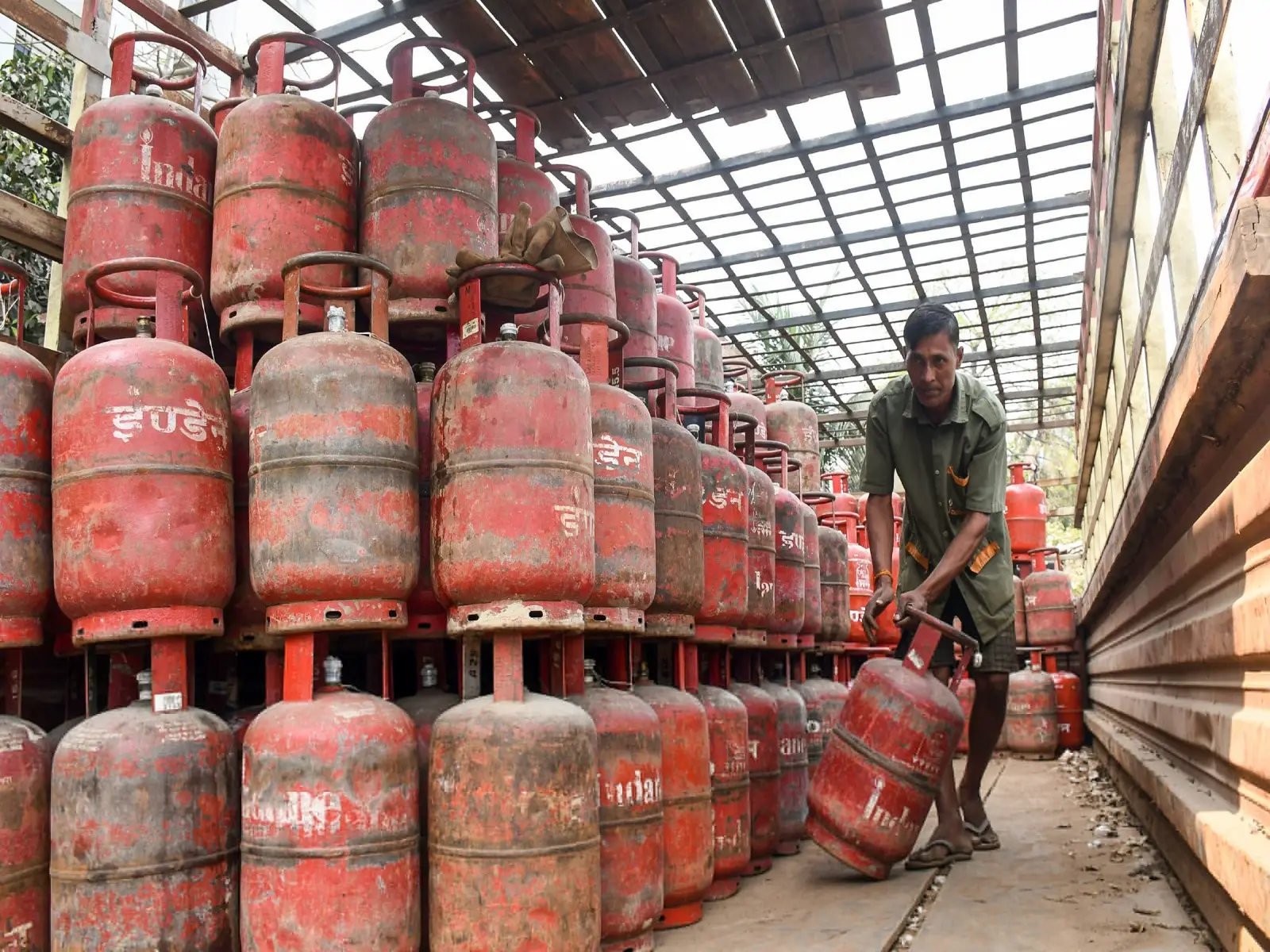
Rapid expansion of LPG access under the Pradhan Mantri Ujjwala Yojana has significantly increased the number of refills households take each year. Reports indicate that PMUY beneficiaries average around 4.5 refills annually, up from lower levels in earlier years, reflecting greater reliance on LPG as the primary cooking energy source.
PMUY and Refill Trends
Under the government’s Pradhan Mantri Ujjwala Yojana (PMUY), connections have been extended to millions of low‑income households. The average refills per household per year have risen over time, from approximately 3.68 to around 4.47 cylinders by 2024‑25 for PMUY beneficiaries, reflecting growing use of LPG as primary cooking fuel . Non‑PMUY households generally show higher refill rates, indicative of greater cooking energy needs or more frequent LPG use .
Regional and Behavioural Variations
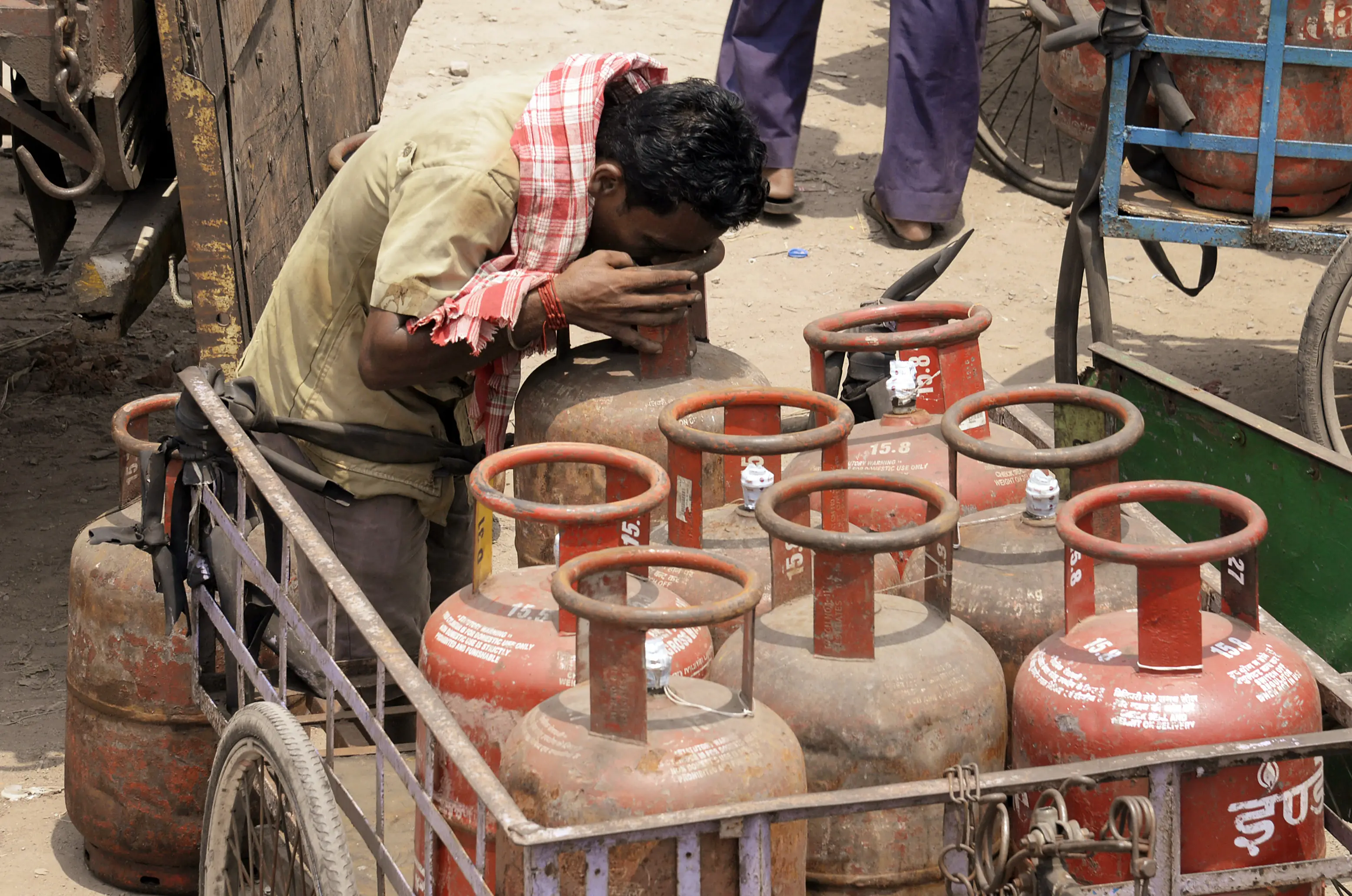
Consumption can vary markedly by region and household habits. Some families may still use traditional fuels alongside LPG, a practice known as 'fuel stacking', which can reduce LPG use. Others with higher usage patterns or commercial kitchens may go through cylinders more rapidly.

Policy and Supply Adjustments
In response to recent supply concerns, the government extended the minimum gap between LPG bookings to 25 days in urban areas and up to 45 days in rural areas to help manage distribution and deter hoarding. LPG prices have also seen adjustments, influenced by global energy prices and domestic logistics costs.
A Practical Expectation
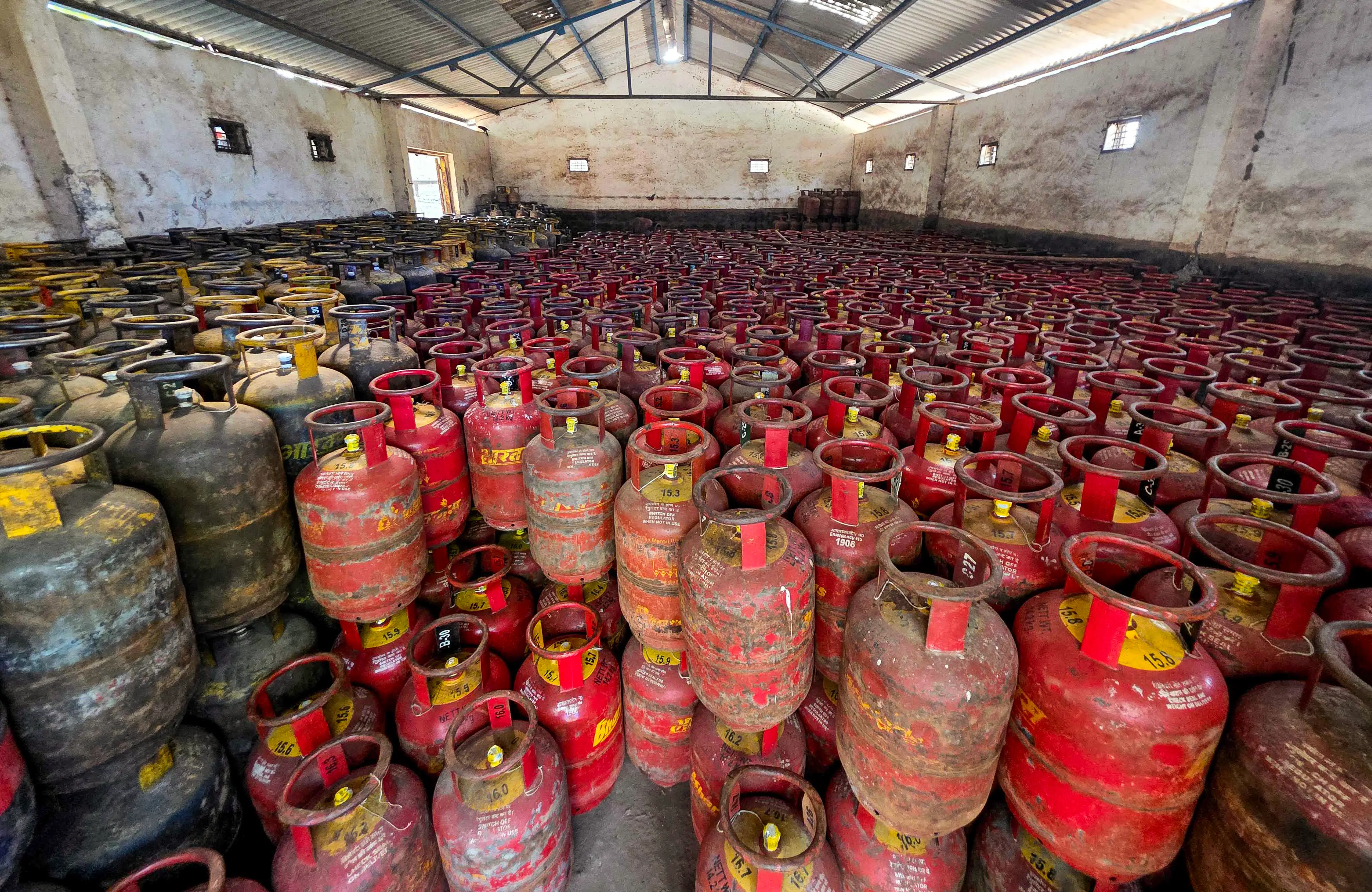
For most Indian homes, a 14.2 kg LPG cylinder will last around one month under normal cooking routines. Variations in household size, cooking patterns and supply conditions will influence exact duration. Despite periodic pressure on supply, LPG remains the dominant and reliably delivered cooking fuel across India’s urban and rural households.
)
)
)
)
)