How Kingfisher Airlines collapsed? All about Vijay Mallya's dream project that couldn't survive the skies

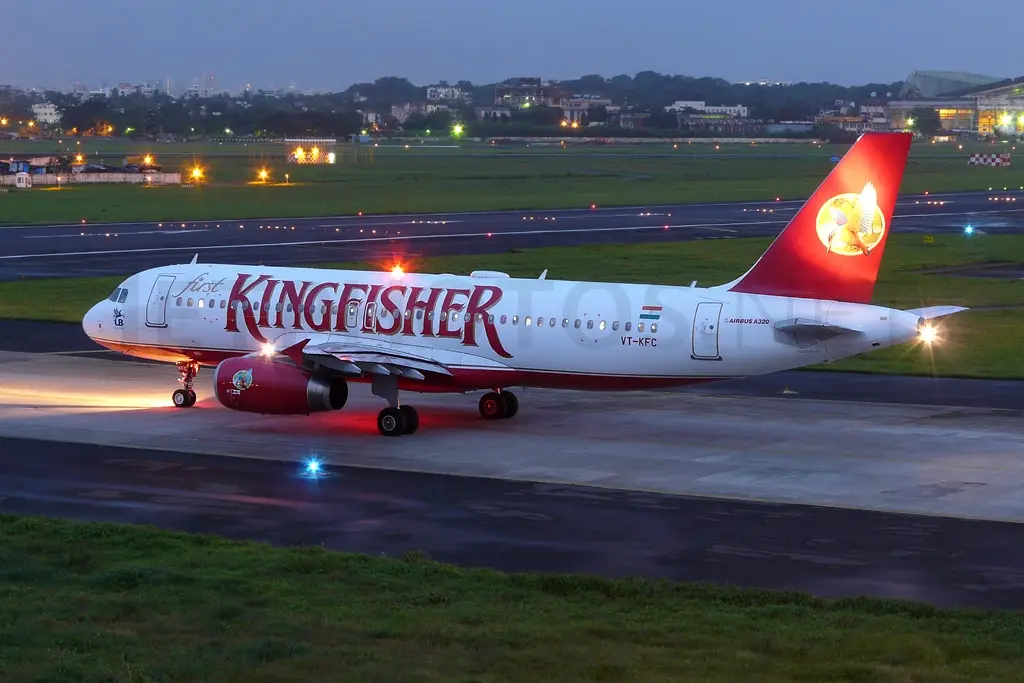
Launched by the liquor baron Vijay Mallya in 2005, Kingfisher had once promised to redefine premium air travel in India, but factors including several operational missteps, mounting debt, and market pressures ultimately grounded the airline permanently.
Introduction
India’s aviation sector is once again facing turbulence, as the country';s largest carrier IndiGo, faced operational disruptions for the fifth consecutive day. Over 500 flights were cancelled nationwide on Saturday and passengers left stranded in key hubs including Delhi, Mumbai, Hyderabad, Bengaluru, and Guwahati. The ongoing chaos has left the netizen thinking and drawing comparisons with past airline crises, none more notable than the dramatic collapse of Kingfisher Airlines.

A Grand Launch Built on the Kingfisher Brand
Launched by the liquor baron Vijay Mallya in 2005, Kingfisher had once promised to redefine premium air travel in India, but factors including several operational missteps, mounting debt, and market pressures ultimately grounded the airline permanently. As passengers vent frustrations over IndiGo’s disruptions, the story of the rise and fall of Kingfisher airlines serves as a stark reminder of how ambitious airline ventures can falter despite early acclaim and market dominance.

What it promised
From its inception in May 2005, Kingfisher Airlines promised to redefine air travel in India. Backed by Vijay Mallya’s flamboyant vision, the airline positioned itself as a premium full-service carrier, which offered world-class in-flight meals, first-class cabins, and a focus on customer experience rarely seen in Indian skies. Mallya did not shy away from leveraging on the already iconic Kingfisher brand, to create an aspirational image for the airline. Within a few years, Kingfisher expanded rapidly, launching domestic and international routes. It started its international operations on September 3, 2008 by connecting Bengaluru with London. It also acquired Air Deccan in 2007 to broaden its network, and adding modern aircraft to its fleet. The airline quickly became synonymous with luxury, high standards, and ambition, attracting attention both in India and abroad as a symbol of India’s growing aviation aspirations.

The UB Group’s Parallel Success
Even as Kingfisher Airlines expanded, the original beer business was strengthening. A strategic turning point came in 2008, when United Breweries secured a deal with the Dutch brewer Heineken, which acquired a 37.5 per cent stake. This partnership not only added a global premium brand, but also brought supply-chain expertise, further strengthening UB’s positioning in the high-end beer segment, an important contrast to the mounting financial pressures in the aviation business.

Entering Aviation’s Most Capital-Intensive Turf
However behind the airline’s polished exterior was an industry marked by high capital requirements. The Indian airline industry was highly competitive in nature. Kingfisher leased or bought dozens of aircraft, resulting in annual lease costs touching Rs. 900–1,000 crore, according to TOI. Aviation Turbine Fuel (ATF), priced about 50 per cent higher in India than global averages, consumed more than half the airline’s revenue at its peak. Despite strong branding, the business model began to show strain.

The Air Deccan Acquisition
Seeking access to international routes, Mallya acquired Air Deccan in 2007, India’s first low-fare carrier. The merger was expected to create a complex operational mix of a luxury airline and a budget fleet. Branding confusion, combined with the inherited financial and operational challenges of Air Deccan, deepened the airline’s debt burden.

The Downturn and Mounting Financial Pressure
By 2009, Kingfisher’s cash position had deteriorated. In 2011, unpaid service tax and frozen accounts signalled a deepening crisis. By 2012, the Kingfisher's fleet had shrunk and delayed payments triggered employee strikes. Bounced cheques led to non-bailable warrants, and major loans, including a Rs. 950-crore IDBI advance, drew regulatory attention of the CBI.

Mallya’s Exit and the End of Control
In March 2016, Mallya left India as legal and financial pressure escalated. Over subsequent years, banks pursued asset recovery. A decisive moment arrived in June 2021, when the Debt Recovery Tribunal sold a 15 per cent UB stake to Heineken for Rs. 5,824.5 crore, raising Heineken’s control of United Breweries to 61.5 per cent.

A Dream Project That Could Not Withstand the Industry’s Reality
Kingfisher Airlines ceased flying in 2012, bringing down significant parts of the UB Group. While Mallya has attributed part of the collapse to faulty engines, the broader picture, high capital costs, debt, and the Air Deccan merger, underscored the challenges of running a full-service airline in India’s cost-heavy aviation environment.
)
)
)
)
)