How Israel’s Iron Dome really works: The science behind 90% success rate

This selective interception makes Iron Dome particularly effective during saturation attacks, where adversaries attempt to overwhelm the system with mass launches.
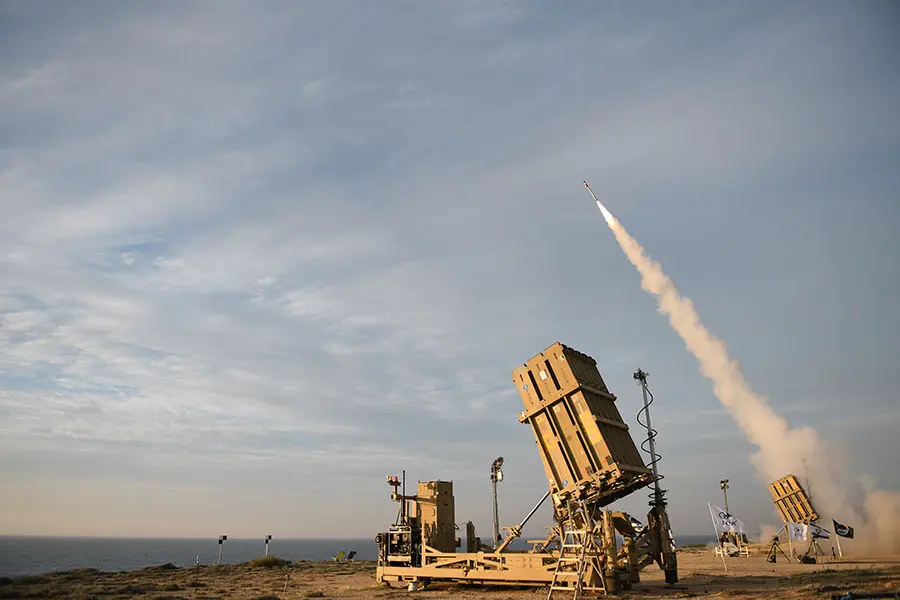
Israel’s air defence system
Israel’s Iron Dome has become one of the world’s most recognisable air-defence systems, credited with saving thousands of lives since it became operational in 2011. Developed by Rafael Advanced Defense Systems and Israel Aerospace Industries (IAI), with US support, the system is designed to stop short-range rockets, artillery and mortars, as well as drones and cruise missiles. According to Rafael, Iron Dome has achieved more than 5,000 interceptions, operates with over 90 per cent success, and provides 360-degree hemispheric coverage.
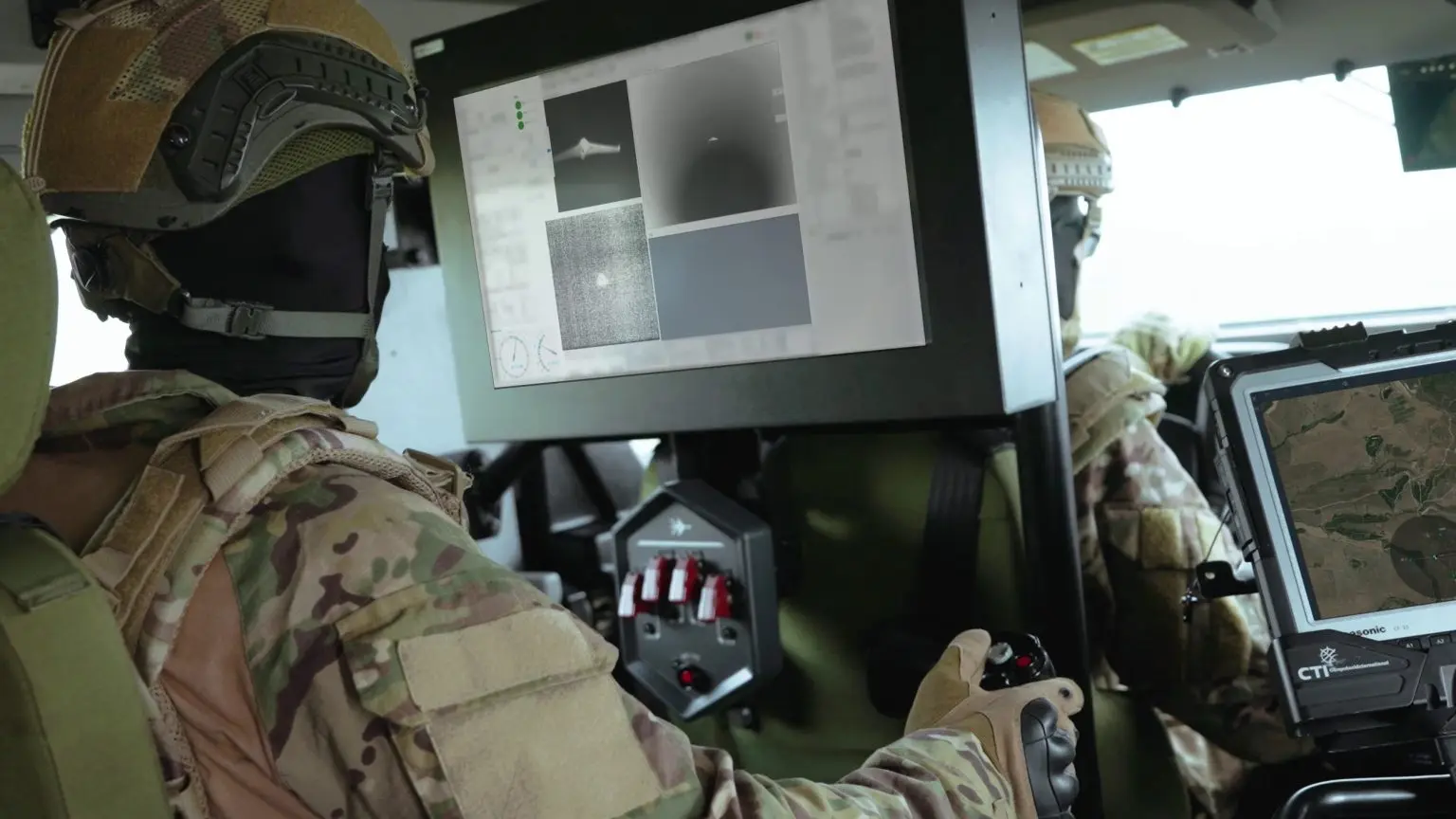
How the System Detects, Tracks and Decides
The Iron Dome’s core strength lies in its ability to decide what to intercept. Its radar, developed by IAI’s Elta division, detects incoming projectiles within a radius of around 100 kilometres, according to reuters. "Iron Dome was originally billed as providing city-sized coverage against rockets with ranges of 4 to 70 km (2.5 to 43 miles), but experts say this has been expanded as the system has been improved over time", says Reuters.
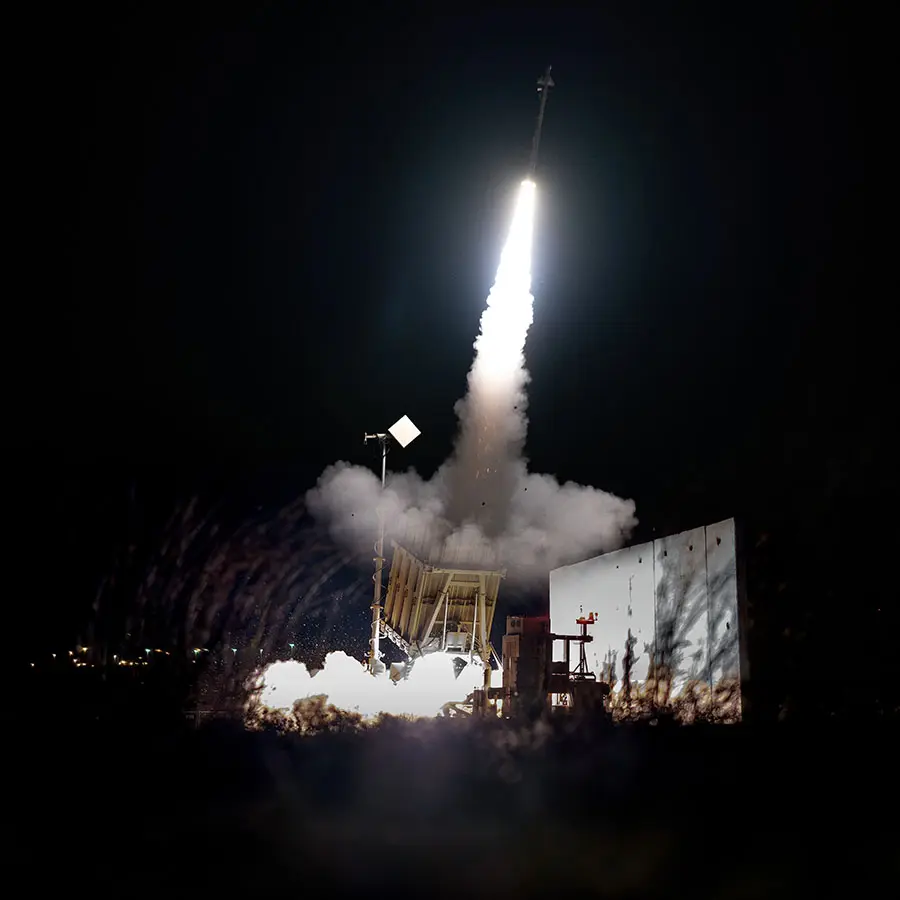
Battle management and control system
Its battle management and control system then calculates the likely impact point of each rocket. If the projectile is heading for an open area, the system deliberately ignores it, preserving interceptors for real threats.
What defence experts say
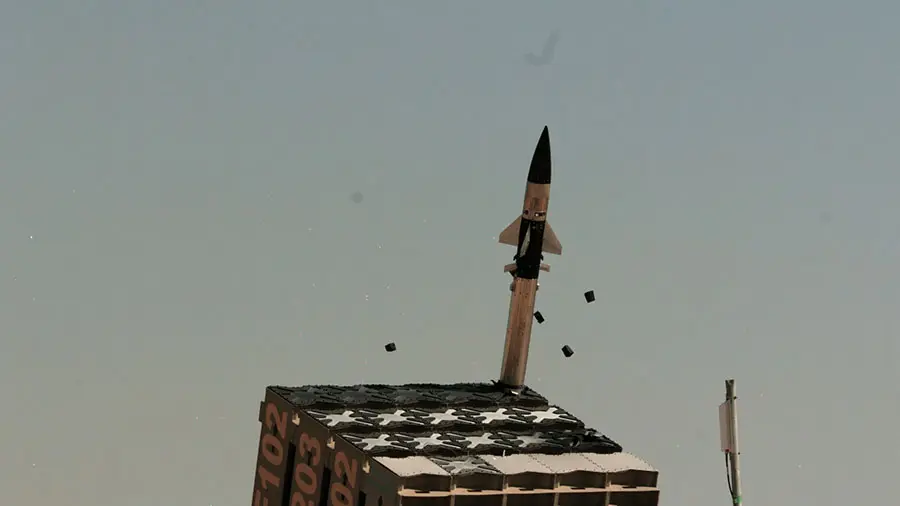
This selective interception makes Iron Dome particularly effective during saturation attacks, where adversaries attempt to overwhelm the system with mass launches. Israeli defence expert Uzi Rubin told Reuters that Iron Dome’s radar and control systems “are designed to handle a huge number of targets simultaneously,” with each launcher capable of firing its full load of 20 Tamir interceptors in roughly 10 seconds.
How the Interceptors Work
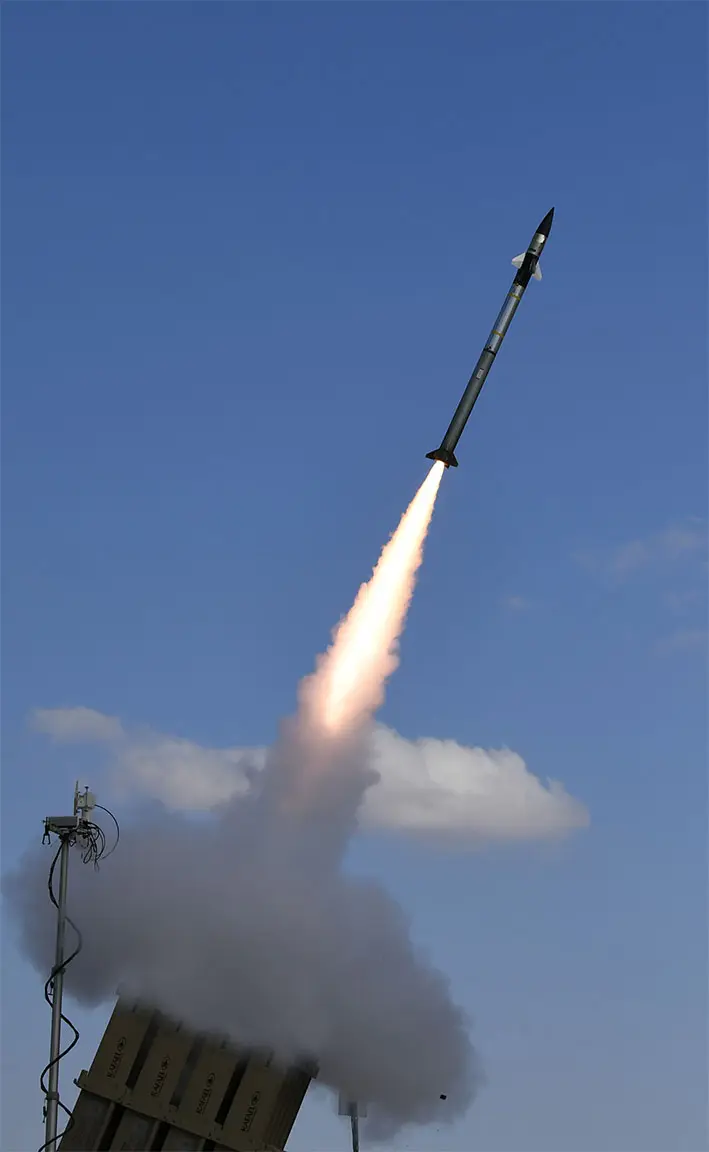
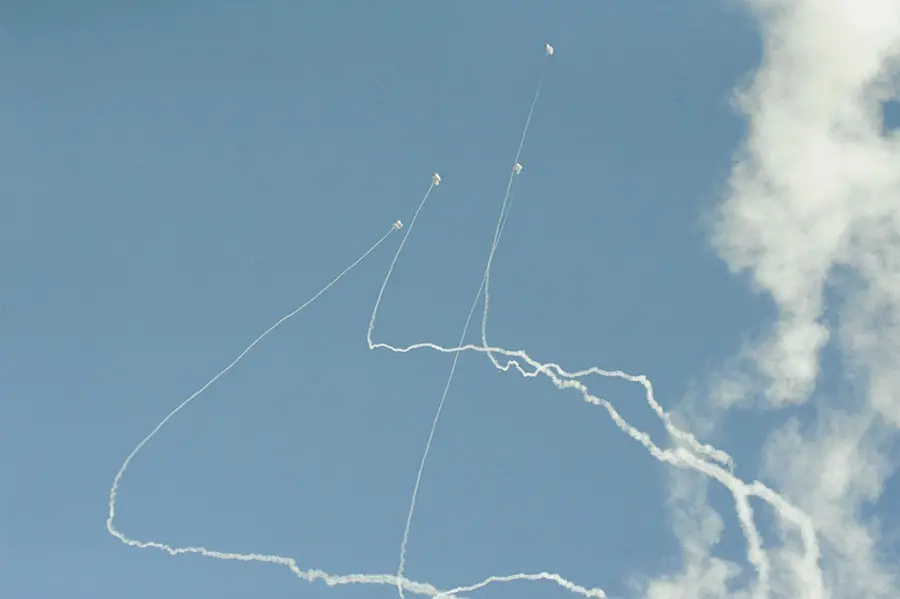
The system’s Tamir interceptor missile, produced by Rafael, is a compact weapon powered by a solid-fuel motor that enables speeds of around Mach 2. The missile uses navigation as well as electro-optical seeker and proximity fuse. As it nears an incoming rocket, the fuse triggers a fragmentation warhead that detonates within 10 metres, destroying the target with high-velocity metal fragments. Each interceptor costs about $50,000, far cheaper than long-range systems like the Patriot.
Coverage and Operational Role
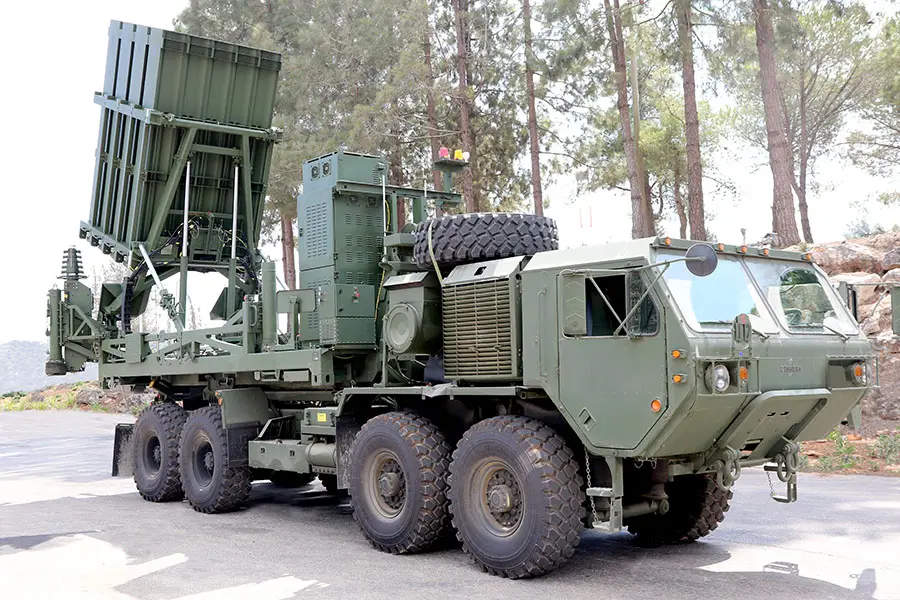
Each Iron Dome battery which comprises a radar unit, control station and launcher, has the ability to defend roughly 150 square kilometres which is roughly the size of a medium city, according to Reuters. The system is mobile and used to protect urban centres, military bases and critical infrastructure.
Other Countries inspired from the technology
Two batteries have been supplied to the US Army. Meanwhile, countries like Ukraine have sought access, though Israel has limited its support to humanitarian and civil-defence assistance. In fact, Italy’s defense and aerospace group Leonardo had also presented plans for a new multi-layered air defense system named ‘Michelangelo Dome’, inspired from Israel's Iron Dome
)
)
)
)
)