'$140 million a day': How shadow fleet Is fueling Iran’s war as Strait of Hormuz shipping drops 95%?

The disruption has also had a significant human impact, with around 20,000 seafarers stranded on nearly 2,000 vessels west of the strait, according to International Maritime Organization Secretary-General Arsenio Dominguez.
A chokepoint nearly brought to a halt
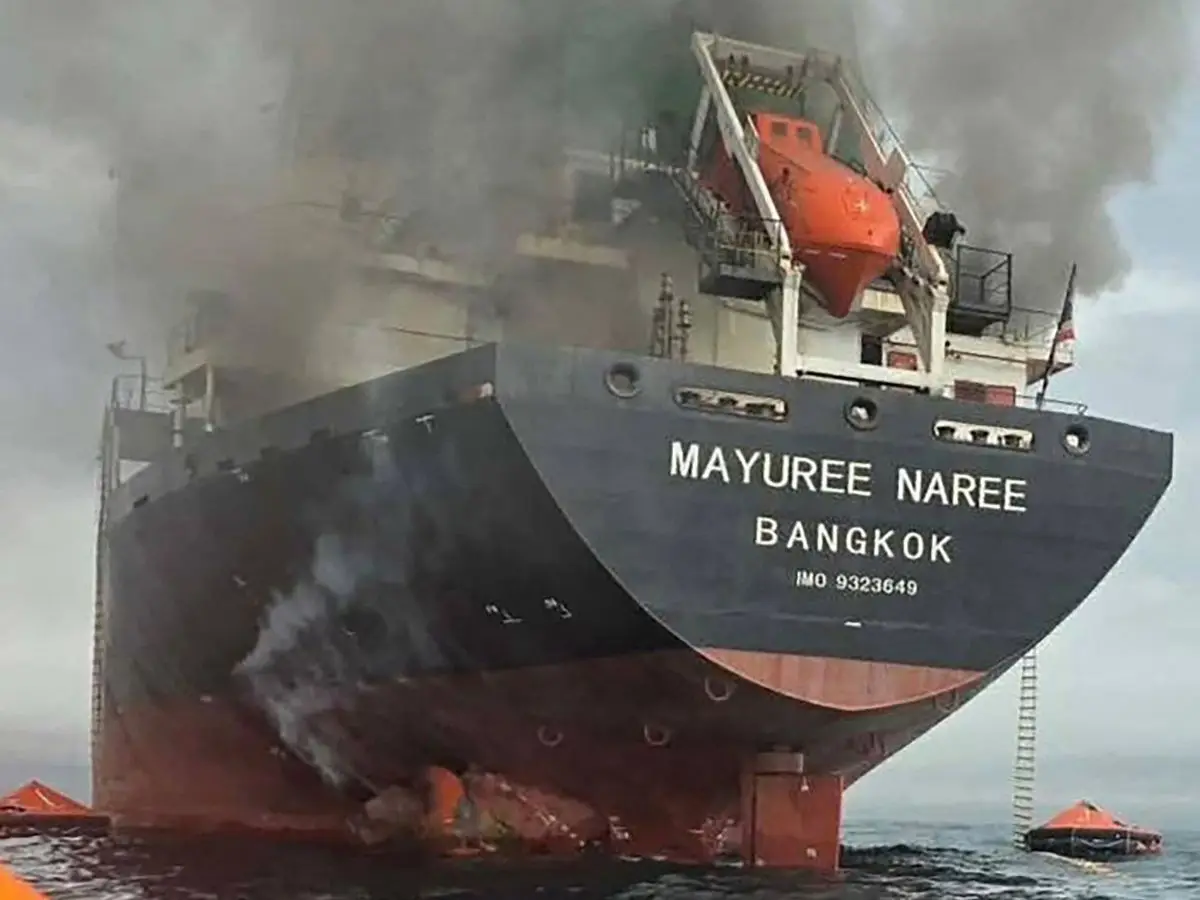
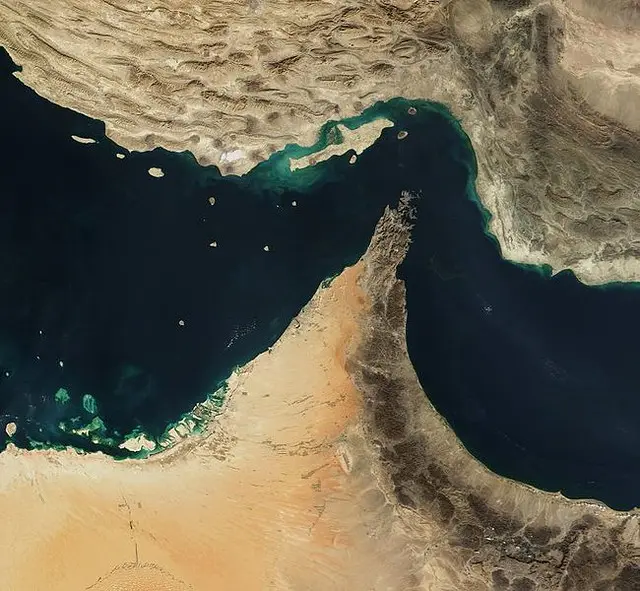
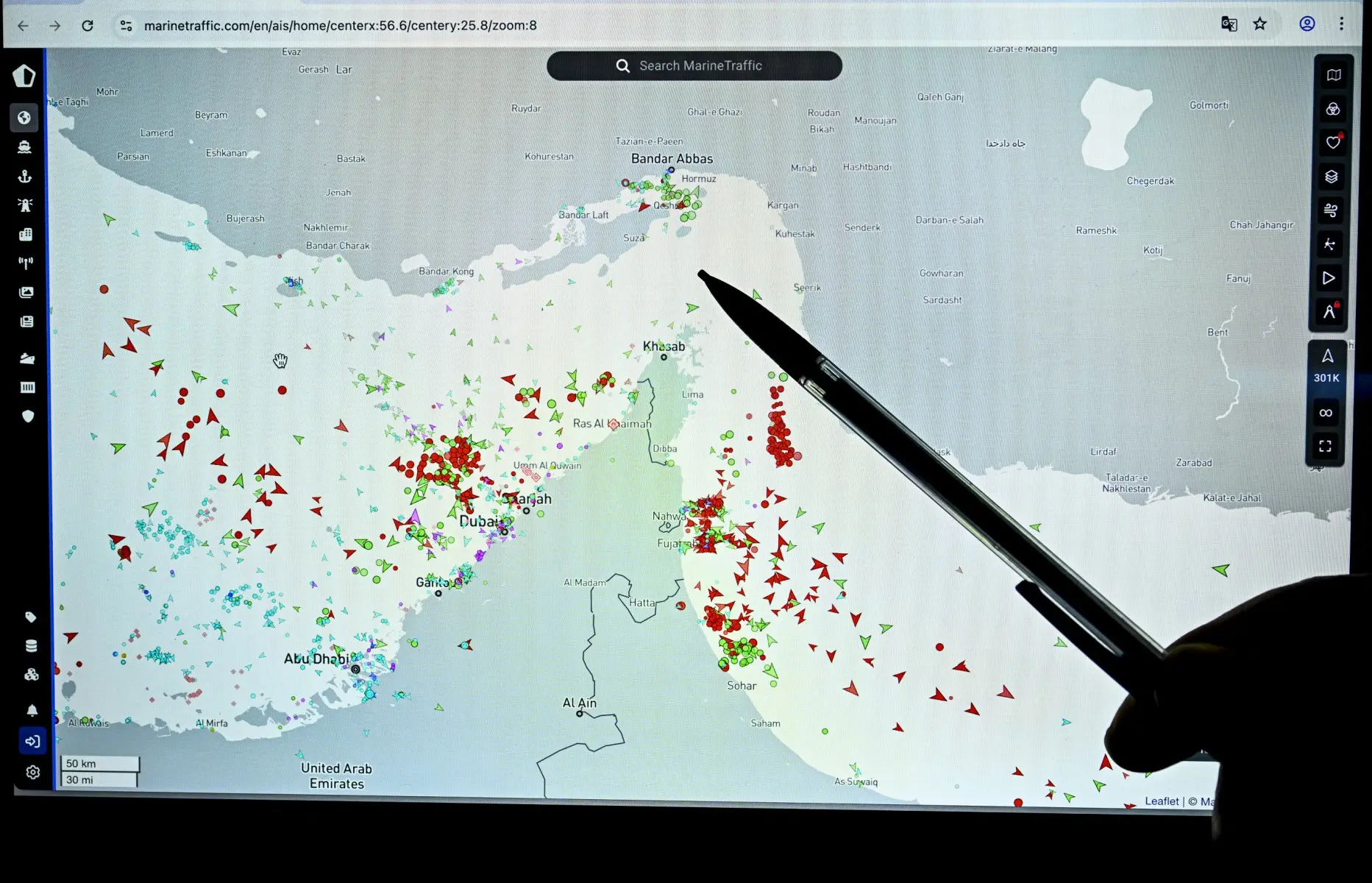
Traffic through the Strait of Hormuz has fallen by about 95 per cent since the outbreak of the Iran war, severely constraining global energy flows. Shipbroker Clarksons said that “three weeks into the Hormuz shutdown, crude tanker markets remain distorted”, noting that traffic is “down about 95% from pre-war levels, with Iranian-linked ships still moving”. The disruption has also had a significant human impact, with around 20,000 seafarers stranded on nearly 2,000 vessels west of the strait, according to International Maritime Organization Secretary-General Arsenio Dominguez.
Conventional shipping stalls, shadow fleet advances
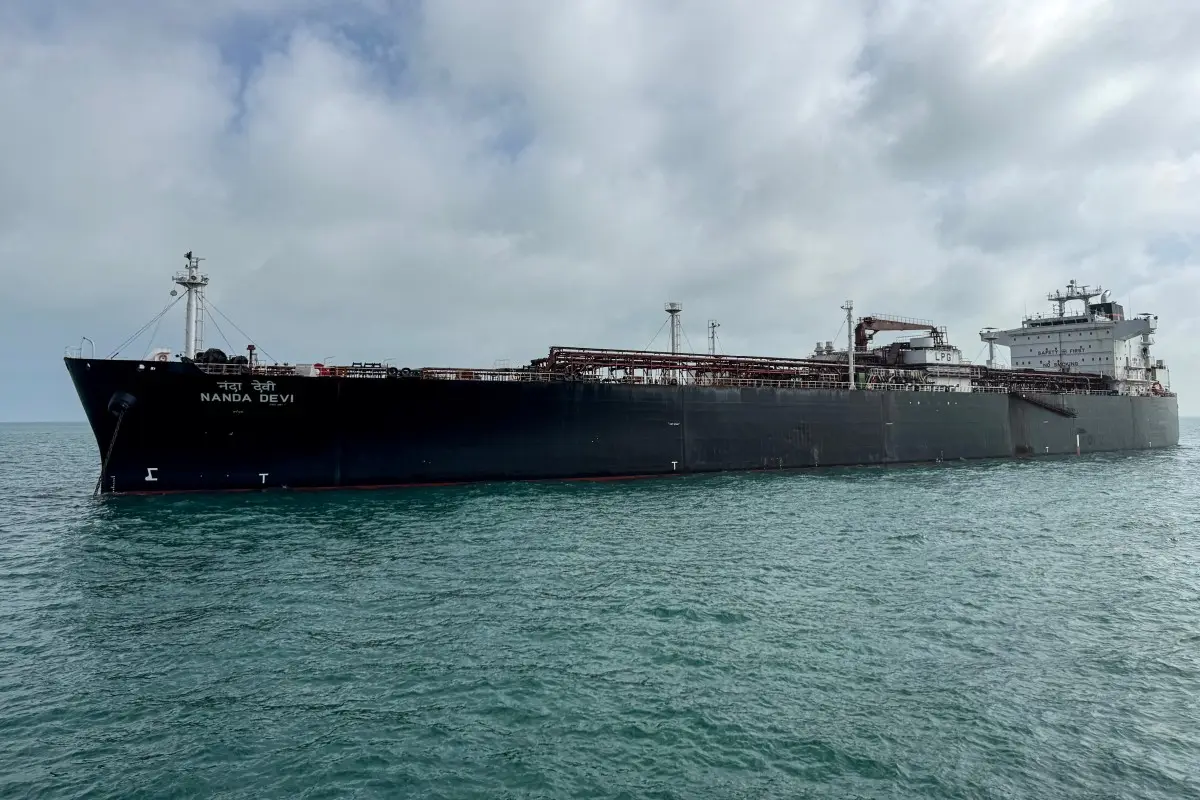
As conventional tankers remain stranded, the shadow fleet has moved to fill the gap. The Financial Times reports that these clandestine vessels have become a “crucial conduit”, transporting crude while mainstream shipping remains largely immobilised in the Gulf, marking a reversal from earlier enforcement efforts aimed at curbing illicit oil flows. With US restrictions easing and global reliance on such shipments increasing, multiple media reports note that the fleet is poised to emerge from the war stronger than before.
Covert tactics sustain oil movement
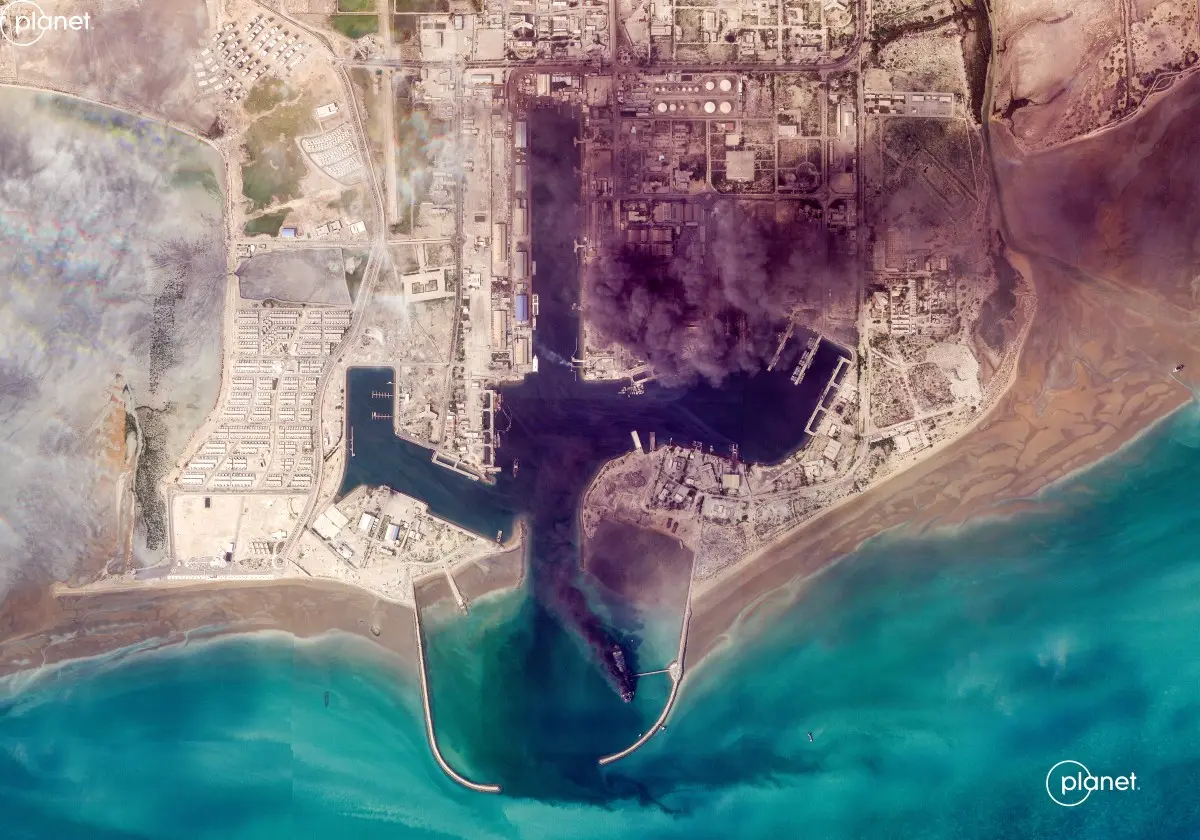
Shadow tankers rely on concealment to operate. Many “go dark” by switching off transponders, masking their movements during loading and transit. Satellite imagery cited by the Financial Times captured multiple vessels filling up at Iran’s Kharg Island terminal before departing undetected, often heading towards major buyers such as China.
Iranian exports continue despite disruption
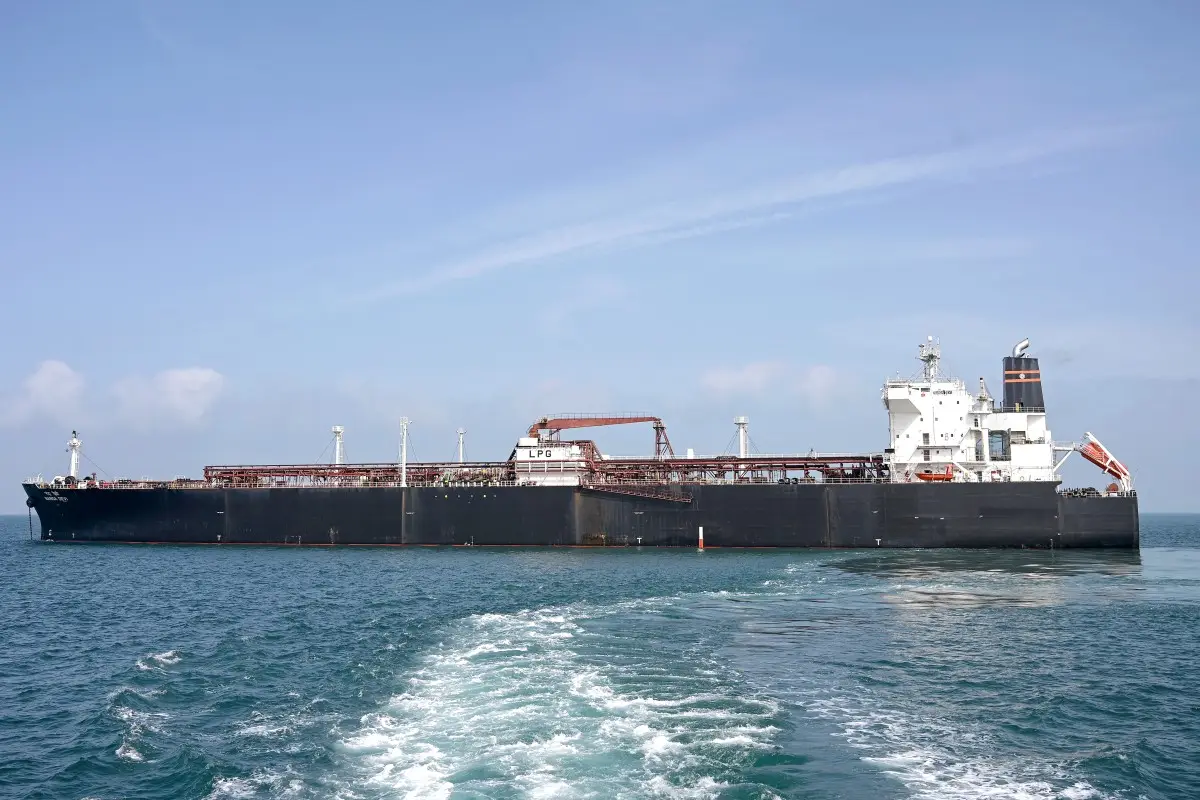
Despite the sharp drop in overall traffic, Iranian oil exports have persisted. According to analysis cited by Reuters, at least 14 Iran-flagged loaded tankers have reached Asian waters near the Singapore Strait since late February. Many concealed their positions during transit, highlighting continued reliance on covert shipping channels.
Iran exports millions of barrels of oil
At least 89 ships crossed the Strait of Hormuz between March 1 and 15, including 16 oil tankers, according to Lloyd’s List Intelligence, a sharp drop from roughly 100 to 135 vessel passages per day before the war. Some tankers have even declared themselves as China-linked to secure safe passage, the Associated Press reported.
Policy shifts ease pressure on illicit trade
The conflict has altered enforcement dynamics. The Financial Times reports that concerns over rising oil prices led Washington to ease restrictions on illicit Iranian oil already at sea, estimated at about $15 billion. This has enabled Tehran to export millions of barrels, reportedly earning more than $140 million a day. At least 15 Iranian oil tankers have passed through Hormuz since the war began and most of them concealed their location for part of the transit.
A wider network exploiting disruption
Maritime consultant Yörük Işık said tanker traffic in the Black Sea has continued “almost without disruption”, noting that the three weeks since the start of the Middle East war have been no different, with vessels in both shadow and legitimate trades sailing regularly. “Every one hour and 20 minutes, a tanker passes,” he added.
A lasting shift in global oil trade
Experts say the expansion of the shadow fleet may persist beyond the conflict. Claire Jungman of Vortexa told the Financial Times that such networks are now “a structural feature of the market”. As long as demand remains and price incentives persist, operators are likely to continue exploiting gaps in enforcement, reshaping global oil trade.
)
)
)
)
)