How is landing a fighter jet on USS Abraham Lincoln different from USS Tripoli?

Landing on the USS Abraham Lincoln requires violently decelerating from 150 mph using steel cables. Conversely, the USS Tripoli relies on advanced STOVL technology, meaning F-35B stealth pilots must hover and execute a vertical descent onto the deck.
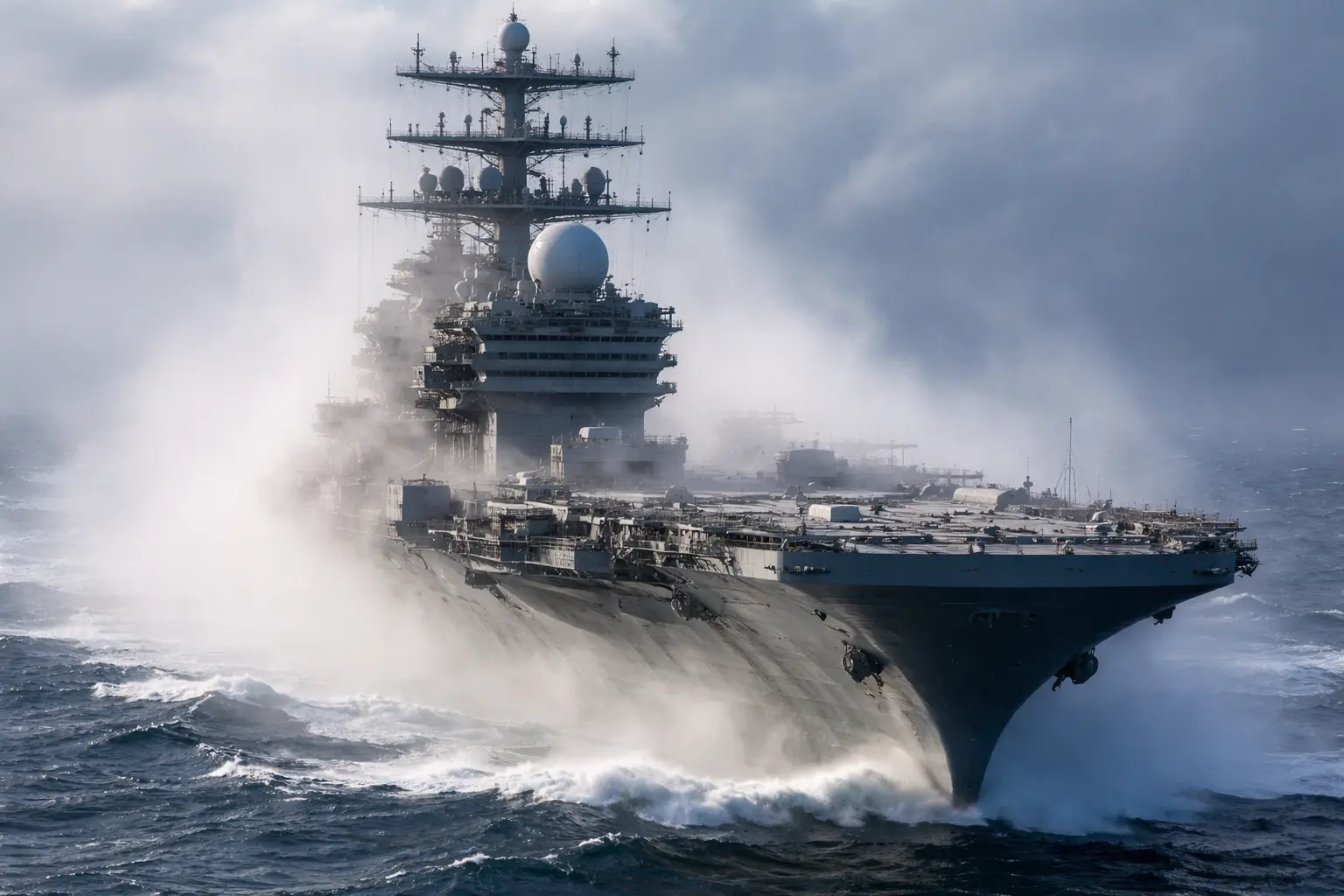
Two Distinct Flight Decks
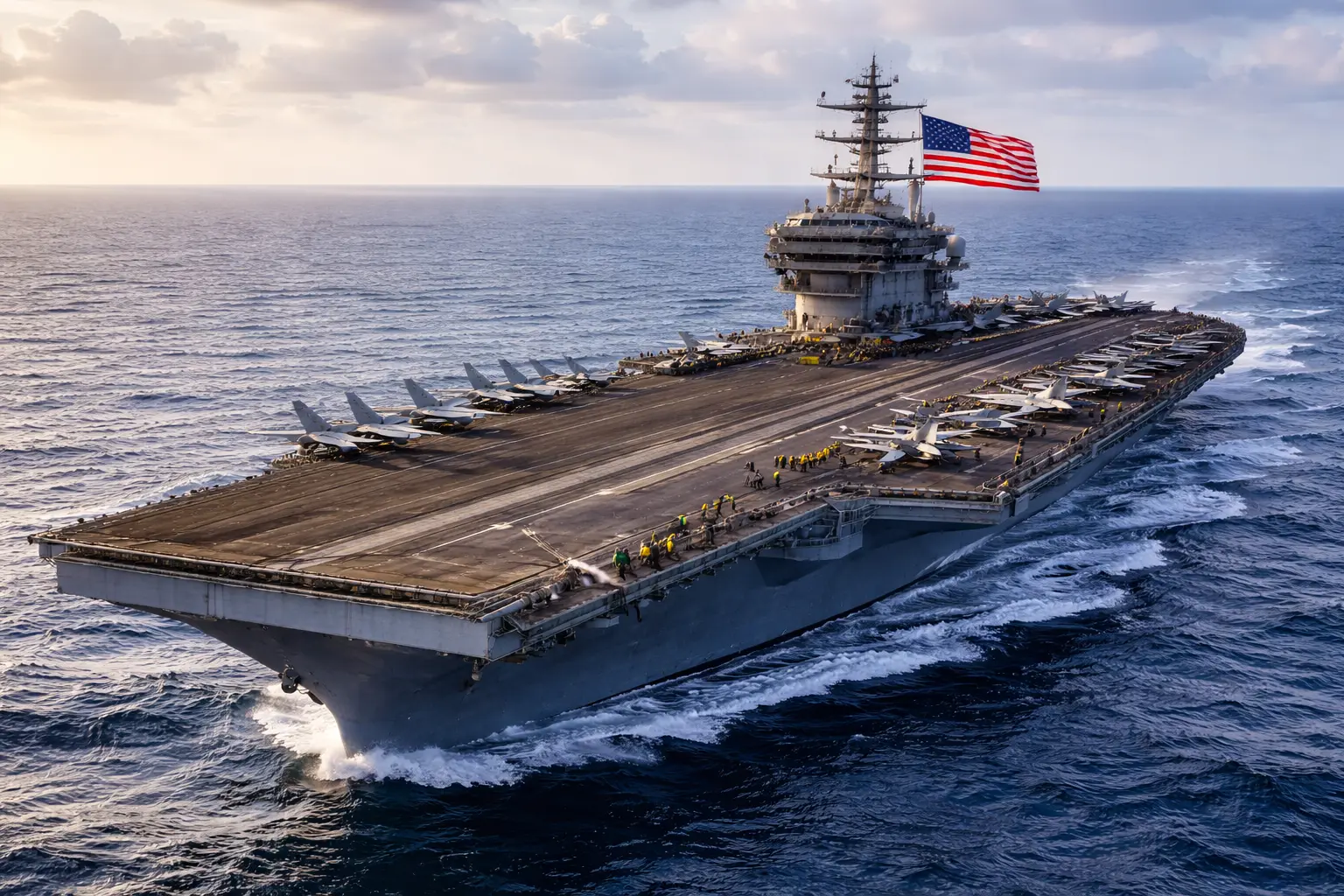
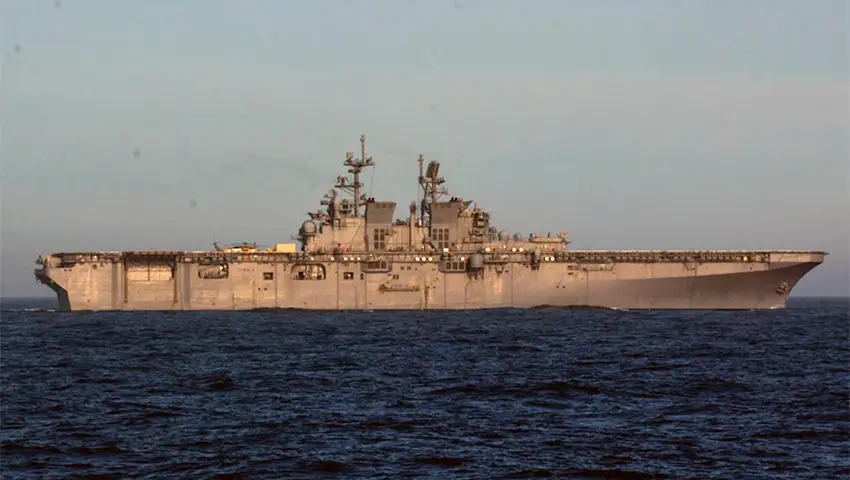
The USS Abraham Lincoln is a traditional Nimitz-class supercarrier built to recover high-speed, conventional fighter jets. In contrast, the USS Tripoli is an America-class amphibious assault ship that completely lacks the arresting wires and catapults found on larger carriers.
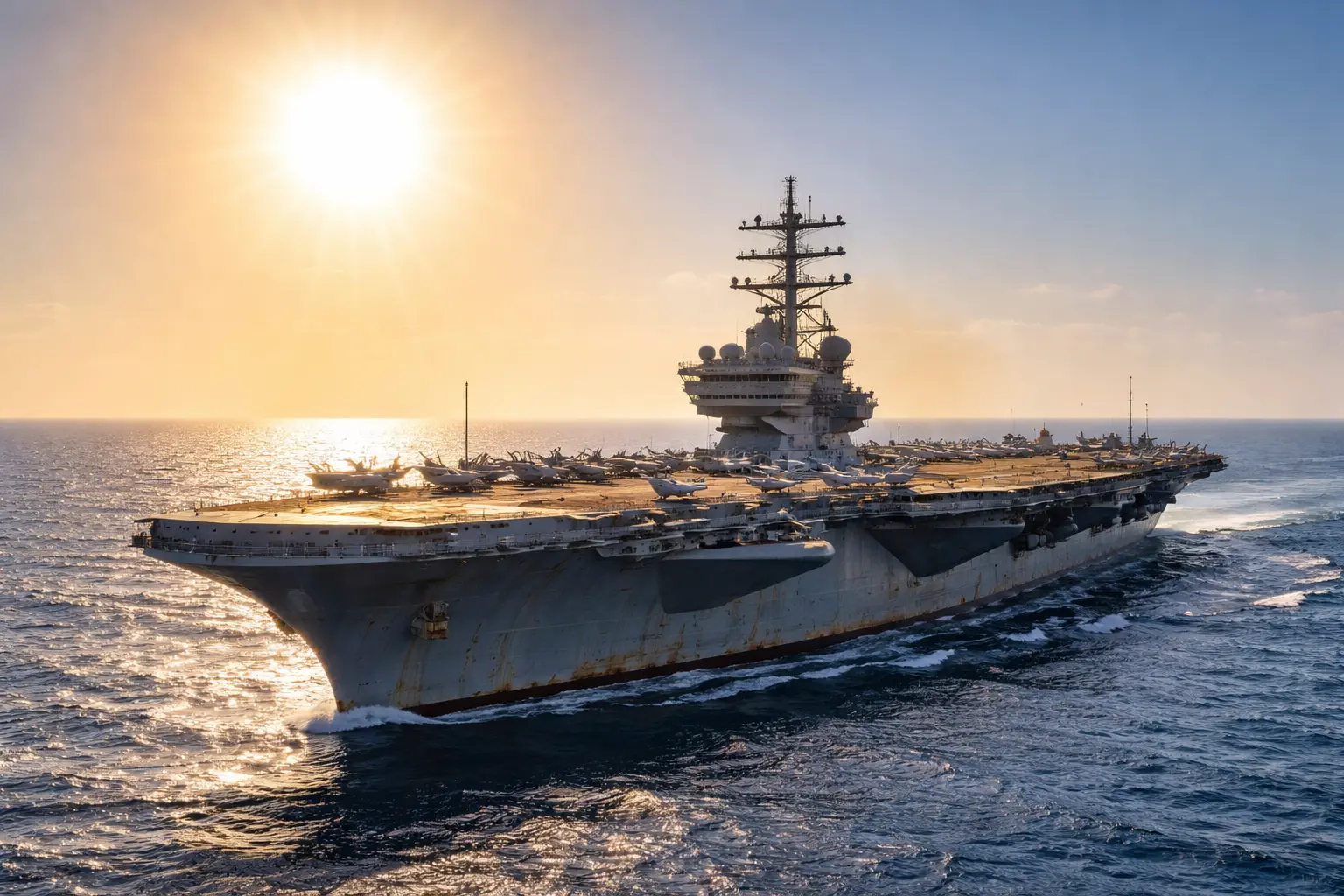
The Tailhook Arrest
Landing on the USS Abraham Lincoln requires an incoming aircraft to snag one of four high-tensile steel cables using a thick metal tailhook. This aggressively engages massive Mk 7 hydraulic engines below the deck, creating a violent but controlled deceleration.
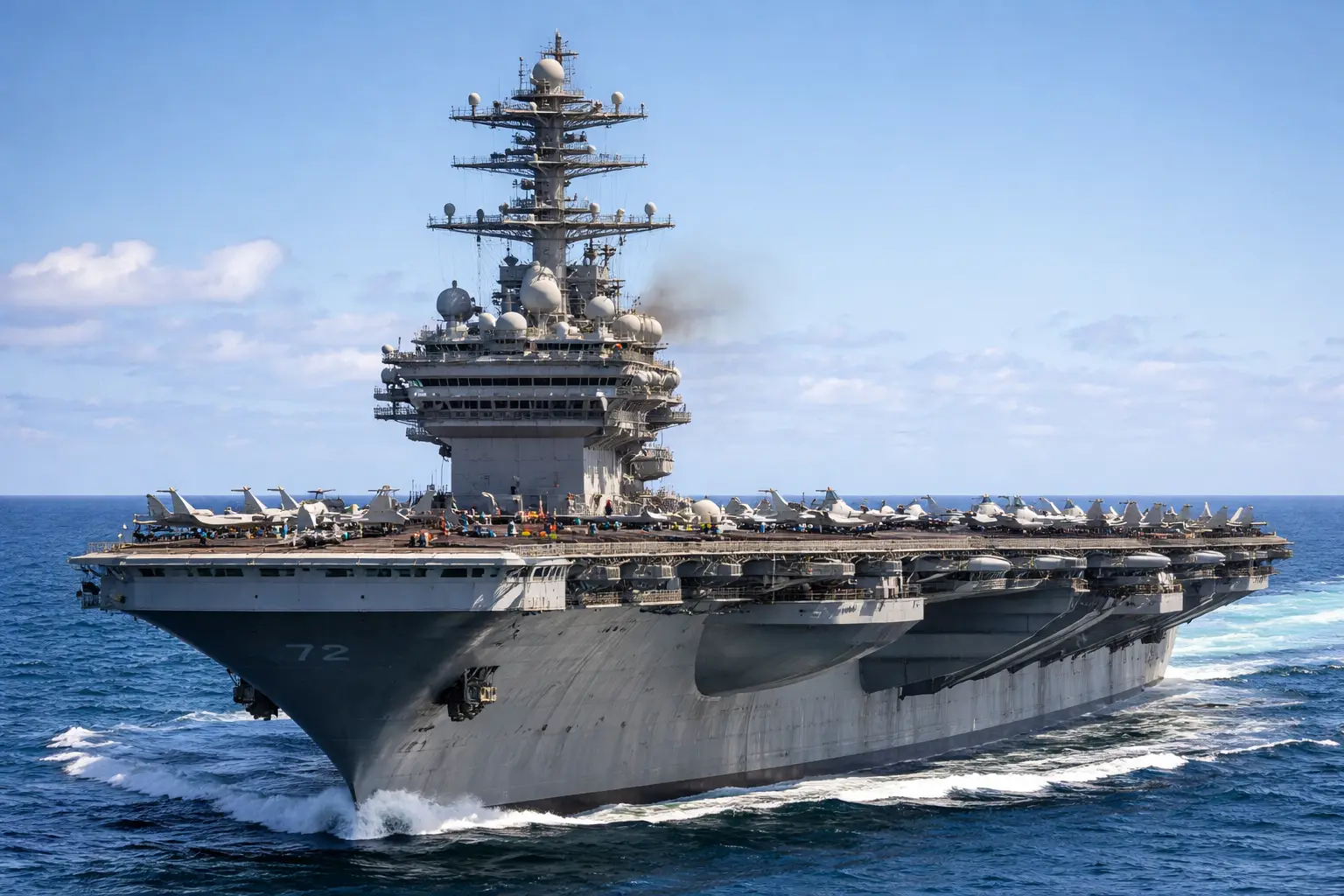
150 MPH to Zero
The physics of an arrested landing on the Lincoln are incredibly extreme. The hydraulic cables forcefully decelerate a 50,000-pound F/A-18 Super Hornet or F-35C from 150 miles per hour to a dead stop in just two seconds.
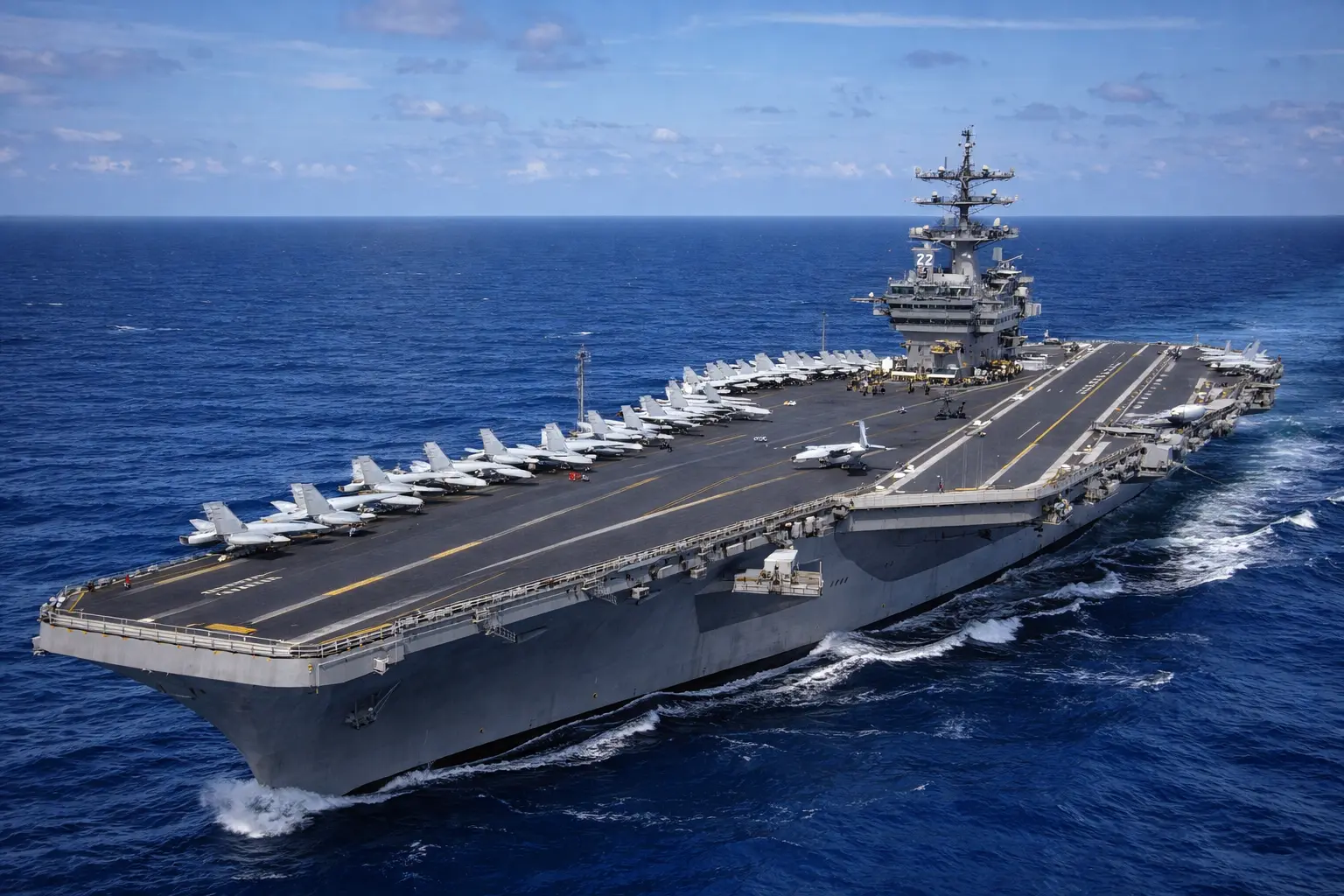
The Vertical Descent
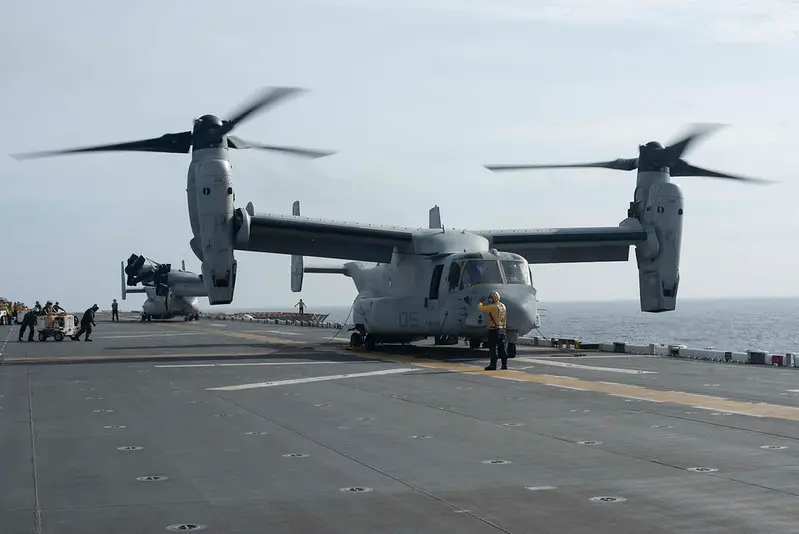
The USS Tripoli recovers aircraft exclusively through Short Take-Off and Vertical Landing (STOVL) capabilities. Pilots flying the specialised F-35B Lightning II engage a lift fan and pivot their exhaust nozzle 90 degrees downward to hover before gently descending onto the flight deck.
The Full-Throttle Difference
Because snagging a cable is never guaranteed, aviators landing on the Lincoln must apply maximum military thrust upon touchdown to ensure they can take off again if they miss. On the Tripoli, F-35B pilots carefully manage downward thrust vectors, entirely eliminating this dangerous 'bolter' protocol.
Thermion Deck Coating
Vertical landings generate sustained, highly concentrated jet exhaust that can severely warp or melt standard steel. To survive the intense heat of F-35B operations, the Tripoli's flight deck is heavily treated with a specialised Thermion coating to prevent catastrophic structural failure.
Strategic Purpose
The Lincoln operates as a massive, deep-strike floating city capable of launching an entire fixed-wing air wing. Meanwhile, the Tripoli acts as a nimble 'Lightning Carrier', efficiently deploying swarms of F-35B stealth fighters to directly support rapid Marine Corps amphibious assaults.
)
)
)
)
)