How Iran used Venezuela’s territory to spread terror across South America

Venezuela was one of the first to recognise the Islamic Republic after 1979, and the relationship expanded significantly in the early 2000s with state visits and a suite of bilateral agreements spanning infrastructure, housing, and energy cooperation.
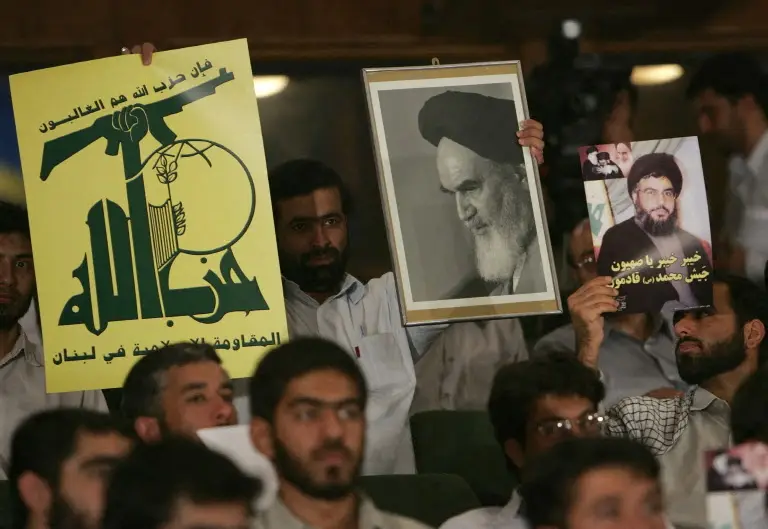
Protests in Iran Seen Through a Broader Lens
Iran is facing one of the deadliest waves of nationwide protests in years, with activists reporting thousands killed in a crackdown. Many analysts view the current unrest not only as a country's domestic struggle against repression and economic hardship but as part of a long arc of regional and global power struggles involving Tehran’s foreign engagements, including its ties with Venezuela and South America. Earlier this month the United States conducted a major military operation that resulted in the capture of Venezuelan President Nicolás Maduro and his wife amid efforts to curb narcotics trafficking and assert control over Caracas’s vast oil reserves, an action that has ignited global debate over sovereignty, law and geopolitical influence.

Origins of the Caracas–Tehran Partnership and South American angle
Diplomatic ties between Iran and Venezuela deepened under Hugo Chávez and later Nicolás Maduro. Venezuela was one of the first to recognise the Islamic Republic after 1979, and the relationship expanded significantly in the early 2000s with state visits and a suite of bilateral agreements spanning infrastructure, housing, and energy cooperation. Venezuela’s strategic location in South America and at the crossroads of the Caribbean provides Iran and Hezbollah with an ability to diminish their geographic disadvantage against America.

The IRGC’s global mission
At the centre of Iran’s foreign operations is the Islamic Revolutionary Guard Corps, particularly its external arm called Iran's Quds Force, tasked with conducting activities beyond Iran’s borders. The branch specialises in unconventional warfare, military intelligence operations as well as foreign missions. The Quds Force maintains a robust presence in Venezuela to support Maduro in times of crisis, says the Atlantic Council, quoting a report from December 2025.

IRGC logistics, finance, and presence
The IRGC and Hezbollah have used Venezuela to sought out permissive environments where weak oversight and sympathetic governments allow it to evade sanctions, move funds, and sustain allied networks far from the Middle East. These channels reportedly helped Iran bypass sanctions, with activities tied to fuel shipments, gold trading, and covert transport networks that connected Caracas with Tehran and Damascus.

Hezbollah support network
Where the IRGC laid the groundwork, Hezbollah expanded the network. The IRGC’s ability to operate in Venezuela is due to the heightened capability of Hezbollah’s support network. According to Atlantic Council, "Hezbollah’s External Security Organization (ESO) or 'Unit 910,' responsible for its extraterritorial operations, has successfully co-opted many Lebanese families throughout Central and South America, as well as the Caribbean."
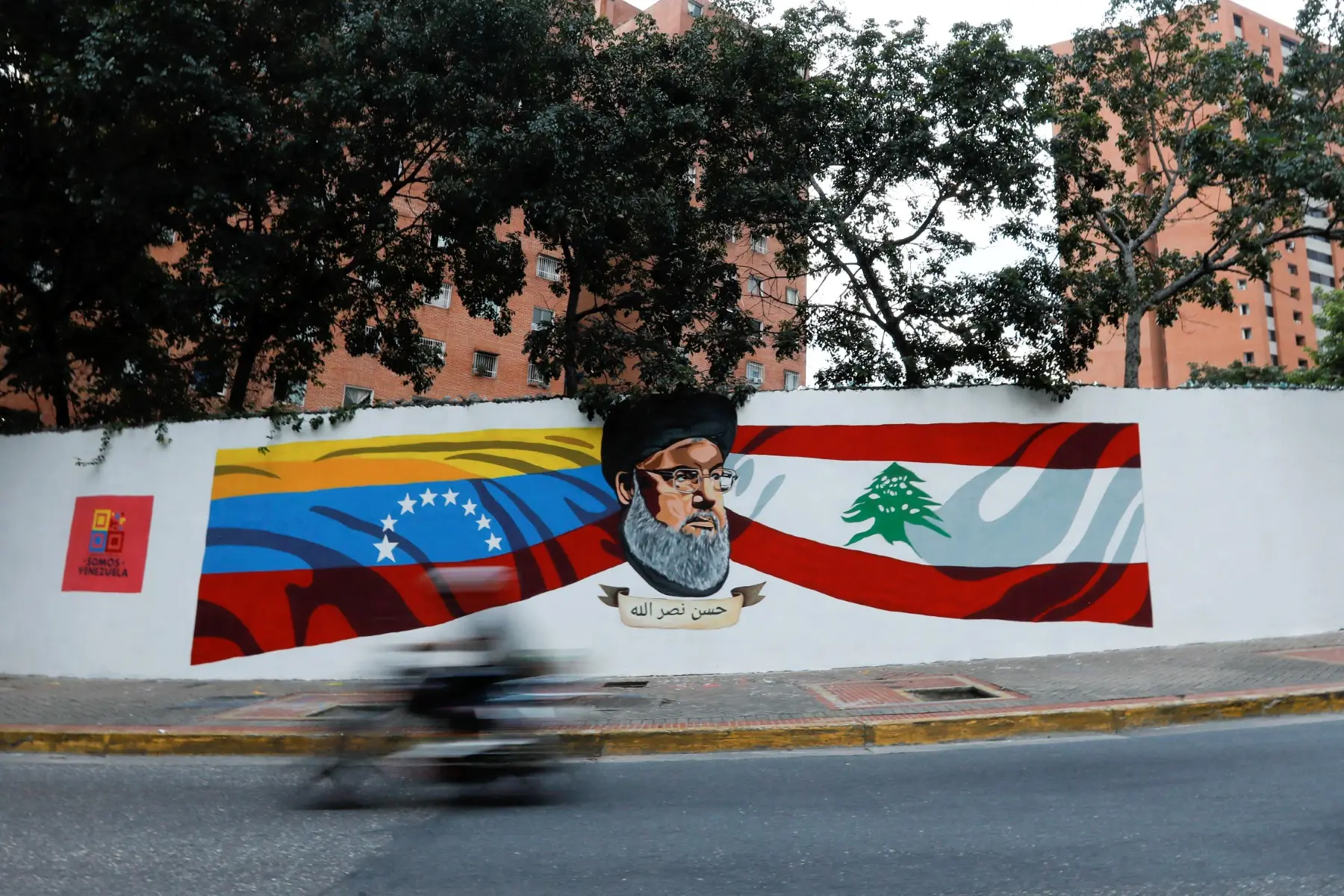
Strategic Use of Venezuelan Territory
Iran and its key proxy Hezbollah and Quds force have used Venezuelan territory as a logistical hub in the Western Hemisphere, leveraging Caracas as a safe space to evade sanctions and run transnational networks. Hezbollah established operations in areas with significant Lebanese diaspora, particularly on Margarita Island and the Paraguaná Peninsula, facilitating money laundering, drug trafficking, weapons and other illicit activities that tie back to broader networks of organised crime and terrorism.
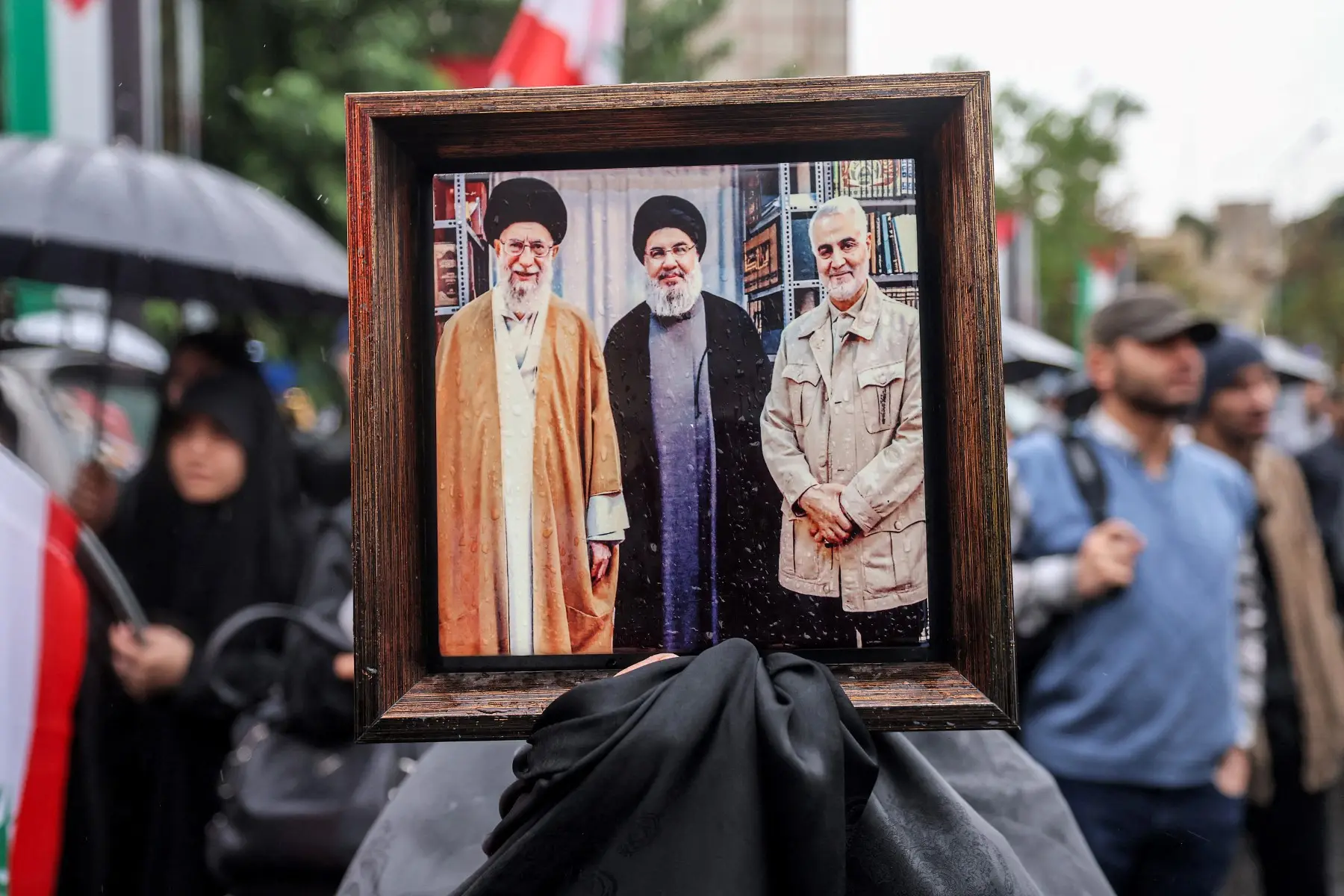
Regional security consequences
Thus, Iran's allied network functions used Venezuela as a permissive environment in South America where sanctions can be evaded and illicit logistics networks can operate. Analysts argue that these networks causes organised crime, creating long-term security risks that extended beyond Venezuela to neighbouring states, while complicating counterterrorism efforts in the region.
)
)
)
)
)