How India’s MiG‑21 flew for 60 years and the shocking upgrades that kept it fighting

Designed by the Mikoyan‑Gurevich bureau, the aircraft could fly at over twice the speed of sound, transforming India’s air defence in the Cold War era.
A Soviet icon
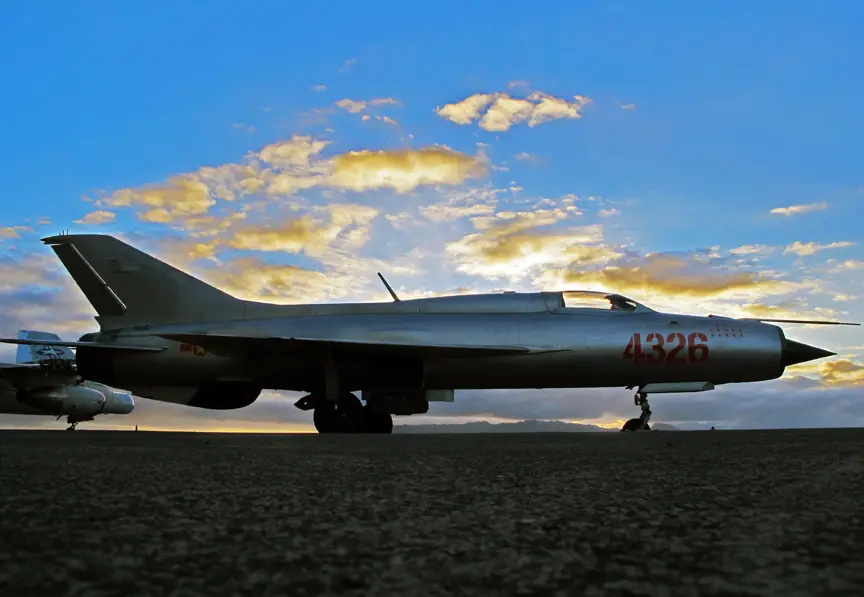
First inducted into the Indian Air Force (IAF) in 1963, the MiG‑21 was India’s first truly supersonic fighter. Designed by the Mikoyan‑Gurevich bureau, the aircraft could fly at over twice the speed of sound, transforming India’s air defence in the Cold War era. Its arrival marked a turning point, giving the IAF credible deterrence against rival air forces.
Why it stayed so long?
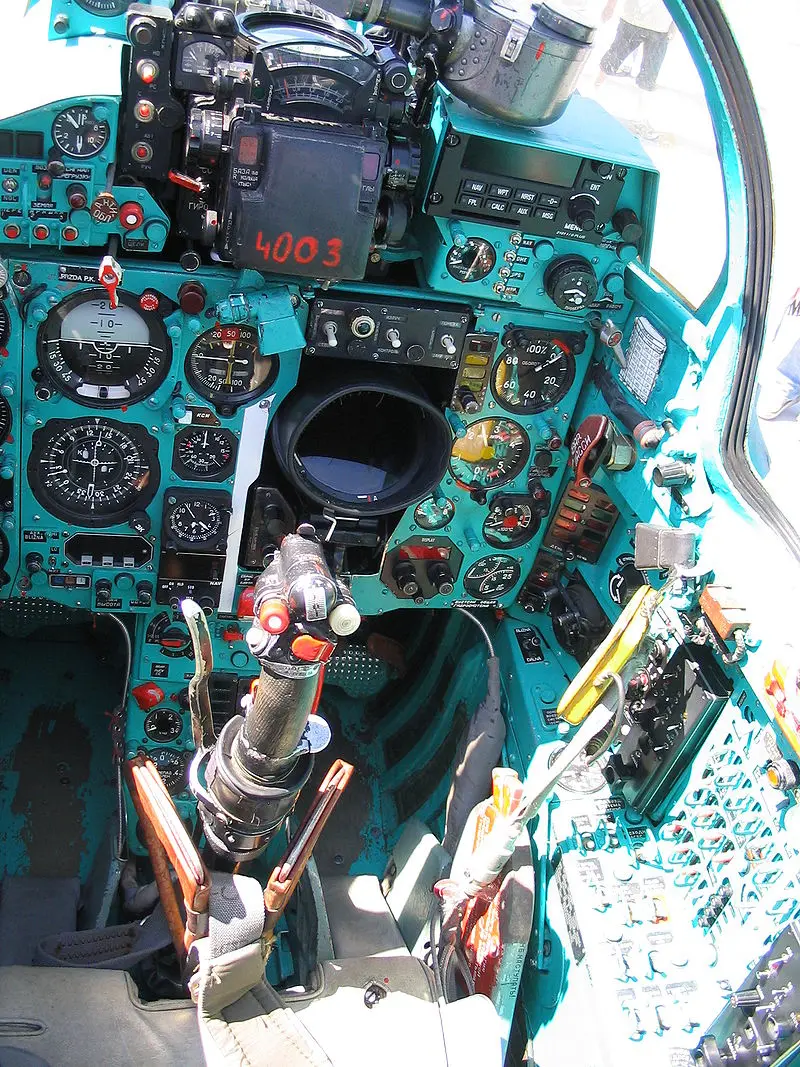
Originally expected to serve two decades, the MiG‑21 became the backbone of the IAF, thanks to indigenous production at Hindustan Aeronautics Limited (HAL). Over 870 MiG‑21s were eventually built in India under licence, making it the largest operator outside the Soviet Union. Strategic necessity, delays in replacing aircraft, and cost pressures kept it flying well into the 21st century.
Modern makeovers: the Bison upgrade
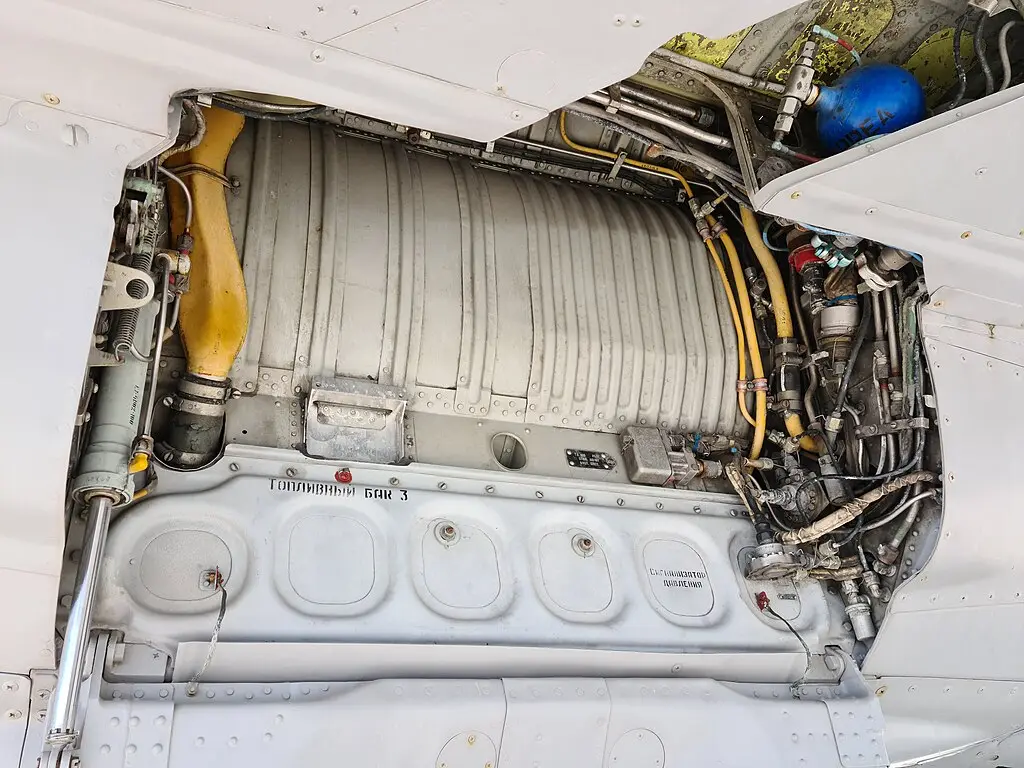
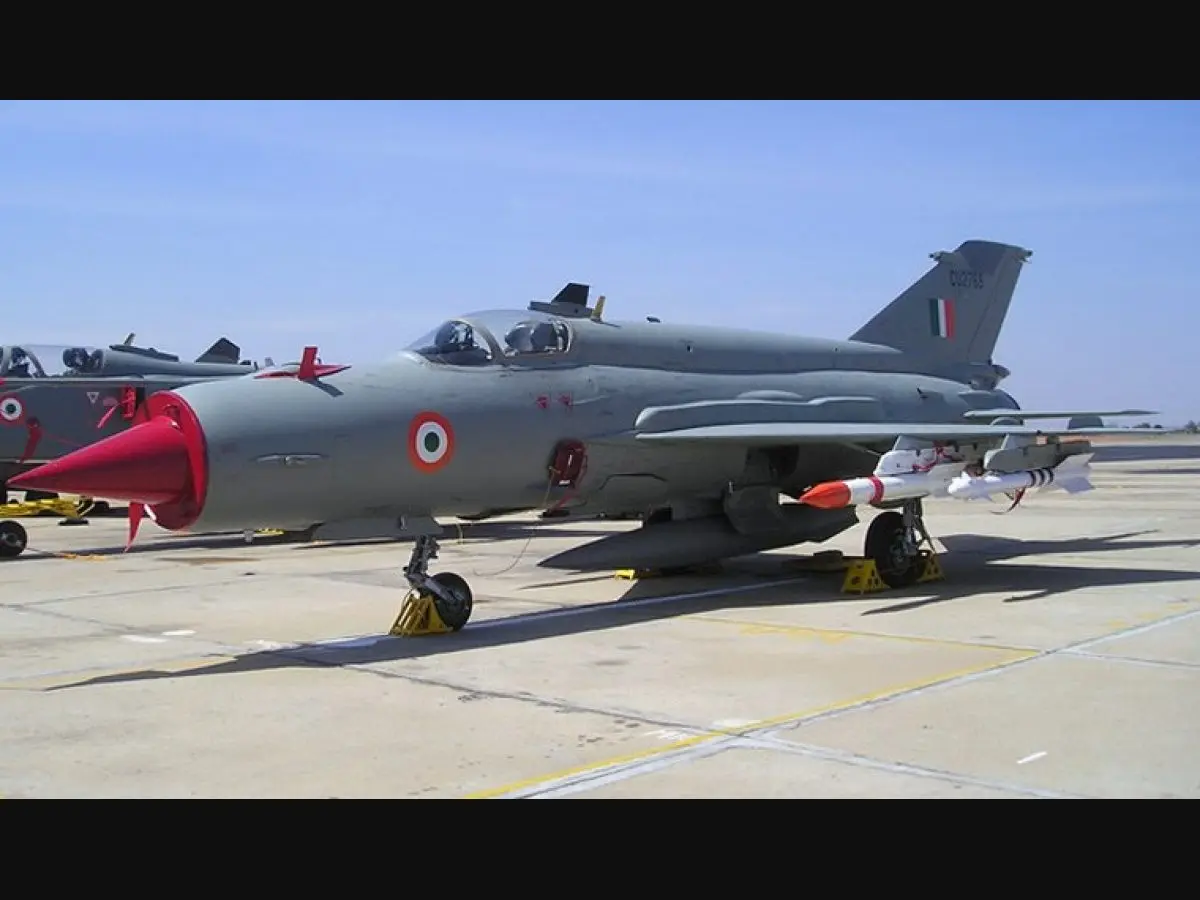
In the late 1990s and early 2000s, around 125 MiG‑21bis aircraft were upgraded to the MiG‑21 Bison standard. This modernisation added a Kopyo pulse‑Doppler radar, new avionics, beyond‑visual‑range (BVR) missile capability, a glass cockpit, and improved self‑protection systems. These upgrades extended the fighter’s operational relevance, allowing it to face newer threats.
Achievements and a mixed legacy
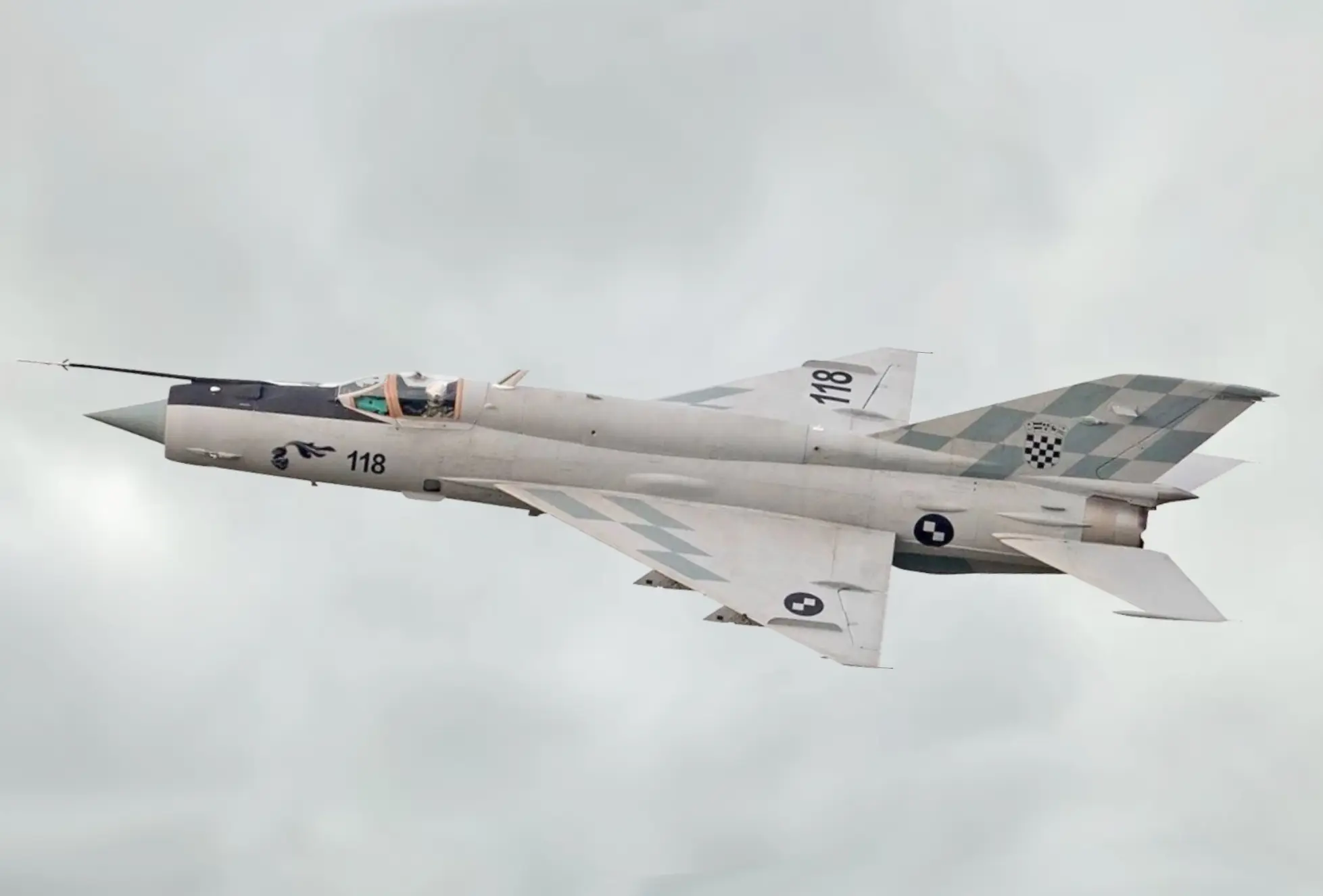
The MiG‑21 earned a storied place in Indian aviation history. It scored its first combat kill in 1965, downing a Pakistani F‑104 Starfighter. In the 1971 war, MiG‑21s secured multiple aerial victories and supported ground strikes, proving decisive for the IAF. Decades later, in 2019, a MiG‑21 Bison famously shot down a Pakistani F‑16 during a dogfight, showcasing its modernised edge. Yet its record is clouded by frequent accidents. Ageing airframes, limited pilot visibility, and high landing speeds contributed to over 400 crashes since the 1970s, tragically costing many lives and earning it the nickname 'flying coffin' in the Indian media.
Features and performance
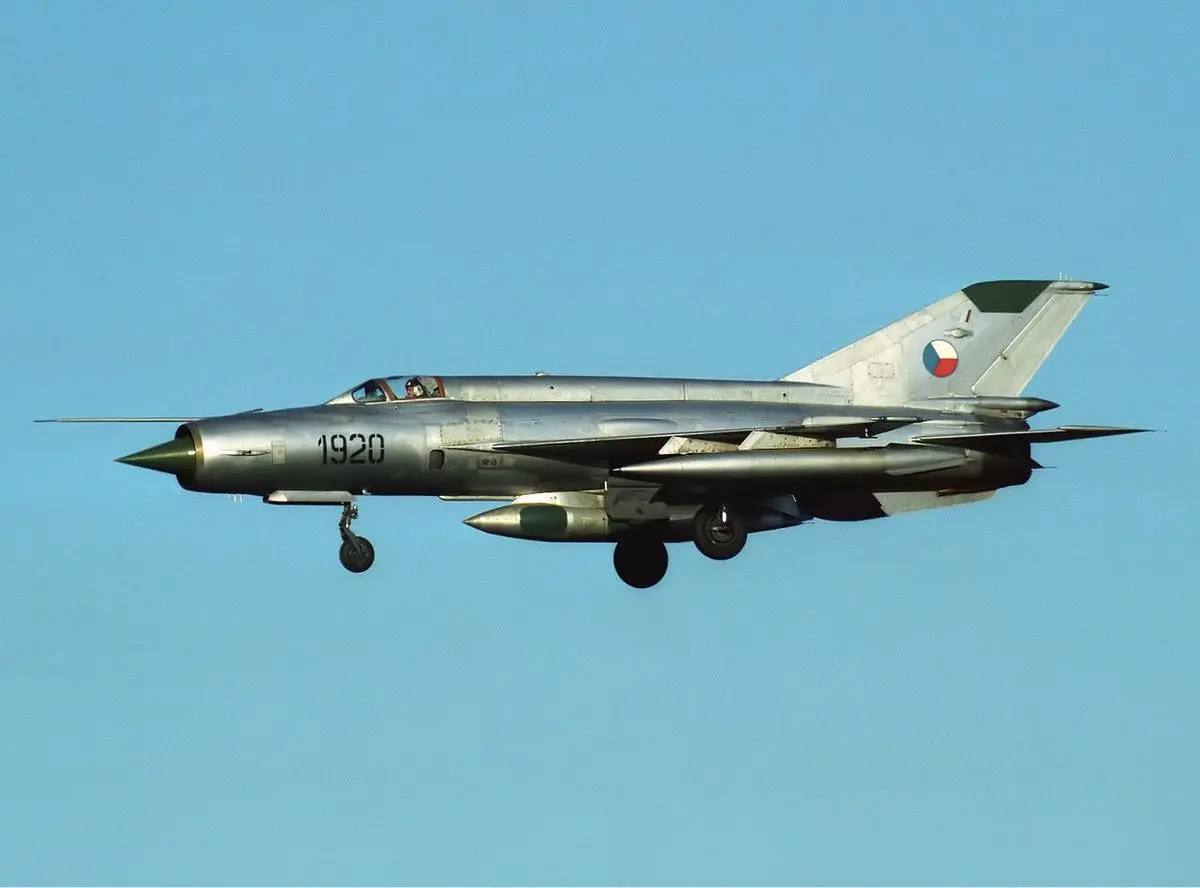
The MiG‑21’s simple delta‑wing design gave it excellent climb rates and speed, but less agility at low speeds. Its top speed exceeded Mach 2, with an operational ceiling above 50,000 feet. The Bison upgrade added compatibility with modern air‑to‑air missiles like the R‑77, making it surprisingly potent even in recent years. However, the government has announced plans to retire the entire fleet by 2025, after six decades of continuous service.
More than just a machine
For India, the MiG‑21 was not merely an aircraft: it symbolised industrial ambition, Cold War strategy, and decades of aerial defence. Its survival for over 60 years tells a story of adaptation, necessity, and the limits of extending an ageing legend’s life.
)
)
)
)
)