How India’s new K-4 missile could be a major deterrence game-changer

India's K-4 submarine-launched ballistic missile with 3,500-km range strengthens sea-based nuclear deterrence through underwater stealth, advanced guidance systems and credible second-strike capability against regional nuclear-armed adversaries.
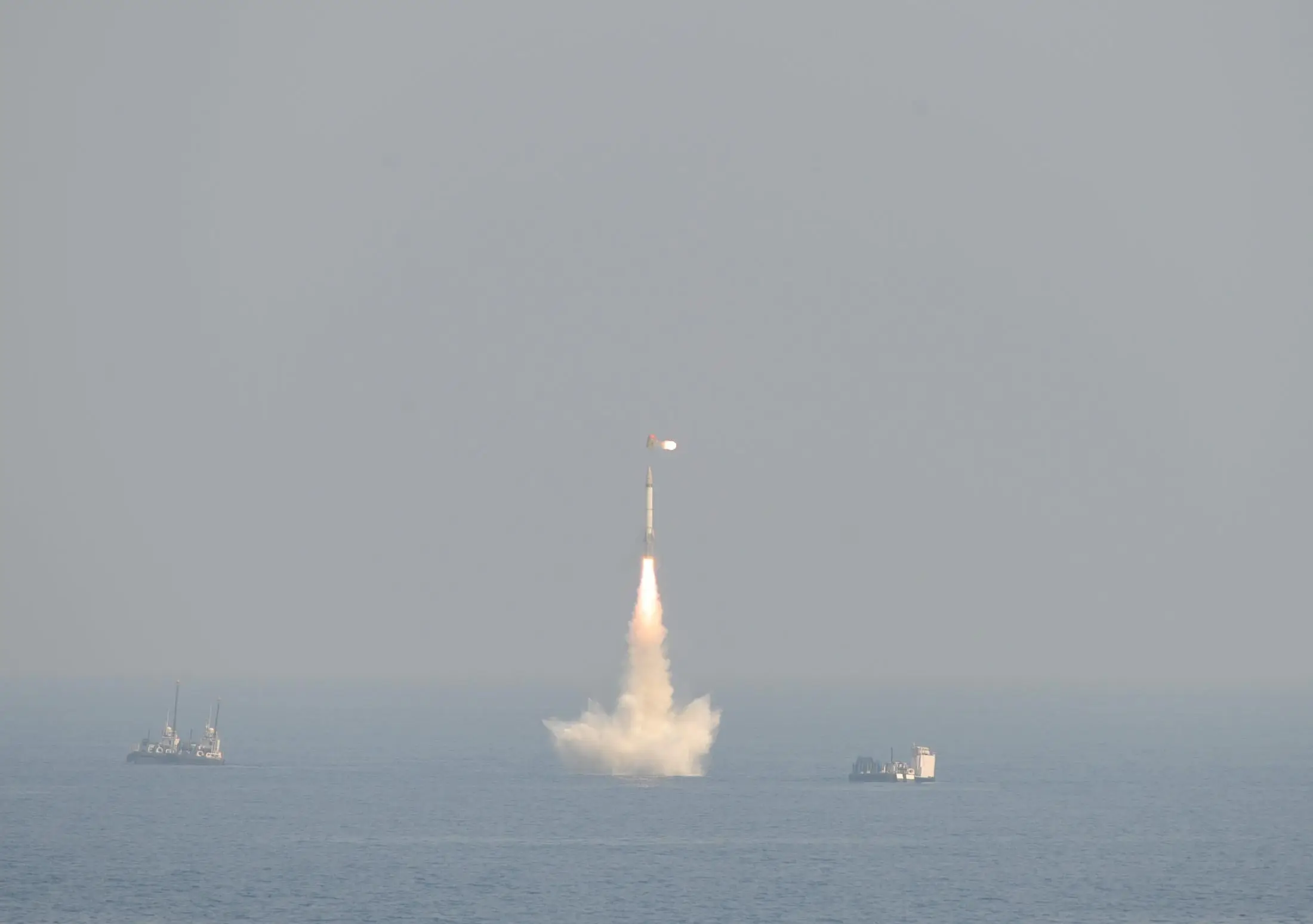
K-4 Submarine-Launched Ballistic Missile Overview
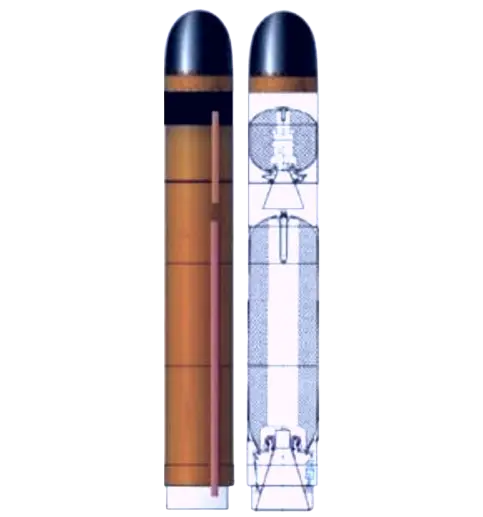
The K-4, also known as Kalam-4, is a two-stage submarine-launched ballistic missile developed by India's Defence Research and Development Organisation. Measuring approximately 12 metres in length and weighing nearly 17 tonnes, it represents India's longest-range sea-launched strategic weapon. The missile can carry a nuclear warhead and extends India's strike capability to 3,500 kilometres from underwater platforms.
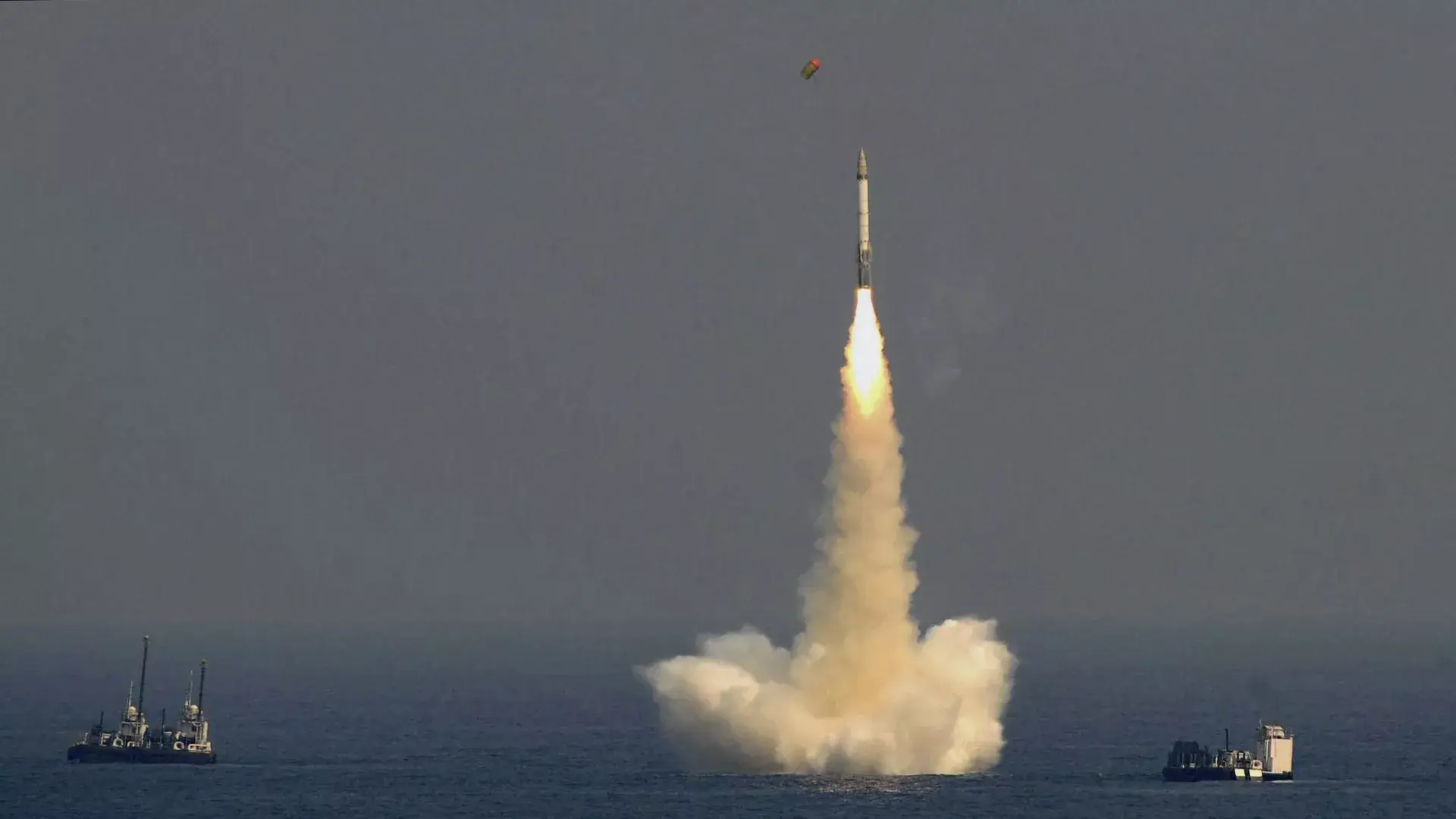
The 3,500-Kilometre Range Advantage
The K-4's operational range of 3,500 kilometres provides India with significant strategic flexibility, allowing submarines to remain hidden in distant ocean areas whilst still striking targets deep within adversary territory. This range far exceeds its predecessor, the K-15 missile, which has a limited 750-kilometre range. The extended reach enables India to maintain nuclear deterrence without deploying submarines close to hostile coastlines, reducing detection risks substantially.
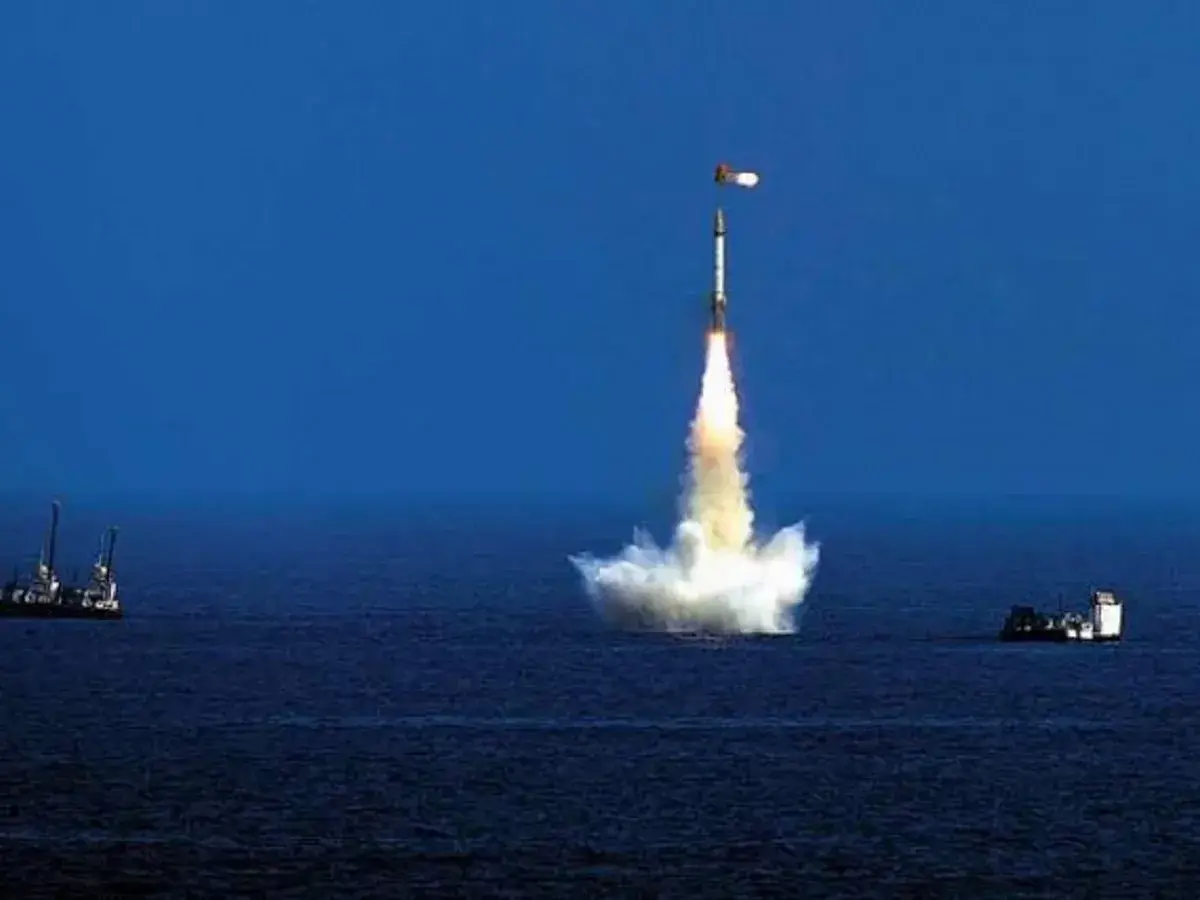
INS Arighaat and Submarine Technology
INS Arighaat, commissioned into the Indian Navy in August 2024, is the second Arihant-class nuclear-powered submarine and the platform from which the K-4 was successfully tested. These submarines displace 6,000 tonnes and are specifically designed to carry the longer-range K-4 missile system. The Arihant-class submarines represent India's indigenous submarine development capabilities and strategic naval advancement.
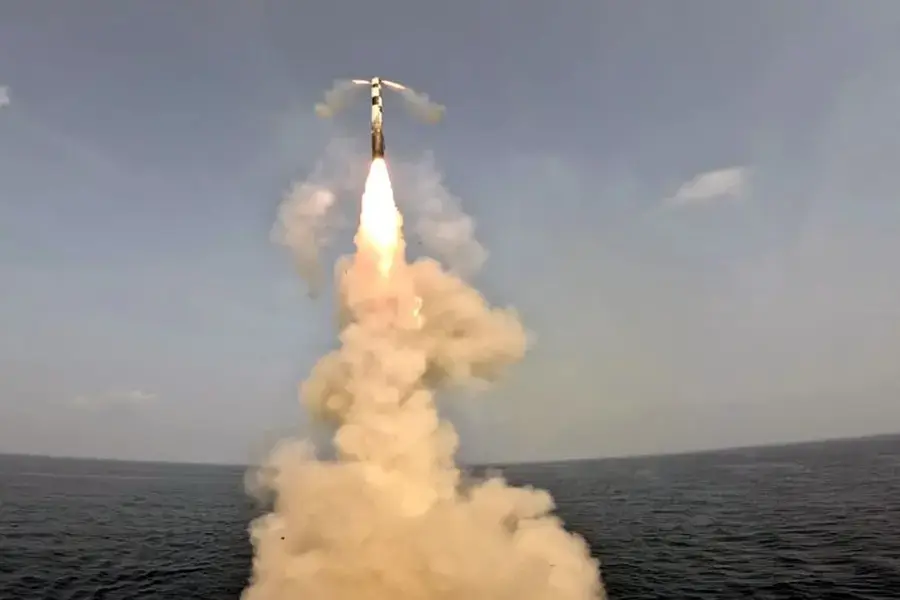
Second-Strike Capability and Nuclear Doctrine
The K-4 operationalises India's sea-based nuclear triad, which comprises land-based missiles, air-delivered nuclear weapons and submarine-launched systems. Ballistic missile submarines remain extremely difficult to detect and neutralise, ensuring credible second-strike capability even if land and air assets are compromised. This survivability forms the foundation of India's nuclear doctrine, guaranteeing retaliation capacity in worst-case scenarios.
Advanced Guidance and Accuracy Systems
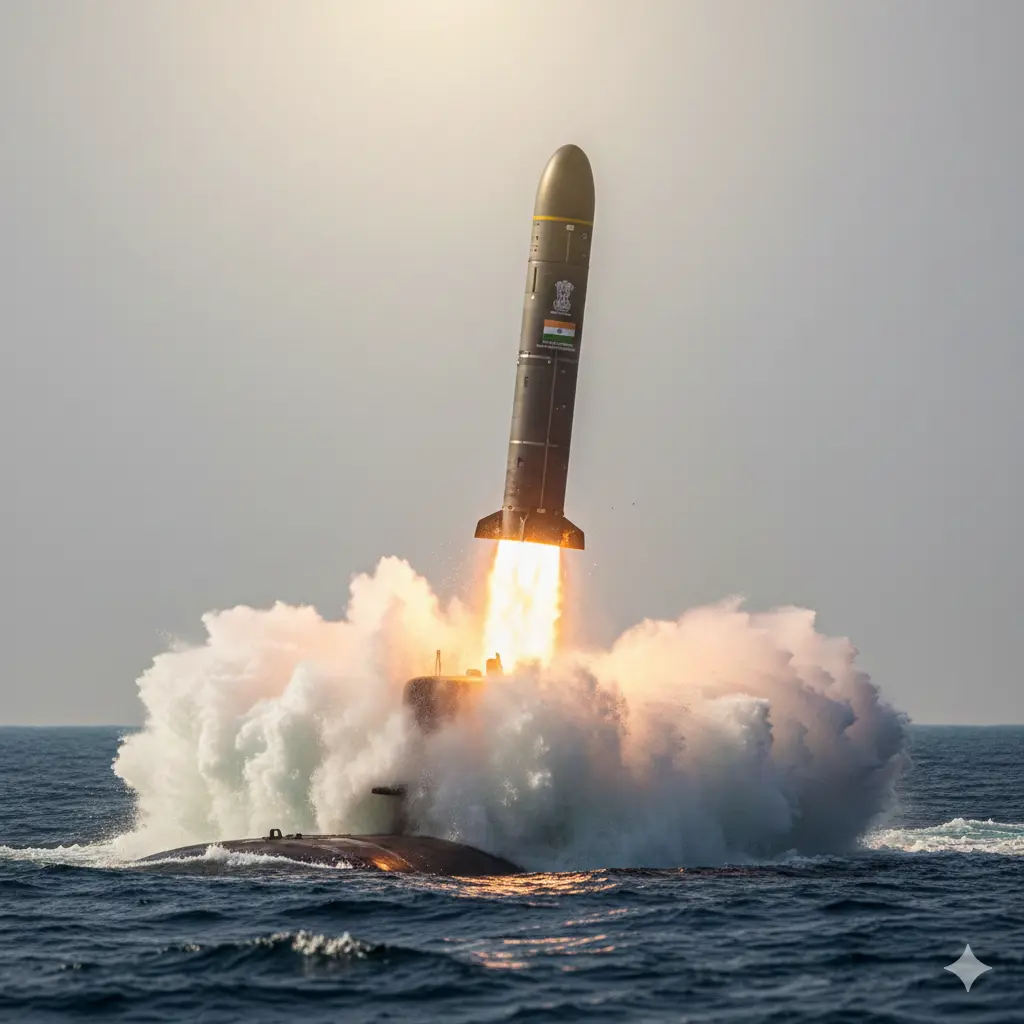
The K-4 utilises inertial navigation augmented by GPS and NavIC satellite guidance, achieving reported accuracy with a circular error probable of less than 10 metres. The missile performs three-dimensional manoeuvres to evade ballistic missile defence systems, incorporating advanced countermeasures against anti-missile technologies. Cold-launch technology enables the missile to eject from underwater silos and surface before ignition, protecting submarine structural integrity.
Strategic Implications for South Asia
The K-4 test reshapes the strategic balance in South Asia and the Indo-Pacific region by providing India with a survivable, hard-to-detect nuclear deterrent. The missile's range extends India's security perimeter whilst maintaining submarine stealth, countering potential nuclear threats from multiple adversaries. This capability significantly strengthens India's position in regional power dynamics and enhances deterrence credibility.
Future Development and Strategic Evolution
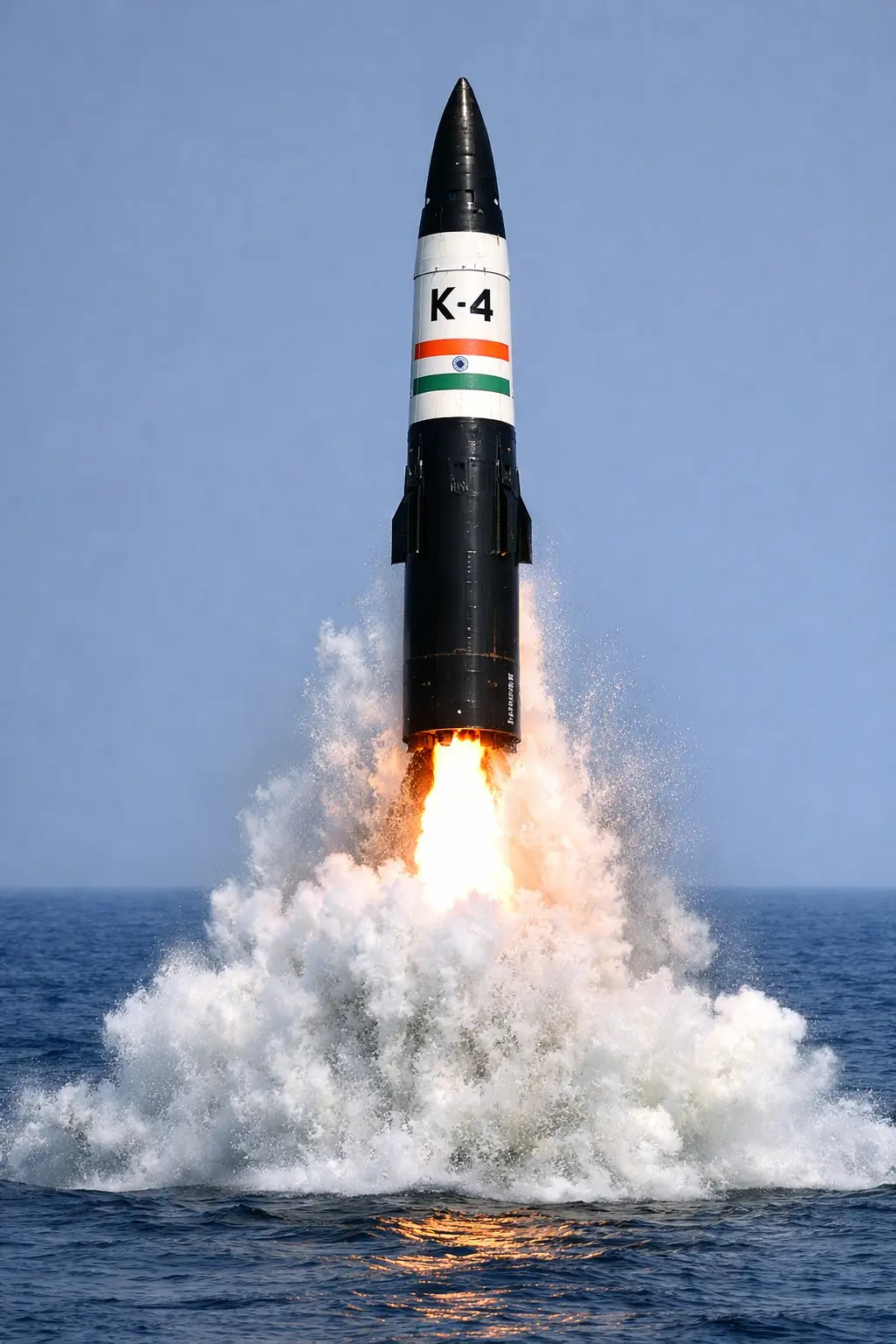
India is developing next-generation submarine-launched systems including the K-5 missile, expected to exceed 5,000 kilometres range, and future variants with advanced capabilities. These will equip planned submarine classes in subsequent decades, further extending India's underwater deterrent capability. The K-4 represents a critical step in India's evolving long-range strategic arsenal development.
)
)
)
)
)