How India’s K-5 nuclear missile could become a ‘Gun to the Head’ for Pakistan?

The K-5’s value is psychological and strategic, not operational. Its long range forces adversaries to acknowledge India’s enduring retaliatory capability, which in turn reduces the risk of nuclear adventurism.
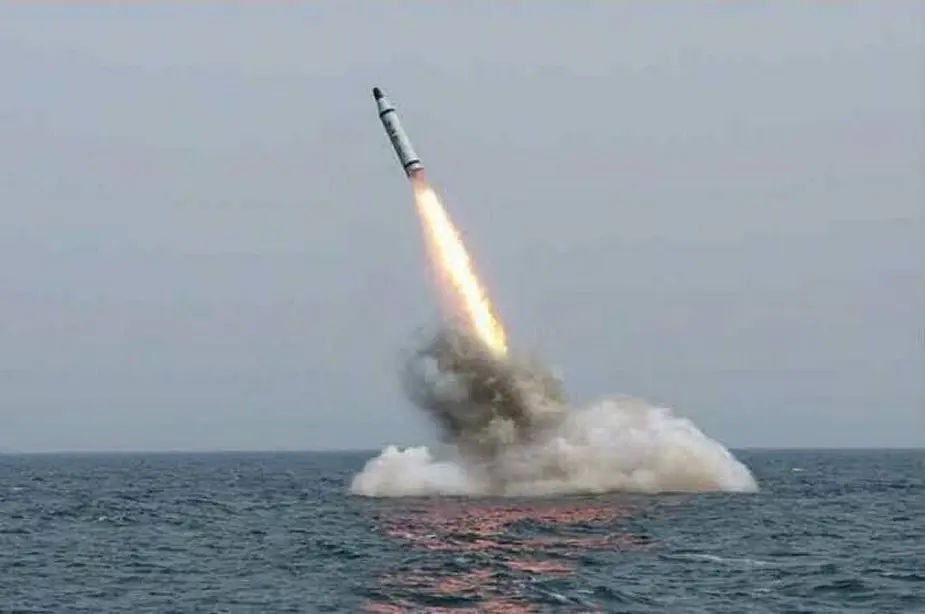
1. A Longer-Range SLBM Changes the Geography of Deterrence
India’s K-5, based on open-source assessments, is expected to have a range of 5,000–6,000 km, significantly longer than the currently tested K-15 (750 km) and K-4 (~3,500 km). This extended reach allows India’s Arihant-class nuclear submarines to stay deep inside the Indian Ocean and still strike any target in Pakistan without ever approaching its coastline. When a weapon can operate from hidden waters and still reach its target, it becomes a powerful deterrent tool, a strategic “pressure point”.
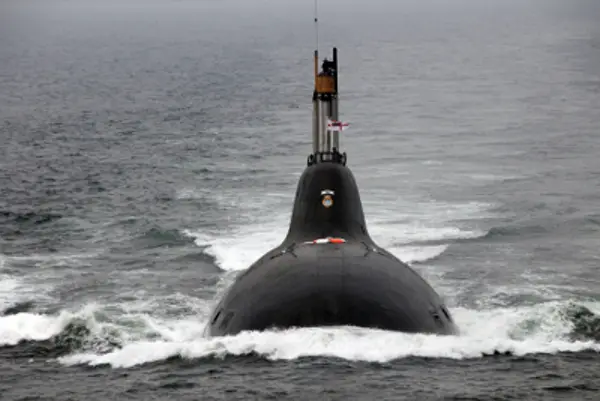
2. Pakistan Cannot Track Indian SSBNs in Deep Ocean Zones
Pakistan’s Navy lacks a true blue-water anti-submarine warfare (ASW) capability. It does not operate long-range maritime patrol aircraft comparable to the US P-8 or India’s P-8I, nor does it possess networks of underwater sensors spread across the Indian Ocean. This means an Arihant-class submarine armed with a long-range SLBM like the K-5 would be effectively invisible to Pakistan. In nuclear strategy, invisibility equals survivability and survivability is what creates deterrence.
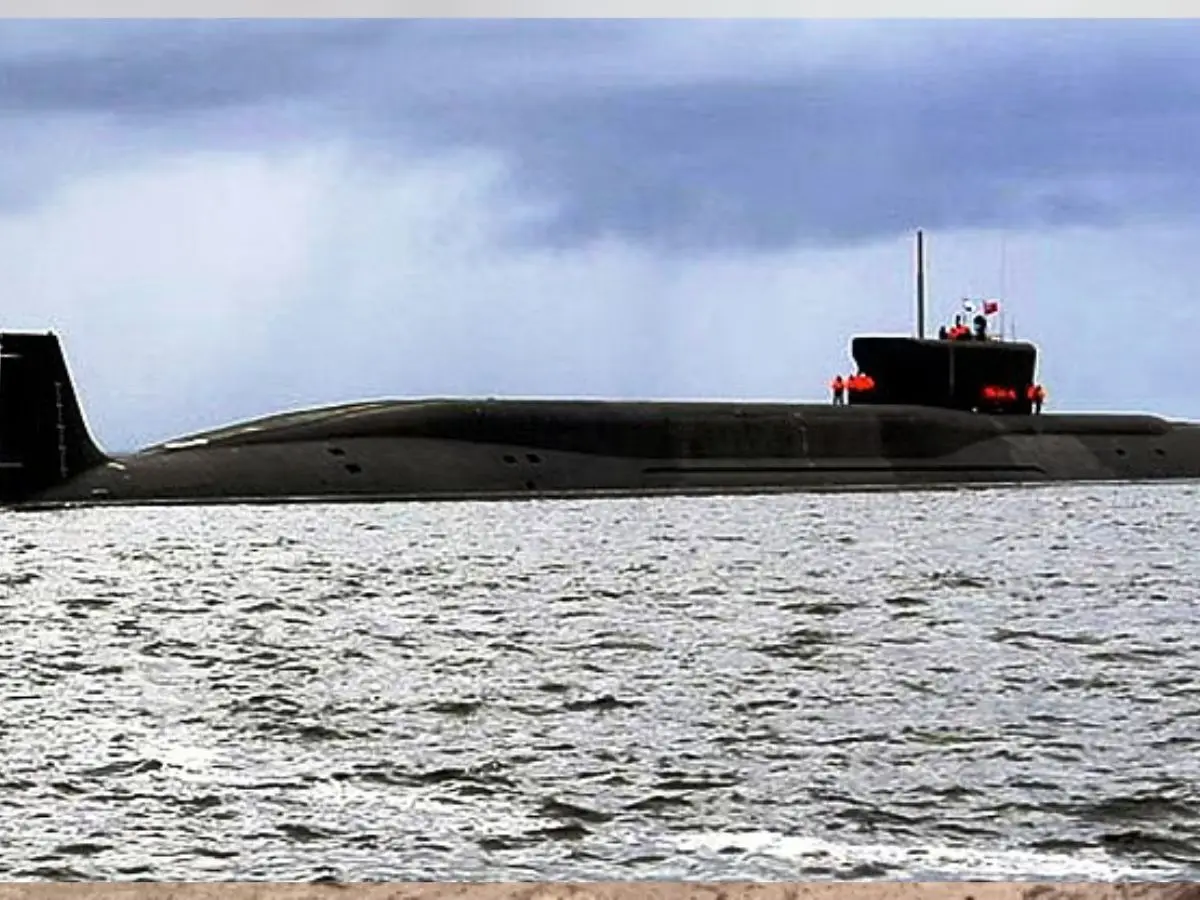
3. The K-5 Strengthens India’s Second-Strike Assurance
A nuclear deterrent only works if the adversary believes it will survive a first strike. Land-based missiles are fixed, observable and increasingly vulnerable to satellite tracking. Aircraft can be intercepted or grounded. But a submarine armed with a 5,000+ km missile remains almost impossible to neutralise. The K-5 gives India the ability to retaliate even if all land-based systems are destroyed, a fact that forces Pakistan to rethink the consequences of any escalation.
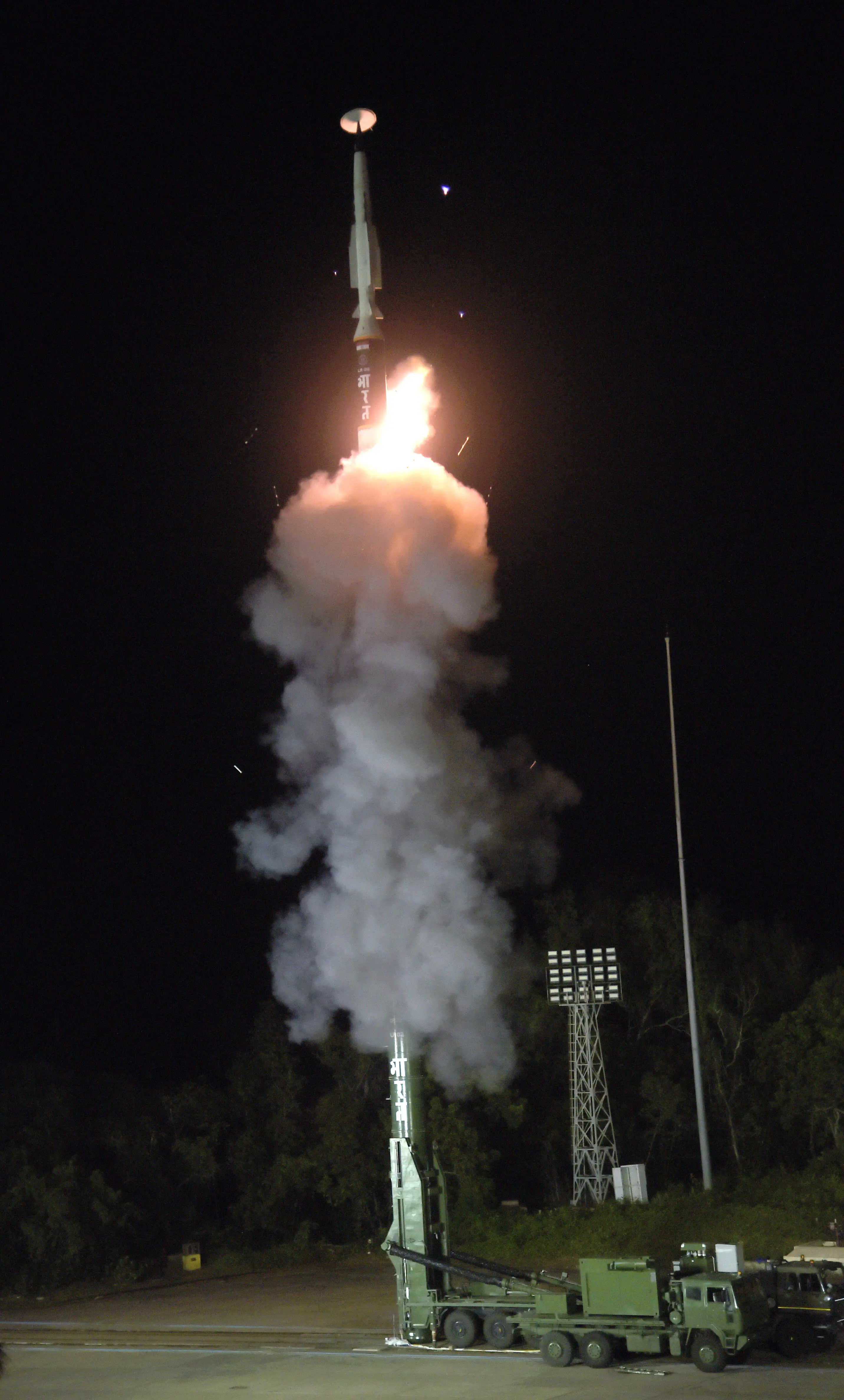
4. Unlike Agni Missiles, the K-5 Doesn’t Reveal Its Location Before Launch
Land-based systems require transportation, erection and preparation, all of which create detectable signatures. A submarine-launched ballistic missile, however, gives no warning until it breaks the surface for launch. The element of uncertainty, not knowing from where or when a retaliatory strike could come, itself acts as a strategic lever. For Pakistan, this uncertainty increases the cost of miscalculation.
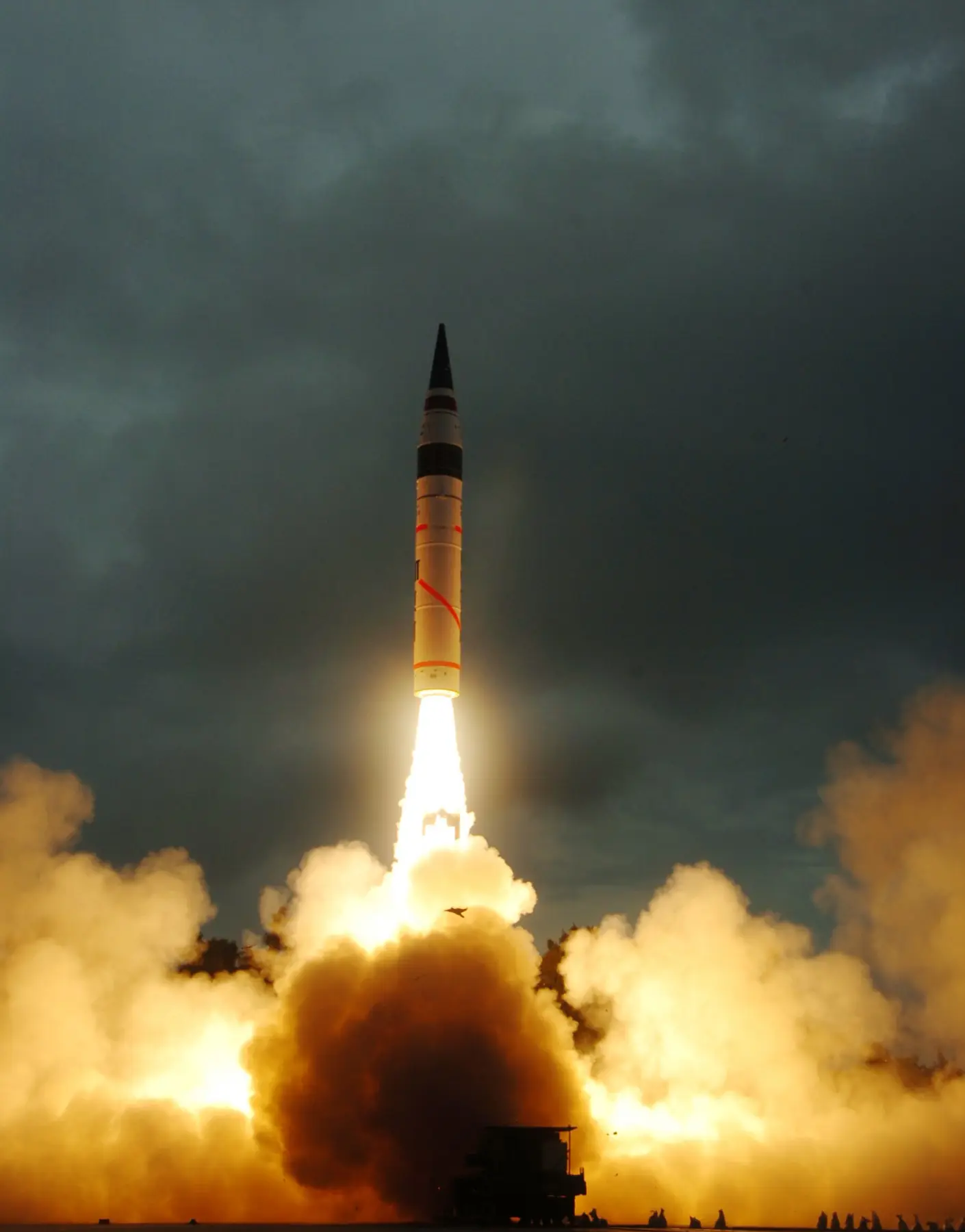
5. A Sea-Based Missile Reduces Pressure on India's Land Border Posture
Because India shares a long and heavily militarised border with Pakistan, a credible sea-based second strike capability eases pressure on forward-deployed land-based nuclear assets. It allows India’s nuclear doctrine to remain stable, predictable and restrained. By shifting deterrence to the seas, the K-5 gives India strategic breathing room while signalling that land-border escalation cannot neutralise India’s nuclear capability.
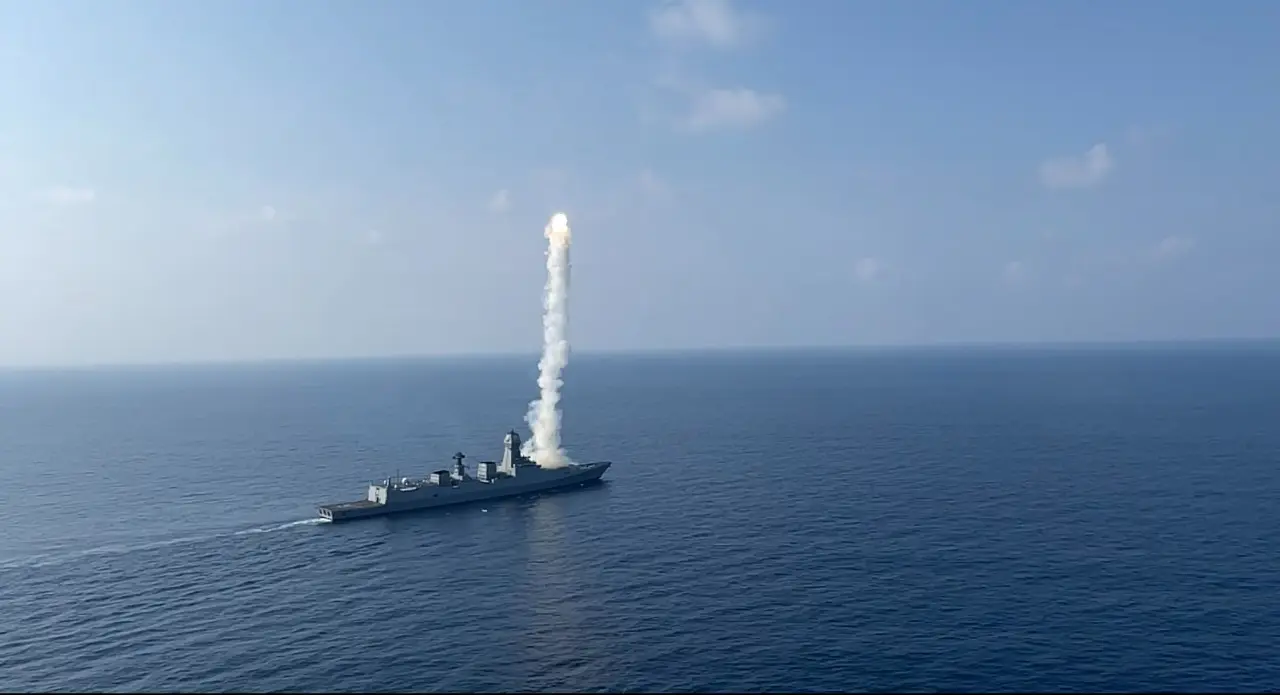
6. The K-5 Expands India’s Deterrence Envelope Without Escalating First-Strike Policy
India’s declared No First Use (NFU) doctrine means nuclear weapons serve only to deter, not to initiate. A missile like the K-5 fits this perfectly, it is not built for tactical battlefield use, but for strategic retaliation from secure ocean bastions. The stronger the second-strike capability, the more stable the deterrence relationship becomes. In practical terms, this stability acts as a “strategic warning” to any adversary against misjudging India’s resolve.

7. Why Analysts Call It a ‘Pressure Point,’ Not a Battlefield Weapon
The K-5’s value is psychological and strategic, not operational. Its long range forces adversaries to acknowledge India’s enduring retaliatory capability, which in turn reduces the risk of nuclear adventurism. Analysts sometimes describe such strategic assets as “a gun to the head”, not because they are meant to be fired, but because their existence prevents the need to fire anything at all. In essence, the K-5 strengthens deterrence, not conflict.
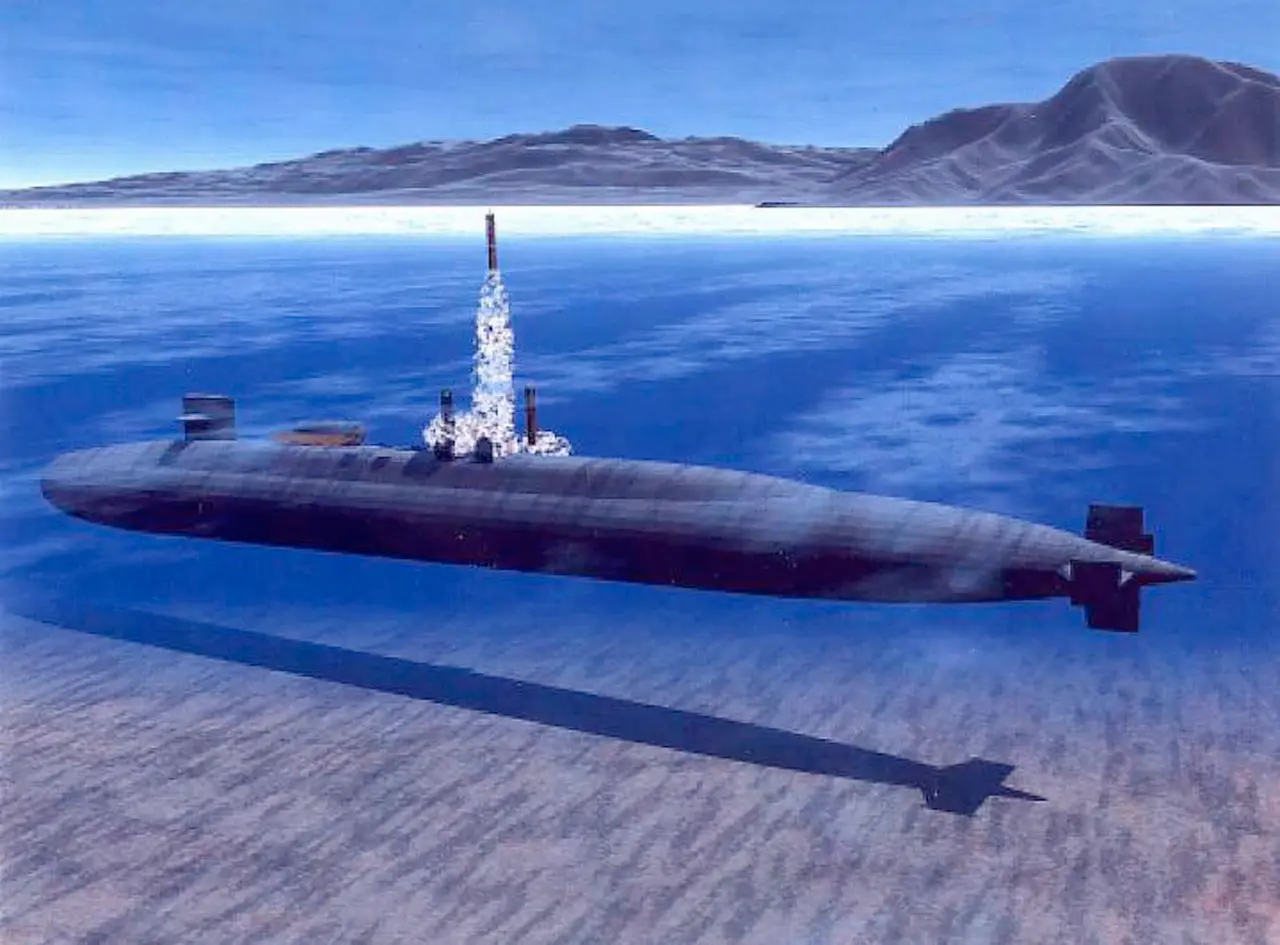
Final Word
India’s K-5 missile, once operational, would not be about dominance or aggression, it would be about ensuring stability. A submarine-launched missile that cannot be pre-empted, tracked or neutralised forces adversaries like Pakistan to respect strategic boundaries. In nuclear strategy, the weapon that is hardest to destroy is the weapon that prevents war and that is precisely the role the K-5 is expected to play.
)
)

)
)