How India’s BrahMos cruise missile hits targets at Mach 2.8 with 3,000 kg weight

BrahMos weighs 3,000 kg carrying 200-300 kg warhead while travelling at Mach 2.8 speed. Advanced composite materials and efficient ramjet engine enable sustained supersonic cruise maintaining destructive capability across 800 kilometre range. Weight optimised for maximum strike effectiveness.
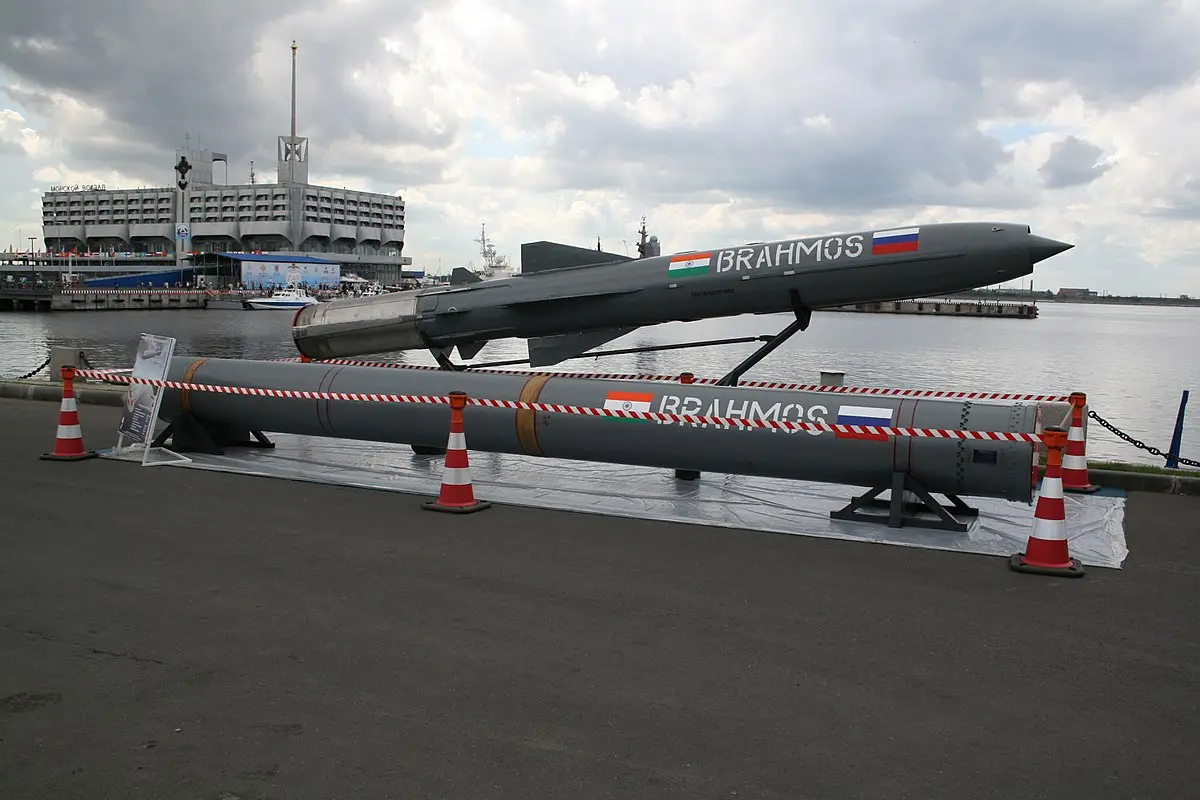
BrahMos Missile Weight and Speed - Mach 2.8 with 3,000 kg Mass
BrahMos weighs approximately 3,000 kg in extended-range naval variants, travelling at Mach 2.8 speed maintaining destructive capability throughout flight. This weight includes fuel, guidance systems, structural frame, and warhead payload. Despite substantial mass, advanced design enables sustained supersonic cruise maintaining 3,900 kilometres per hour throughout operational range up to 800 kilometres. Weight-to-speed ratio demonstrates engineering excellence in missile systems.
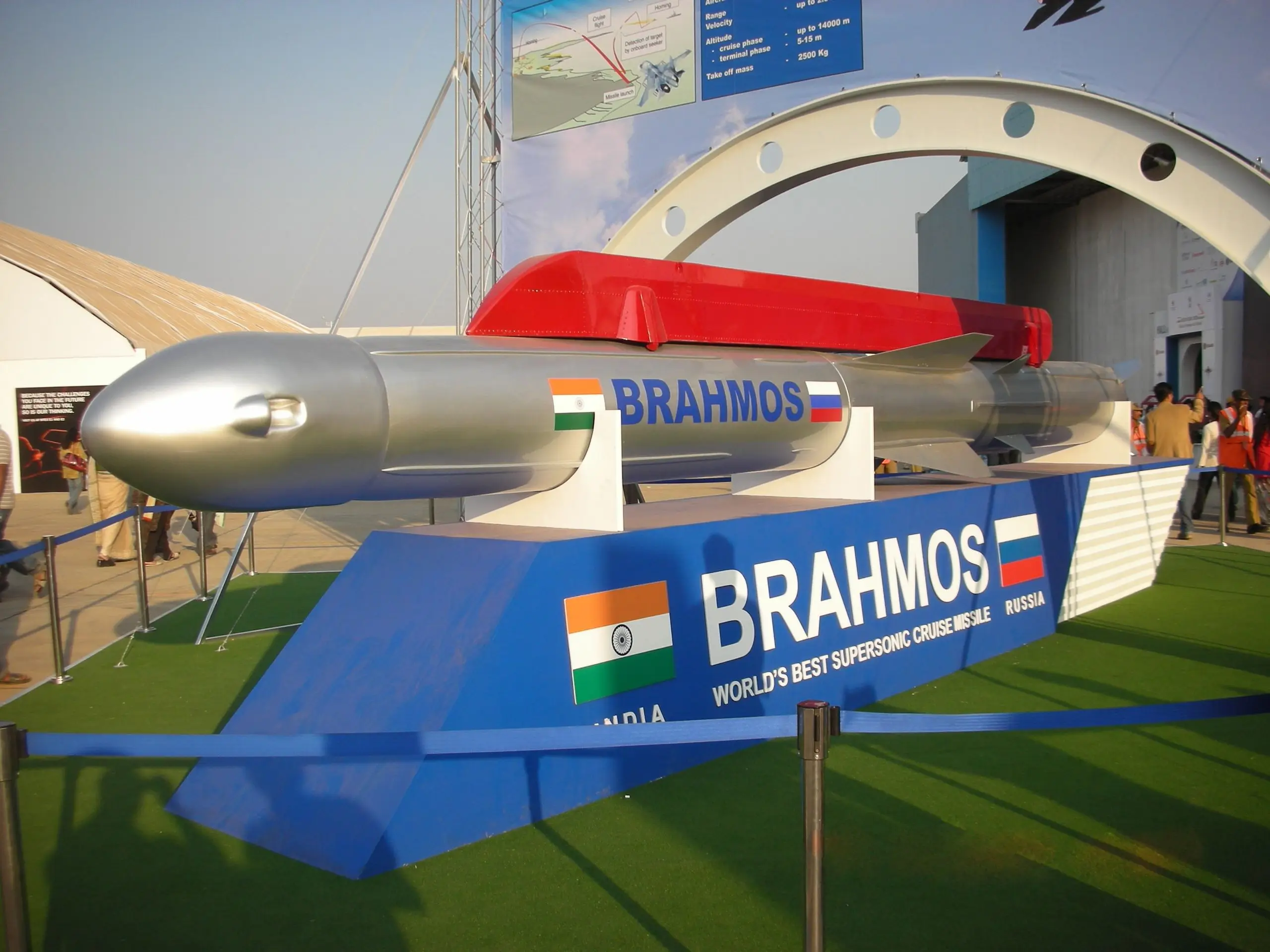
Warhead Payload - 200-300 kg Conventional Warhead in 3,000 kg Missile
BrahMos carries 200-300 kg conventional warhead depending on variant configuration. This warhead comprises portion of total 3,000 kg missile weight, with remaining mass distributed across fuel tanks, ramjet engine, structural frame, and guidance electronics. Warhead weight optimised for maximum target destruction while preserving overall missile weight balance and aerodynamic performance.
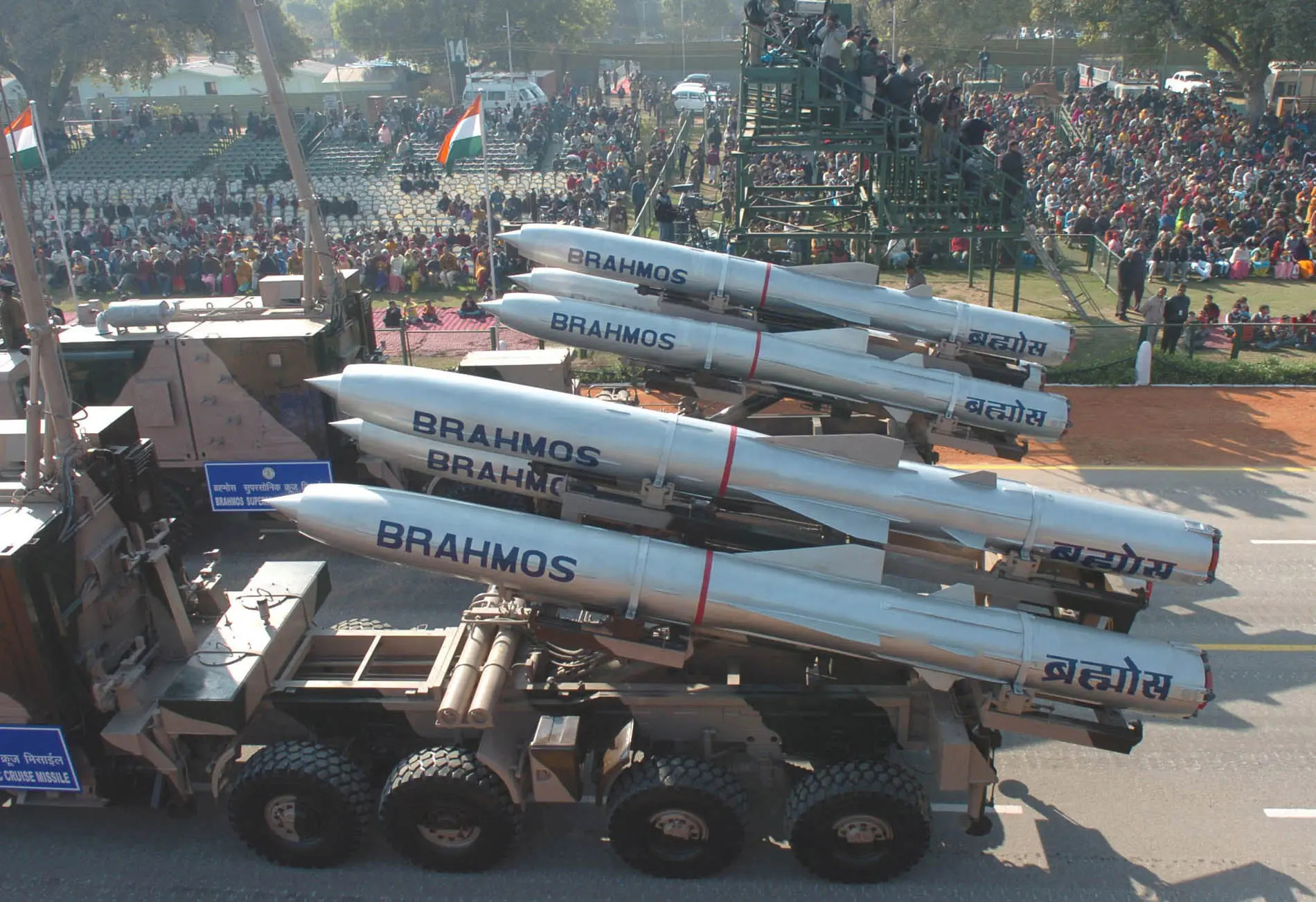
Ramjet Engine Efficiency - Sustaining Mach 2.8 with 3,000 kg Load
BrahMos ramjet engine burns liquid fuel maintaining thrust sufficient for carrying 3,000 kg mass at Mach 2.8 speeds. Ramjet design optimised for supersonic airflow compression enabling continuous combustion and thrust generation. Engine efficiency increases with speed making Mach 2.8 optimal operational envelope. Fuel efficiency enables extended range even with full 3,000 kg weight.
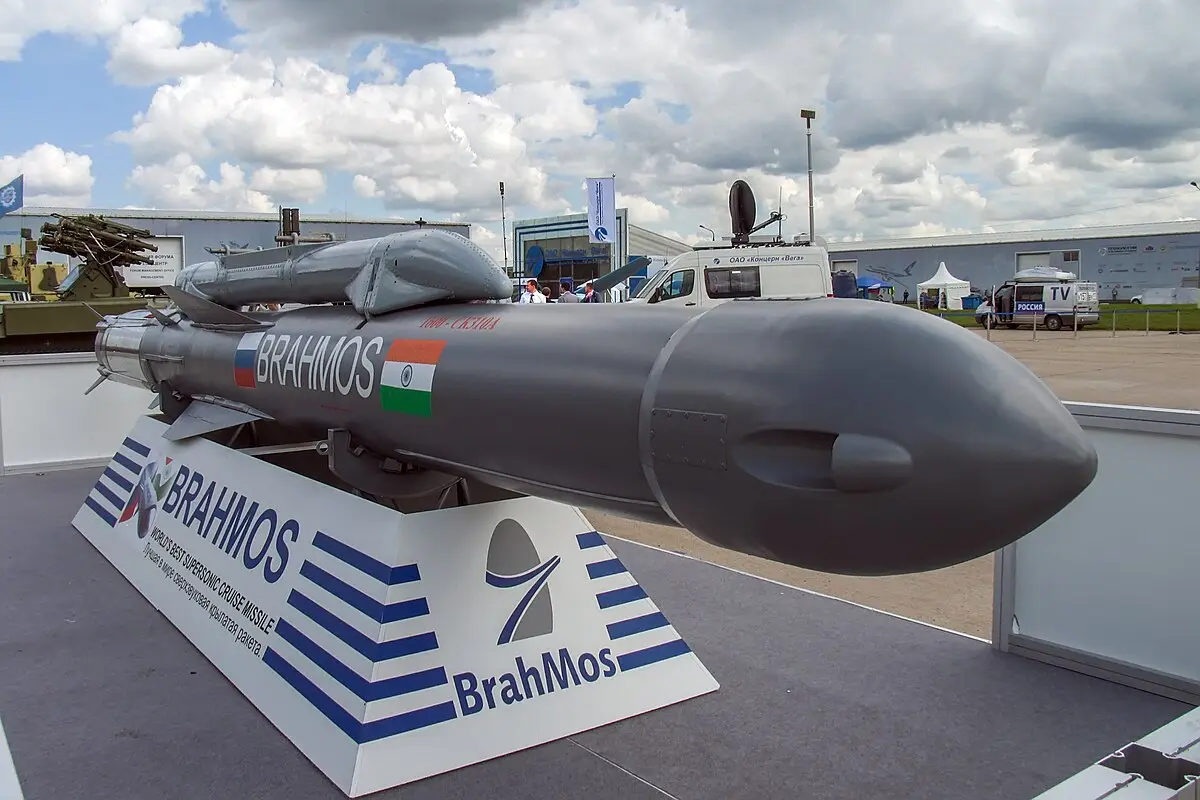
Structural Design - Composite Materials Enable Light Weight with 3,000 kg Payload
BrahMos airframe uses advanced composite materials reducing structural weight while maintaining rigidity under supersonic stresses. Composites enable 3,000 kg total weight distribution achieving optimal strength-to-weight ratio. Carbon fibre and other advanced materials withstand extreme temperatures and pressures at Mach 2.8 speeds while minimising overall missile mass for sustained flight.
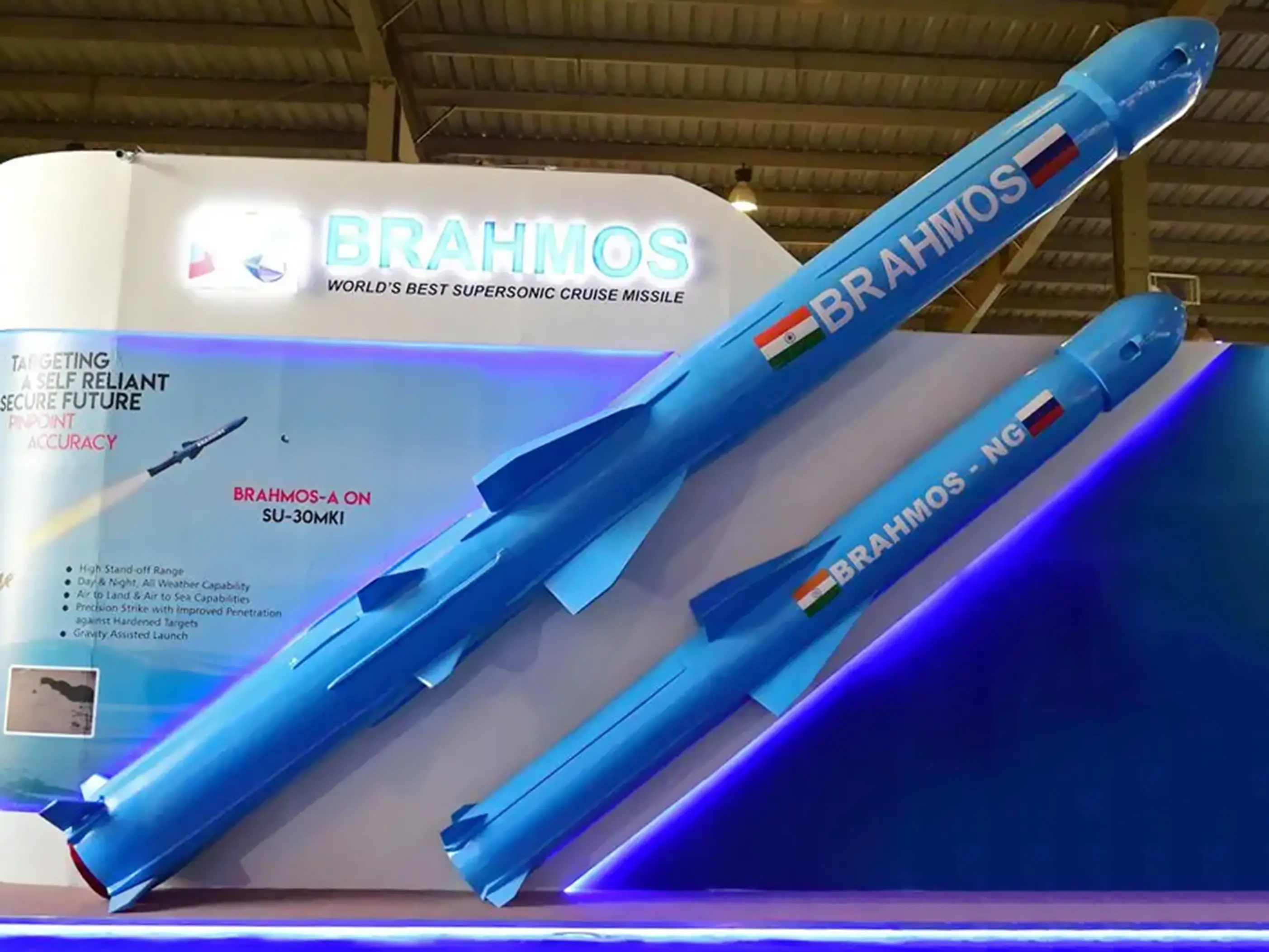
Fuel Capacity - Balancing Weight and Range at Mach 2.8
BrahMos fuel tanks occupy significant portion of 3,000 kg missile mass enabling 800 kilometre range at Mach 2.8 cruise speed. Liquid fuel burns efficiently in ramjet engine providing sustained thrust throughout flight duration. Fuel capacity optimised to extend range while maintaining structural integrity and aerodynamic performance with total 3,000 kg weight.
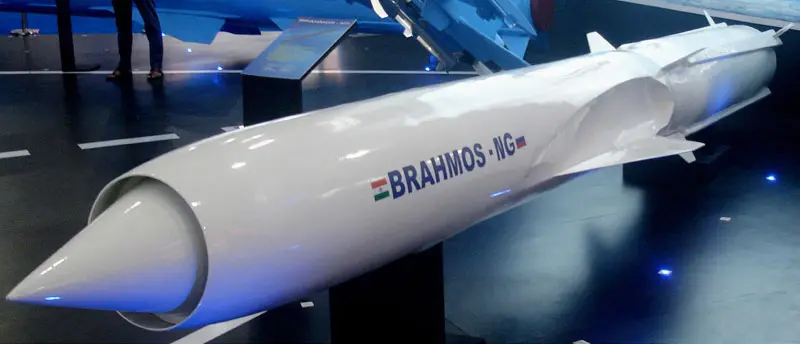
Guidance Systems - Advanced Electronics within 3,000 kg Frame
Inertial navigation systems, GPS receivers, GLONASS positioning, and radar seekers integrated within 3,000 kg missile body enabling precision targeting. Electronic components represent approximately 2-3 percent of total missile weight. Advanced guidance maintains accuracy enabling 3,000 kg missile to strike targets from launch distance exceeding 800 kilometres maintaining Mach 2.8 cruise.
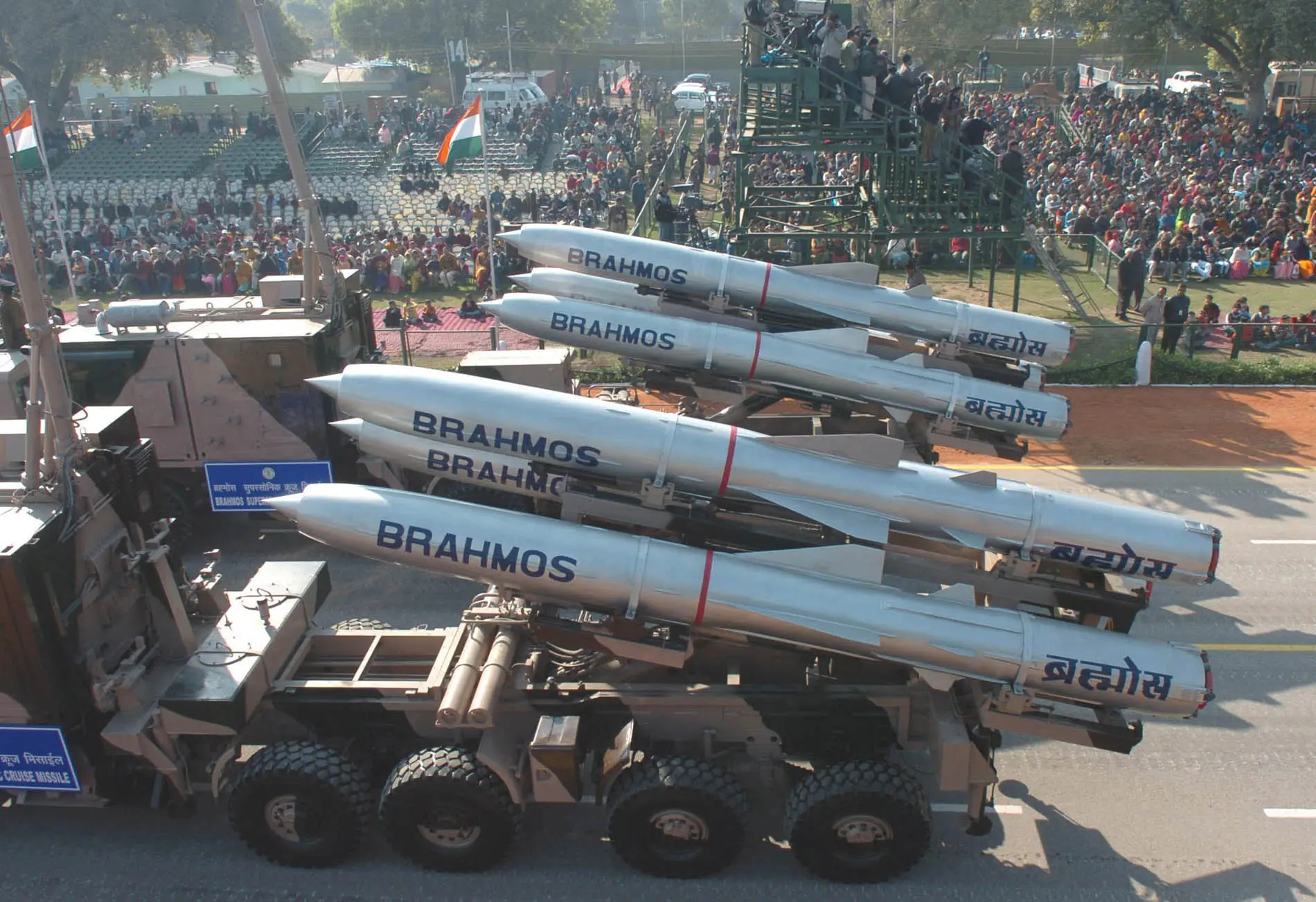
Solid Booster Acceleration - Initial Thrust for 3,000 kg Mass
First stage solid rocket booster accelerates 3,000 kg missile from launch platform to supersonic speeds within seconds. Booster generates high thrust overcoming inertia of substantial missile mass. Booster separation occurs after achieving necessary velocity enabling ramjet engine activation for sustained Mach 2.8 cruise maintaining 3,000 kg payload.
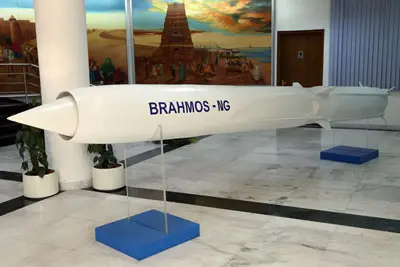
Sea-Skimming Flight Profile - Low Altitude with 3,000 kg Mass
BrahMos maintains 3-10 metre altitude above sea surface during sea-skimming attack profiles. 3,000 kg missile weight enables stable low-altitude flight evading radar detection. Supersonic speed combined with low altitude provides minimal enemy reaction time despite substantial missile weight. Weight distribution optimised for stable flight at extreme low-level altitudes.

Target Impact Energy - 3,000 kg Mass at Mach 2.8 Creates Destructive Force
BrahMos impact energy combines 3,000 kg mass with Mach 2.8 velocity creating kinetic energy exceeding conventional warhead effects. Target penetration capability enhanced by high velocity impact of substantial missile mass. 3,000 kg weight at supersonic speed penetrates hardened targets including reinforced bunkers and armoured ships. Combined effect delivers strategic strike capability.
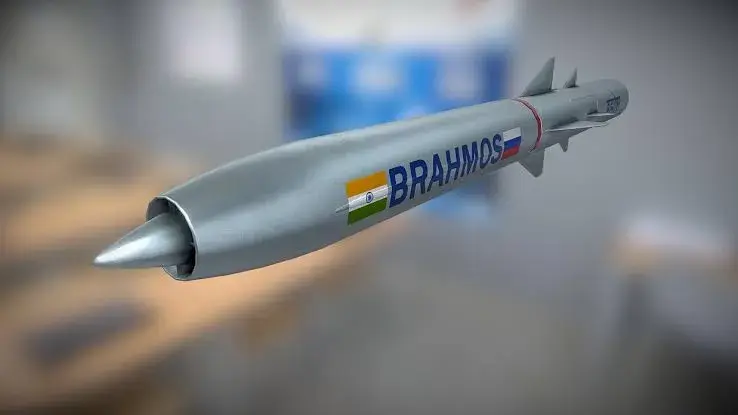
Extended-Range Variants - Scaling Weight and Performance
Next-generation BrahMos 800 variants maintain similar 3,000 kg weight while extending range to 800 kilometres through improved fuel efficiency and ramjet design. Weight remains consistent across variants demonstrating design flexibility. Enhanced performance achieved through engineering imp
)
)
)
)
)