How India's Agni-V’s high-altitude manoeuvre controls compare with Pakistan missile engineering

Agni-V’s long range, MIRV payload and advanced guidance give it abilities far beyond Shaheen-III. From high-altitude manoeuvres to faster terminal speeds, the real difference between these missiles lies in precision, propulsion and deployment flexibility.
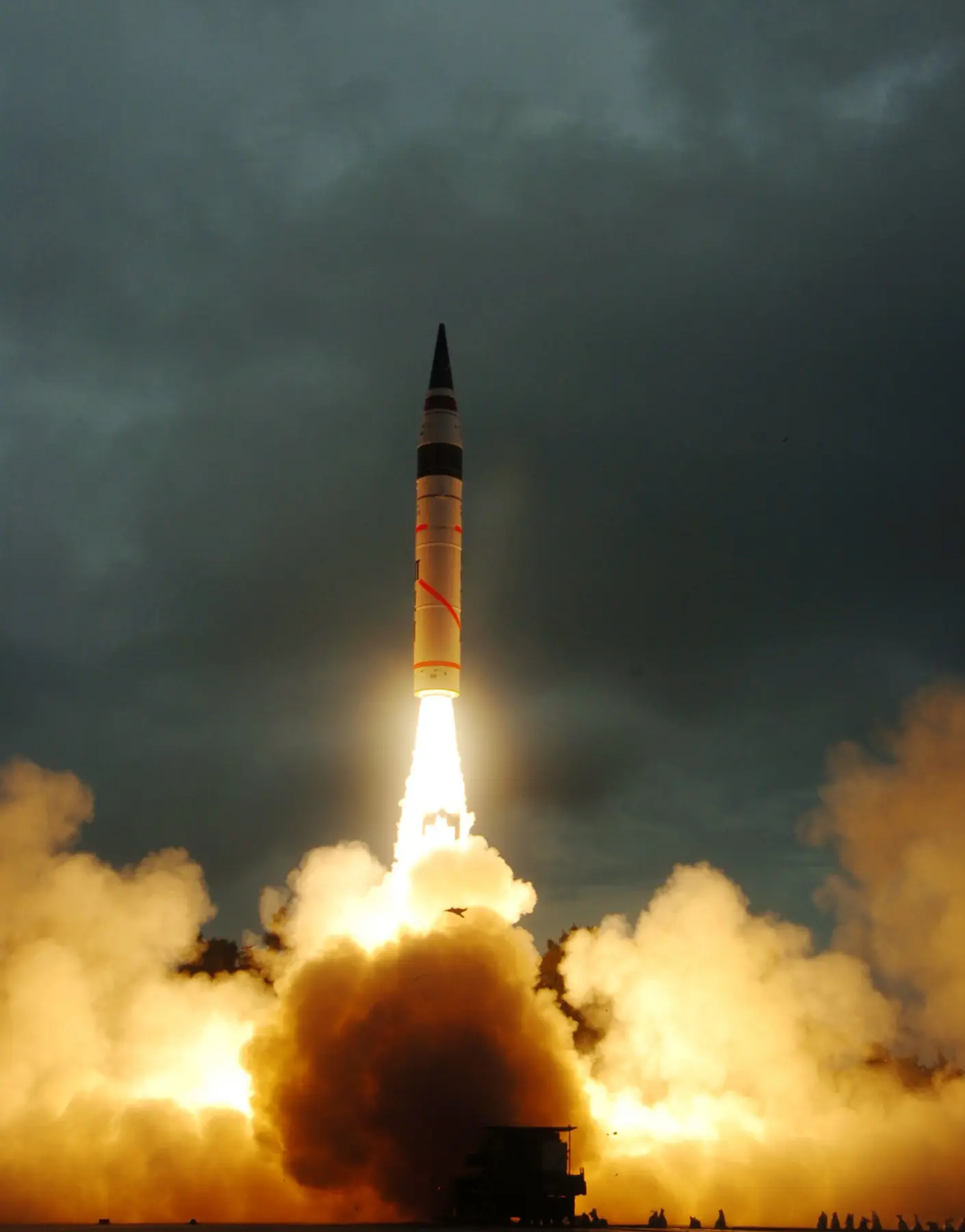
Agni-V Reaches 5,000-5,500 km Range With Superior Guidance
India's Agni-V intermediate-range ballistic missile carries 1.5 tonnes payload over 5,000-5,500 kilometres with high accuracy. Ring Laser Gyroscope-based Inertial Navigation ensures metre-level accuracy from launch to terminal phase.
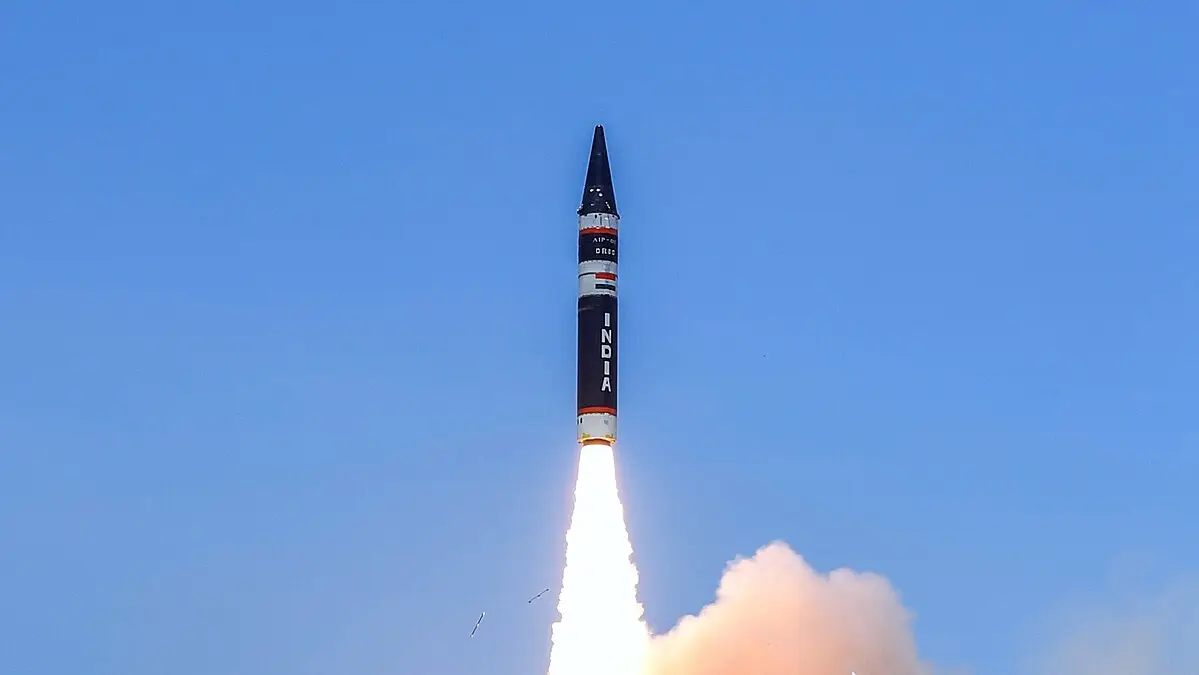
MIRV Capability Lets Agni-V Deliver Multiple Warheads
Agni-V successfully demonstrated MIRV technology in August 2025, carrying 10-12 independently targetable warheads to separate locations. Each warhead weighs approximately 400 kilograms and can strike targets separated by hundreds of kilometres.
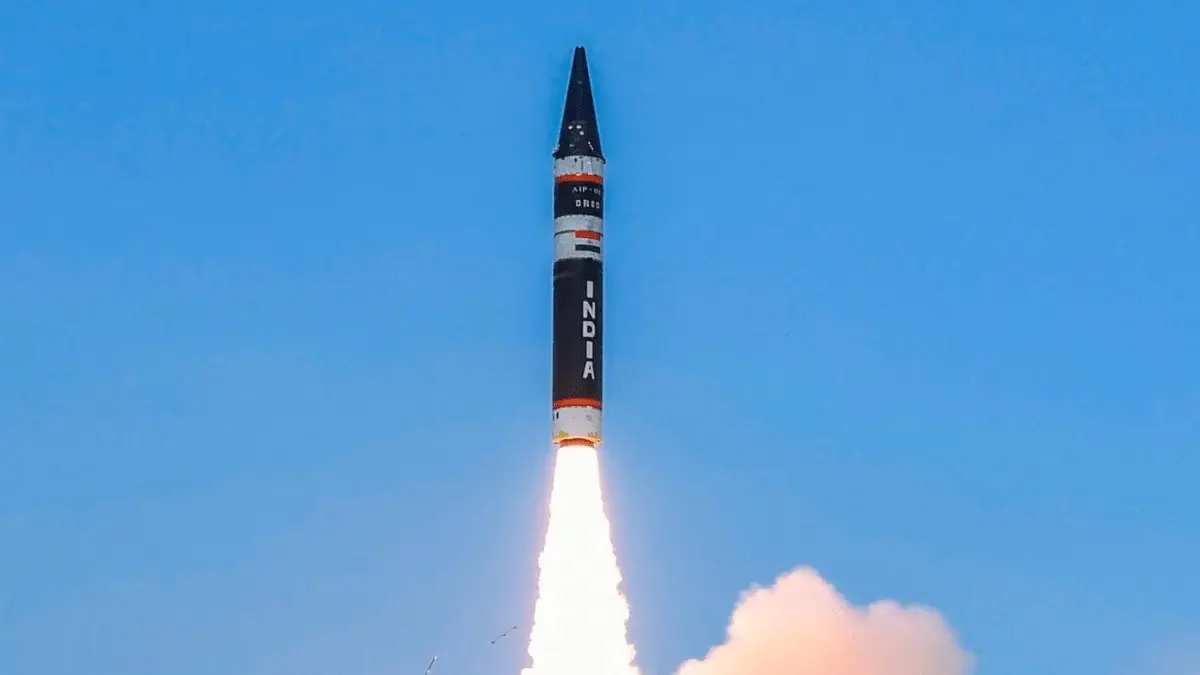
High-Altitude Manoeuvre Reaches 800 Kilometres
DRDO chief V. K. Saraswat confirmed Agni-V achieves apogee (highest altitude) of approximately 800 kilometres. This high-altitude trajectory enables detection avoidance during the initial midcourse phase.
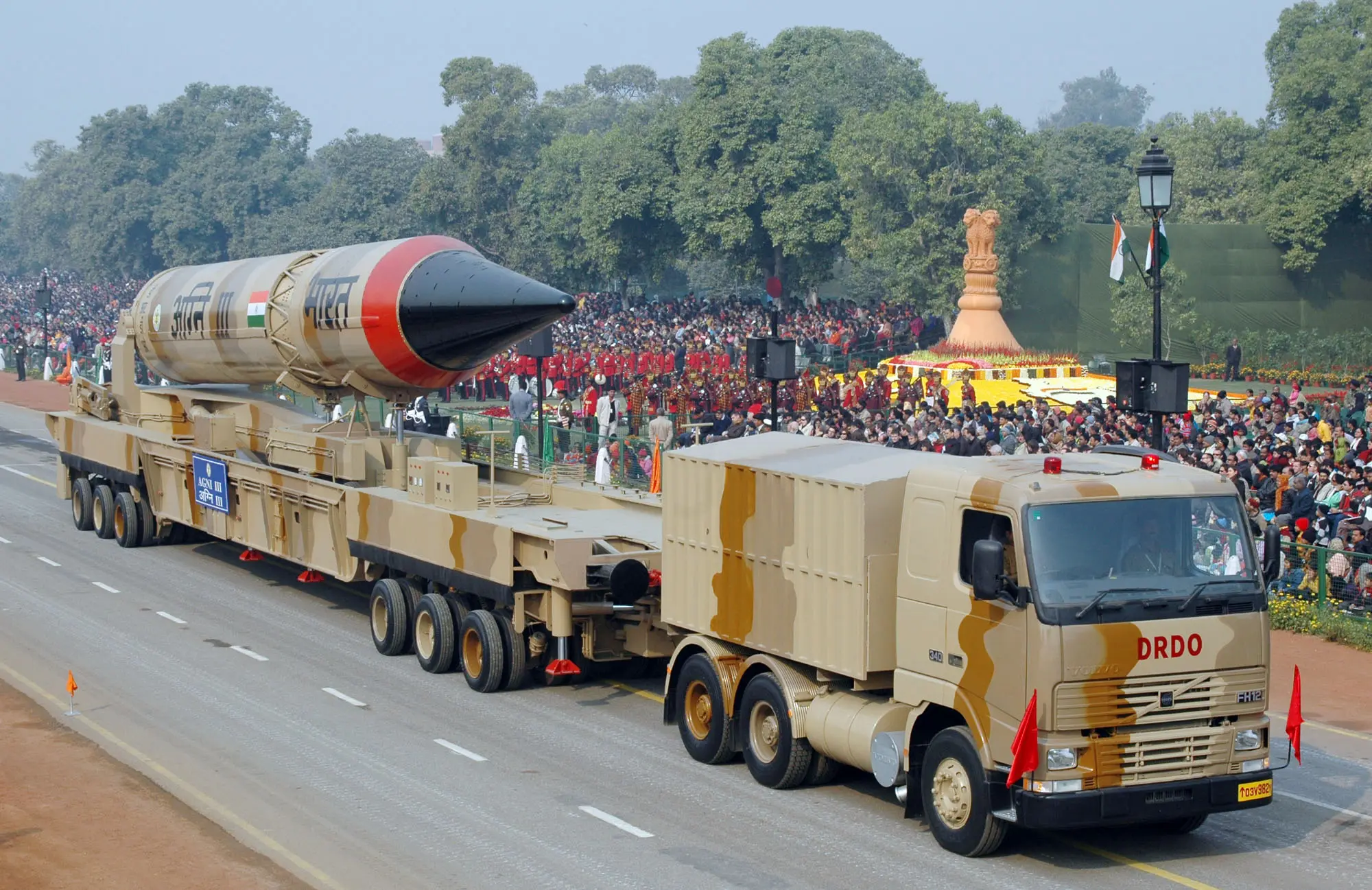
Terminal Velocity Reaches Mach 24 Speed
Modified Agni-V variants achieve terminal speeds between Mach 8 and Mach 20 (9,800-24,500 kmph), making interception extremely difficult. Pakistan's Shaheen-III cannot reach comparable terminal velocities.
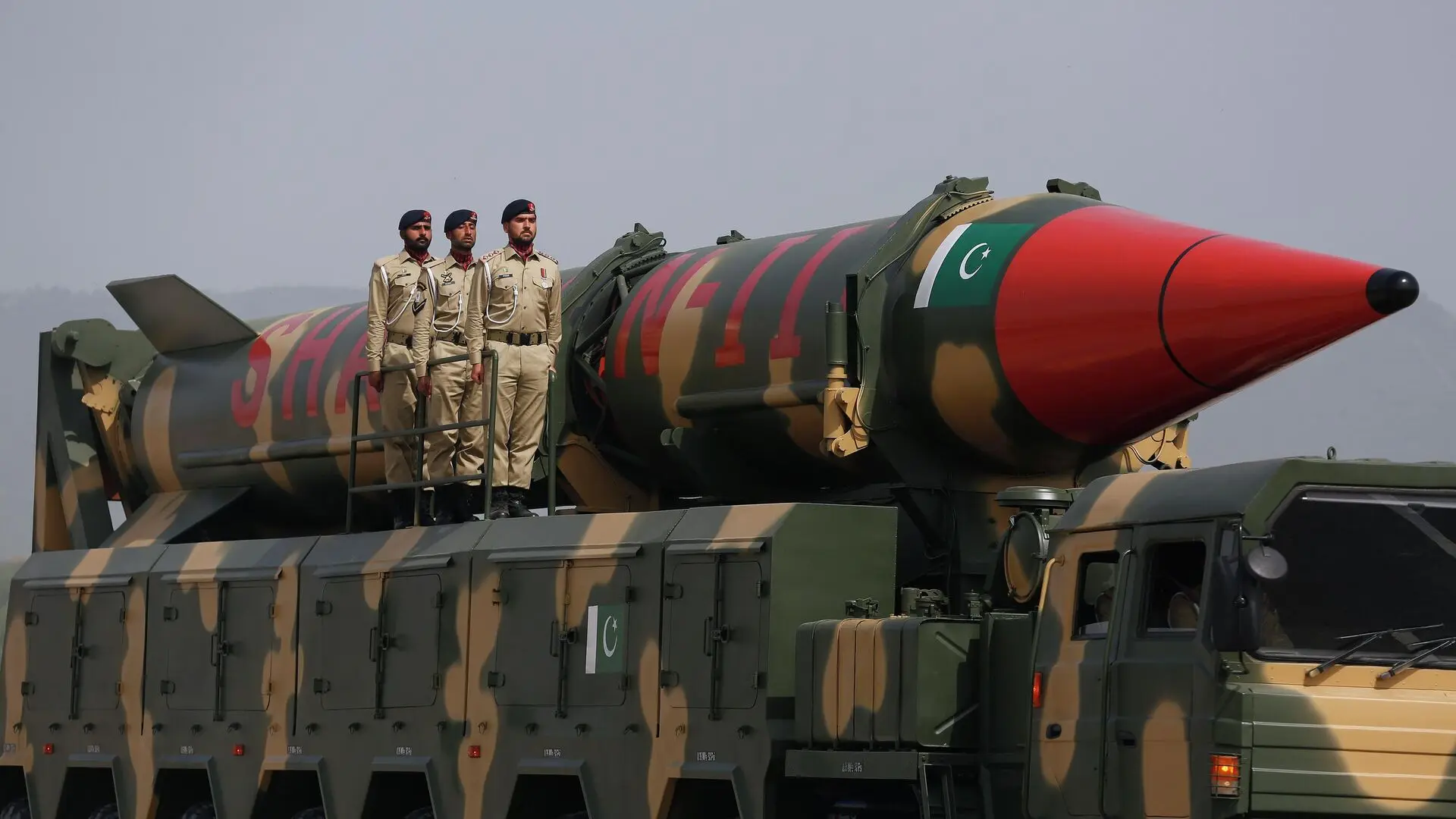
Shaheen-III Limited to 2,750 Kilometres Range
Pakistan's most advanced missile, the Shaheen-III, operates at 2,750 kilometres maximum range, covering entire India but only from mobile platforms. This is significantly less capable than Agni-V's intercontinental reach.
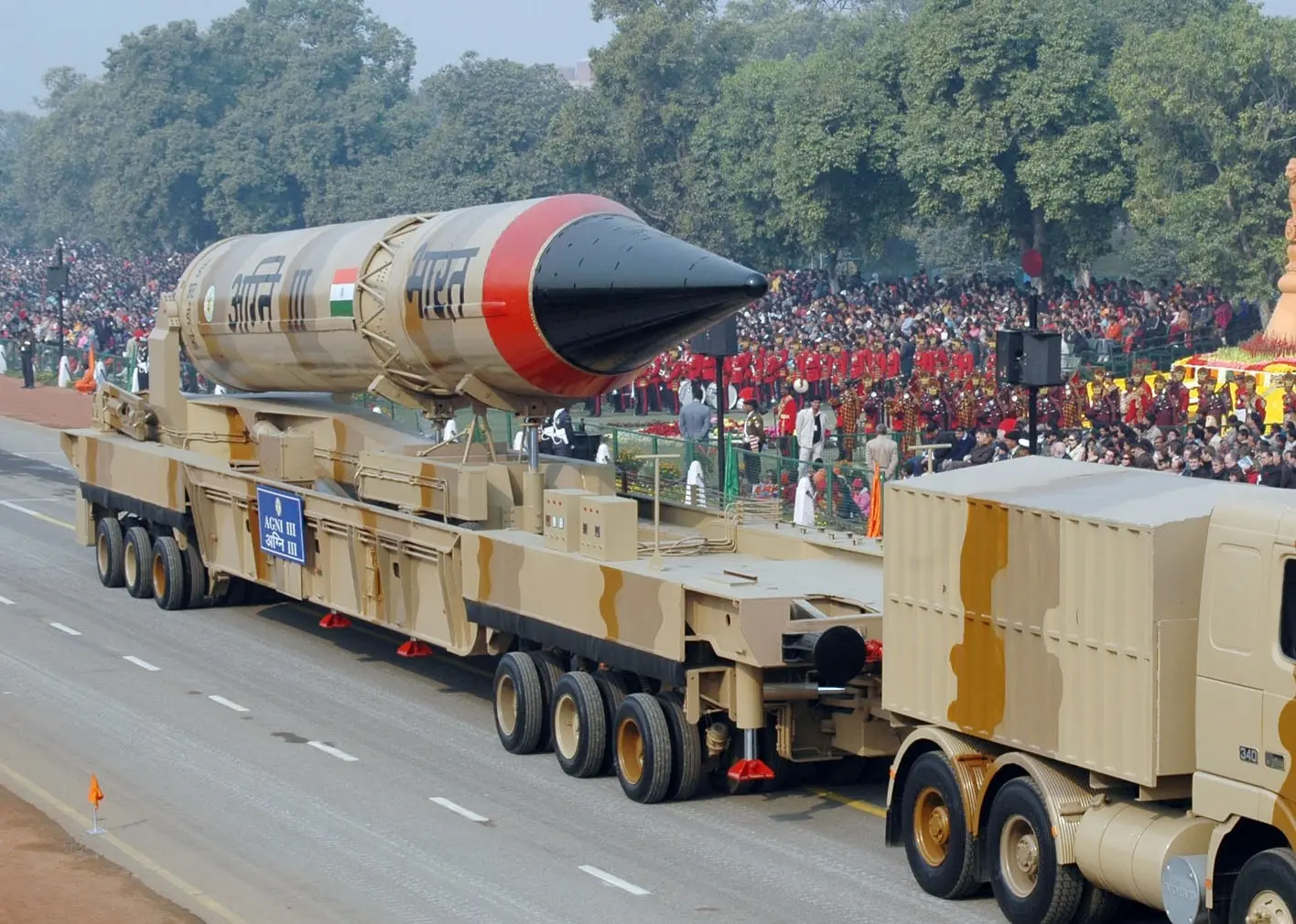
Agni-V Uses Three-Stage Solid Propulsion vs Shaheen's Two Stages
Agni-V's three-stage solid rocket design with composite motor casing provides better performance than Shaheen-III's simpler two-stage configuration. Three stages enable heavier payloads at longer ranges.
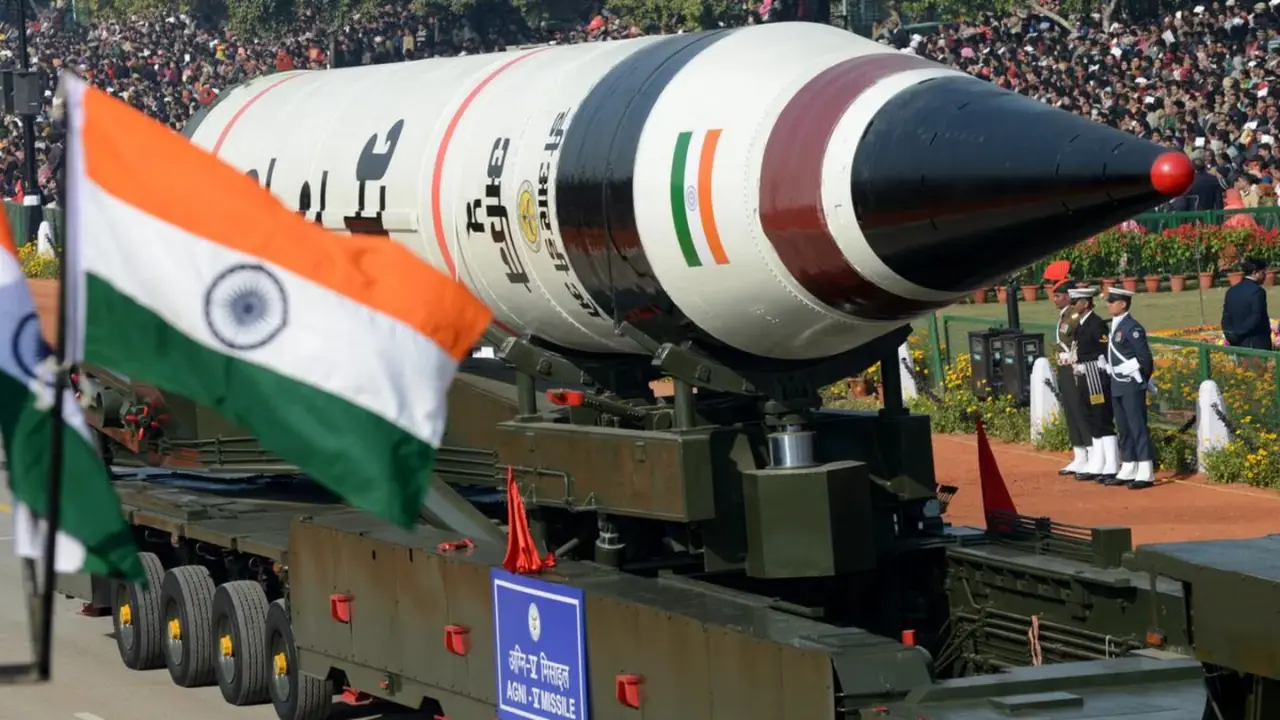
Navigation System Precision - Ring Laser Gyro vs Traditional Systems
Agni-V uses advanced Ring Laser Gyroscope navigation with GPS/INS augmentation ensuring metre-level targeting accuracy. Shaheen-III relies on Chinese-assisted conventional inertial systems with lesser precision.
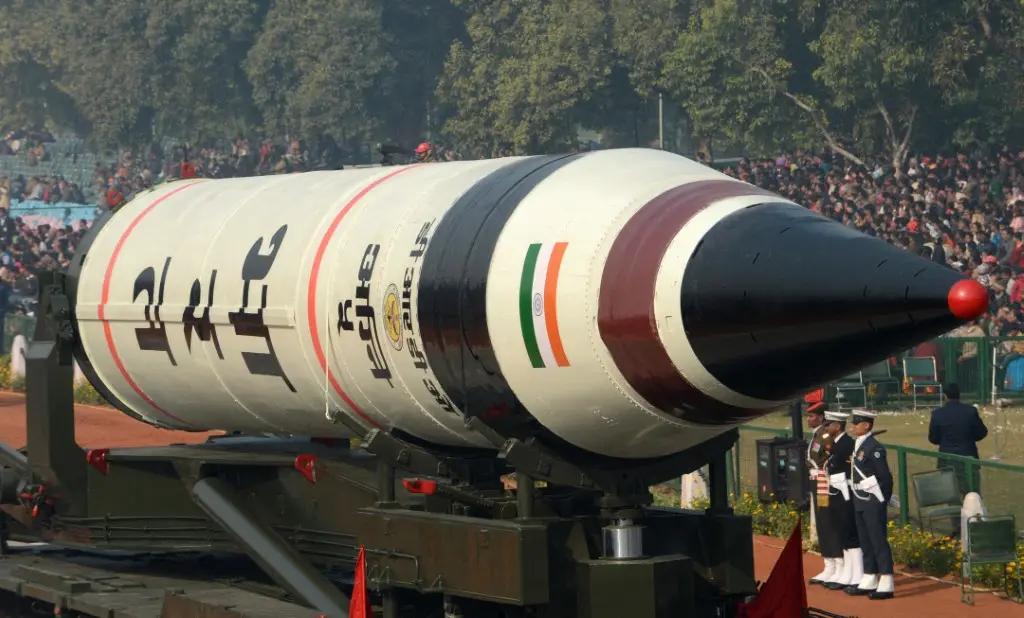
Thrust Vector Control on Every Stage
Agni-V features flexseal thrust vector control systems on each of its three stages, enabling trajectory adjustments during flight. This provides superior manoeuvrability during high-altitude phases compared to Shaheen-III's basic control.
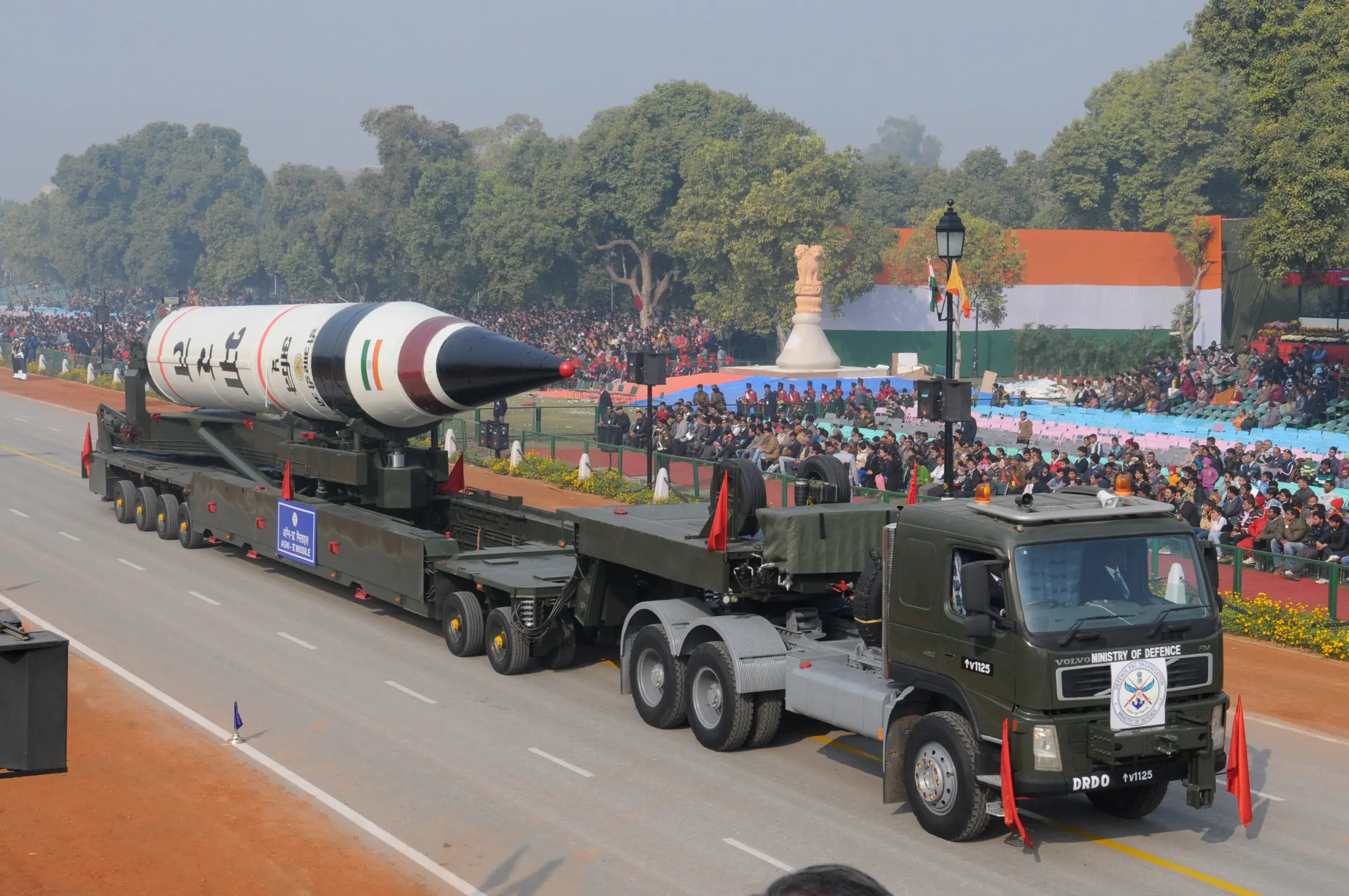
Canister Launch Mobility vs Road-Mobile Only
Agni-V deploys from road, rail, and sea platforms through canister launch systems ensuring rapid deployment and survival. Shaheen-III operates only from road-mobile platforms, limiting operational flexibility.
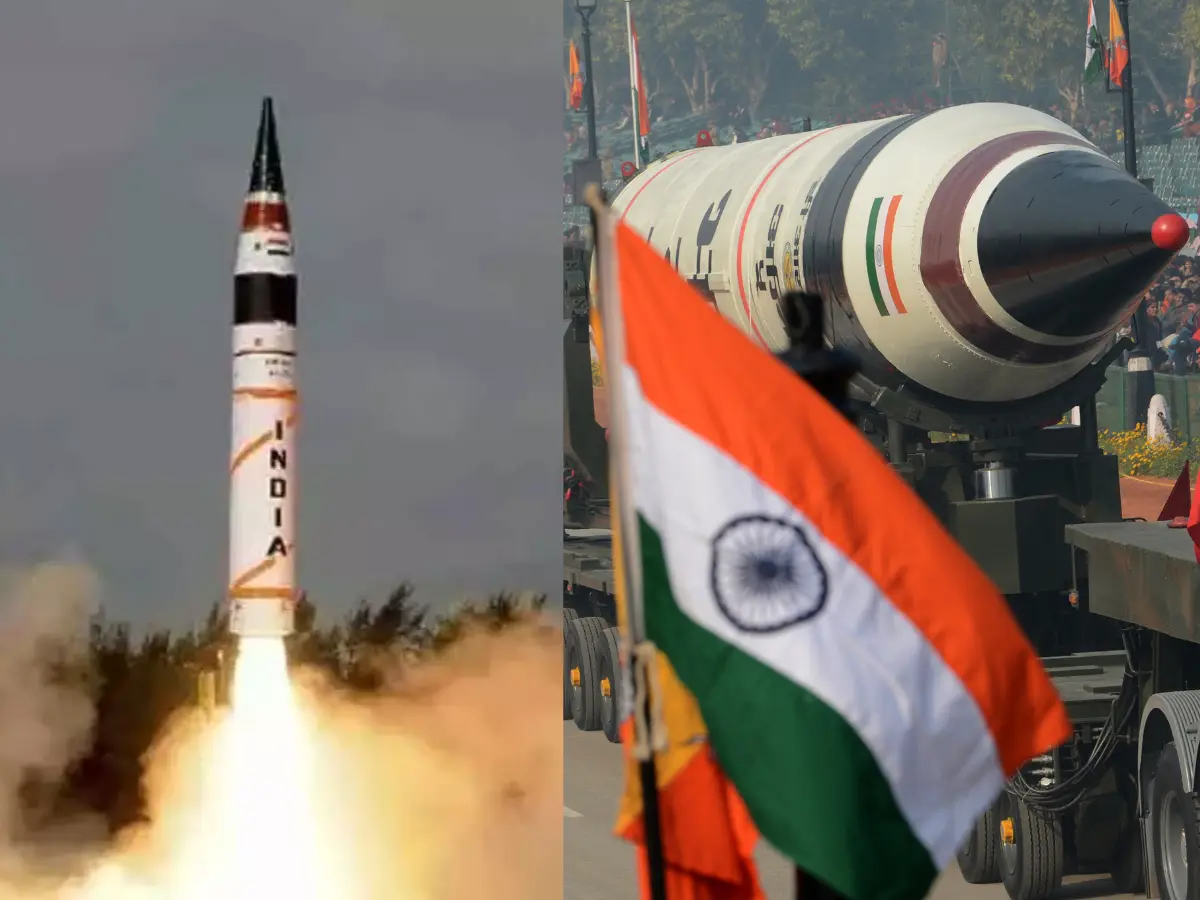
Development Cost and Indigenous Technology
Agni-V cost over $292 million to develop using indigenously designed technologies. Pakistan's Shaheen-III benefits from Chinese assistance, reducing independent technical capability and self-reliance in missile engineering.
)
)
)
)
)