How high-G loads affect the radars and sensors of a fighter jet

High-G turns shake a fighter jet so hard that its radar loses some accuracy, tracking speed, and cooling efficiency. AESA systems still work, but performance drops slightly during extreme manoeuvres. Understanding why this happens reveals a hidden limit in modern air combat.
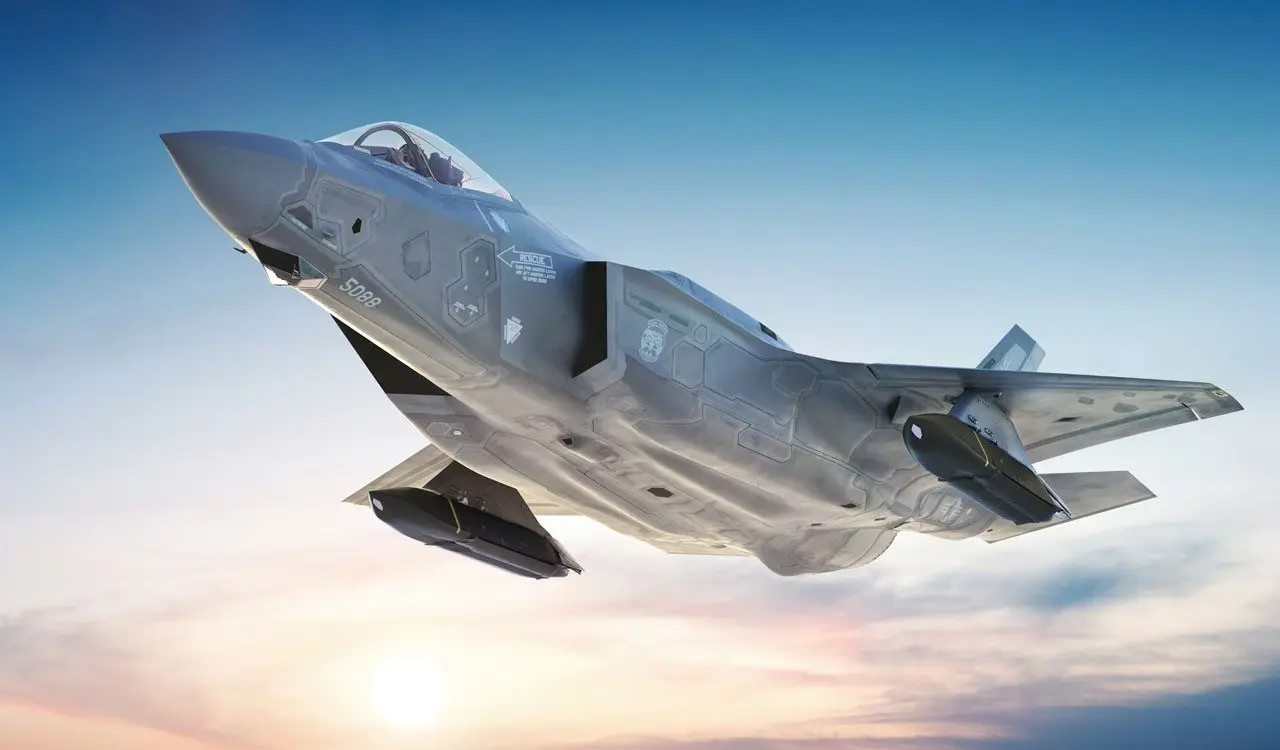
What Happens To Radar At High G?
When a fighter jet pulls hard turns at 8 to 9 G-forces, the aircraft vibrates intensely. The radar antenna sits mounted on the fuselage. These vibrations shake the antenna. The thousands of individual radar elements on the antenna move slightly. Even tiny movements affect radar performance.
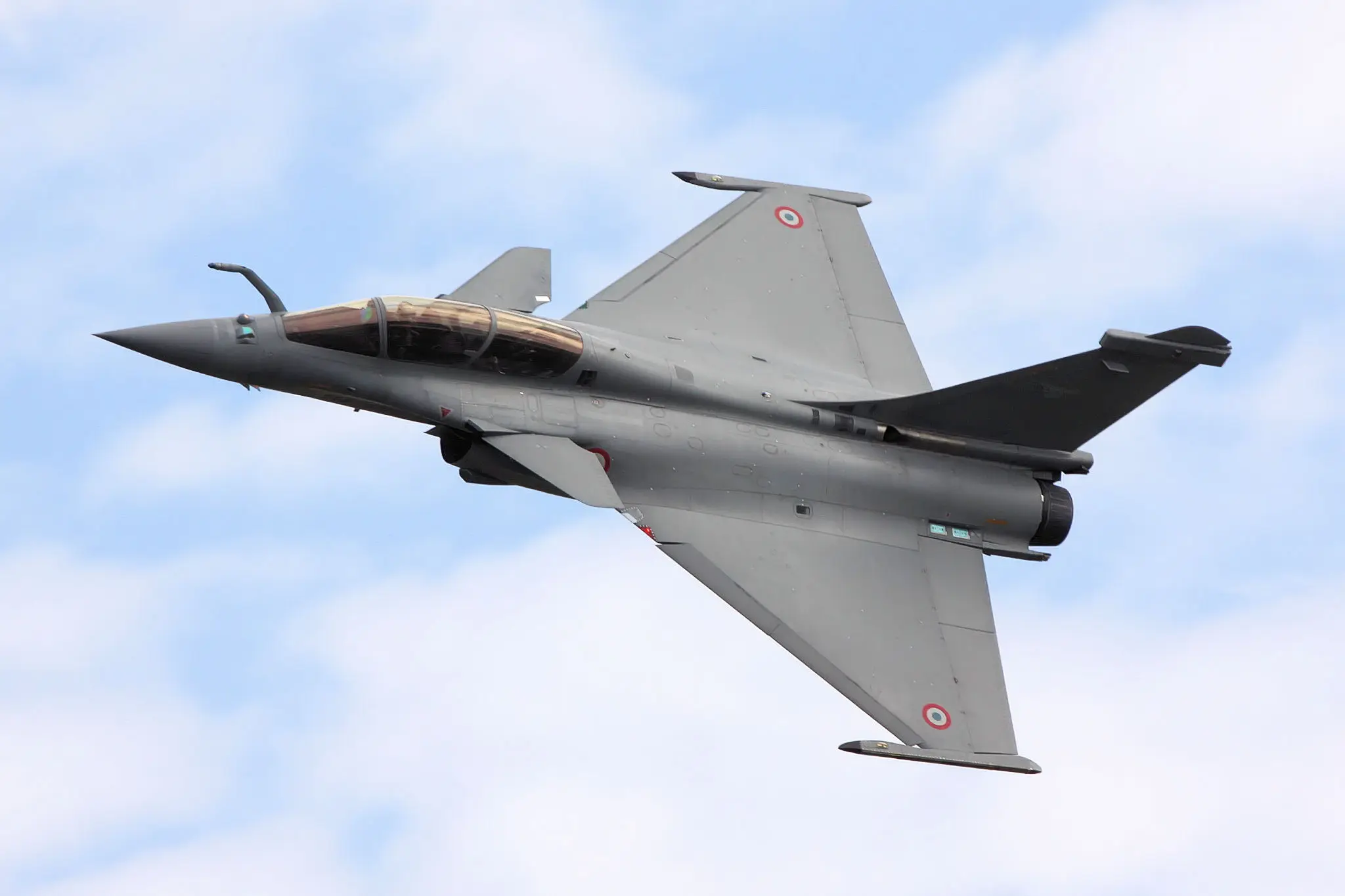
Antenna Element Misalignment
AESA radar has thousands of tiny transmitter and receiver elements. At high-G, these elements vibrate and shift. They move microscopically out of alignment. The perfect geometry required for radar performance changes. Sometimes the radar beam becomes slightly distorted.
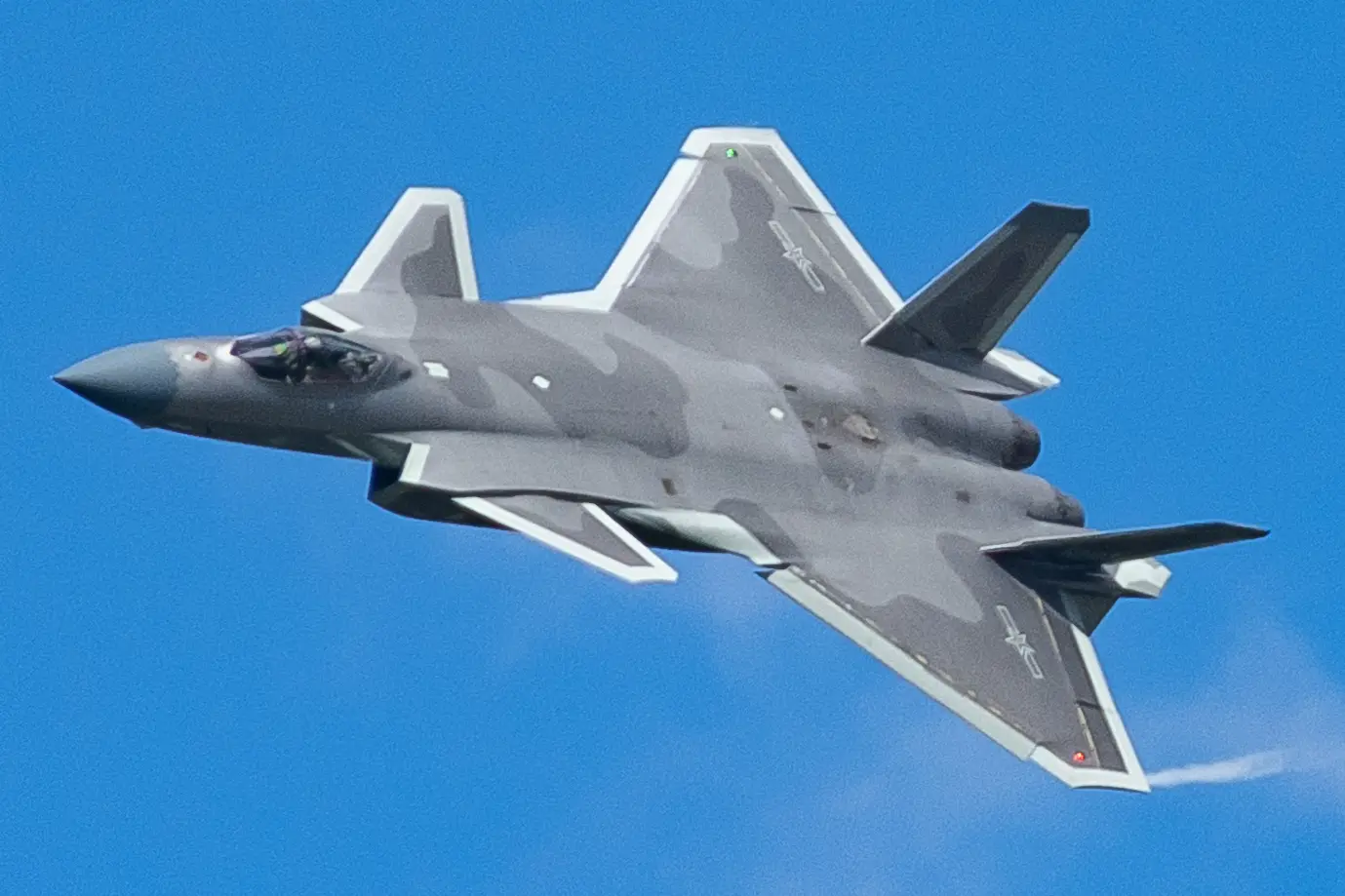
Beam Steering Accuracy Reduces
Radar beam steering accuracy reduces during high-G manoeuvres. At 8 to 9 G-forces, accuracy drops by 2 to 4 per cent. This seems small, but it matters in combat. The target detection range reduces slightly. Lock-on time increases. Pilots notice slower radar response.
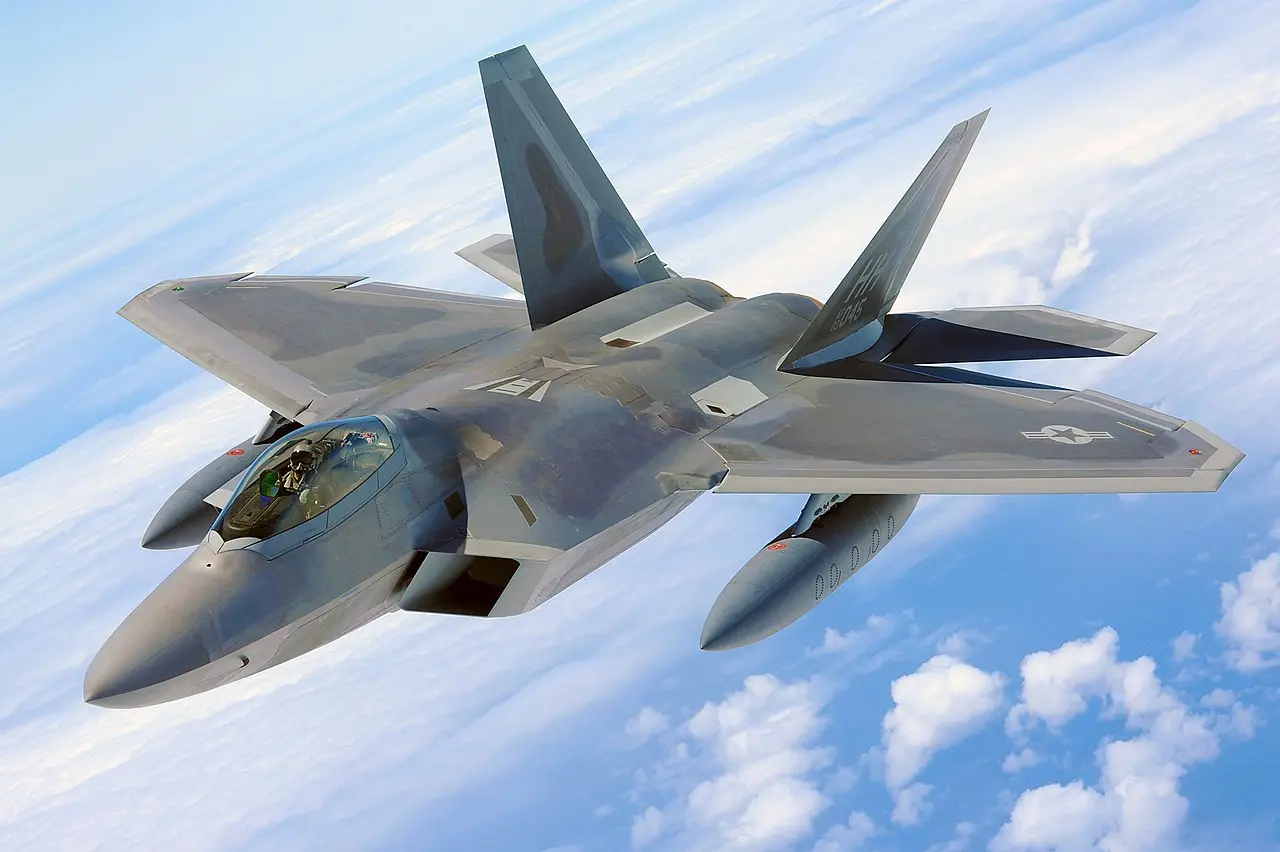
Target Tracking Gets Harder
Sustained high-G manoeuvres degrade target tracking capability. The radar struggles to keep lock on moving targets. Targets can escape during hard turns if radar momentarily loses lock. This is why pilots avoid extreme manoeuvres when actively tracking targets.
Phased Array Resonance Issues
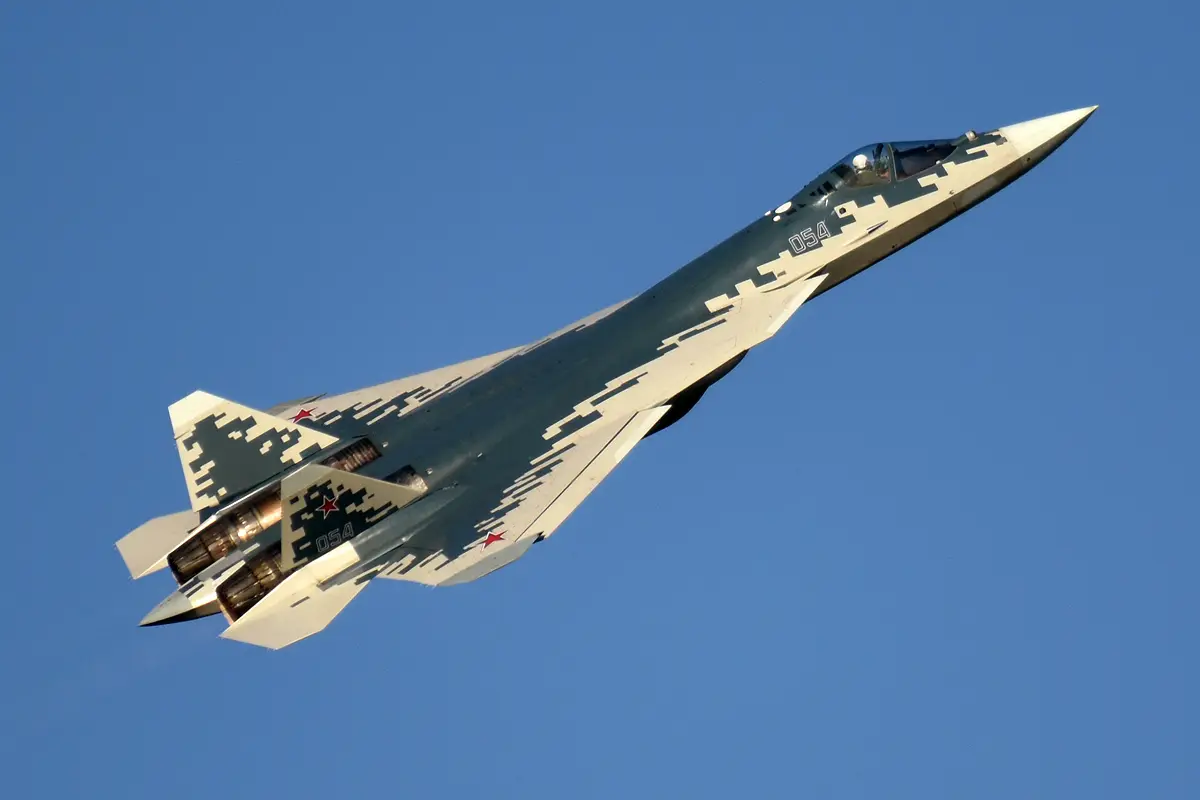
Phased array radars have natural vibration frequencies. At certain G-levels, aircraft vibrations match these frequencies. This causes resonance amplification. The antenna vibrates harder at resonance. Radar performance degrades significantly during resonant frequencies.
Cooling System Struggles
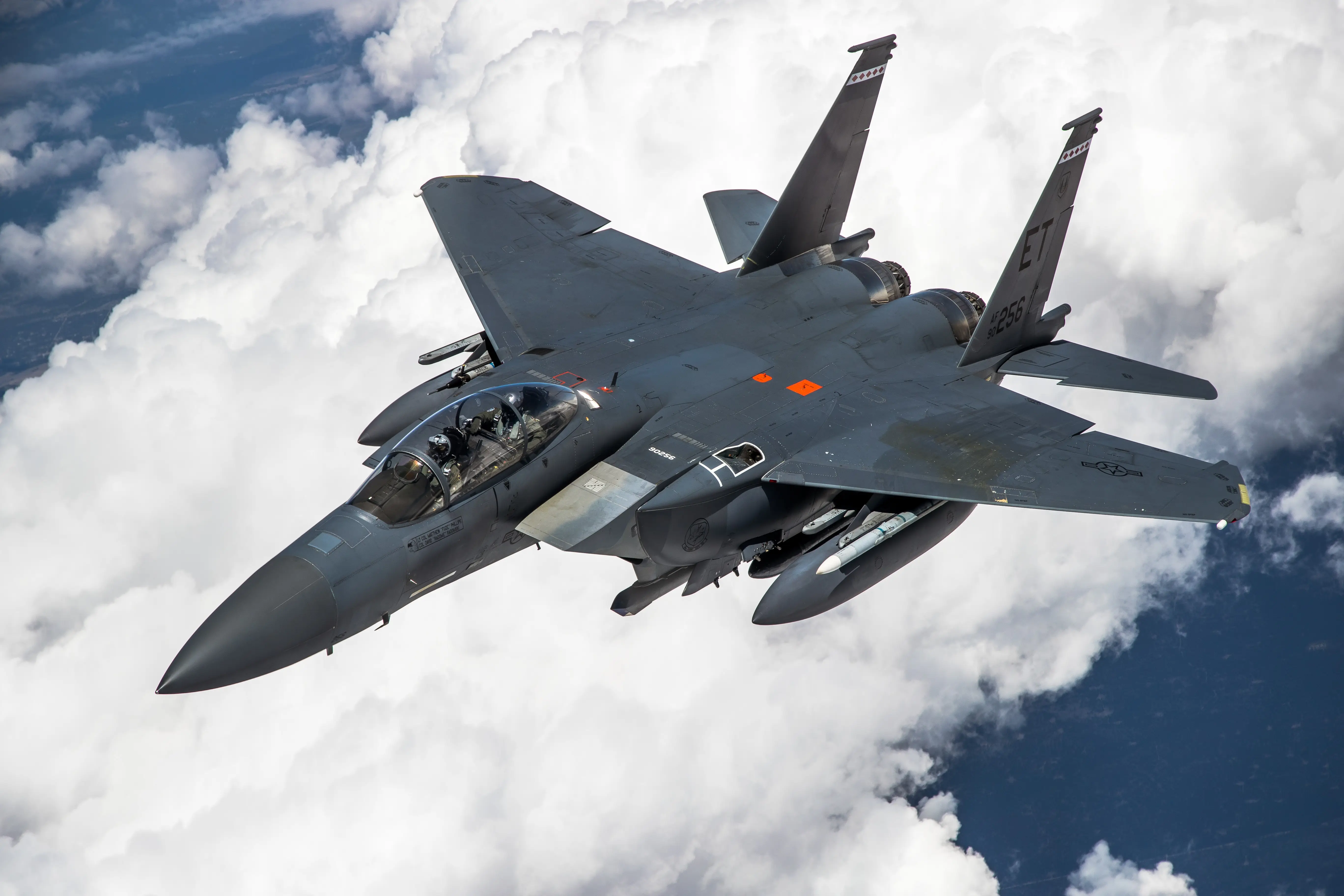
Radar transmitters generate significant heat. At low G, cooling systems work efficiently. At high-G, cooling liquid circulation is disrupted. Heat accumulates in transmitter elements. This affects radar sensitivity temporarily. Modern radars shut down parts of the system to prevent damage.
Graceful Degradation Protection
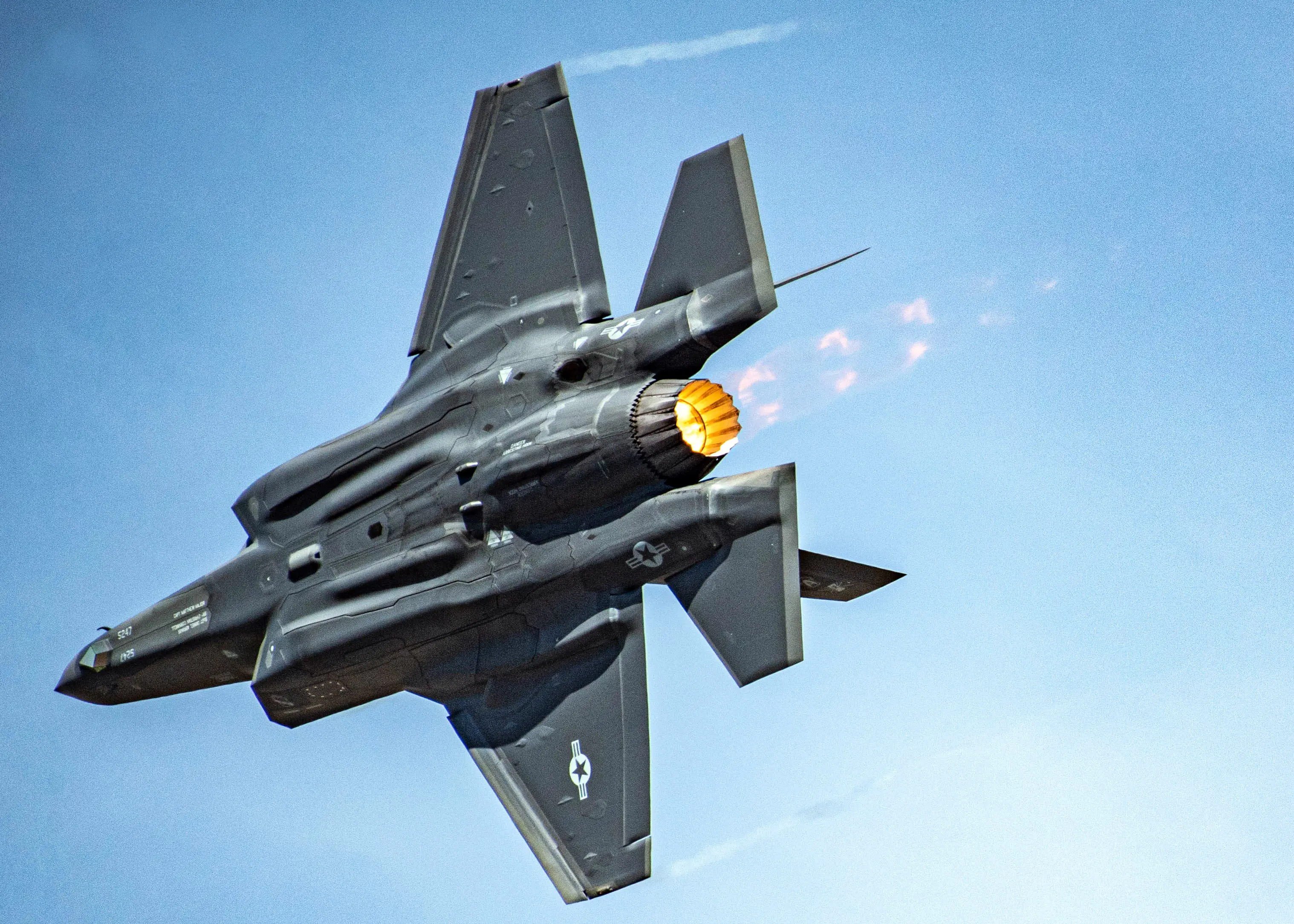
AESA radars degrade gracefully under high-G stress. The system loses some performance but continues functioning. Individual transmitter failures do not cascade. This is unlike older mechanically scanned radars that might fail completely. Tejas AESA radar maintains function during combat manoeuvres.
)
)
)
)
)