How has Iran been doing after US left landmark nuclear deal?

2018: US withdrawal
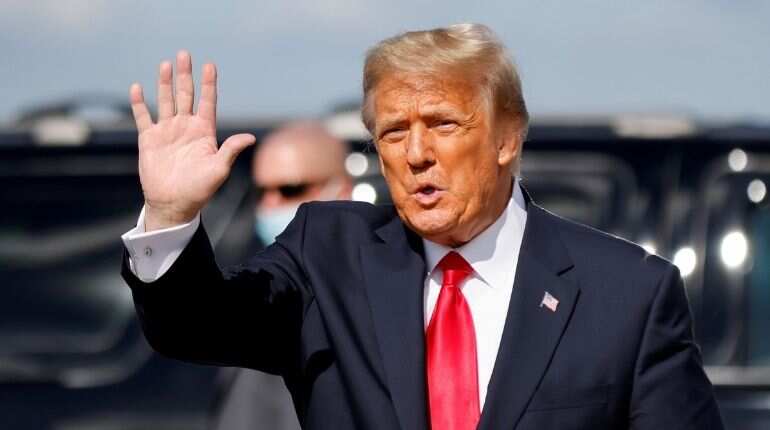
President Donald Trump walks away from the deal negotiated between Iran and the five permanent members of the UN Security Council -- Britain, China, France, Russia and the US, plus Germany on May 8, 2018.
"We cannot prevent an Iranian nuclear bomb under the decaying and rotten structure of the current agreement," he says.
US sanctions
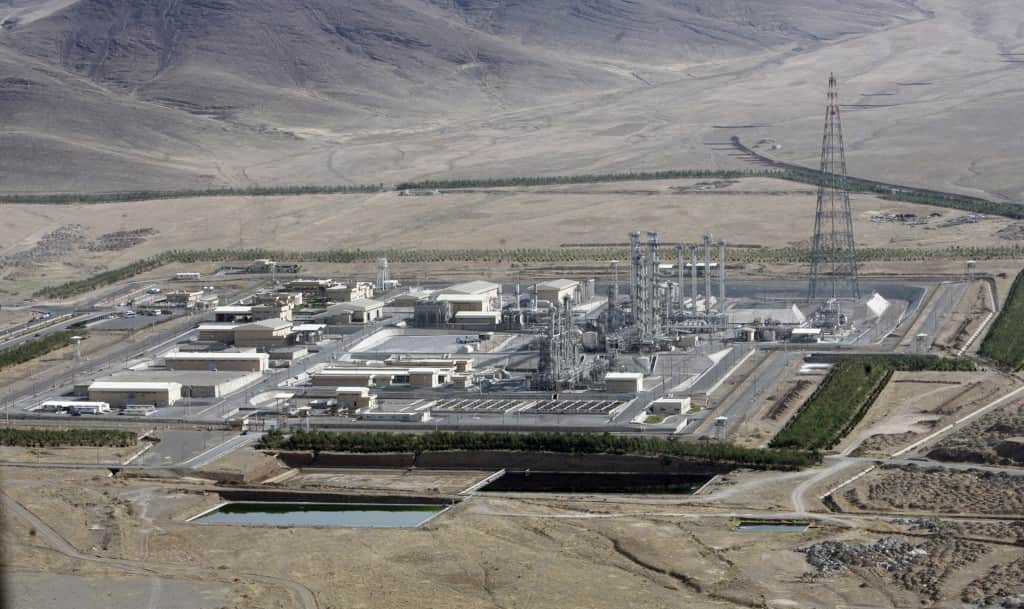
Later that year, Washington reimposes sanctions on Iran and companies with ties to it, badly hitting Iran's vital oil sector and central bank.
Major international firms halt activities in Iran as the US bans other nations from buying Iranian crude.
2019: Iran starts walk-back
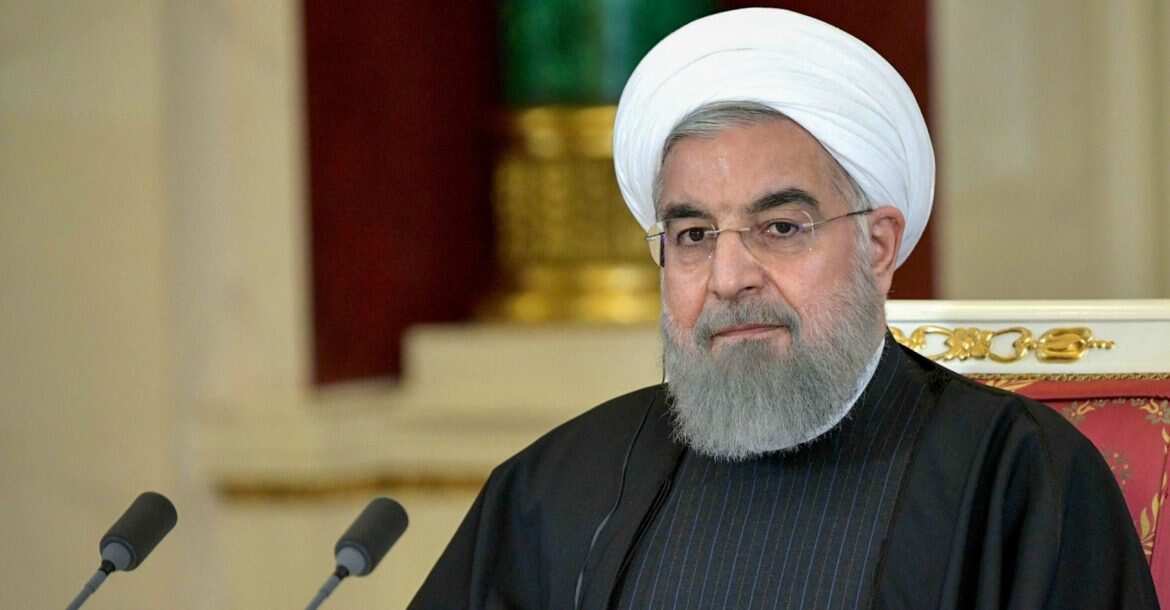
In May 2019, Iran takes its first step away from the deal, hoping to pressure Europe into helping it circumvent the sanctions.
Trump hits back by sanctioning Iran's steel and mining sectors.
In July, Tehran says it has exceeded the accord's restrictions on both its enriched uranium reserves and enrichment levels.
10-fold increase
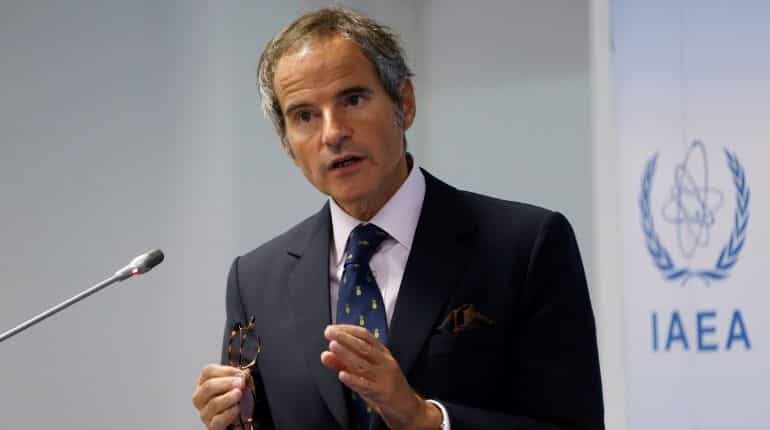
In September, the International Atomic Energy Agency (IAEA) watchdog says Iran has started using advanced centrifuges to enrich uranium.
In November, Tehran says its enrichment increased tenfold and that it has developed two new advanced centrifuges.
It then resumes enrichment at its Fordo plant.
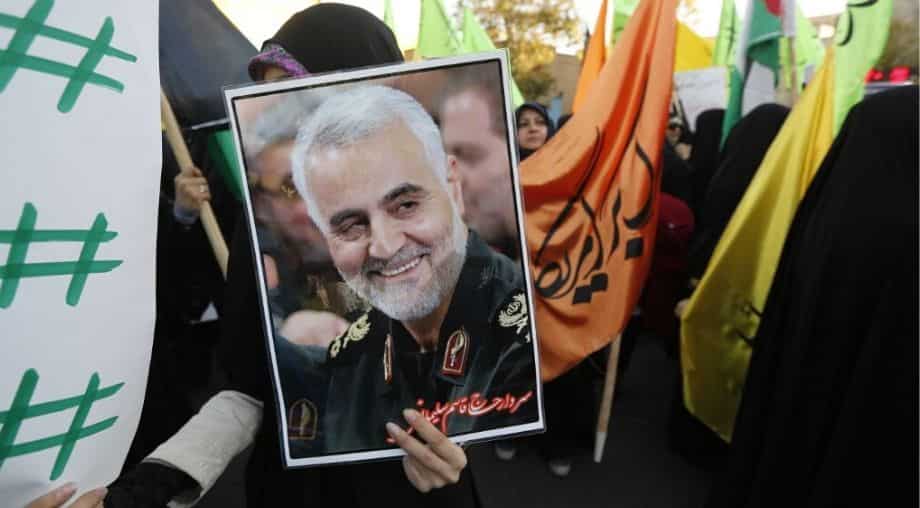
2020: Drone assassination
Tensions between Washington and Tehran spiral after a US drone strike in Baghdad in January 2020 kills top Iranian commander Qasem Soleimani, sparking a tit-for-tat confrontation.
Iran announces its fifth step back, foregoing a limit on its number of centrifuges.
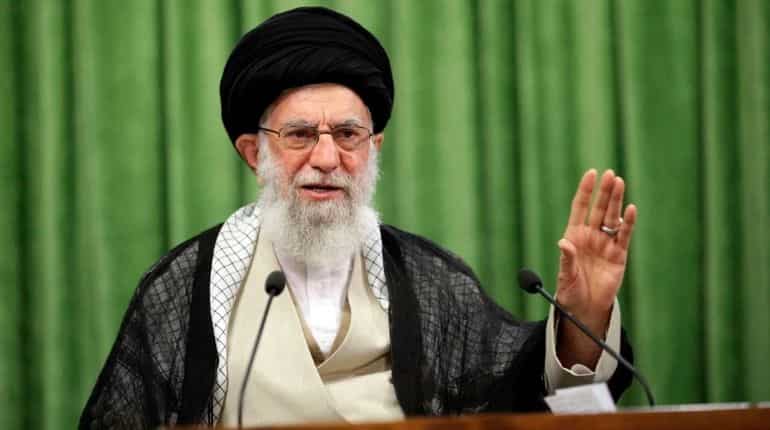
Iranian demands
In February, Iran demands economic advantages from Europe in return for cancelling all, or part, of its rollback measures.
In March, European signatories say they have delivered medical goods to Iran under a mechanism established to bypass US sanctions.
On November 27, 2020, one of Iran's top nuclear scientists Mohsen Fakhrizadeh is killed near Tehran in an attack that Iran blames on Israel.
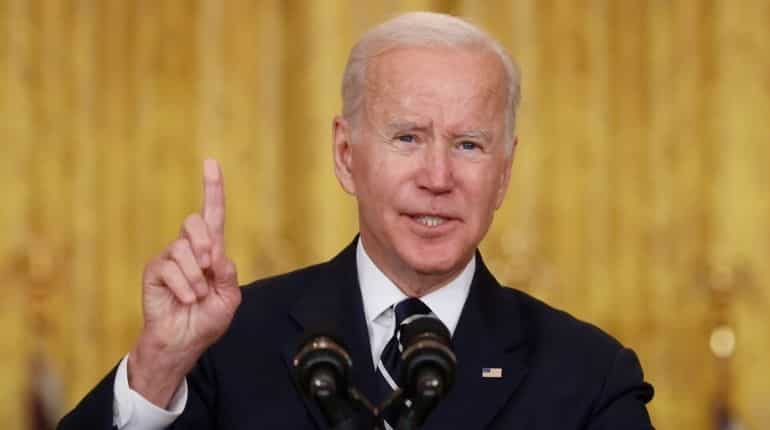
60 percent enrichment
On April 7, with President Joe Biden in the White House, talks on rescuing the accord start in Vienna.
But nine days later, Iran says it will start enriching uranium up to 60 percent after an attack on its Natanz plant which it blames on Israel.
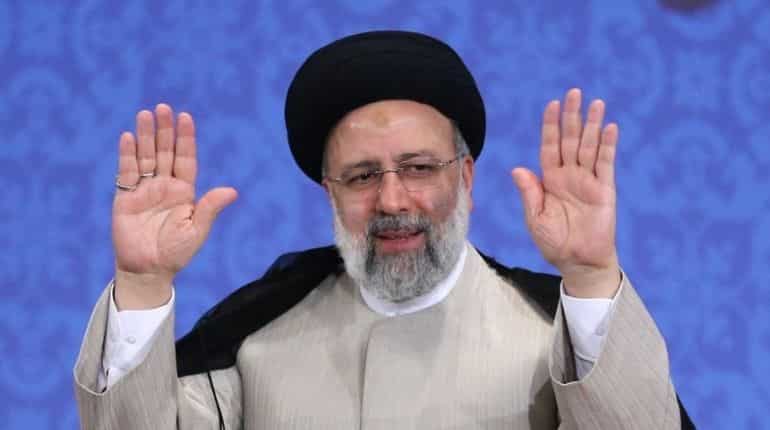
Iran hits pause button
Iran pauses talks in June after the election of hardline new president, Ebrahim Raisi.
But on August 5, he says it is again open to negotiations as experts warn nuclear work is continuing apace and advancing to dangerous levels.
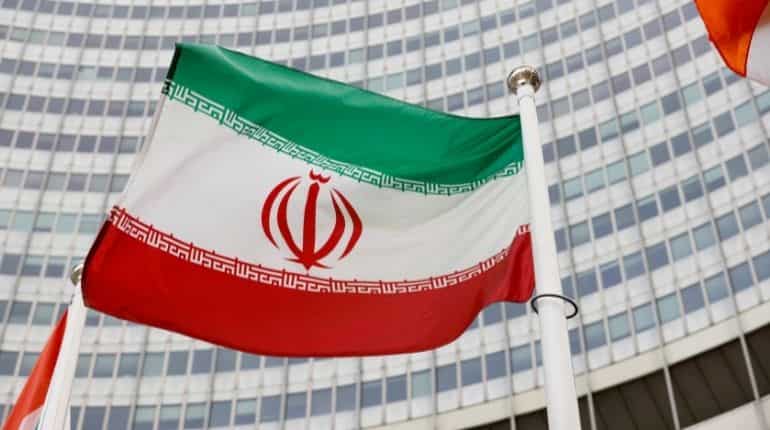
Tehran ready to talk
The 2015 deal was aimed at guaranteeing that Tehran could not develop a nuclear weapon -- something it has always denied wanting to do.
)
)
)
)
)