How HAL Tejas’ 'Fly-by-Wire' system keeps the fighter jet stable in extreme manoeuvres

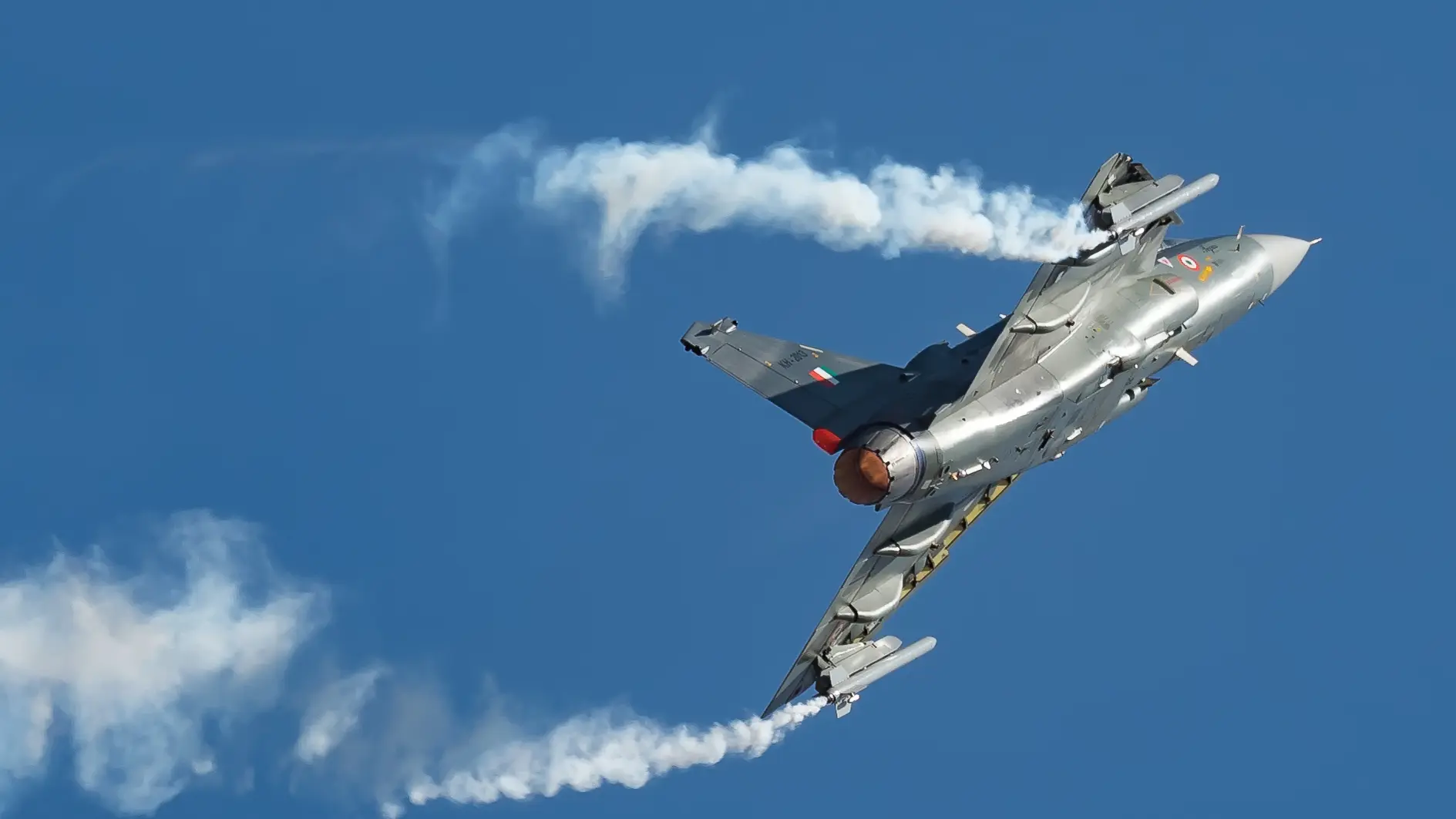
During high-G or rapid rate-of-change manoeuvres (such as roll, pull-up, dive), the FBW system rapidly adjusts control surfaces to maintain aircraft attitude, prevent excessive angle-of-attack and avoid departure from controlled flight.
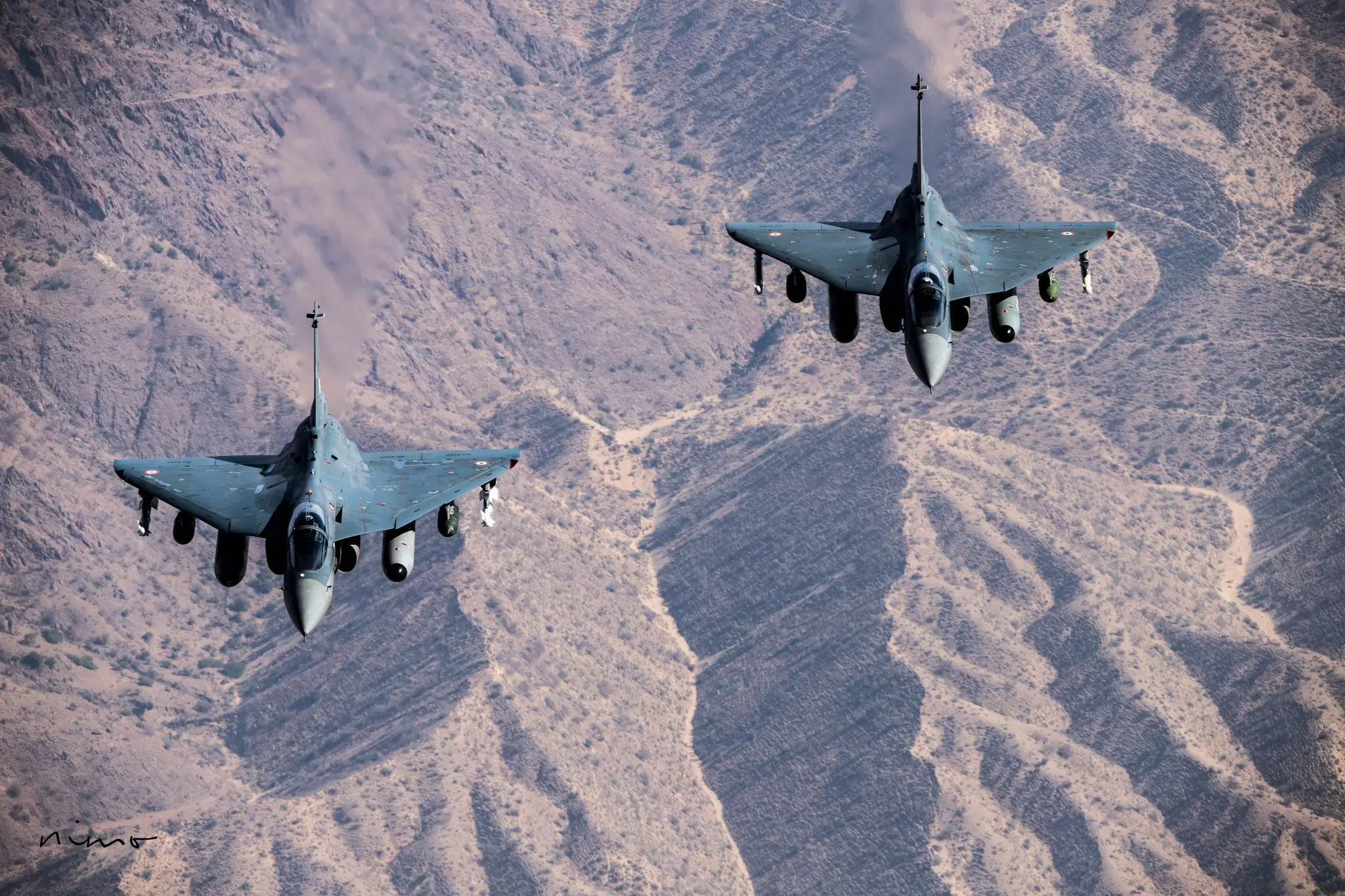
1. What is Fly-by-Wire (FBW) in an aircraft
Fly-by-wire is a flight control system where the pilot’s input (via stick or throttle) is converted into electronic signals, processed by computers, and then sent to actuators that move the control surfaces, rather than direct mechanical linkages. This type of system allows the aircraft to be designed with relaxed static stability (meaning it is inherently less stable, but more manoeuvrable) while the onboard system keeps it controllable.
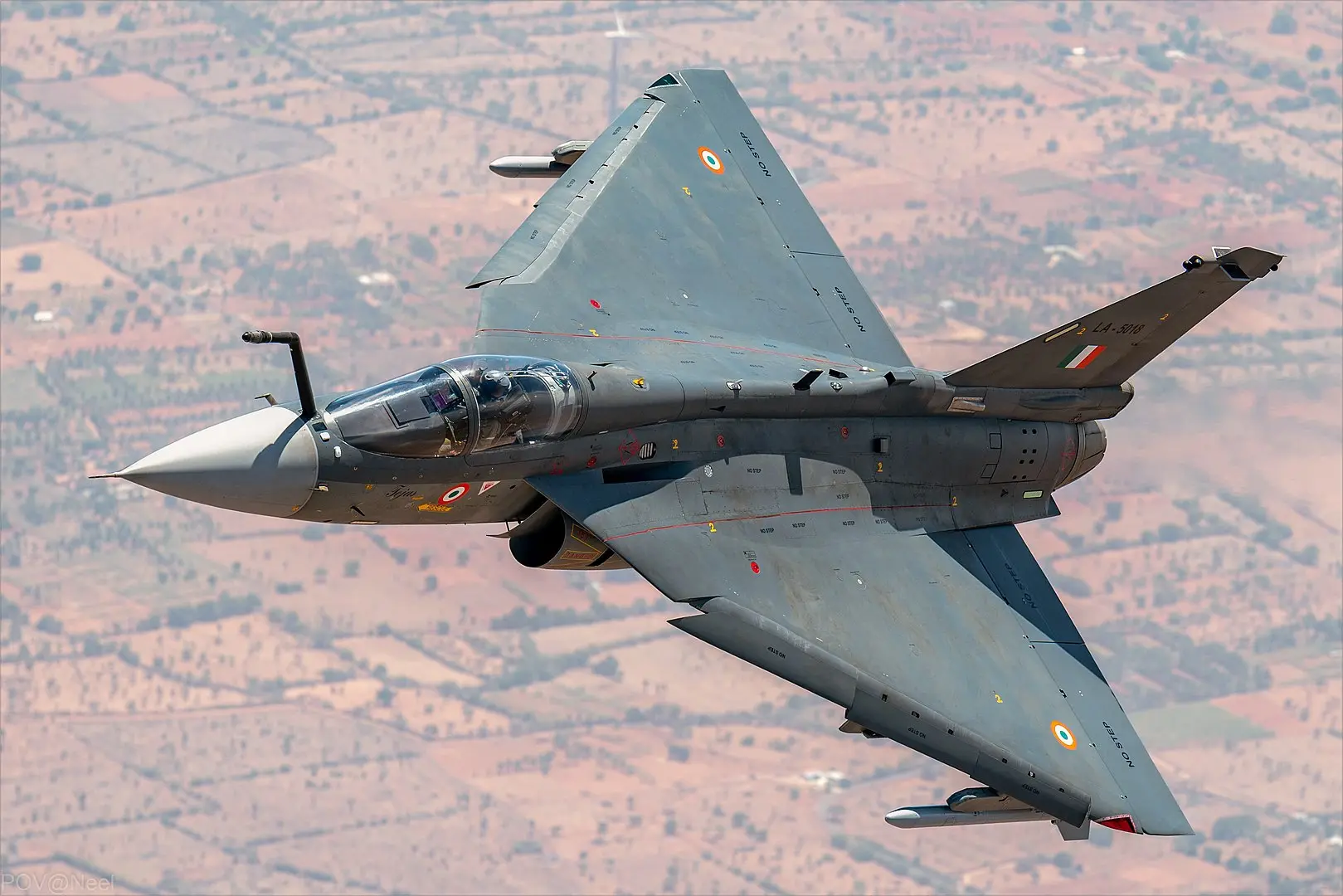
2. Why Tejas uses a quadruplex digital FBW
The Tejas was developed with a quadruplex (four-channel) digital fly-by-wire flight control system, meaning there are four independent computer channels controlling the flight surfaces. This high redundancy ensures that if one or two channels fail, the others can continue to maintain control-laws and keep the aircraft stable during flight. The quadruplex design enhances safety and reliability in extreme manoeuvres.
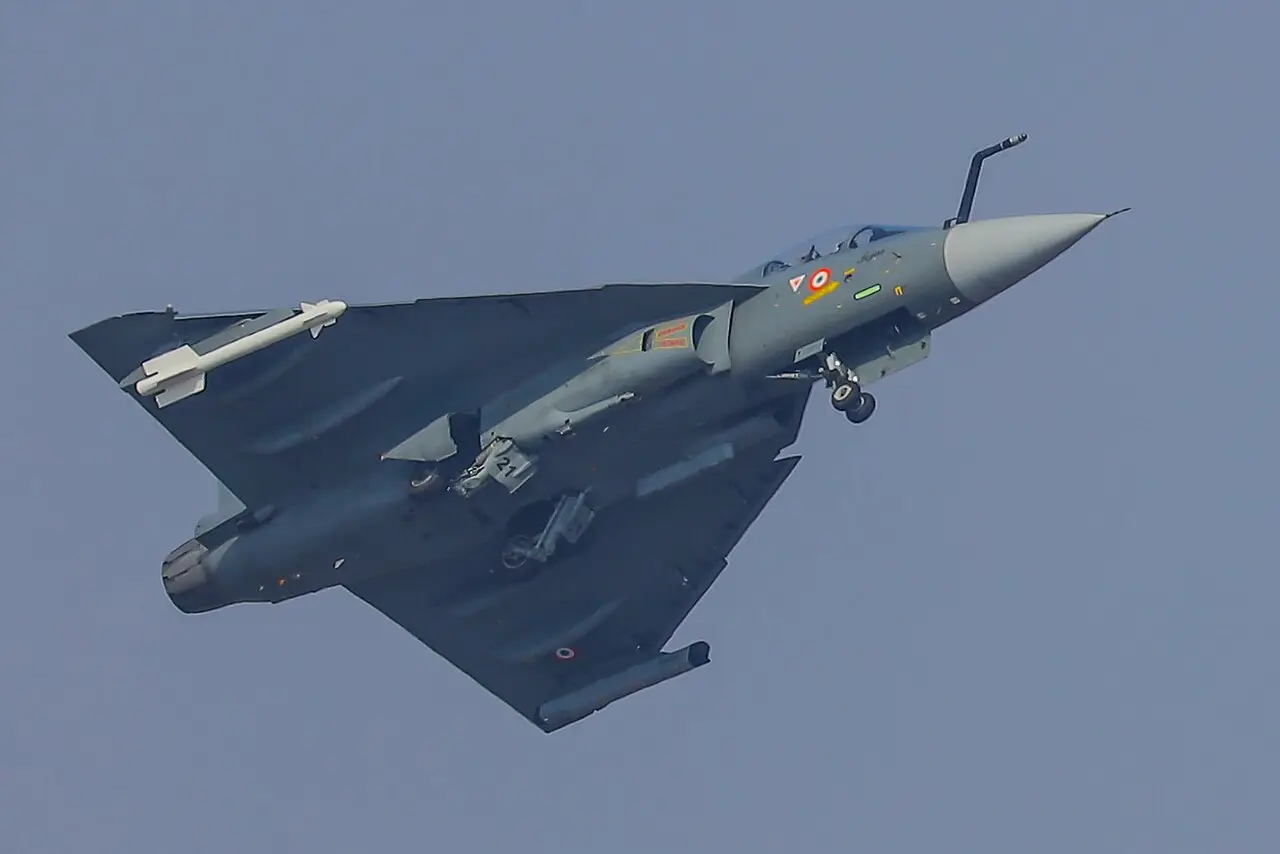
3. How FBW enables high-performance manoeuvres
Because Tejas is built with a delta-wing, tailless configuration and has “relaxed static stability” (meaning it is aerodynamically unstable without computer control) it depends on the FBW system to stabilise it during flight. This allows the jet to execute high-angle-of-attack turns, rapid rolls and other aggressive manoeuvres, the computer adjusts for pilot input and maintains control surfaces in a way that prevents stall, spin or uncontrolled divergence.
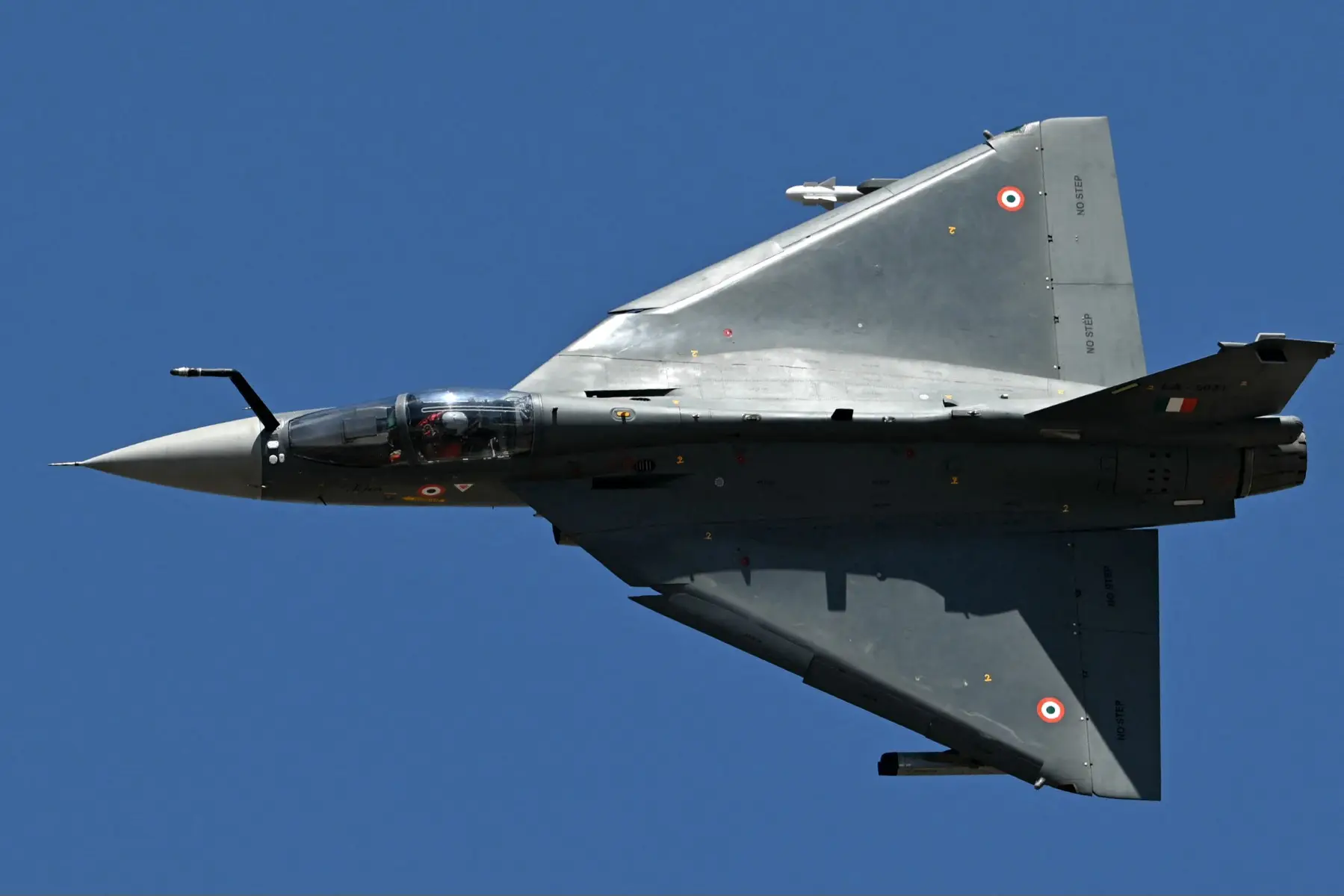
4. Key features of Tejas’ FBW system
The Digital Flight Control Computer (DFCC) developed for the Tejas Mk 1A is indigenous and integrates the fly-by-wire system with mission-avionics. The FBW system provides “auto low-speed recovery” and “disorientation recovery” features, meaning if the aircraft is near stall or the pilot is disoriented, the system helps recover to a safe flight envelope. The FBW system is tied into the aircraft’s sensors (angle-of-attack, air-data, angular rates), so for every pilot input the system computes the necessary surface deflections and actuator commands, in real-time.
5. How this system benefits stability in extreme manoeuvres
During high-G or rapid rate-of-change manoeuvres (such as roll, pull-up, dive), the FBW system rapidly adjusts control surfaces to maintain aircraft attitude, prevent excessive angle-of-attack and avoid departure from controlled flight. Because the system can adjust faster and more accurately than manual control linkages alone, it improves “care-free handling” for the pilot, ie, the pilot can follow his input without needing to instinctively fight the aircraft’s natural instability. Thus in aggressive air-show displays or combat conditions, Tejas is able to remain controllable and stable, even when the pilot commands extreme manoeuvres.
6. Limitations & what the system does not guarantee
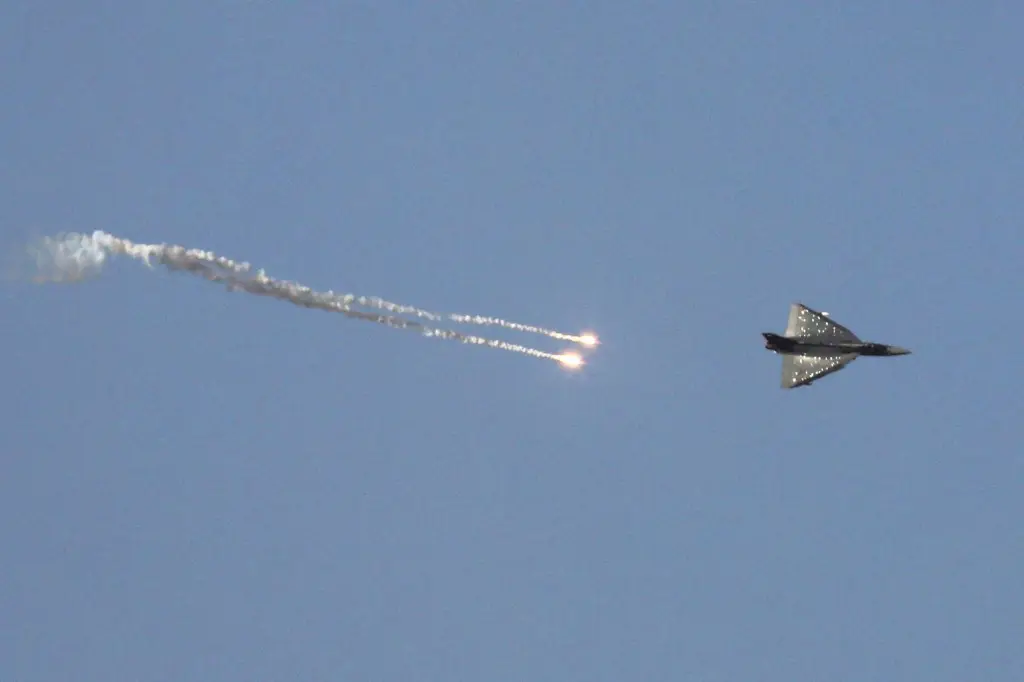
While the FBW system greatly increases stability and safety margins, it cannot overcome all aerodynamic or mechanical failures. The system cannot create extra altitude/time if the aircraft is too low during a manoeuvre; it cannot prevent structural failure if the load limits are exceeded; nor can it replace pilot judgement entirely. Also, software/hardware redundancy helps, but no system is entirely immune to failures. Therefore, even with advanced FBW, the pilot and operational limits (altitude, airspeed, manoeuvre type) remain critical.
7. Why this matters for Tejas and air-show/operational flights
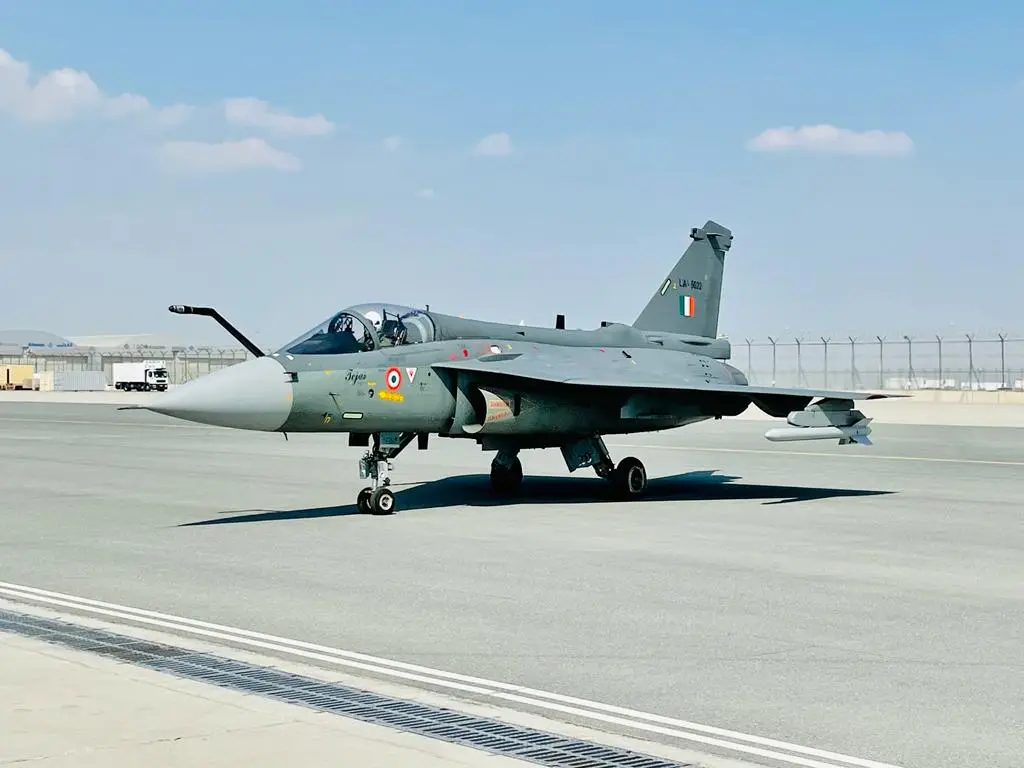
For Tejas, as India’s indigenous 4.5-generation light combat aircraft, the FBW system is a key enabler of the aircraft’s agility, multirole capability and operational viability. In the context of air-shows (like the one where the crash occurred) or high-performance missions, this system gives Tejas the manoeuvrability required. However, it also places demands on display-procedure discipline, pilot training, aircraft state and environmental conditions because the system must operate within its envelope. When all these align, Tejas’ FBW is a force multiplier; if they don’t, even the best system cannot override physics.
)
)
)
)
)